Custom OEM Travel Guitar Manufacturer & Factories
A 2025–2030 sourcing white paper for distributors, retailers and private-label brands comparing travel guitar development, factory-network procurement, quality control and buyer-ready accessory programs.
8 Buyer-Ready Products for Travel Guitar & Music Retail Programs
The modern travel guitar assortment is no longer a single hard case and a compact instrument. Buyers now build an attachable ecosystem around practice, recording, content creation, gifting and accessory replenishment. These eight wholesale SKUs support cross-selling, mixed-container efficiency and higher average order value.
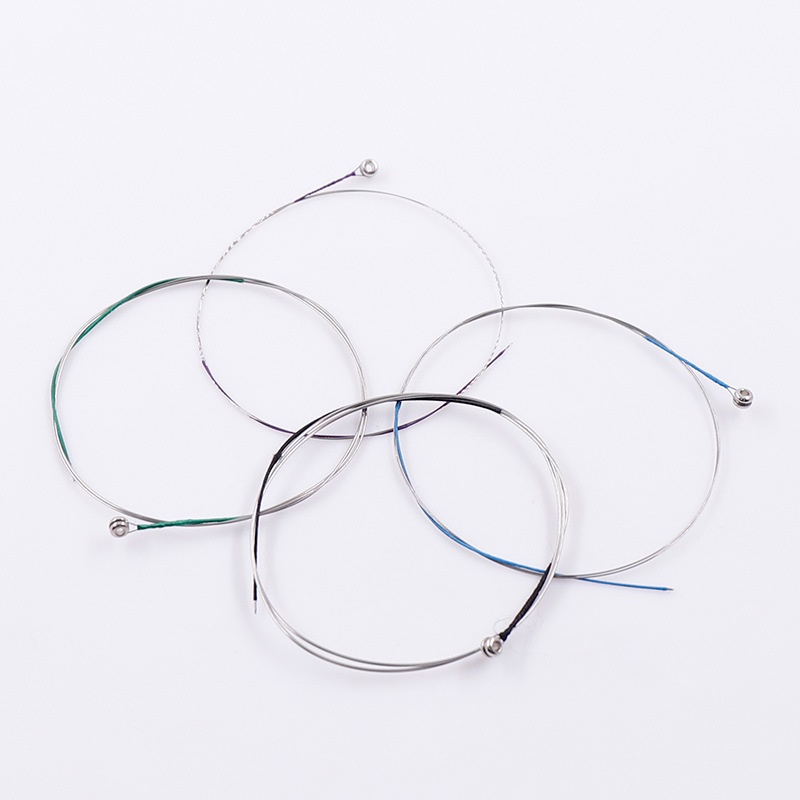
Silver Steel Violin Strings Loose Set for Classical Guitar Wholesale Guitar Parts Accessories
Replacement string program for repair counters, music schools and accessory replenishment.
View product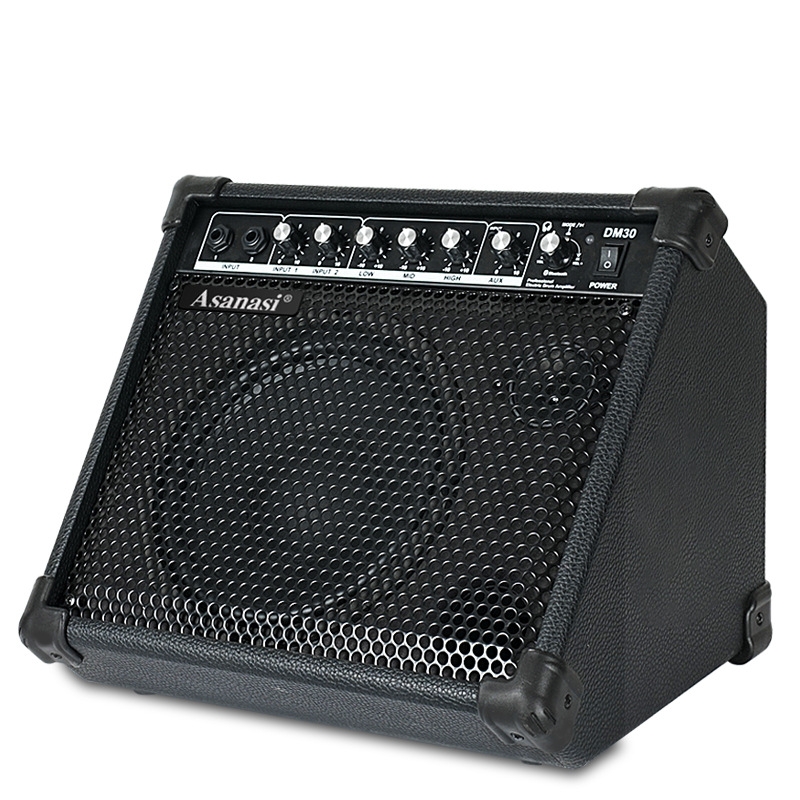
Wholesale Speakers Electronic Drums Rechargeable Portable Outdoor Wireless Stereo Amplifier
Portable amplification for electronic drums, outdoor practice and travel-performance bundles.
View product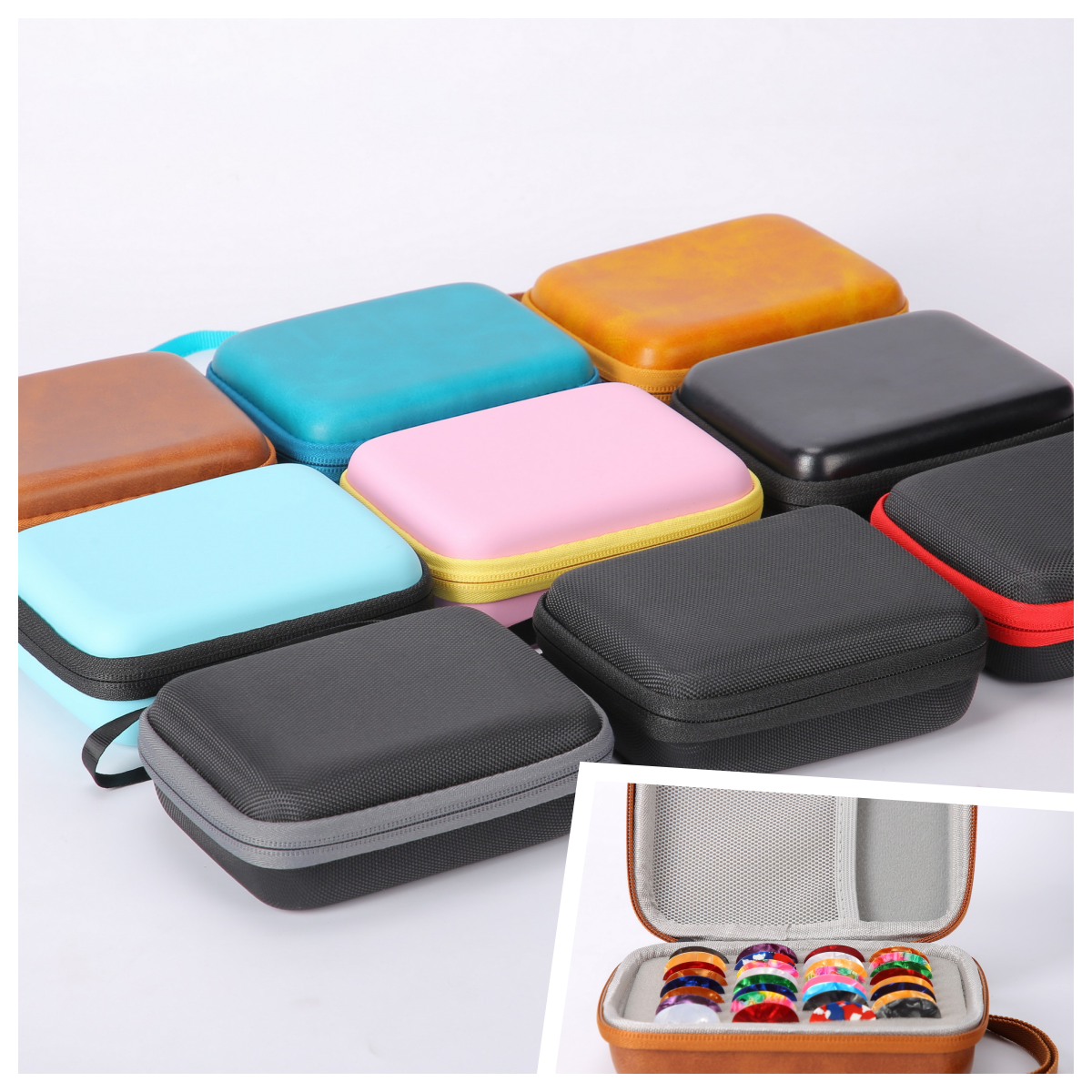
Guitar Folk Plectrum Storage Leather Case Leather PC Plectrum Bag Ukulele Plectrum Pick Case Package
Compact leather-look pick case for retail counters, gift packs and travel accessory kits.
View product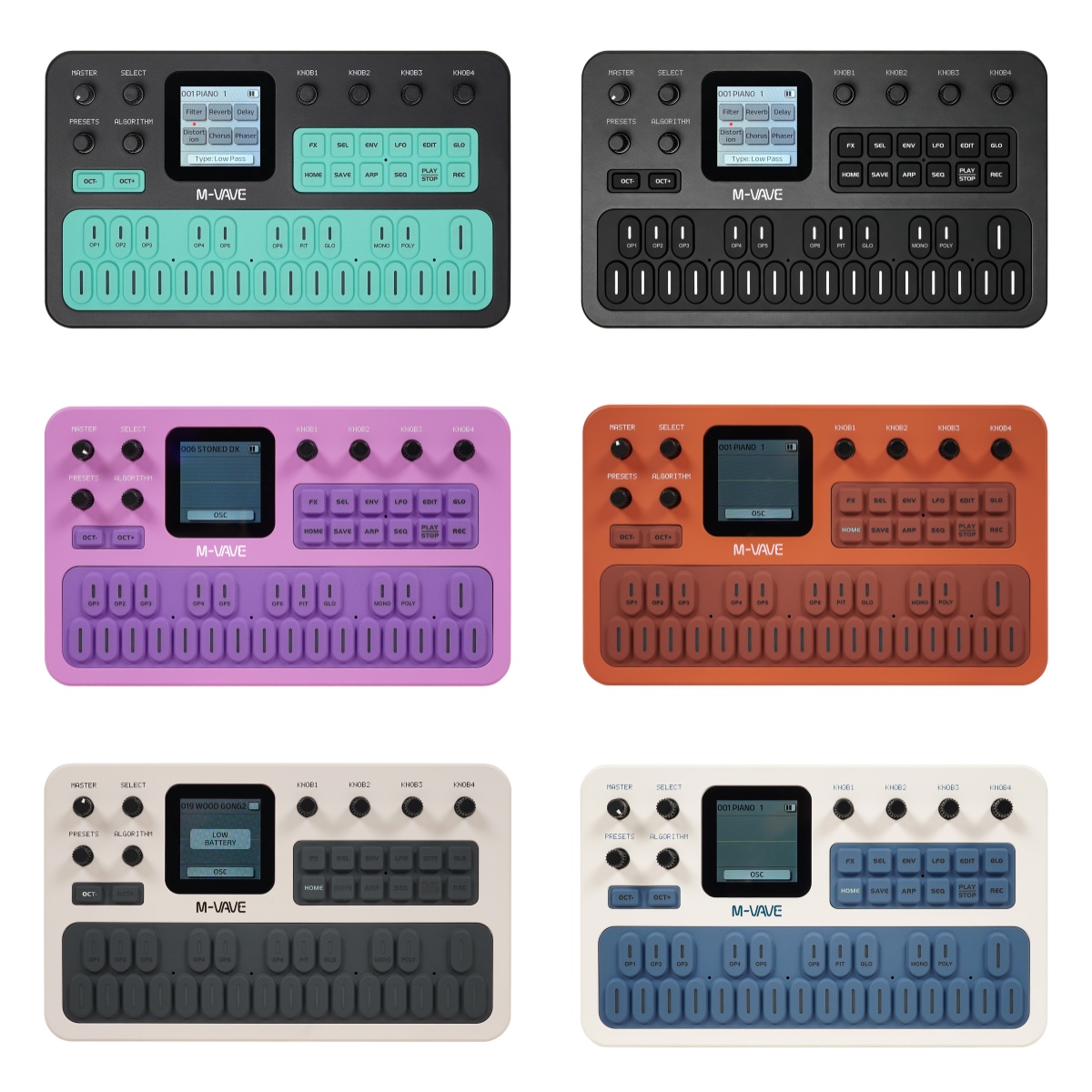
M VAVE Mini FM 1 Synthesizer 27 Keys 3 Channel 12h Battery Built in Speakers for Outdoor Music Production and Pocket Effect
Pocket synthesizer with built-in speakers and long battery life for creator-focused bundles.
View product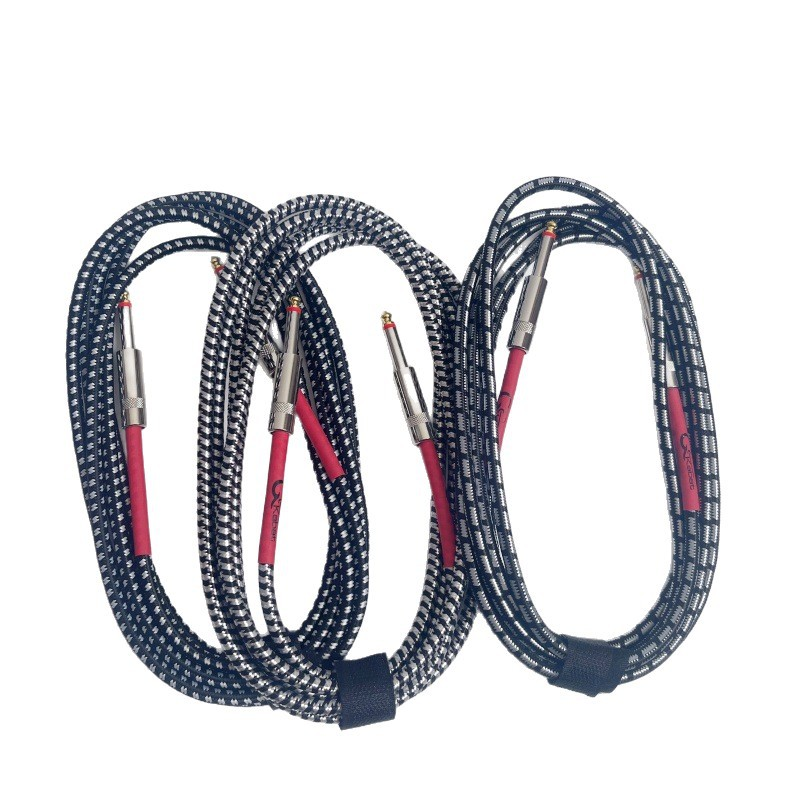
Braided Guitar Cable, 6.35mm Male to Male Noise Reduction Audio Cord for Bass, Instrument Connection Wire Wholesale
Noise-reduction instrument cable for travel practice, studio setups and accessory add-ons.
View product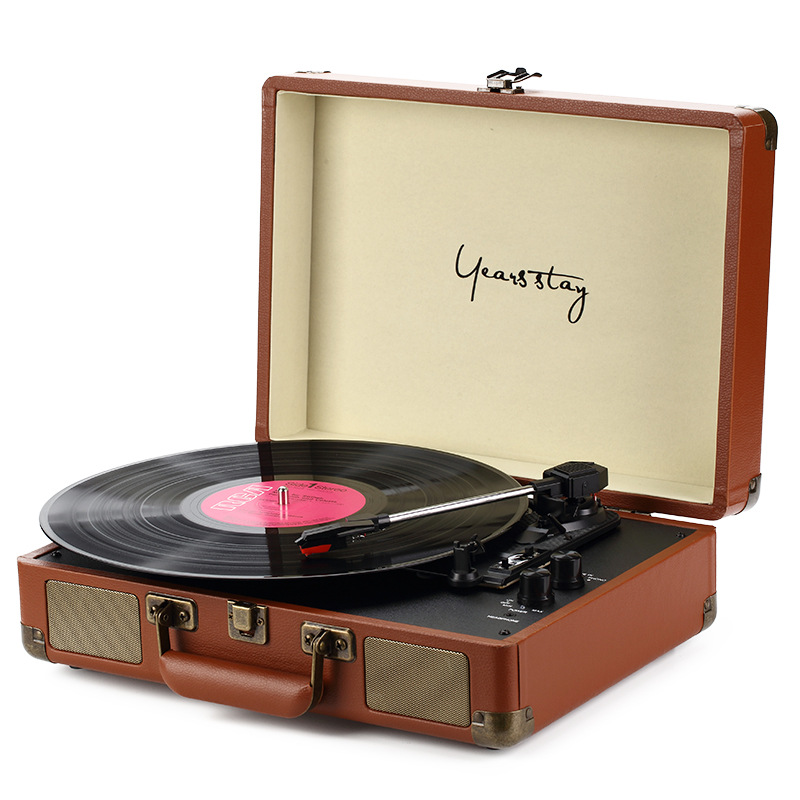
Portable Mini Phonograph Desktop Vinyl Record Player Handheld Wireless for Speaker Turntable
Lifestyle audio product for gifting, desktop retail and music-themed merchandising.
View product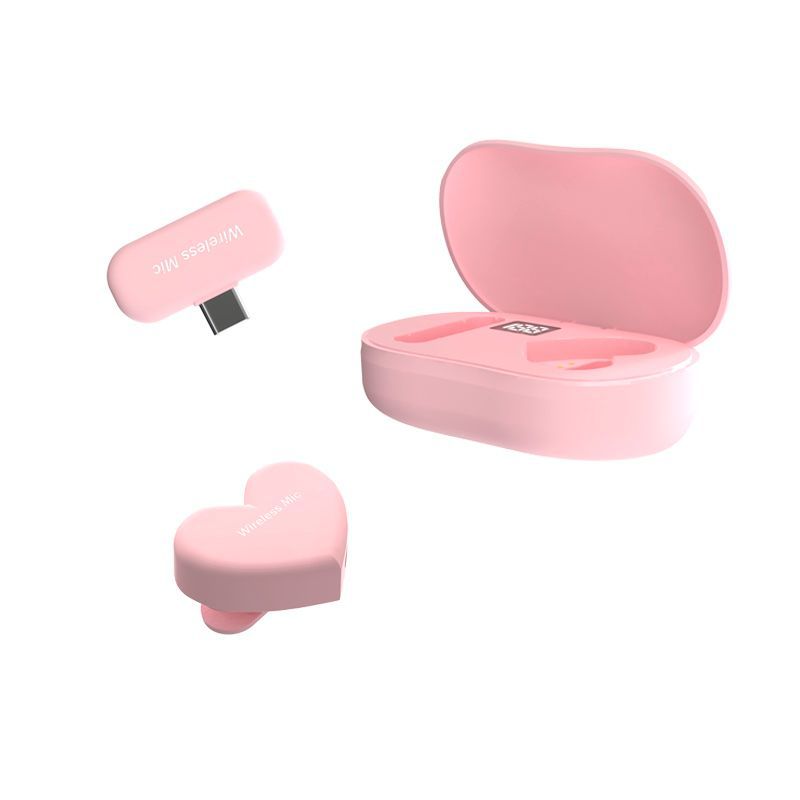
Stylish Pink Heart Wireless Mic with Clip Magnet Excellent for Vlog Recording on Mobile Compact Charging Case Portable Mic
Content-creator microphone for social commerce, live streaming and beginner recording kits.
View product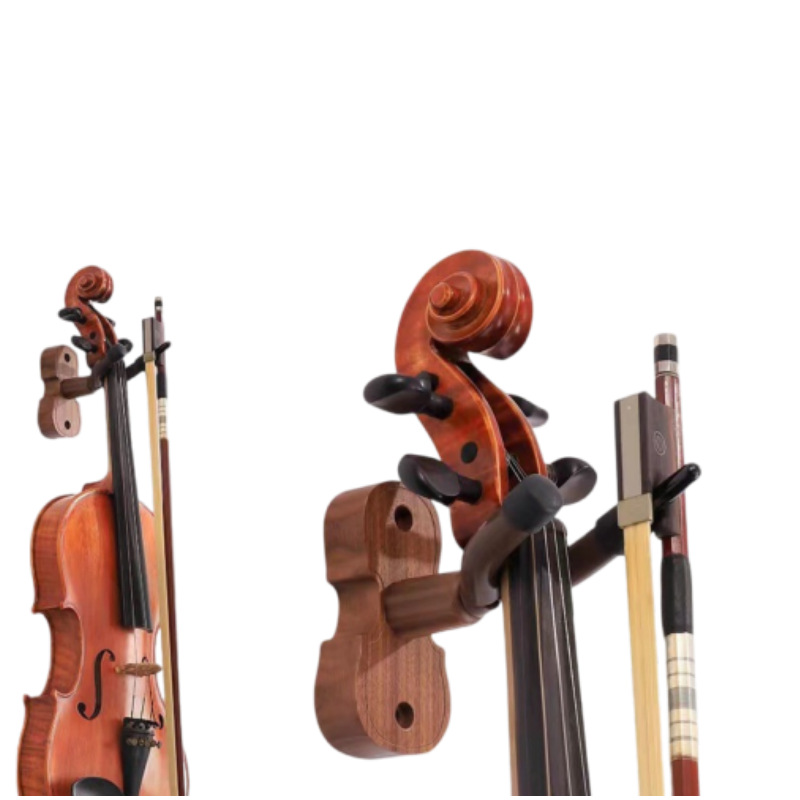
Wood Base Violin Hanger, Wall Mount Violin & Erhu Display Bracket, Universal Musical Instrument Wall Hanging Rack Wholesale
Display and storage accessory for instrument retailers, studios and school music rooms.
View productYears in the musical instrument industry
Annual export value, third-party assessed
Orders shipped in the last 6 months
Inquiry response rate
Average buyer rating
Why Custom OEM Travel Guitars Are Becoming a Planned Assortment Category
Travel guitars have shifted from novelty item to a serious procurement category for distributors, online retailers, music schools and private-label brands. The buyer intent behind searches for “custom OEM travel guitar manufacturer” is rarely a one-off request for a single instrument. It usually combines several commercial questions: Can the factory produce a compact guitar with stable tuning after shipping? Can the neck, headstock, scale length, electronics, gig bag and packaging be customized without excessive MOQ? Can the supplier document materials and electronics compliance? Can the product be consolidated with accessories to improve container utilization?
This is where a white-paper-style sourcing approach matters. A travel guitar is exposed to temperature changes, low humidity, air freight, courier handling and repeated packing and unpacking. For B2B buyers, the real risk is not only tone. It is structural stability, setup consistency, after-sales cost and the ability to replenish the same specification six months later. OEM programs that look attractive at sample stage can become expensive if the factory changes hardware, ignores neck-angle consistency or uses packaging that fails drop tests.
WPI International Trade Co., Ltd. (Huizhou) approaches custom OEM travel guitar development as a factory-network sourcing program rather than a single-line catalog claim. The company is an export trading company and multispecialty supplier, not a single owned factory. That distinction is useful for buyers: WPI can match a brief to partner workshops with relevant experience in acoustic guitars, electric guitars, ukuleles, violins, percussion, keyboards and accessories, then coordinate sampling, private-label customization, finished-product inspection and consolidated shipment. The advantage is flexibility across constructions and categories, backed by an Intertek onsite assessment and 12+ years of export experience.
For semantic search and procurement research, the winning content must answer the comparison questions that sit behind the head term: custom OEM travel guitar vs generic acoustic guitar, detachable neck vs fixed neck, solid spruce vs laminate, carbon composite vs wood, low-MOQ sampling vs container-only pricing, and factory-direct sourcing vs trading-company coordination. The practical answer for most importers is a portfolio approach: validate demand with a small, well-specified first order; test two or three construction options; confirm packaging and setup; then scale a repeatable SKU with documented inspection criteria and spare parts support.
Travel Guitar Sourcing Scorecard
Use this buyer framework to compare quotations, not only unit price.
Information gain for buyers: request a written sample evaluation covering action, intonation, fret ends, tuner backlash, pickup noise, battery access, gig-bag protection and retail packaging before approving mass production.
Get CatalogTravel Guitar Design Directions Buyers Should Plan For
The next wave of custom OEM travel guitar programs will be judged by portability, repeatable setup and content-ready features, not by body shape alone.
Detachable and Foldable Necks
Compact shipping and traveler convenience continue to drive demand for detachable-neck and folding-body designs. Buyers should specify hardware torque, repeatable neck alignment and setup checks after repeated assembly.
Composite and Carbon Stability
Carbon fiber, HPL and reinforced laminates appeal to buyers targeting humid, dry or outdoor markets. These materials reduce humidity risk, but the specification must still cover tone, fretboard feel, finish quality and UV resistance.
Travel-Scale and Headless Bodies
36-inch to 38-inch travel-scale guitars and headless formats improve packing efficiency and appeal to mobile creators. Retailers should compare scale length, string tension and case dimensions before committing to a full container.
Silent Practice and Smart Electronics
Headphone amps, USB-C recording, Bluetooth practice tools and built-in effects are becoming normal expectations. For OEM programs, confirm noise floor, latency, battery access, charging standards and replacement-part availability.
Modular Hardware and Parts
Standardized tuners, bridges, saddles, pickups and battery compartments reduce after-sales friction. Importers gain more value from a supplier that can bundle spare parts and maintain hardware consistency across repeat orders.
Low-VOC and CITES-Friendly Materials
Retailers increasingly request low-VOC finishes and alternatives to restricted woods. Buyers should ask for material declarations, finish documentation and consistent color matching rather than relying on “eco” labels without evidence.
Choosing the Right Construction for Travel Guitar OEM Programs
Material selection should follow target market, retail price, humidity exposure, packing method and after-sales tolerance.
Solid Spruce Top
Bright, articulate tone with strong perceived value for mid-to-premium acoustic travel guitars. Best for music stores and serious players.Buyer caution: humidity control and stable factory setup
Layered Mahogany or Basswood
Stable, cost-effective and suitable for entry-level and school programs. Good for high-volume private label and first-time importers.Buyer caution: specify hardware grade and fretwork
HPL and High-Pressure Laminate
Scratch-resistant, humidity-tolerant and consistent in appearance. Strong fit for travel, outdoor and gift channels.Buyer caution: avoid heavy body feel and dull acoustic response
Carbon Fiber and Composite
Weather stability and modern visual appeal for premium travel and creator products. Best for markets with extreme climate conditions.Buyer caution: validate UV finish and repair policy
Thermally Treated or Stabilized Wood
Improved dimensional stability with a natural wood story for premium buyers. Suitable for differentiated private-label lines.Buyer caution: request repeat-order color and grain benchmarks
Hybrid Wood and Composite Builds
Wood tone with reinforced structure or removable neck systems. Useful for travel guitars that must balance sound and durability.Buyer caution: confirm assembly tolerance and service parts
How Distributors and Brands Should Buy Custom Travel Guitars
The purchasing model is moving toward evidence-based, low-risk assortment building rather than large speculative orders.
Micro-Batch Validation
Buyers increasingly start with 1–10 pieces per model to test marketplace demand, review packaging and collect customer feedback. Low-MOQ sampling helps distributors avoid heavy inventory before a travel guitar design is proven.
Mixed-Container Consolidation
Importers want one supplier conversation for guitars, ukuleles, violins, drums, keyboards and accessories. Consolidation lowers logistics friction and supports more complete retail assortments without multiple purchase orders.
Private Label at Practical MOQ
Logo, headstock badge, packaging, gig-bag labels and product photography are now basic OEM requests. Suppliers that can support sample-based, minor, design-based and full customization reduce time-to-market for brands.
Documentation-Ready Sourcing
Compliance files, material declarations, electronics documentation and inspection reports are becoming part of the quotation pack. Buyers should ask for documents before production, not after a shipment is ready.
Content-Ready Product Data
Online sellers need consistent titles, dimensions, material lists, package weights, high-resolution images and feature bullets. Suppliers that provide ready-to-publish content shorten the path from purchase order to live listing.
Replenishment and After-Sales
Repeat orders depend on hardware consistency, spare parts and corrective-action follow-up. A named account manager plus pre-shipment inspection reduces the risk of silent specification changes between shipments.
WPI International Trade Co., Ltd. (Huizhou)
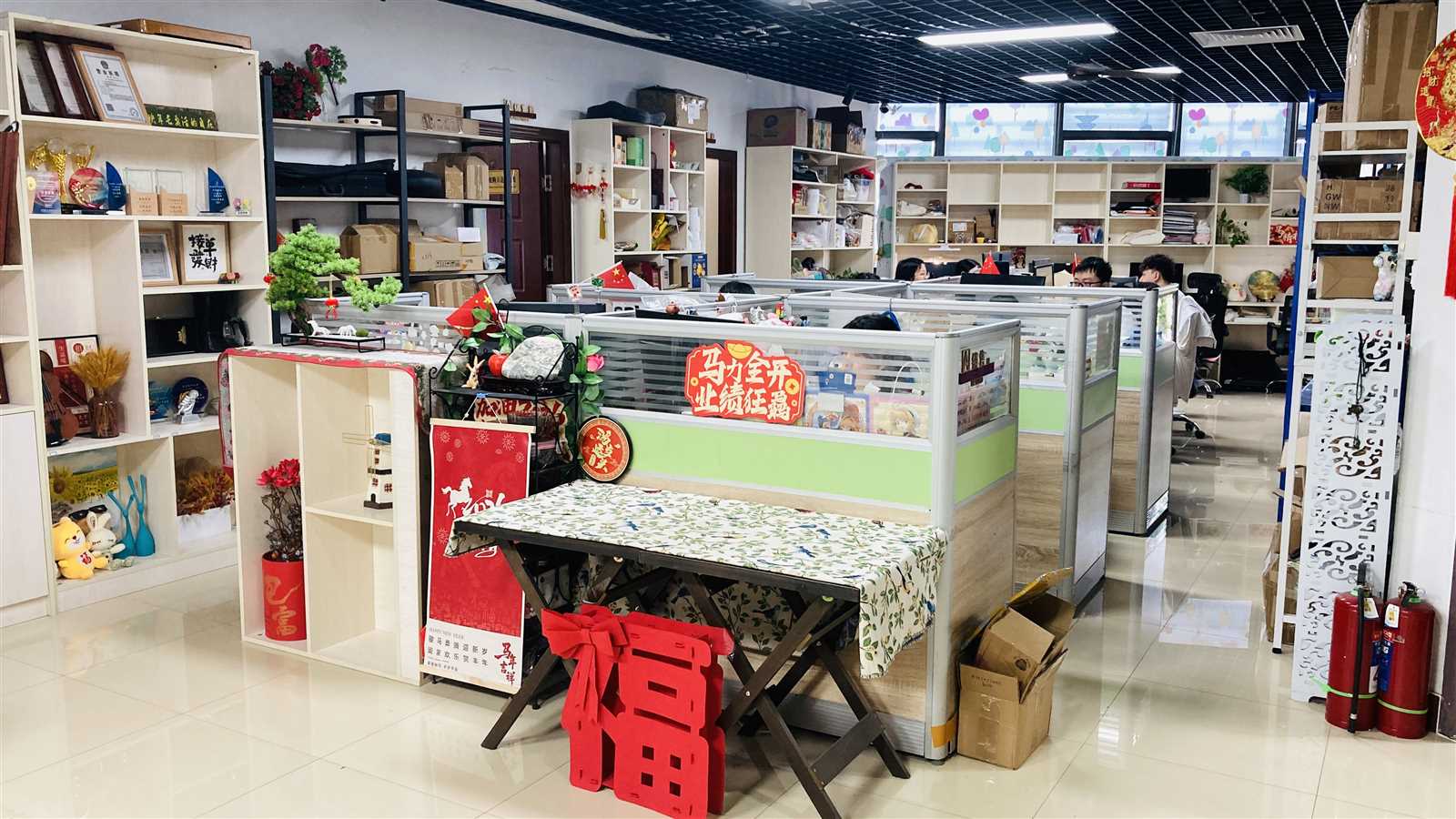
WPI began exporting musical instruments from Hong Kong in June 2010 and established its Huizhou, Guangdong operation in 2014. The team includes 28 people, with 22 in trading and export roles. The company supplies importers, distributors, retailers and schools across North America, Western Europe, Southeast Asia and South America.
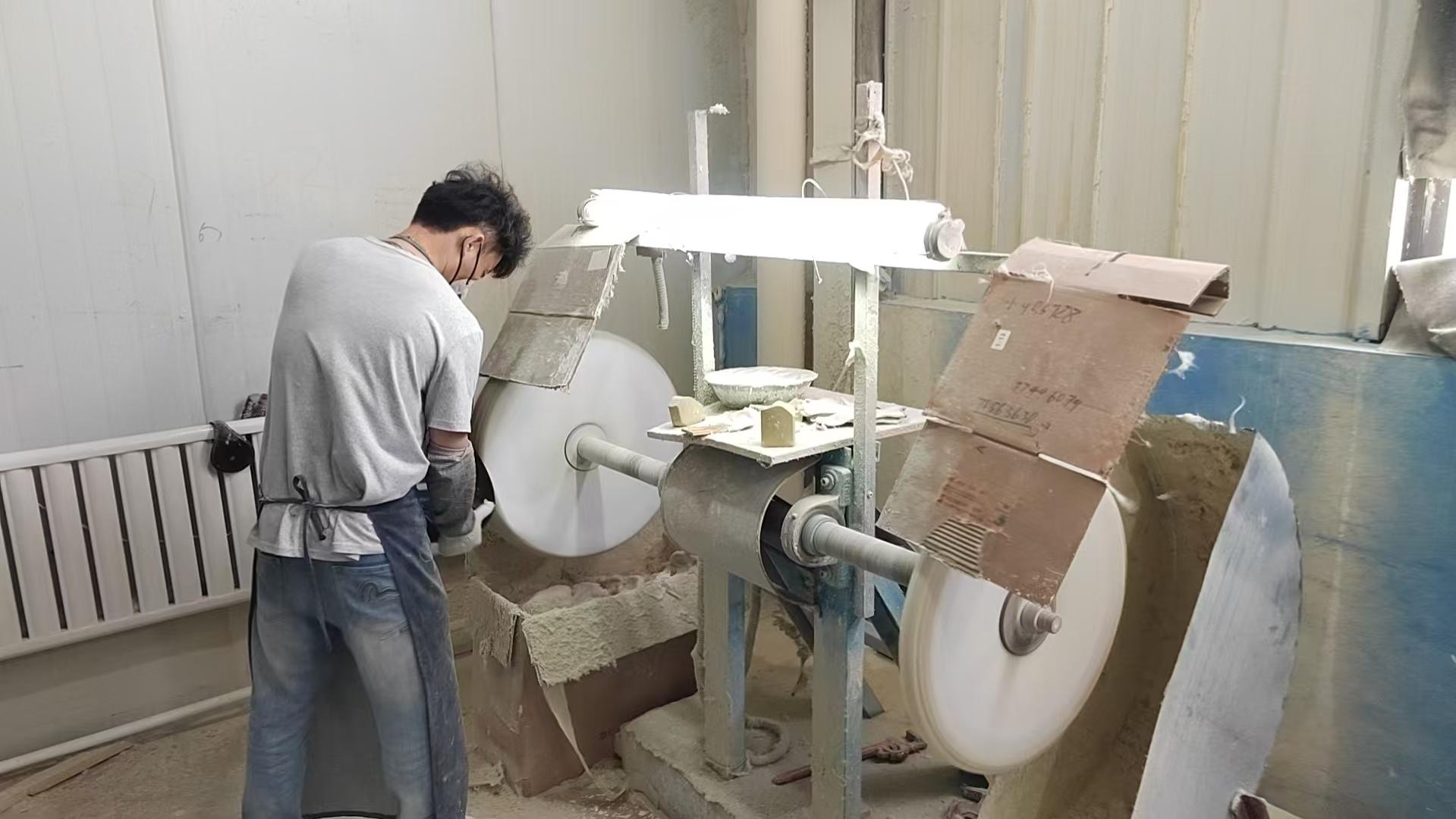
The commercial model is factory-network coordination plus export trading support: long-term partner workshops provide production capacity, while WPI manages specification, sampling, order follow-up, finished-product inspection, documentation and consolidated shipping. This makes it easier for buyers to build a multi-category musical instrument program without losing control of quality or communication.
The company has been assessed onsite by Intertek. Assessed capabilities include finished-product inspection, sample-based customization, minor customization such as logo, packaging and graphics, design-based customization and full customization. Product coverage includes acoustic and electric guitars, ukuleles, violins, cellos, saxophones, clarinets, drums, steel tongue drums, keyboards and accessories, with a catalog of more than 1,000 instruments and accessories.



How a Custom Travel Guitar Project Moves From Brief to Shipment
Brief & Market Fit
Define target price, body size, scale length, neck system, material, electronics, logo, packaging and target market.
Factory Matching
WPI matches the brief to suitable partner workshops and recommends realistic specifications, MOQ and packaging options.
Sampling
A pre-production sample is made for approval. Buyers should check playability, tuning stability, finish and retail presentation.
Production
Mass production follows the approved sample, with in-process checks for hardware, setup and cosmetic consistency.
Inspection
Finished-product inspection covers appearance, hardware, tuning stability, electronics and packaging before delivery.
Shipping
FOB, CFR, CIF, EXW, DDP or express delivery can be arranged according to buyer preference and destination requirements.
Custom OEM Travel Guitar Sourcing FAQ
Direct answers for importers comparing manufacturers, factories, trading partners and private-label programs.
What is a custom OEM travel guitar?
What is the MOQ for wholesale travel guitars?
Can you customize neck shape, headstock, logo and packaging?
Which materials are best for travel guitar stability?
How do you control quality before shipment?
What lead time should buyers expect?
Can you provide compliance and inspection documents?
Which travel guitar specification should a retailer order first?
What payment and delivery terms are accepted?
Build a Custom Travel Guitar Program With a Verified Export Partner
Share your target market, quantities, body size, material preference, logo and packaging requirements. WPI will help match the brief to suitable partner factories and recommend a practical sampling plan.