Custom OEM Guitar Saddle Manufacturers & Wholesalers
Bone, compensated, synthetic and brass guitar saddle programs for distributors, repair chains, private labels and music schools — low-MOQ sampling, verified QC and Intertek-assessed export support from WPI Music.
8 Wholesale Products for Guitar Saddle Buyers, Music Retailers & Repair Chains
These catalog lines are often consolidated with saddle, accessory and repair-kit orders. Original product URLs and images are preserved for direct buyer review and mixed-container sourcing.
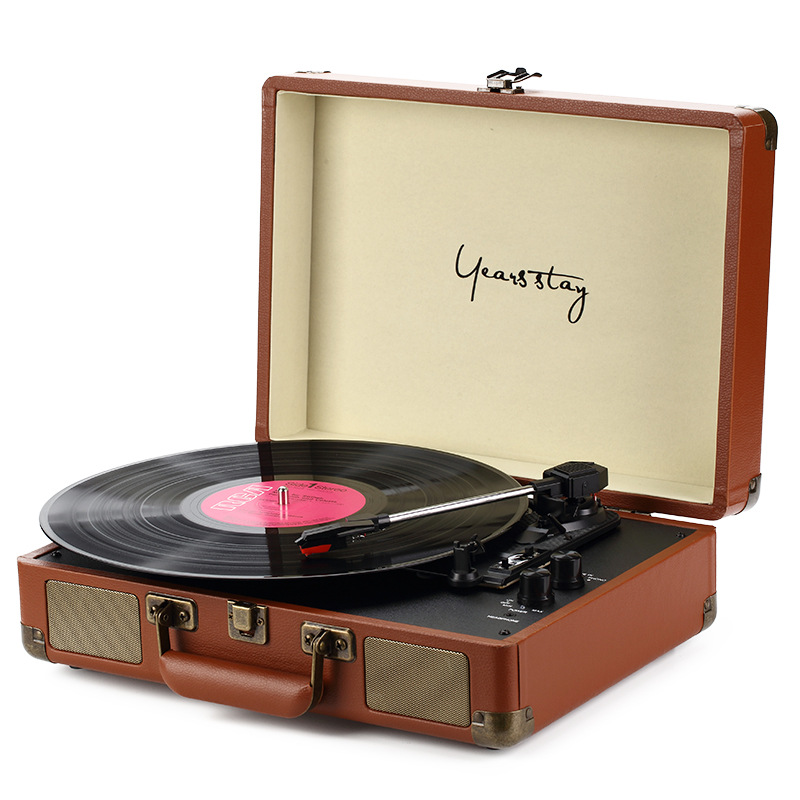
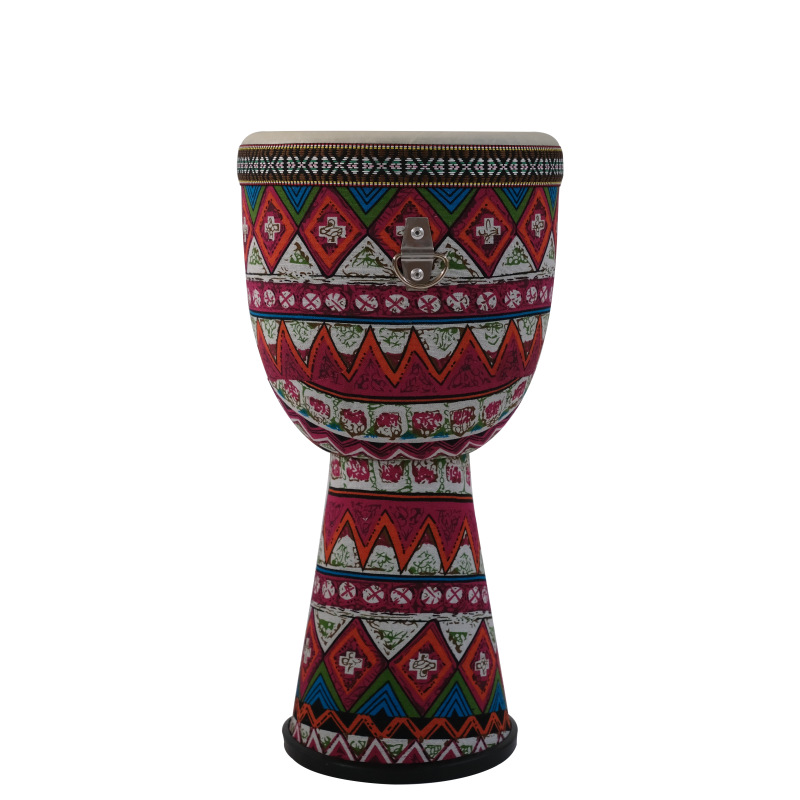
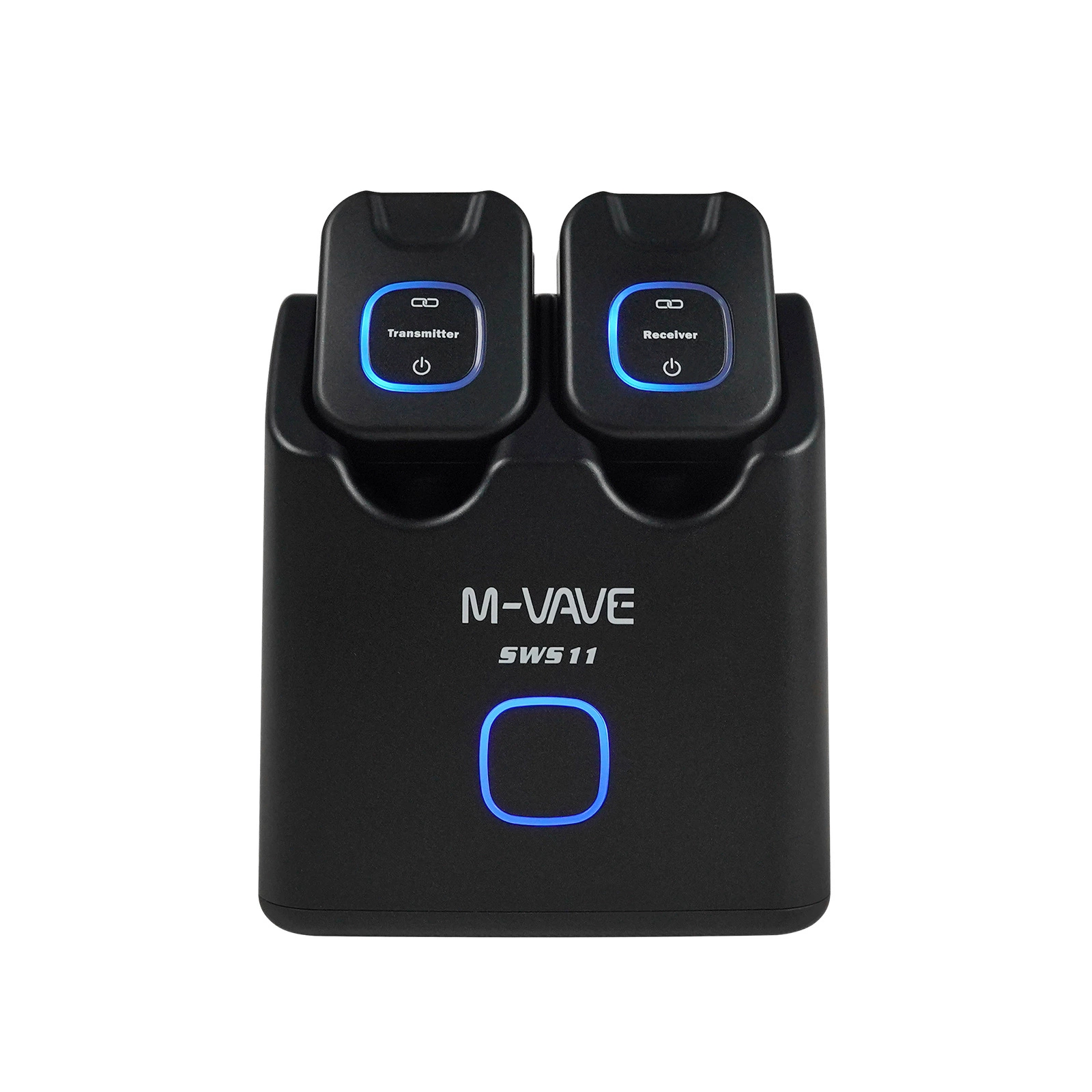
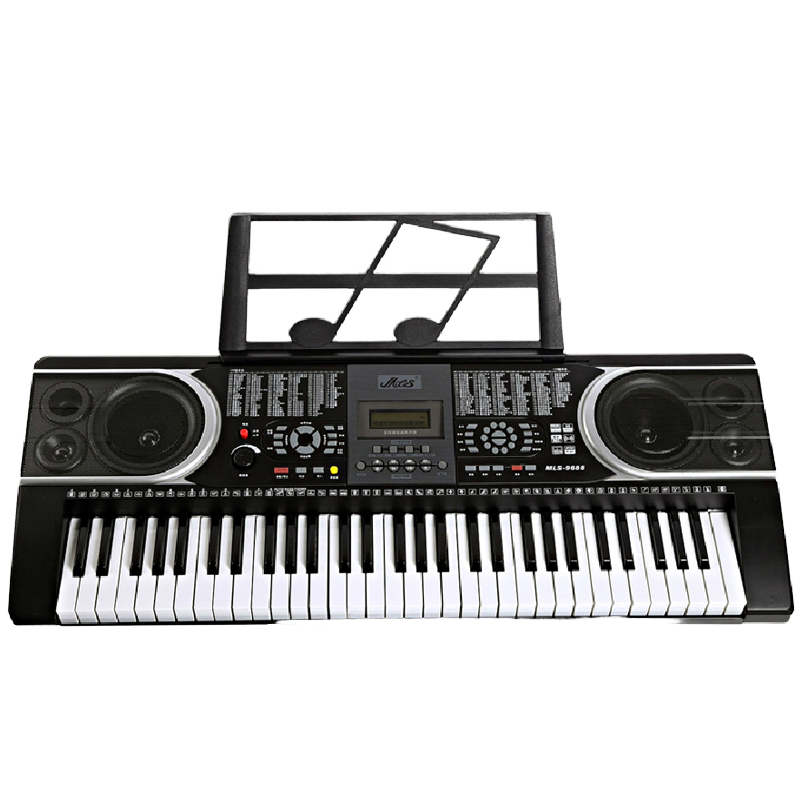
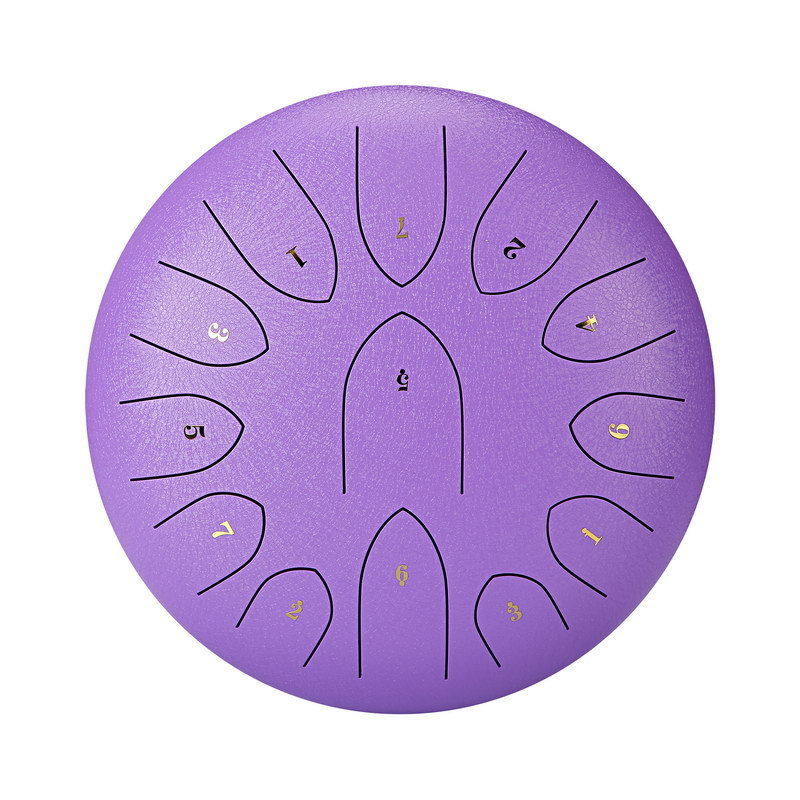
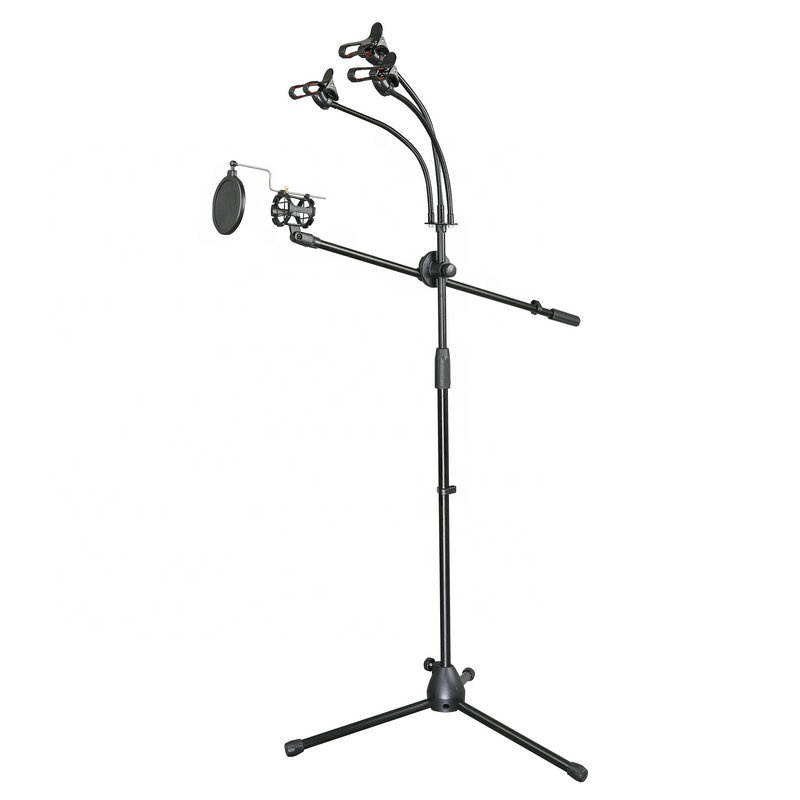
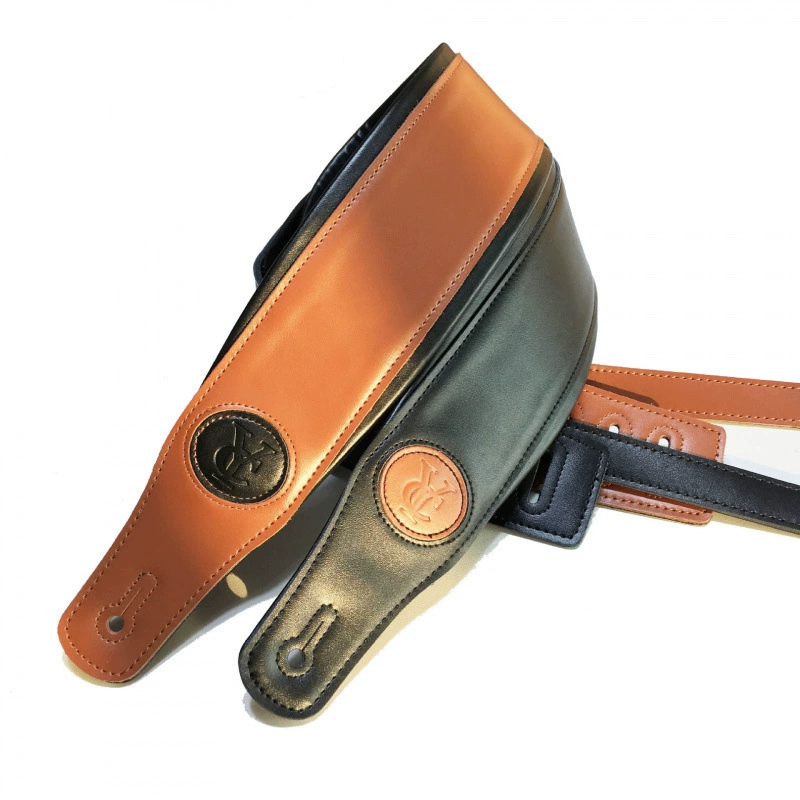
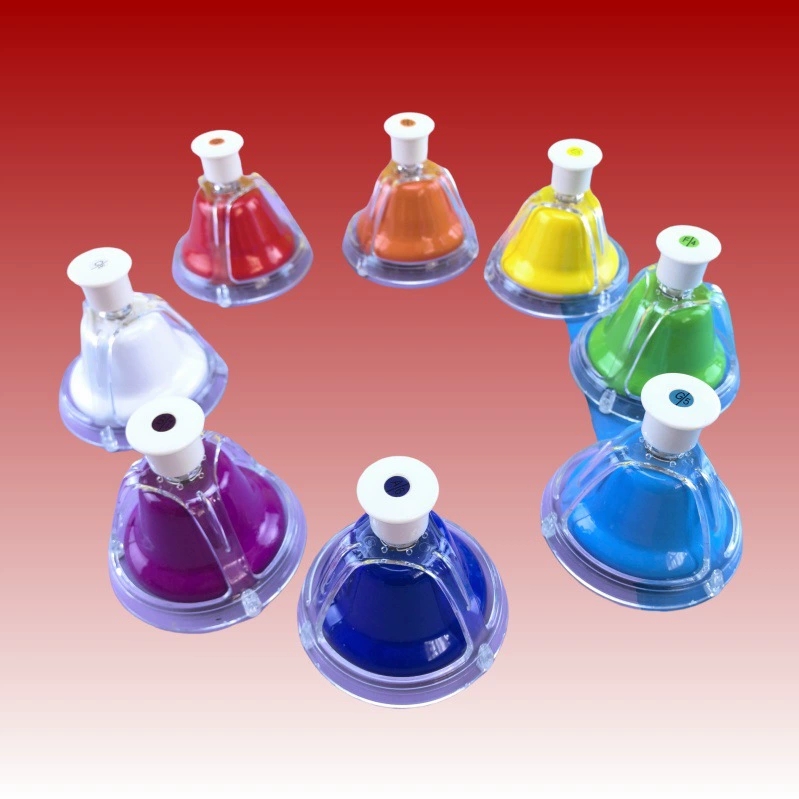
Guitar saddle specifications are quoted separately. The eight products above are existing catalog lines suitable for consolidated purchasing with saddles, repair parts and music-accessory programs.
Years in the musical instrument industry
Annual export value, third-party assessed
Orders shipped in the last 6 months
Inquiry response rate
Average buyer rating
Custom OEM Guitar Saddles: The Small Component That Controls Tone, Action and Intonation
A guitar saddle is a high-value repair part and a quality signal for OEM brands. Buyers sourcing custom OEM guitar saddles from manufacturers and wholesalers need more than a low price — they need repeatable geometry, stable material density and a supplier who understands bridge-slot fit.
Tone Transfer & Material Density
Bone, synthetic ivory, brass and titanium alternatives transmit energy differently. Density, porosity and consistency influence sustain, treble response and the perceived quality of an acoustic guitar.
Compensation & Intonation
Compensated saddles correct small string-length differences across the fretboard. A 0.2 mm deviation in contact point or slot depth can change intonation enough for a player to notice.
Slot Fit & Radius
Bridge slot width, saddle thickness, top radius and string spacing must match the instrument. Oversize saddle blanks are valuable for repair shops that sand and fit on site.
Repair-Channel Margin
Saddles are low-cube, high-turnover repair components. Music stores and luthiers value complete size runs, clear labeling and packaging that supports quick counter sales.
Which Guitar Saddle SKUs Should a Wholesale Buyer Stock First?
Build a sell-through assortment around three buyer groups: instrument distributors, repair shops and private-label OEM brands. The right mix reduces dead stock while covering common acoustic, electric and 12-string service needs.
Bone Saddle Blanks & Preslotted Saddles
Offer bleached and unbleached bone in common thicknesses, with preslotted acoustic saddles for fast repair and oversize blanks for luthiers. Stock lengths that fit popular bridge slots and label each SKU by thickness, height and radius.
Compensated Saddles for 6-String & 12-String
Compensated saddles for acoustic, acoustic-electric and 12-string guitars are strong upgrade items. Specify radius, string spacing and left/right compensation before sampling; CNC tolerance should be stated on the quotation.
Synthetic, Brass & Hybrid Options
High-density synthetic saddles suit humid markets and price-sensitive retail. Brass and metal options appeal to electric players and repair specialists. Keep material descriptions, hardness and finish consistent across repeat orders.
For Distributors
Stock approximately 60% preslotted standard saddles, 30% compensated models and 10% premium material or branded repair-kit items. This ratio covers replacement demand while giving sales teams an upgrade story.
For Repair Shops
Prioritize bone blanks, oversize blanks, radiused preslotted saddles and material packs. Clear millimeter labeling saves bench time and reduces returns from fit uncertainty.
For OEM Brands
Treat the saddle as part of the instrument specification sheet. Confirm bridge slot dimensions, scale length, string gauge range and packaging before production, then lock the approved sample.
Guitar Saddle Procurement Trends for 2025–2028
Wholesale purchasing is moving from loose “parts sourcing” toward documented, spec-driven accessory programs. Buyers want smaller test orders, faster samples and evidence that each batch will fit the same bridge slot.
1. Lower MOQ, Faster Test Orders
Distributors are testing new saddle materials and compensated profiles before committing to container volume. Sampling from a small quantity and scaling after sell-through is becoming standard.
2. Specification Sheets Replace Vague Inquiries
Buyers now send slot width, saddle length, height, radius, string spacing and target guitar models. Quotations that restate these parameters reduce rework and disputes.
3. Material Documentation & Compliance
Retail chains ask for material descriptions, packaging declarations and consistent labeling. Bone, synthetic and metal claims should be documented rather than left to product titles alone.
4. Synthetic & Responsibly Sourced Alternatives
Humidity stability and animal-material concerns are pushing some markets toward high-density synthetic saddles. Other markets still prefer bone for tradition and perceived tone.
5. Repair-Kit Bundling
Saddles are increasingly sold with files, string sets, bridge pins, truss-rod tools and cleaning cloths. Kitting raises average order value and helps physical stores display a complete service solution.
6. Digital Sample Verification
Photo reports, dimensional check sheets and short videos of fit tests help overseas buyers approve saddles without repeated courier samples. Pre-shipment inspection remains essential.
What Buyers Compare First
Why This Matters for Wholesalers
A saddle that looks correct but sits too deep, rocks in the slot or uses inconsistent material can create returns across an entire instrument batch. Successful wholesalers turn saddle sourcing into a documented accessory program with approved samples, SKU labels and repeat-order tolerances.
Send an Inquiry with your bridge-slot dimensions to receive a practical material and packaging recommendation.
Where Custom Guitar Saddles Are Moving Next
The next generation of saddle programs is defined by geometry data, material consistency and retail-ready presentation. OEM buyers are asking suppliers to behave more like engineering partners than loose parts traders.
Compensated Geometry
Radius-matched and string-specific compensation are becoming normal requests for acoustic and 12-string programs, especially where brands publish setup specifications.
Material Hybrids
High-density synthetics, treated bone, brass and coated metals are expanding buyer choice. The purchasing decision increasingly depends on target humidity, price band and tone preference.
Digital Fit Data
Bridge-slot measurements, 3D scans and sample photos help reduce fit risk. Suppliers who can translate a guitar model into saddle dimensions gain trust with OEM buyers.
Retail-Ready Branding
Logo printing, barcode labels, repair instructions and private-label packaging turn a small part into a counter-friendly product line with better perceived value.
How to Verify a Custom OEM Guitar Saddle Manufacturer
Quality is not a single inspection point. It is the combination of material verification, dimensional control, slot-fit testing and pre-shipment packaging checks.
Material Verification
Confirm bone, synthetic or metal grade and review color, density and surface consistency against the approved sample.
Dimension & Radius
Check thickness, length, height, top radius and compensation points with calibrated tools and a written tolerance sheet.
Slot-Fit Trial
Test the saddle in the target bridge slot. It should seat without rocking, sit at the correct height and allow clean string contact.
Intonation Check
Use the intended scale length, string gauge and action range to confirm that compensation works for the target instrument group.
Finish & Labeling
Review color consistency, edge finish, laser mark or logo clarity, barcode labels and retail-packaging orientation.
Pre-Shipment Inspection
Inspect finished goods before delivery for appearance, hardware, fit, packaging and quantity. Intertek onsite assessment supports supplier credibility.
Request a Fit Sample
Do not approve a saddle from a photo alone. Ask for a sample in the exact slot width and height, then test it on the target bridge or a matching instrument.
Lock the Approved Sample
Keep one signed reference sample and attach the specification sheet to every purchase order. This reduces drift when materials or operators change.
Inspect Repeat Batches
Use random sampling for dimensions, radius and finish on each repeat order. A stable supplier should be able to show a pre-shipment inspection record.
Why WPI Music Is a Practical Guitar Saddle Sourcing Partner
WPI International Trade Co., Ltd. (Huizhou) has supported instrument importers, distributors, retailers and schools since 2010. Our export infrastructure can support saddle and accessory programs alongside guitars, ukuleles, violins, drums, keyboards and repair parts.
12+ Years of Instrument Export Experience
Our team began exporting musical instruments from Hong Kong in June 2010 and established the Huizhou operation in 2014. A 28-person team supports sourcing, export documentation and after-sales follow-up.
Intertek Onsite Assessed
Our premises, legal status and capabilities have been assessed onsite by Intertek. Assessed capabilities include finished-product inspection, sample-based customization, logo and packaging customization, design-based customization and full customization.
Low MOQ & Mixed Orders
Sampling can start from a small quantity. Typical instrument MOQs are low, and strings or small accessories can be ordered in larger sets. Mixed-category orders are welcome, making it easier to test saddles with instruments.
One-Stop Product Consolidation
With access to 1,000+ instruments and accessories, buyers can combine guitars, ukuleles, percussion, keyboards, stands and accessory items with saddle and repair-part programs in one shipment.
Flexible Trade Terms
Payment methods include T/T, L/C, D/P, D/A, MoneyGram, credit card, PayPal, Western Union, cash and escrow. Delivery terms include FOB, CFR, CIF, EXW, DDP, DDU and express delivery.
Dedicated Export Support
Buyers work with a named account manager from quotation to after-sales. Our inquiry response rate is 97.73%, average buyer rating is 4.6/5, and recent trade includes 952 orders in six months.
How to Brief a Custom OEM Guitar Saddle Manufacturer
A precise brief shortens sampling time and prevents costly fit issues. Send the following information with your inquiry so the supplier can recommend the right material, geometry and packaging.
Bridge Slot Dimensions
Provide slot width, length, depth and any taper. If possible, send the bridge model or a physical sample for fit verification.
Scale Length & Compensation
State scale length, string gauge range, target action and whether the saddle is straight or compensated. For 12-string models, confirm string spacing.
Material & Finish
Choose bone, synthetic, brass, titanium or a hybrid. Clarify bleached or unbleached bone, polish level, laser marking and color consistency.
Packaging & Compliance
Define poly bag, blister, barcode, logo, repair instructions and private-label packaging. Mention target market requirements and annual volume estimate.
Frequently Asked Questions for Custom OEM Guitar Saddle Buyers
Practical answers for distributors, repair shops, music schools and private-label brands comparing guitar saddle manufacturers and wholesalers.
What is a custom OEM guitar saddle?
A custom OEM guitar saddle is a bridge saddle made to a buyer’s material, thickness, height, radius, string-spacing and compensation specifications. It may include private-label marking, retail packaging or a repair-kit configuration.
What is the typical MOQ for wholesale guitar saddles?
MOQ depends on material, machining method and packaging. Sampling can usually start small, while production quantities are quoted by model. For instruments and small parts, WPI supports low-MOQ and mixed-category orders; the exact saddle MOQ is confirmed on the quotation.
Can you match my existing bridge slot dimensions?
Yes. Provide slot width, length, depth, top radius and string spacing. A physical bridge sample or a matching instrument is even better. Approving a fitted sample before mass production is the safest way to avoid returns.
Which material should I choose: bone, synthetic, brass or titanium?
Bone is traditional and offers good tone transfer. High-density synthetic materials are stable in humid conditions and cost-effective. Brass and titanium appeal to electric or premium upgrade buyers. The best choice depends on target tone, climate, price band and compliance requirements.
Do you offer compensated saddles for acoustic and 12-string guitars?
Compensated saddle programs can be quoted for acoustic, acoustic-electric and 12-string models. Buyers should specify scale length, string gauge range, radius and left/right compensation. CNC tolerances and material hardness should be written into the purchase order.
Can you add my logo and retail packaging?
Yes. Depending on the material and order quantity, options include laser marking, printed labels, barcodes, poly bags, blister packs and private-label repair kits. Artwork and packaging requirements should be approved before production.
How do you control saddle quality before shipment?
Quality control should cover material verification, dimensions, radius, slot fit, intonation reference, finish and packaging. WPI’s export process includes finished-product inspection before delivery, and the company has been assessed onsite by Intertek.
Can I combine saddles with other musical instruments in one order?
Yes. Mixed-category orders are welcome. Saddles and repair parts can be consolidated with guitars, ukuleles, percussion, keyboards, stands and accessories. This reduces shipping complexity for distributors and retail chains.
Send Your Guitar Saddle Specifications for a Quotation
Share your bridge-slot dimensions, target material, estimated quantity and packaging requirements. Our export team will recommend a practical saddle and accessory program for your market.
info@wpimusic.com