OEM-Ready Products for String and Instrument Bundle Programs
These eight references come from WPI’s multi-category export catalogue. Buyers sourcing custom electric guitar strings can use them to build mixed containers, lift average order value and test accessory or instrument lines alongside a private-label string program. Each product URL is preserved below.
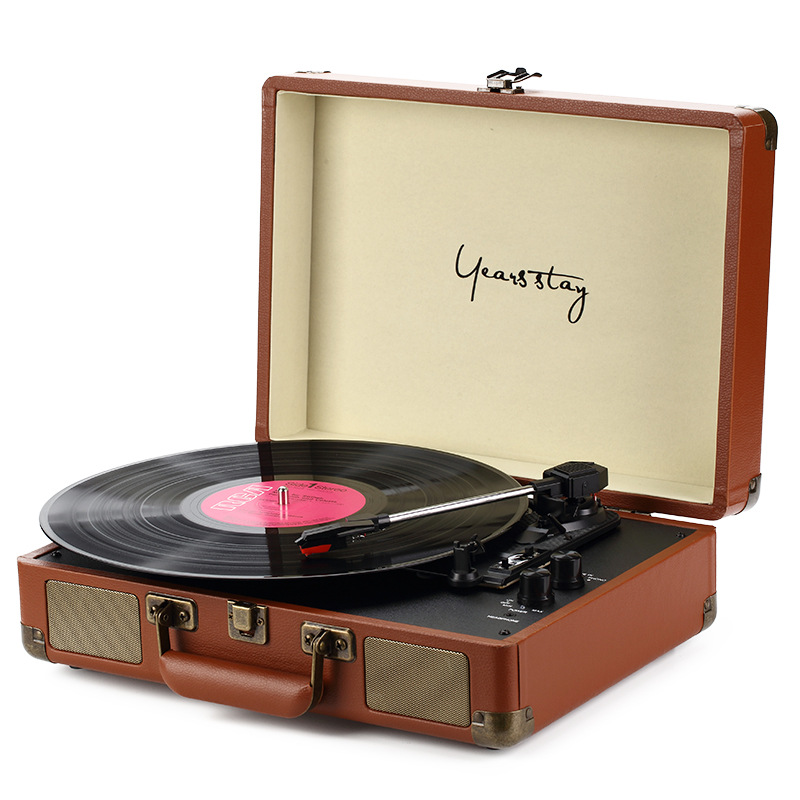
Portable Mini Phonograph Desktop Vinyl Record Player Handheld Wireless for Speaker Turntable
A lifestyle audio SKU for gift, electronics and music-store promotions, useful for bundle testing.
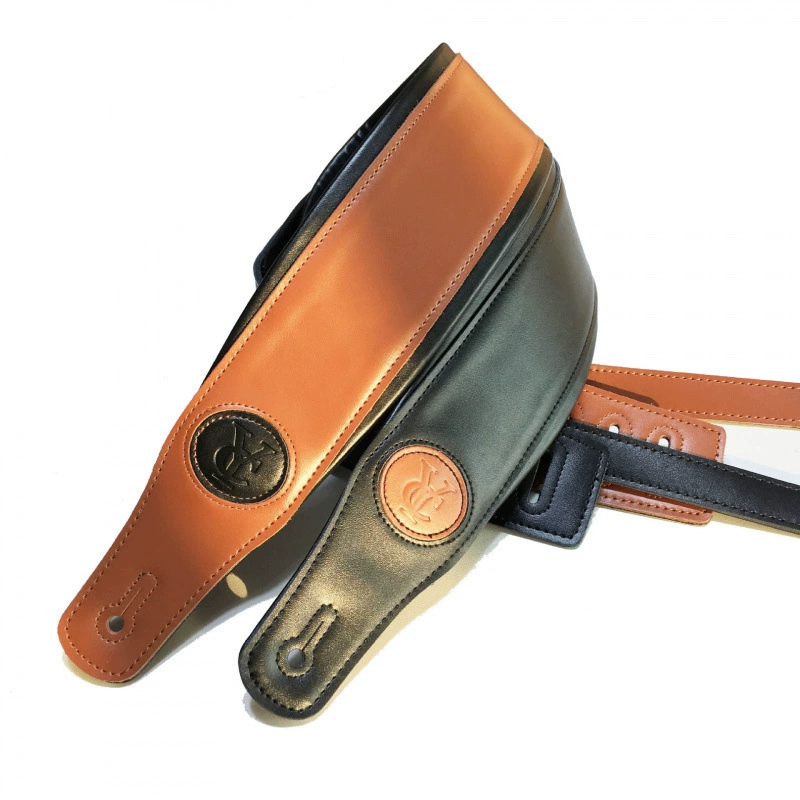
Wholesale Wide Padded Cowhide PU Leather Adjustable Soft Guitar Shoulder Strap for Acoustic Electric Bass Guitar
A high-attach-rate guitar accessory for starter packs, string subscriptions and retail displays.
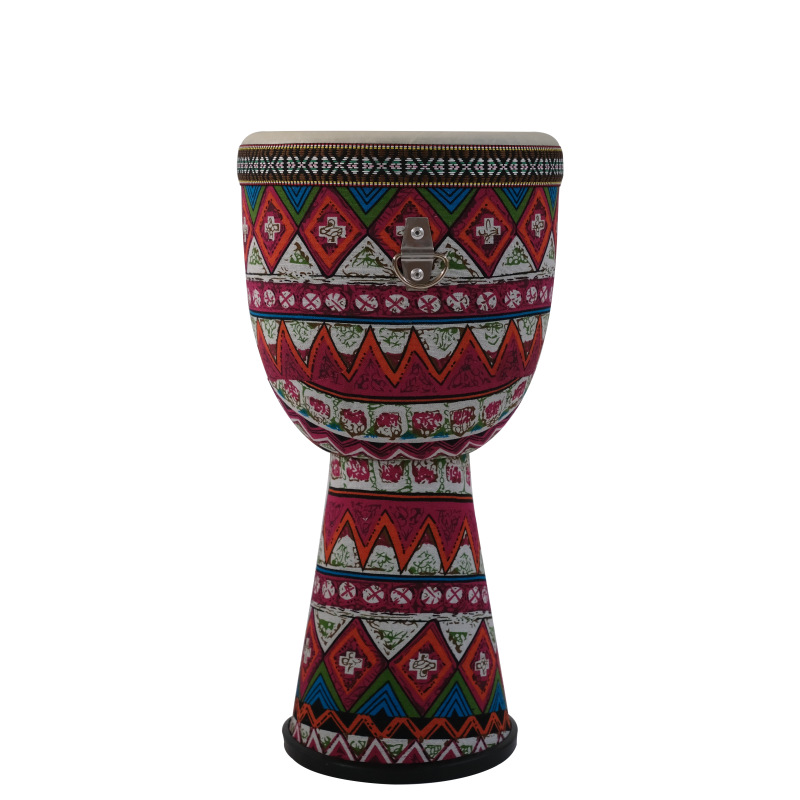
8 Inch African Djembe Drum, Lightweight PVC Fabric Hand Drum for Kids & Adults, Beginner Percussion Hand Beat Drum Wholesale
Beginner percussion for schools and family music programs; practical for mixed-category orders.
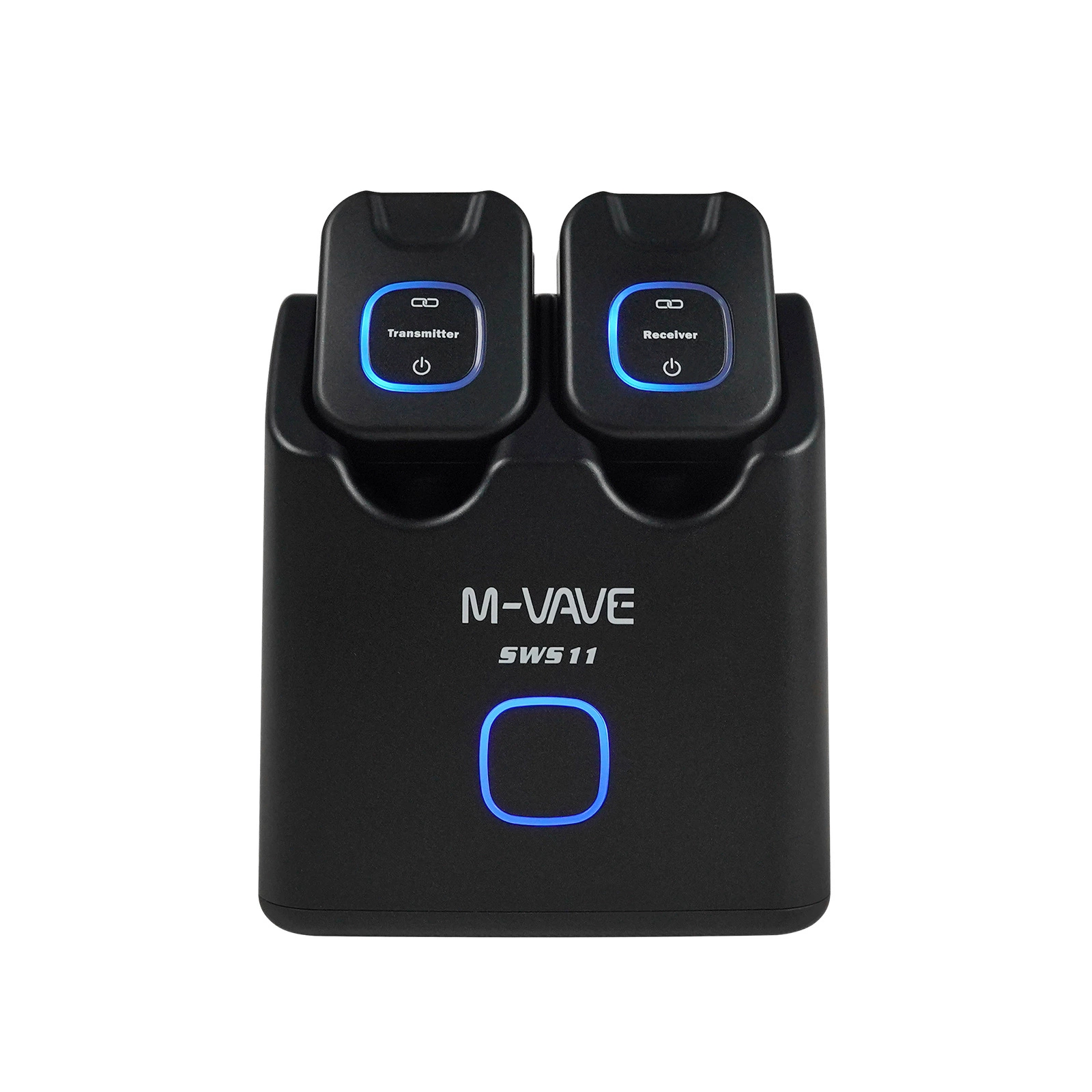
M-VAVE SWS11 2.4Ghz Wireless Guitar Audio System Rechargeable Transmitter Receiver with Charging Base
A rechargeable guitar audio system for electric guitar bundles, demo rooms and online sellers.
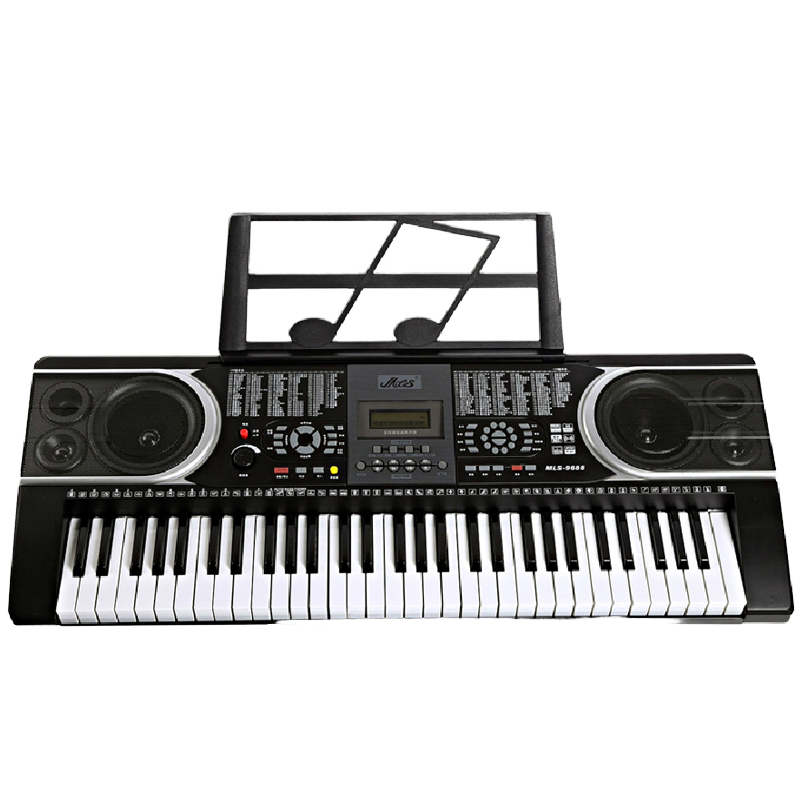
Professional Teaching Electronic Keyboard 61 Standard Keys
A 61-key teaching keyboard for classroom tenders, music schools and e-commerce catalogues.
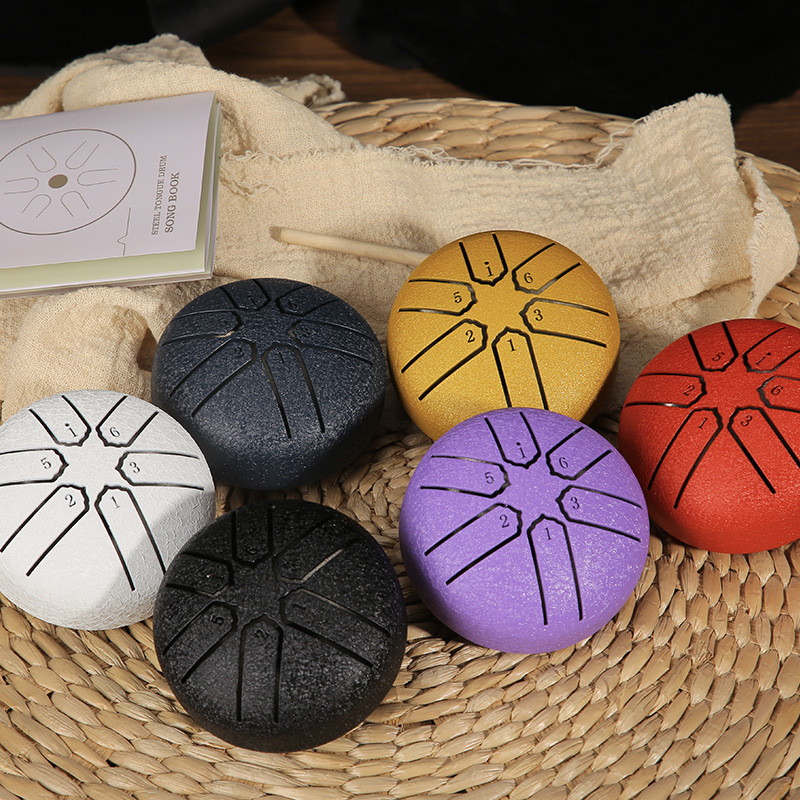
3 Inch 6 Notes Mini Steel Tongue Drum, Easy Learn Percussion Instrument, Kids Hand Drum Toy for Boys Girls Wholesale
A compact tongue drum for gifts, mindfulness and entry-level percussion assortments.
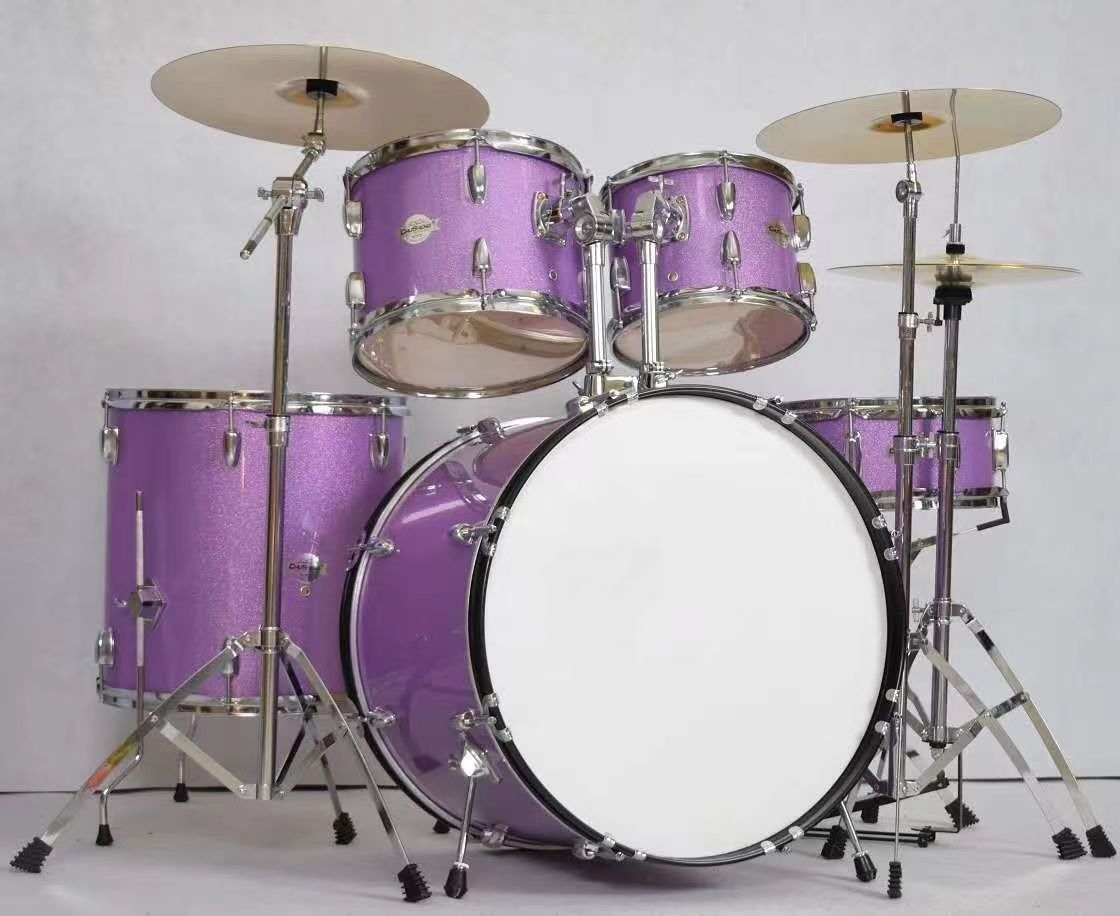
Hot Selling Ordinary 5 Drums 3 Cymbals Adult Drum Set Jazz Drum
A full drum kit for retail, education and stage rental buyers seeking one-stop sourcing.

Orff Percussion Melody Bell 8-Note White Push Bell Colorful Push Chime Kindergarten Early Music Teaching Aid 8 tones bell
An 8-note Orff melody bell for kindergartens, early music classes and teaching-aid distributors.
Why Custom OEM Electric Guitar Strings Are a Strategic Repeat-Purchase SKU
Electric strings are consumables with predictable replacement cycles, strong tonal branding and manageable freight economics. A private-label program can create repeat orders from players who expect the same feel, tension and packaging every time.
The search phrase “Custom OEM Electric Guitar Strings Supplier & Suppliers” usually hides two different buying intents. One buyer wants a manufacturer that can produce a private-label string set. Another is comparing suppliers who can consolidate strings with guitars, straps, tuners, picks and teaching instruments into one shipment. WPI International Trade Co., Ltd. (Huizhou) supports the second model: a multi-category, export-focused supplier with third-party onsite assessment, low-MOQ sampling and OEM/ODM customization. For string-specific programs, buyers should still confirm wire source, winding tolerance, coating process and packaging line capacity during sampling.
A typical electric guitar set includes plain steel treble strings and wound bass strings. The tonal fingerprint is determined by core-to-wrap ratio, wrap wire alloy, winding tension and coating. Buyers should ask for core diameter, wrap diameter and tension data, not only the finished gauge. This is where a strategic supplier differs from a commodity vendor: the supplier can document the specification, repeat it across production lots and protect the buyer’s brand at the retail shelf.
Core Geometry
Hex-core strings tend to hold tuning and resist rotation; round-core strings often feel more flexible and vintage. Specify core shape, core diameter and wrap-to-core ratio, not only the finished gauge.
Wrap Alloy and Tone
Nickel-plated steel is the volume retail standard; pure nickel suits vintage voices; stainless steel and cobalt target brighter or higher-output players. Ask for alloy certificates and batch traceability.
Coating and Corrosion
Coated strings serve humid regions, long retail shelf life and extended replacement cycles. Validate coating adhesion, tuning stability and feel after repeated installation.
Packaging and Compliance
Private-label envelopes, foil bags, desiccant, barcodes, QR codes and multilingual labels influence reorder rates. Packaging is part of product quality, not a last-minute decoration.
| Buyer Positioning | Recommended Set | Why It Sells | OEM Options to Discuss |
|---|---|---|---|
| Entry retail and starter packs | 9–42 nickel-plated steel, roundwound | Easy bending for beginners; lower tension; familiar sound for first electric guitars | Logo envelope, color ball ends, poly bag, barcode, 3-pack or 6-pack |
| Core retail and e-commerce | 10–46 nickel-plated steel, hex core | The all-round electric guitar set for rock, pop, blues and general replacement demand | Custom gauge, QR code, artist or store branding, multilingual packaging |
| Premium and humid markets | 10–46 coated nickel-plated steel | Longer playing life, lower corrosion risk, higher perceived value and repeat purchase | Foil pouch, desiccant, anti-counterfeit label, premium unboxing content |
| Vintage tone retail | 11–49 pure nickel | Warm classic rock and blues voice for players who prefer a softer, vintage character | Paper sleeve, period graphics, heavy-gauge set, custom string end finish |
| Jazz and session players | 12–52 flatwound | Smooth feel and mellow tone for jazz, studio and traditional retail niches | Flatwound winding, heavy gauge, tension chart, professional packaging |
| Extended-range and modern metal | 10–59 7-string or baritone set | Growing demand from djent, modern metal and extended-range instrument communities | Multi-pack, tension chart, drop-tuning guidance, QR content, custom gauge |
2026 Procurement Trends for OEM Electric Guitar String Suppliers
Buyers are moving from lowest unit price to total landed cost, replenishment speed and brand protection. The strongest suppliers will be those that can support smaller test orders and still deliver consistent documentation.
Low-MOQ Private Label Testing
Distributors want to test a custom envelope or gauge set before committing to a full season. For printed string packaging, practical MOQs are often several hundred sets per SKU, while standard bulk sets and mixed orders can be lower. WPI’s export model supports sampling from small quantities for many instruments and 20–600 sets for strings and small accessories, with mixed-category orders welcome.
Mixed-Container Consolidation
String buyers increasingly combine accessories, guitars, straps, tuners and teaching instruments in one shipment. Consolidation reduces freight friction and supplier management cost, but it requires a supplier with multi-category sourcing and pre-shipment inspection capability.
Traceability and Material Declarations
Retailers and marketplaces ask more questions about wire alloy, coating chemistry, packaging materials and country of origin. A serious OEM supplier should provide batch records and product declarations relevant to the destination market.
Anti-Counterfeit and DTC-Ready Data
Private-label brands need high-resolution photography, barcode data, QR content and consistent packaging text. Anti-counterfeit labels and serialization are becoming practical add-ons for premium string lines sold online.
Replenishment Speed Over Large Stock
Large stock commitments tie up cash. Buyers prefer smaller, more frequent purchase orders with stable lead times. Suppliers must coordinate string production, printed packaging and accessory bundles without extending the critical path.
Sustainable Packaging and Recycling
Paper sleeves, reduced plastic, recyclable cartons and recycled metal claims are becoming retail differentiators. Claims must be documented; green wording without evidence creates compliance risk.
Electric Guitar String Product Development Trends
Product development is moving toward longer life, better feel, extended-range compatibility and retail-ready storytelling. Buyers should balance innovation with repeatable production.
Coated Alloy Hybrids
Coated nickel-plated steel and cobalt blends promise longer life without losing attack. Buyers should test feel, bend response and tuning stability before scaling a new coating.
Balanced Tension Sets
Players now compare tension across the set, not only gauge. Balanced tension can improve bending consistency and reduce setup complaints, especially for drop tunings.
Extended-Range and Baritone Sets
7-string, 8-string and baritone demand continues in modern metal and progressive genres. Suppliers need clear tension charts and packaging that explains tuning use cases.
Humidity-Resistant Packaging
For tropical and coastal markets, foil pouches, desiccant and sealed envelopes matter as much as string alloy. Packaging shelf life should be validated under realistic storage conditions.
Artist and Creator Signature Programs
Small brands and creators use signature sets to build community and premium positioning. OEM buyers need low-MOQ artwork support, barcode management and repeatable gauge control.
Smart Packaging and Digital Content
QR codes can link to tuning guides, artist videos and warranty registration. This improves customer experience and gives brands first-party data without changing the string itself.
Supplier Comparison: Commodity Vendor vs Strategic OEM Supplier
Not every supplier that quotes a low price can protect repeat orders. Use this checklist to compare custom electric guitar string suppliers on the factors that affect sell-through and customer retention.
| Criterion | Commodity String Vendor | Strategic OEM Supplier |
|---|---|---|
| Specification control | Quotes gauge only; material and tension data may be limited | Documents core shape, diameter, wrap alloy, winding tension and coating process |
| MOQ and sampling | High MOQ per SKU; samples may be stock items only | Supports private-label testing, mixed orders and pre-production samples |
| Packaging readiness | Generic bags or basic printed envelopes | Supports barcodes, QR codes, multilingual labels, foil pouches and retail-ready sets |
| Quality documentation | Final visual check only | Incoming wire inspection, winding checks, tuning stability, corrosion test and pre-shipment sampling |
| Consolidation | Strings only; buyer manages other suppliers | Can combine strings with guitars, straps, tuners, teaching instruments and accessories |
| Account support | Transactional email communication | Named account manager, export documentation and after-sales follow-up |
Information gain tip: request a lot-to-lot comparison of core diameter, tensile elongation and package seal strength. These three data points often reveal more about consistency than a polished catalogue photo.
Quality Control and E-E-A-T Evidence for Custom String Programs
Quality should be handled as a process rather than a final inspection event. For musical instruments and accessories, WPI states that every order goes through finished-product inspection before delivery, covering appearance, hardware, tuning stability and packaging; the company has also been Intertek onsite assessed.
From Wire to Retail Shelf
For a custom electric guitar string program, the equivalent protocol should include incoming wire inspection, winding inspection, finished-set testing, packaging validation and pre-shipment sampling. Buyers should agree on acceptance criteria before production, especially for coated strings, private-label envelopes and multi-language packaging.
Because WPI works across guitars, ukuleles, violins, saxophones, drums, keyboards and accessories, the company can support buyers who need a single export partner for string programs and adjacent instrument categories. Its stated capabilities include sample-based customization, minor customization such as logo, packaging and graphics, design-based customization and full customization.
For verification, buyers can review the supplier assessment profile, trade capacity, buyer feedback and company profile before requesting a quotation.
Practical QC Checklist
WPI International Trade Co., Ltd. (Huizhou)
WPI is the commercial partner behind this sourcing guide. The team began exporting musical instruments from Hong Kong in June 2010 and established the Huizhou, Guangdong operation in 2014. Its 28-person team includes 22 trading and export roles supporting importers, distributors, retailers and schools. Core categories include acoustic and electric guitars, ukuleles, violins, cellos, saxophones, clarinets, drum sets, steel tongue drums, keyboards and accessories.
Third-party assessment matters for string buyers because it verifies that a supplier has a real operating presence and export capability. WPI has been onsite assessed by Intertek. The company reports US$9,000,000 in assessed annual export value, 952 orders shipped in the last six months, a 97.73% inquiry response rate and a 4.6/5 average buyer rating. Main markets are North America, Western Europe, Southeast Asia and South America.
Customization capabilities include sample-based customization, minor customization such as logo, packaging and graphics, design-based customization and full customization. For strings, this maps to private-label envelopes, gauge sets, coating options, accessory bundles and retail-ready packaging. Low-MOQ sampling is available for many instruments; typical wholesale MOQs are 2–10 pieces per instrument model and 20–600 sets for strings and small accessories, with mixed-category orders welcome.
 Watch: WPI team, showroom and warehouse
Quality First
A dedicated QC process inspects finished products before delivery, covering appearance, hardware, playability and packaging.
Wide Selection
1,000+ instruments and accessories across strings, woodwinds, percussion and keyboards, updated continuously for wholesale buyers.
Factory-Direct Sourcing
Long-term partner workshops in Guangdong support factory pricing, OEM and ODM development, and flexible sampling.
One-Stop Service
Consolidate guitars, violins, drums, keyboards and accessories in one container with end-to-end logistics support.
How a Custom Instrument and String Program Works
A practical process from brief to delivery, based on WPI’s export workflow and customization capabilities.
Brief
Share model, gauge, packaging, logo, target market and estimated volume.
Proposal
Match specifications to suitable production lines and recommend packaging.
Sampling
Pre-production sample made for approval before a bulk commitment.
Production
Mass production with in-process checks and material coordination.
Inspection
Finished-product inspection before packing, including appearance and function.
Shipping
FOB, CIF, DDP or express delivery based on buyer preference.
Verified Export Presence and Buyer Meetings
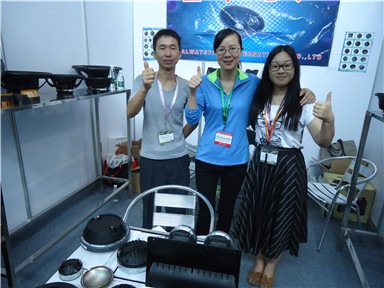
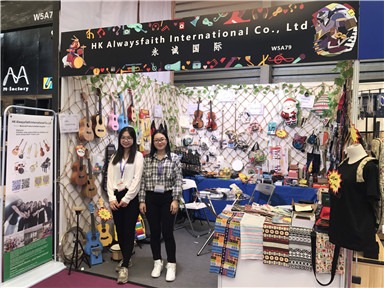
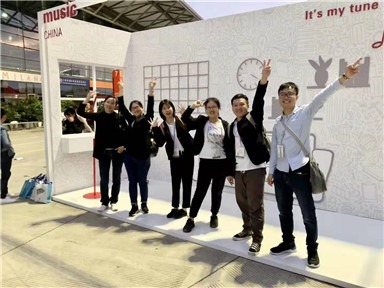
WPI exhibited at Shanghai and Guangzhou music shows from 2014 to 2019, meeting distributors, retailers and education buyers face to face.
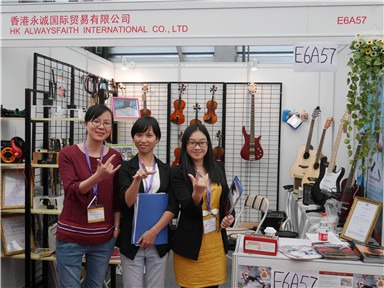

Henry
Account Manager

Yuri
Account Manager

Irene
Account Manager

Jackson
Account Manager
Average inquiry response rate: 97.73% · Email: info@wpimusic.com
FAQ: Custom OEM Electric Guitar Strings Supplier & Suppliers
Common questions from distributors, private-label brands, schools and retail buyers comparing electric guitar string suppliers.
What is a realistic MOQ for custom OEM electric guitar strings?
For standard bulk sets, lower quantities may be possible. For custom printed envelopes and private-label packaging, plan on several hundred sets per SKU. WPI’s small accessories range is typically 20–600 sets, and mixed-category orders are welcome; final string MOQ depends on artwork, gauge, coating and packaging. Sampling is the best way to confirm the practical minimum before a seasonal commitment.
Can you match or improve an existing string sample?
Yes. Send three to five sets, performance notes and the target market. The review should cover core shape, core diameter, wrap wire diameter, alloy, winding tension, coating, ball-end type, set sequence and packaging. A good OEM supplier will convert those observations into a written specification before quoting production.
Which string specifications should a distributor stock first?
Start with 9–42 and 10–46 nickel-plated steel sets for volume retail. Add 11–49 pure nickel for vintage tone, 12–52 flatwound for jazz, 10–59 for 7-string buyers and coated 10–46 for humid markets. Keep packaging and gauge naming consistent so repeat customers can reorder easily.
How do you verify quality before shipment?
WPI states that every order goes through finished-product inspection before delivery, covering appearance, hardware, tuning stability and packaging, and the company has been Intertek onsite assessed. For strings, the buyer should also agree on wire tensile checks, winding inspection, ball-end pull tests, tuning stability, corrosion exposure, packaging seal and AQL pre-shipment sampling.
What are typical sampling and production lead times?
Allow roughly 7–12 days for custom samples after specification and artwork approval, and 20–35 days for mass production after deposit. Lead time depends on coating, printed packaging, accessory bundling and order quantity. Pre-shipment inspection and shipping arrangements should be scheduled before production begins.
Which payment and delivery terms are available?
Payment options include T/T, L/C, D/P, D/A, MoneyGram, credit card, PayPal, Western Union, cash and escrow. Delivery terms include FOB, CFR, CIF, EXW, FAS, CIP, FCA, CPT, DEQ, DDP, DDU, DAF, DES and express delivery. The right combination depends on destination, order value and whether the shipment is consolidated with other instrument categories.
Request a Custom OEM Electric Guitar String Quotation
Send your target gauges, annual volume, packaging artwork, destination market and any reference string samples. WPI will review the specification, recommend a sampling path and advise on mixed-category consolidation with guitars, accessories and teaching instruments.