8 Complementary Products Frequently Sourced by Pickup Buyers
Custom OEM electric guitar pickup programs rarely ship alone. Distributors and private-label brands often consolidate stage-testing tools, maintenance items, effects processors, recording adapters, and adjacent instruments into the same purchase order. The eight product families below keep their original catalogue URLs and images so buyers can evaluate cross-sell potential without losing product identity.
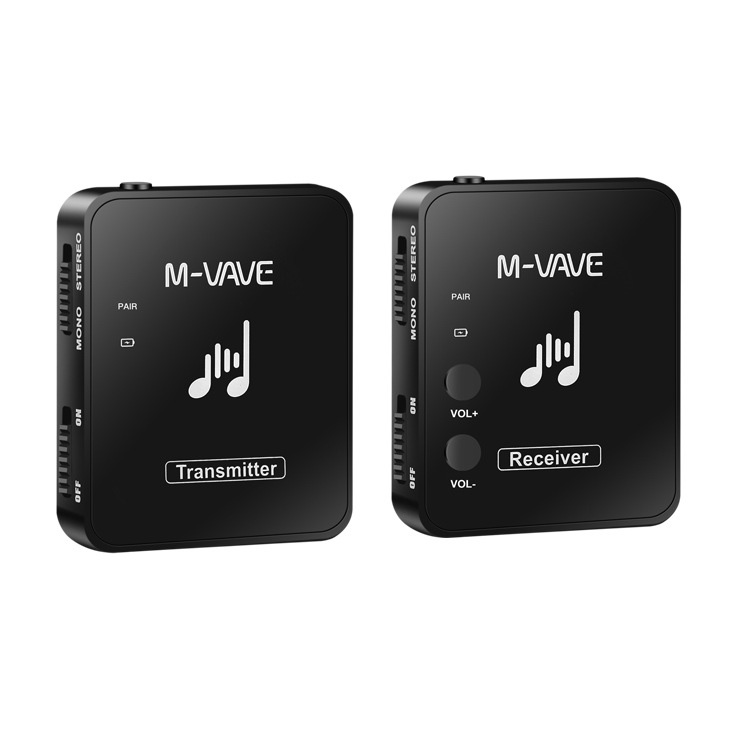
Wireless In-Ear Monitor System Transmitter Receiver
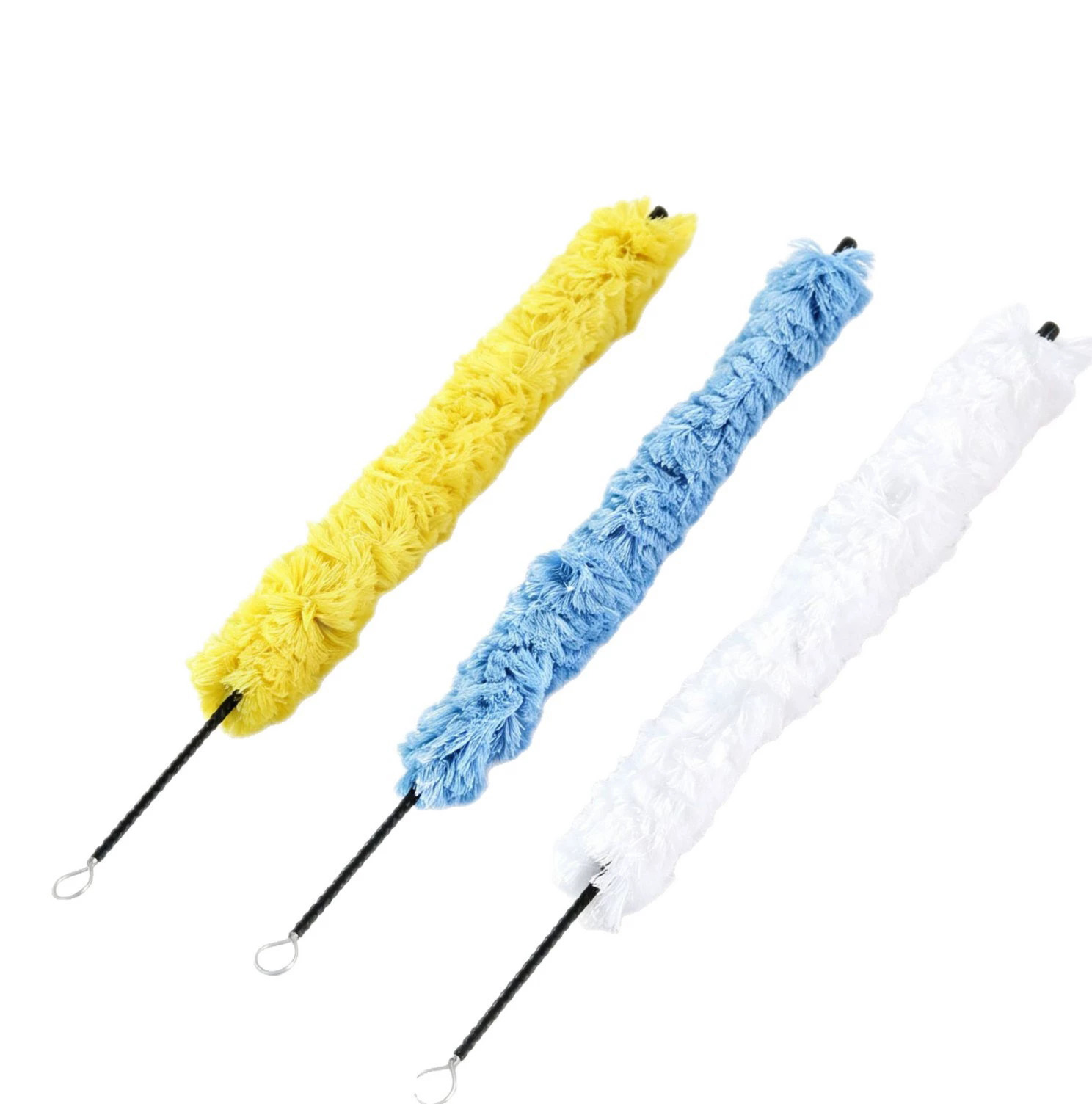
Washable Cotton Flute Bore Cleaning Brush
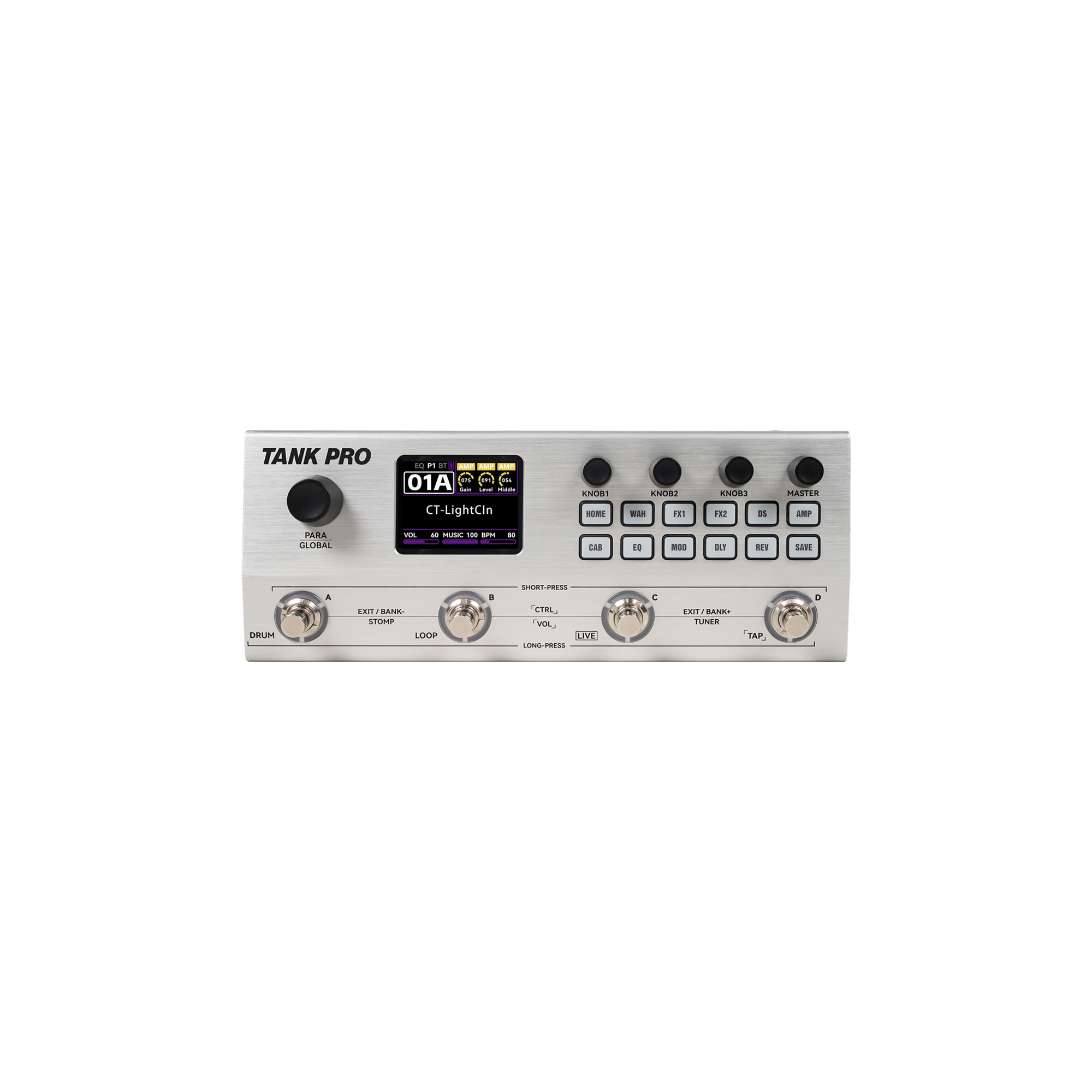
Tank Pro Multi-Effects Processor with IR Loading
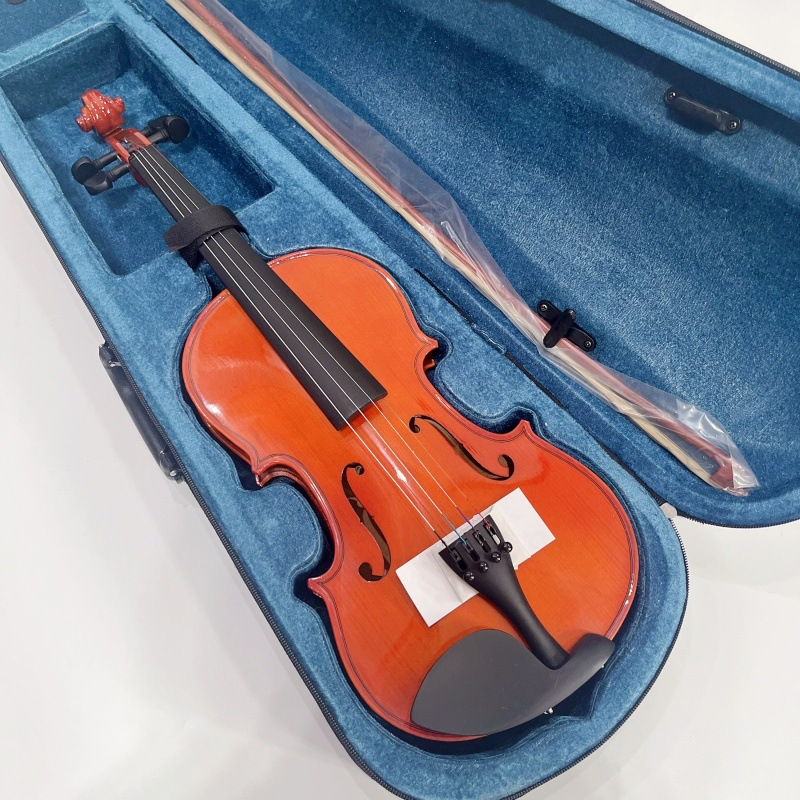
4/4 Solid Spruce Top Student Violin
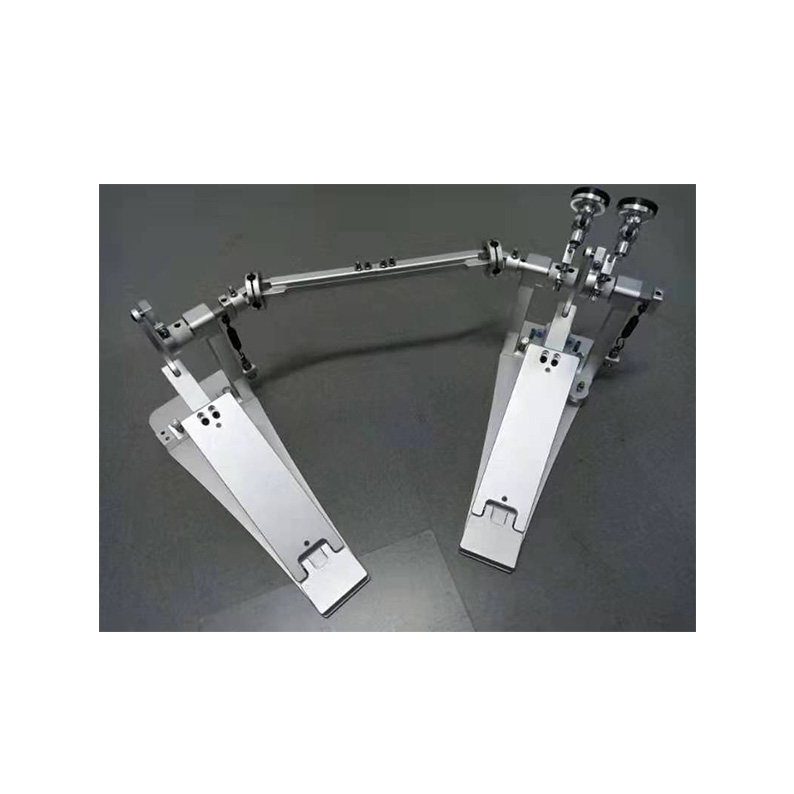
Brushed Silver Direct-Drive Double Bass Pedal
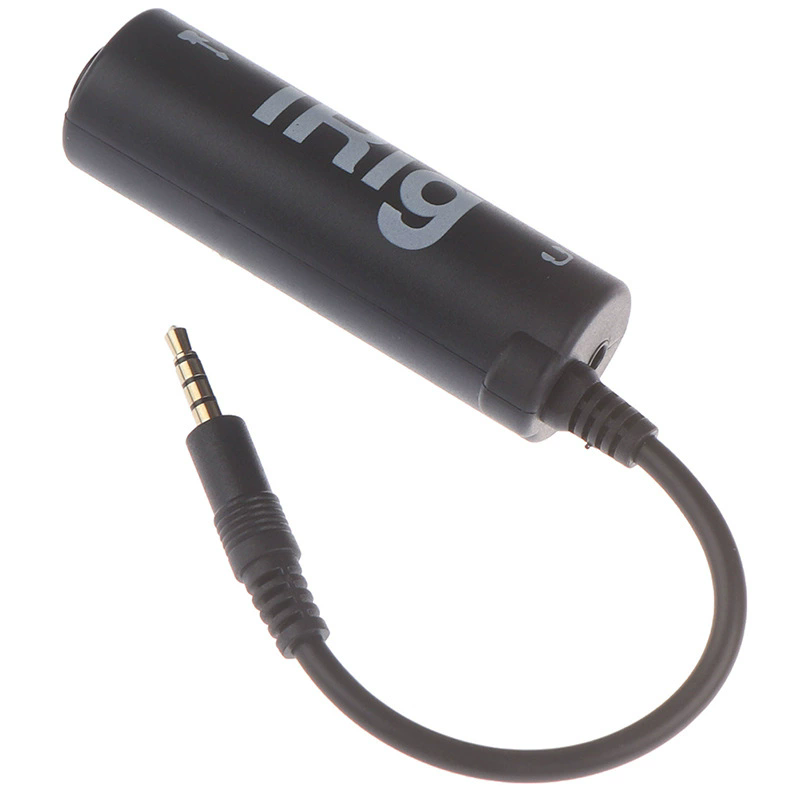
3.5mm Guitar/Bass Recording Interface Adapter
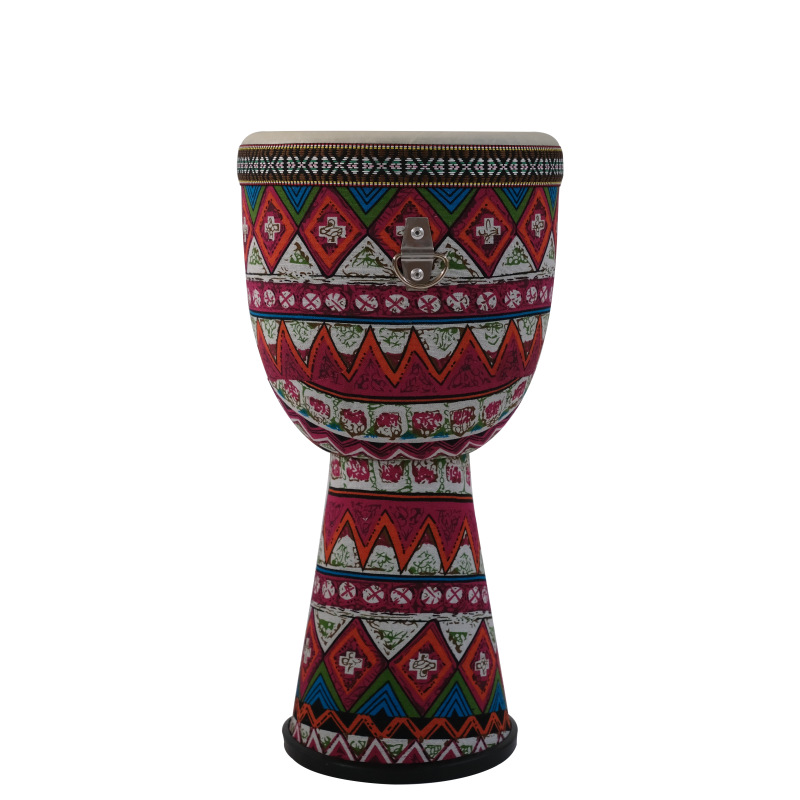
8-Inch African Djembe Drum for Beginners
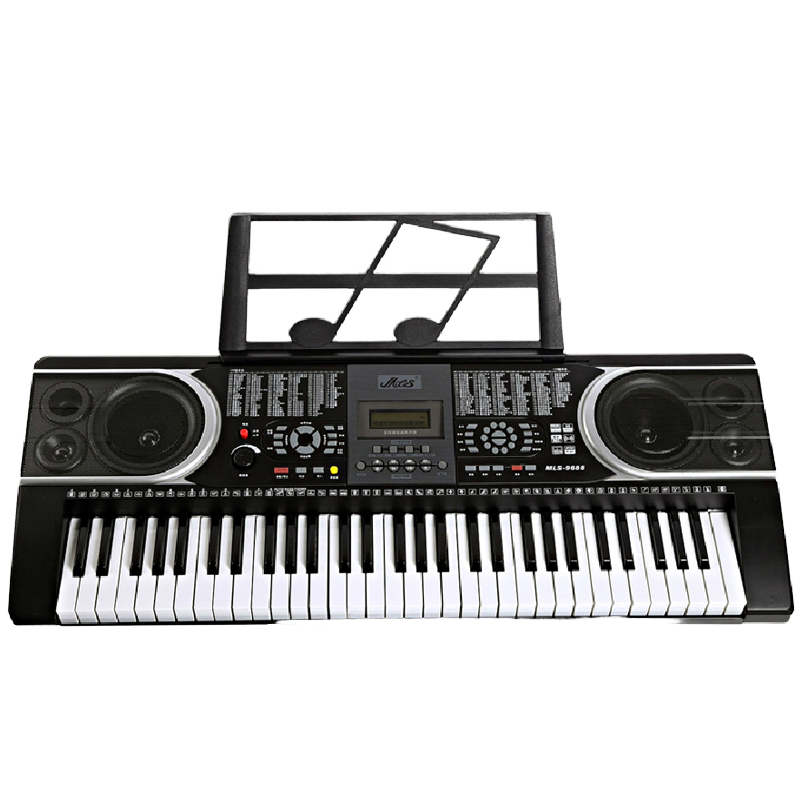
61-Key Professional Teaching Electronic Keyboard
Years in the musical instrument industry
Annual export value, third-party assessed
Orders shipped in the last six months
Inquiry response rate
Average buyer rating from verified transactions
Information Gain: What a Serious Pickup Buyer Should Verify
Most pickup pages compare magnets and output. That is not enough for a brand that needs repeatable tone, low warranty risk, and a supplier who can document what changed between batches.
A custom OEM electric guitar pickup is not a simple catalogue component. It is an electro-mechanical assembly whose final voice is shaped by magnet grade, wire tension, winding pattern, bobbin tolerance, cover material, wax penetration, and the way the coil is joined to the baseplate. Two pickups can share the same “Alnico V, 8k DCR” label and still sound and behave differently. For distributors and private-label brands, the real sourcing question is whether the manufacturer can control those variables repeatedly — shipment after shipment, model after model, and market after market.
This white paper adds a practical evaluation model that goes beyond spec sheets. It separates a pickup supplier into five capability layers: magnetic material control, coil-winding repeatability, mechanical assembly tolerance, environmental sealing, and documented inspection. It then maps those layers to procurement trends, product development directions, failure modes, and a copy-ready quality-control protocol. Buyers can use the framework to compare quotations with more confidence and to ask better questions before placing a bulk order.
For WPI International Trade Co., Ltd. (Huizhou), this is the standard we apply when discussing custom OEM electric guitar pickups: define the tone target, document the electrical window, lock the materials, control the process, and inspect before shipment. That sequence protects both the buyer’s brand and the end player’s experience.
What Separates a Real Custom Pickup Manufacturer from a Trading Catalogue
Custom OEM electric guitar pickup manufacturers must be judged by process evidence, not by the number of models listed online. These six capabilities are the minimum due-diligence checklist.
Magnet Discipline
Alnico II, Alnico V, Alnico VIII, ceramic, and neodymium options should be traceable by grade and supplier. A certificate of analysis, gauss reading, and retained golden sample reduce tone drift between production runs.
Winding Repeatability
CNC winding is not automatically better than scatter winding, but both must be controlled. Buyers should request turns count, wire gauge, tension range, DCR distribution, and inductance records for each approved model.
Mechanical Tolerance
Bobbins, pole spacing, baseplates, covers, and mounting legs must fit the target guitar without rework. A supplier who cannot hold mechanical tolerances will create installation returns, not just tonal complaints.
Wax Potting & Sealing
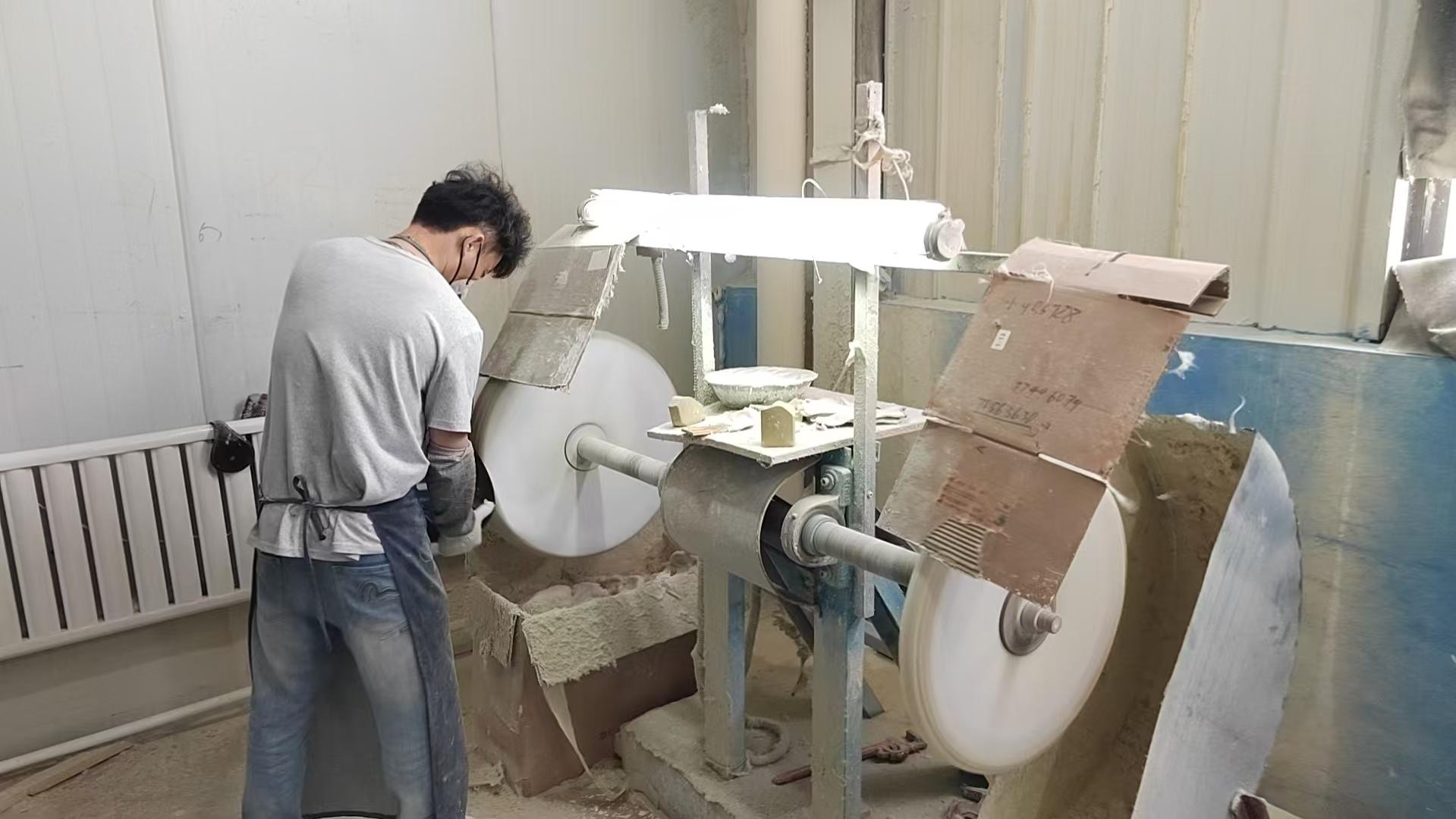
Vacuum wax potting helps suppress microphonic feedback and protects the coil from humidity. Ask for wax type, pot temperature, vacuum cycle, weight gain, and tap-test criteria.
Electrical Validation
DCR, inductance, polarity, phase, and hum rejection should be checked against the approved sample. For active pickups, battery draw and quick-connect wiring also need verification.
Documentation & Compliance
RoHS and REACH declarations, material lists, packaging artwork approvals, and pre-shipment inspection reports are part of a professional OEM pickup program — not optional extras.
Build a Sell-Through Pickup Range, Not a 30-SKU Catalogue
For most brands, the fastest route to profitable pickup sales is a focused range that covers clear tonal jobs. The matrix below is a practical starting point for OEM discussions.
| Pickup Family | Typical Build Target | Best-Fit Buyer | Customization Notes |
|---|---|---|---|
| Vintage single-coil | Alnico V, 42 AWG, scatter-wound feel, 6.2–6.8k DCR | Retail upgrade market, boutique brands, repair shops | Staggered or flat poles, reverse-wind option, aged covers, logo stamping |
| Hot ceramic humbucker | 44 AWG, 14–16k DCR, double wax potting, 4-conductor lead | Rock and metal e-commerce sellers, entry custom builders | Black nickel, chrome, zebra bobbins, quick-connect plug, packaging set |
| Alnico II P90 | 7.8–8.5k DCR, soapbar or dogear cover | Blues, indie, and roots-oriented brands | Soapbar or dogear mount, hum-cancelling option, cream and black covers |
| Noiseless stacked single-coil | Alnico V, 9–11k DCR, drop-in Strat-style footprint | Studio players, home-recording channels, premium online stores | Vintage output or hot output versions, aged white covers, installation guide |
| Active humbucker | 9V active circuit, low-impedance output, quick-connect wiring | Modern metal brands, OEM guitar projects, export distributors | PCB mount, battery clip, wiring harness, branded packaging and manual |
| Split-coil bass pickup | 10–12k DCR, 4-string and 5-string spacing | Bass builders, repair chains, school instrument suppliers | Metal or plastic covers, shielded cable, balanced output matching |
For custom OEM electric guitar pickup projects, product recommendations should be based on the buyer’s channel, not only on tonal preference. A school-oriented distributor needs stable output, easy installation, and clear wiring documentation. A boutique online brand may need aged covers, paper bobbins, scatter-wound character, and premium packaging. A repair chain may prioritize drop-in compatibility and fast availability. The right “product recommendation” is the combination that reduces returns while increasing average order value.
What Pickup Buyers Will Ask for in 2025–2027
Procurement is shifting from “who has the lowest unit price” to “who can prove repeatability and reduce the total cost of launch risk.” These six trends are already visible in serious OEM conversations.
Evidence-Based RFQs
Buyers will request winding logs, DCR distributions, wax weight gain, magnet certificates, and golden-sample retention. Suppliers who cannot document process data will be compared only on price.
Low-MOQ Validation
Brands want 1-piece samples and 2–10 piece model runs before committing to volume. Low-MOQ OEM sampling is becoming a standard risk-control tool, not a sign of small purchasing volume.
Category Consolidation
Pickups are increasingly sourced with effects processors, recording adapters, stands, straps, and instrument-care items. A supplier who can consolidate multiple categories reduces freight and supplier-management costs.
Compliance-Driven Sourcing
RoHS, REACH, packaging recyclability, and material declarations are moving from “nice to have” to RFQ requirements. The pickup supplier must connect compliance documents to actual production materials.
Regional Inventory Speed
Distributors are asking for shorter replenishment cycles and pre-positioned popular models. Lead-time reliability will matter as much as unit cost, especially for e-commerce brands with fast product launches.
Modular Tone Personalization
Four-conductor wiring, coil splitting, quick-connect systems, active/passive options, and branded installation kits are turning pickups into modular tone platforms rather than fixed parts.
Where Electric Guitar Pickups Are Heading Next
The winning products will balance old-school tone with modern consistency, serviceability, and compliance. These development directions are especially relevant for private-label and OEM pickup programs.
Magnet Micro-Segmentation
Alnico II, V, VIII, ceramic, and hybrid magnet constructions will continue to multiply. Buyers will ask for documented grades and batch-level consistency rather than broad “vintage” claims.
Advanced Potting & Sealing
Vacuum wax potting, resin encapsulation, and humidity-resistant coatings will be used to reduce feedback and stabilize tone in different climates. Process parameters will become part of supplier qualification.
Active/Passive Hybrid Systems
Modern players want active output, passive character, and easier battery access. Quick-connect wiring and low-current designs will make active pickups more serviceable for OEM guitar lines.
4-Conductor & Coil Splitting
More humbuckers will ship with 4-conductor leads, push-pull integration, and installation diagrams. Brands can create “tone options” without developing entirely new pickup models.
Sustainable Materials
Recyclable packaging, reduced single-use plastic, responsible sourcing, and clear material declarations are becoming purchasing criteria in Europe and North America.
Data-Traceable Winding
CNC and hybrid winding cells can record turns, tension, and DCR for each batch. That data helps brands resolve warranty claims faster and prove consistency to key accounts.
A Copy-Ready Inspection Protocol for OEM Pickup Buyers
Incoming inspection should focus on the failure modes that create returns: inconsistent tone, feedback, loose assemblies, wrong polarity, and installation problems. This table translates field complaints into supplier controls.
| Failure Mode | Early Warning | Recommended Control |
|---|---|---|
| DCR drift between units | Same model sounds louder or darker in A/B testing | Sample 5% of production, record DCR and inductance, compare mean and standard deviation against the golden sample |
| Microphonic feedback | Pickup squeals under high gain or touch | Verify vacuum wax potting, wax weight gain, tap test, and high-gain test before packing |
| Loose bobbin or baseplate | Rattle when the guitar is shaken; screws vibrate loose | Pull test, torque check, drop test during sample approval, and adhesive process audit |
| Magnet grade mismatch | Tone differs from approved sample; output does not match | Supplier certificate of analysis, retained magnet samples, gauss meter checks, and change-control approval |
| Phase or polarity error | Thin sound in middle position; hum cancellation problems | 100% polarity check, wiring harness inspection, and hum test with approved reference guitar |
| Cosmetic and fit issues | Covers scratch, screws bind, pole spacing off by 1mm | Go/no-go gauge, cover finish limit sample, mounting screw test, and packaging drop test |
A practical OEM pickup inspection plan should include an approved golden sample, a documented measurement window, AQL-based visual inspection, functional testing on a reference guitar, and photo records of packaging before shipment. For buyers sourcing multiple categories, the same discipline can be applied to accessories and companion instruments in the same consolidated order.
Why WPI Is a Practical OEM Electric Guitar Pickup Partner
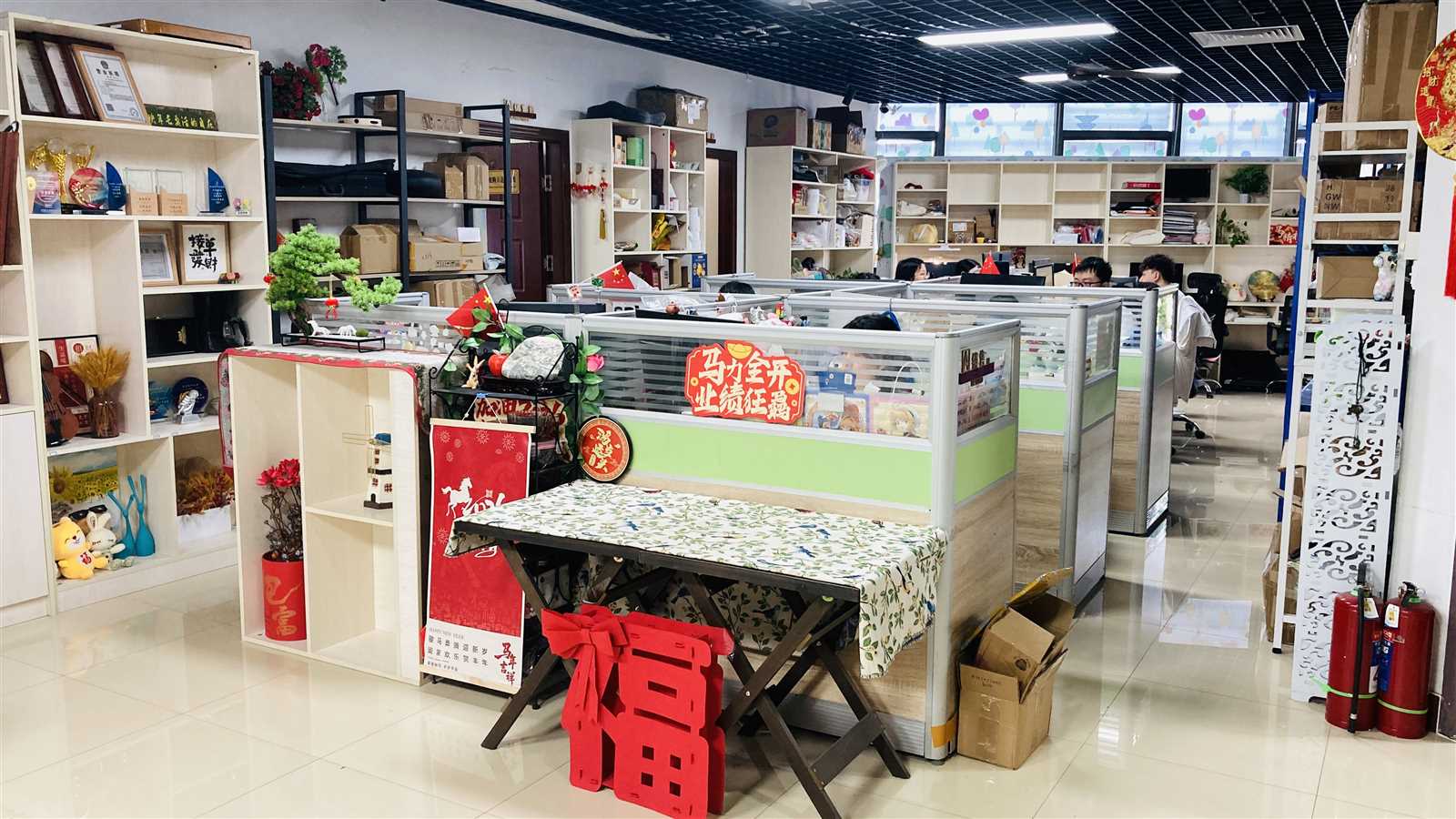
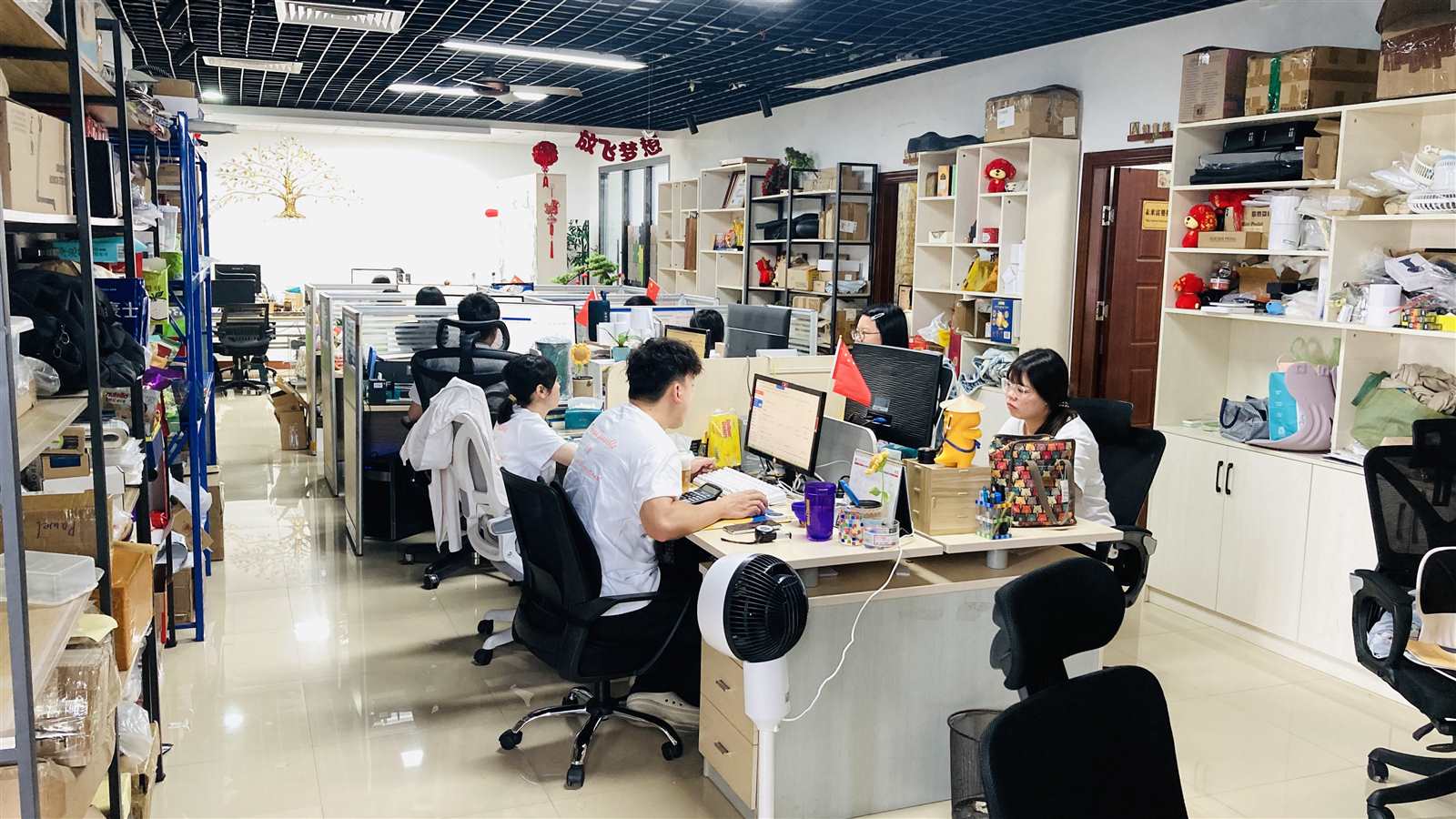
WPI International Trade Co., Ltd. (Huizhou) began exporting musical instruments from Hong Kong in June 2010 and established its Huizhou, Guangdong operation in 2014. The company is an Intertek-assessed musical instrument supplier with a team of 28 people, 22 of whom work in trading and export roles. That structure supports buyers who need one accountable contact for pickups, guitars, ukuleles, violins, saxophones, drums, keyboards, and accessories.
Our advantage is not simply a broad catalogue. It is the ability to connect product selection, OEM/ODM customization, quality inspection, and consolidated shipping in one workflow. For custom OEM electric guitar pickup buyers, that means a commercial team that can translate tone targets into sample briefs, coordinate partner workshops, and keep documentation moving before shipment.
- ✓Intertek onsite assessment covering premises, capabilities, and finished-product inspection.
- ✓OEM/ODM capabilities: sample-based customization, logo and packaging, design-based customization, and full customization.
- ✓Low-MOQ sampling: many instruments can start from 1 piece, with typical model runs of 2–10 pieces.
- ✓Multi-category consolidation: mix pickups, effects, recording adapters, stands, and instrument accessories in one order.
- ✓Quality control before delivery: appearance, hardware, tuning stability, playability, and packaging checks.
- ✓Main markets: North America, Western Europe, Southeast Asia, and South America.
- ✓Trade terms: T/T, L/C, D/P, D/A, credit card, PayPal, Western Union, cash, and escrow; FOB, CIF, DDP, EXW, and express options.

Verified credentials matter. WPI has been assessed onsite by Intertek, with capabilities including finished-product inspection, minor customization, sample-based customization, design-based customization, and full customization. Buyers can review assessment, credit, trade capacity, and transaction-level information before placing an order.



How a Custom OEM Pickup Order Works at WPI
A controlled six-step process keeps sampling, production, inspection, and shipping aligned with the buyer’s tone target and launch schedule.
Brief
Share pickup type, target tone, magnet preference, DCR range, cover finish, mounting format, packaging, and target market.
Proposal
We match suitable partner workshops, recommend specifications, clarify MOQ, and prepare a quotation with customization options.
Sampling
A pre-production sample is made for tone, fit, finish, and packaging approval. Electrical measurements are recorded for the golden sample.
Production
Mass production follows the approved sample and change-control checklist, with in-process checks for winding, assembly, and potting.
Inspection
Finished-product inspection covers appearance, hardware, DCR, polarity, feedback risk, labeling, and packaging before shipment.
Shipping
Choose FOB, CIF, DDP, EXW, or express delivery. Multi-category orders can be consolidated to reduce freight complexity.
Frequently Asked Questions: Custom OEM Electric Guitar Pickups
These are the questions buyers ask most often when evaluating custom OEM electric guitar pickup manufacturers and exporters.
What is the minimum order quantity for custom OEM electric guitar pickups?
Many sample requests can start from 1 piece, while typical OEM production runs are 2–10 pieces per model for instruments and pickup-related projects. Small accessories may have different MOQs, often 20–600 sets depending on the item. Mixed-category orders are welcome, which is useful for distributors who want to test a pickup line together with effects processors, adapters, or instrument-care products.
Do you offer OEM and ODM customization for pickups and musical instruments?
Yes. WPI’s assessed capabilities include sample-based customization, minor customization such as logo, packaging, and graphics, design-based customization, and full customization. For pickups, the brief can cover magnet grade, DCR range, winding pattern, cover material and finish, pole spacing, lead wire, quick-connect options, and retail packaging.
How do you control tone consistency between production batches?
Consistency starts with an approved golden sample and a documented electrical window. Production should control magnet grade, wire gauge, winding turns and tension, wax potting parameters, and assembly torque. Inspection records should compare DCR, inductance, polarity, phase, and physical fit against the approved sample. Buyers should also ask for change-control notification when materials or subcontractors change.
Which magnet and pickup options are available?
Typical options include Alnico II, Alnico V, Alnico VIII, ceramic, and neodymium magnets, with single-coil, humbucker, P90, noiseless stacked, active, and bass split-coil formats. Cover finishes can include nickel, chrome, black nickel, gold, aged white, cream, black, and custom colors. The right choice depends on the target tone, output, budget, and installation channel.
How do you inspect pickup quality before shipment?
A practical inspection plan covers visual appearance, cover and bobbin fit, baseplate and screw condition, DCR and inductance checks, polarity and phase testing, wax potting verification, high-gain feedback testing, wiring harness inspection, and packaging validation. Every WPI order can include finished-product inspection before delivery, covering appearance, hardware, functionality, and packaging.
What are typical sampling and production lead times?
Lead time depends on pickup type, customization level, component availability, and order quantity. Simple sample requests can move faster, while new tooling, custom covers, or branded packaging require more approval steps. The most reliable approach is to confirm the sample schedule and production window in writing after the specification is locked.
Which payment and delivery terms do you accept?
Payment methods include T/T, L/C, D/P, D/A, MoneyGram, credit card, PayPal, Western Union, cash, and escrow. Delivery terms include FOB, CFR, CIF, EXW, FAS, CIP, FCA, CPT, DEQ, DDP, DDU, DAF, DES, and express delivery. Buyers can choose the combination that fits their import profile and freight forwarder.
Can I consolidate pickups with other musical instruments and accessories?
Yes. One of WPI’s practical advantages is multi-category consolidation. A buyer can combine pickups with electric guitars, effects processors, recording adapters, stands, straps, strings, percussion, keyboards, and other accessories in one supplier relationship. This reduces supplier-management workload and can simplify freight, inspection, and payment coordination.
Send Your Pickup Specification for a Manufacturing Review
Share your target tone, magnet preference, DCR range, cover finish, estimated quantity, packaging requirement, and destination market. The WPI export team will review the brief and recommend a practical OEM/ODM path with sampling, inspection, and consolidated shipping options.