Custom OEM Digital Guitar Tuner Manufacturer & Factory
Private-label chromatic tuners, clip-on tuners, pedal tuners and multi-instrument tuning solutions for distributors, brands, music retailers and schools that need reliable quality, low MOQ and export-ready service.
Wholesale Products That Support Custom Tuner Orders
Digital tuners are often purchased with accessories, cables, stands, wireless systems and stage electronics. The eight products below come from WPI’s broader wholesale catalog, allowing buyers to consolidate tuners, cables, straps, stands, wireless systems and effects in one container. All product URLs and product images are preserved from the original range.
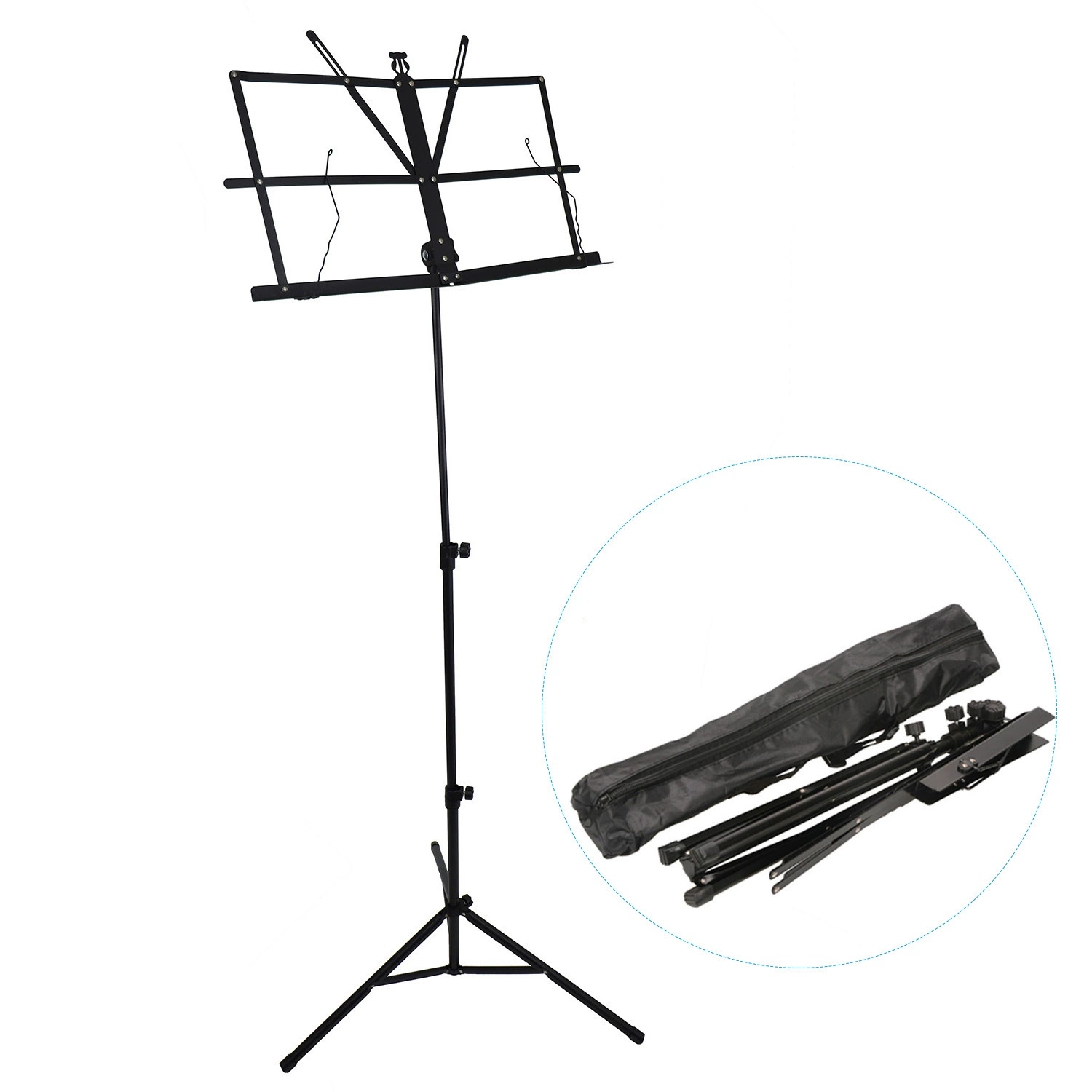
Portable Adjustable Music Stand with Bag
Compact stand for lesson rooms, school programs and retail bundles; useful as an add-on with tuners and metronomes.
View product detail
Wood Base Violin & Erhu Wall Hanger
Universal wall-mount display bracket for violin, erhu and similar instruments; supports showroom merchandising and accessories retail.
View product detail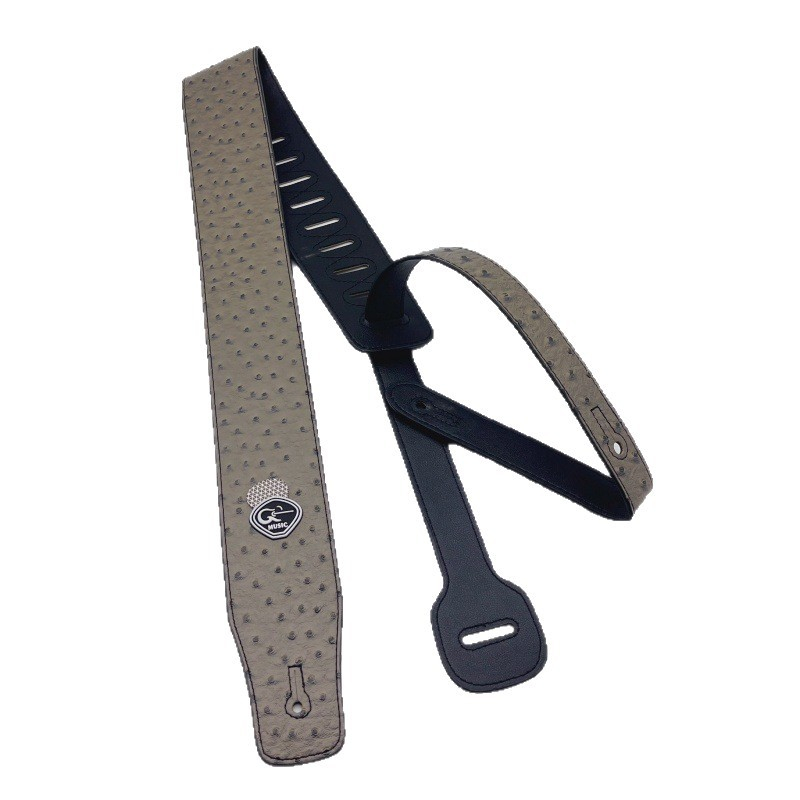
Genuine Leather Guitar Strap
Wide, wear-resistant shoulder strap for acoustic and electric guitar; a natural accessory add-on for tuner and starter-pack programs.
View product detail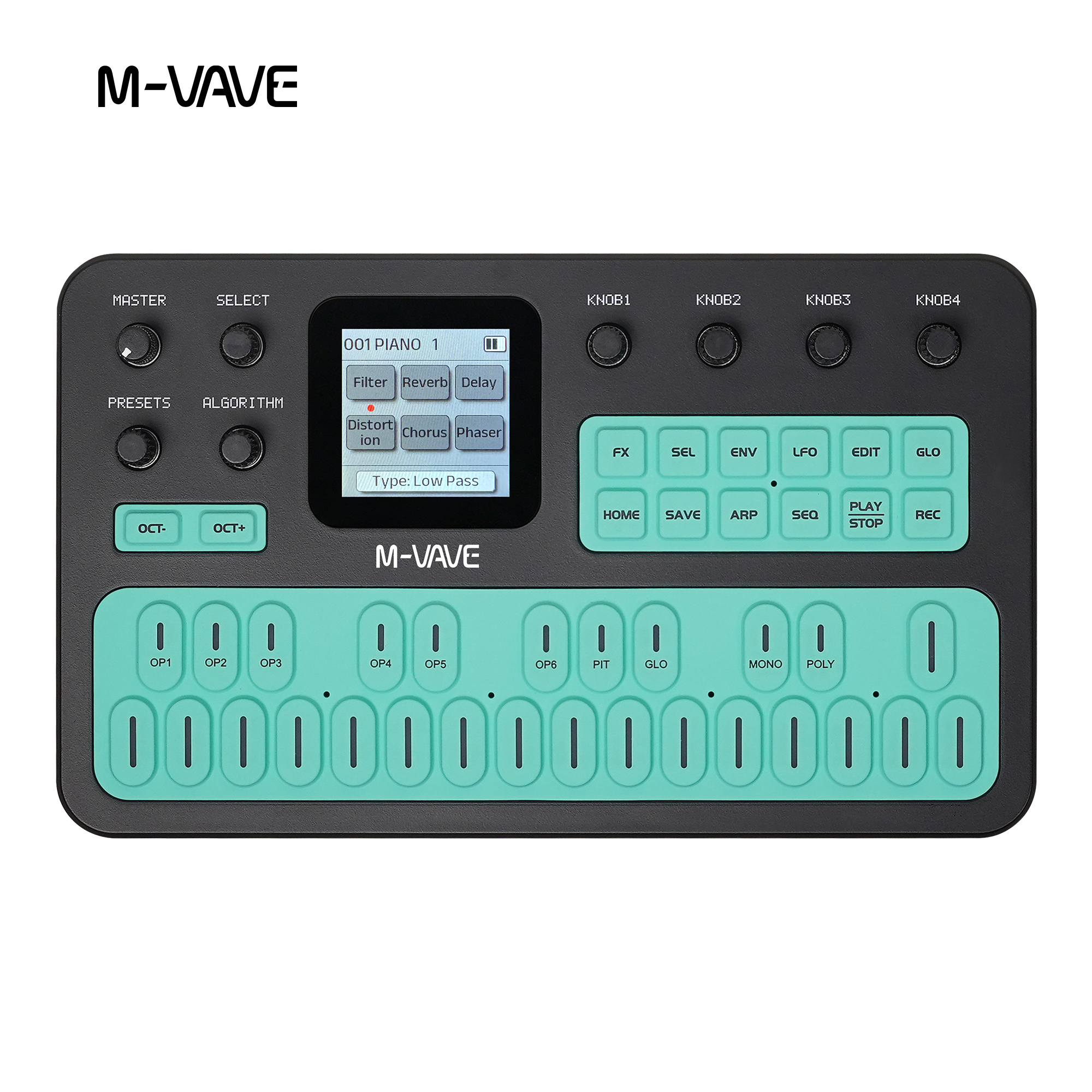
M-VAVE FM-1 Digital FM Synthesizer Keyboard
Portable synth with screen, sequencer, arpeggiator and built-in presets; suitable for creative retail and online music-electronics channels.
View product detail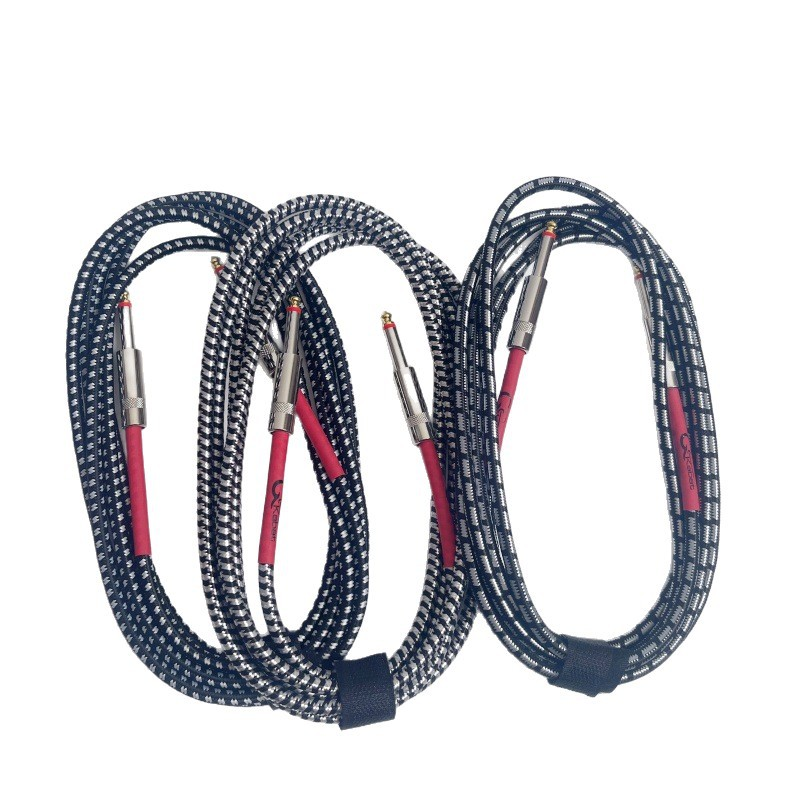
Braided 6.35mm Noise-Reduction Guitar Cable
Male-to-male instrument cable for guitar, bass and stage accessories; a high-turnover item for retail shelves and bundled starter kits.
View product detail
8-Note Orff Melody Bell Teaching Aid
Colorful push chime for kindergarten and early music education; fits school supply catalogs and classroom starter assortments.
View product detail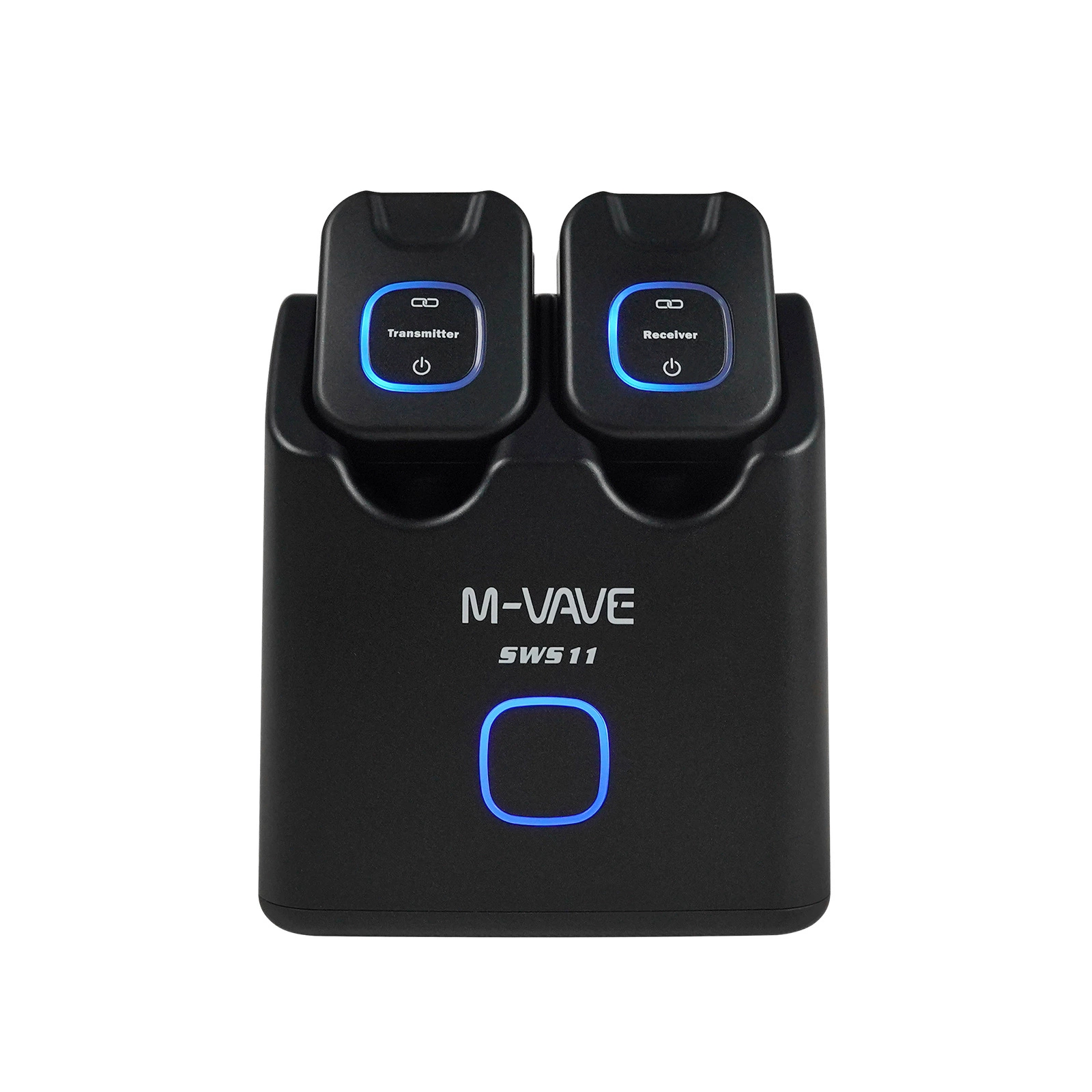
M-VAVE SWS11 Wireless Guitar System
2.4GHz rechargeable transmitter and receiver with charging base; strong cross-sell for pedal tuners, effects and stage-accessory buyers.
View product detail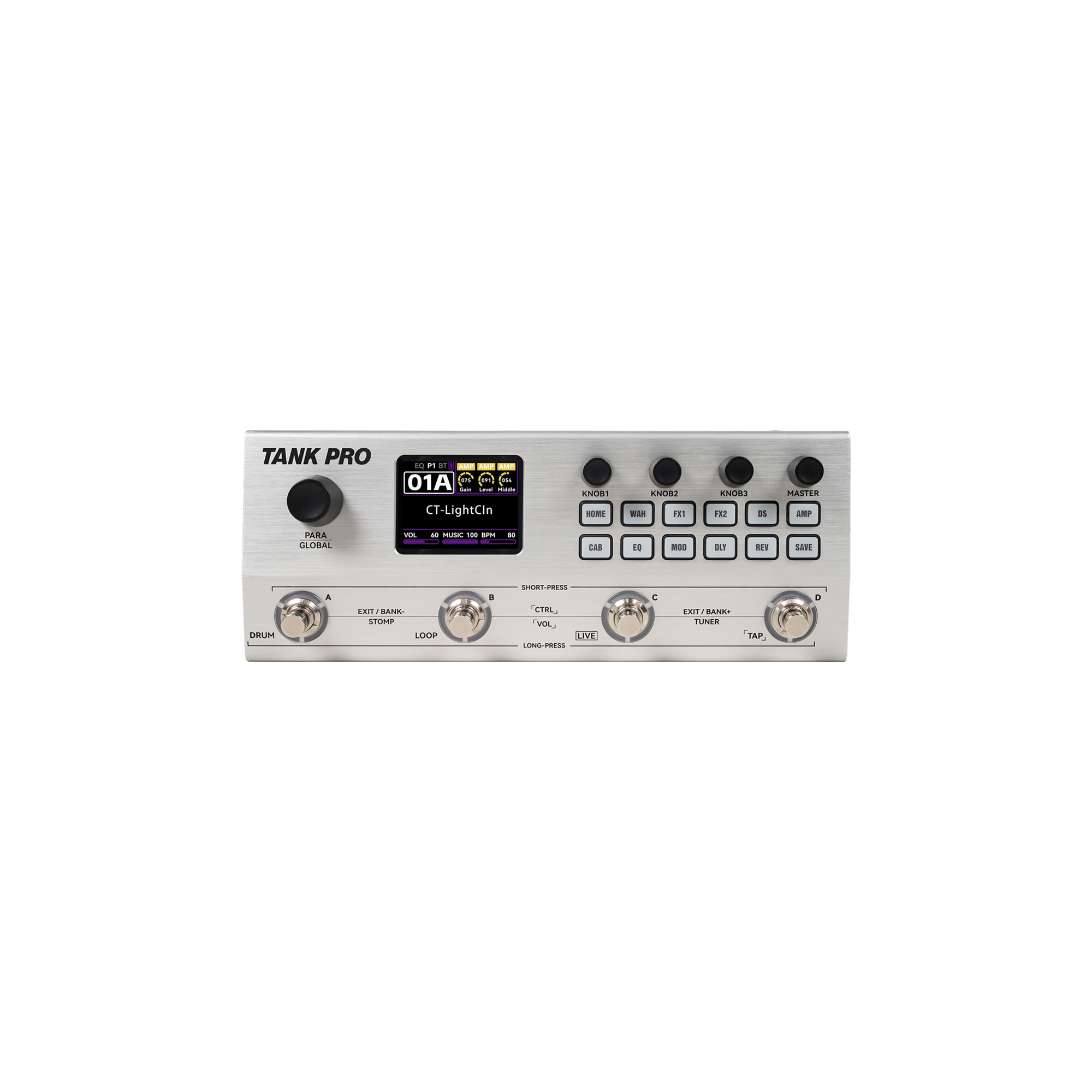
Tank Pro Metal Multi-Effects Processor
Multi-effects unit with third-party IR loading, OTG and internal recording; pairs well with pedal tuner and pedalboard accessory programs.
View product detailOEM Tuner Sourcing Backed by Export Data
Buyers need more than a low quotation. They need a supplier with verifiable trade activity, responsive communication and a practical understanding of musical-instrument retail.
Years in the musical-instrument industry
Annual export sales, third-party assessed
Orders shipped in the last six months
Inquiry response rate
Who Buys OEM Digital Guitar Tuners and Why
Buyers searching for a “custom OEM digital guitar tuner manufacturer” are rarely looking for a single retail tuner. They usually have a commercial problem: a private-label line to fill, a distributor catalog to refresh, a school tender to support or an online listing that needs dependable accessories. Effective tuner factory content therefore answers four different intents: specification, customization, compliance and landed cost.
Private-Label Retail Brands
Brand owners want a tuner that matches their packaging, price point and after-sales policy. They need custom logo printing, retail-box artwork, barcode support and a supplier that can keep color and function consistent across repeat orders.
Distributors & Importers
Distributors compare total landed cost, carton efficiency, MOQ flexibility and whether one container can include tuners plus cables, straps, stands and wireless systems. Mixed-category consolidation is often more valuable than the lowest unit price.
Music Schools & Education Suppliers
School buyers value simple operation, durable clips, clear displays and stable calibration. They also need English instructions, spare batteries where allowed, and packaging that survives distribution to teachers and students.
Online Sellers & Marketplaces
Amazon, TikTok Shop and regional marketplace sellers need retail-ready photography, dimension data, battery information, packaging compliance and consistent replenishment. They often test small batches before scaling a tuner SKU.
Digital Guitar Tuner Product Recommendations by Sales Channel
The right tuner specification depends on where it will be sold, who will use it and how much support the buyer can provide after purchase. These four configurations cover the most common OEM and wholesale requests.
Clip-On Chromatic Tuner
For music stores, school suppliers and entry-level accessory aisles, a compact clip-on chromatic tuner with ±1 cent accuracy, 430–450Hz calibration and a bright LCD is usually the most practical starting point.
- Custom body color and logo
- Retail blister or color box
- CR2032 battery option
- English / multilingual manual
Pedal Tuner with True Bypass
For guitar and bass pedal brands, a metal-housing pedal tuner with true bypass, large note display and stable stage performance creates a stronger brand accessory than a basic clip-on model.
- Custom enclosure color
- 9V center-negative power
- True-bypass switching
- Retail box and manual
Multi-Instrument Tuner & Metronome
For school distributors and teaching aids, combine chromatic tuning with a metronome, transposition-friendly display and simple buttons. Durability and clear instructions matter more than extra features.
- Large backlit display
- Metronome and tempo range
- Calibration memory
- Classroom packaging
Rechargeable Headstock Tuner
For premium gift, travel and online channels, a slim rechargeable tuner with USB-C charging, automatic power-off and a high-contrast display can justify a higher retail price when supported by strong product content.
- USB-C rechargeable
- Low-power auto-off
- Gift-ready packaging
- Custom color program
Technical Information Gain: What Separates a Good OEM Tuner from a Commodity Tuner
A low quotation is not a complete sourcing decision. Two tuners can look identical in a product photo but differ in calibration stability, clip fatigue, display readability, battery consumption and packaging compliance. This is the technical information an experienced OEM buyer should request before placing a volume order.
Specification Decisions That Affect Returns
- Accuracy: ±0.5 cent is tight for professional retail, while ±1 cent is often acceptable for beginner and school models. Ask for the test method, not only the claim.
- Calibration: A4 should be adjustable across 430–450Hz, with memory after power-off where required by the channel.
- Display: Test sunlight readability, viewing angle and low-temperature response. A high-contrast LCD often reduces returns more than an extra feature.
- Battery: CR2032 is simple for retail, while USB-C rechargeable models suit premium and travel channels. Lithium battery shipping documents must be confirmed early.
- Clip and housing: Spring fatigue, drop resistance and finish durability should be checked on pre-production samples, especially for school use.
- Compliance: RoHS, REACH and EMC documentation requirements should be agreed before sampling. Packaging and battery labeling can affect customs clearance.
QA Tests to Write into a Tuner Purchase Order
- Finished-product appearance and logo-position check.
- Tuning accuracy check against a calibrated reference at multiple notes.
- Button response, display contrast and backlight function test.
- Battery compartment fit, polarity and power-consumption check.
- Clip opening and closing cycle test for clip-on models.
- Drop test and packaging protection review on approved samples.
- Retail-box artwork, barcode, manual language and accessory-count check.
- Pre-shipment inspection report before carton sealing and container loading.
| Tuner Type | Typical Accuracy | Best-Fit Channel | OEM Options to Discuss |
|---|---|---|---|
| Clip-on chromatic | ±0.5 to ±1 cent | Music retail, schools, starter kits | Logo, body color, blister or box, manual language, battery type |
| Pedal chromatic | ±0.5 cent or tighter target | Guitar brands, pedalboard retailers | Metal housing, true bypass, custom color, 9V power, retail packaging |
| Multi-instrument tuner | ±1 cent, plus metronome | Education suppliers, distributors | Large display, calibration memory, multilingual manual, classroom packaging |
| Headstock / mini tuner | ±1 cent | Online sellers, gift retail, travel | USB-C charging, slim clip, gift box, marketplace-ready images |
| Multi-function accessory | Tuner, metronome, tone generator | Private-label accessory programs | Appearance design, button layout, packaging, barcode and compliance documents |
Future Procurement Trends for Digital Guitar Tuner Buyers
Procurement teams are shifting from “lowest price per piece” to “lowest risk per order.” The priorities below reflect the questions that commonly appear in tuner sourcing briefs and should be planned before RFQ stage. The bars are directional priority signals, not market forecasts.
Low-MOQ Private Label
Buyers want to test a branded tuner without committing to a full container. Clear MOQ tiers for logo, color, packaging and manual changes help reduce inventory risk.
Compliance-Ready Documentation
Retailers increasingly ask for RoHS, REACH, EMC and battery-related documents before listing. For rechargeable tuners, shipping and labeling requirements should be confirmed during sampling.
Bundle Sourcing
Tuners travel better when bought with cables, straps, stands, wireless systems and multi-effects. One supplier that can consolidate categories reduces freight complexity and supplier-management time.
Retail-Ready Product Content
Online sellers need clean images, dimensions, battery details, feature callouts and consistent carton marks. Content quality has become part of product quality for marketplace channels.
Product Development Trends in OEM Digital Guitar Tuners
Development direction should follow sell-through, not novelty alone. For most buyers, a tune-up of the core user experience creates more value than adding features that raise returns. These six trends are practical areas to discuss with a tuner factory during sample development.
USB-C Rechargeable Design
USB-C charging is becoming a premium signal for travel, gift and online channels. The development focus is not simply adding a port, but managing charging safety, cable compatibility, low-power display behavior and battery documentation.
Multi-Instrument Tuning
Tuners that support guitar, bass, violin, ukulele and chromatic modes appeal to schools and family retail. Clear mode switching and easy calibration settings matter more than an overloaded menu.
Pedalboard Integration
Pedal tuners need metal housings, stable footswitches, true-bypass options and readable displays under stage lighting. Custom colors and brand engraving can turn a functional tuner into a branded pedalboard item.
Temperature and Stability
Outdoor, school and travel use puts tuners under temperature variation. Buyers should discuss display response, calibration stability and clip material behavior in cold and hot conditions during sample validation.
Sustainable Packaging
Paper-based blister alternatives, reduced plastic and clearer recycling marks are becoming procurement questions. Packaging changes must still protect the display, battery compartment and retail presentation.
Content and App-Assisted Tuning
App connectivity can support training, firmware updates or brand engagement, but it must be reliable. For most wholesale buyers, strong packaging content, accurate instructions and a stable standalone tuner are still the priority.
Clip-On, Pedal and Multi-Instrument Tuners: Which Should You Stock?
Use this comparison to align tuner type with sales channel, target user and OEM customization budget. A mixed assortment often works better than a single model because different users place different value on accuracy, display size and portability.
| Sales Channel | Recommended Tuner | Why It Sells | OEM / Purchasing Notes |
|---|---|---|---|
| Music retail starter shelf | Clip-on chromatic tuner | Easy to demonstrate, low unit cost and suitable for guitar, bass and ukulele beginners. | Logo, body color, blister card, manual language and battery type should be fixed at sample stage. |
| Guitar brand accessory kit | Pedal tuner or branded clip-on | Builds brand attachment and pairs naturally with straps, cables and pedals. | Confirm housing finish, footswitch feel, true-bypass option, packaging and spare-unit policy. |
| School and education distributor | Multi-instrument tuner with metronome | Supports classroom use and can be bundled with teaching aids and Orff instruments. | Prioritize large display, simple buttons, durable clip and clear teaching instructions. |
| Online marketplace seller | Rechargeable headstock tuner | Offers a premium story for listing pages and fits gift, travel and content-creator audiences. | Prepare USB-C charging information, battery documents, retail-ready images and carton data. |
| Distributor mixed container | Two or three tuner types plus accessories | Spreads risk and improves container utilization with cables, stands, straps and wireless systems. | Plan MOQ tiers, model mix, carton marks and pre-shipment inspection schedule together. |
Why WPI Is a Reliable Custom Digital Guitar Tuner Supplier
WPI International Trade Co., Ltd. (Huizhou) began exporting musical instruments from Hong Kong in June 2010 and established its Huizhou, Guangdong operation in 2014. The company is an Intertek-assessed supplier with 28 employees and annual export sales of US$9,000,000, third-party assessed. Main markets include North America, Western Europe, Southeast Asia and South America. Recent trade activity includes 952 orders in six months, a 97.73% inquiry response rate and a 4.6/5 average buyer rating.
For tuner projects, WPI works as an export and sourcing partner with long-term musical-instrument workshops in Guangdong. That means buyers can combine tuner development with related accessories, instruments and electronics without managing many separate suppliers. We are transparent about the production model: WPI coordinates sampling, customization, quality control, documentation and export logistics through an assessed supplier network rather than claiming every process is owned in one building.
The practical advantage is consolidation. A distributor can order custom clip-on tuners, pedal tuners, braided cables, guitar straps, wireless systems and multi-effects processors in a mixed-category shipment. A private-label brand can start with a small sampling order, validate packaging and display quality, then scale a repeatable specification. Schools and education suppliers can combine tuners with teaching aids and accessories for a more complete catalog.
Address: 2313, Saige Building, Huizhou, Guangdong, China. Email: info@wpimusic.com.

Intertek-Assessed Supplier
Premises, legal status and capabilities have been assessed onsite by Intertek. Buyers can review supplier assessment and trade-capacity information before confirming a tuner project.
OEM / ODM Customization
Supported customization includes sample-based development, logo and packaging changes, design-based customization and full customization through partner workshops. Tuner-specific options should be confirmed per model and order quantity.
Low MOQ & Mixed Orders
Many items can be sampled from one piece. Typical wholesale MOQs are 2–10 pieces per instrument model and 20–600 sets for small accessories. Mixed-category orders are welcome, subject to stock and customization.
Quality Control Before Shipment
Orders can include finished-product inspection covering appearance, hardware, tuning function, battery fit and packaging. For tuners, the inspection plan should be written into the purchase order and based on the approved sample.
One-Stop Export Support
Payment terms include T/T, L/C, D/P, D/A, credit card, PayPal, Western Union and others. Delivery terms include FOB, CFR, CIF, EXW, DDP, DDU and express delivery, allowing buyers to choose the right risk model.
Export Market Knowledge
WPI serves North America, Western Europe, Southeast Asia and South America. This helps tune packaging language, carton marks and product content for different retail and distribution expectations.
From RFQ to Shipment: How a Custom Tuner Order Works
A clear process reduces sampling delays and avoids surprises at pre-shipment inspection. The exact timeline depends on tuner type, customization depth and order quantity, but the workflow below is the standard path for an OEM digital tuner project.
Share the Brief
Send target market, tuner type, accuracy target, logo and packaging requirement, estimated quantity and any compliance needs.
Specification & Quotation
We match suitable models and factory partners, then propose specifications, MOQ tiers, packaging options and delivery terms.
Sampling
A pre-production sample is prepared for appearance, function, logo and packaging approval. Tuner accuracy and display behavior should be checked at this stage.
Order Confirmation
Confirm purchase order details, deposit, artwork, manual language, barcode, battery information and the agreed inspection checklist.
Production & Inspection
Mass production follows the approved sample, with finished-product inspection before carton sealing. Quality findings should be resolved before shipment.
Shipping & After-Sales
Choose FOB, CIF, DDP or express delivery. Spare-unit, warranty and replacement policies should be agreed in the order terms.
FAQ for Digital Guitar Tuner Wholesale & OEM Buyers
These are the questions buyers commonly ask before sampling or placing a volume order for digital tuners and related musical accessories.
Are you a digital guitar tuner manufacturer or a trading company?
WPI International Trade Co., Ltd. (Huizhou) is an export and sourcing company working with long-term musical-instrument workshops in Guangdong. We coordinate OEM and ODM tuner projects through an assessed supplier network, including sampling, customization, quality control and export logistics. This model is deliberately transparent so buyers know exactly who is responsible for each stage.
What is the MOQ for a custom digital guitar tuner?
MOQ depends on tuner type, logo method, packaging and order quantity. Many items can be sampled from one piece, and typical wholesale MOQs are 2–10 pieces per instrument model and 20–600 sets for small accessories. For custom tuner projects, the final MOQ should be confirmed at RFQ stage after the display, housing, battery and packaging requirements are clear.
Can you print our logo and customize the retail packaging?
Yes. Typical customization includes logo printing, body color, retail box or blister artwork, manual language, barcode and selected accessory configuration. More complex changes such as housing shape, button layout or display choice should be evaluated as a design-based or full customization project.
What accuracy should we specify for a wholesale digital tuner?
For beginner, school and general retail channels, ±1 cent is often sufficient. For professional retail or a premium brand claim, ±0.5 cent may be more appropriate. Always ask for the test method and validate accuracy on the approved sample. A written factory claim without a test procedure is weaker than a documented pre-shipment check.
Can you supply RoHS, REACH, EMC or battery documents?
Compliance requirements should be confirmed model by model before sampling. Depending on the destination market and retailer, RoHS, REACH, EMC and battery-related documents may be requested. For rechargeable tuners, lithium battery shipping and labeling requirements should be discussed early because they can affect courier and air-freight options.
How do you control tuner quality before shipment?
A purchase-order inspection checklist can cover appearance, logo position, tuning accuracy, button response, display contrast, battery fit, clip durability, packaging artwork and accessory count. The inspection should refer to the approved sample and be completed before carton sealing. For repeat orders, keep the approved sample and checklist on file.
Can we mix tuners with other musical instruments and accessories?
Yes. WPI’s broader catalog includes guitars, ukuleles, violins, cellos, saxophones, drums, keyboards, stands, straps, cables, wireless systems and multi-effects processors. Mixed-category orders are welcome, subject to each item’s MOQ, stock status and customization. Consolidating tuners with accessories can improve container utilization and reduce supplier-management workload.
What payment and delivery terms are available?
Payment methods include T/T, L/C, D/P, D/A, MoneyGram, credit card, PayPal, Western Union, cash and escrow. Delivery terms include FOB, CFR, CIF, EXW, FAS, CIP, FCA, CPT, DEQ, DDP, DDU, DAF, DES and express delivery. The most suitable term depends on your destination, shipment size and risk preference.
Which markets do you export to?
Main markets are North America, Western Europe, Southeast Asia and South America. Product content, packaging language and compliance expectations can vary by market, so buyers should provide the destination country and sales channel at RFQ stage.
What is the typical lead time for a custom tuner order?
Lead time depends on whether the project uses an existing model or requires new tooling, custom packaging or new electronics. Sampling is usually scheduled first, followed by production after sample approval and deposit. The final schedule should be stated in the quotation or purchase order rather than assumed.
Ready to Quote Your Custom Digital Guitar Tuner?
Send your target market, tuner type, accuracy target, logo or packaging requirement and estimated quantity to info@wpimusic.com. Our export team will recommend suitable models, sampling steps and MOQ options for your channel.
Contact UsEmail: info@wpimusic.com · Location: 2313, Saige Building, Huizhou, Guangdong, China