8 Wholesale Products That Support Mixed Acoustic Guitar Programs
These eight products illustrate the mixed-container and cross-category sourcing opportunity available alongside custom guitar projects. Product URLs and images are preserved below for easy review by wholesale buyers.
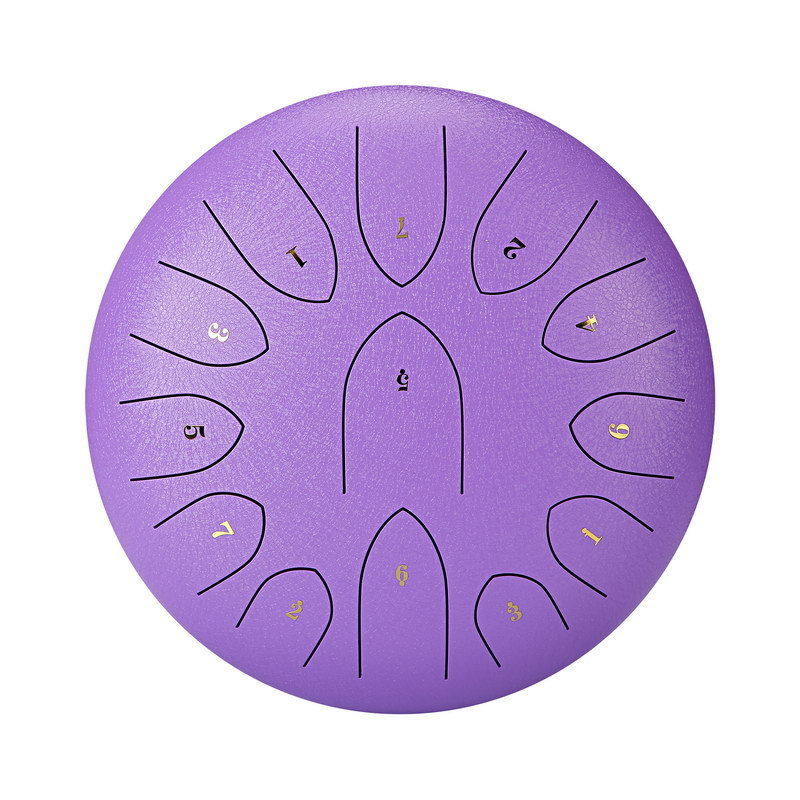
14 Inch Steel Tongue Drum, Handpan Drum, Mini Tank Drum Percussion Instrument, Complete Gift Set Wholesale
Gift-ready percussion item for music shops, yoga retailers and education channels.
View product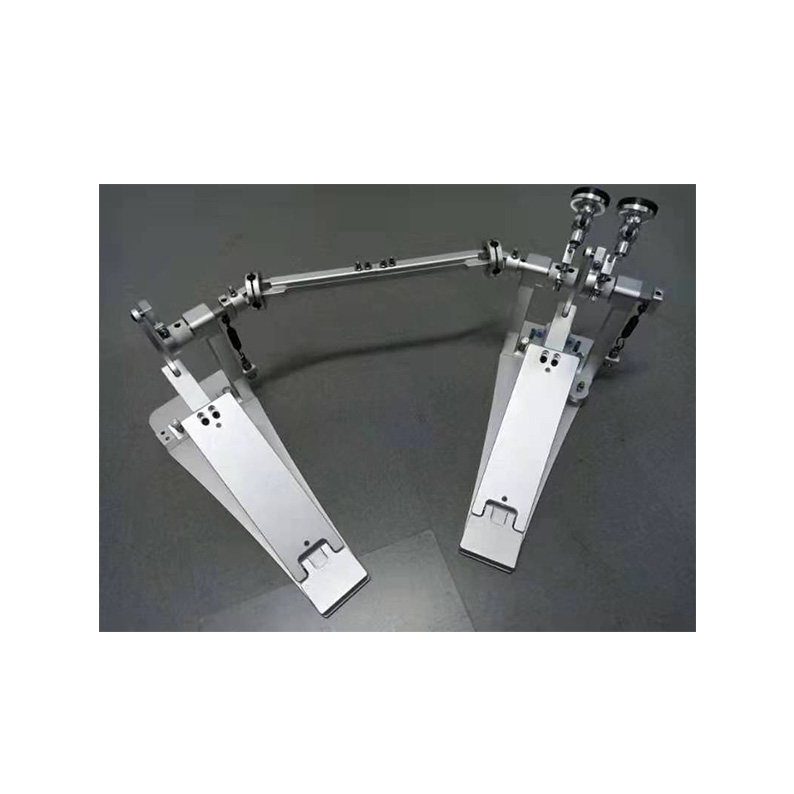
Brushed Silver Double Bass Drum Pedal Direct Drive Drum Kit Accessory
Hardware accessory for drum-kit dealers, repair shops and stage-equipment bundles.
View product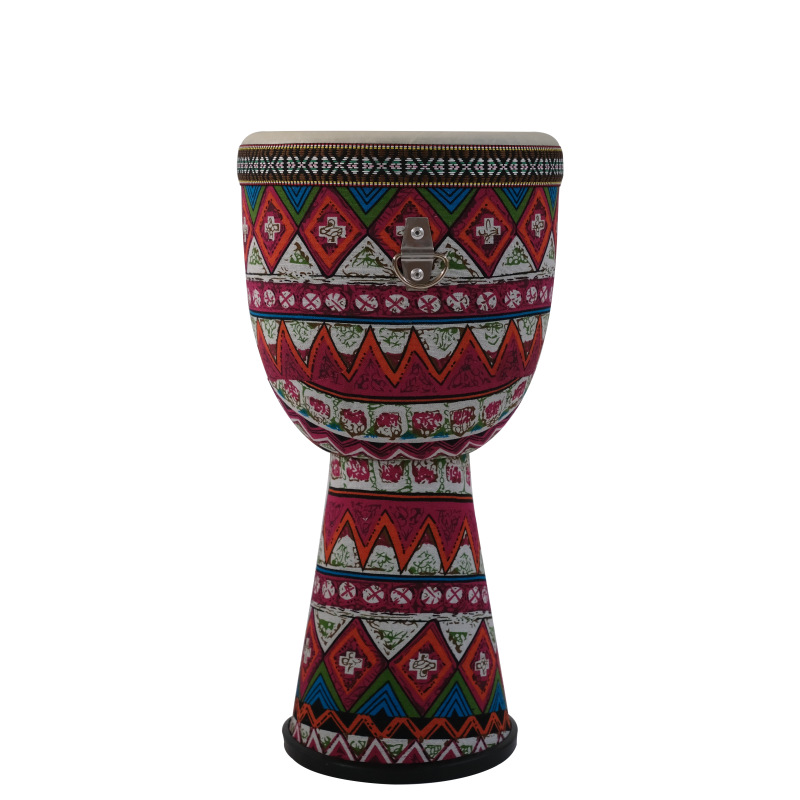
8 Inch African Djembe Drum, Lightweight PVC Fabric Hand Drum for Kids & Adults, Beginner Percussion Hand Beat Drum Wholesale
Lightweight beginner percussion product for schools, camps and family music retail.
View product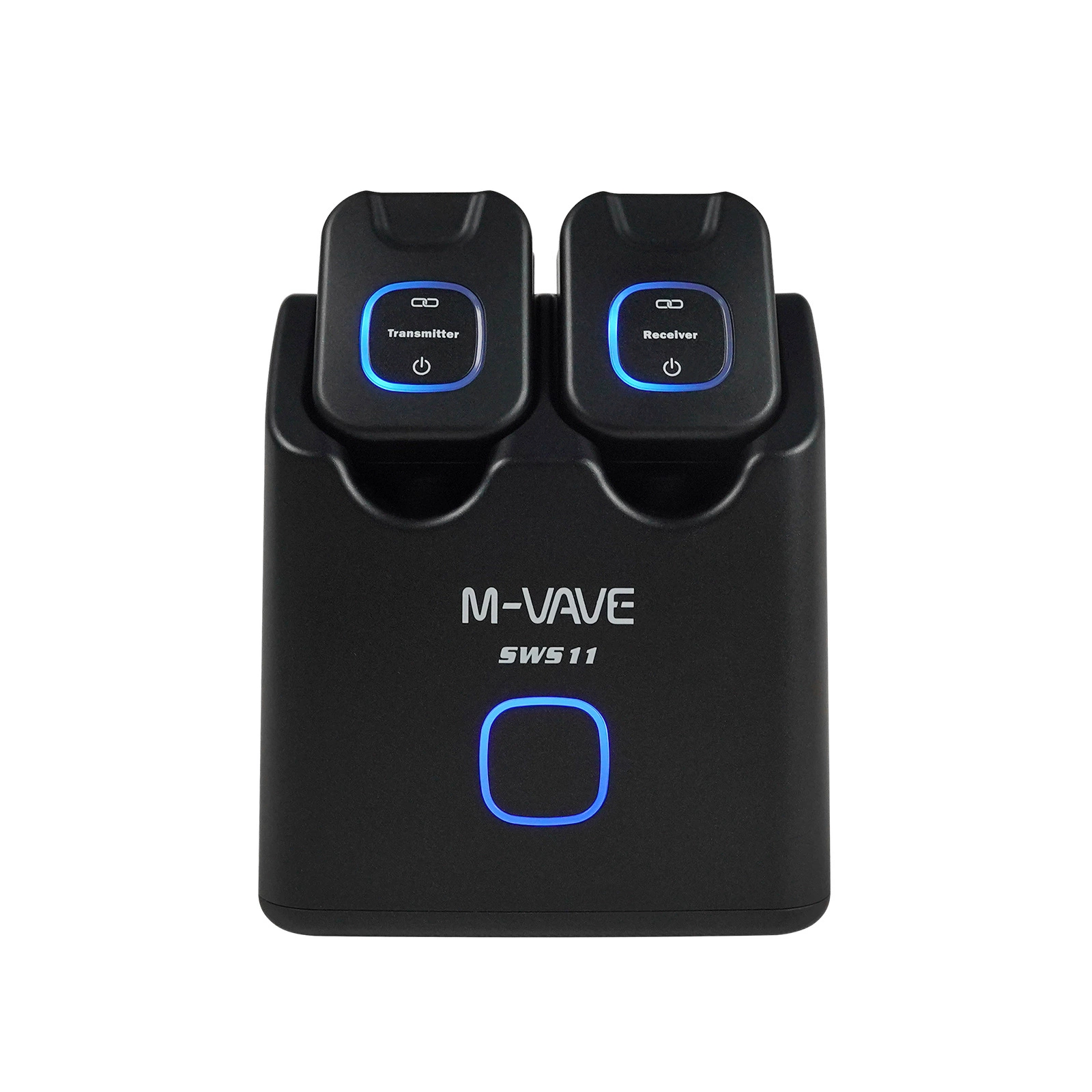
M-VAVE SWS11 2.4Ghz Wireless Guitar Audio System Rechargeable Transmitter Receiver with Charging Base
Stage and practice accessory that pairs naturally with acoustic-electric guitar programs.
View product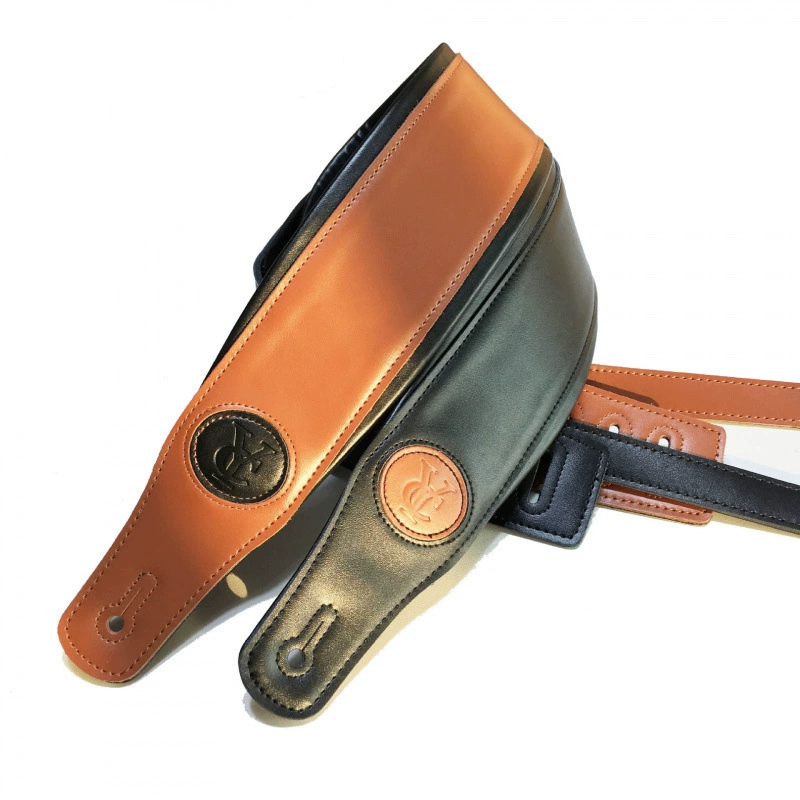
Wholesale Wide Padded Cowhide PU Leather Adjustable Soft Guitar Shoulder Strap for Acoustic Electric Bass Guitar
High-margin add-on product for acoustic guitar bundles, private label and retail shelves.
View product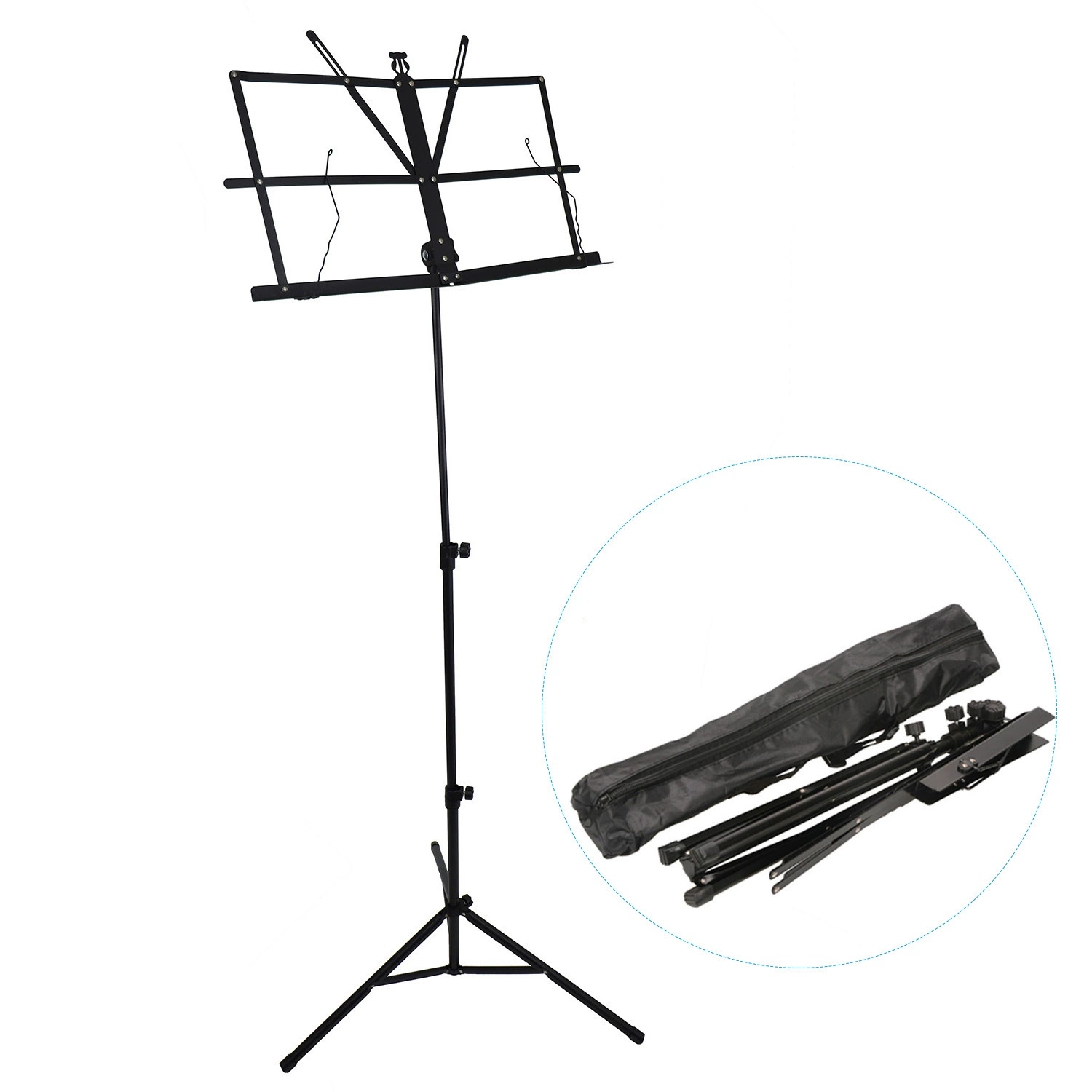
Factory Wholesale Small Size Portable Adjustable Music Stand With Bag
Practical accessory for music schools, orchestras and starter instrument packages.
View product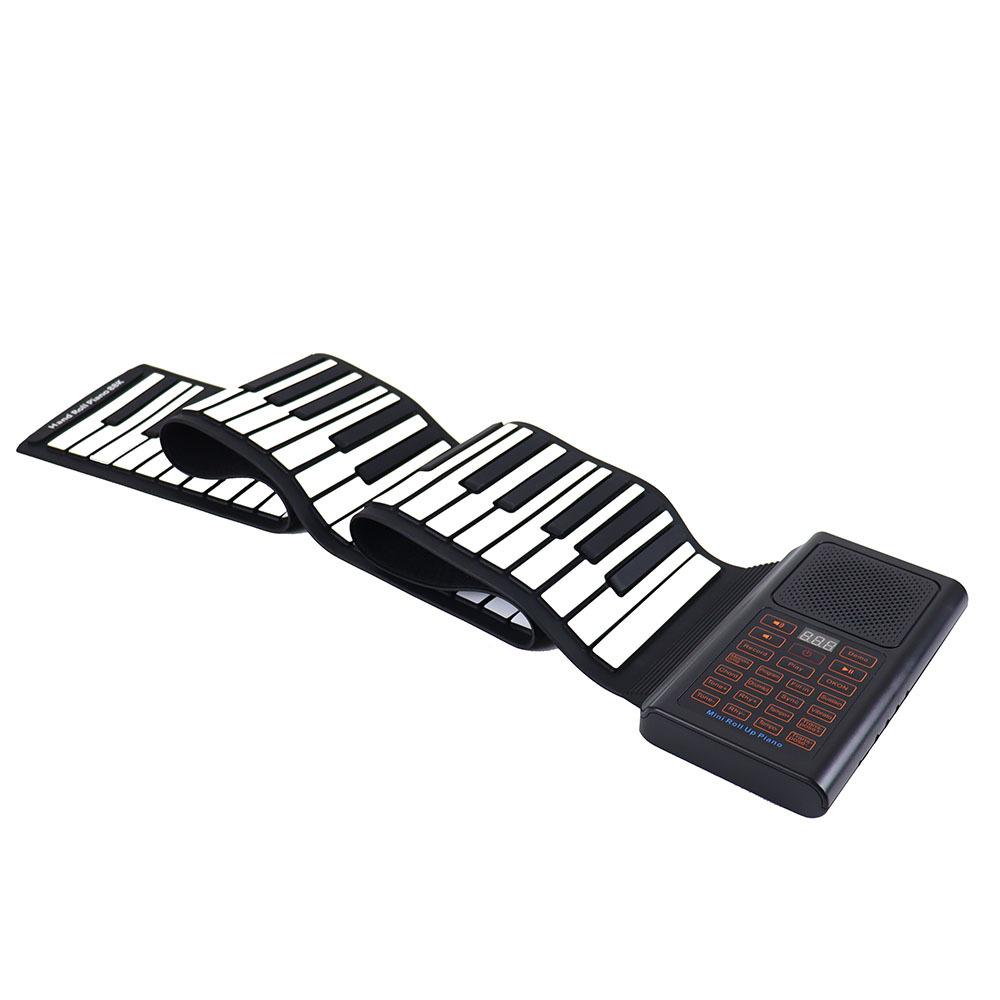
Wholesale 88-Keypad Keyboard Portable Digital Piano Foldable Entry-Level Soft Hand-Rolled Piano
Compact keyboard category addition for dealers testing home-learning and travel demand.
View product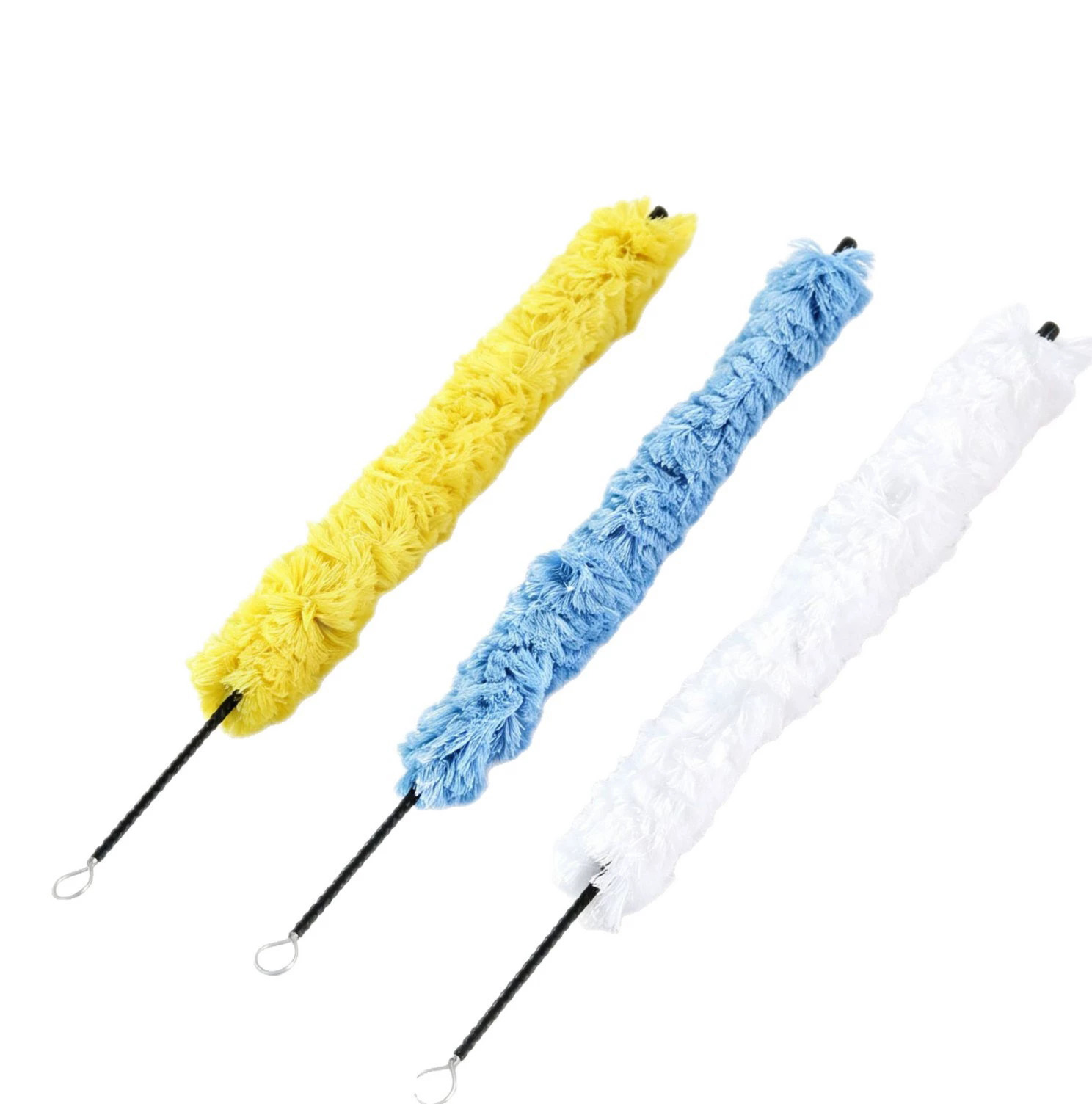
Flute bore cleaning brush flute brush cotton cleaning swab washable cotton thread cleaning stick white /yellow/ blue
Small accessory that improves average order value in woodwind and school-instrument orders.
View productWhat Makes a Custom OEM Acoustic Guitar Program Reliable?
A credible acoustic guitar manufacturer is not simply the lowest quotation. The stronger supplier is the one that can translate your market position into repeatable specifications, protect quality before shipment and help you build an assortment that sells through.
Specification fit by sales channel
A 40-inch basswood beginner guitar, a 41-inch cutaway acoustic-electric guitar and a 41-inch solid spruce top model can all be sold as “acoustic guitars,” yet they serve different retail price points and buyer expectations. Define body size, top material, neck profile, nut width, scale length, bracing, electronics and finish before comparing factory quotations.
Cost engineering after inspection
The real landed cost includes action adjustment, fretwork, replacement parts, packaging protection and return risk. For entry-level programs, a stable basswood or linden guitar with consistent playability can outperform a higher-spec sample that arrives with poor set-up. For step-up retail, a solid spruce top and reliable EQ system justify a higher shelf price.
Packaging and private-label identity
Custom OEM acoustic guitar projects often need more than a logo on the headstock. Buyers request branded packaging, hangtags, instruction inserts, model names, barcode labels and mixed carton planning. These details affect marketplace compliance, retail presentation and perceived value, so they should be agreed during sampling rather than after mass production.
Recommended Custom Acoustic Guitar Models to Stock First
For many importers, the first production run should test multiple price points without overcommitting inventory. The following acoustic guitar directions are practical starting points for distributors, music shops, schools and online sellers.
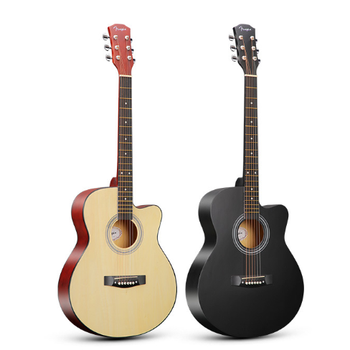
40" Beginner Acoustic Guitar
A balanced entry-level option for schools, starter bundles and price-led retail. Ask for consistent action, clean fret ends and stable tuning before confirming the order.
Low-MOQ sampling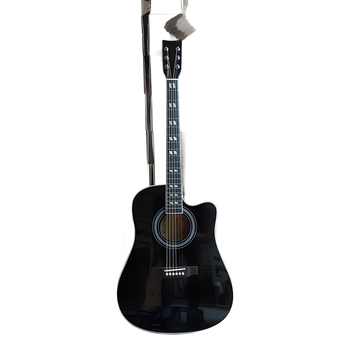
41" Cutaway Acoustic-Electric
Stage-ready direction for retailers serving adult beginners and singer-songwriters. EQ options, battery access and output testing should be specified in the sample.
EQ option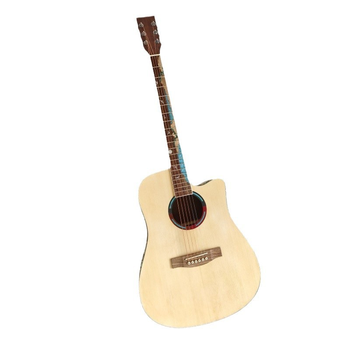
41" Solid Spruce Top Folk Guitar
A step-up retail model for buyers who want brighter tone and stronger perceived value. Confirm humidity controls, brace inspection and bridge seating before production.
Step-up retail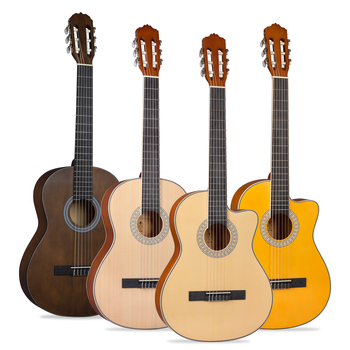
39" Classical Nylon-String Guitar
A useful addition for education channels, adult beginners and stores that serve classical or fingerstyle students. Specify action height and nylon-string gauge for your market.
School channelAlso consider a 41-inch 12-string cutaway or basswood folk model for niche buyers. The right mix depends on your retail price bands, local competitor assortment and whether you sell through stores, marketplaces or school tenders.
OEM Acoustic Guitar Materials: A Buyer’s Selection Guide
Material choice should follow the buyer’s price point, climate and service expectations. This matrix helps procurement teams compare common options before requesting samples from a Chinese acoustic guitar factory.
| Material Direction | Acoustic Character | Best-Fit Channel | Procurement Note |
|---|---|---|---|
| Basswood / linden laminate | Warm, balanced and lightweight with stable production consistency | Entry-level guitars, school programs, price-led retail and starter bundles | Excellent for volume programs. Prioritise action, fretwork and tuning stability over exotic appearance. |
| Solid spruce top | Bright, articulate and more open-sounding; responds well to playing over time | Step-up acoustic guitars, music-store mid range and adult beginner upgrades | Requires humidity awareness during storage and transport. Confirm top thickness and brace inspection in QC. |
| Laminated acacia or decorative wood | Warm mids with attractive grain for display-driven retail | Lifestyle stores, gift retail, marketplace listings and premium-looking entry models | Appearance is a key selling point. Approve grain, colour and finish under retail lighting before mass production. |
| Acoustic-electric with EQ | Acoustic tone plus plug-in convenience for practice, stage and recording | Online sellers, singer-songwriter bundles and stores serving performing beginners | Test output, battery compartment, controls, feedback behaviour and shielding on the pre-production sample. |
| Compact / travel formats | Space-saving and easy to carry, often with brighter projection | Travel retail, e-commerce bundles, kids’ programs and gift channels | Check scale length, nut width and bag compatibility. Packaging must protect the neck and bridge in transit. |
Incoming material check
Review wood moisture, neck straightness, fretboard condition, bridge blanks, machine heads and electronics before assembly.
In-process inspection
Check neck angle, brace glue, bridge seating, binding, fret level and finish defects before final assembly and set-up.
Set-up and playability
Measure action at the 12th fret, check fret buzz, intonation, nut height, saddle height and tuner function.
Pre-shipment inspection
Inspect appearance, hardware, tuning stability, electronics, accessories and packaging before final carton sealing.
Acoustic Guitar Procurement Trends Buyers Should Plan For
Buying behaviour in musical instruments is moving toward smaller test orders, stronger private-label identity and more complete category solutions. These shifts reward suppliers who can support sampling, customisation and mixed-container consolidation.
Low-MOQ test orders
Retailers increasingly prefer to test several models before committing to deep inventory. Suppliers with sampling from 1 piece and typical model MOQs of 2–10 pieces make it easier to validate demand.
Private-label identity
Headstock logos, model names, packaging, hangtags and marketplace-ready labels are becoming standard requests, not premium extras. OEM discussions should include branding and compliance details from the first sample.
Acoustic-electric readiness
More beginners and content creators want plug-in convenience. A cutaway acoustic-electric guitar with a reliable EQ system can serve multiple use cases and justify a broader price ladder.
Climate-aware quality
Importers are asking more detailed questions about humidity, brace integrity, bridge lift and set-up. A factory’s ability to control moisture and inspect playability is a commercial advantage, not only a technical detail.
Compact and travel formats
Smaller instruments, foldable keyboards and lightweight percussion fit smaller living spaces and online retail bundles. These products also help buyers fill mixed containers without over-relying on one category.
One-stop container planning
Distributors want to combine acoustic guitars, accessories, percussion, keyboards and school instruments in fewer shipments. A multi-category supplier reduces sourcing friction and improves container utilisation.
How a Custom Acoustic Guitar Order Works
A clear process reduces sampling delays and protects the buyer’s launch plan. WPI supports sample-based customisation, logo and packaging changes, design-based customisation and full customisation programs.
Brief
Share model direction, body size, tonewood preference, logo, packaging, target price, quantities and destination market.
Proposal
We match suitable partner workshops, recommend specifications and outline practical packaging and mixed-order options.
Sampling
A pre-production sample is prepared for your approval, covering appearance, playability and branding details.
Production
Mass production begins after sample approval, with in-process checks for materials, assembly and finishing.
Inspection
Finished-product inspection covers appearance, hardware, tuning stability, playability and packaging before delivery.
Shipping
Choose FOB, CIF, DDP, express or other supported delivery terms according to your experience and destination.
Why WPI Is a Practical Custom Acoustic Guitar Partner
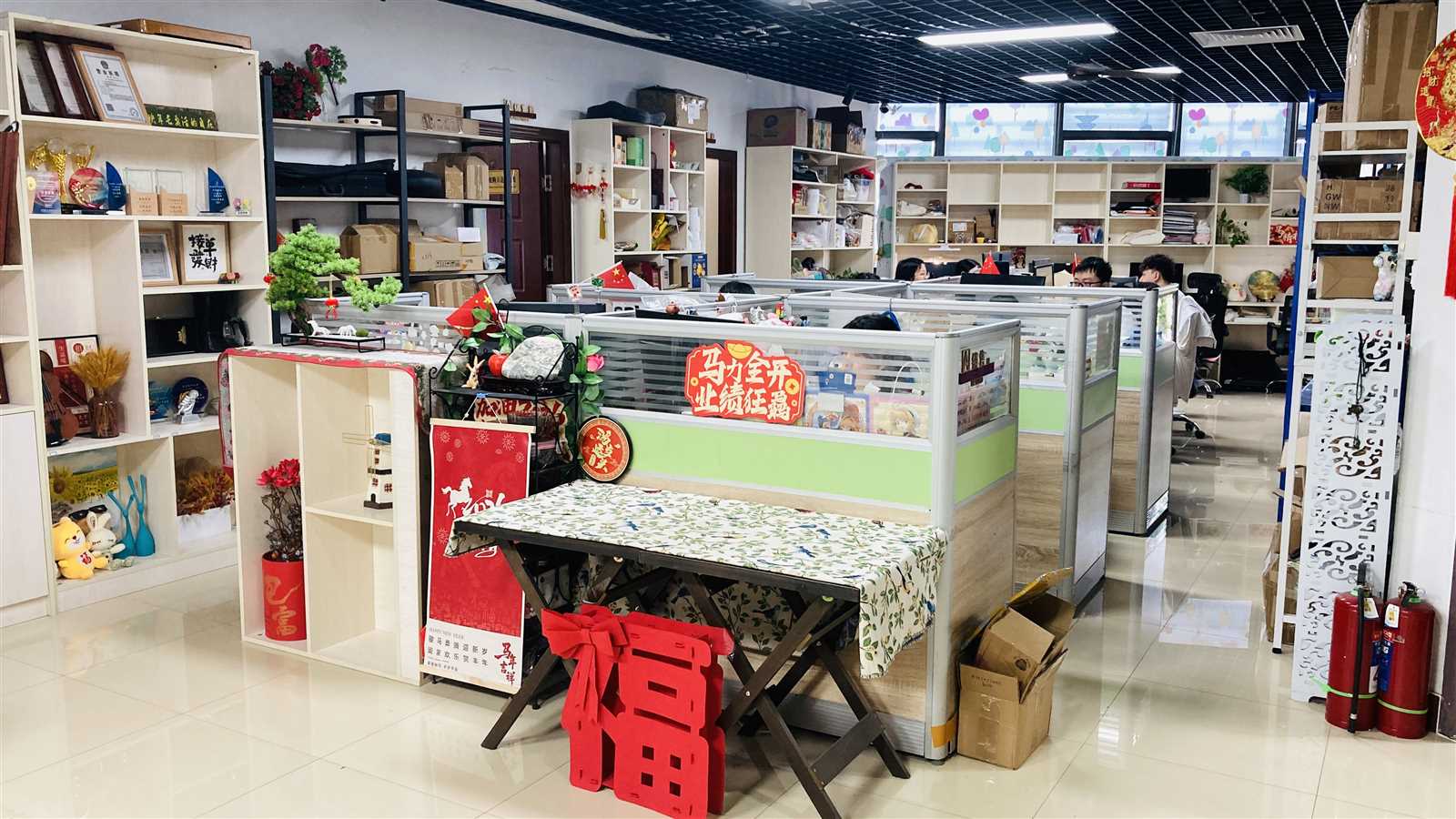
WPI International Trade Co., Ltd. (Huizhou) is an Intertek-assessed musical instrument supplier with export experience since 2010 and a Huizhou operation established in 2014. The team combines multi-category sourcing with low-MOQ customisation for importers, distributors, retailers and schools.
Third-party assessed
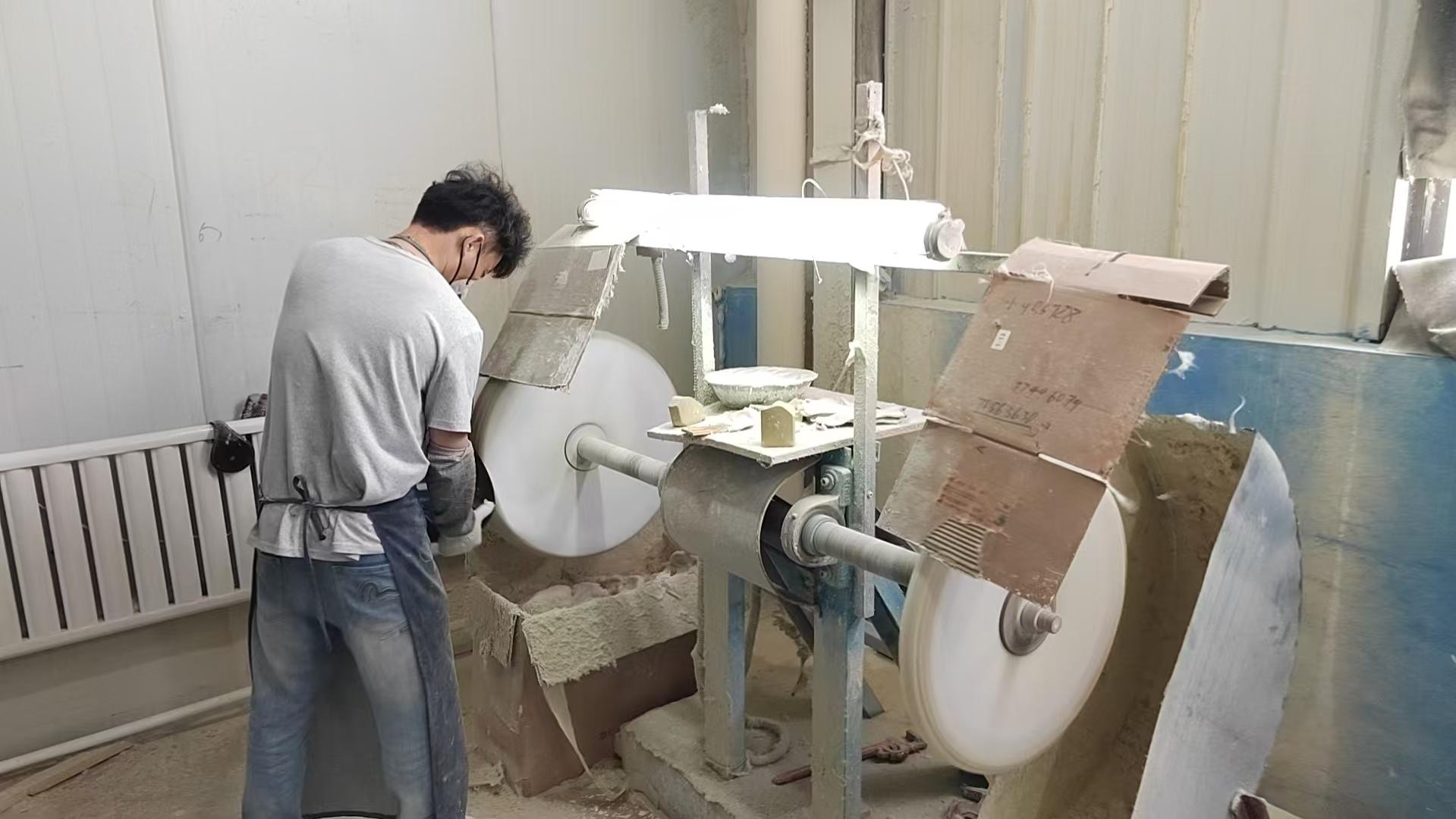
Onsite assessment by Intertek covers premises, legal status and verified capabilities, including finished-product inspection and multiple customisation levels.
Low-MOQ flexibility
Many guitars, ukuleles, violins and saxophones can be sampled from 1 piece. Typical instrument MOQs are 2–10 pieces per model, with 20–600 sets for strings and small accessories.
Multiple customisation paths
Sample-based customisation, minor changes such as logo and packaging, design-based customisation and full customisation are supported for private-label programs.
One-stop sourcing
Combine acoustic guitars, percussion, keyboards, woodwinds and accessories in one supply plan. This helps distributors reduce supplier counts and improve container utilisation.
Verified export profile
WPI serves importers, wholesalers, retailers and schools across North America, Western Europe, Southeast Asia and South America. Recent trade records show 952 orders and more than US$370,000 in a six-month period, with an assessed annual export value of US$9,000,000.
- Huizhou, Guangdong, China — 28-person team, including 22 in trading and export roles
- Intertek onsite assessment with finished-product inspection capability
- Buyer rating of 4.6/5 and average inquiry response rate of 97.73%
- Trade-show participation from 2014 to 2019 in Shanghai and Guangzhou
- Main markets: North America, Western Europe, Southeast Asia and South America
Trade terms at a glance
- Payment methods
- T/T, L/C, D/P, D/A, MoneyGram, credit card, PayPal, Western Union, cash and escrow
- Delivery terms
- FOB, CFR, CIF, EXW, FAS, CIP, FCA, CPT, DEQ, DDP, DDU, DAF, DES and express delivery
- Currencies
- USD, EUR, JPY, CAD, AUD, HKD, GBP, CNY and CHF
- Location
- 2313, Saige Building, Huizhou, Guangdong, China · Email: info@wpimusic.com


Custom OEM Acoustic Guitar & Factory Questions
These answers reflect the sourcing terms and verified capabilities most often requested by instrument importers, retail buyers and school-supply teams.
What is the minimum order quantity for custom OEM acoustic guitars?
Many guitars, ukuleles, violins and saxophones can be ordered from 1 piece for sampling. Typical wholesale MOQs are 2–10 pieces per model for instruments and 20–600 sets for strings and small accessories. Mixed-category orders are welcome, which helps buyers test acoustic guitar models alongside accessories and other instruments.
Can you customise the headstock, logo, EQ system and packaging?
Yes. Third-party assessed capabilities include sample-based customisation, minor customisation such as logo, packaging and graphics, design-based customisation and full customisation. For acoustic guitars, buyers commonly request headstock branding, model names, EQ selection, finish direction, gig bags, carton printing and retail-ready labels.
How do you control acoustic guitar quality before shipment?
Every order goes through finished-product inspection before delivery. Checks cover appearance, hardware, tuning stability, action height, fret condition, intonation, bridge seating, electronics function and packaging. Our company has also been assessed onsite by Intertek, covering premises and verified inspection capabilities.
Which payment and delivery terms do you accept?
Payment methods include T/T, L/C, D/P, D/A, MoneyGram, credit card, PayPal, Western Union, cash and escrow. Delivery terms include FOB, CFR, CIF, EXW, FAS, CIP, FCA, CPT, DEQ, DDP, DDU, DAF, DES and express delivery. Currencies include USD, EUR, JPY, CAD, AUD, HKD, GBP, CNY and CHF.
Which markets do you export to?
Main markets are North America, Western Europe, Southeast Asia and South America. The export team supports distributors, retailers, schools and private-label brands with English-language communication, sampling coordination and pre-shipment inspection.
Which acoustic guitar models should a retailer stock first?
For many retail and school channels, a 40-inch beginner acoustic guitar, a 41-inch cutaway acoustic-electric model and a 41-inch solid spruce top model create a practical price ladder. A 39-inch classical nylon-string guitar can serve education and classical beginners. Buyers entering online marketplaces should also consider a 12-string or electro-acoustic variant for differentiation.
Build a Custom Acoustic Guitar Line With a Verified OEM Partner
Send your target market, model direction, logo and packaging requirements, estimated quantities and delivery destination. Our Huizhou export team will recommend suitable acoustic guitar and mixed-category sourcing options.
Email: info@wpimusic.com · Intertek-assessed supplier · Low-MOQ sampling · Mixed-category orders welcome