China Wholesale Musical Instrument Accessories Factories & Suppliers
A sourcing white paper for importers, distributors, retailers and schools comparing low-MOQ musical instrument accessories, OEM/ODM support, mixed-category consolidation and pre-shipment inspection from Guangdong, China.
Product Recommendations for Accessory-Led and Instrument-Adjacent Assortments
These eight ready-to-quote items reflect the kind of demand wholesale buyers commonly bring to WPI: teaching keyboards, protective bags, portable amplification, gift-ready percussion, cables, strings, straps and mini tongue drums. Product URLs are preserved so your sourcing team can move from research to specification review without losing context.
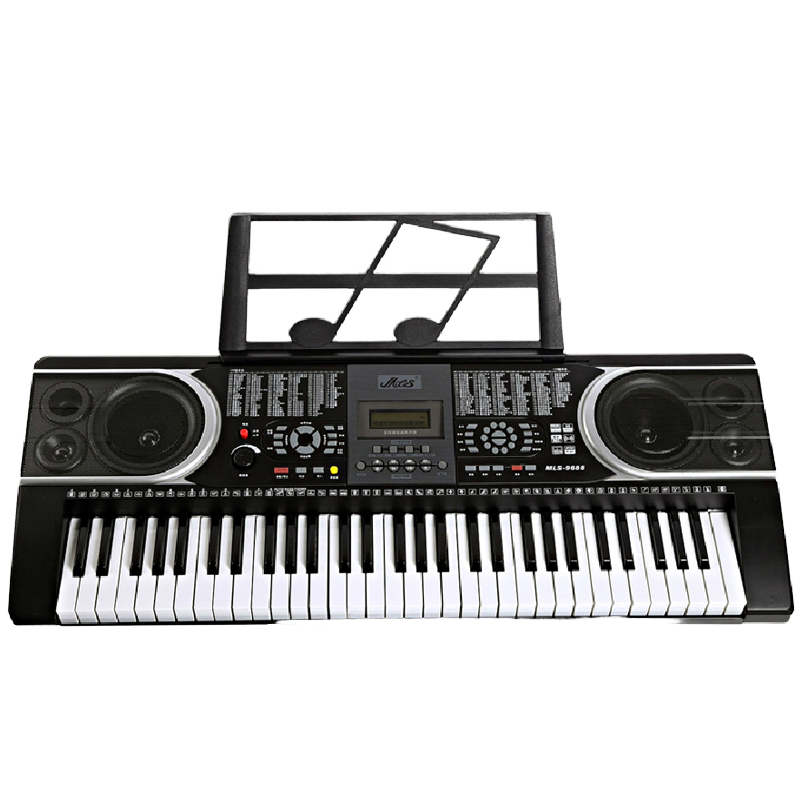
Professional Teaching Electronic Keyboard 61 Standard Keys
A 61-key teaching keyboard for classroom programs, music schools and entry-level retail. Stable key layout, familiar controls and a compact footprint make it easy to bundle with benches, stands and headphones. Confirm adapter, polyphony and packing requirements before ordering.
View product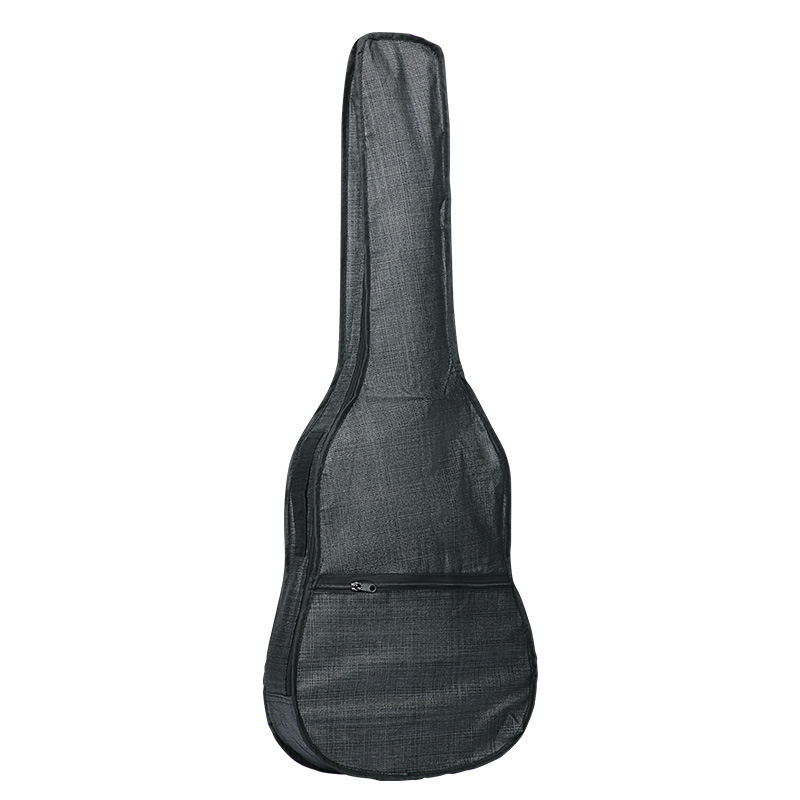
38 Inch New Non-woven Fabric Acoustic Guitar Bag, Single Shoulder Lightweight Single Layer Folk Guitar Backpack Wholesale
A lightweight single-shoulder folk guitar backpack for 38-inch acoustics. Non-woven fabric keeps unit cost controlled while offering dust and scuff protection for e-commerce, school and starter-kit channels. Custom logo, color and carton marks can be discussed for private-label programs.
View product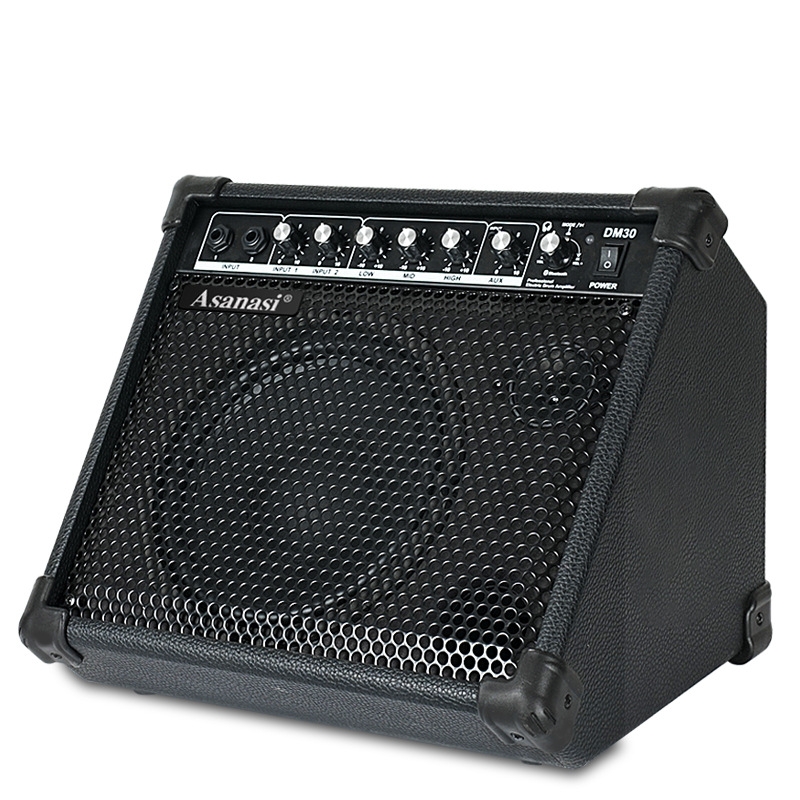
Wholesale Speakers Electronic Drums Rechargeable Portable Outdoor Wireless Stereo Amplifier
A rechargeable outdoor speaker and amplifier designed for electronic drums, busking and small performance. Wireless stereo playback and portable power make it a strong add-on for buyers serving content creators, schools and mobile musicians. Confirm plug, voltage and battery specifications for your market.
View product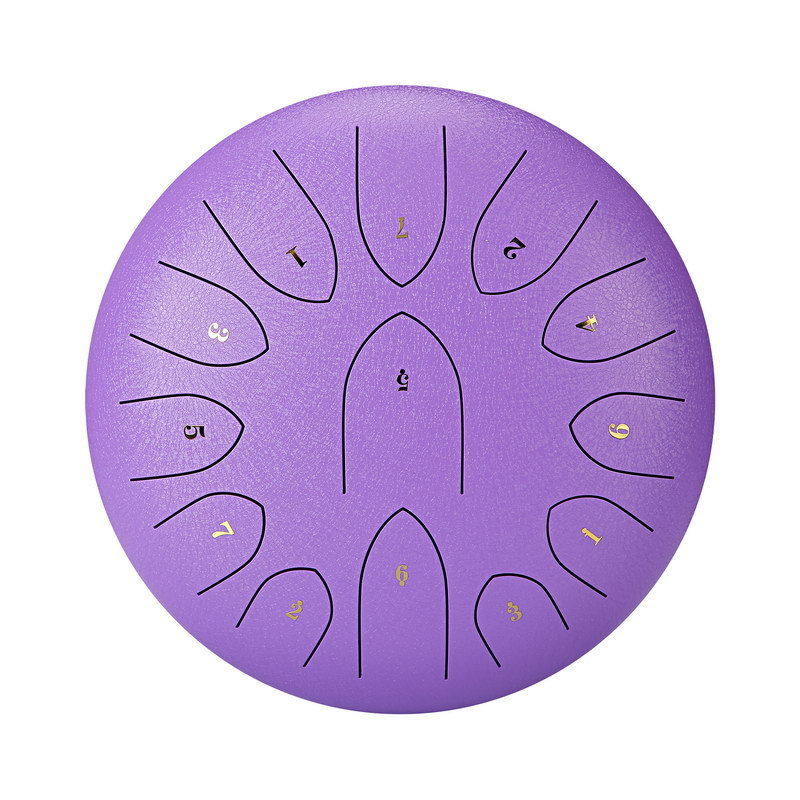
14 Inch Steel Tongue Drum, Handpan Drum, Mini Tank Drum Percussion Instrument, Complete Gift Set Wholesale
A 14-inch steel tongue drum offered as a complete gift set with mallets and bag options. Warm, accessible tone suits wellness, yoga, gift, education and music-therapy channels. Field feedback shows gift-ready packaging and tuned scales are key buying criteria.
View product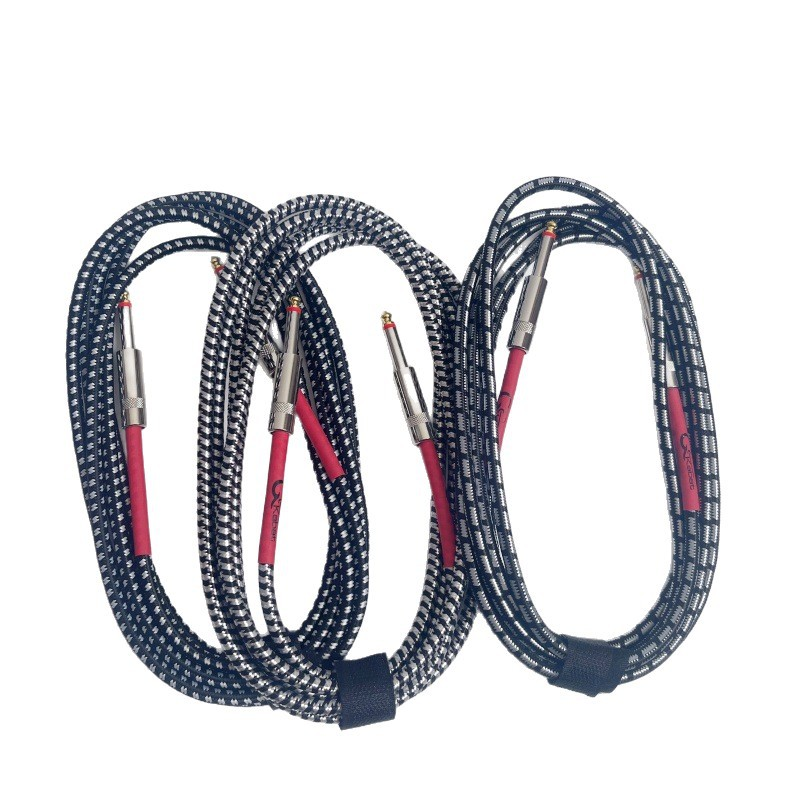
Braided Guitar Cable, 6.35mm Male to Male Noise Reduction Audio Cord for Bass, Instrument Connection Wire Wholesale
A braided 6.35mm male-to-male instrument cable for guitar, bass and general audio connection. Noise-reduction shielding, strain relief and retail-ready packaging support accessory walls, starter bundles and repair shops. Length, connector finish and logo printing can be specified.
View product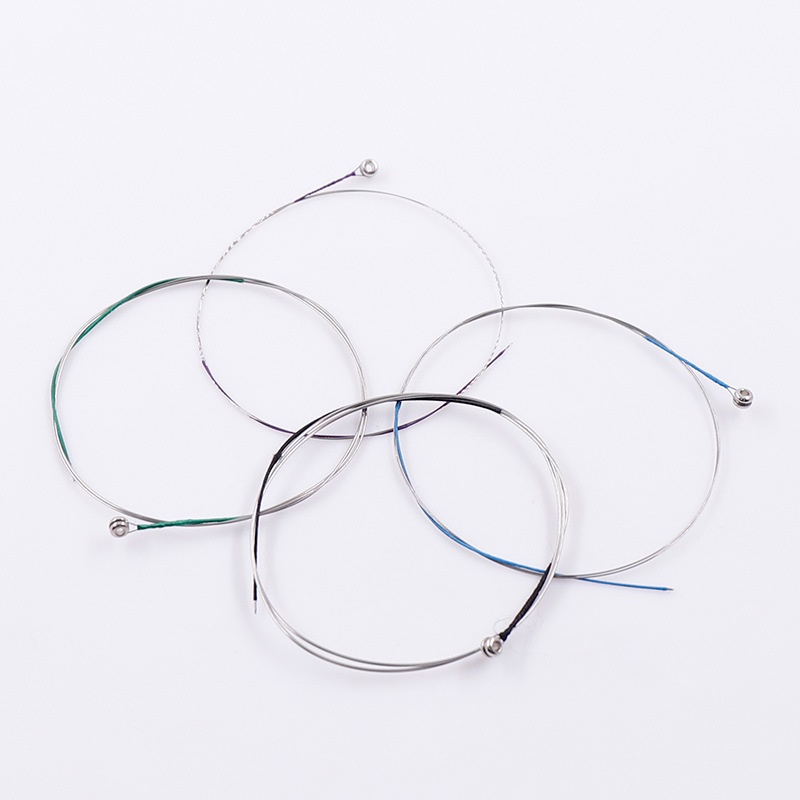
Silver Steel Violin Strings Loose Set for Classical Guitar Wholesale Guitar Parts Accessories
A loose string set listed for classical guitar applications, supplied for wholesale parts and accessory assortments. Buyers should confirm diameter, tension and instrument fit with the account team before bulk release. Suitable for repair counters and value packs where clear labeling matters.
View product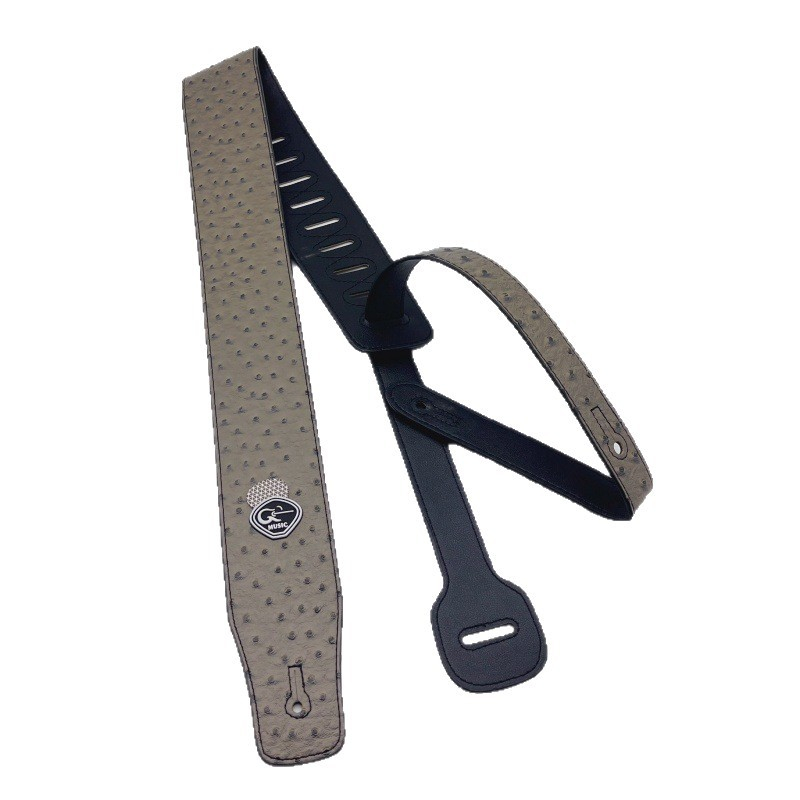
Genuine Leather Guitar Strap, Wide Wear-resistant Shoulder Strap, Dual-use Strap for Acoustic & Electric Guitar Wholesale
A wide, wear-resistant genuine leather strap for acoustic and electric guitars. The dual-use design and reinforced ends answer common after-sales complaints about comfort and durability. Private-label embossing and packaging options make it a useful mid-ticket accessory for music stores.
View product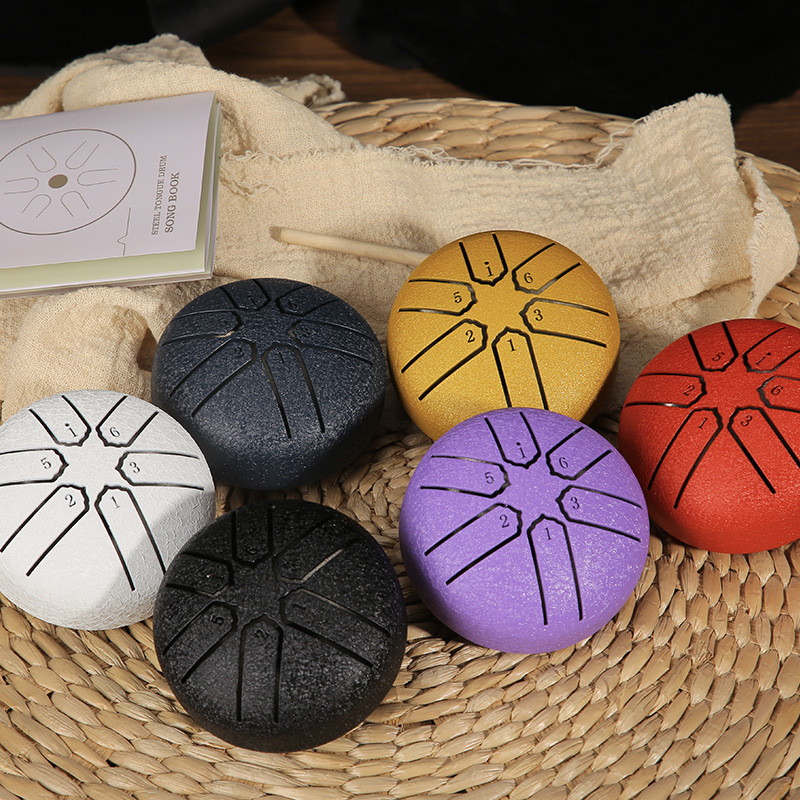
3 Inch 6 Notes Mini Steel Tongue Drum, Easy Learn Percussion Instrument, Kids Hand Drum Toy for Boys Girls Wholesale
A 3-inch, six-note mini tongue drum for children and beginners. Low-risk sampling, bright finishes and simple playability suit gift shops, toy channels and classroom reward programs. Confirm small-part, age-label and packaging compliance for your destination market.
View productWhat “China Wholesale Musical Instrument Accessories Factories & Suppliers” Really Means for Buyers
The phrase is not a single product query. It is a supply-risk query shaped by MOQ, compatibility, private-label packaging, inspection discipline and the supplier’s ability to consolidate instruments and accessories in one order.
A search for China wholesale musical instrument accessories factories and suppliers usually comes from a buyer who has moved past inspiration and into qualification. The buyer is comparing MOQ, accessory compatibility, packaging capability, inspection discipline, freight consolidation and the supplier’s ability to keep a specification stable from sample to repeat order. In other words, the query is not only a product query; it is a supply-risk query.
WPI International Trade Co., Ltd. (Huizhou) began exporting musical instruments from Hong Kong in June 2010 and established its Huizhou, Guangdong operation in 2014. The team today includes 28 people, 22 of them in trading and export roles, serving importers, distributors, retailers, schools and online sellers. Our main markets are North America, Western Europe, Southeast Asia and South America. Annual sales have been assessed at US$9,000,000, and recent trade activity includes 952 orders in a six-month window.
Factory directories often blur two different roles. A factory usually offers depth in a narrow production category, while a supplier can coordinate multiple partner workshops, packaging, inspection and export documentation. For buyers who need guitars, ukuleles, violins, saxophones, drums, keyboards and accessories from one communication channel, a multispecialty supplier often reduces administrative friction. WPI operates as a trading company with long-term partner workshops in Guangdong, giving buyers access to factory-direct pricing plus OEM and ODM development.
For accessory-led orders, specification risk is often greater than price risk. A guitar bag must match body depth and scale length. A cable must match connector size, length and shielding expectations. A strap must survive load, stitching and logo embossing. A rechargeable amplifier must match voltage, plug type and battery expectations. A mini tongue drum must meet age-label and small-part requirements in the destination market. The most useful information gain for a buyer is not another product list; it is a clear map of where risk sits in the purchase, and how the supplier will convert those variables into a written specification, a sample record and a pre-shipment inspection checklist.
Verified sourcing snapshot
Third-party assessed context that helps buyers benchmark a supplier before requesting samples.
Intertek onsite assessed: premises, legal status and capabilities verified. Customization: sample-based, logo/packaging, design-based and full customization. Inspection: finished-product inspection before delivery.
The 2025–2030 Procurement Outlook for Musical Instrument Accessories
Buyers are not simply shifting online. They are changing how they test demand, calculate risk and consolidate suppliers. The winning sourcing model is smaller at the trial stage and more integrated at the repeat-order stage.
Low-MOQ, Test-and-Scale Purchasing
Retailers are reducing initial commitments and using small trial orders to test color, price point and listing quality. Suppliers that can sample from one piece, then scale to mixed cartons or full containers, win repeat business. The procurement question is shifting from “What is your MOQ?” to “How fast can we validate the specification and scale the winner?”
Multi-Category Consolidation
Freight and administrative cost push buyers to consolidate amplifiers, bags, strings, straps and percussion in one shipment. A multispecialty supplier with partner workshops can combine categories while keeping one communication channel, one inspection plan and one logistics discussion. This is especially valuable for importers serving music stores that need both instruments and everyday accessories.
Compliance and Traceability Move Upstream
Battery products, children’s percussion, leather goods and packaging face different compliance checks in different markets. Buyers increasingly ask for pre-shipment inspection, age labeling, voltage confirmation and packaging artwork approval before deposit. Suppliers that can document these steps reduce the risk of chargebacks, marketplace suspensions and costly rework.
Buyer intent signals inside the sourcing conversation
The chart below is an illustrative weighting of inquiry priorities observed in accessory and instrument sourcing discussions, not a market-wide statistical claim. It helps a buyer brief a supplier around the factors that most often decide whether a trial becomes a repeat order.
From intent to order: briefing a supplier
Different buyers arrive with different intents. A precise brief shortens sampling time and reduces quotation errors.
Build a core-plus-test matrix
Commit to proven everyday accessories, then test new colors, gift sets and electronic add-ons in small quantities.
Specify compatibility before price
Confirm bag dimensions, cable length, string gauge, strap width and charger voltage before comparing quotations.
Protect the brand with packaging
Approve logo placement, barcodes, warnings, manuals and carton marks before mass production begins.
Control risk with inspection and terms
Agree on finished-product inspection, packaging checks and trade terms that match your cash flow and destination.
What Accessories Factories Are Building Next
The next accessory winners are likely to be fewer, more adaptable SKUs that solve a clear use case, travel well, photograph well and support repeat purchase through compatibility and replacement parts.
Hybrid and Rechargeable Add-Ons
Portable amplifiers, electro-acoustic options and rechargeable practice tools are moving from niche to mainstream. Buyers should treat voltage, plug, battery and charger documentation as part of the product specification, not an afterthought.
Travel and Compact Formats
Compact drums, lightweight guitar bags and portable audio suit small apartments, travel, busking and classroom storage. For online retail, compact products also reduce dimensional weight and improve carton utilization.
Gift, Education and Wellness Bundles
Steel tongue drums, teaching keyboards and mini percussion sell better when presented as complete kits. Mallets, bags, stands, headphones, stickers and beginner guides lift perceived value without changing the core instrument platform.
Material and Packaging Upgrades
Genuine leather straps, braided cables and durable non-woven bags remain attractive when the material story is clear. At the same time, recyclable cartons, reduced plastic and correct labeling are becoming part of the buying brief for marketplaces and larger retailers.
Two design principles that matter to wholesale buyers
First, visual proof sells accessories. A strap, cable or drum must photograph clearly for e-commerce listings. Color consistency, stitching, connector finish and packaging all affect click-through and return rates. Second, bundle economics beat single-item thinking. A 61-key keyboard can be paired with headphones, a bench and a dust cover; a tongue drum can be paired with a bag, mallets and a gift box; a guitar can be paired with a bag, strap, cable and strings. The supplier that helps the buyer build bundles around real use cases creates more value than a supplier that only quotes piece price.
Match Each Accessory to the Sales Channel
The same product can be a teaching tool, a gift item or an online impulse purchase. Channel fit determines packaging, price architecture and specification priorities.
Schools and Teaching Programs
Prioritize the 61-key teaching keyboard, mini tongue drum, guitar bag and cable. Durability, clear labeling, stable accessories and replacement availability matter more than short-term novelty. Confirm voltage and plug type for electronic items.
Retail and E-Commerce
Prioritize visual products with strong listing photography: the genuine leather strap, braided cable, 14-inch tongue drum gift set and kids mini drum. Packaging, barcodes, color consistency and carton quality directly affect marketplace performance.
Wellness, Gifts and Content Creation
Prioritize the 14-inch tongue drum, 3-inch mini tongue drum and rechargeable portable amplifier. Gift packaging, demo content, safe shipping and clear beginner instructions help the buyer sell the experience, not only the object.
Bags
Confirm inner dimensions, padding, zipper quality, shoulder-strap load and carton compression.
Cables
Confirm length, conductor, shielding, connector plating and retail packaging before quotation.
Straps
Confirm leather thickness, width, stitching, adjustability and logo embossing method.
Electronic Items
Confirm voltage, plug type, battery, charger certification, manual language and warranty terms.
Why WPI Is a Verified Partner for China Wholesale Musical Instrument Accessories
WPI’s advantage is operational, not only catalog-based: verified export experience, low-MOQ customization, inspection-led quality control and one-stop consolidation for instrument and accessory buyers.
Verified Export Experience
Exporting from Hong Kong since June 2010, with a Huizhou operation established in 2014. WPI has 28 team members, 22 in trading and export roles, and has been assessed onsite by Intertek. Main markets include North America, Western Europe, Southeast Asia and South America.
Low-MOQ Customization
Many guitars, ukuleles, violins and saxophones can be ordered from one piece for sampling. Typical wholesale MOQs are 2–10 pieces per instrument model and 20–600 sets for strings and small accessories. Assessed capabilities include sample-based customization, logo and packaging changes, design-based customization and full customization.
Inspection-Led Quality Control
Every order goes through finished-product inspection before delivery, covering appearance, hardware, tuning stability and packaging. For accessories, the same discipline applies to stitching, connectors, dimensions, voltage and carton marks. This reduces surprises at arrival and supports marketplace compliance.
One-Stop Export Support
Buyers can consolidate guitars, ukuleles, violins, saxophones, drums, keyboards and accessories in one shipment. Accepted payment methods include T/T, L/C, D/P, D/A, MoneyGram, credit card, PayPal, Western Union, cash and escrow. Delivery terms include FOB, CFR, CIF, EXW, DDP, DDU and express delivery.
Intertek onsite assessment and trade credibility
Our premises, legal status and capabilities were verified onsite by Intertek, including assessed videos, factory inspection reports and verified main product lines. Buyers can review supplier assessment, credit overview, transaction level and trade capacity before placing an order. This transparency matters when the sourcing decision involves multiple categories, private-label packaging and repeat shipments.
Average buyer rating: 4.6/5. Inquiry response rate: 97.73%. Recent trade: 952 orders and US$370,000+ in six months. These figures are not a substitute for due diligence, but they help a buyer benchmark responsiveness and activity.
Trade terms at a glance
How an Instrument or Accessory Order Moves from Brief to Delivery
Brief
Share model, size, material, logo, packaging, target market and estimated quantity.
Proposal
We match partner workshops and recommend specifications, packaging and inspection points.
Sampling
A pre-production sample is made for your approval and specification record.
Production
Mass production proceeds with in-process checks and agreed materials.
Inspection
Finished-product inspection covers appearance, function, packaging and carton marks.
Shipping
FOB, CIF, DDP or express delivery is arranged according to your terms.
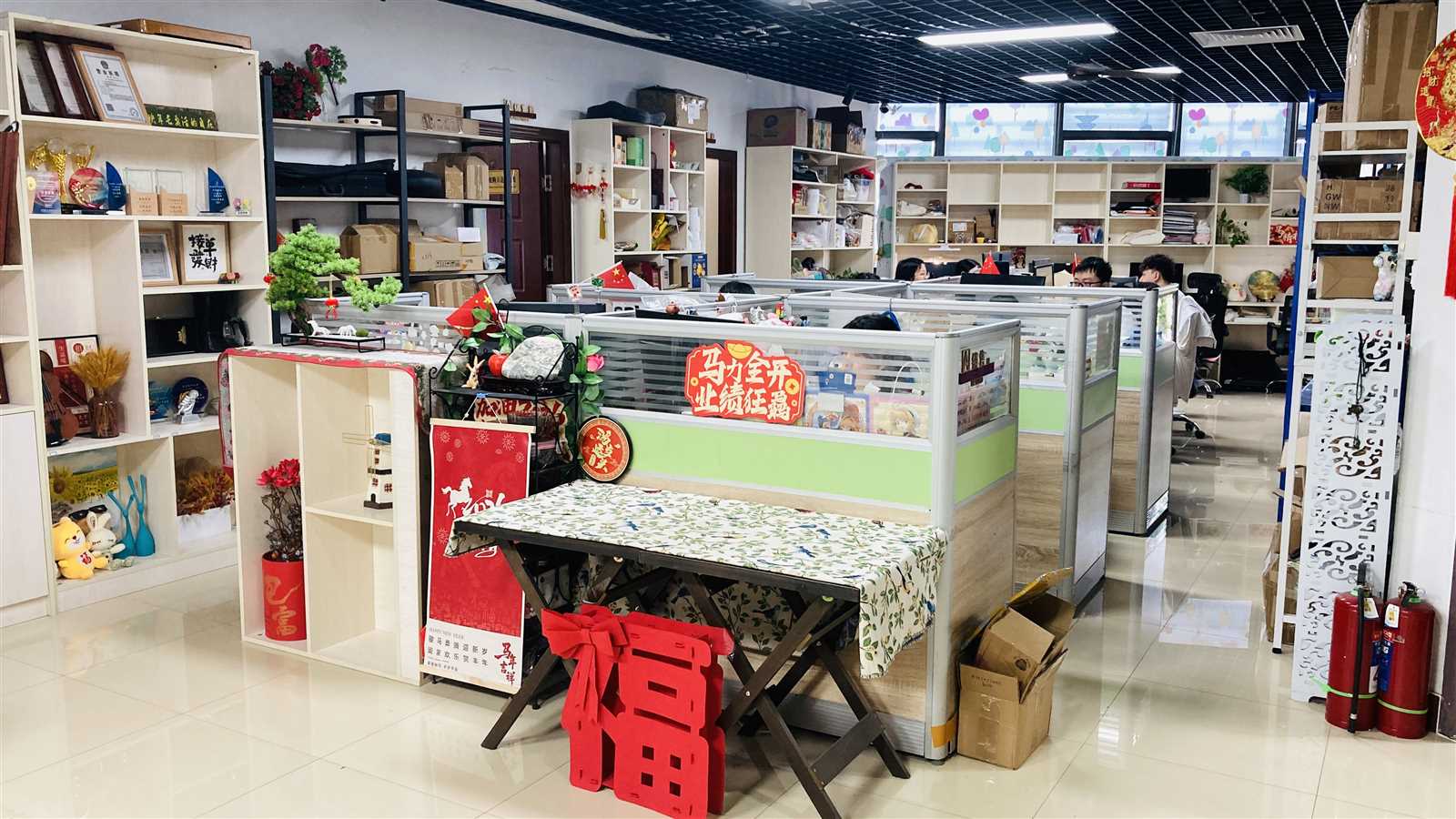
Export operations and product coordination
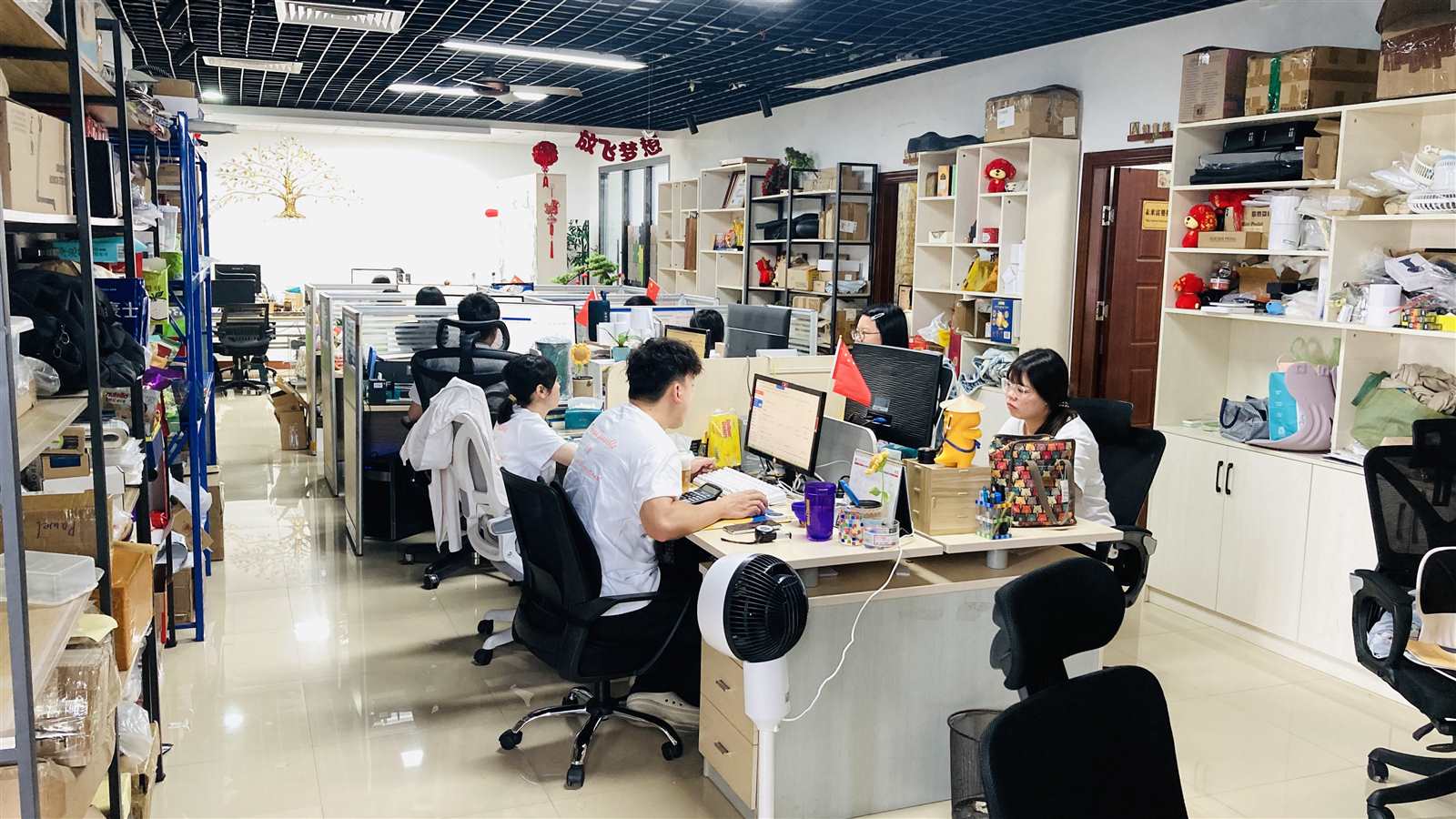
Instrument sampling and category review

Warehouse and shipment preparation
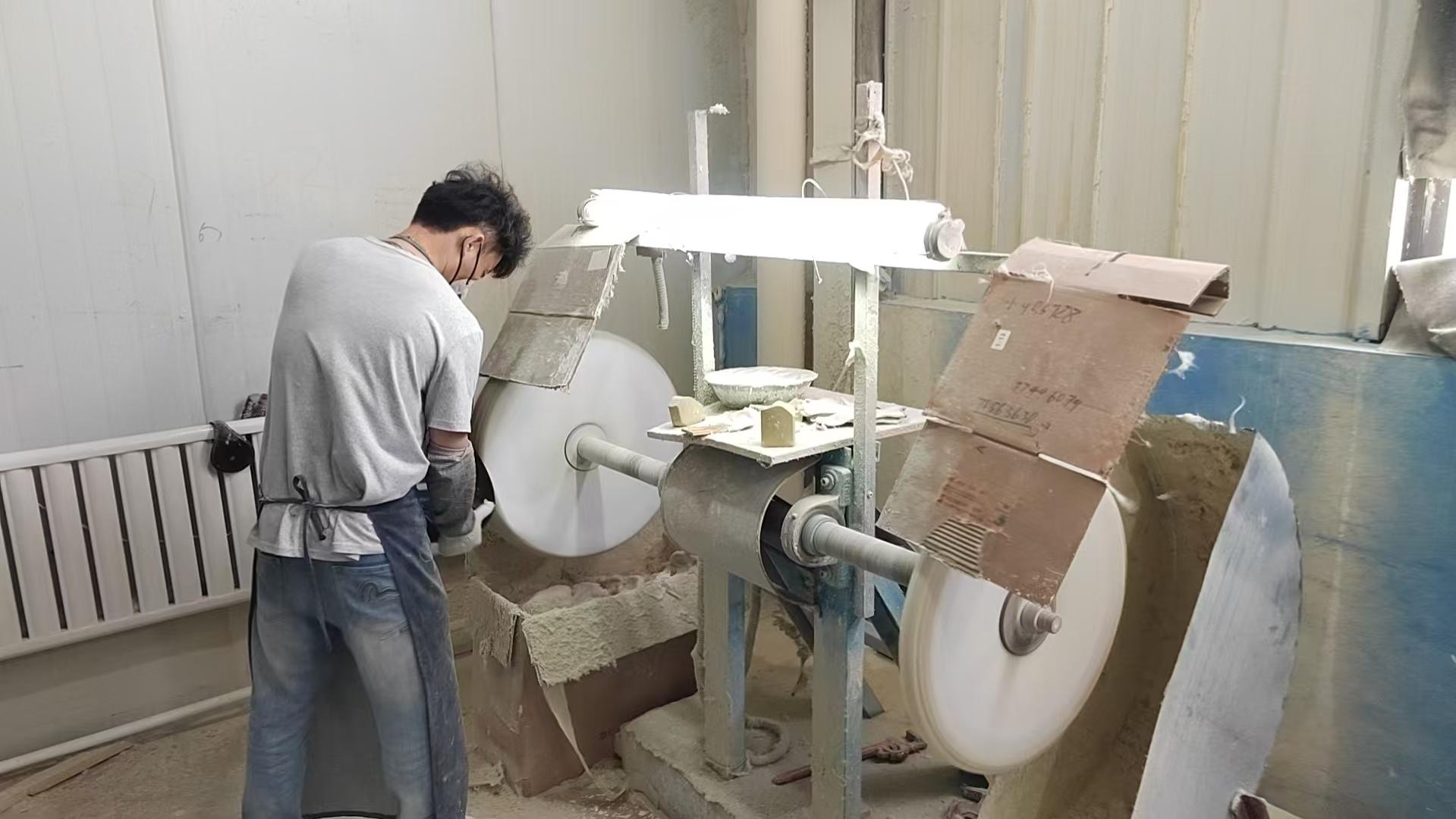
Quality inspection and order follow-up
Common Questions from Accessory and Instrument Buyers
Clear answers help buyers prepare a more precise inquiry and reduce back-and-forth during sampling.
What is the minimum order quantity for wholesale musical instruments and accessories?
Many guitars, ukuleles, violins and saxophones can be ordered from one piece for sampling. Typical wholesale MOQs are 2–10 pieces per model for instruments and 20–600 sets for strings and small accessories. Mixed-category orders are welcome, which helps buyers test accessories alongside instruments.
Do you offer OEM and ODM customization?
Yes. Third-party assessed capabilities include sample-based customization, minor customization such as logo, packaging and graphics, design-based customization and full customization. For accessories, the most common requests are logo printing, custom colors, retail packaging, barcodes and instruction sheets.
How do you control product quality before shipment?
Every order goes through finished-product inspection before delivery, covering appearance, hardware, function, tuning stability and packaging. For accessories, inspection also checks dimensions, stitching, connectors, voltage and carton marks where relevant. WPI has also been assessed onsite by Intertek.
Which payment and delivery terms do you accept?
Payment methods include T/T, L/C, D/P, D/A, MoneyGram, credit card, PayPal, Western Union, cash and escrow. Delivery terms include FOB, CFR, CIF, EXW, FAS, CIP, FCA, CPT, DEQ, DDP, DDU, DAF, DES and express delivery. The best choice depends on order size, destination and buyer preference.
Which markets do you export to?
WPI’s main markets are North America, Western Europe, Southeast Asia and South America. Buyers from these regions often combine accessory trial orders with instrument assortments to improve freight efficiency and average order value.
How should a buyer build the first accessory order?
Start with core accessories that support instruments you already sell, such as bags, straps, cables and strings. Add one or two visual gift items, such as a 14-inch tongue drum or mini tongue drum, to test demand. Approve specifications, packaging and inspection points before scale-up, then consolidate repeat items in the next shipment.
Build a Profitable Accessories Assortment with a Verified China Supplier
Share your target market, sales channel, estimated quantity, logo requirements and compliance needs. WPI will recommend suitable models, confirm specifications and prepare a quotation for your review.
Intertek-assessed supplier · Low MOQ · OEM/ODM · Mixed orders · Pre-shipment inspection