China Wholesale Guitar Strap Factories & Exporters
A 2025 sourcing white paper for importers, distributors and private-label brands comparing custom guitar straps, woven straps, leather alternatives, OEM logo options and companion guitar accessories from China.
Eight Wholesale Product Picks to Bundle With Guitar Strap Orders
Buyers evaluating China wholesale guitar strap factories & exporters usually look beyond the strap itself. A profitable accessory program can combine straps with gig bags, wireless guitar systems, effects processors, stands, percussion and gift-ready instruments. The eight catalog items below preserve their original product URLs and images so importers can plan a mixed, higher-value order.
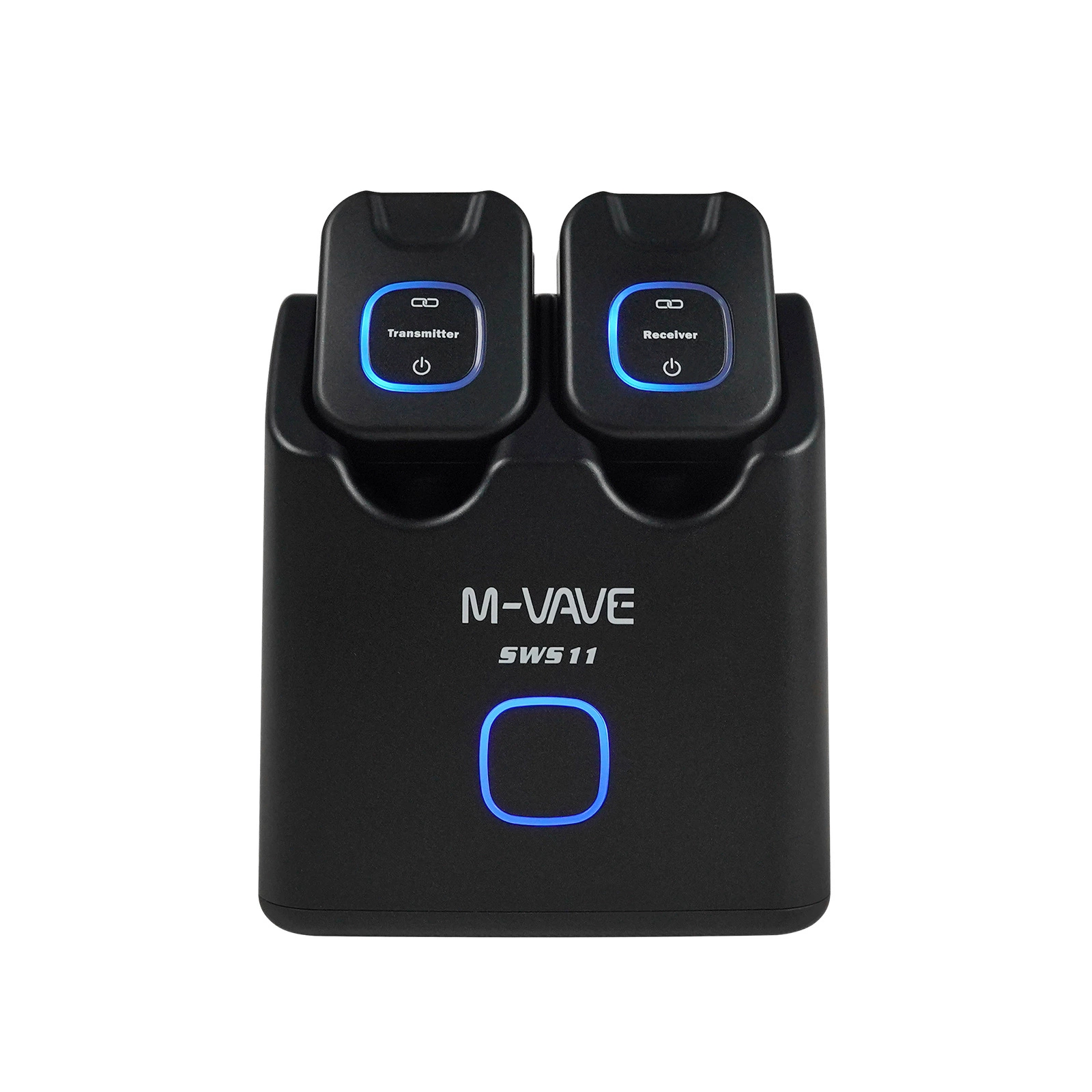
M-VAVE SWS11 2.4Ghz Wireless Guitar Audio System Rechargeable Transmitter Receiver with Charging Base
High-intent add-on for guitar retailers. Pairs well with strap, bag and effects displays for a complete electric-guitar setup.
View product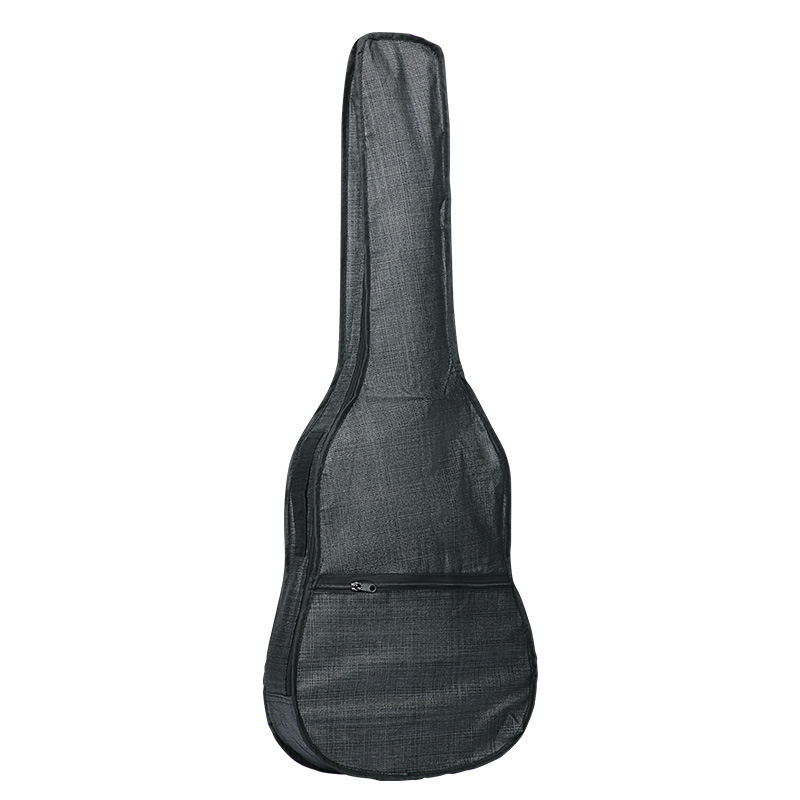
38 Inch New Non-woven Fabric Acoustic Guitar Bag, Single Shoulder Lightweight Single Layer Folk Guitar Backpack Wholesale
Useful for student and beginner assortments. Combine with entry-level straps and accessories for school or retail bundles.
View product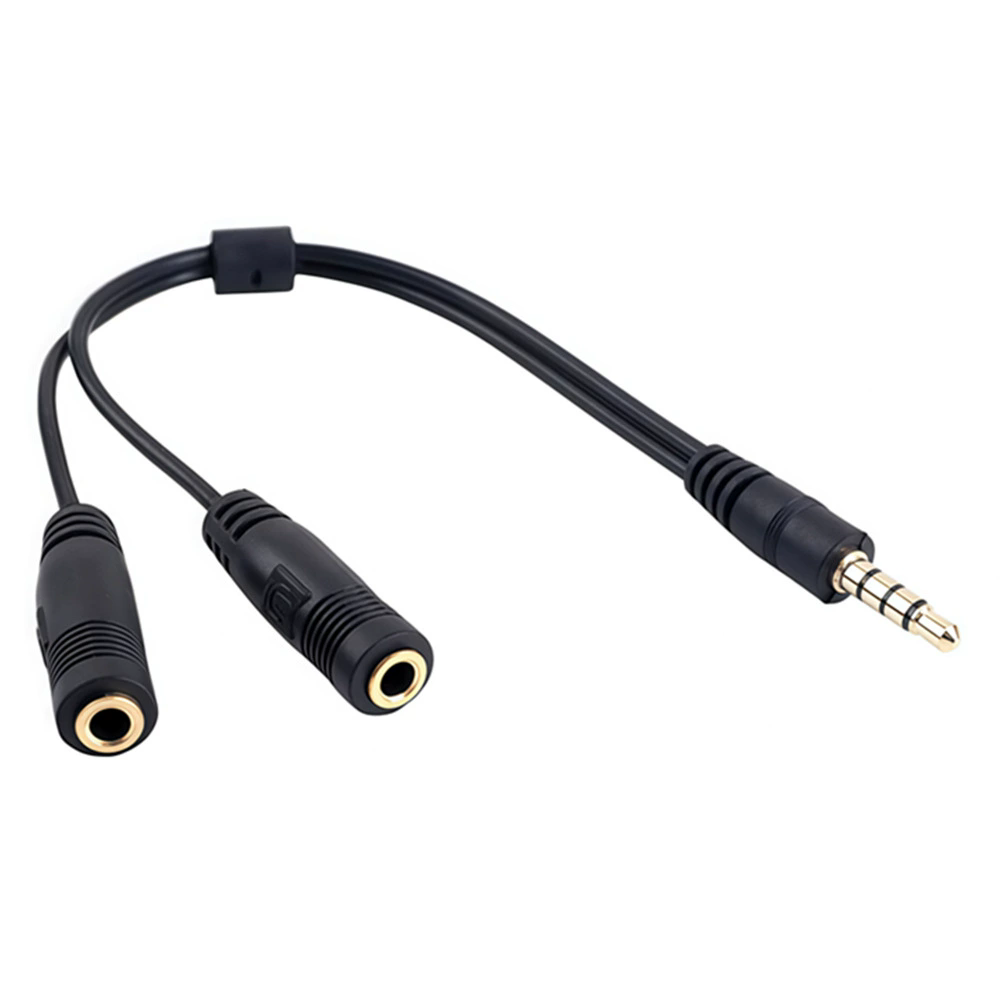
Wholesale 3.5mm 4-Pole Headset Microphone Splitter Adapter Cable for Laptop PC
Small, lightweight accessories improve carton utilization and average order value in mixed music-accessory shipments.
View product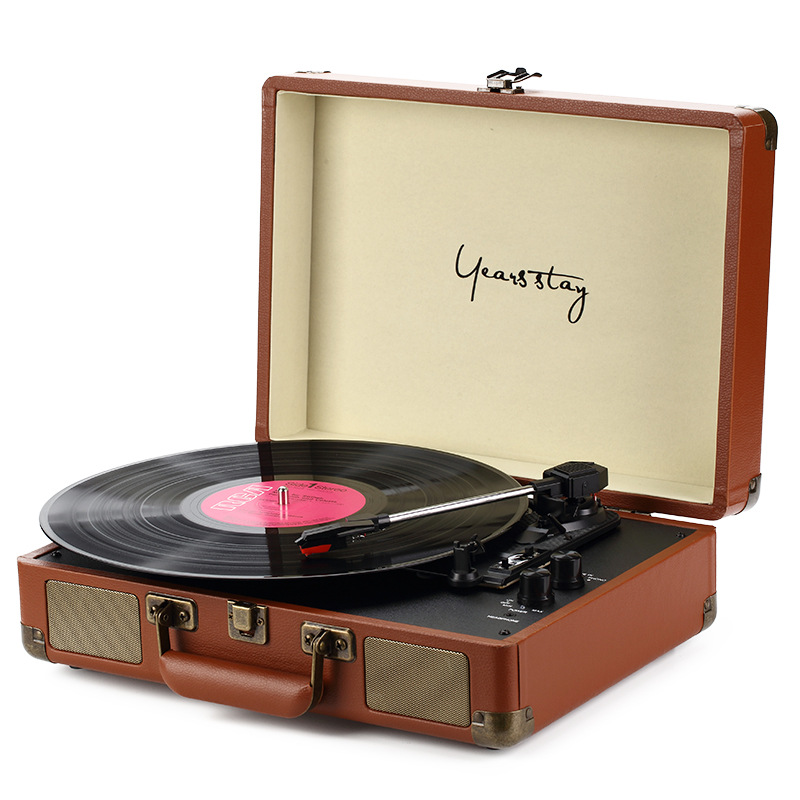
Portable Mini Phonograph Desktop Vinyl Record Player Handheld Wireless for Speaker Turntable
Gift-oriented audio product for lifestyle retailers, concept stores and online marketplaces testing new music categories.
View product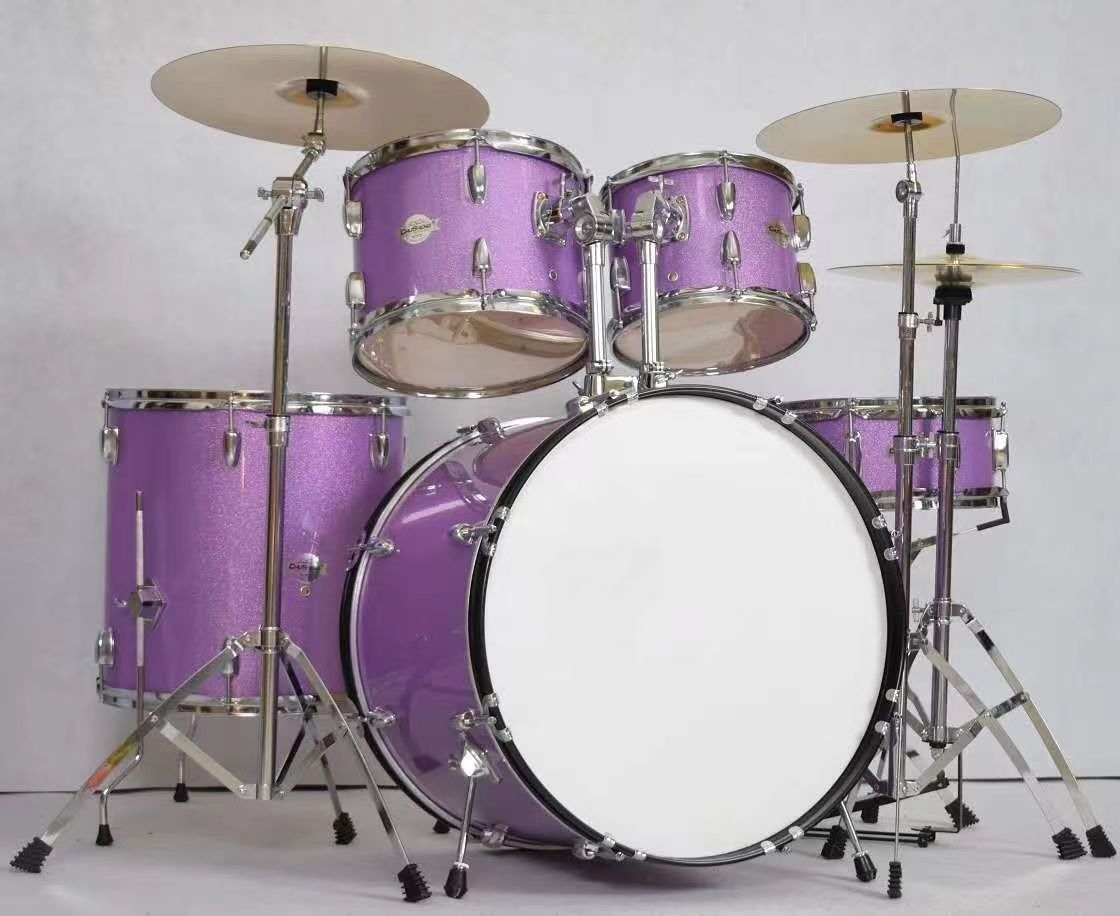
Hot Selling Ordinary 5 Drums 3 Cymbals Adult Drum Set Jazz Drum
Anchor product for music stores and school tenders. Helps consolidate percussion, accessories and accessories-led orders.
View product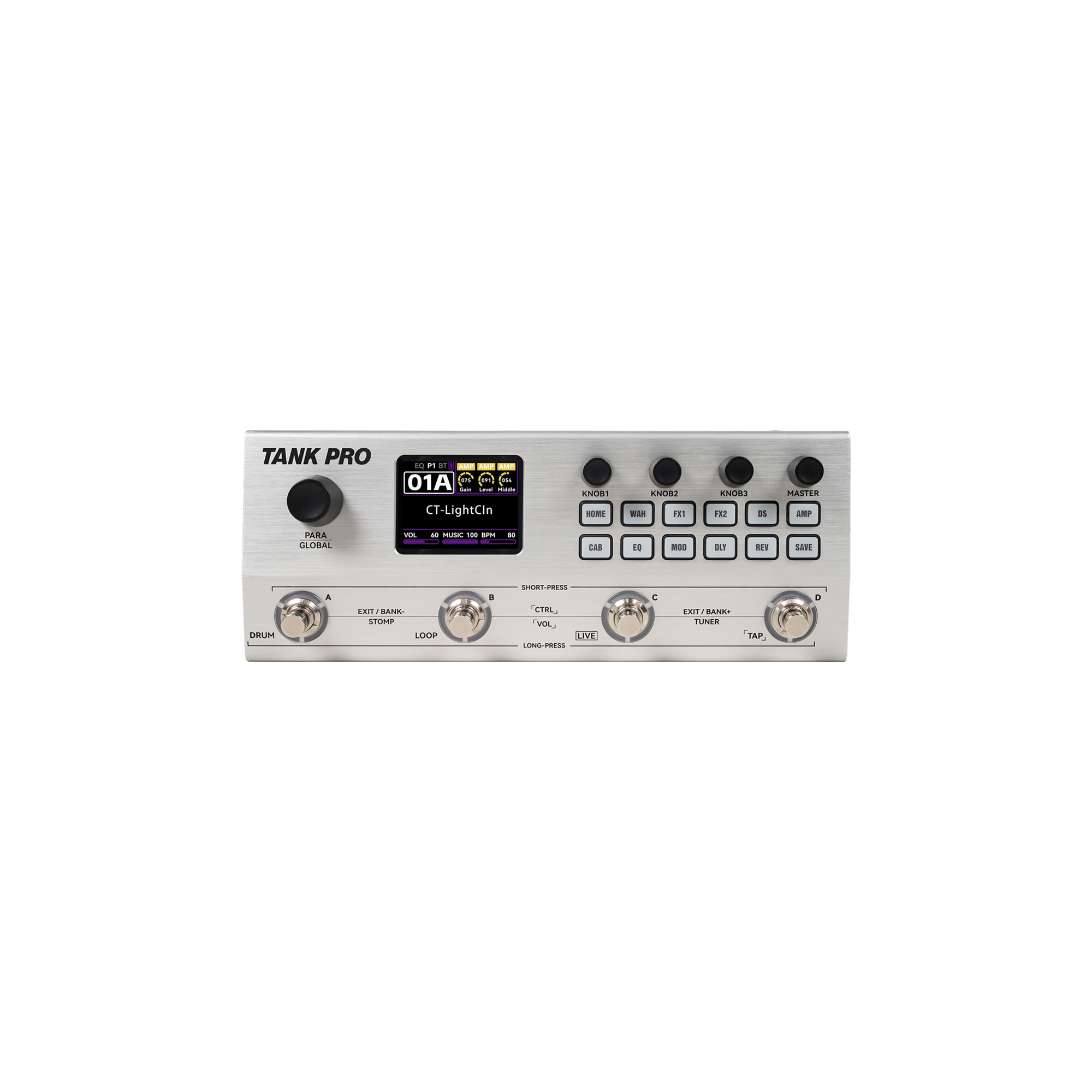
Tank Pro Metal Guitar Multi Effects Processor with ANN Third-Party IR Loading OTG Internal Recording
Strong cross-sell for guitar-strap buyers serving electric players, content creators and home studios.
View product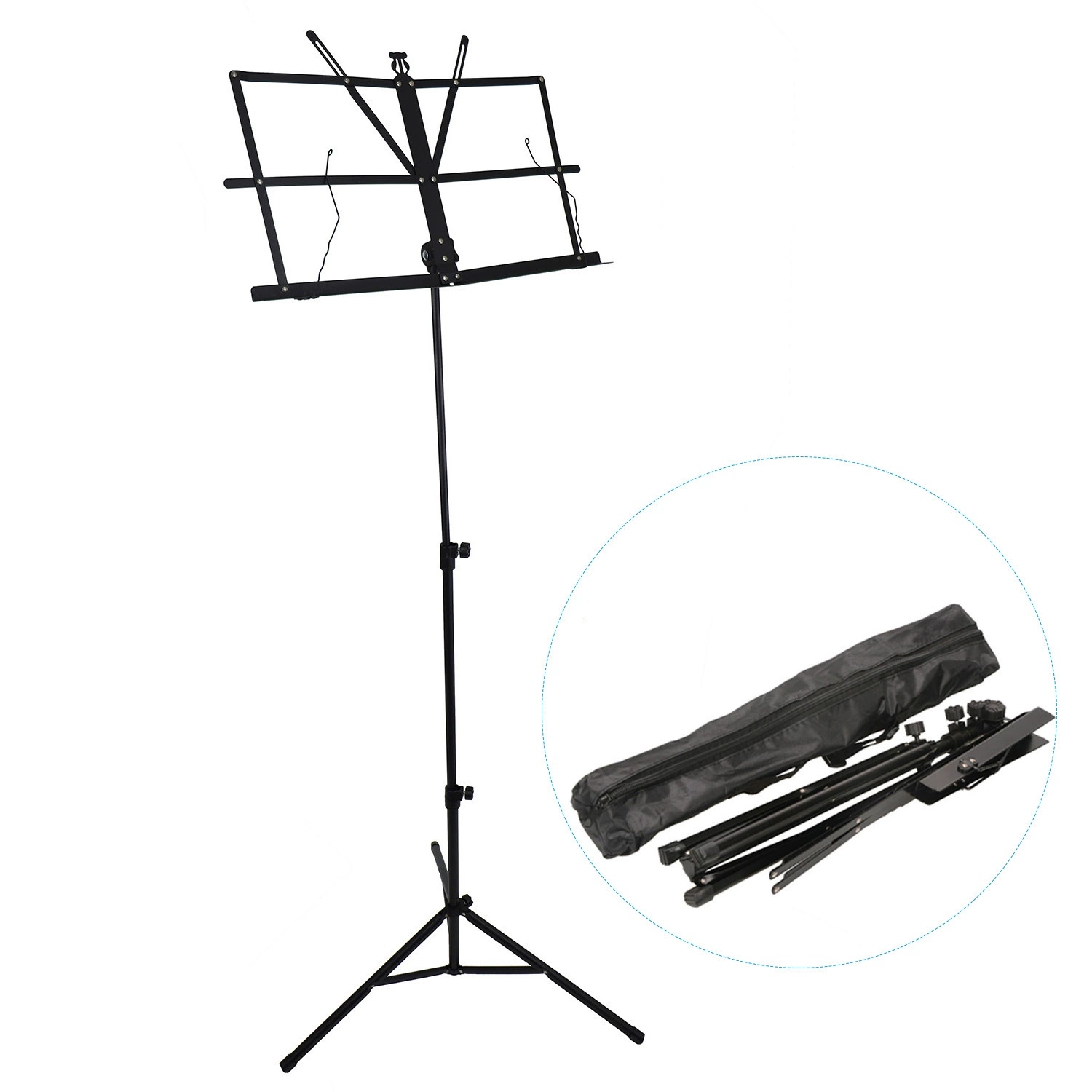
Factory Wholesale Small Size Portable Adjustable Music Stand With Bag
Practical for schools, bands and starter packages. Frequently bought together with instrument bags and performance accessories.
View product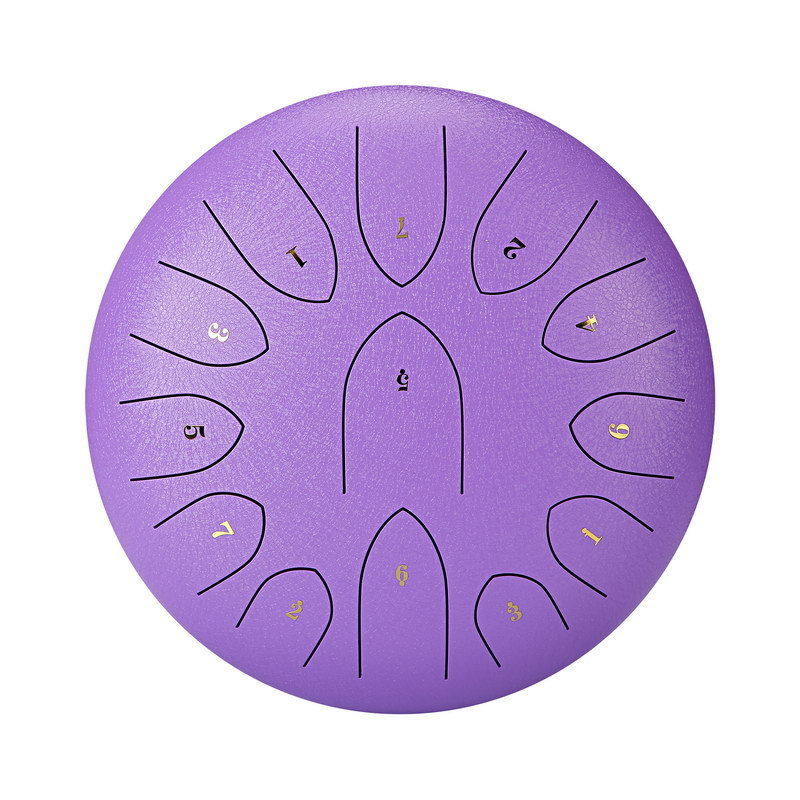
14 Inch Steel Tongue Drum, Handpan Drum, Mini Tank Drum Percussion Instrument, Complete Gift Set Wholesale
High-margin gift and wellness product. Adds a differentiated SKU to accessory-led catalogs without heavy shipping volume.
View productAll product URLs above are retained from the source catalog. For strap-specific specifications, private-label artwork or mixed-order pricing, use the inquiry button above.
Why Guitar Straps Deserve a Dedicated Wholesale Sourcing Plan
Guitar straps look simple, but they sit at the intersection of player safety, comfort, brand identity and repeat-purchase economics. A professional strap program is less about finding the lowest quotation and more about controlling materials, hardware, logo execution and reorder consistency.
A strap carries the full weight of an electric guitar, bass or acoustic instrument during practice and performance. If the adjustment buckle slips, the leather edge cracks, the webbing frays, or metal hardware irritates skin, the result is returns, reviews and lost retail accounts. For distributors, this makes specification control a commercial issue, not a cosmetic one.
The category also has attractive sourcing characteristics. Guitar straps are relatively low-cube, easy to bundle and highly customizable. They can be packed with picks, capos, strings, gig bags, stands and wireless systems, allowing buyers to build a higher-value accessory order without adding another supplier. Private-label buyers can build brand story through woven jacquard artwork, embroidery, debossed leather patches, metal logos, custom buckles and retail-ready packaging.
The search intent behind buyer queries is also different. “Wholesale guitar straps” usually means assortment planning, landed cost and mixed-color capacity. “Custom guitar strap manufacturer” points to logo method, color matching, sampling and MOQ. “Leather guitar strap supplier” requires hide grade, thickness, edge finishing and compliance. “Woven guitar strap exporter” signals artwork reproduction, colorfastness and repeat-order consistency. A qualified China exporter should answer all four with documented specifications.
Information gain for buyers: translate vague supplier claims into testable details — length range such as 38–62 inches, load-bearing attachment points, edge paint or burnishing quality, stitch density, hardware nickel release, colorfastness under sweat and rubbing, and packaging compression. Compare total landed cost per sellable unit, not FOB price alone.
WPI International Trade Co., Ltd. (Huizhou) is a musical instrument exporter and OEM sourcing partner based in Guangdong, China. Its wider catalog includes guitar straps and accessories, and its verified capabilities support buyers who need sample-based customization, minor logo and packaging customization, design-based customization and full customization through its production network.
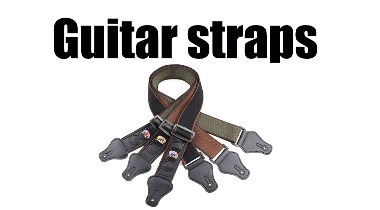
2025–2030 Procurement Trends for Guitar Strap Buyers
Buyers are moving away from one-dimensional price negotiation toward supplier programs that protect brand risk, inventory efficiency and product content quality.
Micro-MOQ and Color Testing
Distributors want to test several colors, widths and logo methods before committing to bulk. Low-MOQ sampling and mixed-color production reduce inventory risk while validating sell-through.
Compliance by Design
EU and US buyers increasingly request REACH, Prop 65, azo dye, phthalate and nickel-release documentation. Compliance should be built into material selection and hardware approval, not added after production.
Consolidated Mixed-Category Shipments
Guitar straps are increasingly ordered with bags, stands, picks, tuners and effects. One consolidated shipment lowers freight, customs handling and supplier-management overhead.
Content-Ready Private Label
Retailers need high-resolution images, spec sheets, barcodes, packaging dielines and lifestyle copy. Suppliers who deliver content-ready private-label support reduce time to market for online and brick-and-mortar sellers.
Product Trends: What the Next Reorder Cycle Will Reward
Guitar straps are moving toward ergonomic comfort, modular hardware, material storytelling and stronger visual identity. The winning assortment will balance entry-price replenishment with premium private-label upgrades.
Wider Padded Comfort
Three- to four-inch padded straps and pressure-distribution designs are gaining share among bass players and long-session guitarists.
Quick-Release and Security
Locking strap buttons and quick-release systems appeal to stage players. Buyers should verify compatibility, release force and hardware finish.
Material Stories
Vegan microfiber, recycled webbing, organic cotton, hemp blends and traceable leather are becoming retail differentiators when backed by documentation.
Decorative Identity
Woven jacquard art, embroidery, custom hardware finishes and limited-edition colorways are lifting average order value in gift and DTC channels.
| Strap Material / Construction | Best Buyer Intent | What to Verify in a Sample | Main Risk to Control |
|---|---|---|---|
| Wide padded leather | Premium electric and bass players; music-store mid-to-high range | Hide grade, thickness, edge finishing, stitch density, load test at both ends | Leather batch variation, dye transfer, edge cracking |
| Woven jacquard | Private-label merch, band logos, gift retail and online brands | Artwork sharpness, colorfastness, webbing density, fray control | Color mismatch between sample and bulk |
| Nylon / poly webbing | Entry-price retail, schools, replacement straps and promotional bundles | Buckle strength, adjustment slip, heat-sealed ends, hardware plating | Thin webbing, rough cut edges, weak adjusters |
| PU / microfiber vegan leather | Animal-free ranges, fashion retailers and lifestyle brands | Surface abrasion, hydrolysis resistance, backing adhesion, logo embossing | Peeling, cracking and inconsistent surface sheen |
| Cotton / hemp blends | Natural-material positioning, acoustic players and eco-focused catalogues | Shrinkage, dye lot, weave strength, metal hardware compatibility | Shrinkage after humidity exposure and dye variation |
| Modular / quick-release | Stage, studio and technology-led accessory programs | Locking mechanism, release force, compatibility with common strap buttons | Accidental release and poor cross-compatibility |
A Six-Step Sample-to-Bulk Workflow for Custom Guitar Straps
A disciplined process prevents the most common failures: unclear artwork, untested hardware, mismatched colors, late packaging changes and missing compliance documents.
Brief the Use Case
Define instrument type, player level, retail price band, target market, strap width, adjustment range and logo placement.
Lock the Specification
Approve material, webbing density, leather or PU grade, hardware finish, stitch color, packaging and compliance requirements before sampling.
Build the Sample
Review physical sample for length, comfort, balance, edge finishing, buckle function, logo durability and retail presentation.
Approve Artwork and Packaging
Confirm woven labels, embroidery files, barcodes, hangtags, polybag warnings and carton markings to avoid rework later.
Run Pre-Shipment Inspection
Check appearance, hardware strength, adjustment function, stitching, color consistency and packaging. WPI uses finished-product inspection before delivery.
Consolidate and Ship
Choose FOB, CIF, DDP or express terms, combine with other catalog products and confirm documentation before dispatch.
The Exporter Behind the Sample: WPI’s Verified Advantages
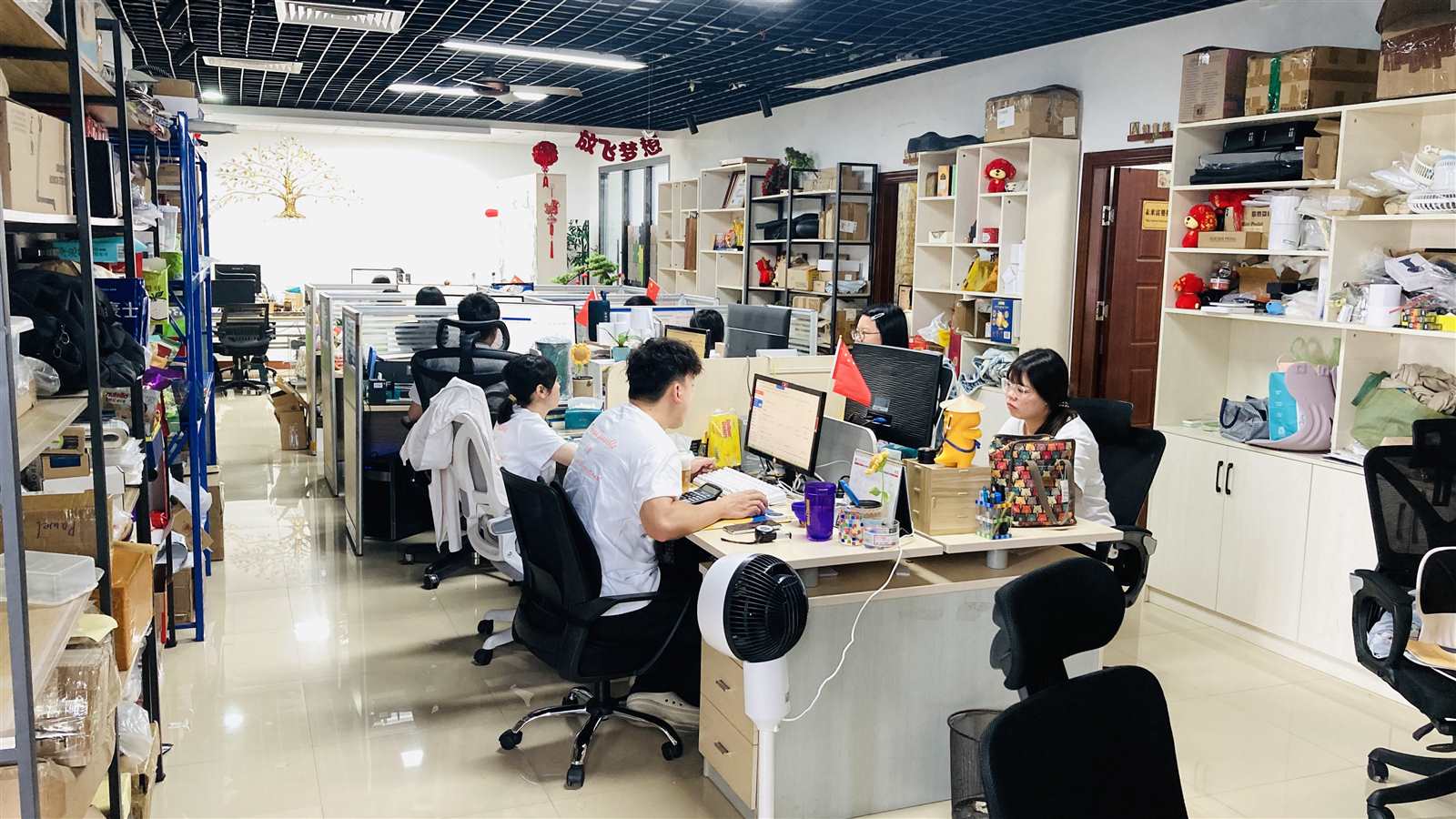
WPI International Trade Co., Ltd. (Huizhou) began exporting musical instruments from Hong Kong in June 2010 and established its Huizhou, Guangdong operation in 2014. The company serves importers, distributors, retailers and schools with a broad instrument and accessory catalog, low-MOQ sourcing support and OEM/ODM customization.
The public company profile shows a 28-person team, including 22 people in trading and export roles. Third-party assessed figures include annual export value of approximately US$9 million, 952 orders shipped in the last six months, a 97.73% inquiry response rate and an average buyer rating of 4.6/5. Main markets are North America, Western Europe, Southeast Asia and South America.
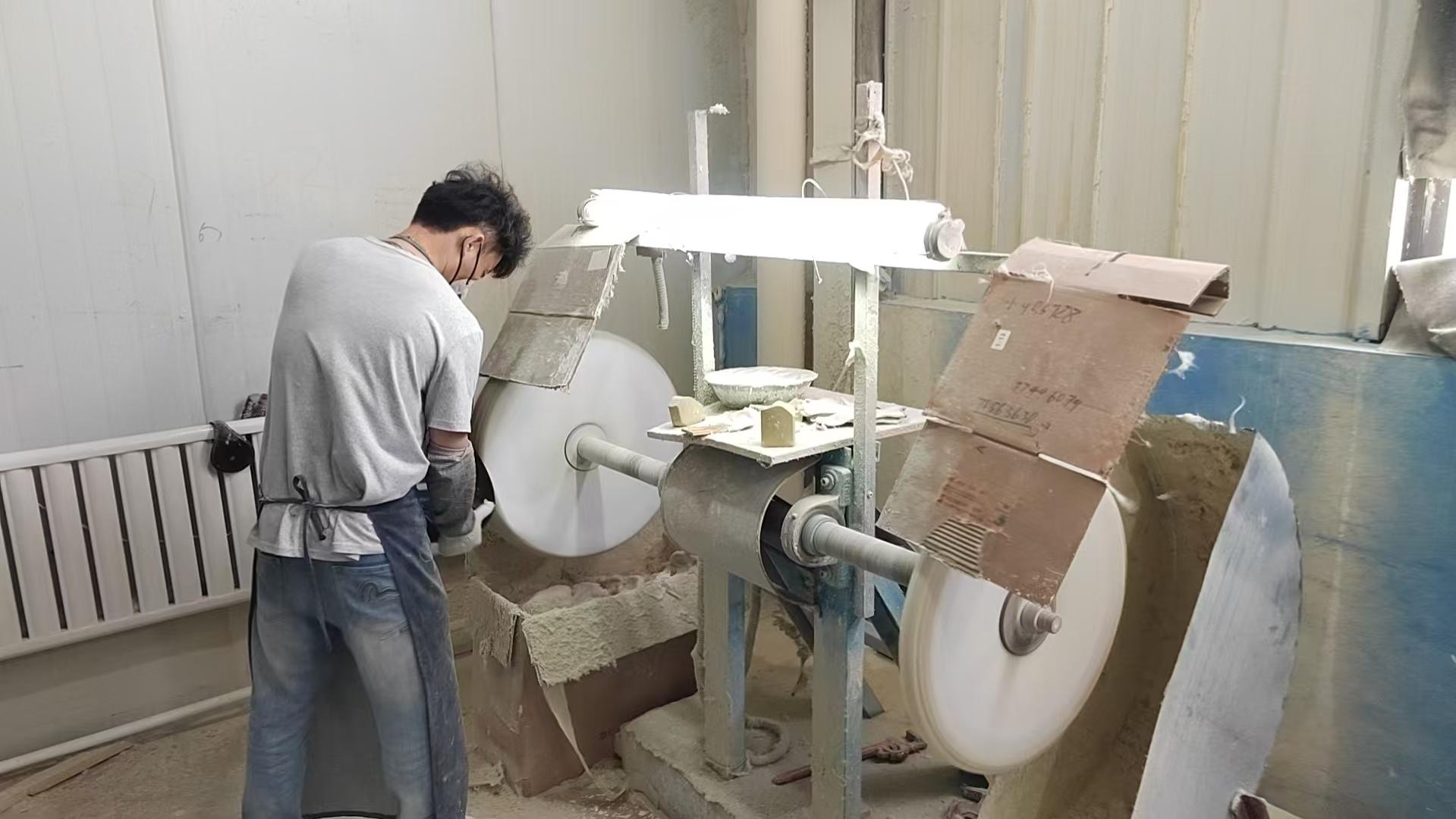
Its assessed capabilities include finished-product inspection, sample-based customization, minor customization for logo, packaging and graphics, design-based customization and full customization. For guitar strap and accessory buyers, this means a practical path from a private-label sample to a consolidated shipment that may include straps, bags, stands, tuners, capos, effects and other instruments.
Commercial terms are flexible: T/T, L/C, D/P, D/A, credit card, PayPal, Western Union, cash and escrow are accepted, with delivery terms including FOB, CFR, CIF, EXW, DDP, DDU and express delivery. Typical MOQs range from one piece for eligible sampling items to 2–10 pieces per instrument model and 20–600 sets for small accessories; final MOQ depends on material, logo process and packaging.

Intertek-Assessed Supplier
WPI has been assessed onsite by Intertek, with verification covering company premises, legal status, capabilities and main product lines. Buyers can review assessment and credit information before ordering.
12+ Years of Export Experience
An established Huizhou operation supports buyers across North America, Western Europe, Southeast Asia and South America, with experience in mixed musical-instrument catalogs.
Low-MOQ Sourcing and Mixed Orders
Flexible sampling and mixed-category orders help importers test straps, accessories and instruments without overstocking slow-moving SKUs.
OEM / ODM and Private Label
Sample-based, minor, design-based and full customization cover logo, packaging, graphics and product development requirements subject to supplier confirmation.
Pre-Shipment Quality Control
Finished-product inspection checks appearance, hardware, function, tuning stability where relevant, and packaging before delivery, reducing surprises at destination.
One-Stop Export Support
Guitars, ukuleles, violins, saxophones, drums, keyboards, straps and accessories can be consolidated with flexible payment and delivery terms.


Common Questions From Guitar Strap and Accessory Buyers
These answers reflect the sourcing profile published on the WPI website and practical considerations for first-time and repeat wholesale buyers.
What is the MOQ for wholesale guitar straps?
MOQ depends on material, logo method and packaging. WPI’s assessed profile shows many instruments can be sampled from one piece, with typical wholesale MOQs of 2–10 pieces per model and 20–600 sets for strings and small accessories. For custom straps, confirm the exact threshold in the quotation because woven jacquard, leather patch and fully custom packaging may require higher quantities.
Do you offer OEM and ODM customization for guitar straps and accessories?
Yes. WPI’s assessed capabilities include sample-based customization, minor customization such as logo, packaging and graphics, design-based customization and full customization. Common private-label options include woven labels, embroidery, debossed leather patches, printed webbing, custom buckles, hangtags and retail packaging subject to supplier confirmation.
Which guitar strap materials should a retailer stock first?
Most retailers should start with nylon or poly webbing for entry-price replacement demand, add woven jacquard for gift and brand-conscious buyers, and stock a smaller premium run of padded leather or vegan microfiber. For bass and long-session players, wider padded straps usually command higher perceived value.
How do you control quality before shipment?
Every order should move through a specification approval and finished-product inspection before delivery. Depending on the product, checks cover appearance, hardware, adjustment function, stitching, color consistency, packaging and relevant compliance documents. WPI has also been assessed onsite by Intertek, and its profile lists finished-product inspection as a capability.
Which payment and delivery terms are accepted?
Accepted payment methods include T/T, L/C, D/P, D/A, MoneyGram, credit card, PayPal, Western Union, cash and escrow. Delivery terms include FOB, CFR, CIF, EXW, FAS, CIP, FCA, CPT, DEQ, DDP, DDU, DAF, DES and express delivery. Buyers should match the term to their customs experience and risk preference.
Which markets do you export to, and can first orders be consolidated?
WPI’s main markets are North America, Western Europe, Southeast Asia and South America. First orders can be planned as mixed-category shipments that combine guitar straps with bags, stands, tuners, effects, percussion and other instruments, subject to stock, MOQ and packing requirements. Consolidation reduces freight overhead and supplier-management time.
Build a Guitar Strap and Accessory Program With WPI
Send your target market, strap width, material preference, logo artwork, quantity and preferred delivery term. The WPI team can recommend specifications, sampling direction and a consolidated product mix from its musical instrument and accessory catalog.
Email: info@wpimusic.com · Huizhou, Guangdong, China · Intertek-assessed musical instrument exporter since 2010