China Wholesale Guitar Picks Manufacturers & Factory
Custom guitar picks, private-label packaging, mixed-MOQ sourcing and export-ready quality control for distributors, music retailers, schools and promotional buyers.
8 Wholesale Products That Strengthen a Guitar Pick Program
The strongest accessory programs do not sell picks in isolation. Buyers bundle picks with cables, straps, stands, teaching aids and instrument accessories to raise average order value and reduce supplier fragmentation. The eight products below are selected from the WPI catalog as practical cross-sell items for music retailers, schools and online sellers.
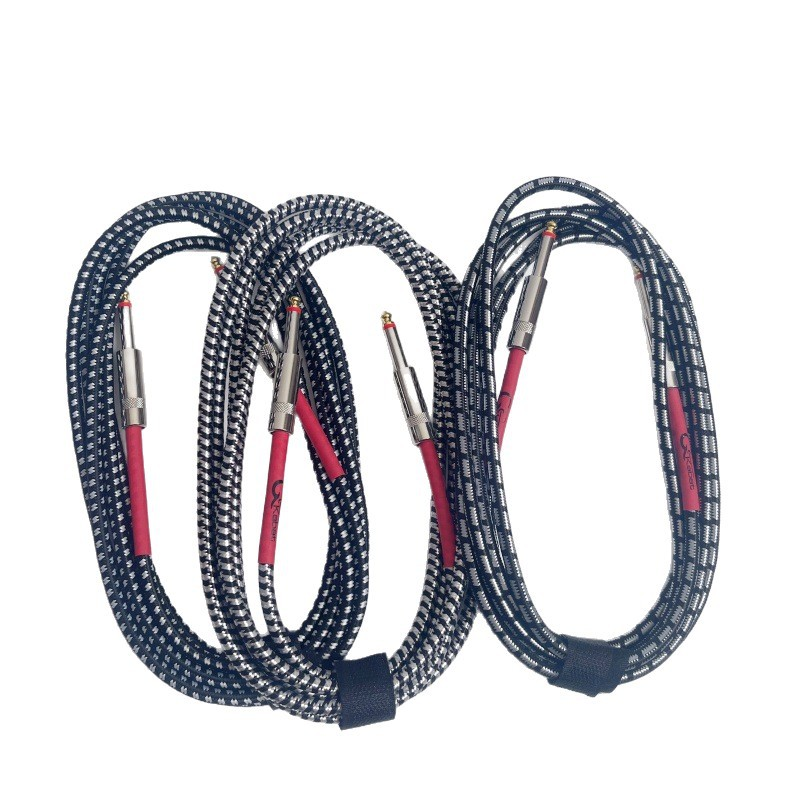
Braided Guitar Cable, 6.35mm Male to Male Noise Reduction Audio Cord
Cross-sell with electric guitar picks, pedals and starter bundles.
View product →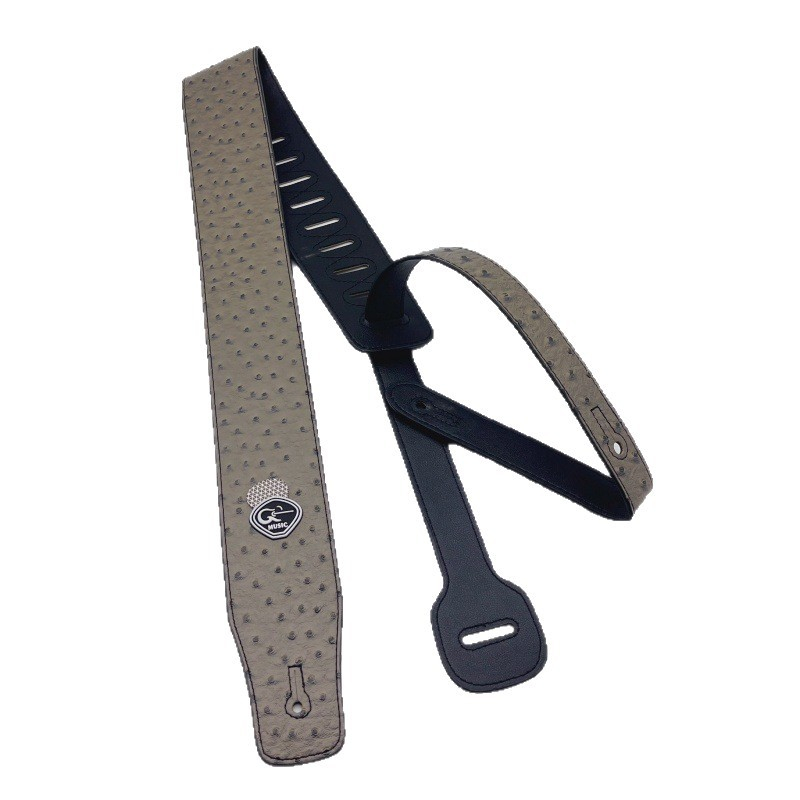
Genuine Leather Guitar Strap, Wide Wear-resistant Shoulder Strap
Dual-use strap for acoustic and electric guitar retail sets.
View product →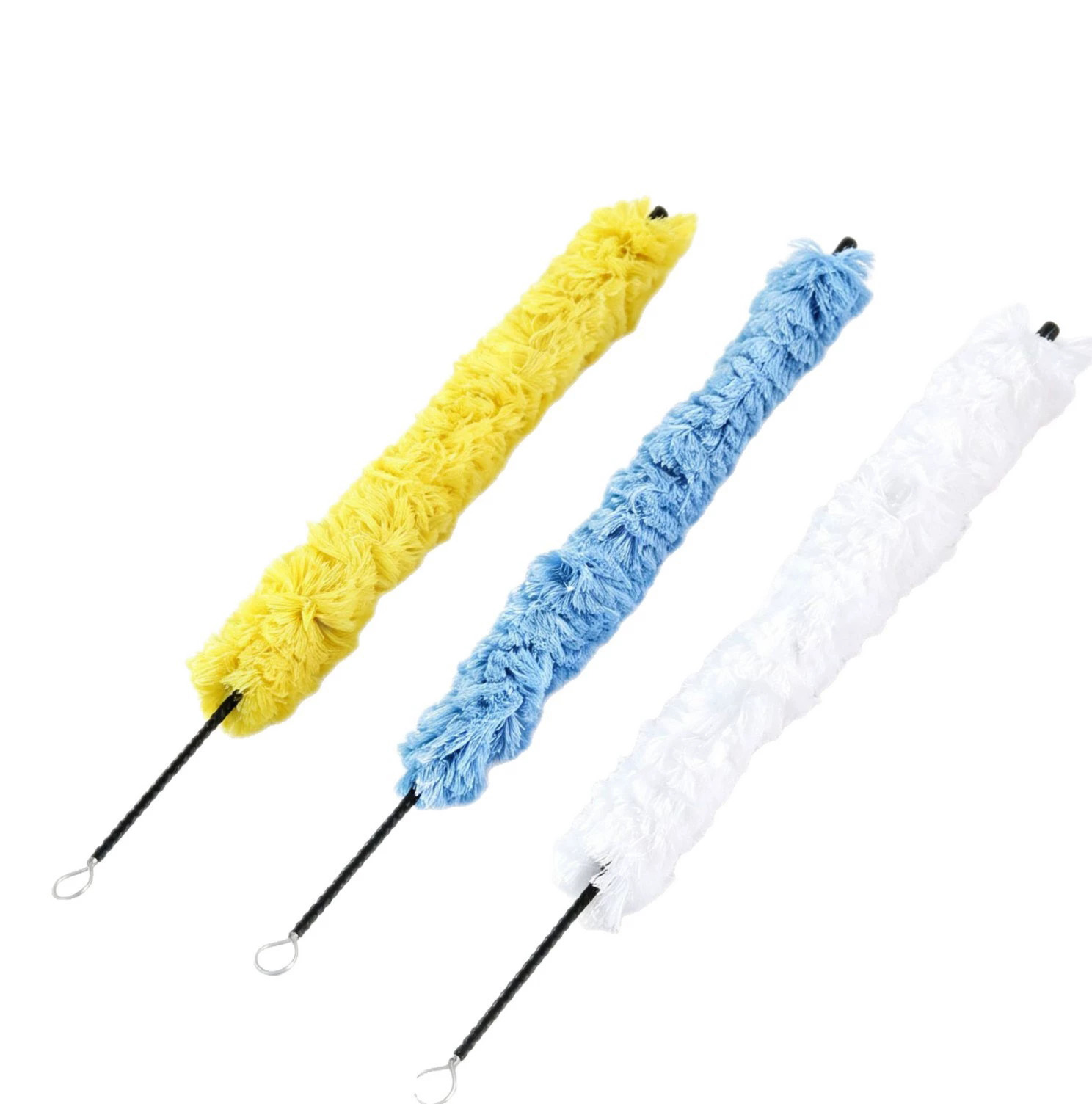
Washable Cotton Flute Bore Cleaning Brush
Useful add-on for school instrument care and accessory walls.
View product →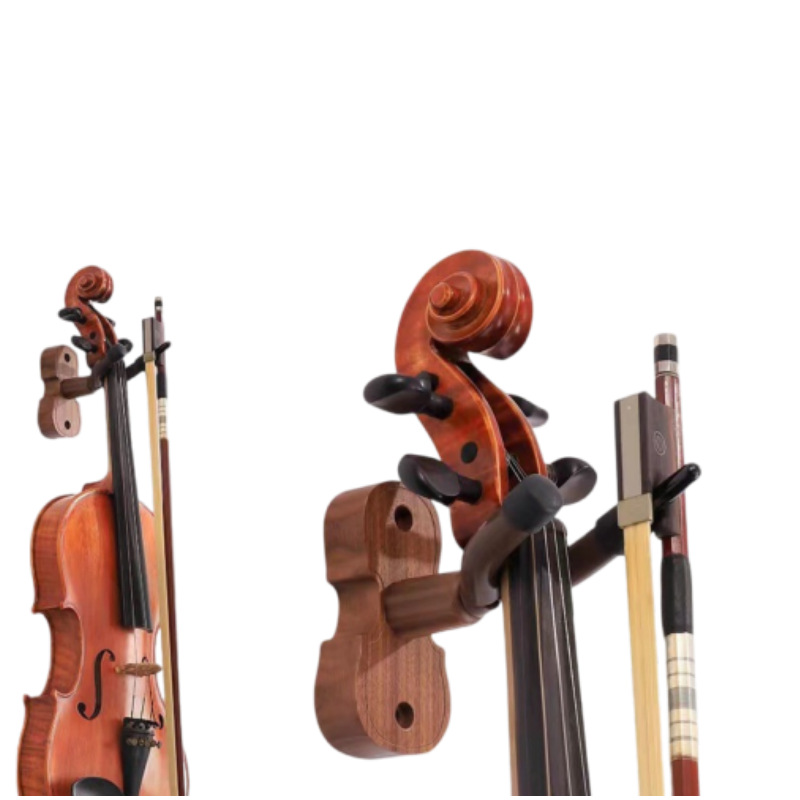
Wood Base Wall-Mount Violin & Erhu Display Hanger
Display bracket for instrument retail and studio organization.
View product →
8-Note Orff Percussion Melody Bell Teaching Aid
Kindergarten and early music education product for school buyers.
View product →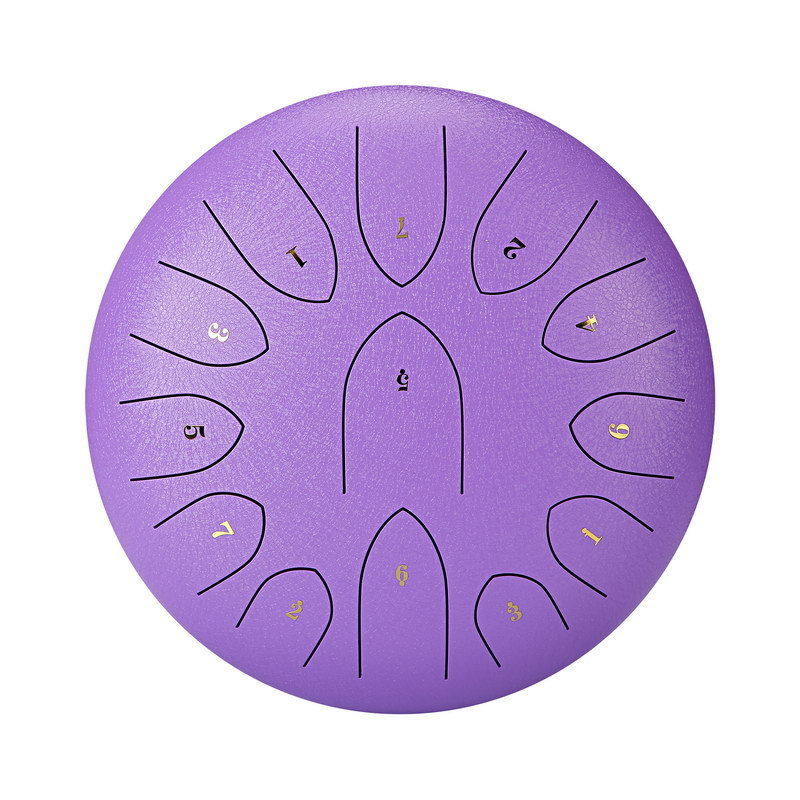
14-Inch Steel Tongue Drum Gift Set
Gift-oriented percussion item for lifestyle and music therapy channels.
View product →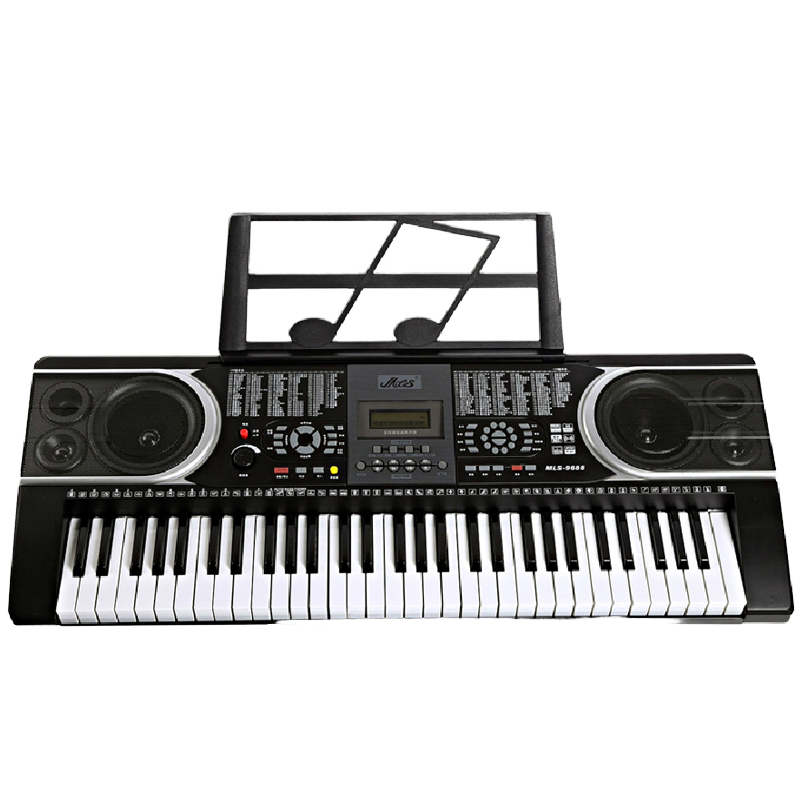
Professional Teaching Electronic Keyboard, 61 Standard Keys
Core classroom instrument for school and beginner retail programs.
View product →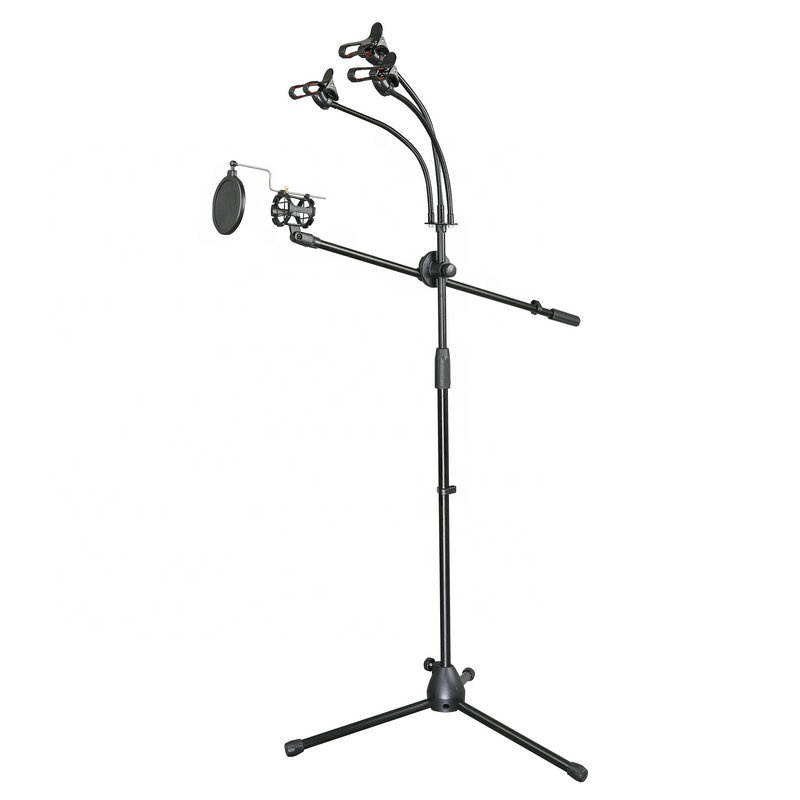
Three-Phone Live Streaming Floor Tripod & Microphone Stand
Creator accessory for music retailers serving online content sellers.
View product →Years in the musical instrument industry
Annual export value, third-party assessed
Orders shipped in the last 6 months
Inquiry response rate
The Real Search Intent Behind “China Wholesale Guitar Picks Manufacturers & Factory”
This phrase is not just a price query. It is usually a multi-job sourcing search made by buyers who need to verify manufacturing capability, compare MOQs, test print quality and protect their retail margin before placing a first order.
Price-to-Quality Benchmarking
Buyers want to know whether a low quotation reflects efficient production or hidden compromises in thickness tolerance, edge polish and print registration. A credible China wholesale guitar picks manufacturer should be able to explain cost drivers clearly.
Private-Label and Custom Print
Retailers search for OEM guitar picks with logo printing, custom shapes, display boxes and barcoded packaging. The intent is not simply “picks” but a finished, shelf-ready private-label accessory line.
Supply Continuity and MOQ
Importers need repeatable colors, stable thickness, mixed-SKU consolidation and realistic MOQ levels. Small test orders are common before a retail chain or distributor commits to a seasonal program.
Compliance and Landed Cost
Experienced buyers compare FOB, CIF and DDP options, packaging weight, carton configuration and material documentation. A reliable supplier reduces surprises after the quotation stage.
What Defines a Competitive Guitar Pick Factory in China
Guitar picks are low-weight products with high expectations. The buying decision is driven by material feel, thickness consistency, edge finish, print durability and packaging speed. This matrix is a practical planning tool for wholesale buyers; final specifications should always be confirmed by sample.
| Material | Tone and Feel | Planning Thickness | Best-Fit Buyer | Sourcing Note |
|---|---|---|---|---|
| Cellulose acetate | Warm, familiar feel; strong print platform | 0.46–0.73 mm | Retail starter packs, souvenir and gift lines | Confirm flatness, color consistency and print registration. |
| Nylon | Flexible, softer attack; comfortable for beginners | 0.60–0.88 mm | School programs, lesson bundles, budget retail | Check edge polish and repeated-bend performance. |
| POM / Delrin-style | Slick surface with articulate response | 0.71–1.14 mm | Electric guitar players and accessory specialists | Ask for thickness tolerance and surface finish control. |
| Ultem / PEI-style | Stiff, bright and durable feel | 1.00–2.00 mm | Premium and technical players | Verify resin grade, color stability and bevel quality. |
| Recycled / plant-based blends | Variable by formulation; story-led retail appeal | 0.71–1.00 mm | Eco-positioned brands and modern gift retail | Request material documentation before making environmental claims. |
| Custom-printed acetate | Visual-led, collectible and brandable | 0.71–0.96 mm | Promotional buyers, bands and private labels | Check colorfastness, packaging protection and sample approval. |
A Four-Tier Guitar Pick Assortment for Wholesale Buyers
A balanced assortment should serve trial buyers, core players, private-label brands and institutional buyers without overloading inventory. The following structure helps importers plan a first order and scale it with proven SKUs.
1. Traffic-Building Trial Pack
Use a low-risk mixed thickness pack to test customer response and online listing conversion.
- Cellulose acetate or nylon
- 0.46 / 0.71 / 0.96 mm mix
- Simple display bag or counter box
- Strong for new marketplaces and gift shops
2. Core Retail Program
Build repeat purchase around familiar thicknesses, durable print and clean packaging.
- 0.73 / 0.88 / 1.00 mm core range
- Logo print and barcode-ready packaging
- Color-coded thickness system
- Best for music stores and accessory distributors
3. Private-Label Premium
Position higher-value picks for tone-focused players and branded merchandise.
- POM, Ultem-style or premium acetate
- Precision bevel and custom shape
- Gift tin, pouch or collectible card
- Suited to brands, artists and premium retail
4. School & Institutional Bulk
Support lessons and beginner programs with practical, repeatable bulk packs.
- Nylon or flexible acetate
- 0.60–0.73 mm beginner range
- Large-count bags and simple labeling
- Ideal for education distributors and music schools
What Wholesale Buyers Should Prepare For Next
Procurement is moving from “find the cheapest pick” to “build a resilient, brand-ready accessory program.” These trends are especially relevant for importers planning 2025–2027 assortments.
Smaller, More Frequent Orders
Retailers are reducing inventory risk and replenishing faster. Suppliers that support mixed-SKU consolidation and repeatable small batches will win more long-term accounts.
Private-Label Speed and Version Control
Buyers want quick sampling, exact color matching and packaging revisions without restarting production. Clear version control protects brand consistency across repeat orders.
Material Traceability and Compliance Files
Environmental claims must be documented. Buyers should request material information, packaging specifications and labeling details before promoting recycled or plant-based picks.
Landed-Cost Visibility
FOB price is only one part of the decision. DDP, CIF, carton weight and packaging volume all affect margin. Transparent quotations reduce hidden costs after order confirmation.
Mixed-Category Consolidation
Importers prefer one partner for picks, cables, straps, stands and teaching accessories. Consolidation lowers freight friction and simplifies supplier management.
Content-Ready Product Data
Online sellers need clean images, dimensions, material notes, MOQs and packaging details. Suppliers that provide content-ready data help buyers launch listings faster.
Where Guitar Picks Are Heading
The next generation of wholesale guitar picks will compete on precision, sensory feel, sustainable materials and retail storytelling, not only on unit price.
Precision Thickness and Edge Geometry
Players increasingly notice small differences in bevel shape, tip profile and thickness consistency. Factories with stable tooling and inspection standards can support premium positioning.
Grip Engineering
Textured surfaces, embossed logos and hybrid materials are being used to improve control without changing the familiar feel of a traditional pick.
Sustainable Material Innovation
Recycled and plant-based options are gaining attention, but credibility depends on documentation. Buyers should separate genuine material benefits from marketing language.
Hybrid Shapes and Multi-Packs
Retailers are testing mixed-shape packs that let players experiment. Multi-packs also increase average order value and reduce unit handling cost.
Digital Print and Short-Run Collectibles
Bands, events and brands need small runs with sharp graphics. Digital print capability makes limited editions and promotional drops more practical.
Packaging as Experience
Tins, pouches, QR-linked lessons and artist cards turn a low-cost accessory into a giftable product. Packaging is becoming part of the product development brief.
Why WPI Is a Reliable Partner for China Wholesale Guitar Picks and Musical Accessories
WPI International Trade Co., Ltd. (Huizhou) is a multispecialty musical instrument export company, not a single-product guitar pick factory. That distinction matters: we coordinate vetted manufacturing partners, consolidate categories and manage quality from sample approval to shipment. For buyers, this means a more transparent sourcing process and fewer handoffs between suppliers.
Our team began exporting musical instruments from Hong Kong in June 2010 and established the Huizhou, Guangdong operation in 2014. Today, a team of 28 people — 22 in trading and export roles — supports importers, distributors, retailers and schools worldwide. We specialize in ukuleles, acoustic and electric guitars, and extend into violins, cellos, saxophones, clarinets, drums, keyboards and accessories. For guitar picks and small accessories, we apply the same sample-led, inspection-focused approach used for larger instrument programs.
- Intertek onsite assessed supplier
- Finished-product inspection before shipment
- US$9M annual export, third-party assessed
- 952 orders and US$370,000+ recent trade in 6 months
- 97.73% inquiry response rate and 4.6/5 buyer rating
- Low MOQ, OEM/ODM and mixed-category orders
- Main markets: North America, Western Europe, Southeast Asia, South America
- Exhibitor at Shanghai and Guangzhou music shows, 2014–2019
Payment options include T/T, L/C, D/P, D/A, MoneyGram, credit card, PayPal, Western Union, cash and escrow. Delivery terms include FOB, CFR, CIF, EXW, FAS, CIP, FCA, CPT, DEQ, DDP, DDU, DAF, DES and express delivery. These options allow buyers to choose the balance of control, cost and risk that fits their market.

From Brief to Shipment: A Controlled Sourcing Workflow
A guitar pick order should be simple to start but difficult to compromise. This six-step workflow keeps specification, sampling, production and packing aligned with your market requirements.
Buyer Brief
Share material preference, thickness range, shape, print artwork, packaging, quantity, target market and delivery term.
Factory Match
We match the brief to suitable manufacturing partners based on material, print method, MOQ and finishing requirements.
Sampling
Pre-production samples are prepared for thickness, feel, print color and packaging approval before mass production.
Production Check
In-process checks focus on dimensional consistency, surface appearance, edge finish and logo registration.
Packing & Compliance
Carton configuration, labels, barcodes and packaging protection are checked against the approved specification.
Shipping & Follow-Up
Goods move under the agreed delivery term, with documentation and after-sales communication managed by a named account contact.
Frequently Asked Questions from Wholesale Buyers
These are the questions sourcing teams ask most often when evaluating China wholesale guitar picks manufacturers and factory partners.
What is the MOQ for custom guitar picks and wholesale accessories?+
MOQ depends on material, shape, printing method and packaging. Many instrument and accessory items can start from low quantities, while small accessories such as strings and parts may range from 20 to 600 sets depending on the model. WPI also supports mixed-category orders, so guitar picks can be combined with cables, straps, stands and other accessories in one sourcing plan. Share your target quantity and packaging idea for a realistic quotation.
Can you print our logo on guitar picks and packaging?+
Yes. Third-party assessed customization capabilities include sample-based customization, minor customization such as logo, packaging and graphics, design-based customization and full customization. For best results, provide vector artwork, Pantone color references where available, packaging dielines and a target retail price. We recommend approving a pre-production sample before mass production.
Which guitar pick thicknesses should a retailer stock first?+
For a balanced first order, stock a small range rather than a single thickness. A practical retail mix often includes a flexible beginner option around 0.46–0.60 mm, an all-purpose range around 0.71–0.88 mm, and a heavier option around 1.00 mm or above for players who prefer more control. The final range should match your customer profile and whether you sell to schools, beginners or electric guitar players.
How do you control quality before shipment?+
Every order goes through finished-product inspection before delivery, covering appearance, hardware where relevant, tuning stability for instruments and packaging. For guitar picks, the inspection focus should be agreed in advance and can include thickness consistency, edge finish, color matching, print registration and packaging protection. WPI has also been assessed onsite by Intertek.
Can I mix guitar picks with other musical instruments in one order?+
Yes. WPI supports mixed-category orders across guitars, ukuleles, violins, saxophones, drums, keyboards, percussion, cables, straps, stands and teaching accessories. Consolidating small accessories with larger instruments can reduce supplier management workload and improve container utilization when planned correctly.
What payment and delivery terms are accepted?+
Payment options include T/T, L/C, D/P, D/A, MoneyGram, credit card, PayPal, Western Union, cash and escrow. Delivery terms include FOB, CFR, CIF, EXW, FAS, CIP, FCA, CPT, DEQ, DDP, DDU, DAF, DES and express delivery. The right term depends on your experience, destination and preferred balance of cost and risk.
Which markets do you export to?+
WPI’s main markets are North America, Western Europe, Southeast Asia and South America. Product specifications, packaging language, safety labeling and artwork approval can be adjusted for different market requirements.
How should I prepare a quotation request for guitar picks?+
Send the material, thickness range, shape, size, print artwork, packaging format, estimated quantity, target market and preferred delivery term. If you are still developing the product, describe the target price, player level and retail channel. A clear brief allows us to recommend the most suitable factory match and avoid unnecessary sampling rounds.
Build a Guitar Pick Program with Factory-Direct Support
Tell us your material, thickness, custom print, packaging and target quantity. WPI will match your brief with suitable manufacturing partners, confirm a realistic MOQ and outline the sampling and inspection process.