Wholesale Products to Bundle with Guitar Nut Orders
Guitar nuts are compact repair and upgrade parts, so importers often combine them with higher-ticket accessories and fast-moving instrument products. These eight WPI catalog items help distributors, music stores and online sellers build a fuller order without adding another supplier.
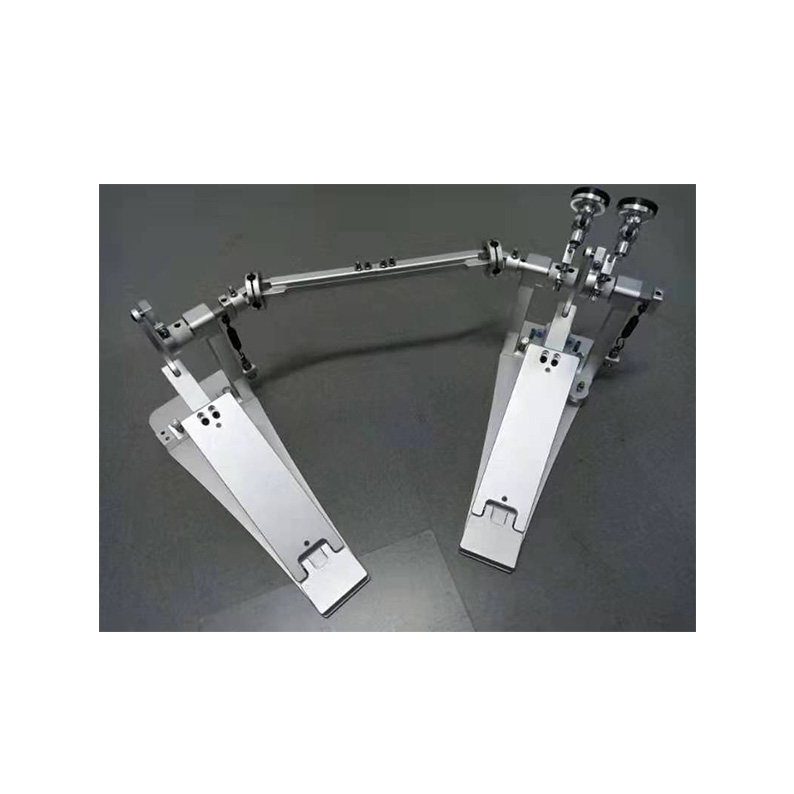
Brushed Silver Double Bass Drum Pedal Direct Drive Drum Kit Accessory
Direct-drive response for rock, metal and studio players.
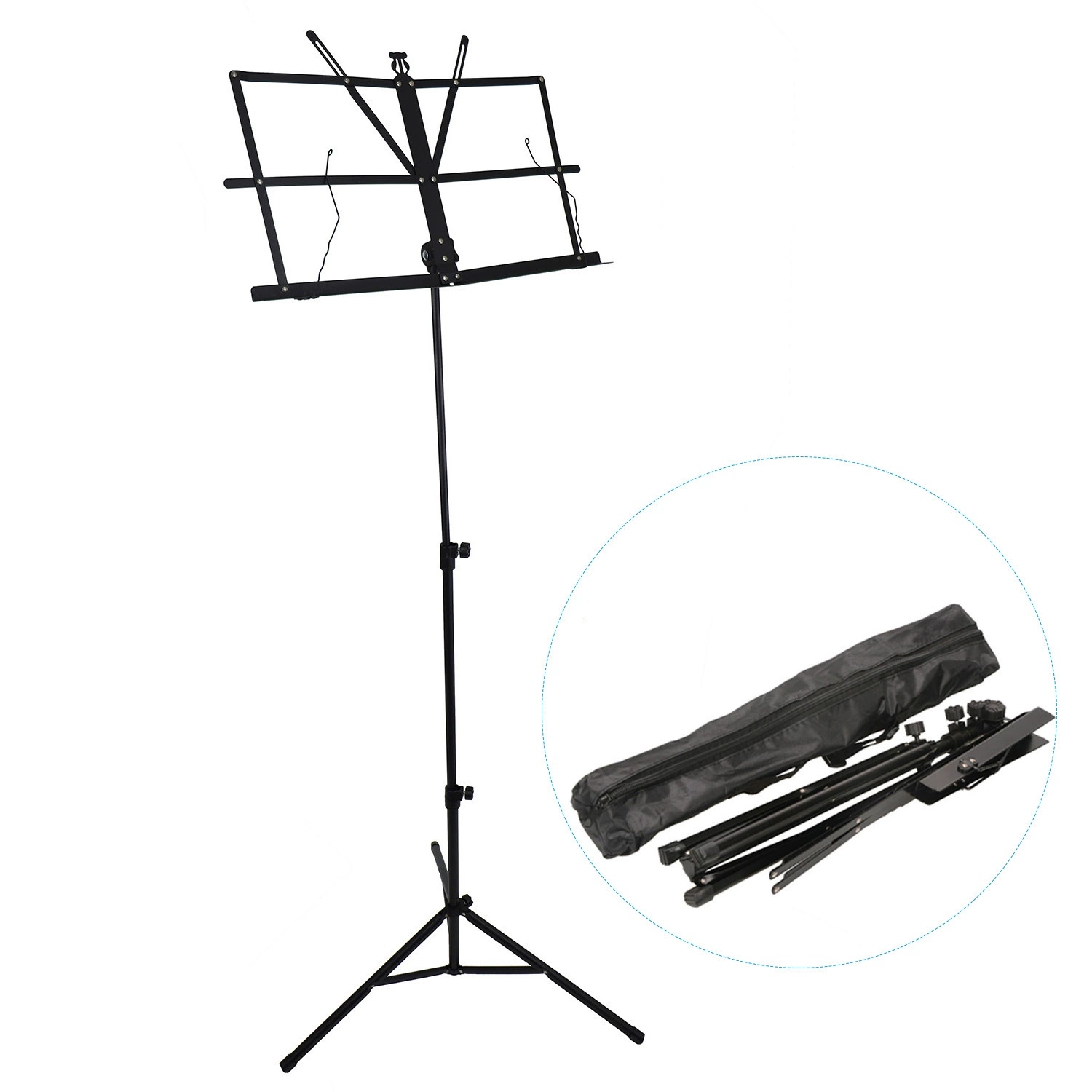
Factory Wholesale Small Size Portable Adjustable Music Stand With Bag
Lightweight stand for schools, rehearsal rooms and travel.

Wireless in Ear Monitor System Transmitter Receiver Mono Stereo Earback Set Guitar System
Mono or stereo monitoring for performers and houses of worship.
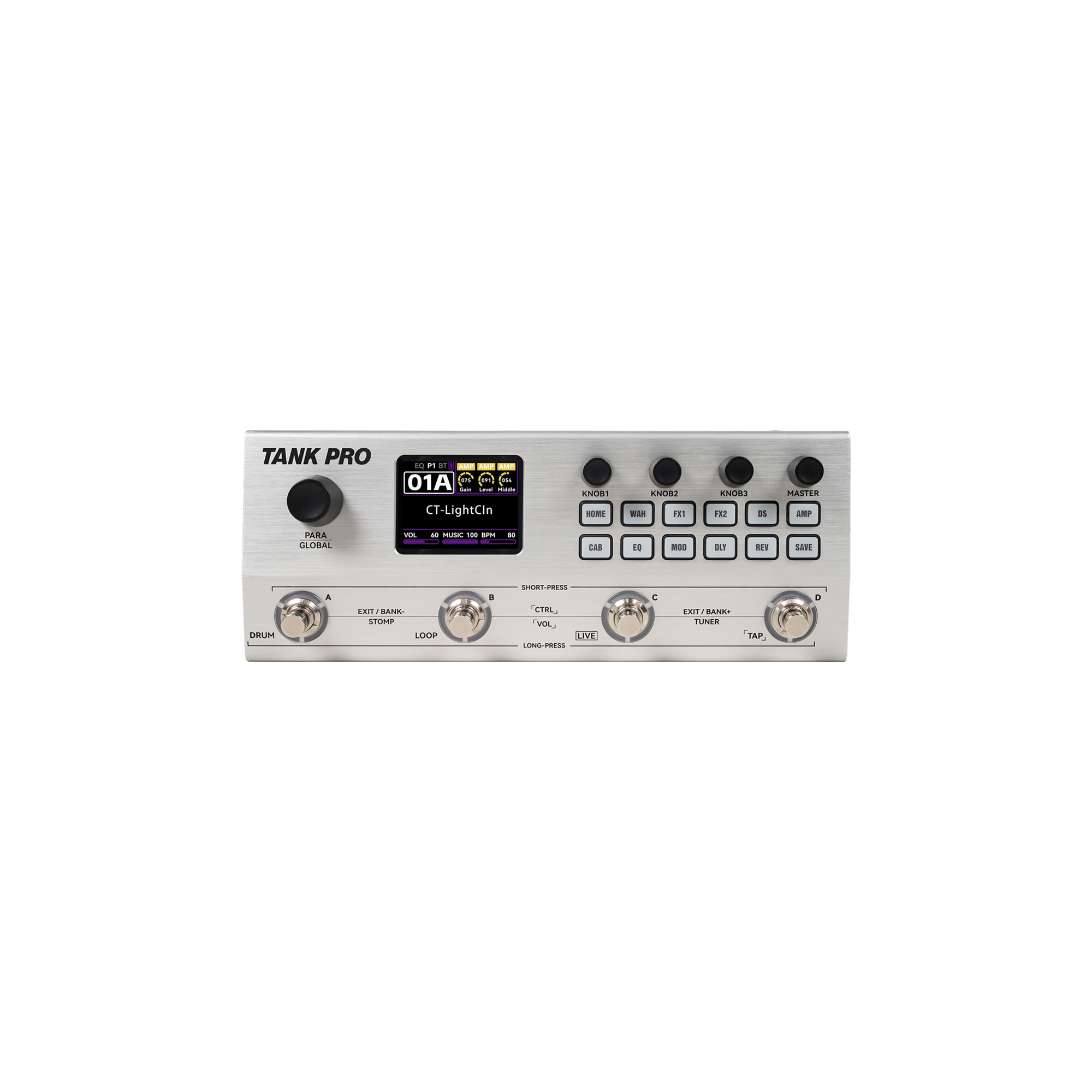
Tank Pro Metal Guitar Multi Effects Processor with ANN Third-Party IR Loading OTG Internal Recording
IR loading, OTG recording and metal-focused amp models.
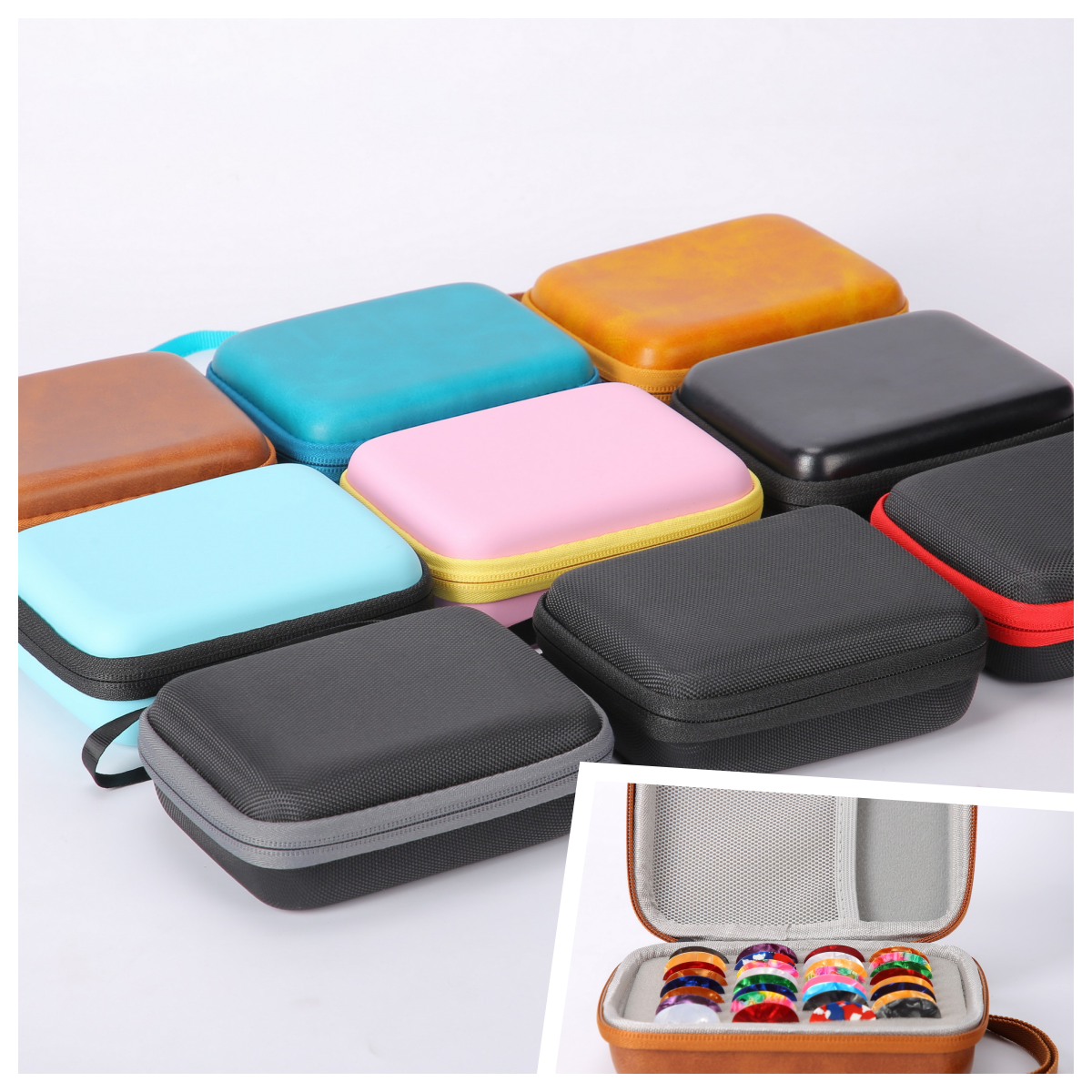
Guitar Folk Plectrum Storage Leather Case Leather PC Plectrum Bag Ukulele Plectrum Pick Case Package
Small, giftable accessory that lifts average order value.
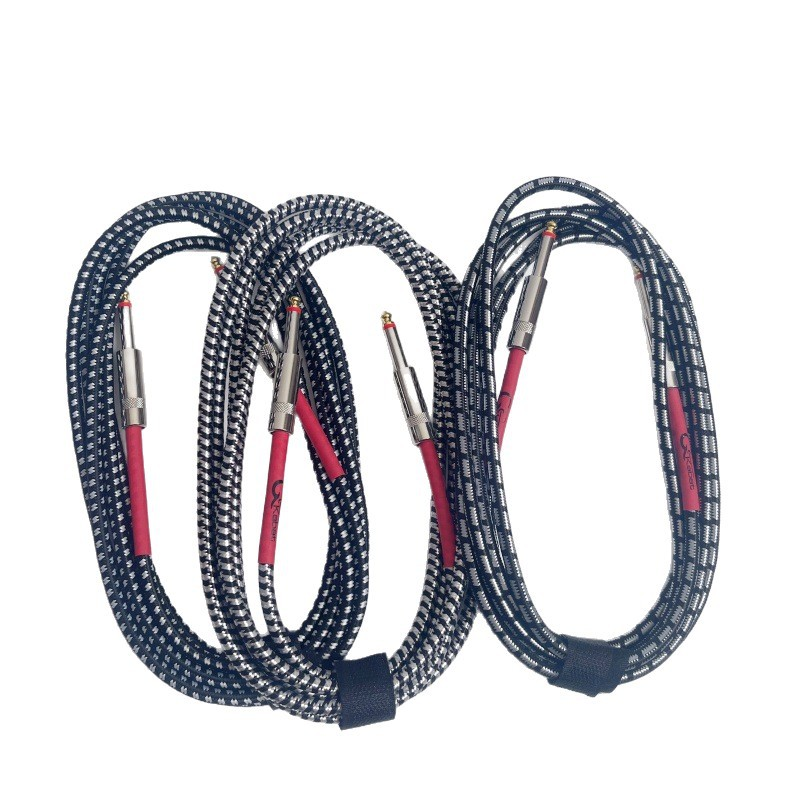
Braided Guitar Cable, 6.35mm Male to Male Noise Reduction Audio Cord for Bass, Instrument Connection Wire Wholesale
Noise-reduction cable for instrument and rehearsal use.
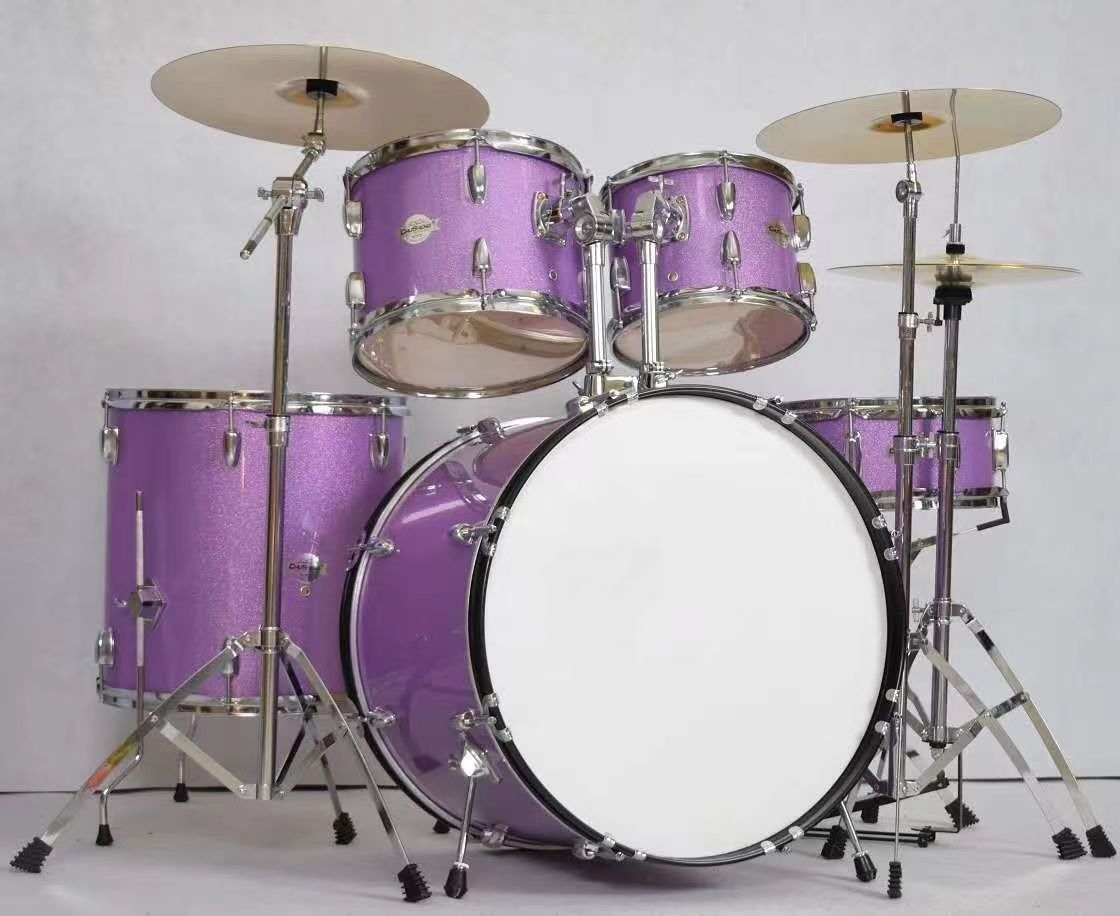
Hot Selling Ordinary 5 Drums 3 Cymbals Adult Drum Set Jazz Drum
Five-drum jazz configuration for retail and education buyers.
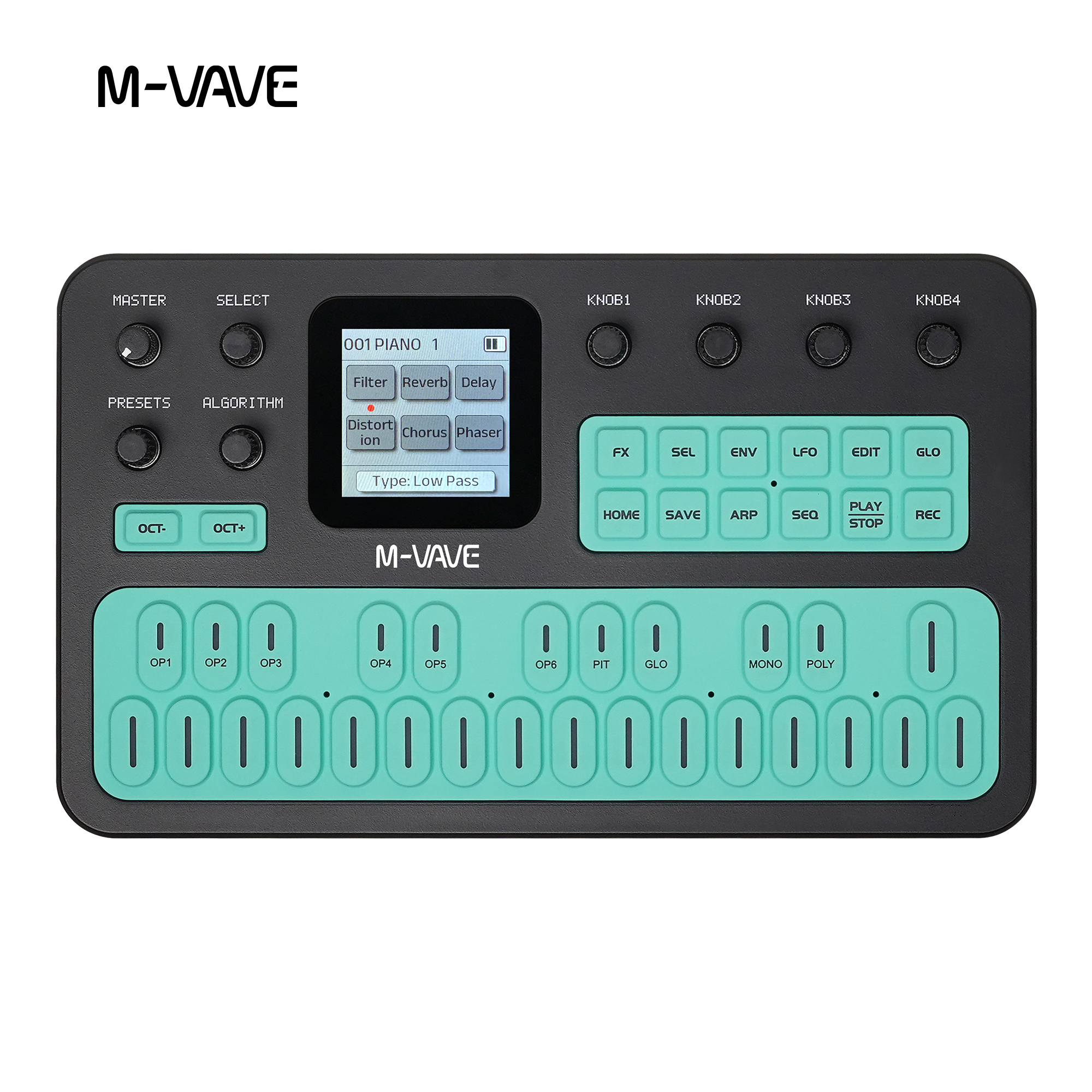
Factory Bestseller Portable M-VAVE FM-1 Synthesizer MIDI Digital FM Keyboard Screen Sequencer Arpeggiator Built-in Presets
Portable FM synthesis for creators, studios and online retail.
Years in the musical instrument industry
Annual export volume, third-party assessed
Orders shipped in the last six months
Average inquiry response rate
Average buyer rating from verified transactions
Instruments and accessories across categories
Why the Guitar Nut Is a High-Leverage Wholesale Category
China Wholesale Guitar Nut Wholesaler & Wholesalers is not simply a keyword for a commodity part. The guitar nut is one of the smallest components on the instrument, yet it controls string spacing, action at the first fret, intonation at the headstock end, tuning stability and much of the open-string tone. For distributors, music stores, repair shops and OEM brands, the category creates a rare combination: low freight cost, high gross margin, repeat purchase behavior and strong attachment to setup and repair services. A store that can offer bone, synthetic and locking nuts in the right radius and slotting options can solve a customer problem on the same day without carrying the inventory burden of a full instrument.
At WPI International Trade Co., Ltd. (Huizhou), guitar nuts sit inside a broader musical-instrument sourcing program. We began exporting musical instruments from Hong Kong in June 2010, established our Huizhou, Guangdong operation in 2014, and today operate with 28 team members, 22 of whom work in trading and export roles. Our company has been onsite assessed by Intertek, reports annual export sales of about US$9 million, shipped 952 orders in the last six months, maintains a 97.73% inquiry response rate and holds a 4.6/5 average buyer rating. That operating base matters for a small part like a nut: the buyer is not only purchasing material — it is purchasing consistent slotting, reliable radius labels, protective packaging and export documentation.
From a procurement standpoint, the nut is a specification-driven SKU. A 42 mm nut designed for a 12-inch radius and medium-gauge strings will not satisfy a dealer who needs a 7.25-inch vintage radius, a left-handed slot pattern or a 14-inch compound-radius electric. This is exactly where information gain becomes a competitive advantage: the supplier who can document radius, width, thickness, slot spacing, material density and available preslotted or blank options reduces returns and shortens the buyer’s decision cycle.
Wholesale opportunity snapshot
- Compact shipment cube and low freight exposure per order
- Repeat demand from repair shops, luthiers and setup services
- OEM and aftermarket positioning under one part family
- Easy to bundle with picks, cables, pedals and stands
- Custom logo, packaging and radius-label programs
- Mixed-category consolidation with other instruments
Guitar Nut Materials and Specifications: A Procurement Comparison
The first decision is material. Each material has a different tone signature, manufacturing method and wholesale positioning. The table below is written for buyers who need to build an assortment rather than order a single generic style.
| Material | Tone & durability | Best wholesale fit | Specification notes |
|---|---|---|---|
| Unbleached bone | Dense, organic tone; strong tuning stability; classic upgrade feel | Repair shops, luthiers, acoustic and electric upgrade kits | Select unbleached blanks; check grain, color consistency and porosity; offer preslotted and blank versions |
| High-density synthetic | Consistent density, low waste and repeatable tone; self-lubricating options available | OEM brands, e-commerce kits, beginner and mid-market instruments | Specify radius and molded or CNC slotting; label string gauge and instrument type clearly |
| Graphite composite | Reduces string binding; improves tuning stability with vibrato systems | Electric guitars with tremolo, locking systems and stage players | Pair with saddle material and tremolo setup; confirm slot depth and nut height |
| Brass | Bright attack, sustain and a vintage voice; heavier than bone | Reissue, custom builds and specialty retail | Control polish and edge finish; match vintage radius and string spacing |
| Plastic / ABS | Low cost and high volume; limited tonal refinement | Student instruments, entry-level kits and promotional programs | Color matching, clean molding and clear labeling are critical to reduce returns |
| Locking nut assembly | Stable tuning under aggressive tremolo use; requires matched hardware | Floyd Rose-style systems and metal-oriented electric guitars | Specify string lock, mounting pattern, thread pitch and bridge compatibility |
A complete nut specification should also include radius, width, thickness, string spacing, slot depth, slot width, finish, handedness, packaging and MOQ. Buyers should request a dimension drawing and a pre-production sample before approving a bulk order.
2025–2030 Procurement Trends in Guitar Nut Wholesale
Several structural shifts are changing how importers buy nuts from China. The winning assortment is becoming more technical, more retail-ready and more closely integrated with the rest of the instrument accessory category.
Low-MOQ, mixed-material assortments
Buyers are testing bone, synthetic and graphite side by side instead of committing to one material. Suppliers that support sample quantities and mixed-category orders shorten the test cycle for new markets.
Preslotted and compensated nuts
DIY installers and e-commerce buyers increasingly prefer nuts that need less filing. Compensated geometry and clear radius labels reduce installation risk and support premium pricing.
Tremolo and tuning-stability demand
Self-lubricating nuts, graphite composites and locking nut assemblies are growing with the electric-guitar aftermarket. Buyers should specify bridge compatibility, thread pitch and string-lock details.
Traceability and specification data
Retailers want barcodes, QR codes, batch labels and installation notes. A nut SKU with documented radius, width, material and string gauge is easier to list, sell and support.
Sustainable and lower-waste materials
Unbleached bone, engineered synthetics and precision CNC cutting help reduce waste and improve consistency. Buyers should ask for material declarations and packaging reduction options.
Consolidated sourcing
Importers are combining nuts with picks, cables, pedals, stands and other accessories from one exporter to reduce freight, supplier management and inspection costs.
Buyer priority index for guitar-nut sourcing
Fit accuracy, material consistency and MOQ flexibility consistently outrank unit price in serious wholesale inquiries. The index below is a planning illustration for assortment discussions, not a statistically weighted market study.
Product Development Trends: What OEM Buyers Should Specify Now
Guitar nuts are becoming more engineered and more retail-aware. These six development directions are especially relevant for private-label programs, replacement-part brands and distributors serving repair professionals.
CNC and laser measurement
CNC cutting and laser inspection improve repeatability for radius, slot spacing and thickness. Buyers should request a measurement report or golden sample for every new SKU.
Compensated nut geometry
Compensated nuts help correct intonation at the first few frets. They are attractive to serious players and can justify a higher retail price when explained clearly.
Radius-specific and compound sets
Stocking 7.25-inch, 9.5-inch, 12-inch, 14-inch, 16-inch and compound-radius options reduces the risk of returns and positions the dealer as a setup specialist.
Self-lubricating and hybrid materials
Graphite blends and engineered polymers reduce binding at the nut slot. They are especially useful for guitars with vibrato systems and for players who perform live.
Locking nut integration
Locking nuts must be matched to the bridge, string lock and mounting pattern. OEM buyers should confirm thread pitch, string clamp size and installation instructions.
Retail-ready packaging and education
Clear labels, installation cards and QR-linked setup guides turn a low-cost part into a professional product. Packaging should state radius, width, material and recommended string gauge.
Guitar Nut Product Recommendations for Wholesale Buyers
Use this portfolio as a starting point for assortment planning. The right mix depends on your market, price band, repair-service volume and whether you sell to luthiers, schools or online DIY customers.
Unbleached Bone Nut Blank
- MaterialUnbleached bone
- FormatBlank, unfinished
- Best forLuthiers & repair shops
- CustomizationLogo, label, pack size
Pre-Slotted Bone Nut
- MaterialBone
- Radius7.25"–16" options
- Best forRetail & e-commerce
- CustomizationString gauge labels
Compensated Synthetic Nut
- MaterialHigh-density polymer
- FormatPreslotted / compensated
- Best forElectric & acoustic brands
- CustomizationRadius, logo, packaging
Graphite Tremolo Nut
- MaterialGraphite composite
- FormatSelf-lubricating slots
- Best forVibrato & locking systems
- CustomizationBridge compatibility notes
Brass Vintage Nut
- MaterialBrass
- ToneBright attack & sustain
- Best forReissue & custom builds
- CustomizationPolish, plating, radius
Locking Nut Assembly
- MaterialSteel / alloy
- FormatString-lock assembly
- Best forFloyd Rose-style systems
- CustomizationThread pitch & mounting
Quality Control and Packaging: Reducing the Hidden Cost of Small Parts
A guitar nut is inexpensive to ship but expensive to return. The goal is not only to inspect the part; it is to build a specification and packaging system that prevents the wrong part from reaching the installer.
Incoming material verification
Check bone grain, synthetic density, color consistency and blank dimensions before production. Keep approved samples for each material lot.
CNC and slotting tolerance
Measure radius, slot spacing, slot width and slot depth with gauges. Preslotted nuts should be checked against the agreed string gauge and action target.
Fit and finish audit
Inspect edges, polishing, color and flatness. A nut that is visually clean but dimensionally wrong creates more after-sales cost than a slightly imperfect finish.
Packaging and labeling
Use protective bags, foam or blister packs, then label radius, width, material and string gauge. Retail-ready packaging reduces pick errors in warehouses and stores.
Specification review
Confirm instrument type, radius, width, thickness and material.
Material approval
Approve bone, synthetic, graphite, brass or locking hardware samples.
CNC machining
Control blank dimensions, slot layout and repeatability.
Radius & slot check
Verify fit, string spacing, slot depth and handedness.
Final inspection
Check appearance, labels, quantity and packaging before packing.
Export packing
Consolidate with other products and prepare shipment documents.
WPI International Trade Co., Ltd. (Huizhou)
WPI is a musical-instrument export and OEM supplier based in Huizhou, Guangdong. Our team began exporting from Hong Kong in June 2010 and established the Huizhou operation in 2014. Today, 28 people support buyers worldwide, with 22 in trading and export roles. Our main markets are North America, Western Europe, Southeast Asia and South America. Third-party assessment by Intertek covers an onsite check, finished-product inspection and customization capabilities including sample-based customization, minor customization for logo, packaging and graphics, design-based customization and full customization.
For guitar nut buyers, our advantage is the ability to combine a narrow technical part with a broad instrument program. We handle low-MOQ mixed orders, OEM/ODM development and one-container consolidation across guitars, ukuleles, violins, saxophones, drums, keyboards and accessories. Payment terms include T/T, L/C, D/P, D/A, MoneyGram, credit card, PayPal, Western Union, cash and escrow; delivery terms include FOB, CFR, CIF, EXW, FAS, CIP, FCA, CPT, DEQ, DDP, DDU, DAF, DES and express delivery. Typical MOQs start from 1 piece for sampling, 2–10 pieces per instrument model and 20–600 sets for strings and small accessories. Mixed-category orders are welcome.
We have exhibited at Shanghai and Guangzhou music shows from 2014 to 2019, and each buyer works with a named account manager from quotation through after-sales. That structure is useful when a guitar nut order needs to be matched to a packaging design, a private-label logo, a mixed container or a deadline for a trade show.

WPI team, showroom and warehouse support for wholesale and OEM musical instrument buyers.
Intertek onsite assessed
Premises, legal status and capabilities were verified onsite, with finished-product inspection capability.
Low MOQ & mixed orders
Sampling from 1 piece for many items, with mixed-category and mixed-model orders supported.
OEM / ODM development
Logo, packaging, graphic and design-based customization for private-label instrument programs.
One-stop consolidation
Combine guitar nuts with instruments, cables, pedals, stands and accessories in one shipment.
Export terms & currencies
Multiple payment methods and delivery terms, with export experience across four major regions.
Dedicated account manager
Named support from quotation to after-sales, with a 97.73% average inquiry response rate.
How to Source Guitar Nuts from China: A Step-by-Step Buyer Workflow
A disciplined workflow turns a low-cost accessory into a reliable repeat SKU. The six steps below are suitable for distributors, retail chains, private-label brands and repair-shop suppliers.
1. Define the geometry
List instrument type, radius, nut width, thickness, string spacing, string gauge, handedness and target action. For compound radius, provide both end radii.
2. Choose material and format
Decide between bone, synthetic, graphite, brass or locking. Confirm blank or preslotted, standard or compensated, finished or unfinished.
3. Request samples
Compare tone, fit, slot depth and visual quality. Test on a representative instrument before committing to bulk production.
4. Approve packaging
Specify labels, barcode, QR code, installation note, poly bag or blister pack. Clear identification prevents warehouse and retail pick errors.
5. Confirm QC and terms
Agree inspection criteria, AQL or sampling plan, MOQ, payment method and delivery term before production starts.
6. Consolidate and ship
Combine nuts with other WPI products, confirm carton marks and choose FOB, CIF, DDP or express delivery based on urgency.
China Wholesale Guitar Nut FAQ
These are the questions most often raised by importers, music retailers, repair-shop suppliers and OEM brands when evaluating a China guitar nut wholesaler.
What is the MOQ for wholesale guitar nuts from China?
MOQ depends on material, slotting, packaging and branding. Many suppliers can support sample quantities for standard models. WPI’s broader sourcing structure supports MOQs from 1 piece for sampling, 2–10 pieces per instrument model and 20–600 sets for strings and small accessories, with mixed-category orders welcome. For custom radius, compensated geometry or private-label packaging, confirm the exact MOQ by SKU before placing a bulk order.
Can you make custom guitar nuts to my radius, width and string spacing?
Yes. Provide the fretboard radius, nut width, thickness, string gauge, left- or right-handed slot pattern, target action at the first fret, material and finish. For compound-radius instruments, supply both end radii. A dimension drawing and pre-production sample are recommended before mass production, especially for compensated or locking nuts.
Which guitar nut material should a wholesaler stock first?
Most wholesalers start with unbleached bone and high-density synthetic nuts because they cover acoustic, electric and repair demand. Add graphite or self-lubricating nuts for tremolo-equipped guitars, brass for vintage and custom builders, and locking nut assemblies only when you can support matched bridge and hardware specifications. A small mixed assortment usually sells better than a single material.
What is the difference between a blank nut and a preslotted nut?
A blank nut has no string slots and requires a trained technician to cut and fit it. A preslotted nut is cut to a stated radius and string gauge, saving installation time but requiring accurate specification. A compensated nut adds intonation correction at the first frets. For retail, preslotted nuts are easier to sell; for luthiers, blanks remain essential.
How do you control guitar nut quality before shipment?
Quality control should cover incoming material, CNC dimensions, radius, slot spacing, slot width, slot depth, edge finish, color consistency, fit checks and packaging. WPI inspects finished products before delivery and has been onsite assessed by Intertek. Buyers should agree on a measurement report, golden sample and sampling plan before bulk production.
Can I combine guitar nuts with other musical instruments in one order?
Yes. One-stop consolidation is a practical advantage for importers. WPI supplies guitars, ukuleles, violins, cellos, saxophones, clarinets, drums, keyboards, stands, cables, pedals and accessories. Guitar nuts can be combined with these categories in a mixed order to reduce freight and supplier-management costs.
What payment and delivery terms are available?
Payment methods include T/T, L/C, D/P, D/A, MoneyGram, credit card, PayPal, Western Union, cash and escrow. Delivery terms include FOB, CFR, CIF, EXW, FAS, CIP, FCA, CPT, DEQ, DDP, DDU, DAF, DES and express delivery. The right combination depends on order value, destination and whether you need door-to-door delivery.
Which markets do you export to, and how quickly will I receive a reply?
WPI’s main markets are North America, Western Europe, Southeast Asia and South America. Our average inquiry response rate is 97.73%, and each buyer works with a named account manager from quotation through after-sales. Sampling and production lead times depend on material, customization and order quantity, so share your target date early in the discussion.
Build a Guitar Nut Program That Fits Your Market
Send your target price, material mix, radius list, packaging requirements and estimated annual volume. WPI’s export team will return a tailored catalog and quotation for bone, synthetic, graphite, brass and locking nut options, with low-MOQ mixed orders and OEM/ODM support.
Email: info@wpimusic.com · Huizhou, Guangdong, China · Intertek onsite assessed