Eight Product Lines That Support a Beginner Guitar Wholesale Program
Beginner guitar sales are rarely won by one SKU. They are won by a complete starter ecosystem: an instrument, a practice stand, a recording path, a microphone, spare strings and content-creation accessories. These eight products reflect the mixed-order reality of modern musical-instrument procurement. Product URLs are preserved as supplied, and every image is displayed with contain sizing so proportions remain intact.
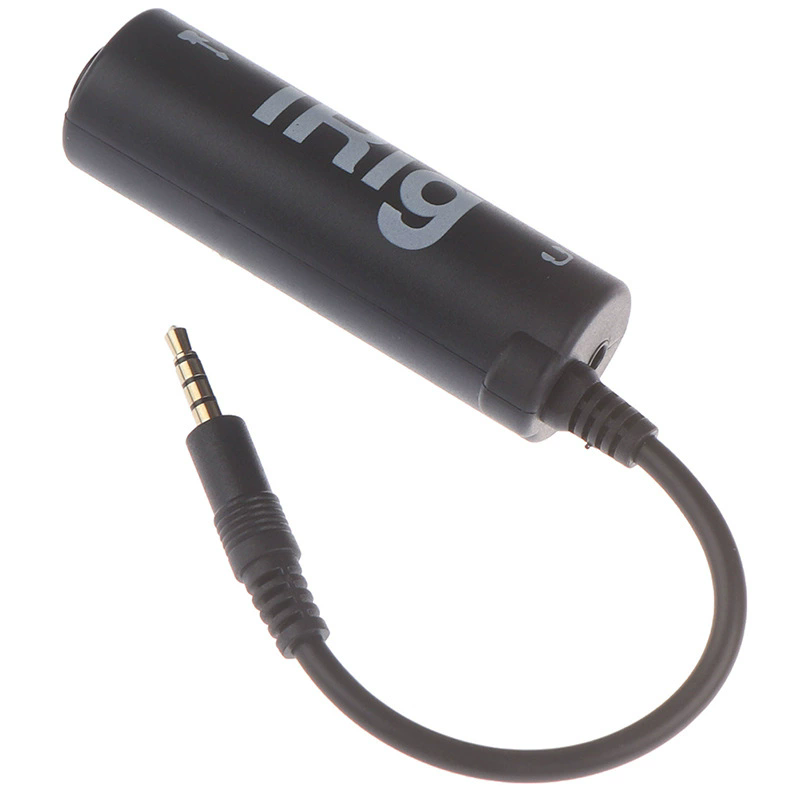
Wholesale 3.5mm Converter Guitar Bass Interface Converter Adapter for Phone Tablet Recording
A low-cost recording accessory for phone/tablet lessons, online guitar courses and creator starter bundles that need a practical digital audio path.
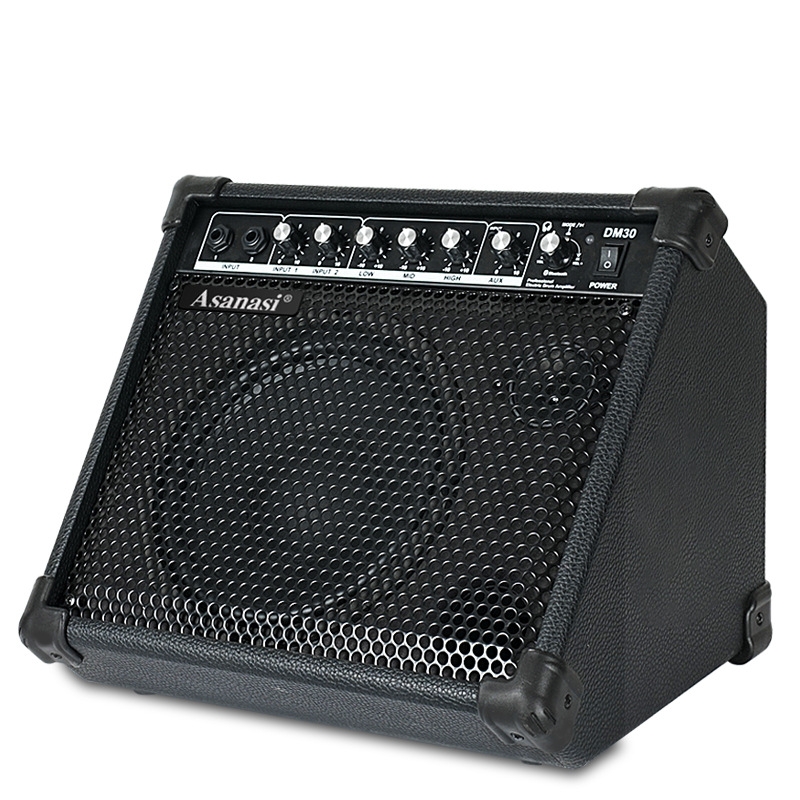
Wholesale Speakers Electronic Drums Rechargeable Portable Outdoor Wireless Stereo Amplifier
Rechargeable stereo amplification for electronic drums, classroom practice and busking. It helps retailers bundle sound with beginner rhythm products.
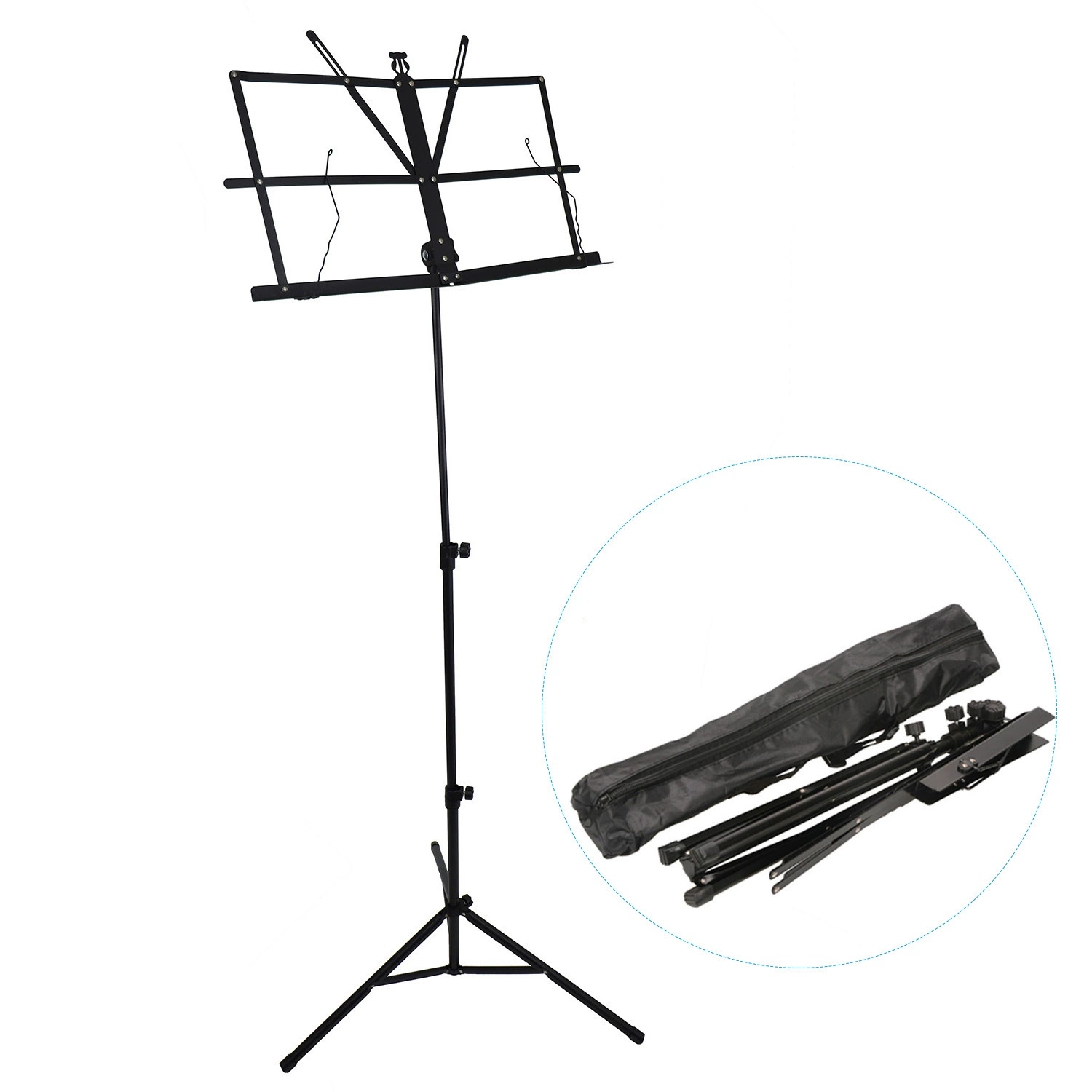
Factory Wholesale Small Size Portable Adjustable Music Stand With Bag
A high-frequency accessory for school, retail and online orders. Lightweight, portable and easy to combine in mixed containers.
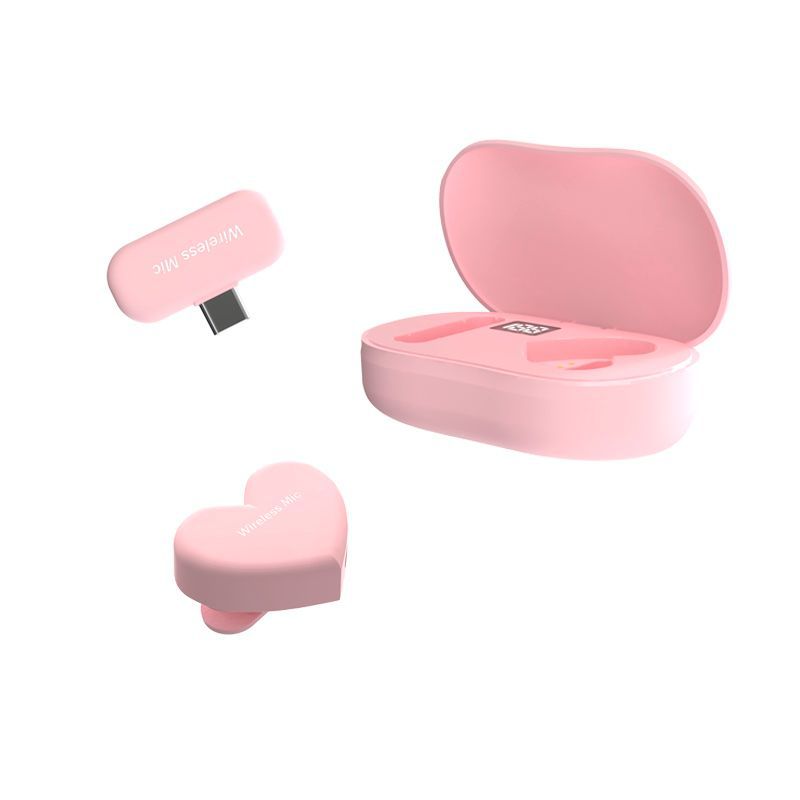
Stylish Pink Heart Wireless Mic with Clip Magnet Excellent for Vlog Recording on Mobile Compact Charging Case Portable Mic
A vlogging and lesson-recording accessory with clip, magnet and charging case. It appeals to social-commerce, gift and beginner-content bundles.
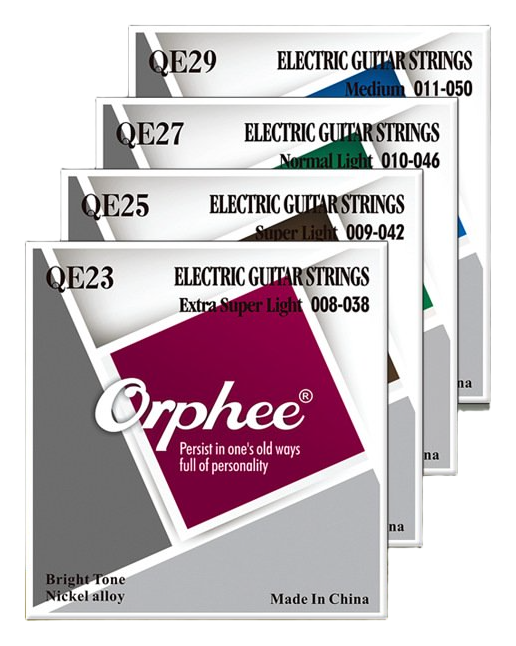
Wholesale Coated Nickel Core Electric Guitar String Set
A reliable consumable for after-sales replenishment and private-label string programs. Strings create repeat revenue long after the guitar is sold.
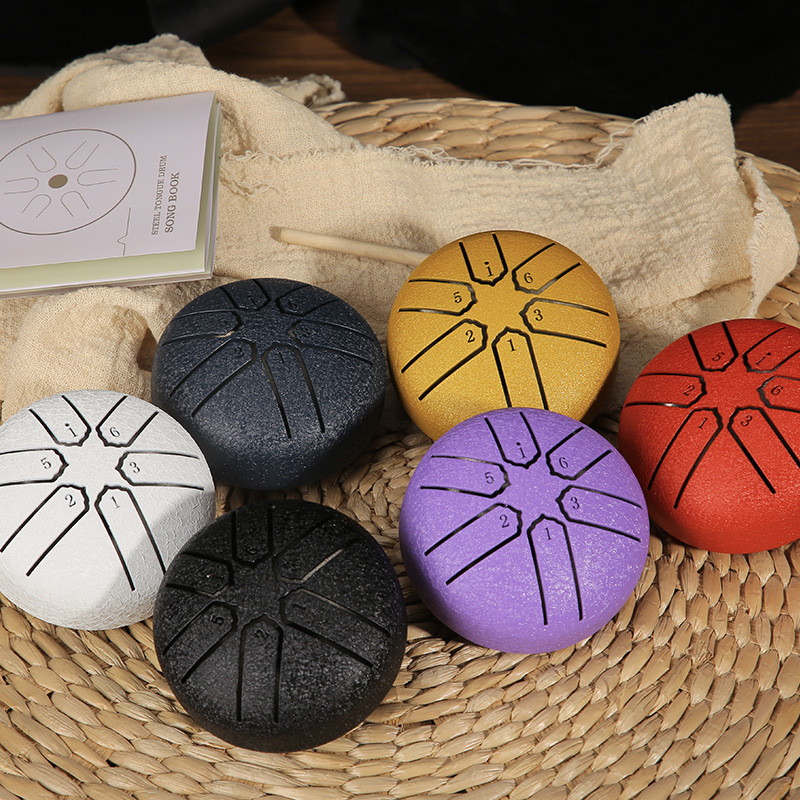
3 Inch 6 Notes Mini Steel Tongue Drum, Easy Learn Percussion Instrument, Kids Hand Drum Toy for Boys Girls Wholesale
A low-risk gift, toy-channel and music-discovery item. It works well beside beginner guitars in lifestyle and holiday displays.
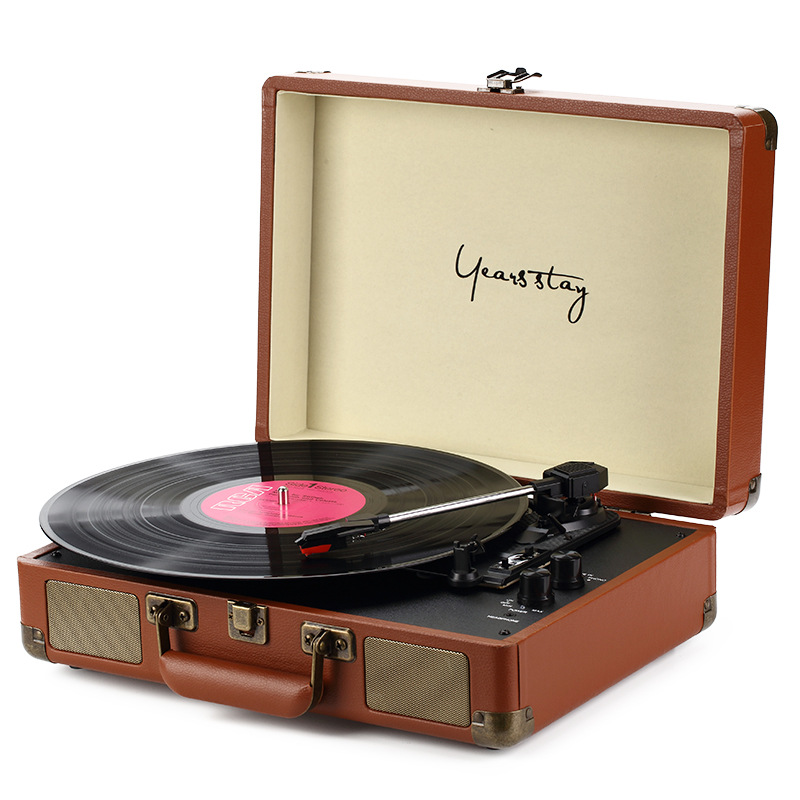
Portable Mini Phonograph Desktop Vinyl Record Player Handheld Wireless for Speaker Turntable
A music-lifestyle upsell for gift, home-retail and concept-store displays. Useful for buyers testing retro-audio assortments.
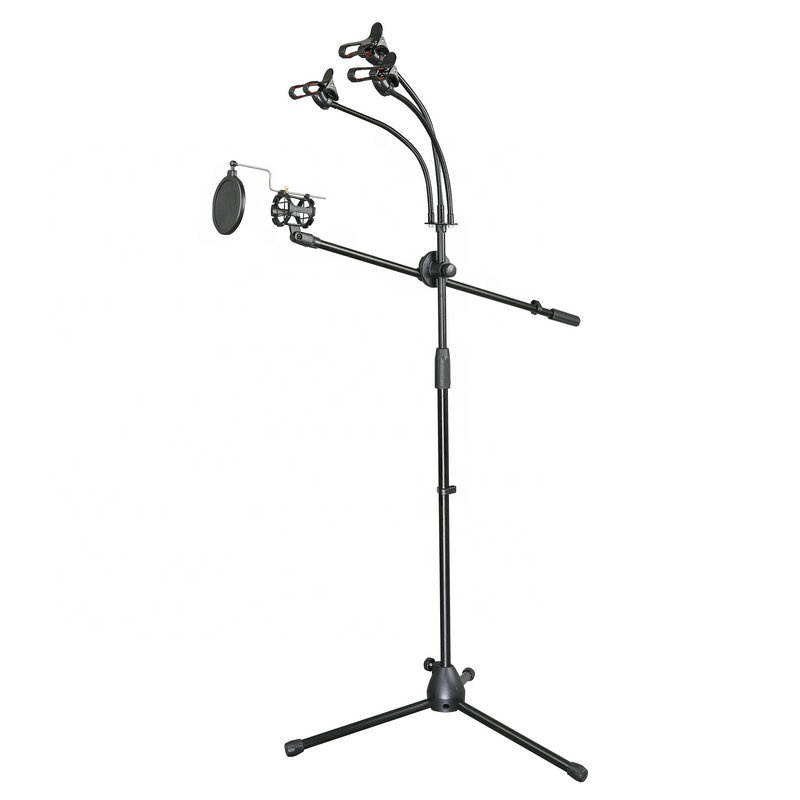
Three Mobile Phones with Horizontal Bars for Live Streaming, Floor Standing Three Legged Microphone Stand
Content-creation hardware for lessons, gear reviews and live commerce. It fits creator-oriented retail displays and school media clubs.
Why China Wholesale Beginner Guitar Factories Still Set the Benchmark
The search intent behind “China wholesale beginner guitar factories & factory” is rarely just a price request. It usually combines supplier discovery, factory verification, product fit, low-MOQ testing and long-term supply security. A buyer may need a beginner acoustic guitar factory for school tenders one month, and a mixed container of smart guitars, strings, stands and recording accessories the next. That is why the strongest sourcing partners are not simply trading portals; they are supply-chain coordinators with factory relationships, inspection discipline and export documentation experience.
China’s advantage in beginner guitars comes from an unusually deep ecosystem: tonewood and laminate suppliers, hardware and tuning-machine clusters, fretwork and finishing workshops, pickguard and packaging specialists, and final assembly teams capable of producing at multiple quality tiers. For a buyer, however, the real question is not “Is China competitive?” but “Which factory can deliver consistent action, intonation, cosmetic quality, stable packaging and repeatable documentation?” A beginner guitar must feel playable out of the box. If the action is too high, the tuners slip, the fret ends are sharp or the bridge lifts during transit, the buyer inherits returns and reviews that no low unit price can offset.
A 9-Point Factory Audit for Beginner Guitar Programs
Playability and setup discipline
Ask how action, neck relief, nut height, saddle height and intonation are checked. A beginner guitar factory should have measurable setup standards, not subjective “good enough” claims.
Tonewood and laminate documentation
Confirm whether the body is basswood, linden, spruce, acacia, zebrawood or ABS. Require material declarations and sample photos so the retail listing matches the shipment.
Hardware and tuning stability
Inspect tuning machines, truss rods, bridges, saddles, strap buttons and jack plates. Beginner buyers should test tuning stability after a short settling period.
Finish, fretwork and cosmetic control
Ask for inspection criteria covering scratches, glue residue, sharp fret ends, binding gaps, paint runs and logo placement before packaging.
Packaging and humidity protection
Beginner guitars travel through multiple climates. Review inner cartons, foam support, bag options, desiccant use and drop-test evidence for retail-ready packaging.
OEM / ODM and private-label capability
Clarify logo, headstock, packaging, manual, color and model adjustments. Assessed capabilities should include sample-based and design-based customization.
Low-MOQ sampling and mixed orders
A good partner allows from 1 piece for sampling, then 2–10 pieces per model for instruments. Mixed-category orders reduce inventory risk for new beginner programs.
Third-party assessment and compliance
Prefer suppliers with onsite verification. WPI has been assessed onsite by Intertek, with verified premises, capabilities and finished-product inspection processes.
Export documents and Incoterms
Confirm FOB, CIF, DDP or express delivery options, payment currencies, inspection documents and after-sales responsibility before you compare factory quotes.
| Buyer Segment | Recommended First Order | Why It Works | Factory Controls to Request |
|---|---|---|---|
| School and education tenders | 39-inch classical guitars, 40-inch acoustic guitars, music stands and spare strings | Predictable sizing, easy group teaching and lower damage risk | Setup checklist, batch consistency, carton drop test and spare-parts ratio |
| Online marketplace sellers | 40–41-inch beginner acoustic guitars plus branded accessories and creator bundles | High visual appeal, competitive landed cost and repeat accessory sales | Retail-ready photos, logo options, packaging quality and fast reorder capacity |
| Music retail stores | 38–41-inch acoustic, 39-inch classical and solid-top step-up models | Price ladder from entry to upgrade; in-store setup services add margin | Fretwork, action range, tuner quality, color consistency and MOQ flexibility |
| Gift, toy and lifestyle channels | Mini tongue drums, ABS ukuleles, music stands and wireless microphones | Lower commitment, gifting appeal and seasonal display potential | Child-safe materials, color fastness, packaging language and mixed-carton planning |
Future Procurement Trends: 2026–2030
The next buying cycle will reward importers who combine small test orders with rapid reorder capability. Beginner instruments are increasingly sold through content-led retail, school programs and marketplace bundles, so procurement teams need suppliers who can adapt packaging, accessories, photos and documentation without forcing a full-container commitment on every SKU.
Low-MOQ test-and-scale buying
Buyers are increasingly sampling 1–10 pieces before scaling. Factories that support mixed models and accessory consolidation will win repeat orders from lean inventory teams.
Mixed-category containers
Guitars, stands, strings, microphones, percussion and live-streaming gear are moving into one procurement plan. One-stop sourcing reduces freight waste and supplier management risk.
Private-label content bundles
Retailers want a guitar, tuner, strings, lesson QR code, microphone and stand under one brand story. Packaging, manuals and images become part of the factory brief.
Traceable quality and reports
Third-party assessment, inspection records and consistent product photos reduce disputes. Semantic search rewards suppliers who publish verifiable proof, not vague claims.
Omnichannel-ready packaging
Products must survive e-commerce parcels and look presentable on a shop floor. Buyers will ask for stronger inner protection, barcode placement and multilingual labels.
Smart and silent practice products
Headphone-ready guitars, smart stringless instruments, mini amps and silent practice tools are expanding beginner use cases in apartments, dorms and online lessons.
Product Development Trends Shaping Beginner Guitars
Setup-first engineering
Beginner instruments are being designed around lower action, comfortable neck profiles, smooth fret ends and stable tuning. The factory brief is shifting from “make it cheap” to “make it playable and repeatable.”
Climate-ready laminates
Laminated basswood, linden, acacia and zebrawood remain important for markets with humidity swings. Solid spruce tops are reserved for step-up models where tone and price can support careful handling.
Lesson and creator integration
Accessories such as recording adapters, wireless microphones, live-streaming stands and portable amps turn a beginner guitar into a content-ready starter kit for online lessons and social selling.
Safer, more sustainable materials
Retailers are requesting low-odor finishes, child-safe plastics, recyclable packaging and clearer material declarations. These details increasingly influence marketplace approval and brand reputation.
What WPI International Trade Brings to Your Beginner Guitar Order
WPI International Trade Co., Ltd. (Huizhou) began exporting musical instruments from Hong Kong in June 2010 and established its Huizhou, Guangdong operation in 2014. The team today numbers 28 people, with 22 in trading and export roles, supporting importers, distributors, retailers and schools worldwide. The company specialises in ukuleles, acoustic and electric guitars, and extends into violins, cellos, saxophones, clarinets, drums, keyboards, steel tongue drums and accessories — a catalog of 1,000+ instruments and add-on items for one-stop sourcing.
For a beginner guitar program, that breadth matters. A buyer can consolidate acoustic guitars, classical guitars, strings, stands, recording adapters, microphones and percussion items in one shipment, then reorder the winning SKUs without rebuilding the supply chain. WPI’s stated goal is long-term cooperation: protecting the buyer’s market, keeping quality consistent and pricing reasonable so both sides win. The company has been assessed onsite by Intertek, with verified main markets in North America, Western Europe, Southeast Asia and South America, and reported annual sales of US$9,000,000.
Intertek-assessed supplier credentials
Premises, legal status and capabilities were verified onsite. The assessment covers finished-product inspection and multiple customization levels, giving buyers a documented starting point for due diligence.
Low-MOQ sampling that protects cash flow
Many guitars, ukuleles, violins and saxophones can start from 1 piece for sampling, with typical wholesale MOQs of 2–10 pieces per model and 20–600 sets for strings and small accessories.
One-stop consolidation and export support
Combine guitars, violins, drums, keyboards and accessories in one container. Payment options include T/T, L/C, D/P, D/A, credit card, PayPal, Western Union and escrow; delivery terms include FOB, CIF, DDP and express.
Brief
Share model, size, tonewood, logo, packaging and target market.
Proposal
Match workshops and recommend specifications, accessories and packaging.
Sampling
Approve a pre-production sample before committing to mass production.
Production
Mass production with in-process checks and agreed inspection criteria.
Inspection
Finished-product inspection covers appearance, hardware, tuning and packaging.
Shipping
FOB, CIF, DDP or express delivery — selected to fit your landed-cost plan.
How Specifications Become Repeatable Shipments
Consistency is the real factory advantage in beginner guitars. A seemingly minor change in action height, string gauge, tuner batch or carton padding can create a different customer experience. WPI’s quality-control approach centers on finished-product inspection before delivery, covering appearance, hardware, tuning stability and packaging. That inspection step matters most when an importer orders mixed models, because each SKU carries different cosmetic, hardware and setup risks.
Experience also shows in market exposure. WPI exhibited at Shanghai and Guangzhou music shows every year from 2014 to 2019, giving the team direct feedback from distributors, retailers and brand owners. A dedicated account manager follows the order from quotation to after-sales, while the broader export team supports documentation, payment terms and logistics. For buyers comparing China wholesale beginner guitar factories, this combination — catalog depth, assessed credibility, low-MOQ sampling, customization and an accountable contact — creates a practical E-E-A-T profile that is easier to verify than a generic “factory direct” claim.
Frequently Asked Questions for Wholesale Beginner Guitar Buyers
What is the minimum order quantity for wholesale beginner guitars and accessories?
Many guitars, ukuleles, violins and saxophones can be ordered from 1 piece for sampling. Typical wholesale MOQs are 2–10 pieces per model for instruments and 20–600 sets for strings and small accessories. Mixed-category orders are welcome, which lets buyers test a beginner guitar program alongside stands, strings, microphones and recording accessories.
Do you offer OEM and ODM customization for beginner guitar factories and private labels?
Yes. Third-party assessed capabilities include sample-based customization, minor customization such as logo, packaging and graphics, design-based customization and full customization. For guitar programs, buyers commonly request headstock logos, custom finish colors, branded gig bags, user manuals and retail-ready packaging.
How is product quality controlled before shipment?
Every order can go through finished-product inspection before delivery, covering appearance, hardware, tuning stability and packaging. WPI has also been assessed onsite by Intertek, and buyers can review assessment information before placing a first order. For beginner guitars, request an agreed setup and inspection checklist so expectations are documented.
Which payment and delivery terms are accepted?
Payment options include T/T, L/C, D/P, D/A, MoneyGram, credit card, PayPal, Western Union, cash and escrow. Delivery terms include FOB, CFR, CIF, EXW, FAS, CIP, FCA, CPT, DEQ, DDP, DDU, DAF, DES and express delivery. Confirm the best combination for your destination and order size during quotation.
Which markets does the supplier export to?
The main markets are North America, Western Europe, Southeast Asia and South America. Different markets require different packaging, plug types for electronic accessories, label languages and documentation, so share your destination country and sales channel at the inquiry stage.
Which beginner guitar sizes should a retailer stock first?
For many retail and school channels, 40-inch and 41-inch acoustic guitars cover a large share of adult beginner demand, while 39-inch classical guitars suit nylon-string teaching. For younger students, smaller bodies and short-scale models may be relevant, but the safest approach is to request samples and compare action, neck feel and tone before building a size ladder.
How can a buyer verify a China beginner guitar factory before ordering?
Review third-party assessment reports, request samples from the exact production line, measure action and neck relief, test tuners and intonation, and confirm packaging materials. Ask for a clear quotation that separates product, packaging, inspection and freight. A credible supplier will welcome measurable checkpoints rather than relying only on catalog photos.
How should a first wholesale order for beginner guitars be structured?
Start with a small sample order, then test two or three best-fit guitar models plus fast-turning accessories such as strings, stands and recording adapters. Use the first shipment to review packaging, setup consistency and sell-through data. Reorder winners and add new models only after the replenishment cycle is proven.
Ready to Compare Beginner Guitar Factories With a Clear Checklist?
Tell us your target market, quantities, preferred guitar sizes and accessory bundle. We will help you match models, review OEM options and plan a low-risk first order.