Eight Cross-Sell Products Buyers Can Consolidate with Bass Guitar Strings
Wholesale buyers rarely order one accessory line in isolation. A bass string program becomes more commercial when it is consolidated with adjacent instruments and accessories from a single qualified supplier. The eight products below are part of WPI's broader musical instrument catalog and can be mixed into sampling plans, trial orders and container consolidation projects.
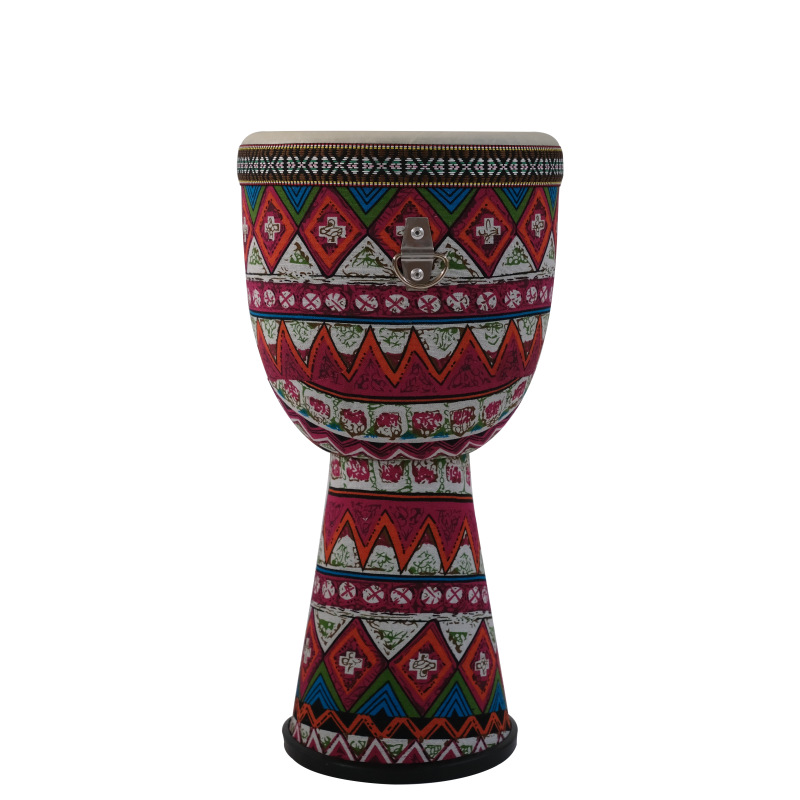
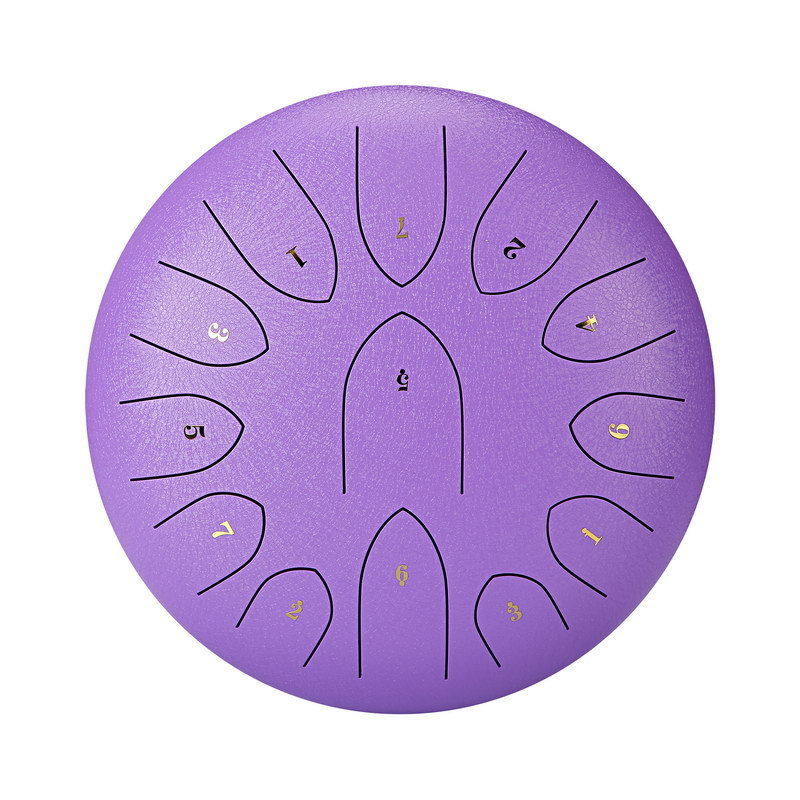
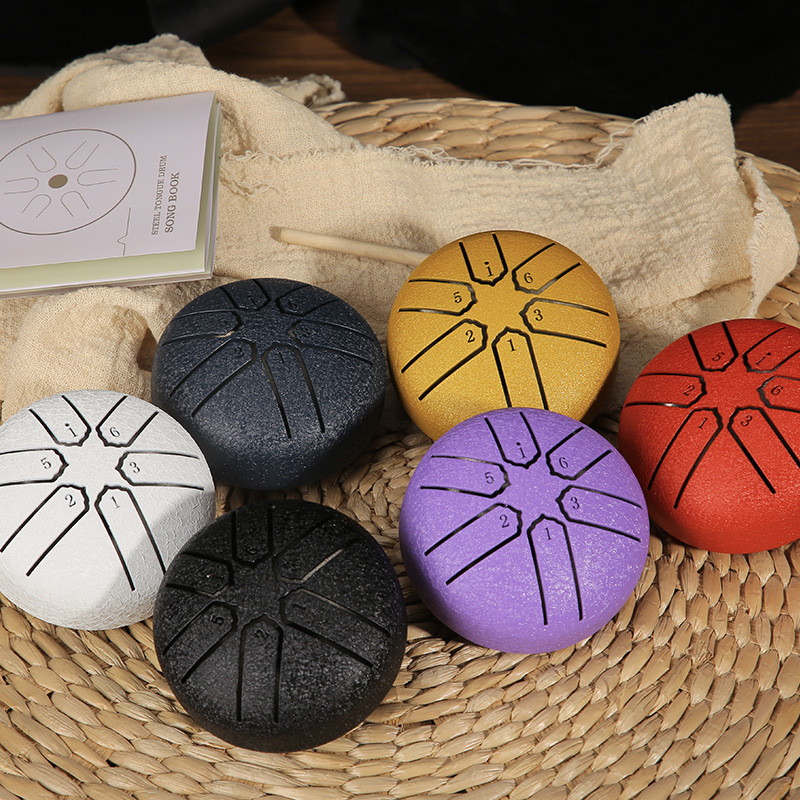
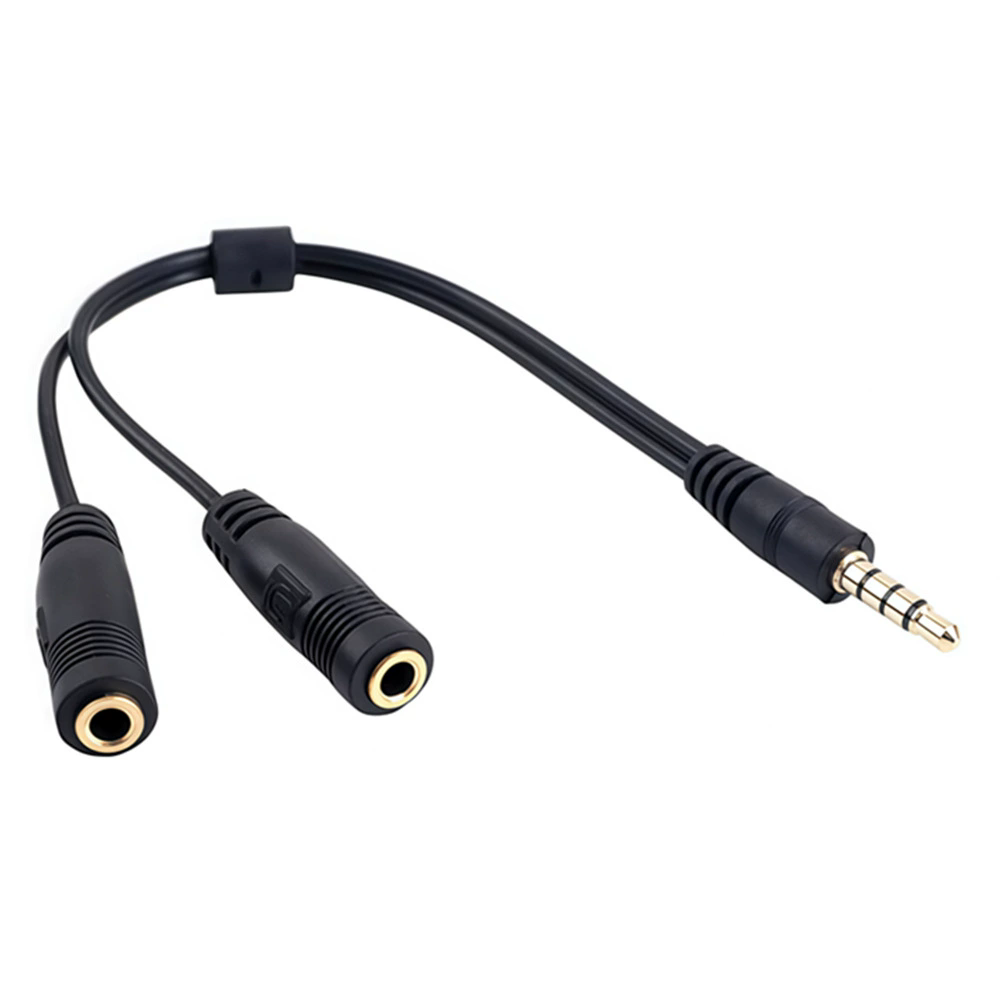
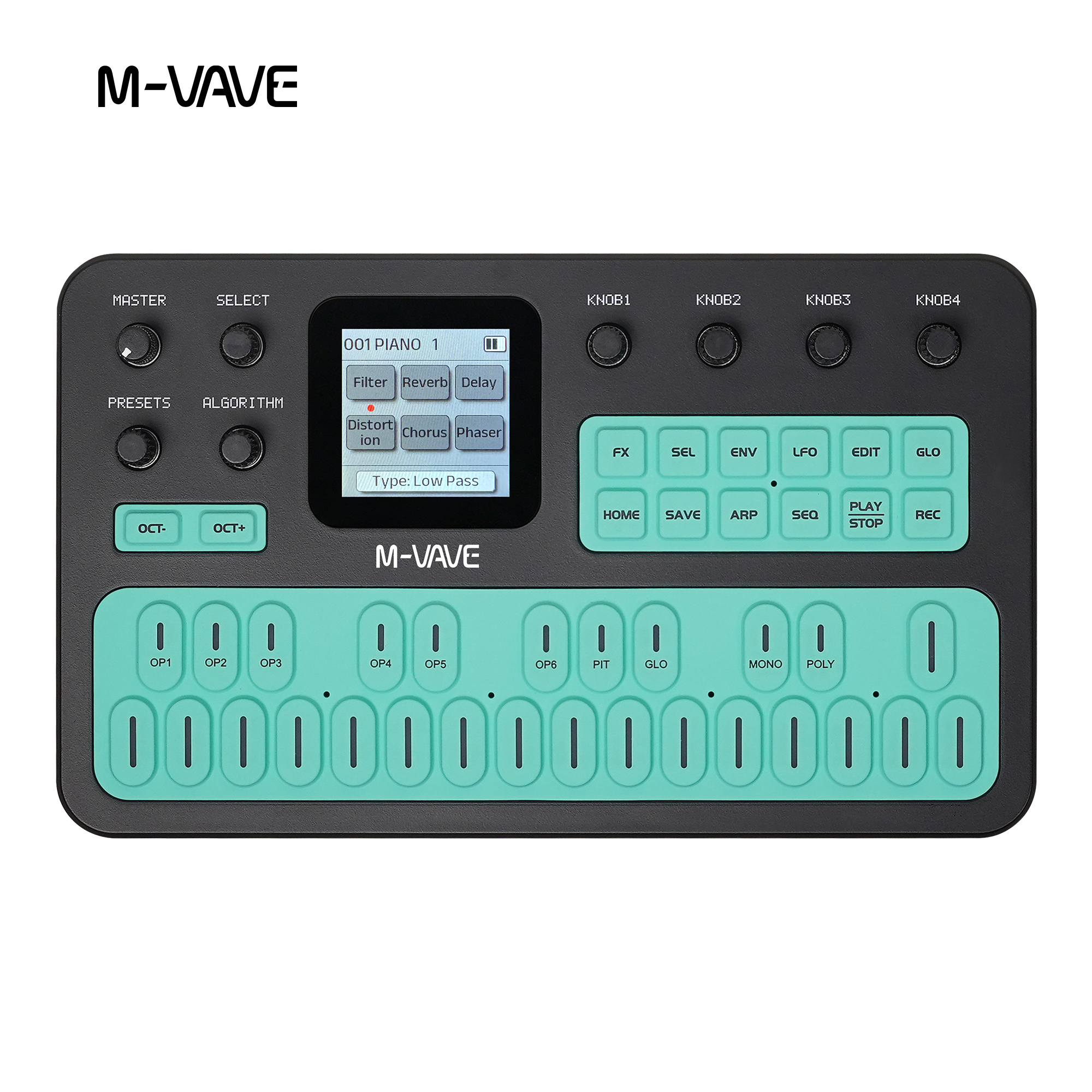
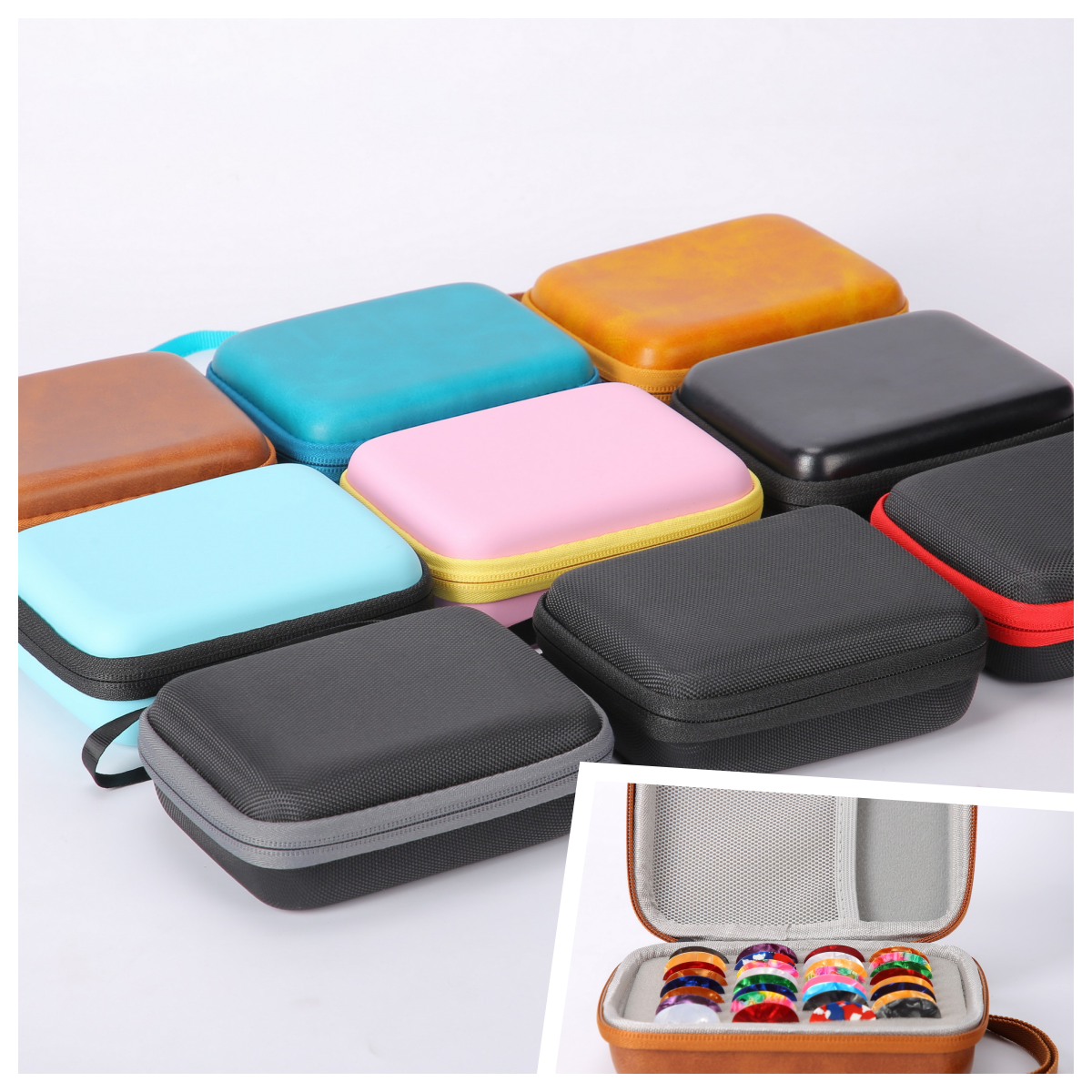
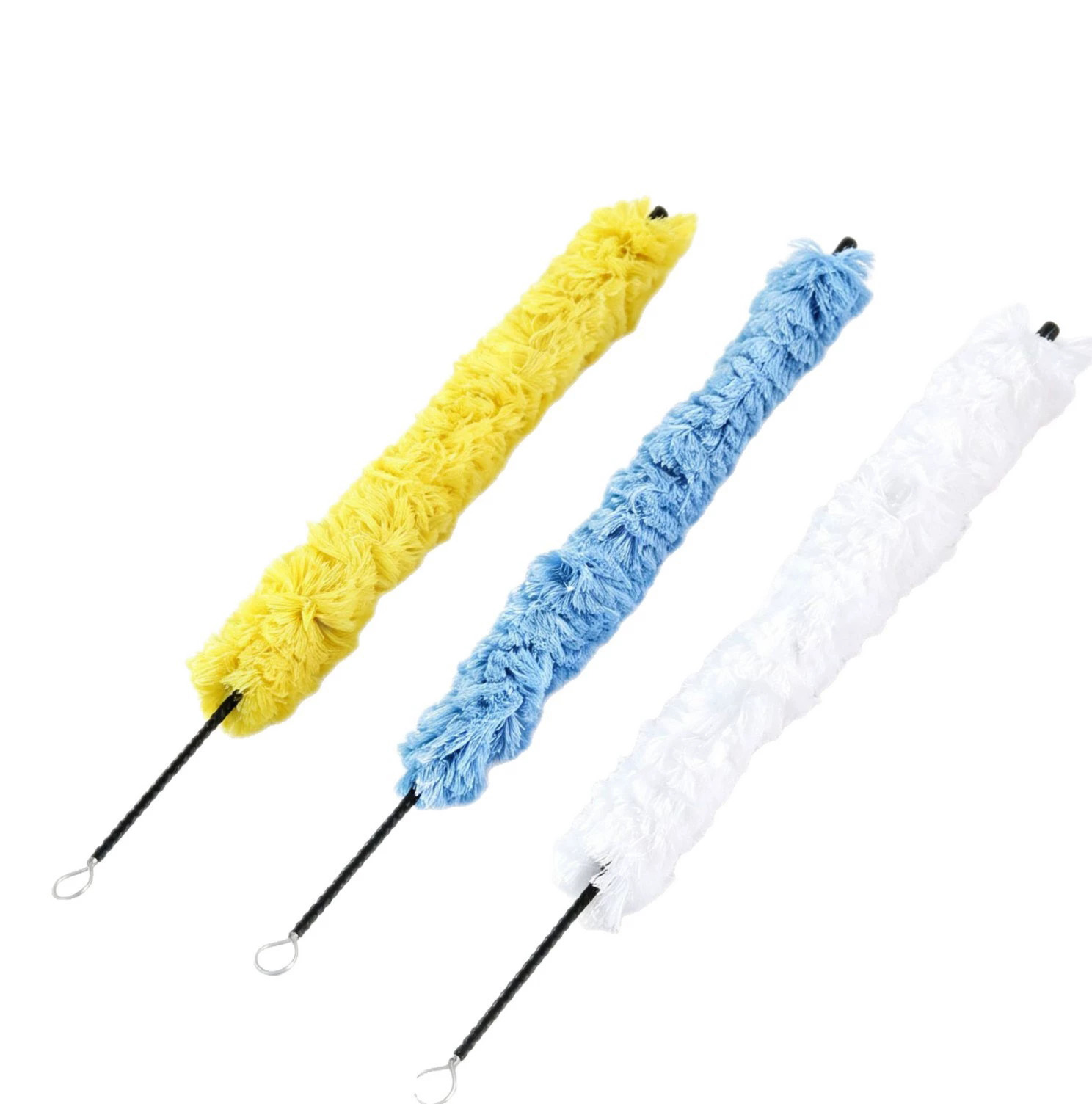
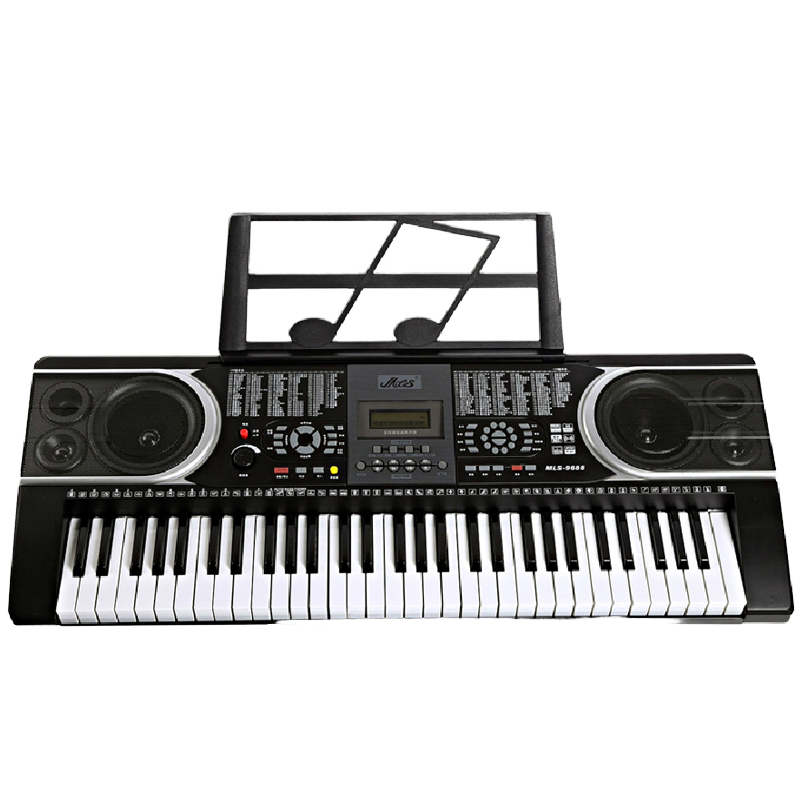
Product URLs are preserved from the original catalog. Bass string orders can be quoted as a separate line or consolidated with these products, subject to stock and production lead times.
Years of musical instrument export experience
Annual export value, third-party assessed
Average inquiry response rate
Average verified buyer rating
Wholesale Bass Guitar Strings from China: Procurement Value and Buyer Fit
Bass guitar strings are a strategic repeat-purchase accessory: players replace them far more often than they replace an instrument, and retailers can use the category to increase visit frequency, basket value and customer lifetime value. For importers, the opportunity is not simply to find the lowest price per set. It is to build a repeatable assortment where gauge, tone, coating, packaging and availability stay consistent across reorders.
China remains a deep sourcing base for string manufacturing because wire drawing, core preparation, winding, ball-end forming, coating, printing and packaging can all be coordinated within specialized supply clusters. The real advantage for a distributor is working with an exporter that understands specification control and can translate a commercial request into a production-ready brief. WPI has more than a decade of musical instrument export experience, an Intertek onsite assessment, and a quality process that inspects finished products before delivery. For bass strings, that process includes checking winding tension, ball-end security, string length, gauge accuracy, coating appearance, final packaging and barcode readiness.
String-Focused Specification Control
Core type, wrap material, winding tension, gauges, taper and string length are defined before production. This reduces the risk of inconsistent tension, dead-sounding B strings, premature corrosion and returns from online buyers.
Broad Gauge and Material Range
Four-, five- and six-string sets; short, medium, long and extra-long scale options; nickel-plated steel, pure nickel, stainless steel, flatwound, coated and multi-scale constructions can be planned as one commercial assortment.
Low-MOQ Private Label Readiness
Sampling can start from a single piece for selected items. Typical string accessory programs run from 20 to 600 sets depending on packaging, printing and material requirements. Logo, hangtag, barcode, language and master carton customization are supported.
Container Consolidation
Bass strings can be combined with instruments, stands, cases, small accessories and educational products. One export document set, one inspection plan and one shipment can serve multiple sales channels and reduce landed logistics complexity.
Recommended Bass Guitar String Assortment for Wholesale Buyers
A strong first order is rarely a catalogue of every possible SKU. A more commercially balanced plan follows a 70 / 20 / 10 assortment logic: 70% proven core sellers, 20% premium or specialist strings, and 10% test SKUs for new accounts, content testing or regional demand. The six groups below are practical starting points for distributors, music retailers and private-label brands.
Nickel-Plated Steel Roundwound, 45–105
The most versatile volume product for rock, pop, worship, cover bands and general retail. Nickel-plated steel delivers a familiar bright-but-controlled tone and comfortable feel. For many importers, this is the anchor SKU that should be available in 4-string long scale first, then expanded into 5-string and lighter/heavier gauge variants.
Pure Nickel Roundwound, 45–100
A warmer, vintage-leaning string for blues, soul, country, indie and classic rock buyers. Pure nickel sets support premium storytelling and can trade at a higher unit price than standard nickel-plated steel. Retailers should stock a focused range rather than multiple overlapping gauges, and use sound descriptions and artist references to support conversion.
Stainless Steel Roundwound, 45–130
Bright, aggressive and durable, stainless steel is a strong fit for rock, metal and players who value long-lasting attack. Five-string sets require particular attention to the B string: clarity, taper choice, winding consistency and overall string length must be checked before shipment. This segment benefits from clear tension charts and sound samples.
Flatwound, 45–100
Flatwound strings are smooth to the touch, warm in tone and deeply associated with jazz, Motown, retro pop and session players. Turnover is usually slower than roundwound strings, but the average selling price is higher and customer loyalty can be strong. Stock fewer gauge options and invest in accurate product education.
Coated Roundwound, 40–100
Coated strings address corrosion, sweating, humidity and long intervals between string changes. They are attractive for touring players, online sellers and markets where replacement is inconvenient. The buying decision depends on coating consistency, feel and how well the benefit is explained. Include tension, coating process and estimated lifespan in the product content.
Multi-Scale and Taperwound Sets, 45–135
Fanned-fret and extended-range basses are still a specialist category, but they generate strong buyer engagement and repeat orders from progressive and modern metal players. Sourcing requirements include exact scale length, taper start point, ball-end type and overall winding length. A clear compatibility table is essential for reducing pre-sale questions and after-sales claims.
Materials, Winding and Coatings: What Wholesale Buyers Should Specify
Bass string specifications should be matched to the sales channel rather than selected only by material name. The same nickel-plated steel string can be positioned as a low-price student set or a premium private-label product depending on core construction, winding consistency, packaging and content quality.
| Specification | Tone and Feel | Best Buyer Channel | Procurement Note |
|---|---|---|---|
| Nickel-plated steel roundwound | Balanced, bright and familiar with a comfortable playing feel | General music retail, distributors, online marketplaces | Anchor SKU; order proven gauges first and expand after sell-through data |
| Pure nickel roundwound | Warm, rounded and vintage-oriented | Specialist retailers, blues and classic rock channels | Use fewer SKUs and support with accurate tone descriptions |
| Stainless steel roundwound | Bright, assertive and durable | Rock, metal, performance retail and online content-led stores | Check B-string clarity and taper consistency for five-string sets |
| Flatwound | Smooth, dark and stable | Jazz, soul, retro and session-player markets | Slower turnover but stronger margin; avoid over-assorting gauges |
| Coated roundwound | Protected tone, smoother feel and longer service life | Touring players, humid markets and e-commerce sellers | Validate coating appearance, packaging claims and educational copy |
| Hex core vs. round core | Hex core is stable; round core often feels more flexible and vintage | All channels, depending on product positioning | Define core type in the specification sheet before sampling |
First-Order Checklist for Bass Strings
- Confirm scale length: short, medium, long or extra-long.
- Specify 4-, 5- or 6-string sets and whether a tapered B string is required.
- Lock gauges, core type, wrap material, coating and ball-end finish.
- Approve packaging artwork, barcode, hangtag, language and private-label details.
- Check master carton dimensions, net weight and pallet plan before shipment.
Starting from a sample pack is the most efficient way to test presentation, tension, packaging and buyer feedback. WPI can support sampling from selected items and coordinate the production brief with the relevant supply partner.
Contact UsFuture Procurement Trends for Wholesale Bass Guitar Strings
Inflation, shipping volatility, marketplace competition and more demanding product content are changing how musical instrument buyers purchase strings. The next procurement cycle will favor suppliers who can combine competitive factory pricing with smaller test orders, reliable reorders and retail-ready information.
Low-MOQ Test Market Orders
Buyers increasingly launch a small batch, measure sell-through and reorder winners. This shifts the supplier relationship from one-time quotation to rapid replenishment. Flexible MOQs, accurate lead times and mixed-model ordering become more valuable than a nominal price reduction on a large speculative order.
Private Label and Localized Packaging
Retailers want their own brand, language, barcode, QR code, hangtag and packaging claim. A bass string supplier's ability to handle artwork approvals, dielines and barcode compliance is now part of the procurement decision, not a secondary design task.
Long-Life and Coated Strings
Players are paying more attention to cost per hour and replacement convenience. Coated strings create a strong product story for humid climates, touring musicians and e-commerce sellers. The commercial opportunity depends on consistent coating quality, realistic performance claims and packaging that protects the string before use.
Retail-Ready Product Data
Marketplace listings require clear gauge tables, tension data, scale compatibility, images, carton dimensions, HS codes and barcode compliance. Suppliers that provide structured product information reduce listing time for distributors and improve conversion for online resellers.
Illustrative Buyer Demand Signals for Bass String Sourcing
Directional planning signal based on wholesale inquiries, retail requests and private-label discussions, not a market forecast.
Product Development Trends in Bass Guitar Strings
Bass string innovation is moving in two directions at once: more technical performance for extended-range and modern players, and more retail-ready execution for mainstream buyers. Suppliers that can document both the engineering and the commercial story will be better placed to support private-label growth.
Tension-Balanced Sets
Multi-scale and five-string basses require more than a longer string. The B string must feel controlled, intonate reliably and retain clarity. Buyers are requesting tension-balanced sets, tapered B strings and clear scale-length compatibility tables that help customers choose correctly.
Corrosion-Resistant Coatings
Humidity, sweat and long storage periods damage uncoated strings. Nano-coating and advanced polymer coatings can preserve tone and feel, but consistency matters. Suppliers need to control coating thickness, drying, string cleanliness and packaging protection.
Reduced and Recyclable Packaging
European and North American buyers are reviewing packaging waste, plastic use and material claims. Recyclable paper sleeves, reduced plastic, FSC-certified board and accurate labeling are becoming part of the product brief for private-label string programs.
Digital Authentication and Support
QR codes can link to setup guides, gauge charts, sound samples, care instructions and authenticity checks. This improves customer experience and helps distributors create product pages faster. It also creates an additional layer of brand protection for private-label lines.
Why WPI Is a Reliable China Bass Guitar Strings Supplier & Exporter
WPI International Trade Co., Ltd. (Huizhou) is not an anonymous marketplace listing. The company began exporting musical instruments from Hong Kong in June 2010 and established its Huizhou, Guangdong operation in 2014. A team of 28 people, including 22 in trading and export roles, supports importers, distributors, retailers and schools across North America, Western Europe, Southeast Asia and South America.
Our operating model combines factory-direct sourcing with documented quality control. WPI has been assessed onsite by Intertek, with verified capabilities that include finished-product inspection, sample-based customization, minor customization such as logo and packaging, design-based customization and full customization. For a bass string program, this means the supplier relationship can cover product specification, private-label packaging, inspection records and export documentation.
Commercial credibility matters in a category where returns are expensive. WPI reports an assessed annual export value of US$9 million, 952 orders shipped in a recent six-month period, an average buyer rating of 4.6/5 and a 97.73% inquiry response rate. Main markets include North America, Western Europe, Southeast Asia and South America. The company accepts a wide range of payment and delivery terms, including T/T, L/C, D/P, D/A, credit card, PayPal, Western Union and escrow, with delivery options such as FOB, CFR, CIF, EXW, DDP, DDU and express delivery.

Quality First
A dedicated QC process inspects finished products before delivery, covering appearance, hardware, tuning stability, packaging and carton condition. For strings, this can include gauge verification, ball-end checks, winding appearance, coating review and private-label artwork confirmation.
Wide Selection
1,000+ instruments and accessories across guitars, ukuleles, violins, cellos, saxophones, clarinets, drums, keyboards, percussion and accessories are continuously updated. This allows buyers to test bass strings within a broader musical merchandise program.
Factory-Direct Sourcing
Long-term partner workshops in Guangdong support factory-level pricing, OEM and ODM development, sampling and production follow-up. Buyers receive a single commercial contact while multiple product categories are coordinated behind the scenes.
One-Stop Export Service
Consolidate bass strings, instruments, cases and small accessories in one shipment with documentation support and logistics planning. Low MOQ, mixed-category orders and multiple delivery terms help importers control cash flow and inventory risk.
OEM and Private-Label Workflow for Bass Guitar Strings
A controlled workflow reduces surprises between sample approval and mass production. The exact steps depend on whether the buyer needs stock strings, customized packaging or a fully developed private-label line, but the sequence below is a proven structure for wholesale sourcing.
Market Brief and SKU Plan
Define the target country, sales channel, player level, price band, core gauges, string materials and the first set of SKUs to test. Clarify whether the order is for retail, distribution, schools, e-commerce or private label.
Specification Sheet
Lock scale length, gauge set, core type, wrap material, coating, ball-end style, string length, packaging and barcode requirements. A written specification is the reference point for sampling and inspection.
Sampling and Approval
Pre-production samples are reviewed for tone, feel, winding consistency, packaging, print quality and compatibility with the target bass. Buyers should test the sample with representative players where possible.
Bulk Production
Production is scheduled after sample approval. In-process checks can cover wire input, winding, ball-end forming, coating, printing, count verification and packaging assembly, depending on the agreed quality plan.
Pre-Shipment Inspection
Finished products are inspected before delivery. The check can include appearance, gauge, labeling, barcode, packing quantity, carton weight, shipping marks and packaging condition. Inspection photos and records improve accountability.
Consolidation and Shipping
Choose FOB, CIF, DDP, DDU, EXW or express delivery based on the order size and destination. Bass strings can be consolidated with other approved products, then shipped with the required commercial documents.
Bass Guitar Strings Wholesale FAQ
What is the minimum order quantity for wholesale bass guitar strings?
Sampling can start from one piece for selected catalog items. For bass strings and small accessories, typical wholesale MOQs range from 20 to 600 sets depending on the material, gauge mix, coating, packaging and private-label printing. Mixed-category orders are welcome, and the final MOQ should be confirmed after the specification and packaging requirements are reviewed.
Can you customize packaging, logo, gauges and private-label artwork?
Yes. WPI supports sample-based customization, minor customization such as logo and packaging, design-based customization and full customization. For bass strings, buyers can discuss artwork, barcodes, hangtags, language, gauge labels, master cartons and barcode compliance. The approved artwork and specification sheet become the reference for production and inspection.
How do you control string quality before shipment?
Finished-product inspection is carried out before delivery, covering appearance, hardware, tuning stability, packaging and order accuracy. For string programs, the inspection plan can add gauge checks, ball-end security, winding appearance, coating review, string length, label accuracy and carton condition. WPI has also been assessed onsite by Intertek.
Which bass string materials and gauges should I order first?
Most mainstream buyers should start with nickel-plated steel roundwound 45–105 for four-string long-scale basses, then add a limited pure nickel or flatwound selection for specialist retail. Coated strings and five-string sets should follow once the basic assortment has proven sell-through. For online sellers, a focused range with strong product images and clear compatibility notes often performs better than a very broad low-stock catalog.
What payment and delivery terms are available?
Payment options include T/T, L/C, D/P, D/A, MoneyGram, credit card, PayPal, Western Union, cash and escrow. Delivery terms include FOB, CFR, CIF, EXW, FAS, CIP, FCA, CPT, DEQ, DDP, DDU, DAF, DES and express delivery. The recommended combination depends on order value, destination, shipping schedule and buyer preference.
Can bass strings be consolidated with other musical instruments?
Yes. WPI supplies a broad musical instrument catalog, including guitars, ukuleles, violins, cellos, saxophones, clarinets, drums, keyboards, percussion and accessories. Bass strings can be included in a mixed-category order or consolidated with other approved items to support container utilization and one-stop purchasing.
Which markets does WPI serve?
Main markets include North America, Western Europe, Southeast Asia and South America. With 12+ years of export experience, a 97.73% inquiry response rate, a 4.6/5 buyer rating and an Intertek onsite assessment, WPI is structured to support importers, distributors, retailers, schools and online sellers that need a reliable China-based musical instrument supplier.
Build Your Wholesale Bass Guitar Strings Program with a Verified China Supplier
Tell us your target market, preferred gauges, materials, packaging requirements and estimated order quantity. We will help you compare specifications, plan a low-MOQ sample order and prepare a private-label quotation for bulk bass guitar strings.
Contact Us