What “Top Leather Guitar Strap Exporter” Should Mean to a B2B Buyer
The search phrase China top leather guitar strap exporters & wholesaler is not a price query alone. It is a due-diligence query: buyers want a supplier that can protect brand quality, control material consistency and consolidate accessories without creating inventory risk.
A leather guitar strap is a low-weight, high-perceived-value accessory. For distributors, it is an add-on item that lifts average order value. For retailers, it improves basket size and merchandising. For instrument brands, it becomes a visible branding surface. That is why the difference between a good quote and a good supplier is rarely the FOB price alone. Edge cracking, inconsistent dye lots, sharp buckle edges, poor stitch density or an adjustment range that slips under instrument weight can generate returns, reviews and brand damage long after the container arrives.
China remains the most practical sourcing base for leather and PU guitar straps because the supply chain is integrated: leather finishing, webbing, foam padding, die-cutting, metal hardware, sewing, logo embossing, retail packaging and instrument assembly can be coordinated in one export program. The advantage is not simply “factory-direct”. The advantage is small-batch customization combined with export-ready quality control. Buyers should verify material declarations, test the hardware, approve a production sample and confirm the inspection checklist before bulk production.
This white paper is structured for that exact decision. It combines product recommendations, future procurement trends, product development direction, a supplier evaluation protocol and common wholesale FAQs. The company context comes from WPI International Trade Co., Ltd. (Huizhou), which has exported musical instruments since 2010 and established its Huizhou operation in 2014. Our 28-person team includes 22 trading and export staff, serving North America, Western Europe, Southeast Asia and South America. Verified data includes US$9M annual export sales, 952 orders in the last six months, a 97.73% inquiry response rate and a 4.6/5 average buyer rating. WPI has also been assessed onsite by Intertek.
Use this page as a sourcing brief, not a brochure. Compare the commercial signals, product construction details and supplier controls against your own target market, then request a specification-matched quotation.
Total Landed Cost: Where Leather Strap Buyers Should Negotiate
8 Product Recommendations for Leather Strap Buyers & Music Accessory Wholesalers
The selection below combines the lead leather-strap SKU with complementary cables, wireless systems, classroom percussion and travel instruments that improve mixed-container efficiency. Product URLs are preserved so your team can review exact specifications and quotation routes.
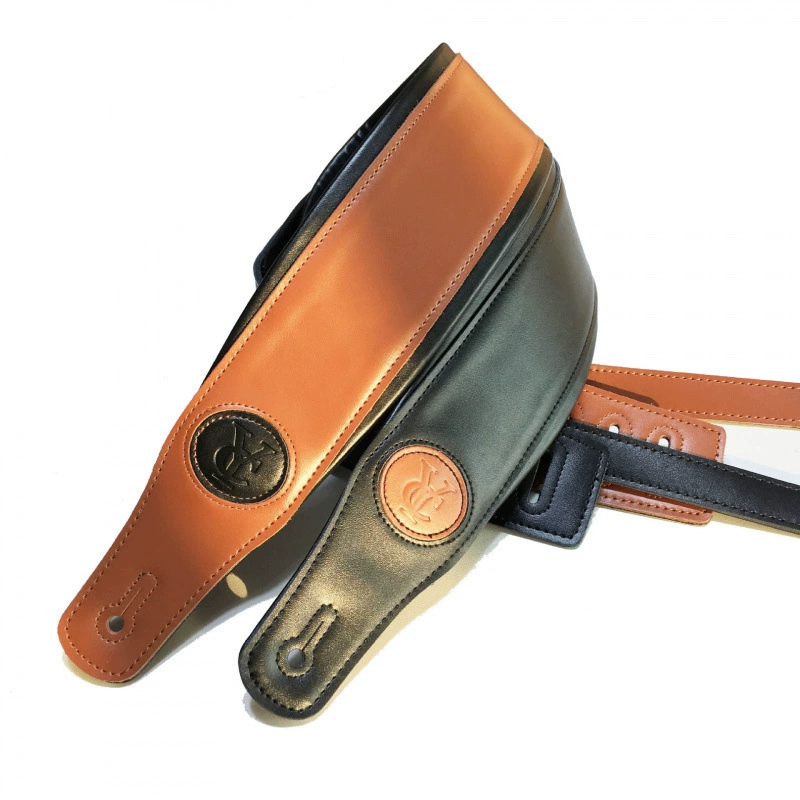
Wholesale Wide Padded Cowhide PU Leather Adjustable Soft Guitar Shoulder Strap for Acoustic Electric Bass Guitar
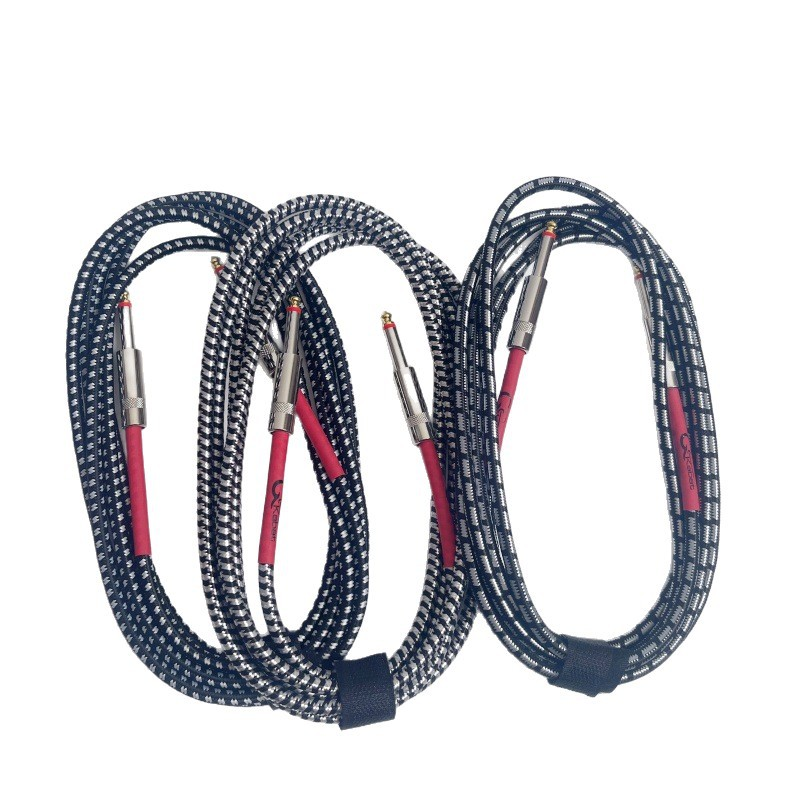
Braided Guitar Cable, 6.35mm Male to Male Noise Reduction Audio Cord for Bass, Instrument Connection Wire Wholesale
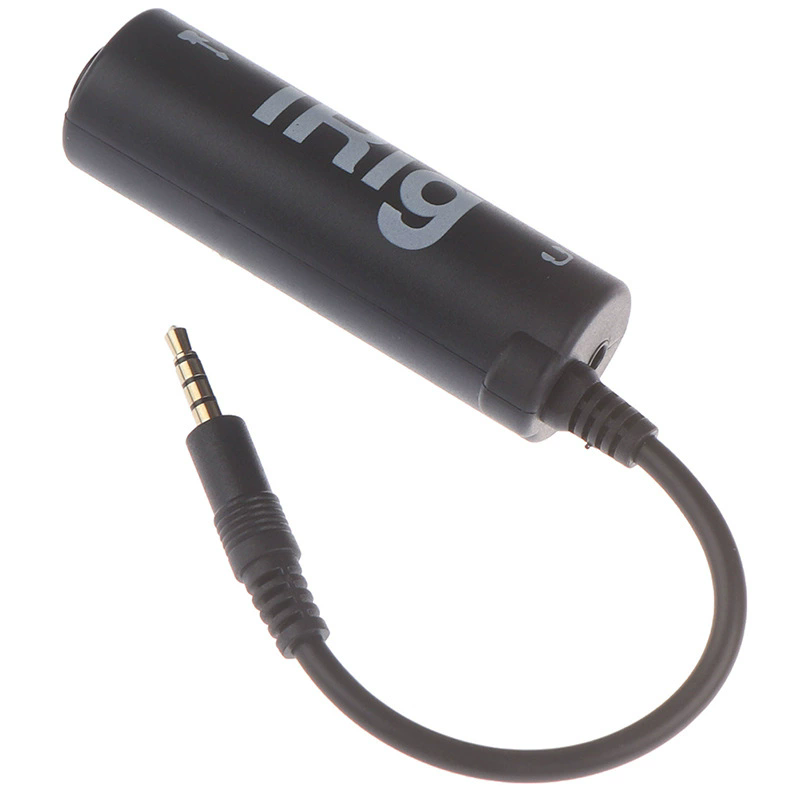
Wholesale 3.5mm Converter Guitar Bass Interface Converter Adapter for Phone Tablet Recording
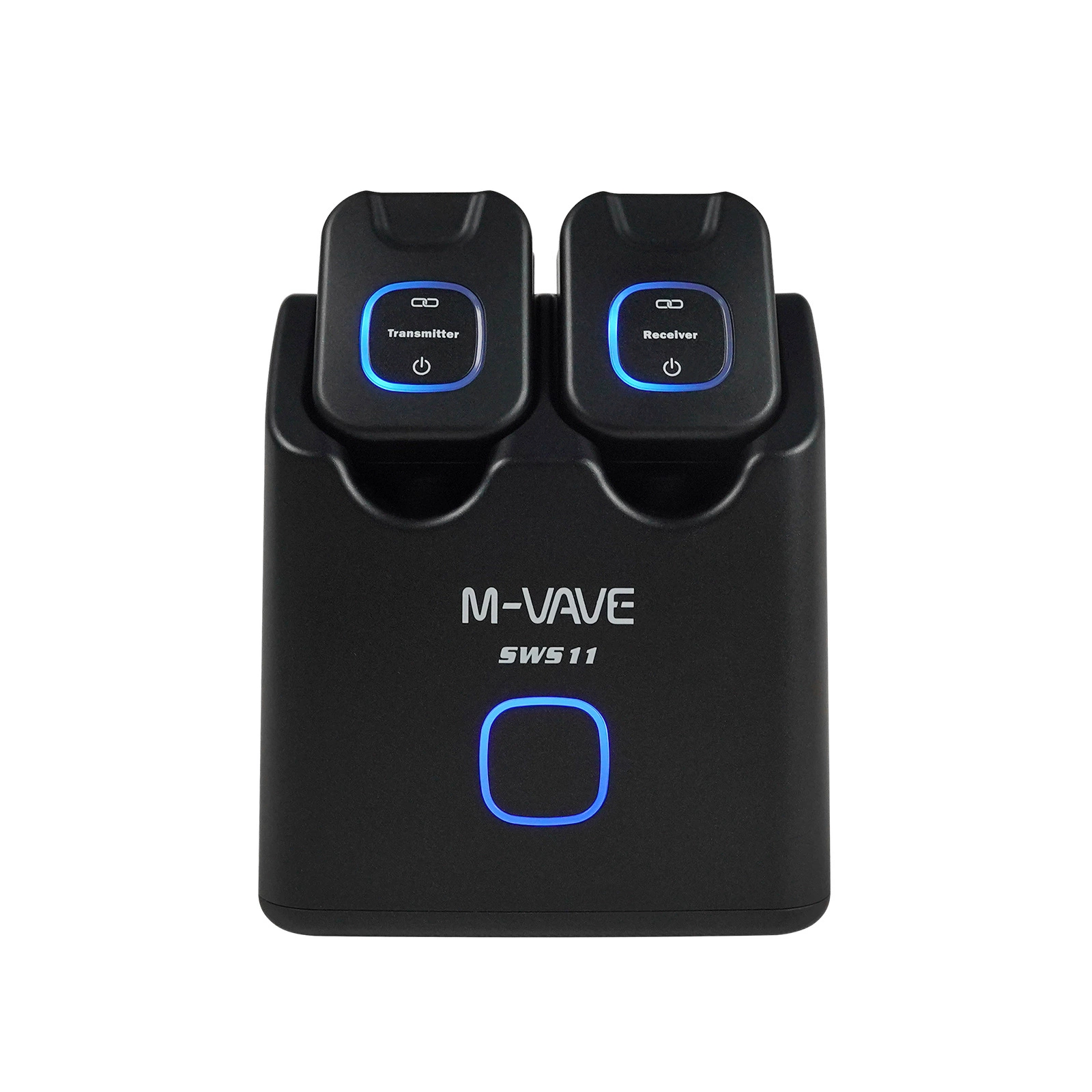
M-VAVE SWS11 2.4Ghz Wireless Guitar Audio System Rechargeable Transmitter Receiver with Charging Base
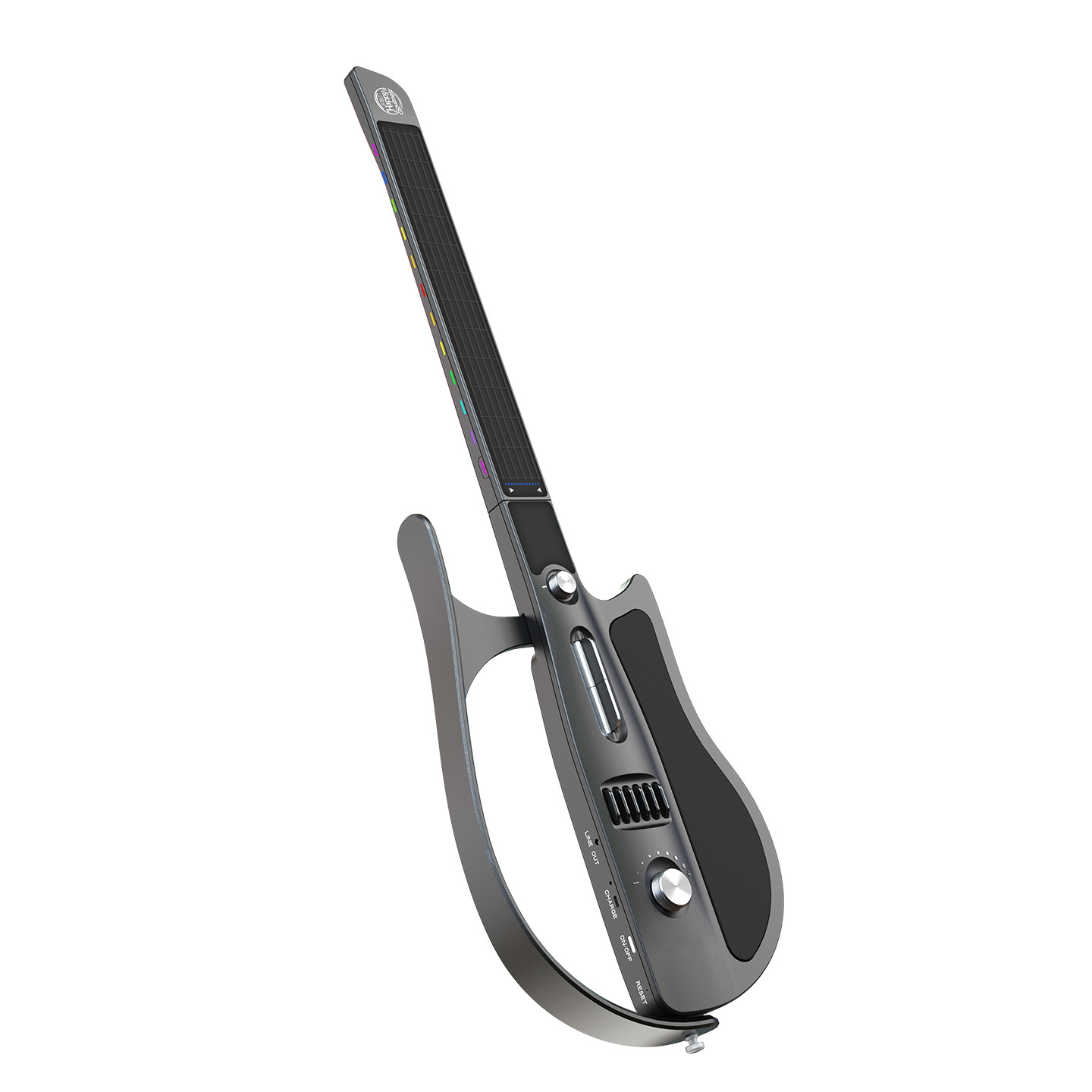
Hot Selling N1 Smart Accompaniment Stringless Guitar Smart Guitar Travel Guitar

Orff Percussion Melody Bell 8-Note White Push Bell Colorful Push Chime Kindergarten Early Music Teaching Aid 8 tones bell
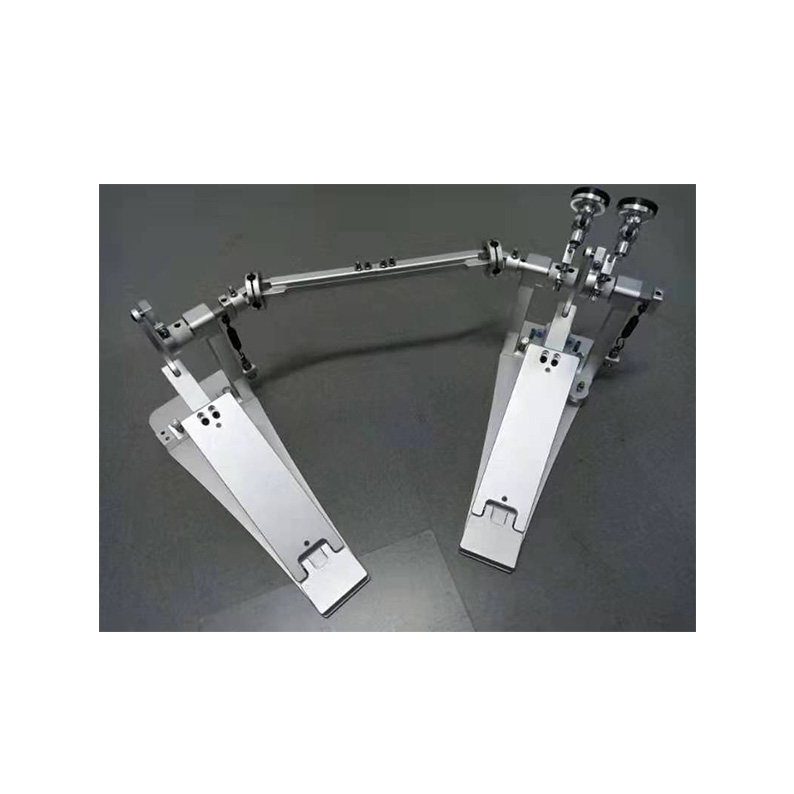
Brushed Silver Double Bass Drum Pedal Direct Drive Drum Kit Accessory
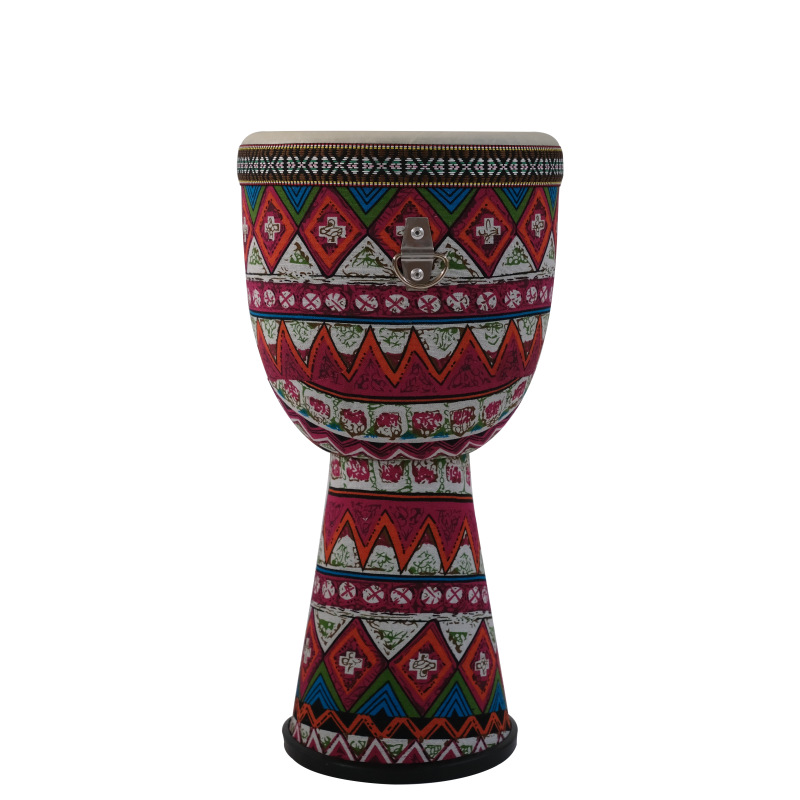
8 Inch African Djembe Drum, Lightweight PVC Fabric Hand Drum for Kids & Adults, Beginner Percussion Hand Beat Drum Wholesale
Buyer tip: lead with the leather strap, then add cables, adapters, wireless systems and classroom percussion to improve container utilization and reduce per-unit logistics cost.
Why Buyers Choose WPI for Leather Guitar Straps & Musical Accessories
A top exporter should reduce risk before it reduces price. These are the controls and capabilities buyers can verify during supplier assessment.
Intertek Onsite Assessment
Premises, legal status, main product lines and capabilities have been assessed onsite. Every order can go through finished-product inspection before delivery, covering appearance, hardware, stitching and packaging.
Low-MOQ, Mixed-Category Orders
Many models can start from 1 piece for sampling. Typical wholesale MOQs are 2–10 pieces per instrument model and 20–600 sets for strings and small accessories. Mixed-category orders are welcome.
OEM / ODM from Logo to Full Custom
Sample-based customization, minor customization for logo, packaging and graphics, design-based customization and full customization. For leather straps, discuss embossing, hardware finish, stitching color and retail packaging.
One-Stop Export Logistics
Accepted payment methods include T/T, L/C, D/P, D/A, MoneyGram, credit card, PayPal, Western Union, cash and escrow. Delivery terms include FOB, CFR, CIF, EXW, DDP and express delivery.
What Smart Leather Guitar Strap Buyers Are Changing
These are practical sourcing signals drawn from long-running export order patterns and the direction of music-accessory retail — not a generic forecast.
Test-and-Scale SKU Planning
Buyers are placing smaller trial orders across more colors and widths, then scaling only proven styles. Ask suppliers for MOQ by material, color and hardware finish, plus sample lead time. Mixed containers with straps, cables and percussion reduce inventory risk.
Compliance Evidence Before the PO
Restricted-substance documentation is moving from “nice to have” to a purchase-order condition. Expect requests for REACH and California Prop 65 review, azo dye, formaldehyde, heavy metals and nickel-release information. Vegan claims must cover backing, adhesive, thread and packaging.
Material Pluralism & Traceability
Genuine leather remains the premium choice, while PU, recycled webbing and alternative materials grow in price-led and vegan ranges. Buyers need clarity on leather origin, tannery, thickness, backing and color-fastness before approving a specification sheet.
Retail-Ready Personalization
Embossed names, metal plates, QR codes, hangtags and e-commerce photography turn a basic strap into a branded product. Personalization increases margin but also increases sample-approval requirements. Lock the artwork, placement and packing method before bulk.
How Leather Guitar Straps Are Evolving
Design changes should solve player problems: instrument weight, grip, heat, hardware wear and setup speed. These trends matter to private-label brands and accessory wholesalers alike.
Wider, Pressure-Distributing Padding
Wider 3–3.5 inch padded profiles and denser foam are being specified for acoustic and bass players. The goal is to spread load across the shoulder and reduce neck pressure during long sets, without making the strap stiff or difficult to store.
Quick-Release & Tool-Free Adjustment
Players want fast length changes, secure hardware and no metal-to-wood contact. Buckle placement, slider tension and strap-pin compatibility are becoming key sample-review points. Replacement hardware also supports after-sales service.
Sweat Management & Edge Durability
Breathable lining, sealed edges, anti-stretch backing and reinforced stitch ends extend product life in humid markets. For leather styles, edge paint and burnishing quality are as important as surface appearance. Buyers should inspect edges after wear testing.
Hardware as a Design Language
Brushed nickel, matte black, antique brass and custom-colored hardware help brands differentiate. The commercial trade-off is between visual appeal and load safety. Confirm buckle finish, sharp-edge control, adjustment range and stitching reinforcement.
| Material | Best-Fit Buyer | Strength | Watch-Out | OEM Options |
|---|---|---|---|---|
| Full-grain cowhide | Premium instrument brands | Durable, develops patina, strong perceived value | Higher cost and natural shade variation | Emboss, deboss, edge paint, metal plate |
| Top-grain leather | Mid-tier retail and distribution | More consistent surface and good value | Finish quality varies by supplier | Logo stamp, custom stitching, hangtag |
| Suede | Acoustic and bass accessories | Soft grip and breathable feel | Cleanability and color fastness need review | Contrast lining, embossed patch, packaging |
| PU leather | Vegan, price-led and online ranges | Easy-clean surface, color consistency | Durability depends on backing and thickness | Printed pattern, custom buckle, retail set |
| Nylon / webbing | Entry-level, school and bundle programs | Lightweight, strong and cost-effective | Less premium than leather | Woven label, screen print, mixed color packs |
| Vegetable-tanned leather | Craft and private-label niche | Tooling, embossing and natural aging | Break-in period and water sensitivity | Hand-finished edges, stamping, custom hardware |
How to Evaluate a China Leather Guitar Strap Supplier: 6-Point Protocol
Use this protocol before a sample order and repeat it before bulk. It is designed to protect your brand, not merely compare FOB prices.
1. Material Evidence
Ask for leather or PU origin, tannery, thickness, backing and color-fastness information. Confirmation of azo dye and restricted-substance controls should be available for your destination market. Keep a sealed reference sample.
2. Stitch & Edge Finish
Inspect stitch density, thread type, locked ends, edge paint or burnishing, and loose fibers. A strap can look correct at arm’s length while failing at the edges — the first place wear appears after daily use.
3. Hardware & Load Safety
Confirm strap-pin compatibility, buckle finish, adjustment range and sharp-edge control. Test the strap under the weight of the target instrument. Check that metal parts do not contact the guitar body during normal playing.
4. Sampling Protocol
Require the sample to use production leather, hardware, thread, logo and packaging. Photograph both sides, ends, stitching and logo placement. Sign or digitally approve the sample before bulk production begins.
5. Inspection & Packaging
Agree an inspection checklist and acceptable quality level before production. Review appearance, length adjustment, logo alignment, barcode, hangtag and export carton. Packaging damage is a retail problem, not just a packing detail.
6. Landed Cost & Flexibility
Compare FOB plus freight, duty, defect allowance and packaging — not FOB alone. Ask whether the supplier can consolidate straps, cables and percussion in one order. For repeat programs, confirm color consistency and reorder lead time.
About WPI International Trade Co., Ltd. (Huizhou)
WPI began exporting musical instruments from Hong Kong in June 2010 and established its Huizhou, Guangdong operation in 2014. Today, a 28-person team — including 22 trading and export roles — supports importers, distributors, retailers and schools worldwide. Our catalog extends across guitars, ukuleles, violins, cellos, saxophones, clarinets, drums, keyboards and accessories, giving buyers a practical one-stop sourcing route for leather straps and complementary products.
Main markets are North America, Western Europe, Southeast Asia and South America. Third-party assessed data includes US$9M annual export sales, 952 orders in the last six months, a 97.73% inquiry response rate and a 4.6/5 average buyer rating. WPI has been assessed onsite by Intertek and can arrange finished-product inspection before shipment.
- 12+ years in the musical instrument industry
- Intertek onsite-assessed supplier
- Low MOQ and mixed-category orders
- OEM / ODM customization support
- Pre-shipment quality inspection
- Dedicated export account management
Payment terms include T/T, L/C, D/P, D/A, MoneyGram, credit card, PayPal, Western Union, cash and escrow. Delivery terms include FOB, CFR, CIF, EXW, FAS, CIP, FCA, CPT, DEQ, DDP, DDU, DAF, DES and express delivery. These options allow buyers to structure a first leather strap order with realistic landed-cost planning.
 WPI team, showroom and warehouse — video introduction cover
 Musical instrument sourcing, warehousing and export operations in Huizhou, Guangdong
Leather Guitar Strap Wholesale FAQ
Answers to the most common buyer questions about MOQ, customization, material selection, quality control, compliance and shipping terms.
What is the minimum order quantity for custom leather guitar straps?
Many models can start from 1 piece for sampling. Typical wholesale MOQs are 2–10 pieces per model for instruments and accessories, and 20–600 sets for strings and small accessories. Leather straps with custom embossing, special hardware or retail packaging may require a higher trial quantity depending on material and production setup. Mixed-category orders are welcome, which helps distributors test a leather strap line alongside cables, wireless systems and percussion.
Can you add our logo to leather and PU guitar straps?
Yes. Common options include embossing, debossing, hot stamping, metal plates, woven labels, printed hangtags and retail packaging. We recommend approving a production sample with the final leather or PU, thread color, hardware finish, logo placement and packing method before bulk production. WPI’s assessed customization capabilities include sample-based customization, minor customization for logo, packaging and graphics, design-based customization and full customization.
Which strap width and material should we order for acoustic, electric and bass guitars?
For heavier instruments, start with 2.5–3.5 inch padded leather or PU straps with dense foam and reinforced ends. For beginner and price-led programs, thinner top-grain leather or PU can lower cost. Suede and breathable lining improve grip and comfort. Always test the adjustment range and strap-pin fit with the target instrument rather than relying on a generic size chart.
How do you control quality before shipment?
Every order should use an approved production sample, material verification, in-line stitching and hardware checks, and finished-product inspection. A typical inspection covers appearance, hardware, stitching, length adjustment, logo alignment and packaging. WPI has been assessed onsite by Intertek and can arrange finished-product inspection before delivery. Ask for the current assessment report and the agreed inspection checklist.
What compliance documents can buyers request for leather straps?
Depending on the destination market, buyers can request material declarations and test reports for restricted substances such as azo dyes, formaldehyde, heavy metals and nickel release. For California, discuss Prop 65 requirements early. If you market a product as vegan, document every component — including backing, adhesive, thread and packaging — rather than relying only on the outermost material.
Which markets do you export to, and what shipping terms are available?
Main markets are North America, Western Europe, Southeast Asia and South America. Delivery terms include FOB, CFR, CIF, EXW, FAS, CIP, FCA, CPT, DEQ, DDP, DDU, DAF, DES and express delivery. Payment methods include T/T, L/C, D/P, D/A, MoneyGram, credit card, PayPal, Western Union, cash and escrow. Your account manager can recommend a term structure based on order value, destination and inspection requirements.
Build a Leather Guitar Strap Program with a Verified China Wholesaler
Send your target market, preferred strap width, leather or PU specification, logo artwork, estimated quantity and packaging needs. Our export team will recommend suitable models and a practical quotation path.
Email: info@wpimusic.com · Huizhou, Guangdong, China