China Top Guitar Amplifier Factories & Supplier
A 2025 buyer’s guide for importers comparing Chinese guitar amplifier factories, OEM/ODM capability, pre-shipment quality control, low-MOQ musical instrument supply, and consolidated orders for amplifiers, guitars, and accessories.
8 Wholesale Products That Support Amplifier Retailers and Music Stores
For buyers sourcing guitar amplifiers from China, accessories and supporting instruments can increase cart value, reduce container waste, and improve the shelf mix. The eight products below are practical add-on SKUs for music retailers, schools, distributors, and online sellers. Product URLs are preserved exactly as supplied.
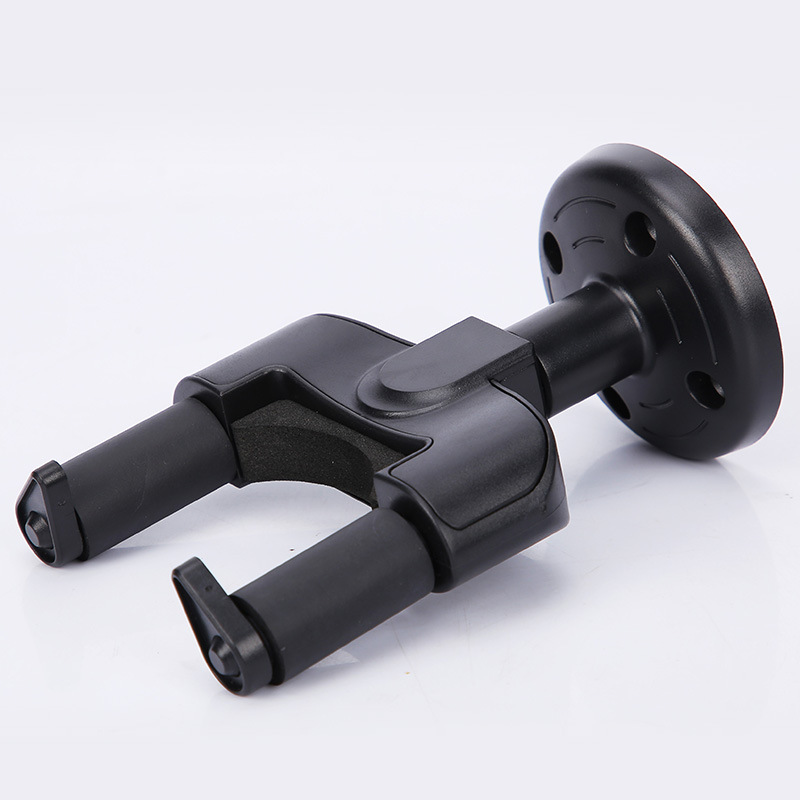
Gravity Auto Lock Guitar Hanger, Wall Mount Guitar Hook, Self-locking Holder for Electric & Acoustic Guitar Wholesale
Self-locking wall hanger for electric and acoustic guitars; an easy add-on for amplifier, stand, and studio accessory orders.
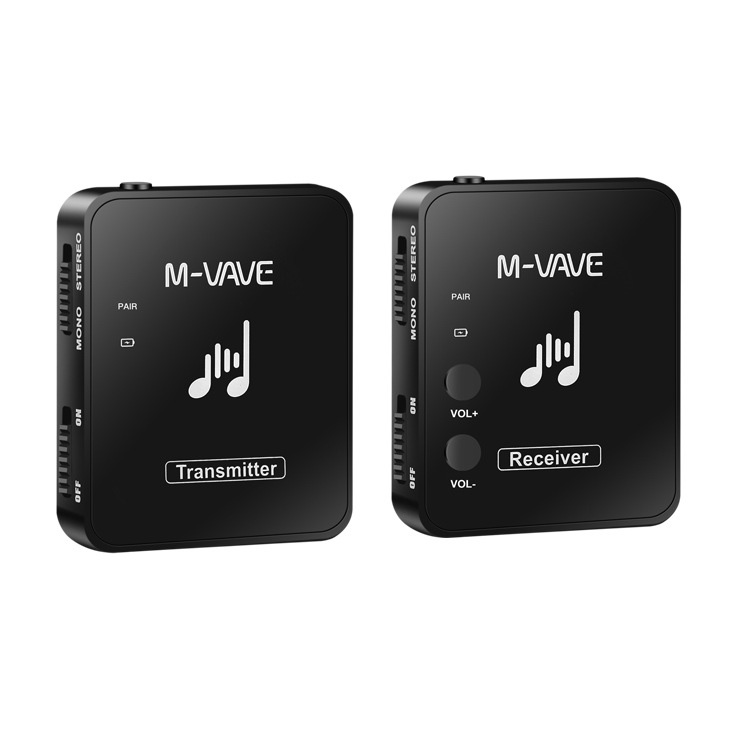
Wireless in Ear Monitor System Transmitter Receiver Mono Stereo Earback Set Guitar System
Mono/stereo earback set for stage, studio, church, and rehearsal audio; pairs well with amplifier and pedalboard buyers.
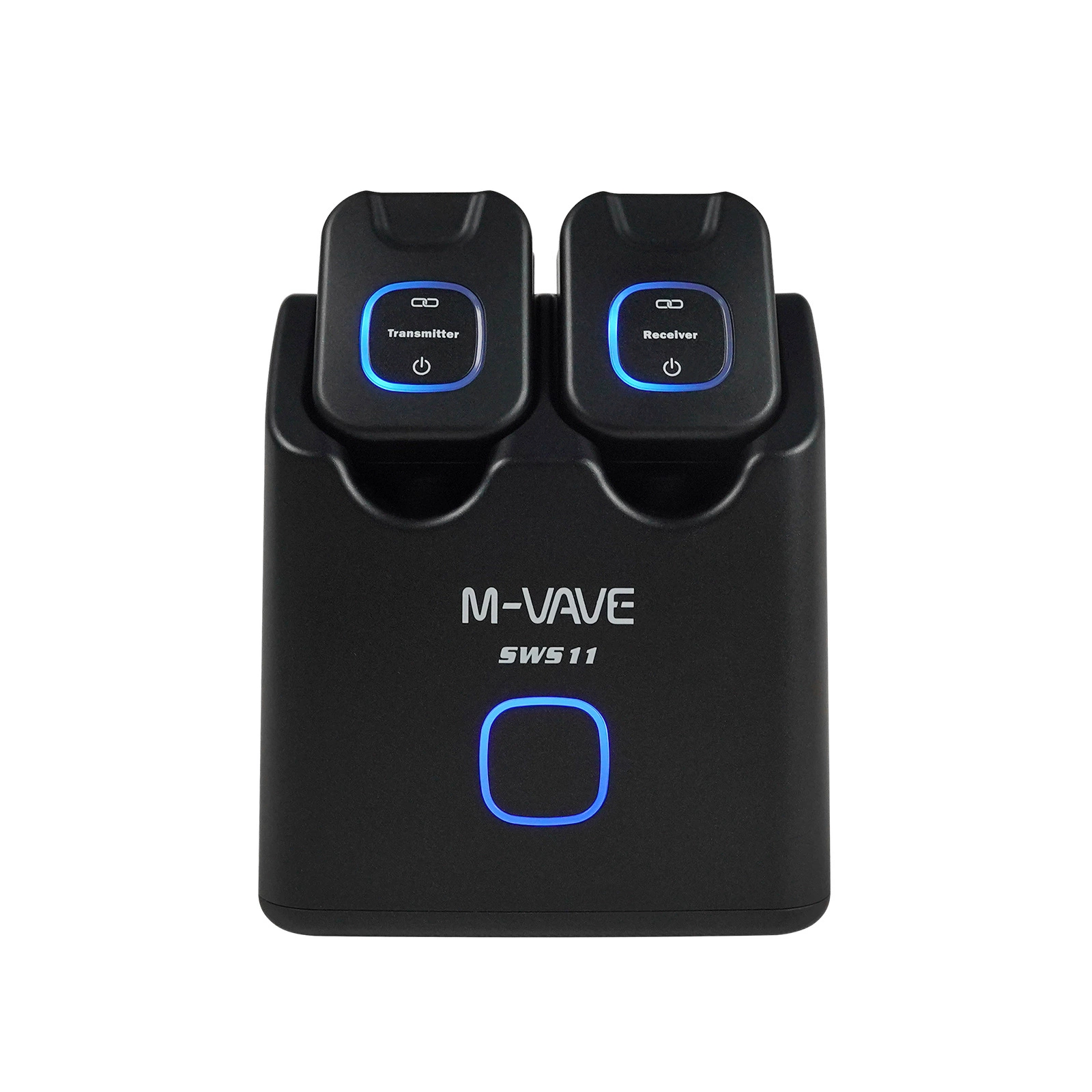
M-VAVE SWS11 2.4Ghz Wireless Guitar Audio System Rechargeable Transmitter Receiver with Charging Base
2.4GHz rechargeable wireless guitar audio system with charging base; useful for retail bundles and content-creator kits.
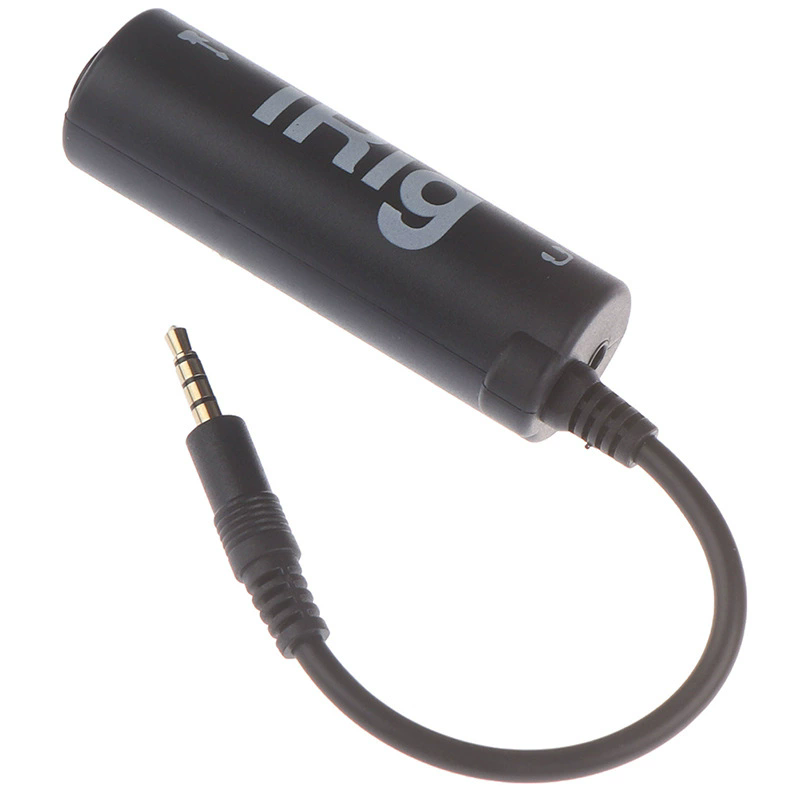
Wholesale 3.5mm Converter Guitar Bass Interface Converter Adapter for Phone Tablet Recording
Phone/tablet recording adapter for guitar and bass; helpful for buyers serving home-recording and amplifier-simulation users.
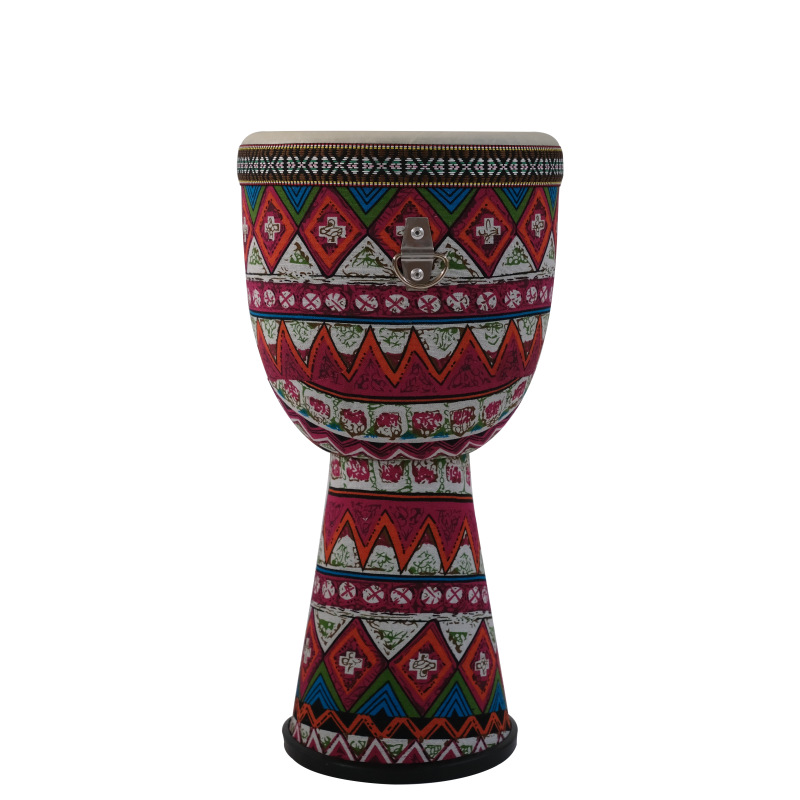
8 Inch African Djembe Drum, Lightweight PVC Fabric Hand Drum for Kids & Adults, Beginner Percussion Hand Beat Drum Wholesale
Lightweight hand drum for schools, gifts, and beginner percussion programs; a useful mixed-category add-on.
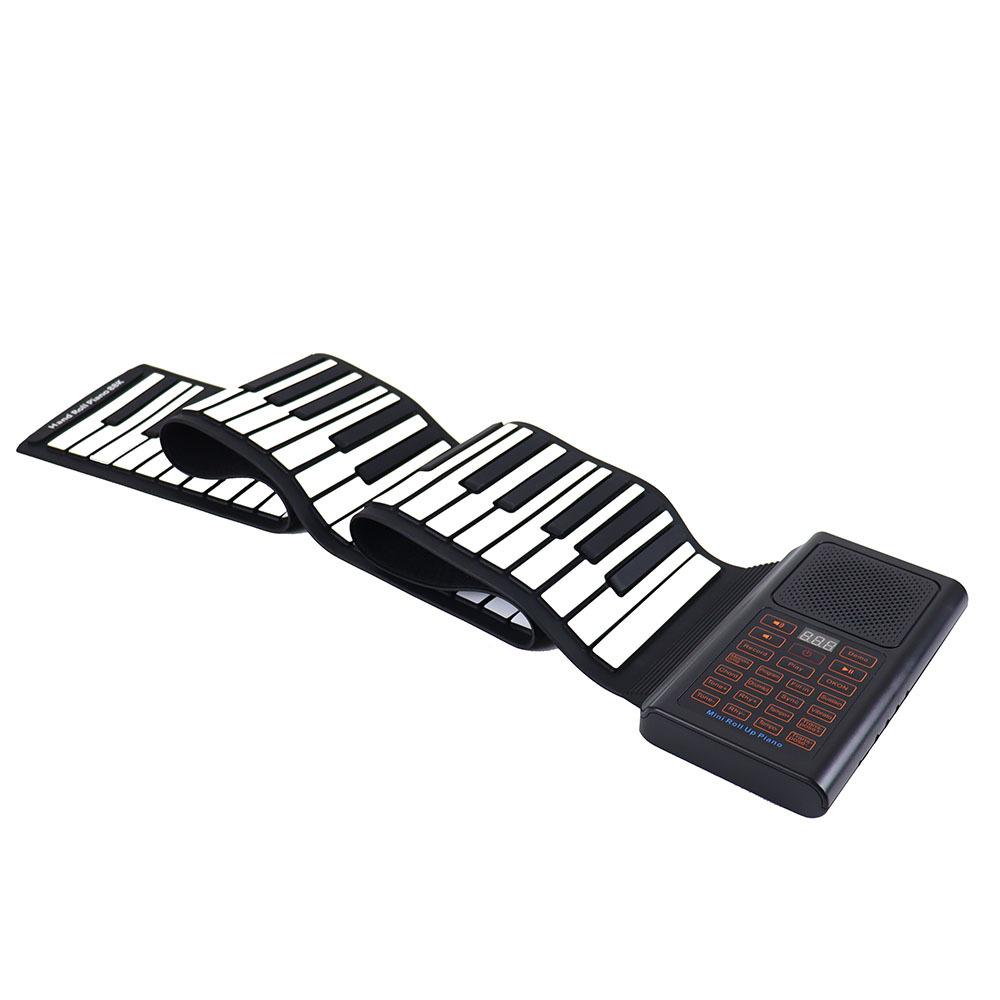
Wholesale 88-Keypad Keyboard Portable Digital Piano Foldable Entry-Level Soft Hand-Rolled Piano
Foldable entry-level digital piano for compact retail, online marketplaces, and beginner education demand.
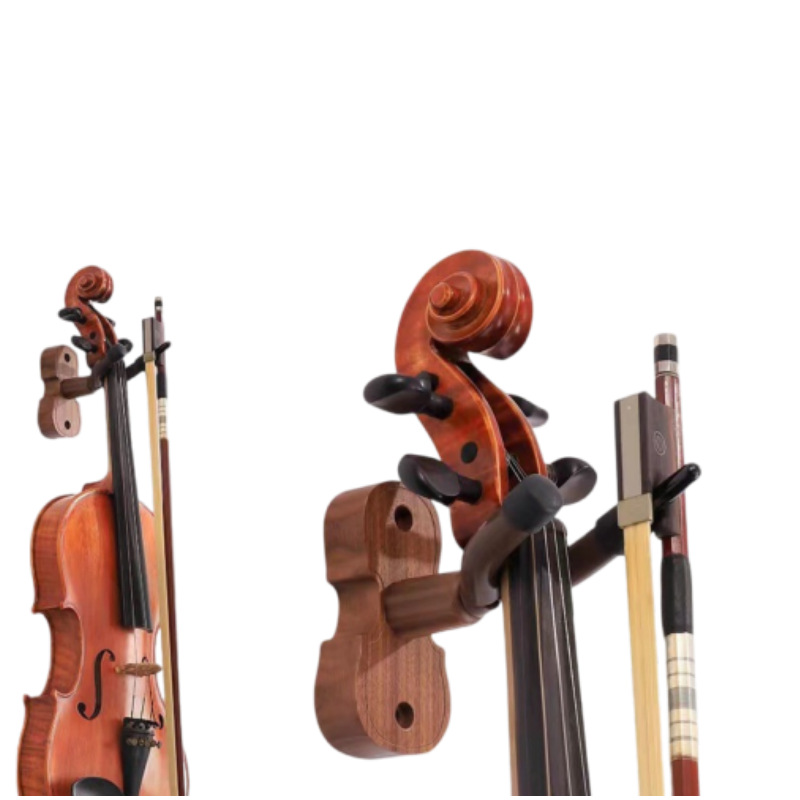
Wood Base Violin Hanger, Wall Mount Violin & Erhu Display Bracket, Universal Musical Instrument Wall Hanging Rack Wholesale
Wall-mount violin and erhu display bracket; helps instrument shops and studios build complete hanging displays.
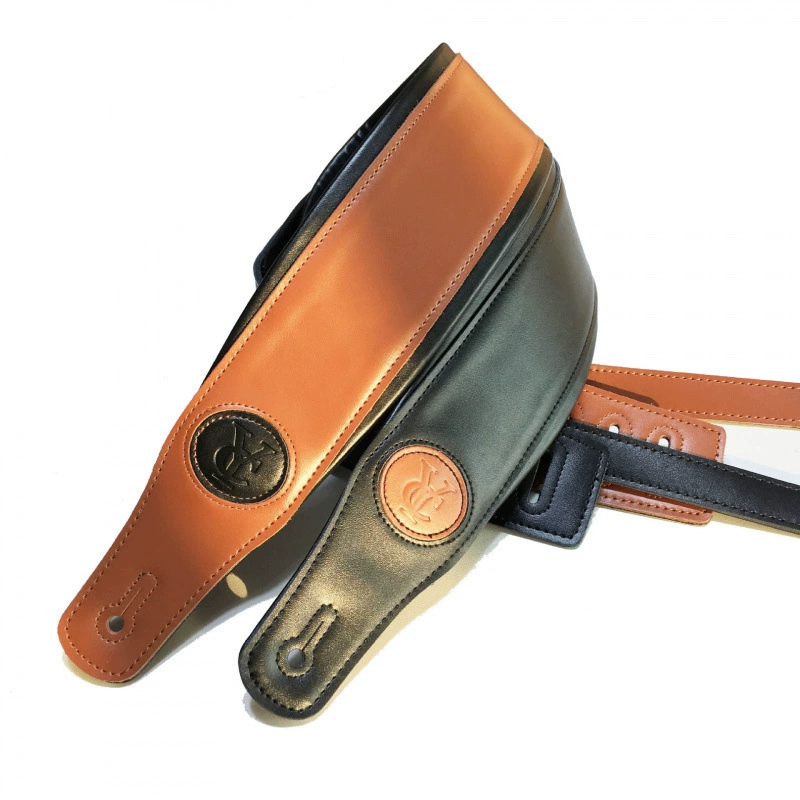
Wholesale Wide Padded Cowhide PU Leather Adjustable Soft Guitar Shoulder Strap for Acoustic Electric Bass Guitar
Adjustable padded guitar strap for acoustic, electric, and bass guitars; a practical cart-value booster for amplifier buyers.
Need a guitar amplifier-specific quotation in addition to accessories or instruments? Send your specifications through the inquiry button above. WPI can coordinate the broader instrument and accessory portion of a mixed order and help you compare amplifier supplier requirements.
Why WPI Is a Practical Sourcing Partner for Amplifier and Instrument Buyers
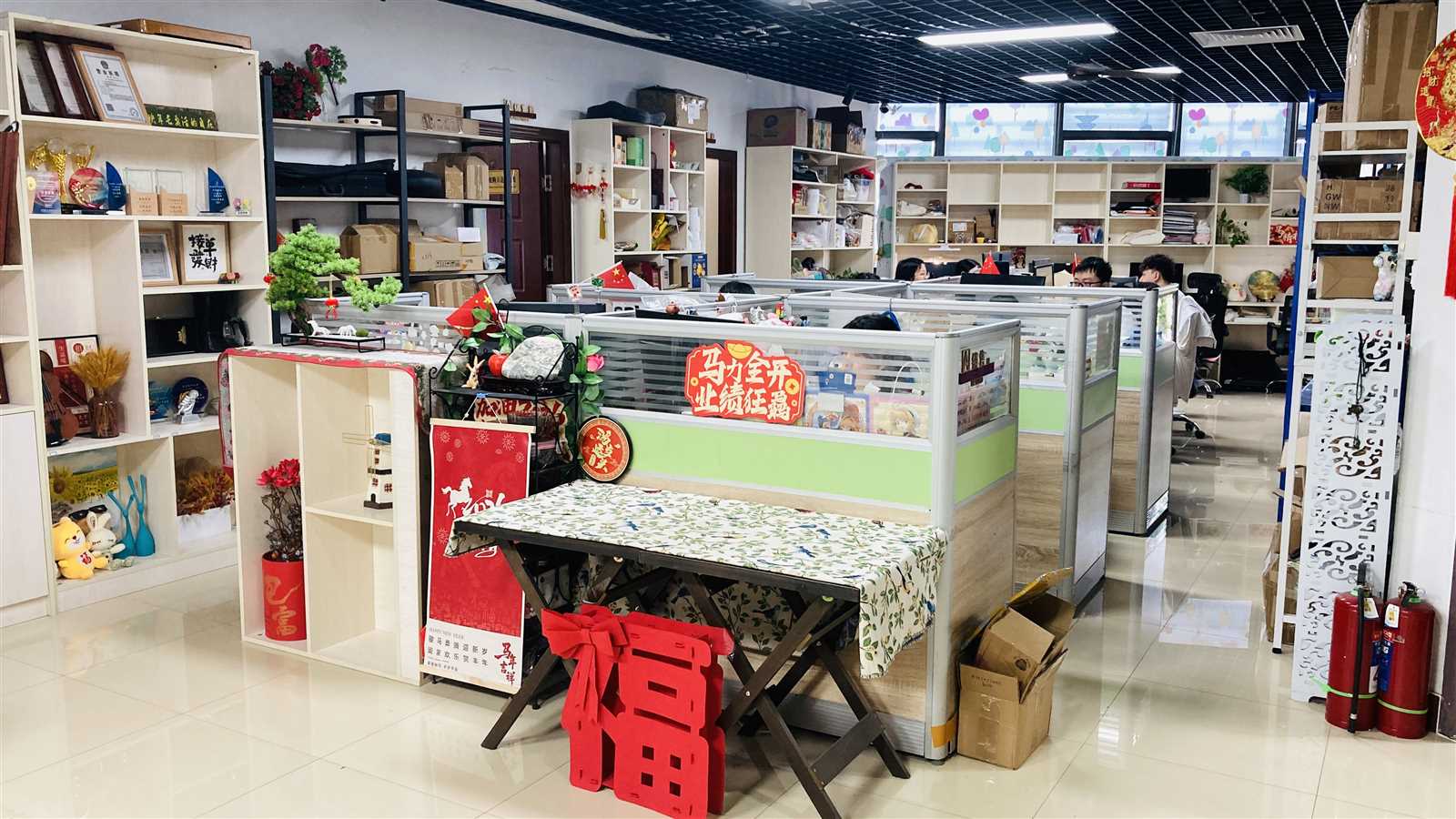
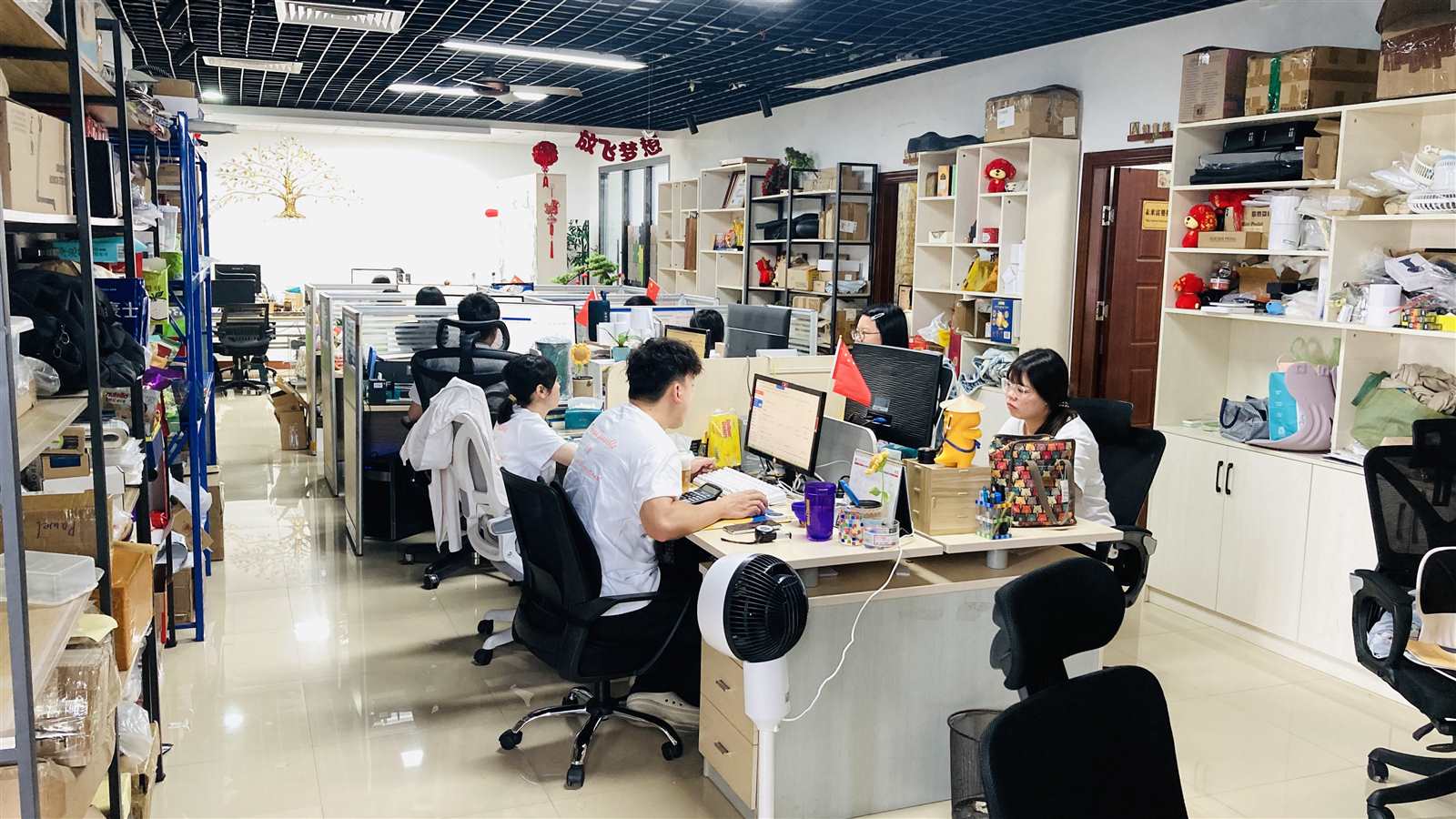
WPI International Trade Co., Ltd. (Huizhou) is an Intertek-assessed musical instrument supplier, not a dedicated amplifier plant. Its value is multi-category sourcing, low-MOQ flexibility, OEM/ODM coordination, and an export process built for distributors, retailers, and schools.
A broader view of the China top guitar amplifier factories and supplier question
The search for China top guitar amplifier factories and supplier options usually starts with price, but experienced buyers compare capability, evidence, and total landed cost. A top-tier program needs stable transformer supply, consistent cabinet finishing, a controlled PCB assembly process, clear voltage and plug labeling, and packaging that survives export handling. For a mixed musical instrument program, buyers also need access to guitars, ukuleles, violins, percussion, keyboards, wireless systems, hangers, and straps so that one container can support a complete retail assortment.
WPI started exporting musical instruments from Hong Kong in June 2010 and established its Huizhou, Guangdong operation in 2014. The team of 28 people includes 22 in trading and export roles, supporting importers and distributors in North America, Western Europe, Southeast Asia, and South America. The company reports 952 orders in six months and a catalog of more than 1,000 instruments and accessories. Its main advantages for amplifier buyers are the ability to combine product categories, support low-MOQ sampling, provide OEM/ODM coordination, and apply finished-product inspection before shipment.
How to Evaluate China Guitar Amplifier Factories Before You Buy
A professional sourcing decision should separate real manufacturing capability from catalog claims. Use the following evaluation framework to protect product quality, margin, and delivery promises.
Verify the legal entity and assessment trail
Request the business license, export history, company profile, trade capacity page, and any third-party assessment. An onsite check is not a product warranty, but it gives you evidence that the supplier’s premises, legal status, main product lines, and stated capabilities have been reviewed. WPI’s supplier profile states that it has been assessed onsite by Intertek, including finished-product inspection and customization capabilities.
Check components and burn-in testing
For guitar amplifiers, transformer quality, grounding, capacitor selection, heat management, speaker choice, and final burn-in test matter more than a shiny catalog. Ask for component specifications, incoming inspection records, and a pre-shipment testing routine. For accessories, inspect plating, stitching, hardware thickness, and packaging. Products that look similar in photos can carry very different return rates after 60 days of retail use.
Confirm MOQ, mixed-order rules, and logistics
Amplifier factories may quote high MOQs per model, while accessory suppliers may require separate minimums. A multi-category supplier can lower testing risk by combining low-MOQ instruments, accessories, and sample orders. WPI states that many guitars, ukuleles, violins, and saxophones can start from 1 piece for sampling; typical wholesale MOQs are 2–10 pieces per instrument model and 20–600 sets for strings and small accessories. Mixed-category orders are welcome.
Procurement Signals Buyers Can Compare
Reliable supplier selection is not only about the lowest quotation. Response speed, verified operating history, customization scope, and inspection discipline reduce hidden costs after the order is placed.
What Buyers Will Compare in China Guitar Amplifier Sourcing
The purchasing conversation is moving from “Who has the cheapest amp?” to “Who can prove consistency, support smaller tests, and handle a more complex assortment?”
Low-MOQ market testing
Retailers want to test a new amplifier model, color, or bundle without holding too much inventory. Expect more requests for 1-piece sampling, 2–10 piece model runs, and mixed-category trial orders. Suppliers that can combine small quantities with a consolidated shipment will have an advantage.
Digital and hybrid amplifiers
Modeling amps, Bluetooth practice amps, USB recording outputs, app control, and headphone-friendly desktop designs are creating new procurement questions. Buyers should ask about firmware version control, app compatibility, accessory cables, and after-sales support before placing a private-label order.
Consolidated multi-category sourcing
A single container can include amplifiers, electric guitars, acoustic guitars, wireless systems, hangers, straps, and classroom instruments. This reduces freight complexity and helps distributors offer a complete retail story. The supplier’s ability to coordinate multiple factories is becoming as important as the factory’s unit price.
Traceable QC and inspection evidence
Buyers increasingly ask for photo and video evidence, carton-mark approval, finish inspections, functional testing, and a clear defect escalation path. The information gain comes from documented proof, not from promises. A named account manager, third-party assessment, and finished-product inspection process make procurement decisions easier to defend internally.
Where Guitar Amplifier and Instrument Products Are Moving
The strongest wholesale opportunities sit between traditional tone and modern convenience. Retailers that plan for both can serve beginners, home players, schools, and performing musicians from one supplier relationship.
Desktop practice and recording amps
Small amps with headphone output, USB recording, Bluetooth playback, and built-in effects are appealing to apartment players and content creators. These products work well in bundles with the 3.5mm recording interface adapter, wireless guitar systems, straps, and wall hangers already shown above.
Portable, battery-friendly formats
Street performers, teachers, and traveling musicians want lightweight amplification and simple rechargeable systems. Procurement teams should check battery certification, charger compatibility, replacement-part availability, and whether the packaging clearly communicates plug type and voltage.
Repairable and sustainable design
Retail buyers are asking more questions about packaging waste, spare parts, and product lifespan. Suppliers that can provide replacement knobs, grilles, straps, hangers, and simple service documentation make it easier for brands to reduce returns and support long-term customer satisfaction.
Why WPI Works for Mixed Musical Instrument Orders
For buyers who want a reliable China supplier for instruments and accessories alongside an amplifier RFQ, WPI combines export experience, supplier coordination, and a documented customization pathway.
Intertek onsite assessed
The company premises, legal status, and capabilities have been reviewed onsite. The assessed customization scope includes sample-based customization, minor customization such as logo, packaging, and graphics, design-based customization, and full customization.
12+ years of export experience
WPI began exporting from Hong Kong in June 2010 and established its Huizhou operation in 2014. This experience helps the team anticipate packaging, documentation, and communication issues that can delay first-time buyers.
1,000+ product catalog
Guitars, ukuleles, violins, cellos, saxophones, clarinets, drums, keyboards, steel tongue drums, and accessories can be reviewed together. This helps retailers build a coherent assortment rather than buying one category at a time.
Low MOQ and mixed orders
Sampling from 1 piece is possible for many instruments. Typical wholesale MOQs are 2–10 pieces per model and 20–600 sets for small accessories. Mixed-category orders help importers test demand before committing to a large program.
OEM/ODM coordination
Logo, packaging, graphics, and design-based customization can be discussed before quoting. For amplifier-related projects, buyers should provide voltage, plug type, transformer specification, speaker preference, cabinet finish, and safety requirements in writing.
QC and logistics support
Finished-product inspection covers appearance, hardware, tuning stability, and packaging. Delivery terms include FOB, CFR, CIF, EXW, DDP, DDU, and express options, so buyers can align shipping with their own customs and cash-flow plans.


Quality Verification Checklist for Amplifier and Instrument Orders
Use a written checklist. A professional supplier should be able to answer each question with documents, photos, or a clear process rather than general statements.
| Buyer question | Why it matters | Evidence to request |
|---|---|---|
| Can you share your business license and third-party assessment? | Confirms the legal entity and helps verify export experience. | Business license, company profile, Intertek assessment report, trade history, and credit overview. |
| How are transformers, speakers, and electrical components controlled? | Affects tone, safety, failure rate, and return cost. | Component specifications, incoming inspection records, supplier approval process, and burn-in test records. |
| What tests are completed before packing? | Reduces dead-on-arrival units and marketplace complaints. | Appearance check, hardware check, grounding test, noise-floor check, tuning stability, playability, and packaging review. |
| How is private-label packaging protected? | Protects brand presentation and retail compliance. | Artwork proof, UPC/barcode confirmation, carton-mark approval, pre-production sample, and final packing photos. |
| What is the defect escalation process? | Shortens resolution time if an issue appears after arrival. | Named account manager, photo/video evidence process, replacement policy in the PO, and inspection timing before shipment. |
How a Wholesale Instrument Order Works
A clear process reduces misunderstanding between the sourcing brief, sampling, production, inspection, and shipment. The same discipline should be applied when comparing China guitar amplifier factories and supplier quotes.
Brief
Share model, size, material, logo, packaging, voltage requirements, target market, and estimated quantity.
Proposal
Match the request with suitable workshops, recommend specifications, and clarify MOQ, lead time, and trade terms.
Sampling
Approve a pre-production sample for appearance, function, packaging, and label details before mass production.
Production
Mass production proceeds with in-process checks and communication on any material or schedule changes.
Inspection
Finished-product inspection covers product appearance, hardware, function, and packaging before shipping.
Shipping
Choose FOB, CIF, DDP, DDU, or express delivery based on your destination, customs plan, and volume.
Payment, Delivery, Currencies, and MOQ at a Glance
Clear commercial terms make quotations comparable. Ask each supplier to quote on the same Incoterm and confirm what is included in the price.
For amplifier projects, confirm plug type, voltage, transformer design, certification requirements, packaging language, spare-part plan, and after-sales terms before paying a deposit.
Wholesale Guitar Amplifier and Instrument Sourcing FAQ
Direct answers to the questions buyers ask most often when comparing Chinese musical instrument suppliers and amplifier sourcing options.
What is the MOQ for wholesale guitar amplifiers and musical instruments?+
Amplifier MOQs vary by factory, power rating, transformer design, cabinet size, branding, and packaging. For musical instruments and accessories, WPI can often support 1-piece sampling, 2–10 pieces per instrument model, and 20–600 sets for strings and small parts. Mixed-category orders are welcome, which helps retailers test amplifiers alongside instruments, hangers, wireless systems, and straps.
Can I combine guitar amplifiers with instruments and accessories in one shipment?+
Yes, where product dimensions and shipping regulations allow. WPI consolidates guitars, violins, ukuleles, drums, keyboards, and accessories in one container. Amplifiers can be coordinated as part of a broader RFQ; confirm plug type, voltage, packaging, and destination compliance before production begins.
Do Chinese guitar amplifier factories offer OEM and ODM customization?+
Many do, but scope varies. Ask for sample-based customization, logo and packaging changes, design-based modification, and full customization. WPI’s assessed capabilities include sample-based customization, minor customization such as logo, packaging, and graphics, design-based customization, and full customization for its instrument lines. For amplifier projects, document transformer, speaker, cabinet, firmware, and safety requirements in a signed specification.
How do I control quality before shipment?+
Require a pre-production sample and a written inspection plan. For amplifiers, check grounding, noise floor, heat management, channel switching, Bluetooth or app functions if applicable, packaging drop protection, and plug/voltage labels. For instruments and accessories, inspect appearance, hardware, tuning stability, and packaging. WPI uses finished-product inspection before delivery, and its premises and capabilities have been assessed onsite by Intertek.
Which payment and delivery terms are accepted?+
WPI lists T/T, L/C, D/P, D/A, MoneyGram, credit card, PayPal, Western Union, cash, and escrow. Delivery terms include FOB, CFR, CIF, EXW, FAS, CIP, FCA, CPT, DEQ, DDP, DDU, DAF, DES, and express delivery. Choose terms based on your freight forwarder, customs experience, and cash-flow plan.
Which markets does WPI export to, and can it support amplifier retailers?+
WPI’s main markets are North America, Western Europe, Southeast Asia, and South America. Its team supports importers, distributors, retailers, and schools with multi-category orders. For amplifier retailers, the practical value is consolidating accessories and instruments that lift average order value, while a named account manager keeps quotations, samples, inspection evidence, and shipping details moving.
Ready to Compare China Top Guitar Amplifier Factories and Supplier Options?
Send your amplifier specifications, target market, quantity, packaging requirements, and any complementary musical instrument SKUs. WPI can review the accessory and instrument portion of your assortment, recommend practical low-MOQ options, and help you prepare a clearer RFQ for amplifier-specific manufacturing.