8 Instrument Lines Buyers Often Consolidate With Guitar Capos
Capo orders rarely travel alone. Distributors, music schools, online sellers and gift channels usually combine capos with stands, tuners, small percussion and portable instruments to improve container utilization and reduce total landed cost. The eight products below are live WPI product links — keep them as cross-sell options when building a mixed purchase order.
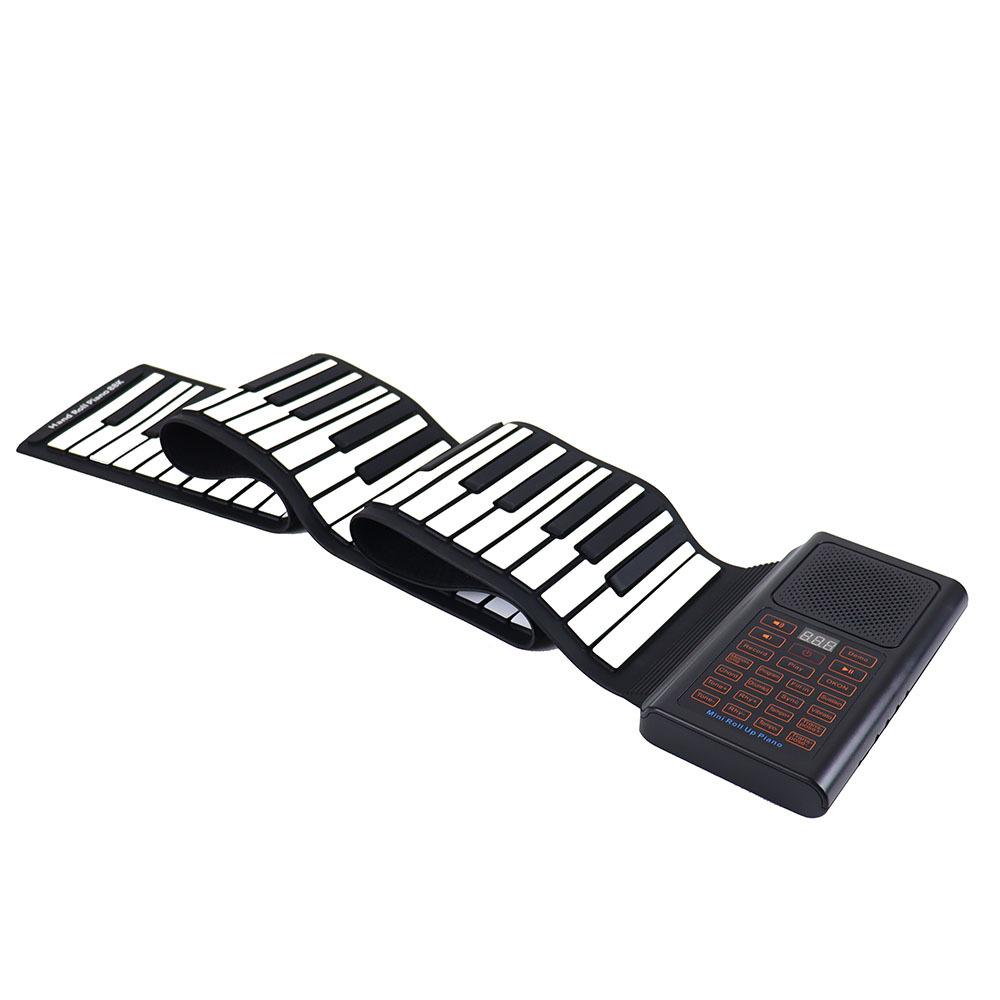
Wholesale 88-Keypad Keyboard Portable Digital Piano Foldable Entry-Level Soft Hand-Rolled Piano
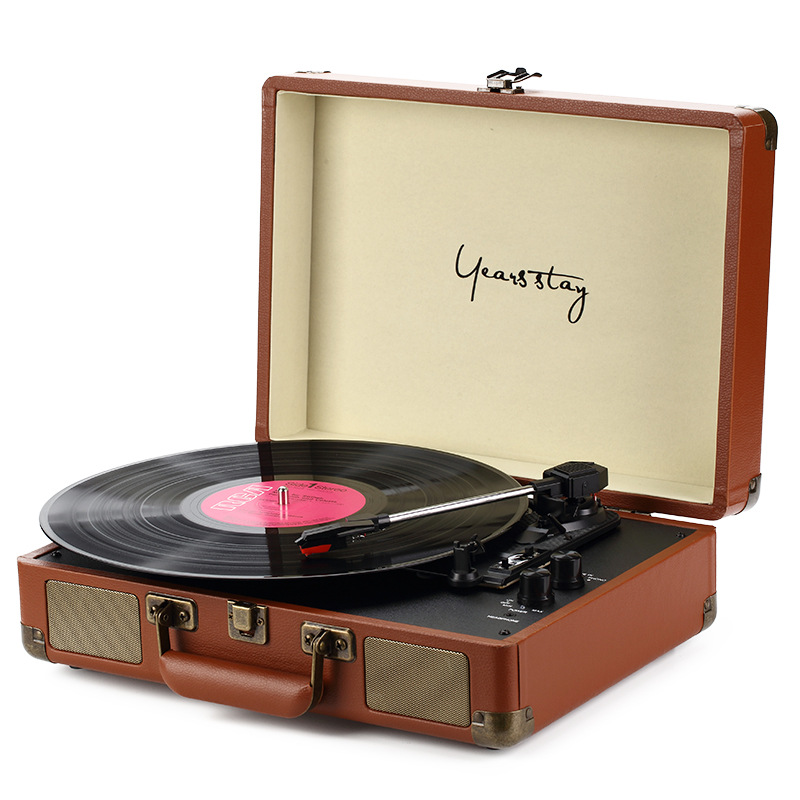
Portable Mini Phonograph Desktop Vinyl Record Player Handheld Wireless for Speaker Turntable
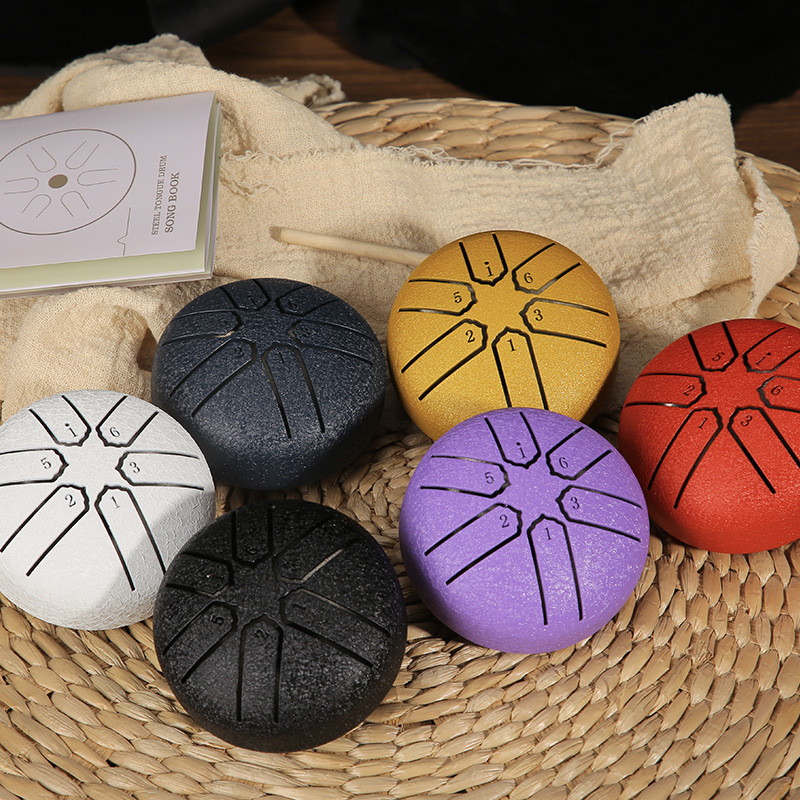
3 Inch 6 Notes Mini Steel Tongue Drum, Easy Learn Percussion Instrument, Kids Hand Drum Toy for Boys Girls Wholesale
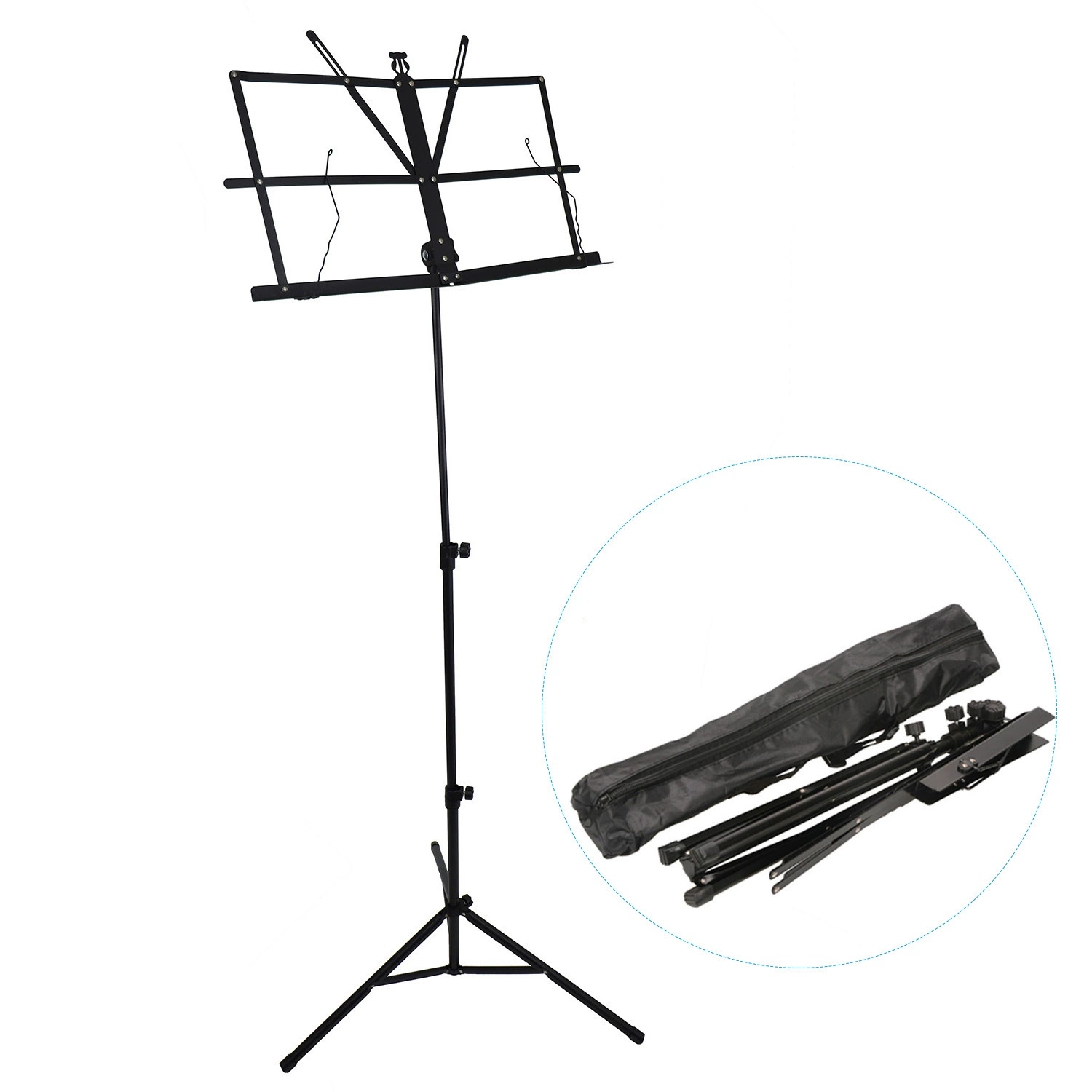
Factory Wholesale Small Size Portable Adjustable Music Stand With Bag
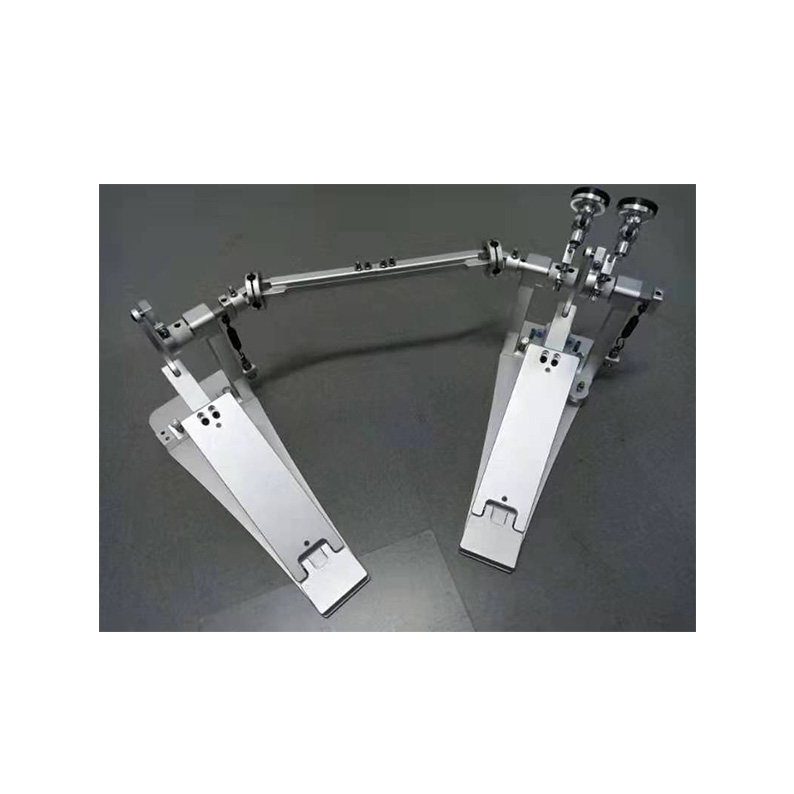
Brushed Silver Double Bass Drum Pedal Direct Drive Drum Kit Accessory
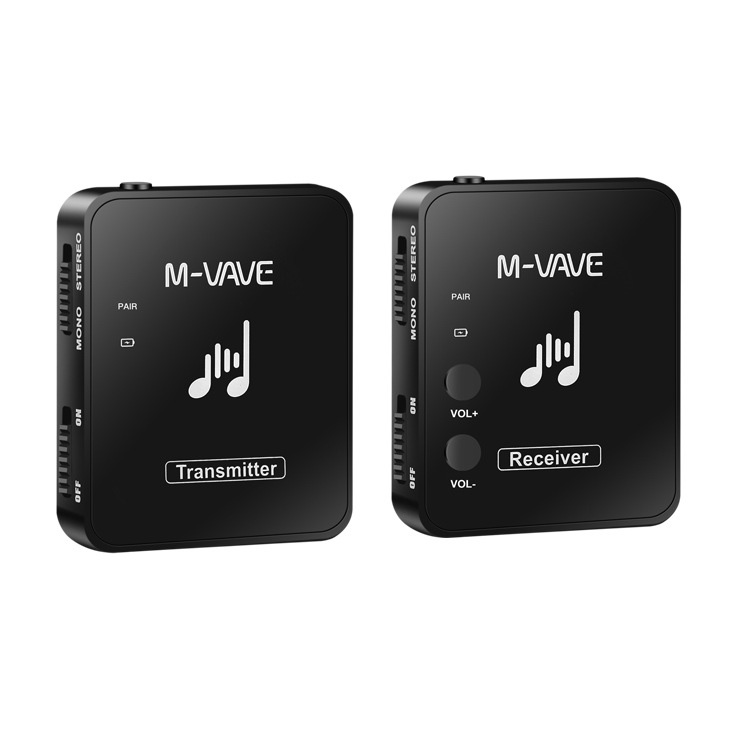
Wireless in Ear Monitor System Transmitter Receiver Mono Stereo Earback Set Guitar System
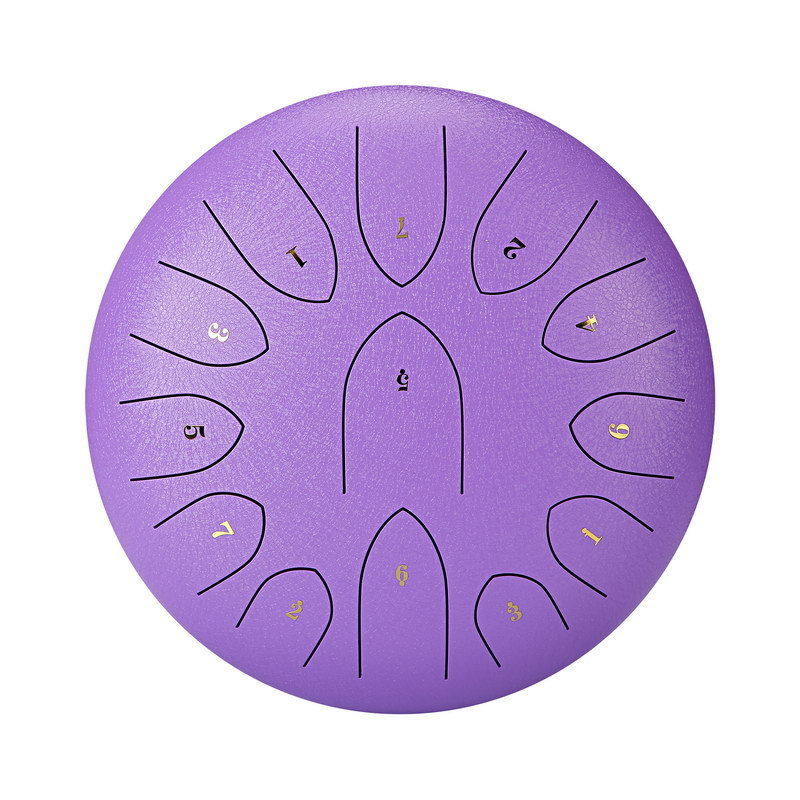
14 Inch Steel Tongue Drum, Handpan Drum, Mini Tank Drum Percussion Instrument, Complete Gift Set Wholesale
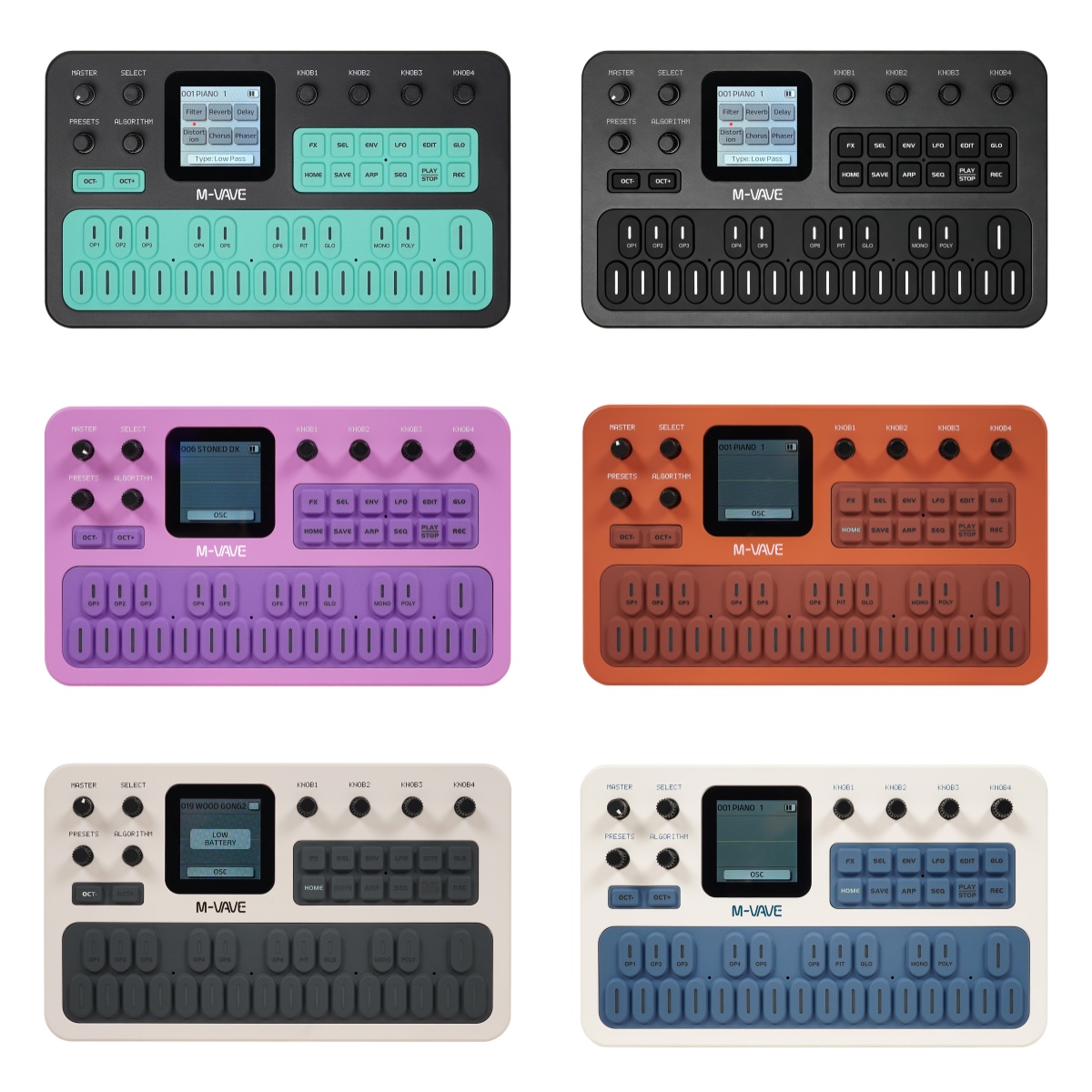
M VAVE Mini FM 1 Synthesizer 27 Keys 3 Channel 12h Battery Built in Speakers for Outdoor Music Production and Pocket Effect
All product links above are kept exactly as supplied. For capo-specific samples, custom logo tests or mixed-carton planning, use the inquiry button and tell us your target market, capo type and annual volume.
Why Capo Buyers Use WPI as Their China Export Partner
The figures below come from WPI's company profile and third-party assessed trade data. They are not vanity metrics: they indicate whether a supplier can handle repeat orders, mixed categories and after-sales follow-up when a capo program moves from sampling to volume production.
Years in the musical instrument industry
Annual export value, third-party assessed
Orders shipped in the last 6 months
Inquiry response rate
Average buyer rating
Electric Guitar Capo Styles Worth Stocking in 2025–2026
A capo is a low-unit-price accessory, but it carries high perceived quality risk. A spring that loses tension, a rubber pad that marks the fretboard, or a screw thread that binds can trigger returns and damage a private label. For wholesale buyers, the winning assortment balances fast-selling trigger capos with higher-margin specialty capos.
Spring-Loaded Trigger Capo
The highest-velocity retail model for beginner guitarists and schools. One-hand operation, aluminum body, silicone pad and a controlled spring rate are the core specifications.
- Best for entry-level retail and lesson bundles
- Target MOQ: 100–500 pcs for custom color
- Key risk: spring fatigue and pad residue
Screw / Roller Capo
A studio and serious-player capo with adjustable tension. The screw mechanism allows precise clamping pressure, which protects the neck and helps intonation on electric guitars with low action.
- Best for music stores and pro channels
- Premium perception with brass or stainless screws
- Key risk: thread binding and inconsistent anodizing
Compensated Radius Capo
Designed for the curved fretboard radius of electric guitars. A compensated contact surface reduces muted strings and buzz, especially on guitars with compound radius necks.
- Best for electric guitar accessory specialists
- Strong claim for Amazon and DTC brands
- Key risk: radius mismatch across models
Partial Capo
A niche but high-margin tool for alternate tunings and creative playing. Partial capos appeal to singer-songwriters, worship players and content creators who want a signature sound.
- Best for specialist retailers and creator bundles
- Content-rich product with demo-video potential
- Key risk: unclear sizing and poor instruction inserts
Ukulele & Short-Scale Capo
Smaller radius, lighter spring pressure and a softer pad are essential. Many generic guitar capos are too strong for ukuleles and can pull the instrument sharp, creating avoidable returns.
- Best for ukulele, kids and gift shops
- Bundle with ukulele strings and tuners
- Key risk: over-clamping and pad compression
Custom Logo Capo
The most effective way for a distributor to escape price comparison. Laser engraving, screen printing, custom anodizing and gift-box packaging turn a commodity capo into a branded accessory.
- Best for private-label brands and OEM programs
- Low MOQ possible for sampling and market tests
- Key risk: logo placement and color consistency
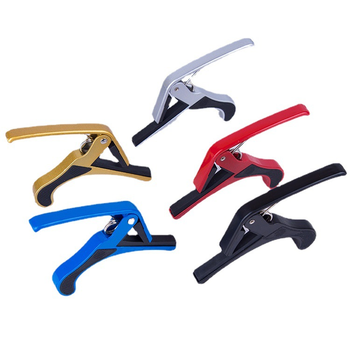
The Capo Category Is Small, But It Carries High Information Value
For search engines and buyers alike, a capo page is not just a product listing. It answers a chain of commercial-intent questions: Which capo type suits electric guitars? What spring tension is safe for a nitrocellulose finish? Which material survives repeated clamping without marking the fretboard? Can a supplier provide consistent anodizing, logo placement and retail-ready packaging?
WPI's role is to close that information gap. We connect buyers with assessed musical instrument workshops in Guangdong, compare material and mechanism options, arrange pre-production samples, and inspect finished capos before shipment. That is the practical meaning of “manufacturer and exporter” in this category: not just a factory name, but a supply chain that can repeat quality across mixed orders.
Because capos are often ordered with guitars, ukuleles, stands, tuners and small percussion, our team can also consolidate multiple product lines into one shipment. This reduces freight waste and gives distributors a cleaner landed-cost model.
How Material Choice Changes Capo Tone, Tension and Margin
Two capos can look identical in a photo and behave completely differently on a guitar. The difference is usually material grade, spring calibration, pad hardness and surface treatment. Use this comparison as a sourcing brief, not as a generic catalog description.
| Material / Component | Best Use | Buyer Benefit | Watch-Out During Sourcing |
|---|---|---|---|
| Aluminum alloy body | Trigger capos, lightweight retail models, colored finishes | Low weight, clean anodizing, strong perceived value | Verify wall thickness and spring anchor strength; thin bodies can flex under tension. |
| Zinc alloy body | Value-priced trigger and screw capos | Lower tooling cost and good dimensional stability | Check plating adhesion and weight; poor plating can blister or discolor. |
| Brass / stainless steel parts | Premium screw capos, roller capos, adjustment mechanisms | Durable threads, premium feel, better torque control | Confirm thread pitch and corrosion resistance; mixed metals can galvanically corrode. |
| Silicone / TPR pad | All capo types, especially electric guitars and vintage finishes | Grip without marking, consistent tone, replaceable design | Test pad hardness, residue and compression set after repeated clamping. |
| ABS / nylon components | Entry-level capos, ukulele capos, promotional items | Low cost, color flexibility, lightweight | UV stability and creep resistance matter for long-term stock. |
| Spring steel | Trigger capos and quick-release mechanisms | Fast operation and strong repeatability | Request cycle testing; low-grade springs lose tension after repeated use. |
Recommended QC checkpoints for capo orders: spring cycle test, pad adhesion and residue test, clamping force consistency, thread durability, surface salt-spray test, logo wear test and drop-test packaging validation.
How Electric Guitar Capo Buying Will Change Through 2030
The direction is clear: lower inventory risk, more private-label differentiation, and stricter compliance documentation. The four signals below reflect WPI's inquiry patterns across 12+ years of musical instrument exports and 952 recent orders. They are a practical sourcing index, not a factory production forecast.
Low-MOQ, mixed-model orders. Buyers want to test trigger, screw and compensated capos in one order, then reorder the winner. Suppliers with flexible carton planning will win repeat business.
OEM / private-label branding. Laser logos, custom anodizing and retail-ready boxes are becoming standard requests, especially for Amazon, DTC and music-school channels.
Compliance and material documentation. Retailers increasingly ask for material declarations, packaging recyclability and consistent labeling before placing repeat orders.
Consolidated multi-category shipping. Capos alone rarely fill a container. Mixing capos with stands, tuners, strings, ukuleles and small percussion improves freight efficiency.
Procurement implication: negotiate a sample-to-reorder path with your supplier, not just a unit price. Ask for tension specifications, pad hardness, logo tolerance and packaging validation before approving mass production.
Where Electric Guitar Capo Design Is Heading Next
Capo design is moving from “a clamp that works” to “a controlled accessory that protects the instrument and supports the player's style.” These six development directions are especially relevant for OEM buyers planning 2025–2027 assortments.
Calibrated One-Hand Tension
Buyers increasingly ask for measured spring force rather than “strong spring.” Consistent tension reduces fret buzz, protects necks and creates fewer returns across different guitar models.
Compensated Radius Profiles
As electric guitar necks become more varied, capo contact surfaces need to match radius more precisely. A compensated profile can become a strong search and packaging claim.
Mixed-Metal Premium Builds
Aluminum bodies with brass or stainless adjustment parts create a visible quality difference. These builds support higher price points in music stores and DTC channels.
Finish-Safe Pads and Coatings
Players with vintage or nitrocellulose finishes are cautious about capos. Non-marking pads, low-residue silicone and smooth anodized edges are becoming purchase triggers.
Sustainable Retail Packaging
Retailers are asking for plastic reduction, FSC-style paperboard and recyclable inserts. Packaging is no longer a last-minute detail; it is part of the product specification.
Gift-Ready and Bundled Capos
Capo + pick + strings + pouch sets perform well in gift, holiday and beginner channels. Bundling raises average order value without changing the core manufacturing process.
WPI International Trade Co., Ltd. (Huizhou): Export Depth, Not Just a Catalog
WPI began exporting musical instruments from Hong Kong in June 2010 and established its Huizhou, Guangdong operation in 2014. Today, a 28-person team — 22 in trading and export roles — supports importers, distributors, retailers and schools across North America, Western Europe, Southeast Asia and South America.
For capo buyers, this matters because accessory sourcing is a service business. You need a supplier who can answer technical questions, protect your market with sensible MOQs, keep finish and tension consistent, and combine capos with the wider instrument order. Our goal is long-term cooperation: protecting your market, keeping quality consistent and pricing reasonable, so both sides win.
- Business type: Trading Company / Multispecialty Supplier with an assessed workshop network
- Annual sales: US$9,000,000 (assessed); recent trade: 952 orders and US$370,000+ in 6 months
- Main markets: North America, Western Europe, Southeast Asia and South America
- Intertek onsite assessment; finished-product inspection before delivery
- Customization: sample-based, minor (logo/packaging/graphics), design-based and full customization
- Payment: T/T, L/C, D/P, D/A, MoneyGram, credit card, PayPal, Western Union, cash and escrow
- Delivery terms: FOB, CFR, CIF, EXW, FAS, CIP, FCA, CPT, DEQ, DDP, DDU, DAF, DES and express delivery
- Address: 2313, Saige Building, Huizhou, Guangdong, China


Intertek-Assessed Supplier
Premises, legal status and capabilities have been verified onsite, including assessed videos and factory inspection reports.
Low MOQ, Mixed Orders
Many instruments can start from 1 piece for sampling, with typical wholesale MOQs of 2–10 pieces per model and 20–600 sets for small accessories.
OEM / ODM Capability
Logo, packaging, graphics and full customization are supported through sample-based and design-based development.
One-Stop QC & Logistics
Finished-product inspection covers appearance, hardware, tuning stability and packaging. Consolidate capos with other instrument lines in one shipment.
A 6-Step Capo Sourcing Process That Protects Margin and Brand
A cheap capo is expensive if it arrives with inconsistent tension or marked packaging. Use a process that tests the product and the supplier at the same time.
Brief
Define capo type, target guitar radius, finish, logo method, retail price and annual volume.
Sample
Approve spring tension, pad hardness, surface finish and clamping feel on at least two guitar necks.
Tension & Cycle Test
Ask for repeat-clamping results and check for pad residue, spring fatigue and thread binding.
Logo & Packaging
Validate laser depth, color matching, retail box printing and barcode placement before mass production.
Pre-Shipment Inspection
Inspect appearance, hardware, tension consistency, logo quality and packaging before packing.
Ship & Reorder
Choose FOB, CIF, DDP or express; keep a reorder sample so repeat batches match the approved standard.
Wholesale Electric Guitar Capo Buyer Questions
Direct answers for importers, distributors, music retailers and private-label brands comparing China capo manufacturers and exporters.
What is the MOQ for wholesale electric guitar capos?
Many capo models can start from 1–10 pieces for sampling. Custom logo or custom color runs are typically 100–500 pieces, while mixed-model orders are welcome. Small accessory sets may require 20–600 sets depending on packaging and logo method. Confirm MOQ against your chosen material, finish and retail box.
Do you offer OEM and ODM capo customization?
Yes. Assessed capabilities include sample-based customization, minor customization such as logo, packaging and graphics, design-based customization and full customization. For capos, the most common requests are laser engraving, anodized colors, custom silicone pads and retail-ready gift boxes.
How do you control capo quality before shipment?
Finished-product inspection covers appearance, hardware, spring tension, pad condition, logo quality and packaging. For capo programs, we recommend adding cycle tests, clamping-force checks and surface salt-spray checks. WPI has also been assessed onsite by Intertek.
Which payment and delivery terms are accepted?
Payment methods include T/T, L/C, D/P, D/A, MoneyGram, credit card, PayPal, Western Union, cash and escrow. Delivery terms include FOB, CFR, CIF, EXW, FAS, CIP, FCA, CPT, DEQ, DDP, DDU, DAF, DES and express delivery. Terms are confirmed per order and destination.
Which markets do you export to?
WPI's main markets are North America, Western Europe, Southeast Asia and South America. Capo demand is strongest where acoustic and electric guitar education, worship music and online accessory retail overlap, but we also support gift, school and promotional channels.
Which capo type should a retailer stock first?
Start with a spring-loaded trigger capo in black or silver for the widest beginner demand, then add one compensated or screw capo for experienced players. If you sell ukuleles, add a short-scale capo. A three-SKU assortment covers most first orders without overstocking.
Ready to Source Electric Guitar Capos From China?
Tell us your capo type, logo artwork, target retail price and estimated annual volume. We will reply with material options, MOQ, sample lead time and a mixed-order plan that fits your market.
Email: info@wpimusic.com · Location: 2313, Saige Building, Huizhou, Guangdong, China