8 Products Buyers Can Source with One Inquiry
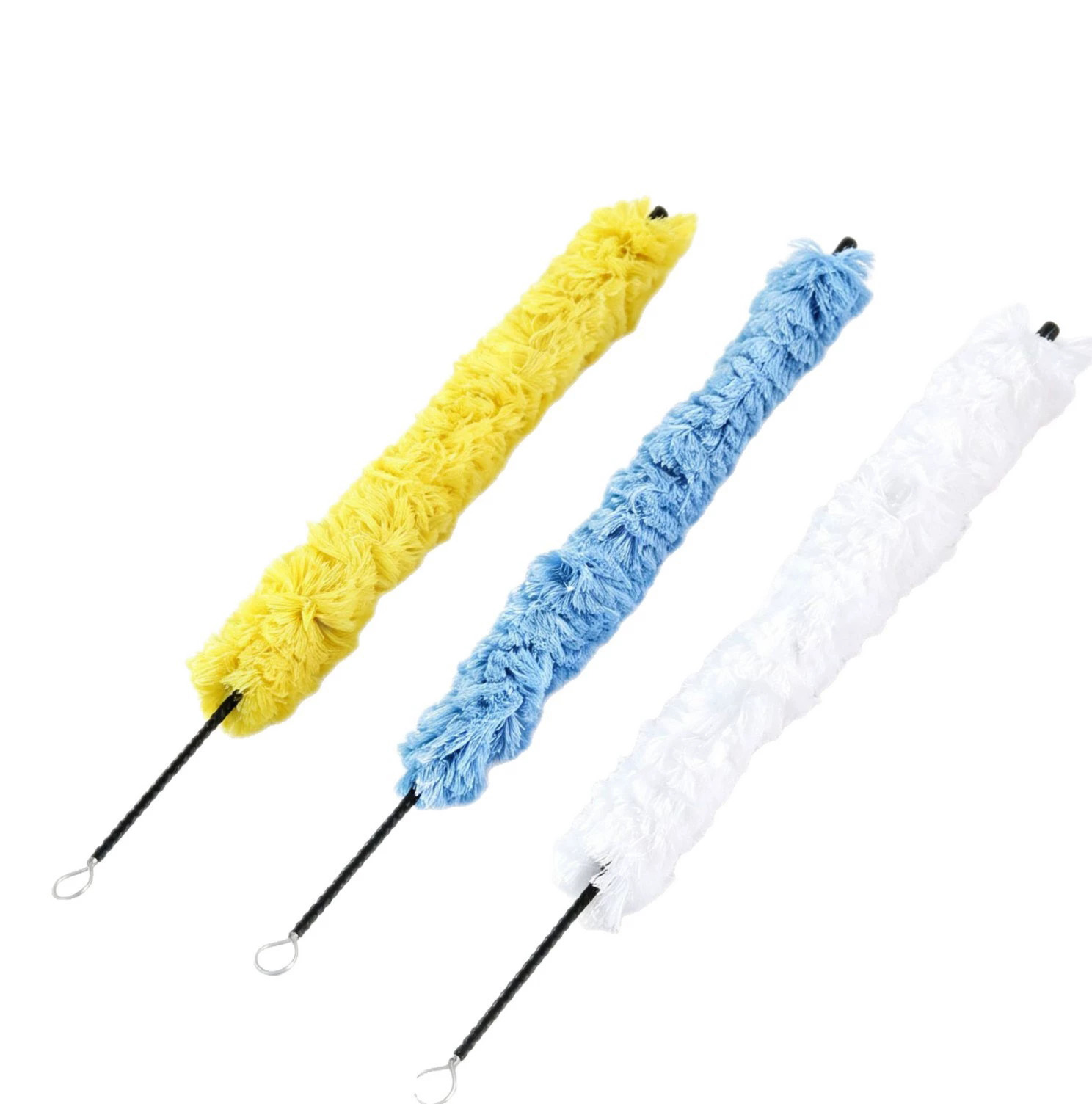
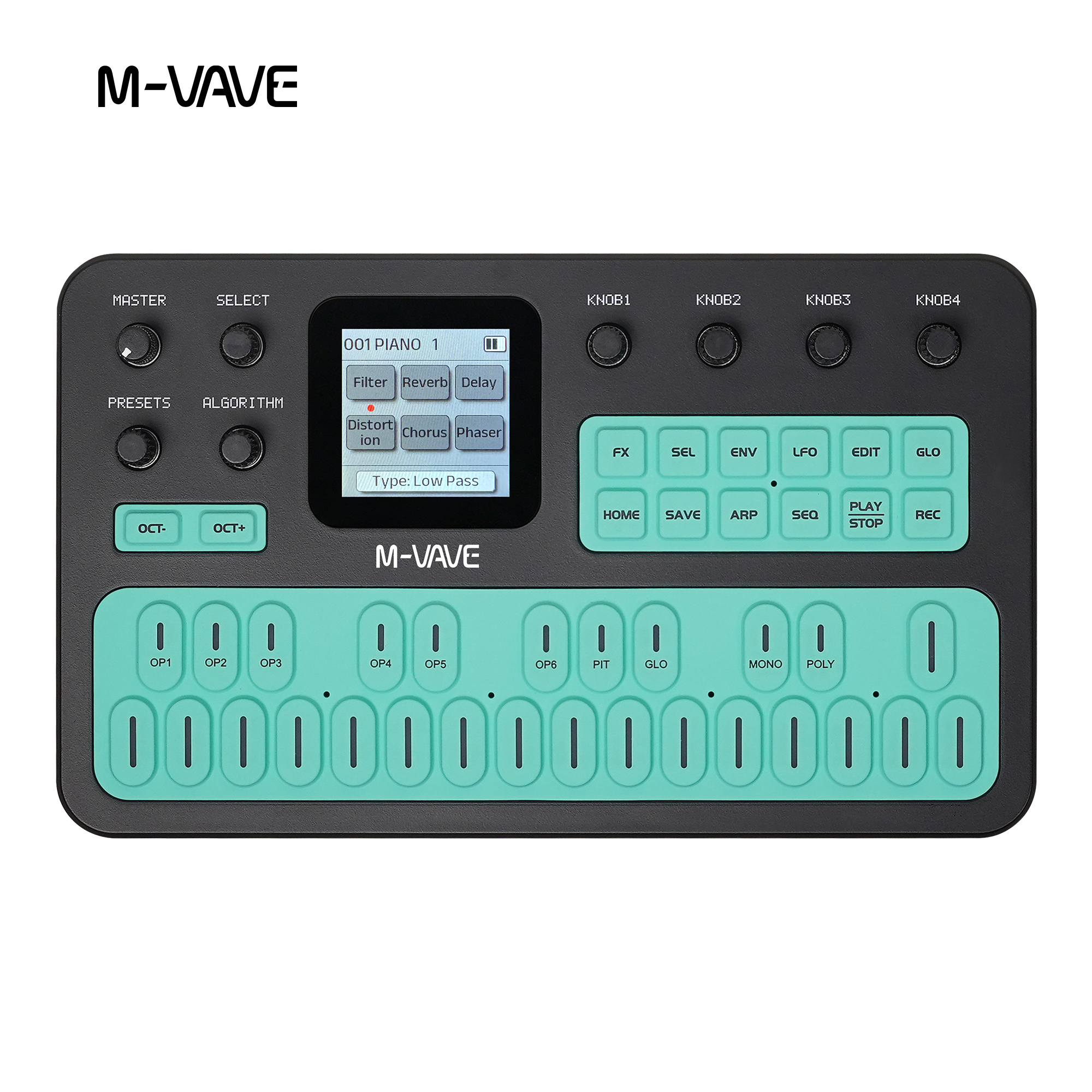
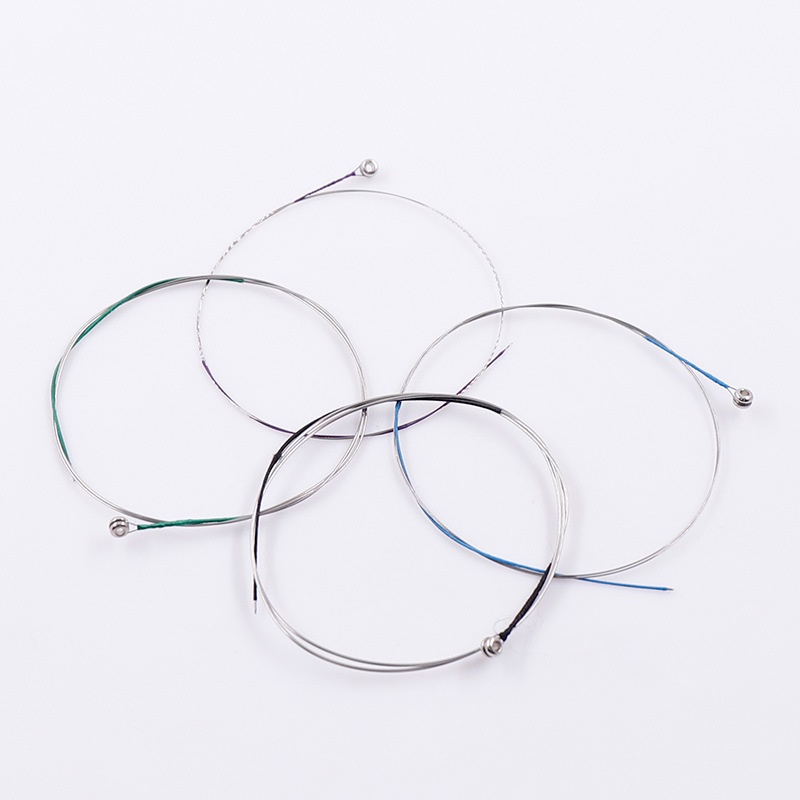
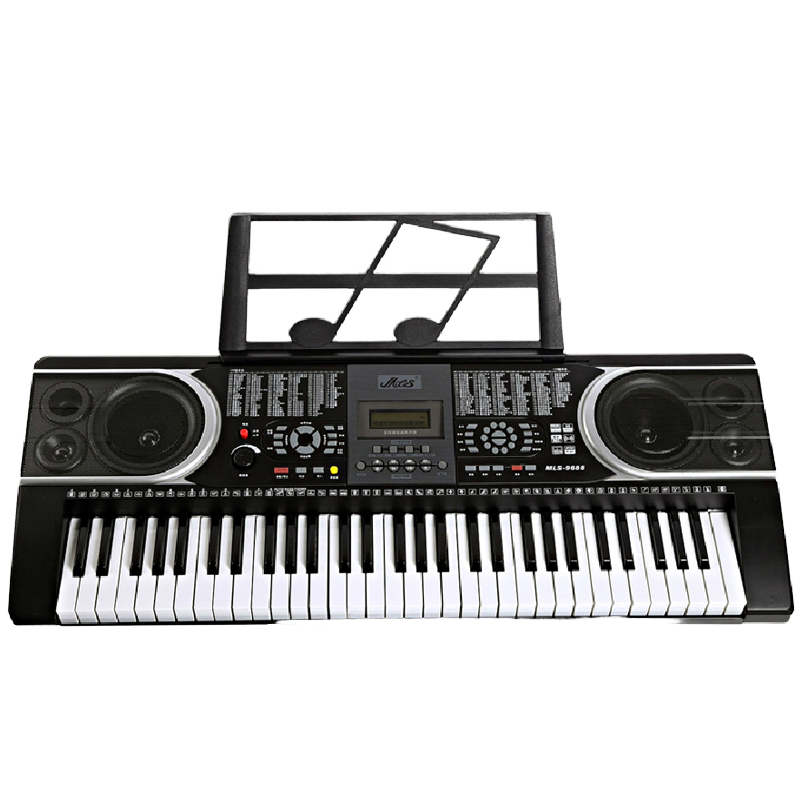
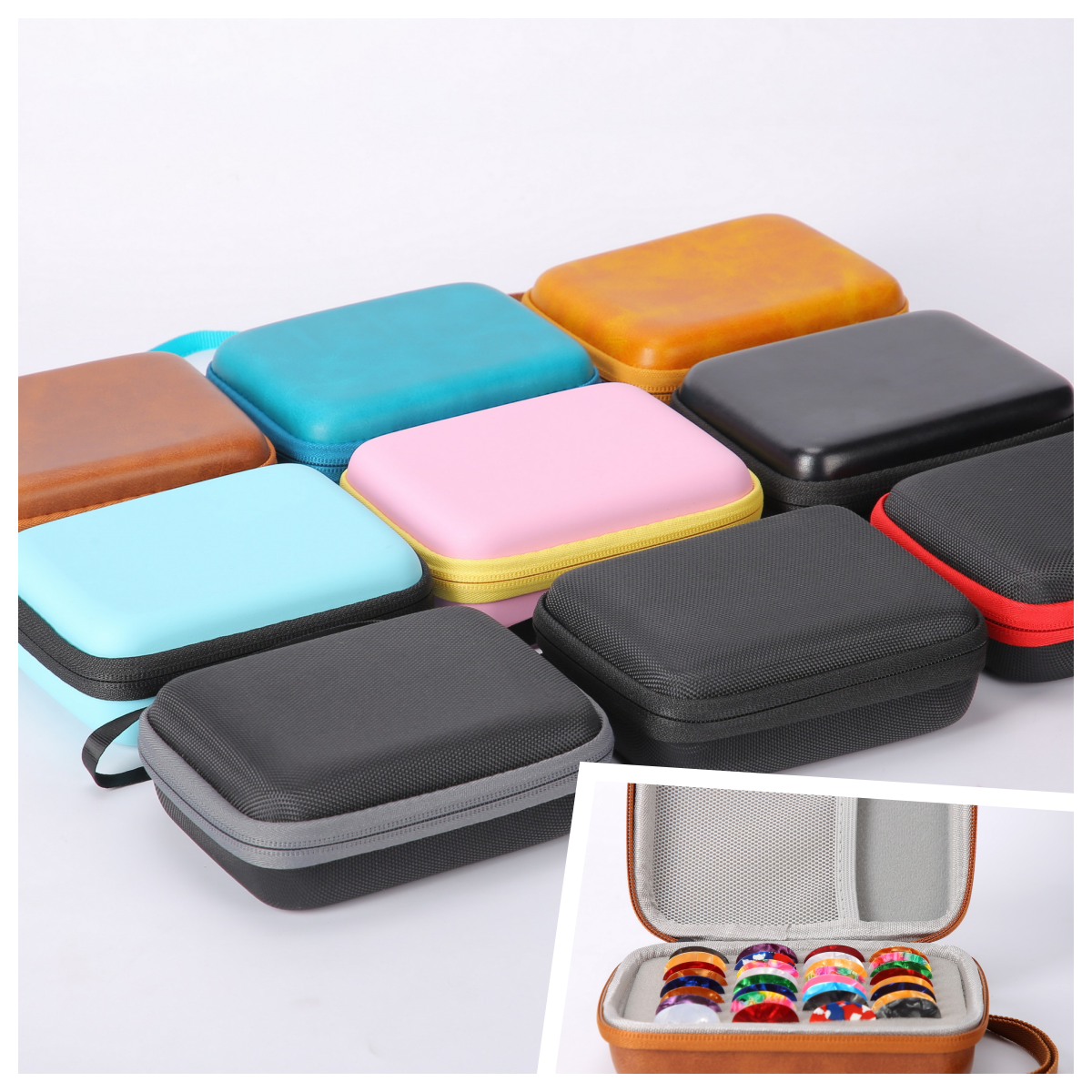
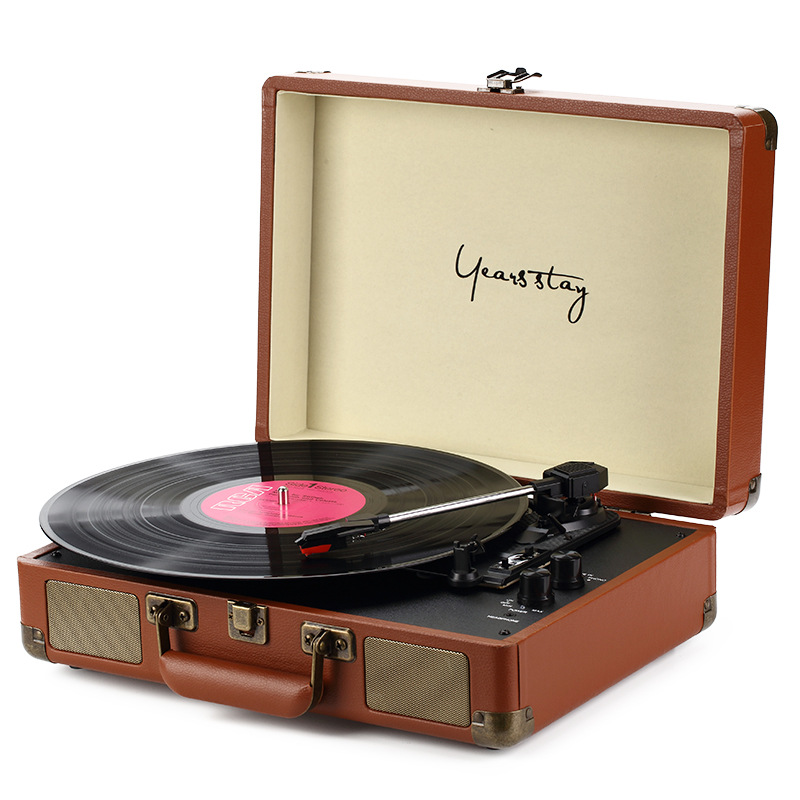
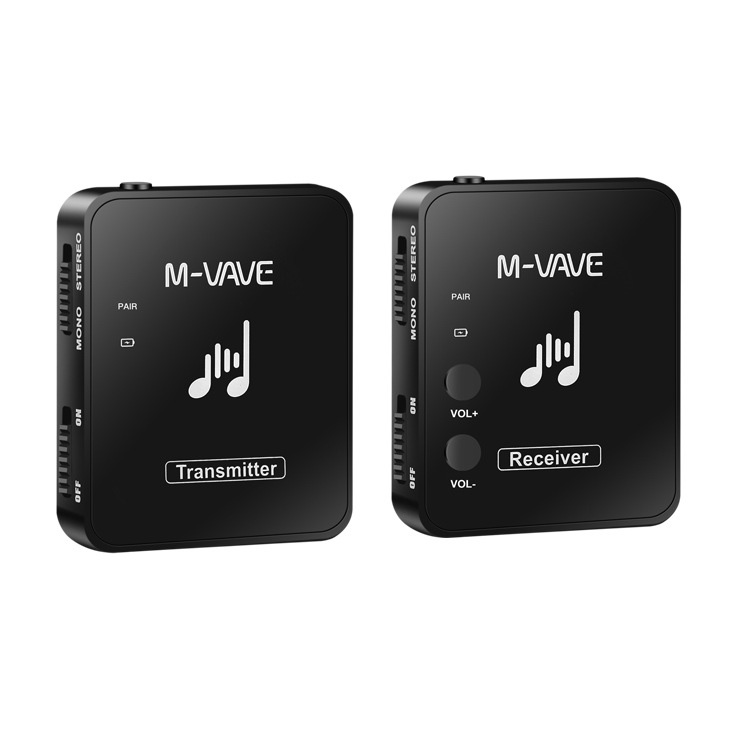
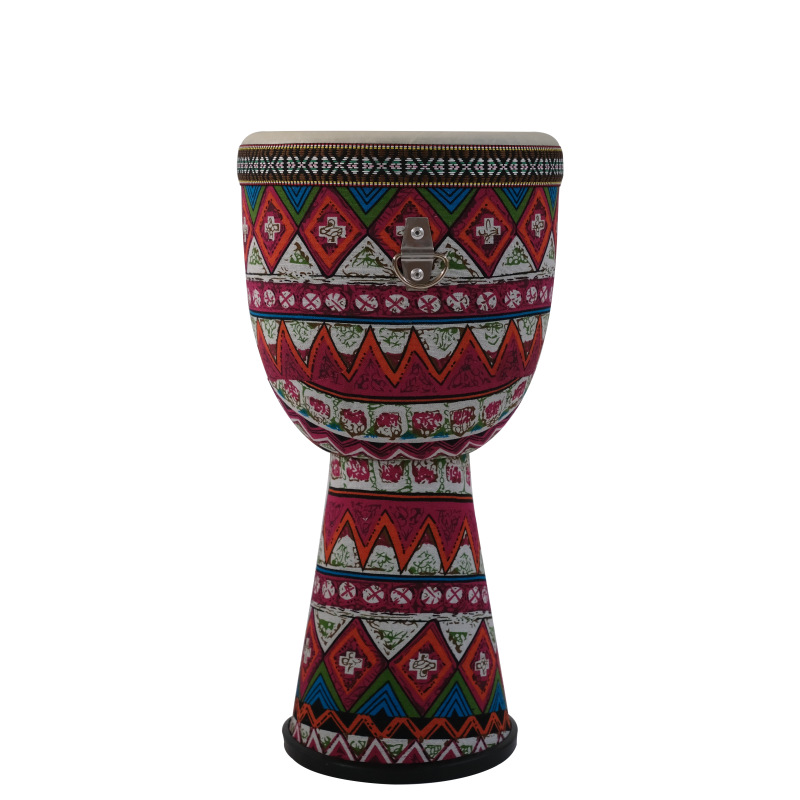
Sourcing begins with a sellable assortment, not a catalog download. The eight SKUs below blend guitar-programme essentials with high-velocity accessories and complementary instruments — useful when a distributor needs to test demand, build a mixed container or add margin-rich add-ons beside core guitar lines.
Why China Is Still the Center of Gravity for Custom Guitar Manufacturing
Despite rising costs in some categories, China remains the most complete ecosystem for custom guitar manufacturing and wholesale musical instruments. The advantage is no longer only labour; it is supplier density, component access, sampling speed, inspection maturity and export coordination.
The Pearl River Delta brings together hardware platers, tonewood traders, pickup and EQ suppliers, packaging printers, instrument workshops, testing services and freight consolidators within a compact production region. For buyers, that density reduces hidden costs: shorter sampling cycles, faster replacement of parts, more reliable packaging development and easier mixed-category shipments. A China custom guitar factory that can coordinate these inputs will usually beat a low headline FOB quote once rework, breakage, inspection failures and delayed replenishment are counted.
This is why serious wholesale buyers evaluate a potential partner on total landed cost, not unit price alone. They ask: Can the supplier document specifications? Can it keep a finish colour consistent across reorders? Can it inspect action height, fret ends, tuner alignment, electronics hum and carton protection before shipment? Can it combine guitars with strings, pick cases, in-ear monitors and percussion so the buyer avoids multiple vendors? WPI International Trade Co., Ltd. (Huizhou) operates in this coordination role for distributors, retailers, schools and private-label brands across North America, Western Europe, Southeast Asia and South America.
Years in the musical instrument industry
Assessed annual export sales
Orders shipped in the latest six-month period
Inquiry response rate
Average buyer rating
A Sourcing Partner Built for Wholesale Risk Reduction
The strongest supplier is the one that makes the next order easier. WPI combines assessed credentials, low-MOQ customization, finished-product inspection and one-stop consolidation so buyers can test new lines without overstocking.
Independently Assessed
Intertek onsite assessment verifies premises, legal status and core capabilities, including finished-product inspection and customization scope.
Low-MOQ OEM & ODM
Many instruments start from one piece for sampling. Private label, logo, packaging, graphics and design-based customization are supported.
Inspection Before Shipment
Finished-product inspection covers appearance, hardware, tuning stability and packaging, reducing the risk of chargebacks and returns.
One-Stop Consolidation
Guitars, ukuleles, violins, saxophones, drums, keyboards and accessories can be combined in one shipment with export documentation support.
What Wholesale Buyers Really Need Before They Request a Quote
The phrase “China top custom guitar factory” hides several different buyers. A private-label founder, a regional distributor and a school tender buyer each require a different answer. The supplier that recognises the intent first wins the inquiry.
Private-Label Brand Owner
Needs headstock shape, logo application, packaging, tonewood direction, EQ choices and repeatable specifications. They want a factory-ready sample before committing to a container.
Distributor & Retailer
Needs breadth, mixed-category loading, fast-moving accessories and replacement of best sellers. They think in sell-through, shelf space, margin tiers and reorder rhythm.
School & Tender Buyer
Needs durable beginner instruments, complete outfits, predictable performance and clean documentation. Delivery windows and packaging protection matter as much as price.
Buyers also increasingly ask about wood documentation, battery-containing products, packaging recyclability, spare parts and after-sales support. A supplier response that addresses these points before the buyer asks creates genuine information gain and shortens the sales cycle. That is why a useful wholesale page should not only list products; it should explain material trade-offs, MOQ logic, inspection steps and total landed cost.
What Wholesale Instrument Buyers Should Prepare For, 2025–2030
Procurement is shifting from “buy the cheapest container” to “build a resilient assortment”. The following trends matter for custom guitar factories, wholesalers and importers planning the next buying cycle.
Small-Batch Testing, Repeat Replenishment
Retailers are reducing first orders and replenishing faster. Suppliers with low MOQ, stable specs and quick sample turnaround will win repeat business.
Compliance-First Sourcing
Documentation, product safety, battery rules and packaging claims increasingly affect market access. Buyers prefer partners that can supply clear evidence.
Omnichannel-Ready Product Content
SKUs need clean images, dimensions, material data and consistent naming for websites, marketplaces and retail planograms. Product data is now part of the product.
Landed-Cost & Risk Management
Buyers are calculating freight, inspection, replacement and cash-flow impact. A reliable supplier reduces total cost even when the unit price is not the lowest.
Buyer Priority Signals for a Custom Guitar Programme
Qualitative buying signals based on wholesale inquiries, not a market-size forecast.
What this means for buyers
Plan your first order around a compact, testable assortment and reserve budget for replenishment. Ask for a specification sheet, sample timeline, inspection criteria and packaging proposal. If a supplier cannot define these, the lowest quote will often become the highest risk.
For custom guitar programmes, the future belongs to partners who can combine materials engineering, accessory cross-selling, product data and export discipline. WPI’s broad catalog and low-MOQ model are designed for exactly this shift.
How Custom Guitars and Wholesale Instruments Are Evolving
Product development no longer stops at body shape and finish. Buyers want instruments that fit modern retail channels, content creation, travel, education and home recording.
Tonewood Realism at More Price Points
Layered basswood and linden remain volume drivers, while solid spruce tops and acacia laminates lift perceived quality. Custom factories that explain the tonal trade-off help buyers build clearer price tiers.
Travel, Silent & Electric Formats
Urban players and content creators want quiet practice and portable performance. Stringless smart guitars, headless models, electric violins and compact keyboards continue to expand niche demand.
Smart Instruments & MIDI Integration
MIDI controllers, digital FM keyboards and app-friendly instruments create new retail stories. Buyers should request clear compatibility, accessory and after-sales documentation.
Accessory Attachment & Bundling
Strings, pick cases, capos, stands and in-ear monitors increase average order value. Wholesalers increasingly prefer one supplier that can bundle guitar programmes with margin-rich add-ons.
Material & Size Guide for Wholesale Guitar and Instrument Programmes
Use this practical guide to align product specifications with your target market. The same factory can build multiple quality tiers; the key is to define the price band, playing level and retail channel before sampling.
| Material | Tone & Feel | Best For |
|---|---|---|
| Basswood / linden laminate | Warm, balanced, lightweight and stable | Entry-level guitars, school programmes and price-led retail |
| Solid spruce top | Bright, articulate; opens up with playing | Step-up guitars and violins, music-store mid range |
| Acacia laminate | Warm with focused mids and attractive grain | Concert ukuleles, gift shops and lifestyle retail |
| Zebrawood laminate | Bright mids and eye-catching striped look | Display-driven retail and online marketplaces |
| ABS plastic | Durable, humidity resistant and colourful | Kids’ instruments, classrooms and promotions |
| Carbon fibre | Weather-stable with consistent projection | Travel and outdoor players, premium niche buyers |
Guitar Sizes
- 38"Kids, travel and compact classical
- 39"Standard classical nylon-string
- 40"–41"Full-size folk and dreadnought
Ukulele Sizes
- 21" SopranoClassic sound, kids and beginners
- 23" ConcertRoomier frets, strong best seller
- 26" TenorFuller tone for adult players
Violin Sizes
- 4/4Adults and teenagers
- 3/4 – 1/2Approx. ages 7–11
- 1/4 – 1/8Young starters and school programmes
WPI International Trade Co., Ltd. (Huizhou): The Export Partner Behind the Catalogue
WPI is not just a listing page. It is a Huizhou-based trading and export team with a broad instrument network, documented trade record and practical OEM/ODM support for wholesale buyers.
WPI International Trade Co., Ltd. (Huizhou) began exporting musical instruments from Hong Kong in June 2010 and established its Huizhou, Guangdong operation in 2014. The company is a trading company and multispecialty supplier with 28 staff, 22 of whom work in trading and export roles. Its catalog covers acoustic and electric guitars, ukuleles, violins, cellos, saxophones, clarinets, drum sets, steel tongue drums, keyboards and accessories.
For custom guitar programmes, the value is in matching the right workshop to the brief: entry-level student guitars, cutaway electro-acoustic models, 12-string guitars, classical nylon-string instruments, basswood bodies, solid spruce tops, EQ systems and private-label packaging. WPI also supports mixed-category orders, which matters for importers who need guitars, strings, tuners, capos, percussion and audio accessories in one shipment.
The company describes its goal as long-term cooperation: protecting the buyer’s market, maintaining quality consistency and keeping pricing reasonable. That philosophy appears in its low-MOQ sampling policy, finished-product inspection before delivery, third-party assessment by Intertek and multi-category consolidation. For buyers who want a China custom guitar factory and wholesale partner without building a full sourcing team, this is the practical middle path: factory-direct access, export coordination and one point of contact.
- Business type: trading company and multispecialty supplier
- Assessed annual sales: US$9,000,000
- Main markets: North America, Western Europe, Southeast Asia and South America
- Recent trade record: 952 orders and US$370,000+ in six months
- Intertek onsite assessment and finished-product inspection capability
- Low-MOQ sampling plus OEM/ODM customization

Brief
Share target market, model, size, tonewood, logo and packaging direction.
Proposal
Receive model matching, MOQ guidance, specification and packaging recommendations.
Sampling
Approve a pre-production sample before mass production begins.
Production
Mass production proceeds with agreed materials, hardware and finish standards.
Inspection
Finished-product inspection covers appearance, hardware, tuning stability and packaging.
Shipping
Choose FOB, CIF, DDP or express delivery with export documentation support.
Quality Control and Risk Reduction for Wholesale Instrument Orders
Quality control is not one final inspection. It is a sequence of decisions starting with the brief. For guitars, the most common avoidable issues are action height, fret ends, nut slots, tuner alignment, electronics hum, finish defects, humidity-related movement and inadequate carton protection.
When instruments are sourced from partner workshops, buyers need a written inspection protocol and an agreed sampling plan. WPI’s assessed capability includes finished-product inspection before delivery, covering appearance, hardware, tuning stability and packaging. The company has also been assessed onsite by Intertek, with verification of premises, legal status and main product lines. For a distributor, this is not paperwork — it is protection against margin loss from returns, marketplace penalties and damaged retail relationships.
Accepted Payment Methods
T/T, L/C, D/P, D/A, MoneyGram, credit card, PayPal, Western Union, cash and escrow.
Accepted Delivery Terms
FOB, CFR, CIF, EXW, FAS, CIP, FCA, CPT, DEQ, DDP, DDU, DAF, DES and express delivery.
Typical MOQ Structure
From 1 piece for sampling; 2–10 pieces per instrument model; 20–600 sets for strings and small accessories.
Common Procurement Questions: Custom Guitar Factory & Wholesale Buyers
These are the questions that repeatedly appear in serious sourcing conversations. Clear answers save weeks of sampling and email exchange.
What is the minimum order quantity for wholesale guitars and custom instrument orders?
Many guitars, ukuleles, violins and saxophones can be ordered from one piece for sampling. Typical wholesale MOQs are 2–10 pieces per model for instruments and 20–600 sets for strings and small accessories. Private-label programmes may require a higher quantity depending on logo method, packaging and hardware changes. Mixed-category orders are welcome.
Can WPI produce private-label guitars and OEM/ODM designs?
Yes. Third-party assessed capabilities include sample-based customization, minor customization such as logo, packaging and graphics, design-based customization and full customization. For guitars, common requests include headstock shape, logo application, finish colour, EQ system, hardware, gig bag and retail carton design.
How can I check quality before shipment?
Start with a pre-production sample and written specifications. During production, request in-process checks for critical steps. Before delivery, WPI conducts finished-product inspection covering appearance, hardware, tuning stability and packaging. Buyers may also appoint a third-party inspection company for added assurance on larger orders.
Which payment and delivery terms are available?
Accepted payment methods include T/T, L/C, D/P, D/A, MoneyGram, credit card, PayPal, Western Union, cash and escrow. Delivery terms include FOB, CFR, CIF, EXW, FAS, CIP, FCA, CPT, DEQ, DDP, DDU, DAF, DES and express delivery. The best term depends on destination, order value and buyer experience.
Which markets does WPI export to?
The main markets are North America, Western Europe, Southeast Asia and South America. The company works with distributors, retailers, schools and private-label brands, and can adapt packaging, labelling and documentation to the destination market.
Which guitar models should a new distributor order first?
A practical first assortment usually combines a 40-inch beginner acoustic guitar, a 41-inch cutaway acoustic-electric model, a 39-inch classical nylon-string guitar and a compact 38-inch option for younger players. Add strings, pick cases, tuners and stands to lift average order value and support retail sell-through.
Can I mix different instruments and accessories in one order?
Yes. One-stop consolidation is a core advantage. Guitars, ukuleles, violins, saxophones, drums, keyboards, percussion and accessories can be combined in one shipment, reducing supplier management time and potentially improving freight efficiency. Mixed orders are especially useful for distributors testing new categories.
How do I get an accurate quotation quickly?
Send the target model or reference image, required quantity, destination country, target price, logo or packaging requirements, sample deadline and any compliance needs. The more specific the brief, the faster WPI can recommend materials, MOQ, inspection steps and shipping terms. Use the inquiry button below to start.
Build Your Custom Guitar and Wholesale Instrument Programme with WPI
Tell us your target market, quantities, model direction, logo, packaging and delivery deadline. WPI will recommend the right factory-fit models, confirm MOQ and outline the sampling, inspection and shipping path — from one piece to consolidated wholesale orders.
Inquire Now