Years exporting musical instruments
Annual sales, third-party assessed
Orders shipped in the last 6 months
Average inquiry response rate
What Separates the Best Stringed Instrument Suppliers in China From the Rest
There are thousands of musical instrument trading companies in China, but very few combine three things importers actually need: verifiable quality control, a genuinely low entry order quantity, and the ability to consolidate strings, hardware, electronics and accessories into a single shipment. This page documents how WPI International Trade Co., Ltd. (Huizhou) addresses all three — with assessed figures, reorder-driven product recommendations, a forward view of procurement behaviour through 2030, and the questions buyers ask before their first purchase order.
Eight Stringed-Instrument Lines Buyers Reorder Most
Selected from live export orders, these eight SKUs show both the breadth of the WPI catalogue and the way real buyers order — from a single sample piece to a full OEM run. Every item below can be shipped on its own or consolidated into a mixed container.
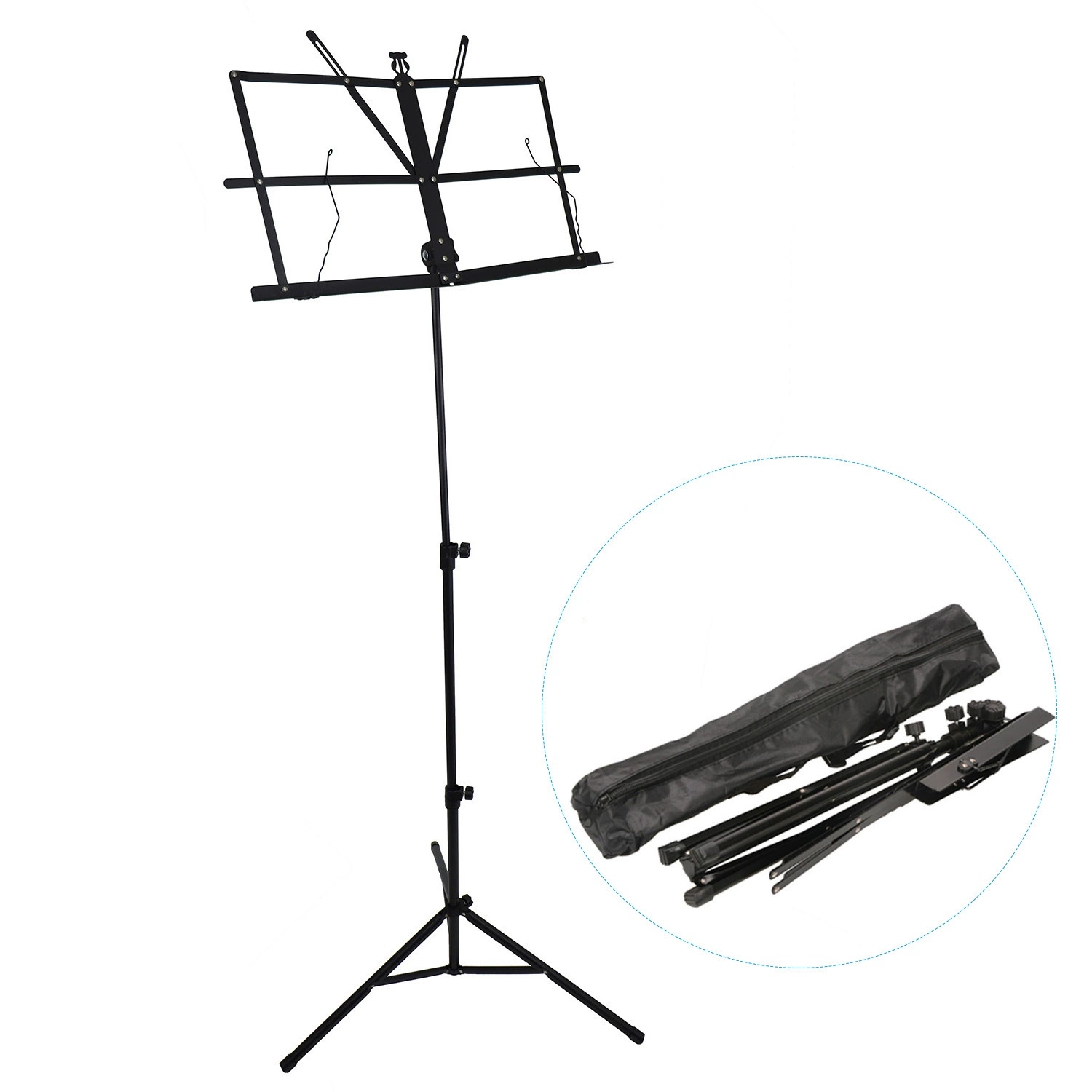
Factory Wholesale Small-Size Portable Adjustable Music Stand With Bag
Folding tripod stand in powder-coated steel tube with a fitted carry bag. A high-turnover add-on for school orchestras, rental fleets and online accessory sellers.
MOQ from 1 pc · OEM logo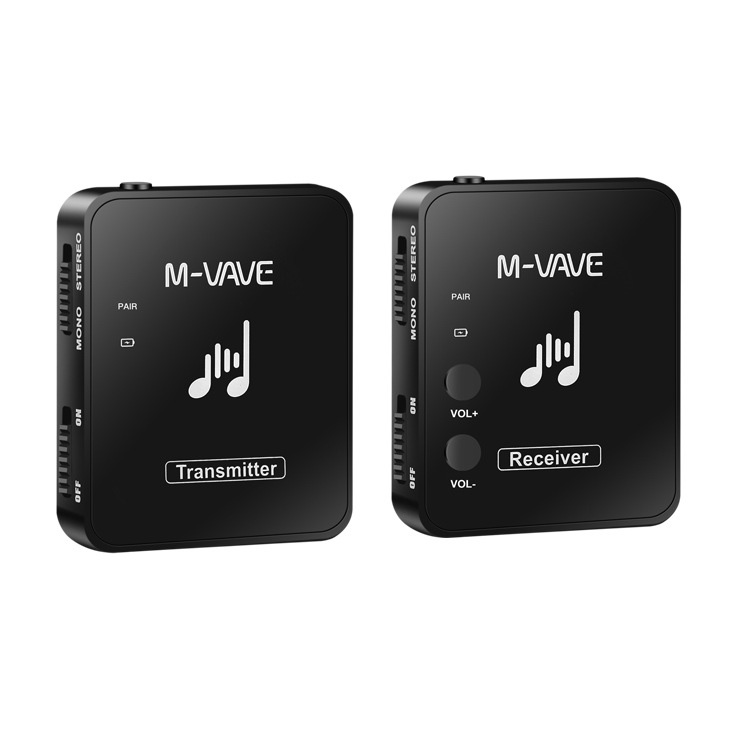
Wireless In-Ear Monitor System Transmitter Receiver Mono Stereo Earback Set Guitar System
Switchable mono/stereo operation with a stable UHF link for stage, rehearsal and house-of-worship use. Frequently bundled with wireless guitar systems.
MOQ from 1 set · OEM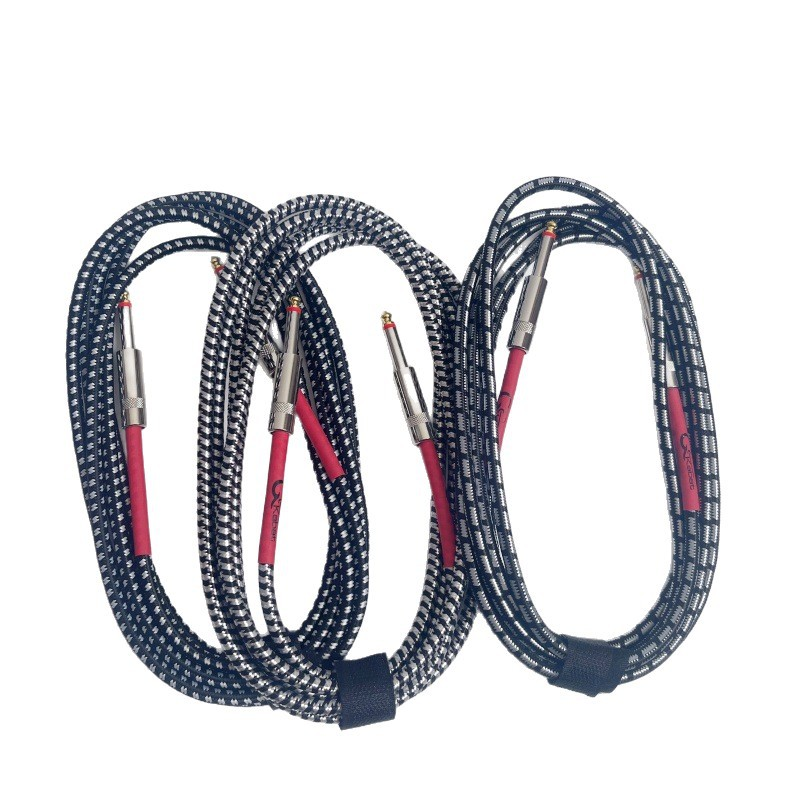
Braided Guitar Cable, 6.35mm Male to Male Noise Reduction Audio Cord for Bass, Instrument Connection Wire Wholesale
Braided outer jacket with reinforced strain relief and shielded conductors that suppress hum. Lengths, colours and retail packaging can be customised.
MOQ from 50 pcs · Bulk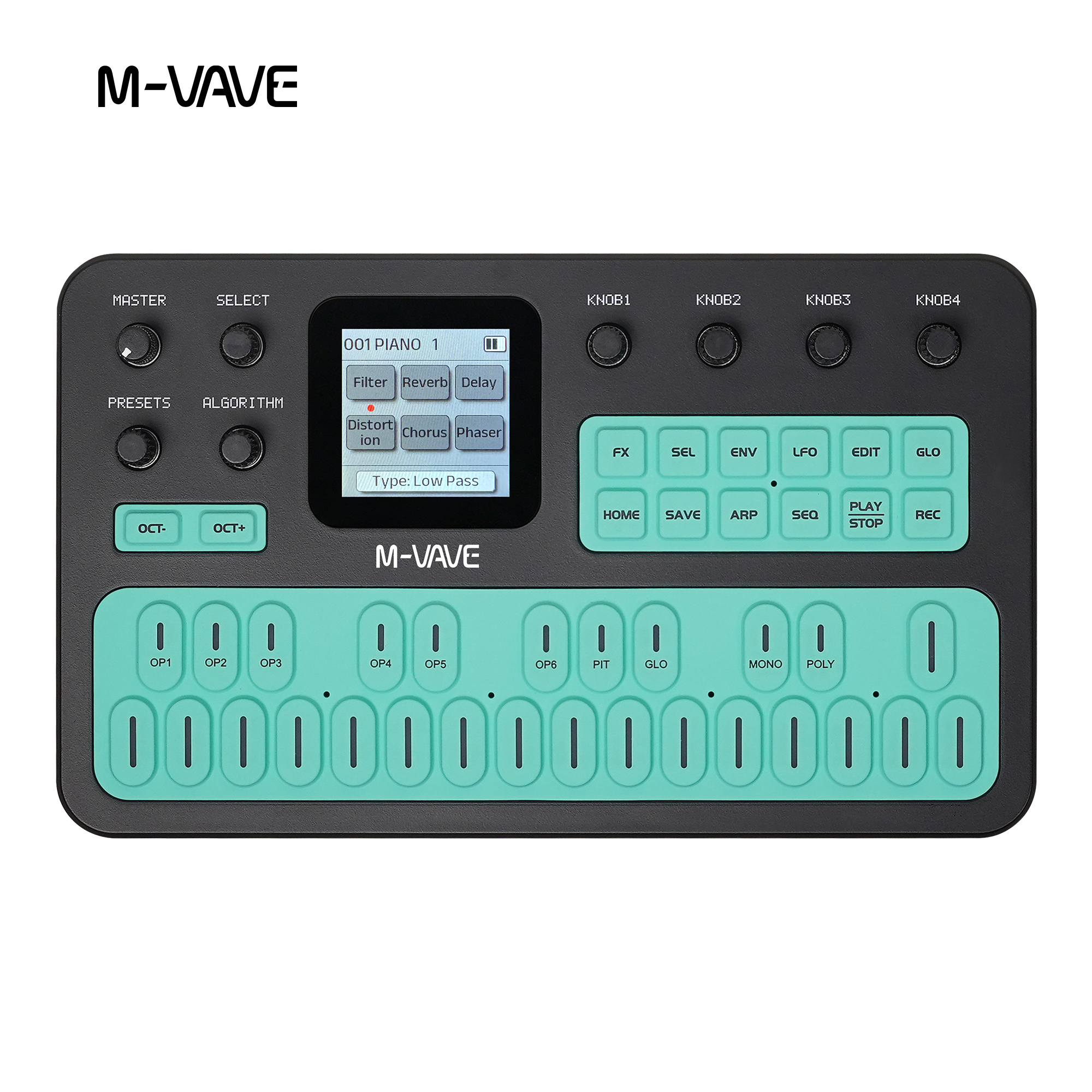
Factory Bestseller Portable M-VAVE FM-1 Synthesizer MIDI Digital FM Keyboard Screen Sequencer Arpeggiator Built-in Presets
FM synthesis engine with sequencer, arpeggiator and built-in presets in a battery-friendly chassis. Moving fast in the creator-gear and content-market channels.
MOQ from 1 pc · Distribution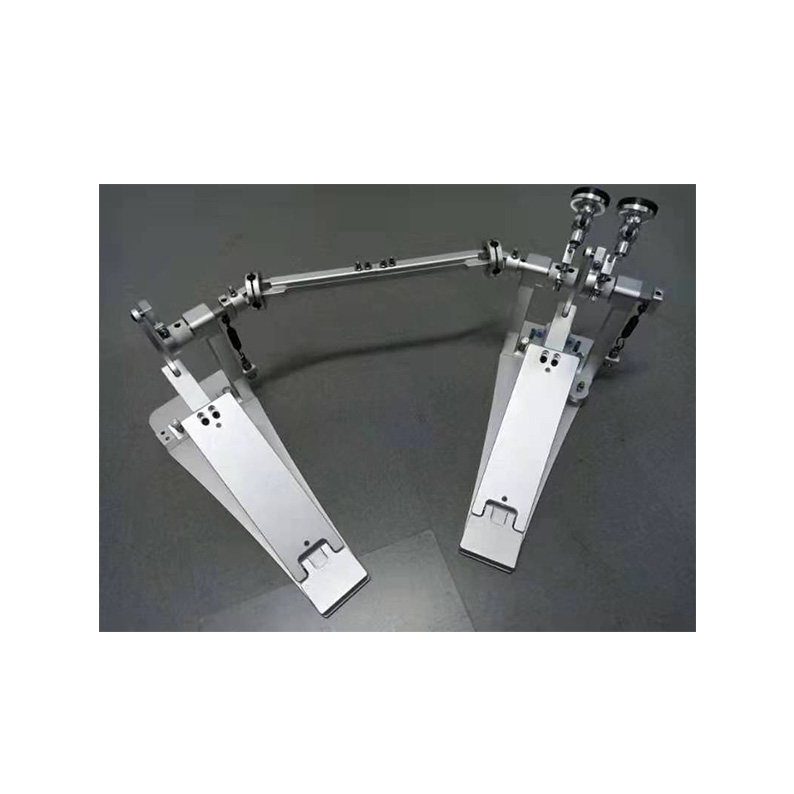
Brushed Silver Double Bass Drum Pedal Direct Drive Drum Kit Accessory
Direct-drive linkage with independent beater and spring tension adjustment, finished in brushed silver. A margin-rich accessory for drum hardware specialists.
MOQ from 1 pc · OEM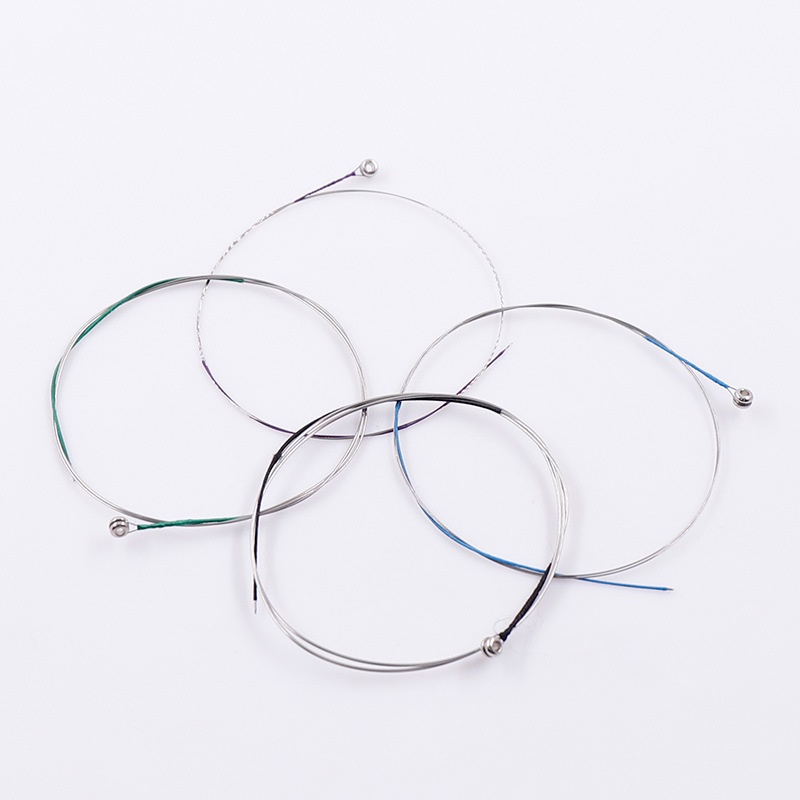
Silver Steel Violin Strings Loose Set for Classical Guitar Wholesale Guitar Parts Accessories
Loose-packed sets that make mixed-string and private-label programmes practical. Silver-steel winding delivers a clear, articulate tone with dependable lifespan.
MOQ from 600 sets · Private label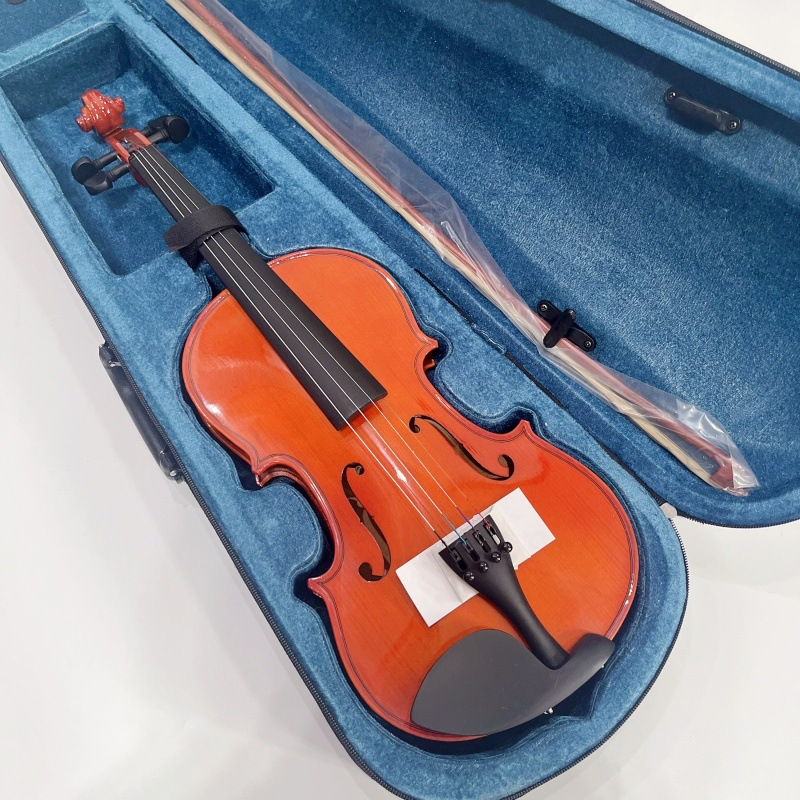
4/4 Full Size Solid Spruce Top Violin, Adult Beginner Violin, Solid Wood Student Violin Musical Instrument Wholesale
Hand-graduated solid spruce top with matching solid back and sides, including case, bow and rosin. The core stocking instrument for music retailers and school programmes.
MOQ from 1 pc · OEM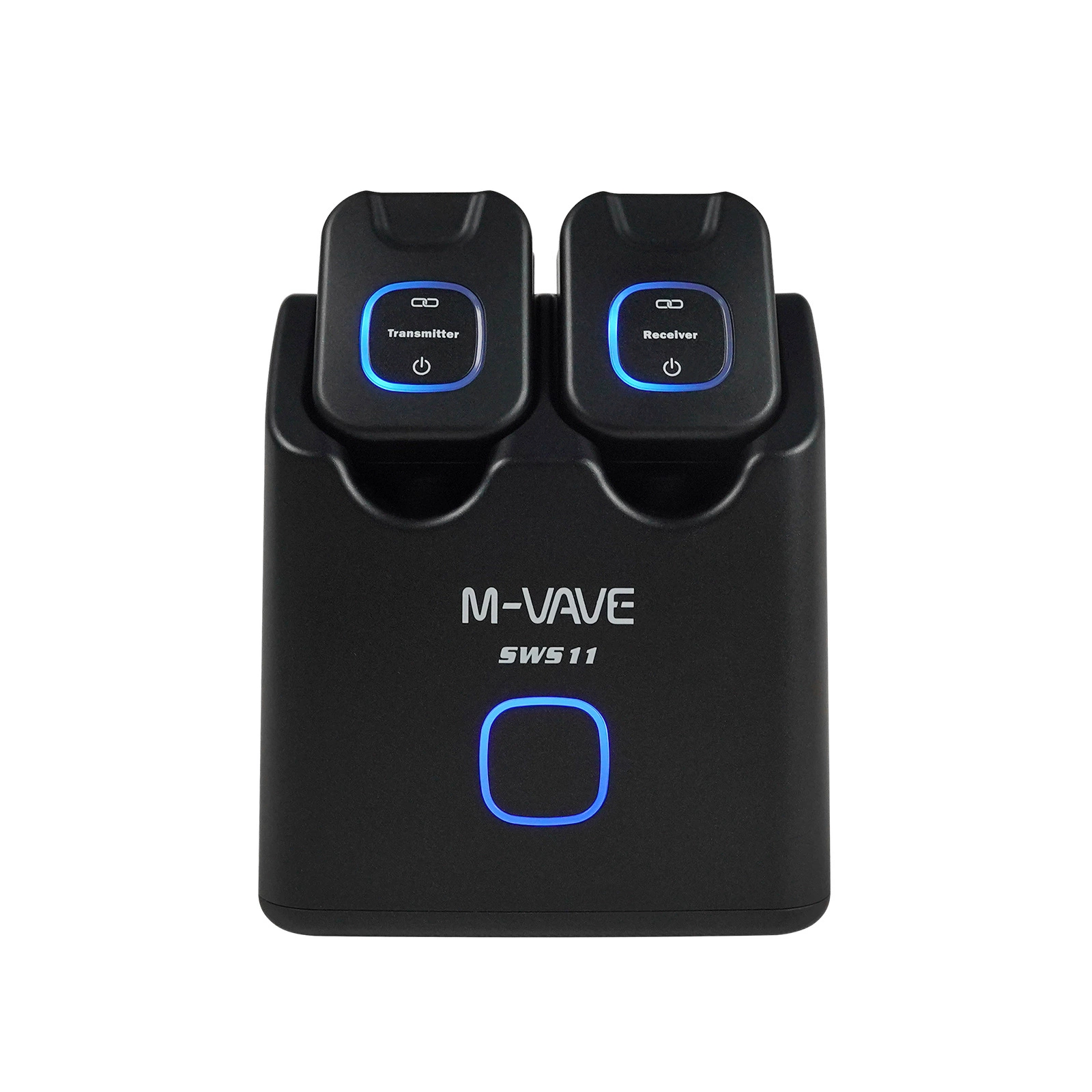
M-VAVE SWS11 2.4Ghz Wireless Guitar Audio System Rechargeable Transmitter Receiver with Charging Base
2.4GHz low-latency link with a docking charging base and long playback time. Pairs naturally with cables, straps and stands in a bundled accessory planogram.
MOQ from 1 pc · DistributionA Stringed Instrument Supplier Built for Wholesale Reality
Buyers shortlist suppliers on price, then lose confidence on consistency. WPI was structured around the second problem — which is why assessed buyers return order after order rather than re-tendering each season.
Independently Assessed
Our premises, legal status and capabilities were verified onsite by Intertek, including assessed videos, inspection reports and verified product lines. Every order passes finished-product inspection before packing.
12 Years of Export Practice
Export activity started in Hong Kong in June 2010 and the Huizhou operation was established in 2014. A team of 28 people — 22 of them in trading and export roles — handles documentation, QC and logistics in-house.
Low-Threshold OEM / ODM
Sample-based customisation, minor customisation (logo, packaging, graphics), design-based customisation and full customisation are all available — with typical instrument MOQs of 2–10 pieces per model, not full pallets.
One-Stop Consolidation
Guitars, violins, percussion, keyboards and accessories travel together in one booking. That single change usually removes a full layer of freight cost and supplier administration from a buyer's budget.
- Main markets: North America, Western Europe, Southeast Asia and South America
- Payment: T/T, L/C, D/P, D/A, MoneyGram, credit card, PayPal, Western Union, cash and escrow
- Delivery terms: FOB, CFR, CIF, EXW, FAS, CIP, FCA, CPT, DEQ, DDP, DDU, DAF, DES and express
- Currencies accepted: USD, EUR, JPY, CAD, AUD, HKD, GBP, CNY and CHF
- Typical MOQ: from 1 piece for sampling, 20–600 sets for strings and small parts
- Verified buyer rating of 4.6 / 5 across completed transactions
How Wholesale Instrument Buying Is Changing Through 2030
Purchasing behaviour in this category has shifted more in the last four years than in the previous fifteen. Three structural changes now shape how serious importers plan their assortments.
Smaller Batches, Higher Frequency
Container-sized bets on a single model are being replaced by small recurring orders that follow real sell-through data. Buyers now test a model at 20–50 units, measure velocity for one quarter, then scale. Suppliers that publish usable MOQs and accept mixed-model orders win the reorder, while those demanding a 300-piece commitment per SKU lose it. Expect order frequency to keep rising and average order value per line to keep falling.
Remote Verification Becomes Standard
Third-party onsite assessment, live video factory walks and pre-shipment inspection footage are moving from optional extras to procurement prerequisites. Purchasing teams increasingly refuse to allocate budget to a supplier who cannot produce a verifiable assessment record. For importers, this is good news: it shortens due diligence and gives a defensible audit trail when a board or lender asks how a supplier was approved.
Compliance and Materials Disclosure
Wood-origin documentation, CITES awareness for restricted species, recyclable packaging and restricted-substance declarations are now requested at quotation stage rather than at shipment. Retail chains in Europe and North America pass these requirements straight down the supply chain. Suppliers who can answer material questions quickly — and who can substitute compliant species without changing price tiers — are becoming the default choice.
Where Stringed Instrument Design Is Heading Next
Design decisions that were premium differentiators two years ago are now appearing at entry-level price points. These are the four directions shaping the next generation of instruments and accessories.
Alternative and Composite Materials
Carbon fibre, HPL and engineered ABS are no longer seen as compromises. They resist humidity swings that crack solid wood in transit and in unheated practice rooms, they hold tuning in variable climates, and they allow stable pricing. Expect hybrid builds — a solid spruce top over a composite body — to occupy the mid-market, while all-composite instruments serve travel, education and outdoor segments.
Silent Practice and Smart Instruments
The practice-mute instrument category keeps expanding: electric violins with headphone output, stringless smart guitars that generate chords automatically, and compact synths with built-in speakers. Their common denominator is that they let an adult beginner play at 11 p.m. in an apartment. For retailers, they open a customer segment that traditional acoustic instruments never reached.
Wireless as a Default, Not an Upgrade
2.4GHz guitar systems, wireless in-ear monitors and rechargeable docking bases are becoming standard stock items rather than premium add-ons. Buyers increasingly expect a cable-free option to sit beside the wired version in the same planogram. Products with USB-C charging and a shared charging dock are outperforming single-purpose units in reorder velocity.
Materials, Sizes and Specification Benchmarks
Practical specification notes distilled from twelve years of export orders, written to help you plan an assortment that sells through instead of sitting in a warehouse.
| Material | Tone & Handling | Best Commercial Fit |
|---|---|---|
| Basswood / linden laminate | Warm, balanced, light in the hands and dimensionally stable in transit. | Entry-level guitars, school programmes, price-led retail and promotional lines. |
| Solid spruce top | Bright and articulate, opening up with playing time; rewards a proper setup. | Step-up guitars and student violins for music stores with a mid-market customer base. |
| Acacia laminate | Warm with focused mids and an attractive grain that photographs well. | Concert ukuleles and gift-oriented retail where shelf appeal converts. |
| Zebrawood laminate | Bright mids with a striking striped figure that reads clearly in listings. | Marketplace and display-driven retail where the product image does the selling. |
| ABS / engineered polymer | Durable, humidity-resistant, available in any colour, very consistent unit to unit. | Children's instruments, classroom sets and high-volume promotional programmes. |
| Carbon fibre composite | Weather-stable with consistent projection and no seasonal movement. | Travel, outdoor and premium niche players who prioritise durability over tradition. |
Guitar Sizes
- 38"Children, travel and compact classical
- 39"Standard classical nylon-string
- 40"–41"Full-size folk and dreadnought
Ukulele Sizes
- 21" SopranoClassic tone, children and beginners
- 23" ConcertRoomier frets, the volume best seller
- 26" TenorFuller tone for adult players
Violin Sizes
- 4/4Adults and teenagers
- 3/4 – 1/2Roughly ages 7 to 11
- 1/4 – 1/8Young starters and rental stock
What Wholesale Buyers Ask Before the First Order
Straight answers to the six questions that come up in almost every sourcing conversation.
What is the minimum order quantity for wholesale stringed instruments?
Many guitars, ukuleles, violins and saxophones can be ordered from a single piece for sampling and evaluation. Typical production MOQs sit at 2–10 pieces per model for instruments, and 20–600 sets for strings, cables and other small accessories. Mixed-category orders are welcome, which means a first order can combine several models rather than committing to one SKU.
Do you offer OEM and ODM customisation?
Yes. Our third-party assessed capabilities cover sample-based customisation, minor customisation such as logo, packaging and graphics, design-based customisation and full customisation. Headstock branding, colour finishes, gig-bag artwork and retail cartons are all routine requests. Share a technical drawing, a competitor sample or even a mood board and the team will return a workable specification and quotation.
How is quality controlled before shipment?
Every order passes finished-product inspection before delivery, covering appearance, hardware condition, tuning stability and packaging integrity. Because our premises were assessed onsite by Intertek, buyers can review an independent assessment record alongside the internal inspection report rather than relying solely on the supplier's own description.
Which payment and delivery terms are accepted?
Payment methods include T/T, L/C, D/P, D/A, MoneyGram, credit card, PayPal, Western Union, cash and escrow. Delivery terms cover FOB, CFR, CIF, EXW, FAS, CIP, FCA, CPT, DEQ, DDP, DDU, DAF, DES and express delivery. Documents are issued in USD, EUR, JPY, CAD, AUD, HKD, GBP, CNY or CHF, so buyers can match settlement currency to their own accounting requirements.
Which markets do you currently export to?
Our main markets are North America, Western Europe, Southeast Asia and South America. Each region has its own specification habits — for example, North American buyers tend to favour cutaway electro-acoustic models, while several European markets request stricter packaging and materials documentation — and the team advises on these differences during quotation.
Which sizes should a new retailer stock first?
For ukuleles, 21-inch soprano and 23-inch concert models cover the largest share of beginner demand, with 26-inch tenor for adult players chasing a fuller tone. For violins, 4/4 moves fastest overall, but a split-size rental programme covering 1/8 to 3/4 will build repeat business with local schools. For guitars, 40-inch and 41-inch folk models anchor the range while 38-inch and 39-inch serve younger players and classical beginners.
Ready to Build Your Stringed Instrument Range?
Tell us your target market, quantities, preferred sizes and any branding requirements. The team will come back with recommended models, realistic MOQs, sample lead times and a landed-cost estimate — usually within one working day. Buyers in North America, Western Europe, Southeast Asia and South America are already served from our Huizhou, Guangdong base.