China Best Guitar Strings Factories & Supplier
A procurement-focused white paper for importers, distributors, music retailers and private-label brands comparing guitar string quality, OEM flexibility, MOQ, quality control and future sourcing trends.
8 Wholesale Products Commonly Bought With Guitar Strings
Guitar string buyers rarely order strings alone. Distributors, music shops and online sellers often combine strings with accessories, practice tools, recording adapters, gig bags and performance gear. The eight products below are proven add-on SKUs from WPI’s instrument and accessory range, shown with their original product URLs.
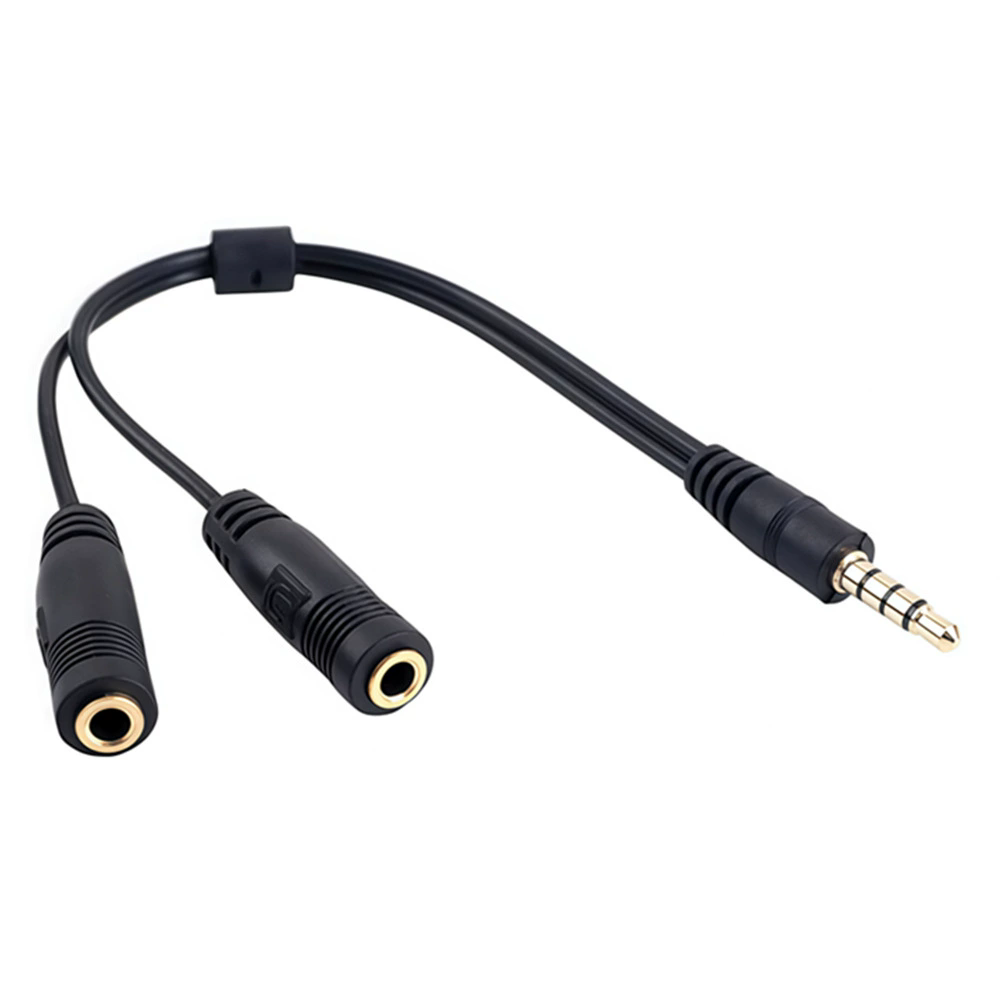
Wholesale 3.5mm 4-Pole Headset Microphone Splitter Adapter Cable for Laptop PC
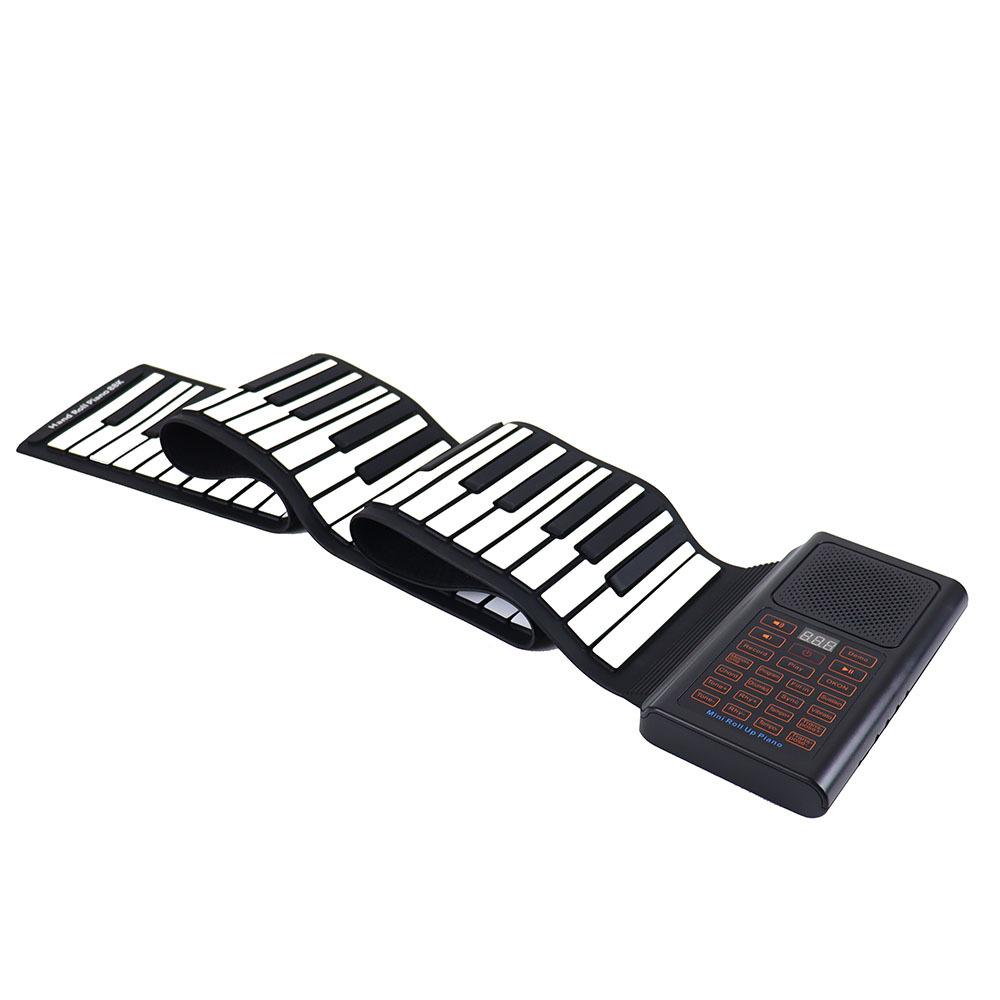
Wholesale 88-Keypad Keyboard Portable Digital Piano Foldable Entry-Level Soft Hand-Rolled Piano
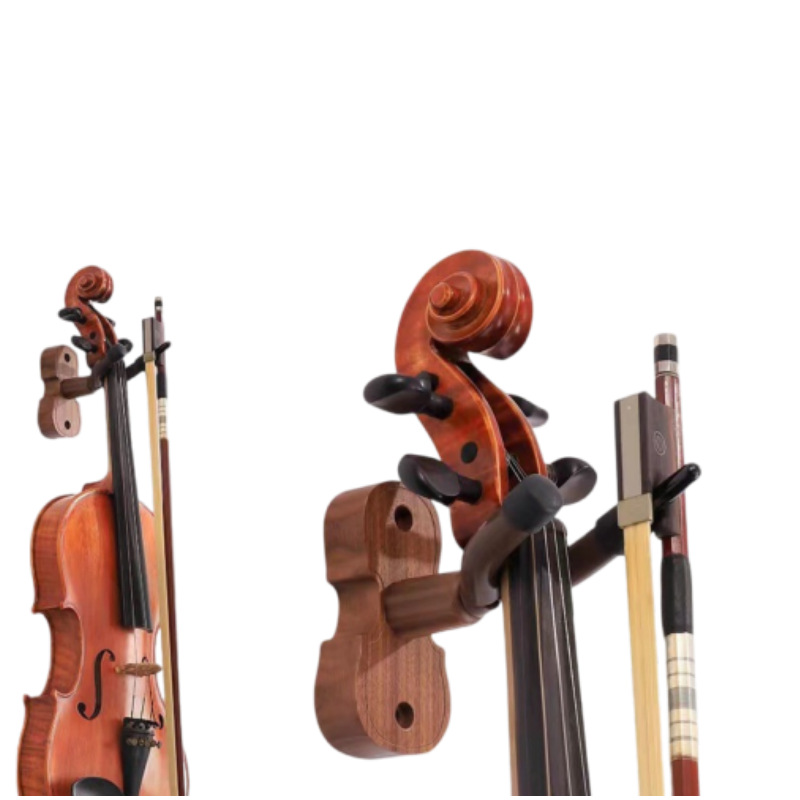
Wood Base Violin Hanger, Wall Mount Violin & Erhu Display Bracket, Universal Musical Instrument Wall Hanging Rack Wholesale
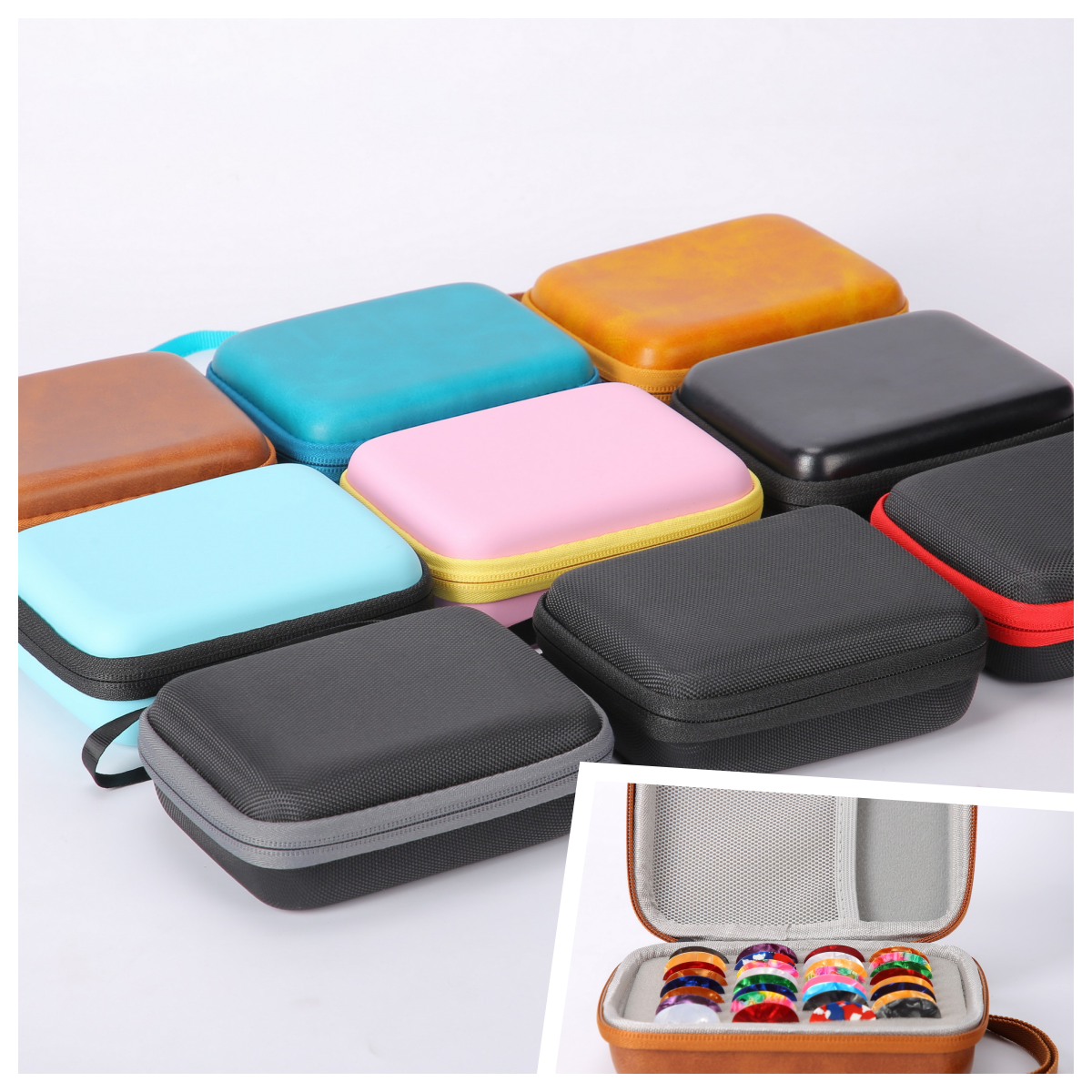
Guitar Folk Plectrum Storage Leather Case Leather PC Plectrum Bag Ukulele Plectrum Pick Case Package
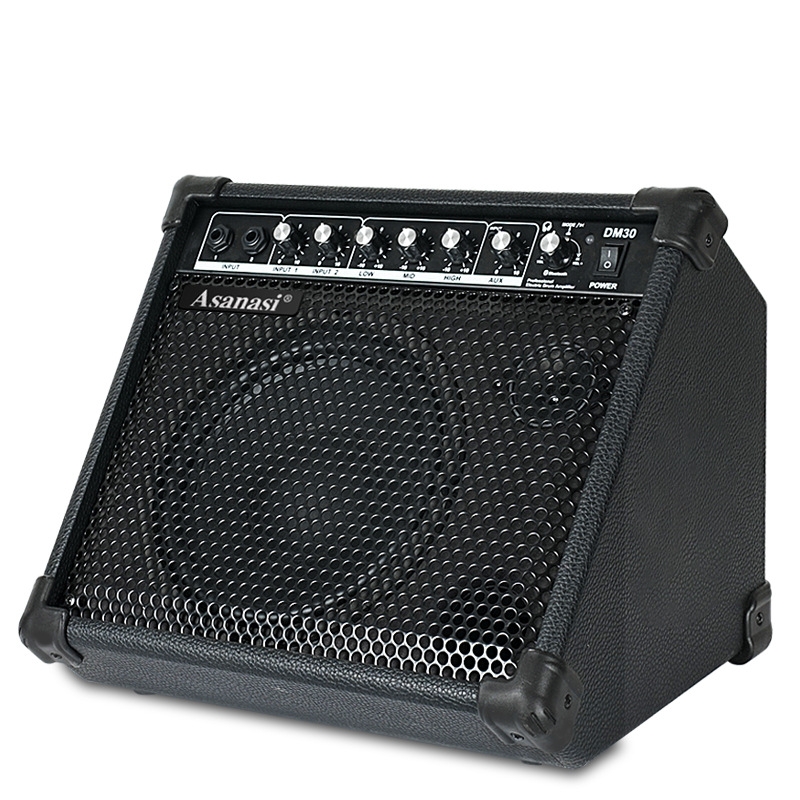
Wholesale Speakers Electronic Drums Rechargeable Portable Outdoor Wireless Stereo Amplifier
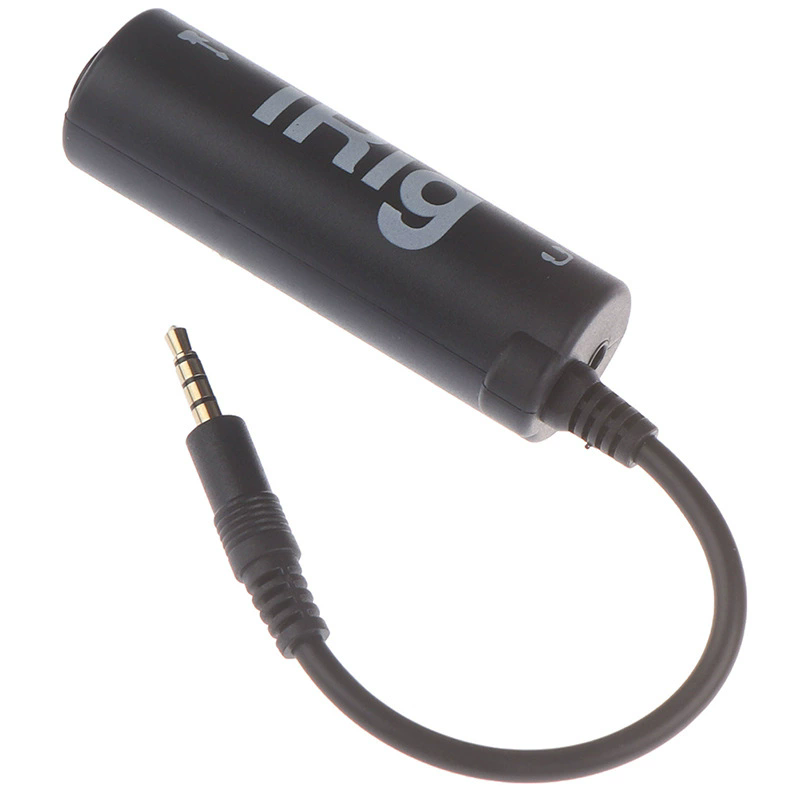
Wholesale 3.5mm Converter Guitar Bass Interface Converter Adapter for Phone Tablet Recording
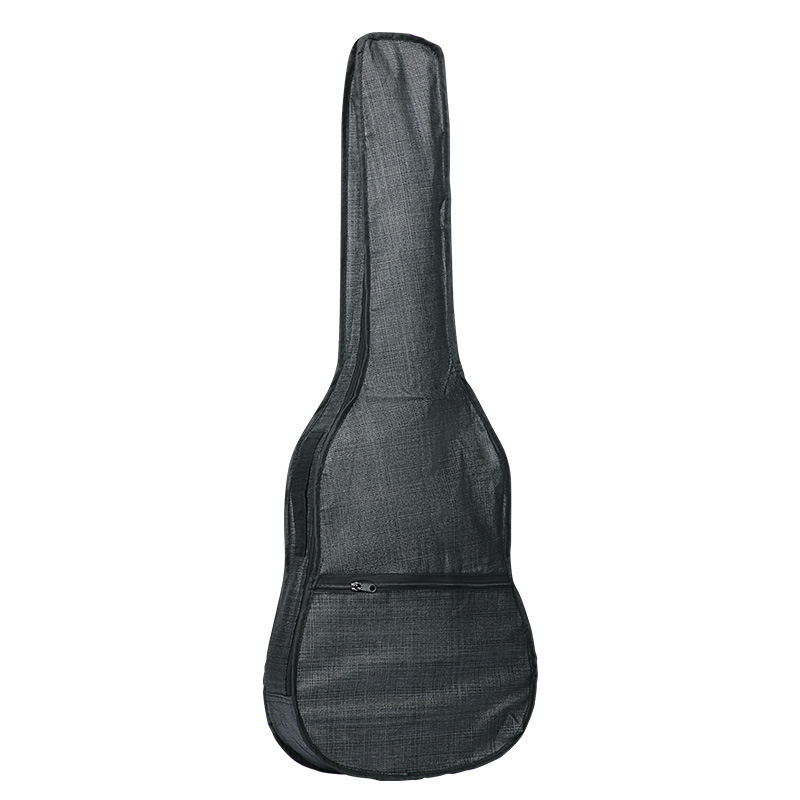
38 Inch New Non-woven Fabric Acoustic Guitar Bag, Single Shoulder Lightweight Single Layer Folk Guitar Backpack Wholesale
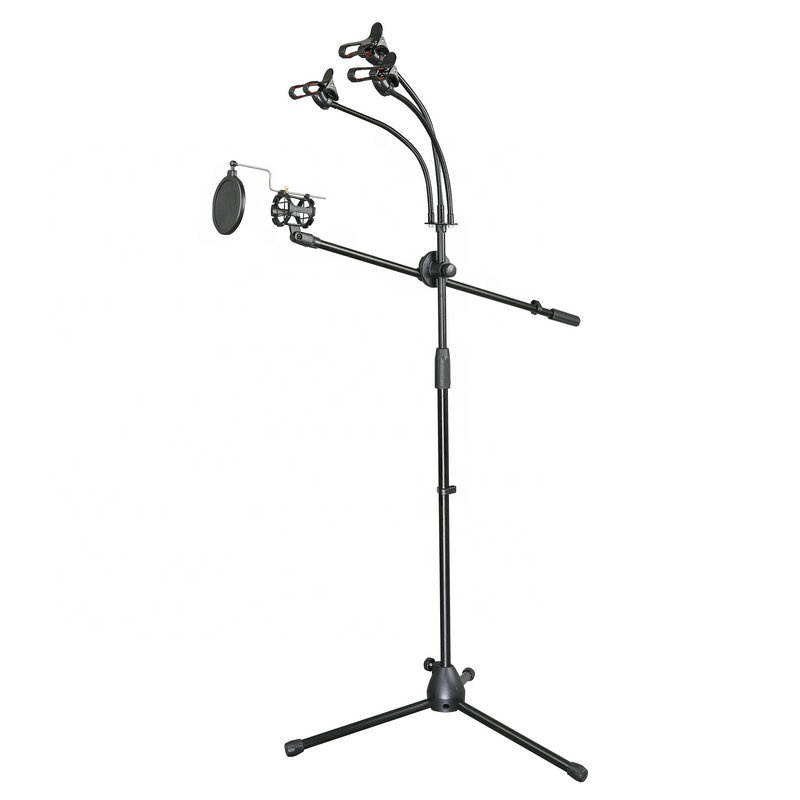
Three Mobile Phones with Horizontal Bars for Live Streaming, Floor Standing Three Legged Microphone Stand
Years in the musical instrument industry
Annual export sales, third-party assessed
Orders shipped in the last six months
Inquiry response rate with named account support
What Buyers Really Mean by “China Best Guitar Strings Factories & Supplier”
The search phrase China best guitar strings factories & supplier usually comes from four commercial intents: verifying a factory or trading company, requesting samples with a workable MOQ, developing private-label packaging, and consolidating guitar strings with instruments and accessories in one shipment. It is not a consumer query asking for one perfect string set.
For B2B buyers, “best” is rarely the lowest unit price. It means predictable tension, stable winding, corrosion resistance, clean ball ends, accurate gauges, strong packaging, traceable quality inspection and responsive communication. A supplier that can provide these consistently usually outperforms a cheaper factory that creates returns, tuning complaints and marketplace penalties.
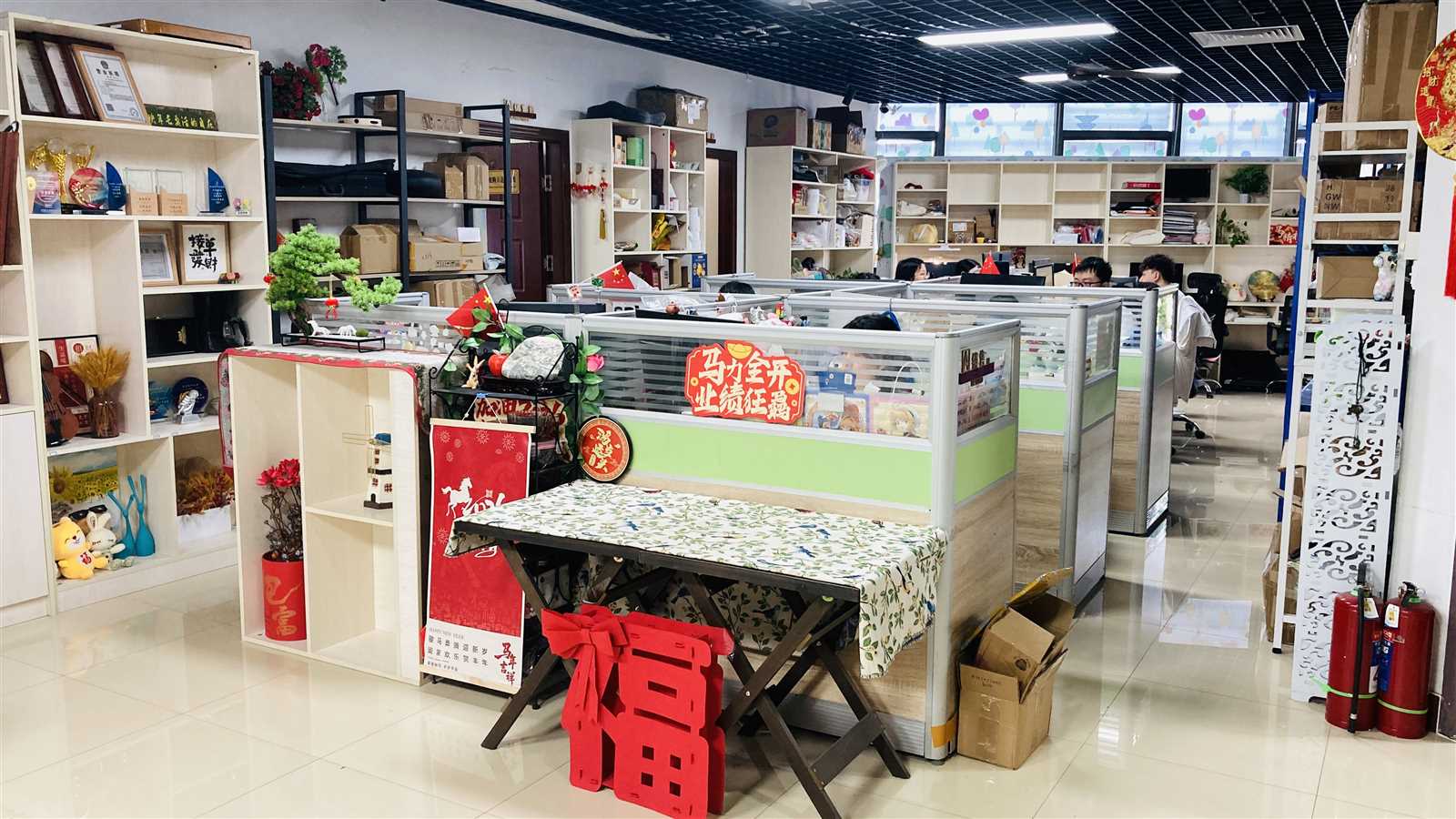
This white paper draws on WPI International Trade Co., Ltd. (Huizhou), an Intertek-assessed musical instrument exporter founded from Hong Kong in 2010 with a Huizhou operation established in 2014. Its export data, 28-person team, 1,000+ instrument and accessory lines, low-MOQ model and inspection workflow provide practical context for buyers evaluating guitar string factories and suppliers in China.
Information gain for decision-makers: the winning supplier is not simply the factory with the most machines. It is the partner that can match string specifications to market demand, protect brand quality, document materials, support small private-label runs and consolidate mixed-category orders without hiding quality costs inside the quote.
Fast Procurement Snapshot
- Typical sampling: from 1 piece for many instruments; string and accessory programs commonly run from 20–600 sets depending on packaging.
- Customization: logo, packaging, graphics, sample-based customization, design-based customization and full OEM/ODM development.
- Quality check: finished-product inspection before shipment, covering appearance, hardware, tuning stability and packaging.
- Trade terms: T/T, L/C, D/P, D/A, credit card, PayPal, Western Union, cash and escrow; FOB, CIF, DDP, EXW and express delivery options.
- Main markets: North America, Western Europe, Southeast Asia and South America.
Six Criteria That Separate a Reliable Guitar Strings Factory from a Price-Only Trader
Use these criteria during factory verification. They are especially important when comparing phosphor bronze acoustic strings, nickel-wound electric strings, coated strings, classical nylon strings and bass strings.
Wire and Core Consistency
Ask how the supplier controls high-carbon steel core wire, tin plating, hex-core geometry and winding tension. Consistent core specifications reduce breakage and tuning drift after packing and shipping.
Gauge Accuracy and Tension Control
Gauge labels must match actual wire diameter and target tension. Buyers should request measurement records or sample verification across plain steel, wound strings and coated variants.
Corrosion and Coating Performance
Humidity is the enemy of retail inventory. Coated strings, anti-rust paper, sealed pouches and desiccants can protect shelf life, especially for tropical and coastal markets.
MOQ and Mixed-Order Flexibility
For test launches, low MOQ plus mixed gauges, mixed packaging and mixed-category consolidation is more valuable than a slightly lower price on a single massive SKU.
Private-Label Packaging Capability
Check poly bags, color boxes, blister packs, tins, barcodes, warning labels and QR codes. Packaging errors cause marketplace rejection faster than string defects.
Documentation and Export Readiness
Confirm material declarations, inspection records, carton marks, shipping terms and after-sales responsibility. A factory that only quotes FOB without documentation support creates hidden risk.
Recommended Guitar String Programs for Wholesale Buyers
The right assortment depends on your sales channel. A school supplier, a high-humidity retailer and a premium online brand should not stock the same mix. Use this product recommendation matrix to plan your first container.
Phosphor Bronze Acoustic Strings
Warm, balanced and familiar to acoustic players. Strong fit for singer-songwriter accessories, music shops and acoustic guitar bundles.
80/20 Bronze Acoustic Strings
Bright initial tone and cost-effective positioning for beginner guitars, school programs and entry-level acoustic packs.
Nickel-Wound Electric Strings
A broad rock, pop and home-recording assortment. Stock 009, 010 and 011 gauges to cover beginners, rhythm players and lead players.
Coated Long-Life Strings
Higher margin and lower corrosion complaints in humid regions. Best for premium private labels, e-commerce reviews and players who value shelf life.
Classical Nylon Strings
Steady demand from student guitars, schools and classical beginners. Offer normal and hard tension options with tie-end and ball-end variants.
Bass Guitar Strings
Nickel and steel variants for 4-string and 5-string bass. Useful for music shops that want one strings supplier across guitar and bass categories.
Future Purchasing Trends for Guitar Strings Wholesale, 2025–2030
The next buying cycle will reward suppliers and importers who can operate with smaller inventory risk, stronger data and higher brand differentiation.
Small-Batch Replenishment
Retailers are reducing overstock and reordering faster. Low-MOQ factories and mixed-gauge production become a procurement advantage rather than a compromise.
Private-Label String Brands
More distributors will build their own string labels around controlled specs, packaging design and online reviews. The factory becomes a manufacturing partner, not just a catalog source.
Dual Sourcing and Documentation
Tariffs, freight volatility and marketplace compliance push buyers to keep a verified primary supplier plus a backup, with consistent material declarations and inspection records.
Strings-and-Accessories Kits
Bundling strings with picks, capos, tuners, straps, gig bags and cleaning cloths raises average order value and reduces shipping cost per item.
Digital Product Data
Accurate images, gauge charts, tension tables, packing dimensions and barcodes will be requested before purchase orders. Suppliers with clean data reduce buyer listing time.
Sustainability and Packaging Reduction
Buyers increasingly ask about recyclable packaging, plastic reduction, lead-free alloys and responsible material sourcing. These questions will move from marketing to purchasing requirements.
Guitar String Product Trends That Will Shape Wholesale Assortments
String technology is not static. The trends below are practical for buyers planning 2025–2027 catalogs and private-label launches.
Longer-Life Coatings
Coated and treated strings will continue to grow in humid climates and online retail, where customers judge products by durability after weeks of use.
Consistent Tension and Intonation
Brands will compete on measurable playability: stable tuning, even tension across the set and fewer dead notes after installation.
Beginner-Friendly Gauges
Softer gauges, color-coded packaging and clear tension explanations help schools, starter guitar kits and toy-store accessory programs.
Anti-Rust Packaging Systems
Sealed foil pouches, desiccant packs and corrosion-resistant paper are becoming standard for export markets with long transit times.
QR Authentication and Brand Protection
Private labels can use QR codes for warranty, tutorial content and anti-counterfeit verification, linking retail packaging to online customer service.
Eco-Conscious Materials
Recycled cartons, reduced plastic and documented alloys appeal to European and North American buyers preparing for stricter procurement policies.
How to Compare Guitar String Suppliers with a Practical Verification Matrix
| What to Verify | Why It Matters | Buyer Action |
|---|---|---|
| Factory or trading company status | Determines communication speed, customization control and responsibility when defects occur. | Ask for business license, factory video, production process and inspection workflow. |
| String specifications | Core wire, winding material, gauge, coating and ball-end type affect tone, tension and returns. | Request a specification sheet and compare against your target retail price. |
| Sample testing | Samples reveal corrosion, breakage, tuning stability and packaging quality before mass production. | Test several gauges with musicians, schools or repair shops in your market. |
| MOQ and packaging | Private-label packaging can raise MOQ; mixed gauges can lower inventory risk. | Confirm per-gauge MOQ, sleeve printing, color box and barcode costs. |
| Quality inspection | Finished-product checks reduce marketplace complaints and after-sales costs. | Ask for inspection checklist, carton photos and pre-shipment sample. |
| Logistics and terms | Freight method, Incoterm and payment method change landed cost and cash-flow risk. | Compare FOB, CIF and DDP scenarios before confirming the purchase order. |
Planning View: Export Demand Potential
Internal planning matrix based on common buyer requests, not a statistical forecast.
Why WPI International Trade Co., Ltd. (Huizhou) Is Built for Guitar String and Instrument Buyers
WPI combines multi-category sourcing with export discipline. For buyers sourcing guitar strings, the advantage is the ability to consolidate strings with guitars, ukuleles, violins, drums, keyboards and accessories while keeping one accountable partner.
Intertek Onsite Assessed
WPI has been assessed onsite by Intertek, with verified capabilities including finished-product inspection, sample-based customization, logo and packaging customization, design-based customization and full customization.
12+ Years of Export Experience
The team began exporting musical instruments from Hong Kong in June 2010 and established its Huizhou, Guangdong operation in 2014. This experience helps buyers avoid specification mistakes and shipping delays.
1,000+ Instruments and Accessories
Guitars, ukuleles, violins, cellos, saxophones, clarinets, drums, steel tongue drums, keyboards, guitar strings and accessories can be sourced through one export partner.
Low MOQ and Mixed Orders
Many instruments can be sampled from 1 piece, while typical wholesale runs are 2–10 pieces per model and 20–600 sets for strings and small accessories. Mixed-category orders are welcome.
OEM and ODM Support
Private-label buyers can request logo printing, packaging design, graphics, sample-based customization and full OEM/ODM development for guitar strings and related accessories.
Named Account Team and Trade Support
A 28-person team, including 22 trading and export roles, supports quotations, inspection, documentation and after-sales follow-up. The average inquiry response rate is 97.73%.
How an OEM Guitar Strings Order Moves from Brief to Shipment
Brief
Share target market, string type, gauges, packaging, logo, quantity and required certifications or declarations.
Match
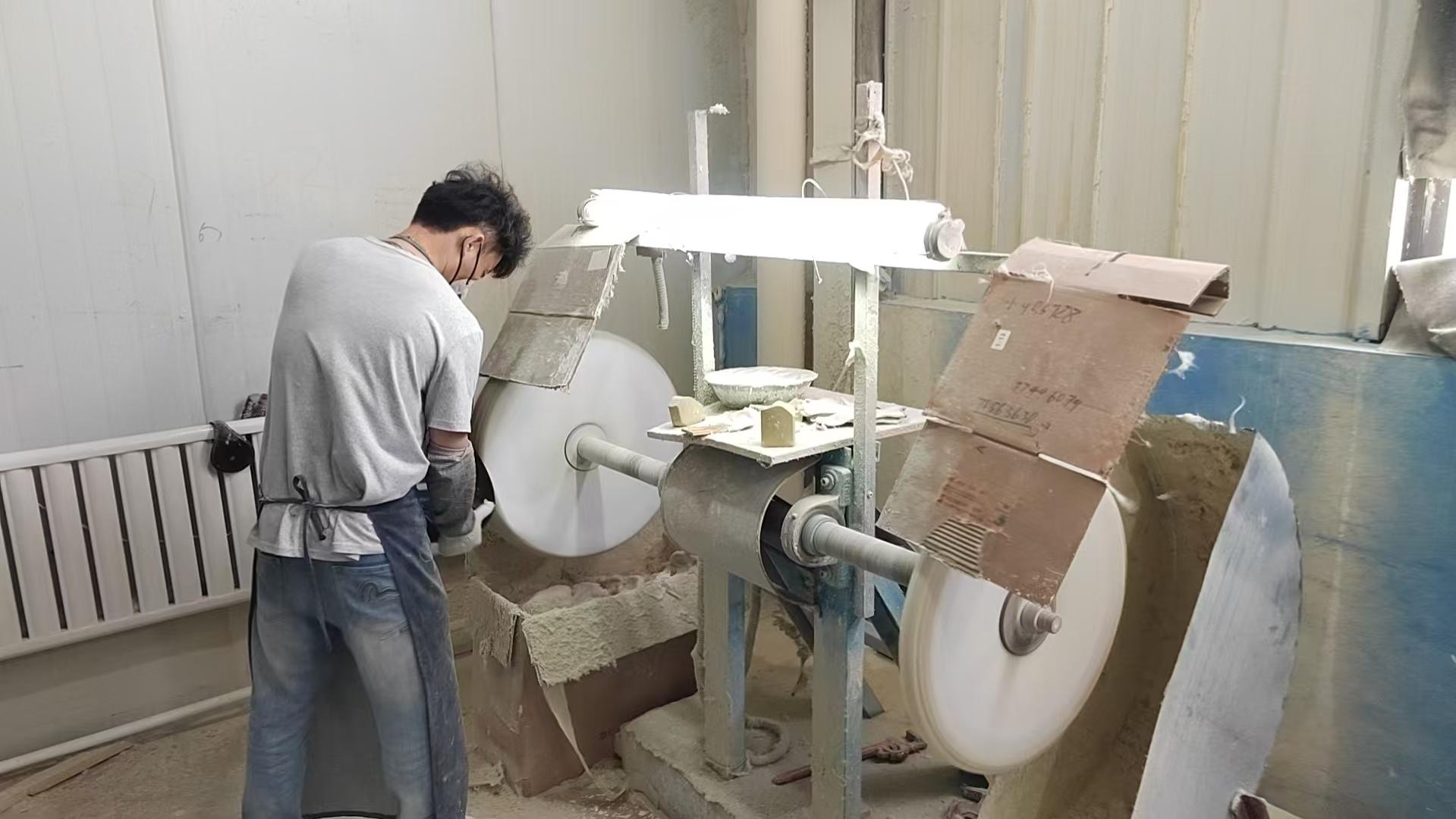
WPI matches the project with suitable partner workshops and recommends specifications, price breaks and packaging options.
Sample
Pre-production samples are prepared for playability, tension, packaging and barcode review before you commit.
Production
Mass production proceeds with in-process checks for winding, gauge, appearance and packing accuracy.
Inspection
Finished-product inspection covers appearance, hardware, tuning stability and packaging before cartons are sealed.
Shipping
Choose FOB, CIF, DDP, EXW or express delivery. Consolidated shipments reduce handling and improve landed-cost control.


China Guitar Strings Supplier FAQ for Wholesale Buyers
These are the questions buyers ask most often when comparing guitar string factories, trading companies and private-label suppliers in China.
Are you a guitar strings factory or a trading company?
WPI International Trade Co., Ltd. (Huizhou) is a musical instrument trading company and multispecialty supplier. It works with long-term partner workshops in Guangdong and supports buyers with sourcing, OEM/ODM coordination, inspection and export documentation. This model is useful when you want strings consolidated with guitars, ukuleles, violins, drums, keyboards and accessories.
What is the MOQ for wholesale guitar strings and accessories?
MOQ depends on the string type, packaging and branding. Typical small accessories and string-related items can start at 20–600 sets, while many instruments can be sampled from 1 piece and ordered from 2–10 pieces per model. Mixed-category orders are welcome, which helps distributors test new lines without overstocking.
Can you produce private-label guitar strings with our packaging?
Yes. Third-party assessed capabilities include sample-based customization, minor customization such as logo, packaging and graphics, design-based customization and full customization. Buyers should provide artwork, barcode requirements, warning text, target market rules and packaging dimensions before quotation.
How do you control quality before shipment?
Every order goes through finished-product inspection before delivery, covering appearance, hardware, tuning stability and packaging. For strings, the inspection checklist should also cover gauge accuracy, ball-end condition, corrosion protection, poly-bag sealing and carton marks.
Which payment and delivery terms do you accept?
Payment methods include T/T, L/C, D/P, D/A, MoneyGram, credit card, PayPal, Western Union, cash and escrow. Delivery terms include FOB, CFR, CIF, EXW, FAS, CIP, FCA, CPT, DEQ, DDP, DDU, DAF, DES and express delivery. The best term depends on your freight forwarder, destination and cash-flow plan.
Which guitar string types should a new distributor stock first?
Start with phosphor bronze acoustic strings, 80/20 bronze acoustic strings, nickel-wound electric strings and classical nylon strings. Add coated strings for humid climates and premium online positioning. Bass strings are a useful add-on for music shops already serving bands, churches and schools.
Build a Faster, More Profitable Guitar Strings Program
Tell us your target market, string gauges, packaging direction, estimated quantities and delivery country. WPI will recommend the right factory program, sample plan and mixed-order structure.