Guitar Parts, Accessories & Cross-Sell Products Selected for Wholesale Buyers
These eight products are not presented as a price list. They are selected because they solve repeatable commercial jobs: improving basket value, testing new accessory lines, supporting school music programs, or capturing the creator and digital-gear market. Each item can be discussed within an OEM/ODM program and can be consolidated with guitars, ukuleles, violins and other instruments.
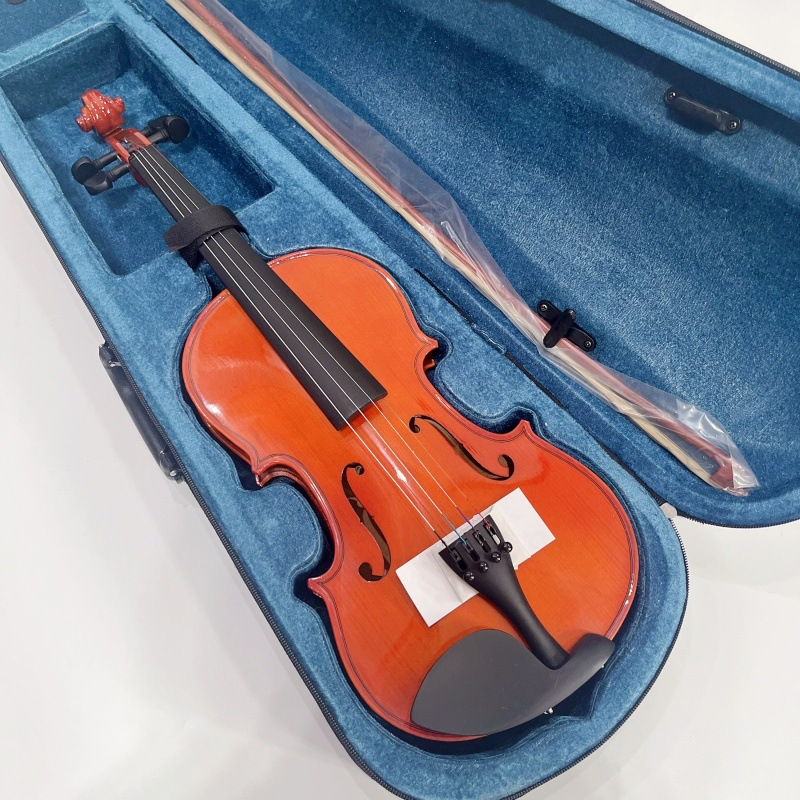
4/4 Full Size Solid Spruce Top Violin, Adult Beginner Violin, Solid Wood Student Violin Musical Instrument Wholesale
A school-program and adult-beginner SKU that broadens a guitar-led catalog into orchestral education buyers.
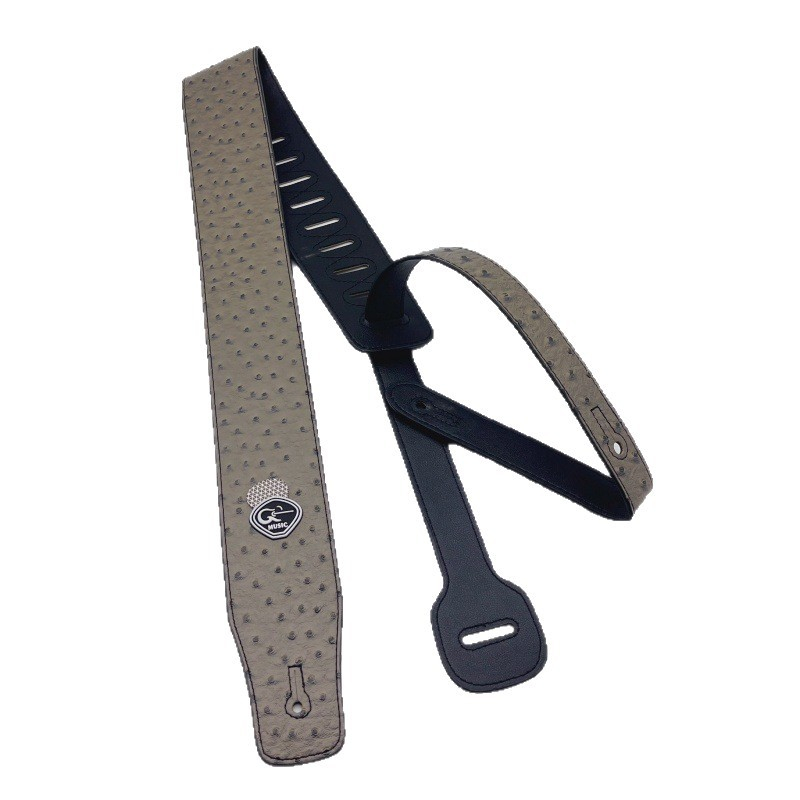
Genuine Leather Guitar Strap, Wide Wear-resistant Shoulder Strap, Dual-use Strap for Acoustic & Electric Guitar Wholesale
A high-perceived-value accessory for acoustic and electric buyers; suitable for retail display and gift packaging.
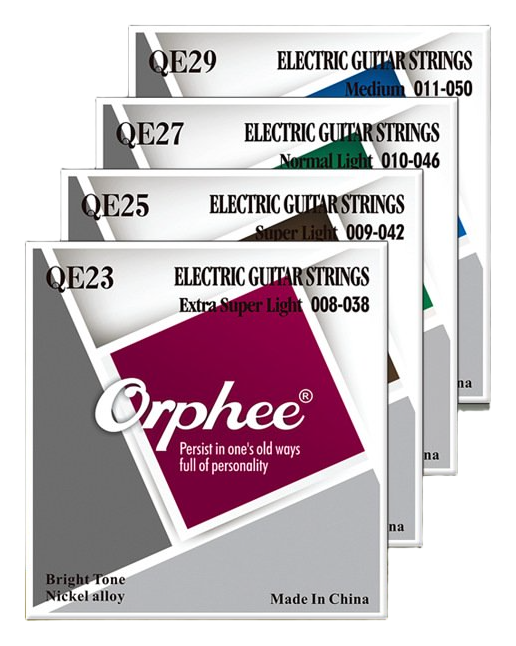
Wholesale Coated Nickel Core Electric Guitar String Set
A consumable repeat-purchase product that supports accessory bundles, lesson packages and service-shop replenishment.
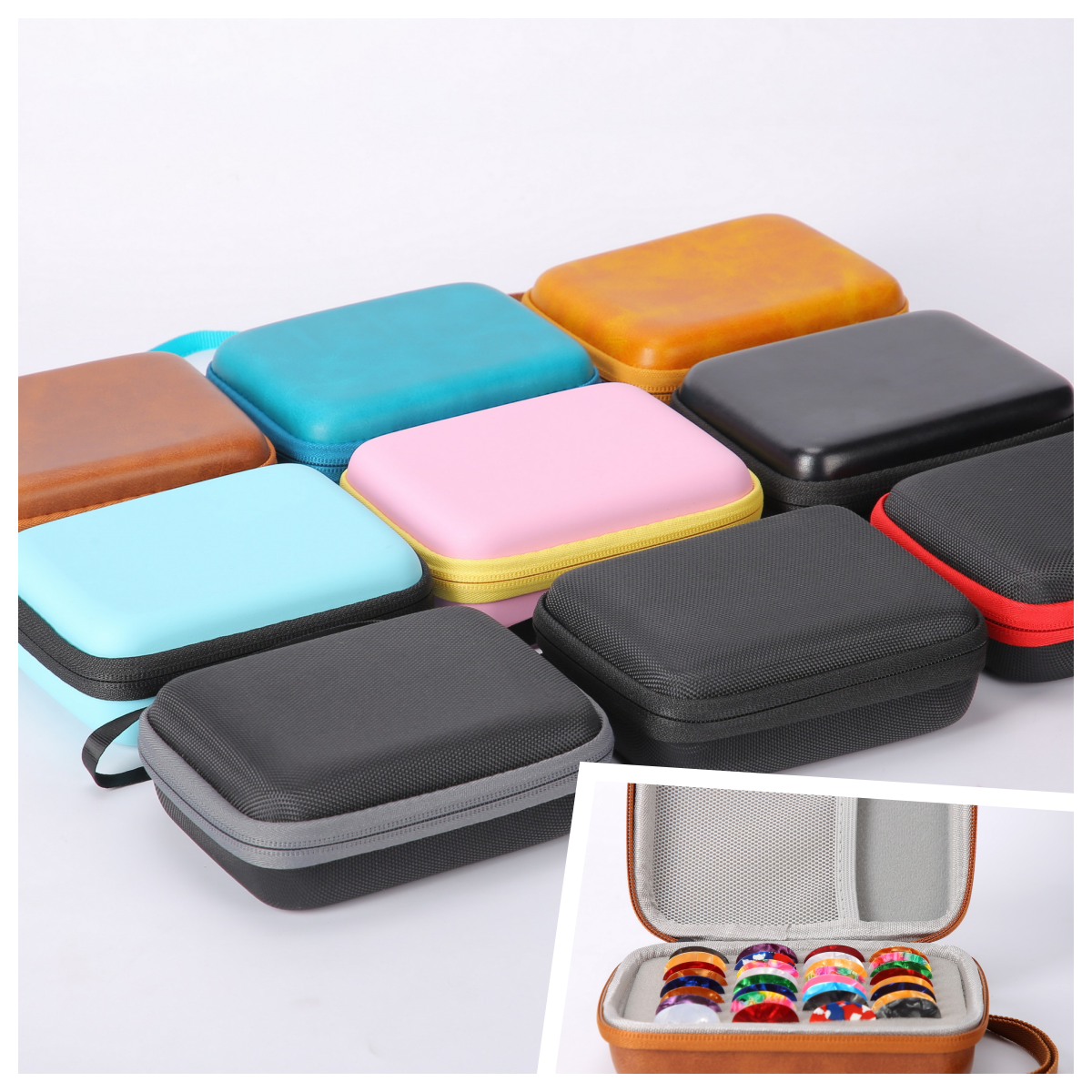
Guitar Folk Plectrum Storage Leather Case Leather PC Plectrum Bag Ukulele Plectrum Pick Case Package
A low-risk impulse add-on for counter displays, ukulele accessories and beginner-starter kits.
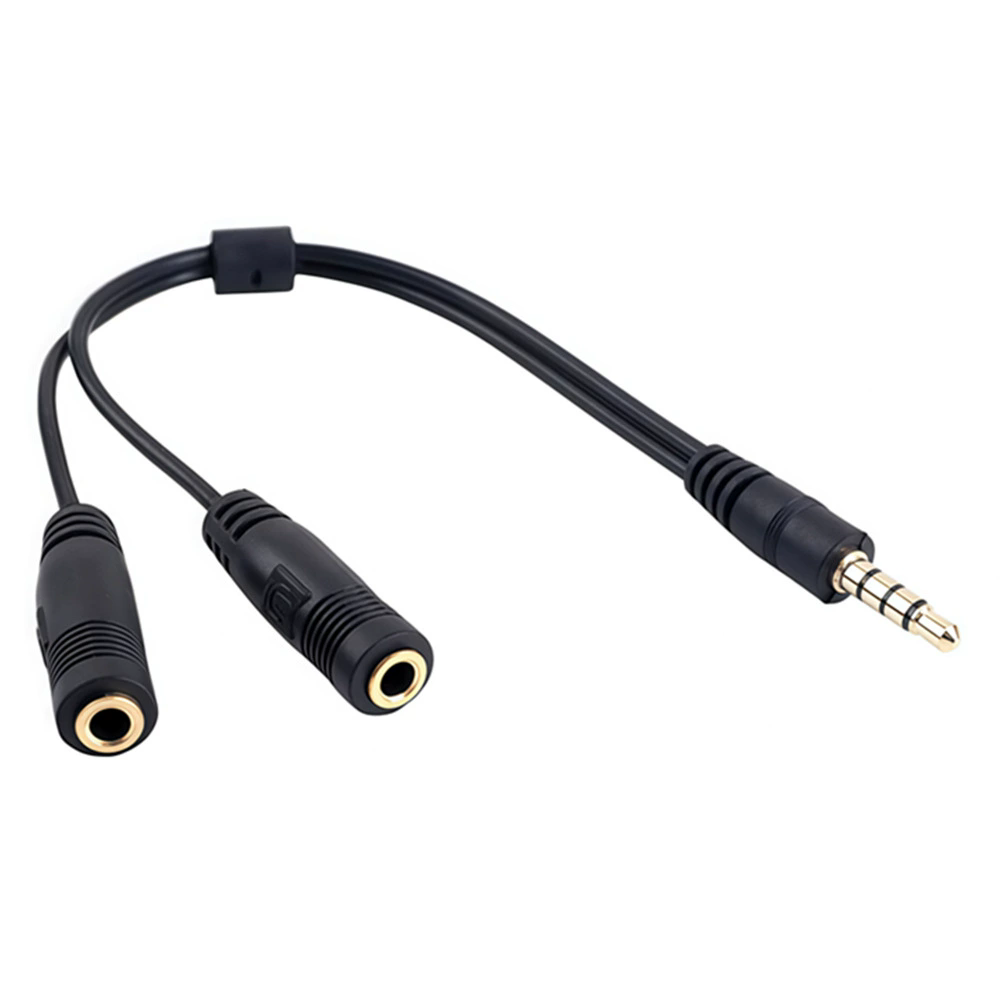
Wholesale 3.5mm 4-Pole Headset Microphone Splitter Adapter Cable for Laptop PC
A practical electronics add-on for recording bundles, gaming and content-creation product ranges.
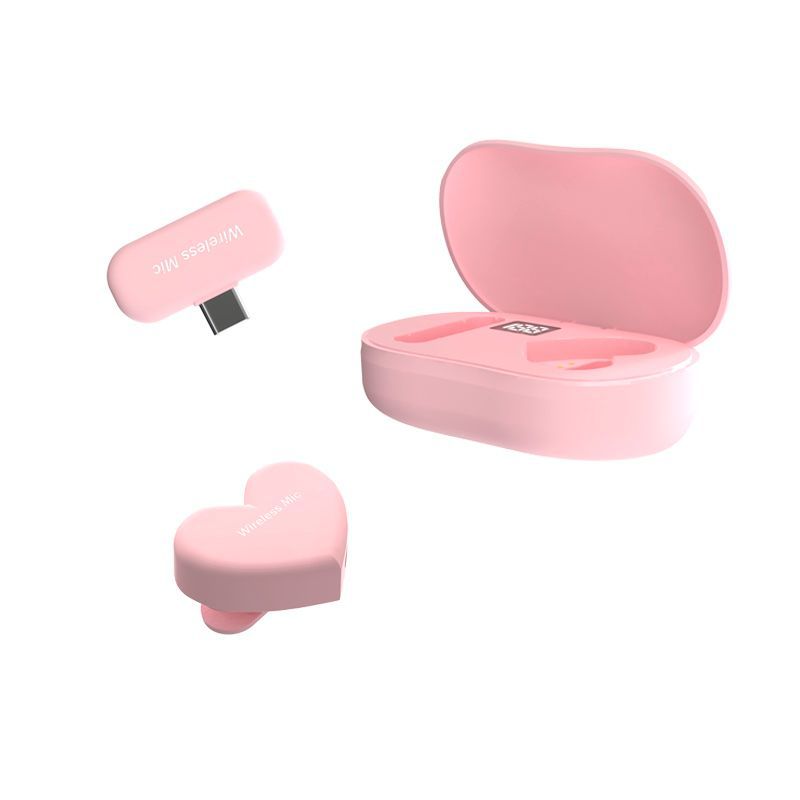
Stylish Pink Heart Wireless Mic with Clip Magnet Excellent for Vlog Recording on Mobile Compact Charging Case Portable Mic
A trend-led creator product with visual appeal for short-form video, mobile vlogging and gift retail.
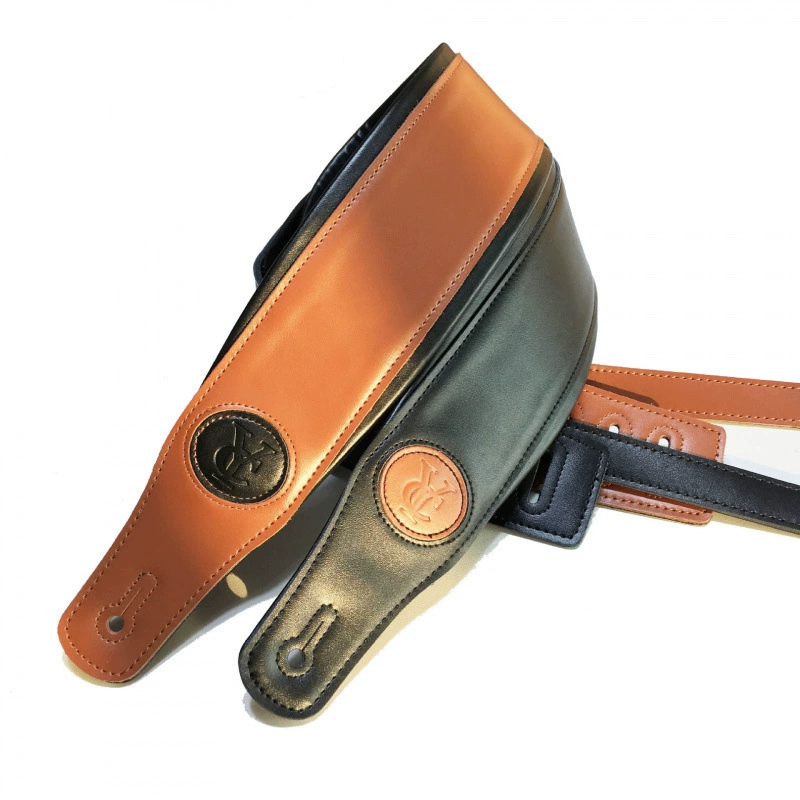
Wholesale Wide Padded Cowhide PU Leather Adjustable Soft Guitar Shoulder Strap for Acoustic Electric Bass Guitar
A comfort-led upgrade strap for heavier electric and bass models; strong average-order-value builder.
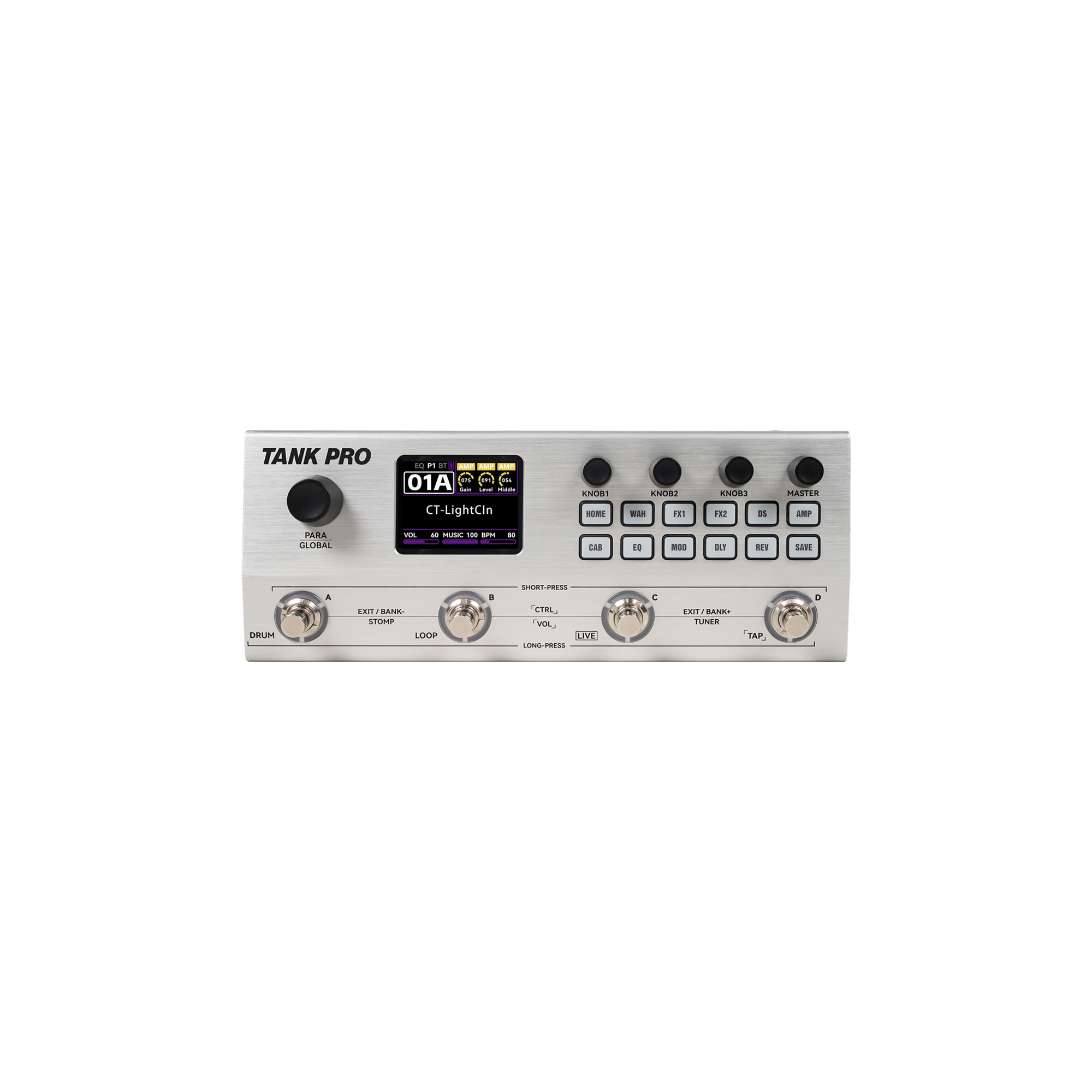
Tank Pro Metal Guitar Multi Effects Processor with ANN Third-Party IR Loading OTG Internal Recording
A digital-gear line with IR loading and OTG recording, positioning buyers inside the growing home-studio market.
Why China Remains the Reference Market for Guitar Parts & Accessories
The phrase “China best guitar parts supplier” carries several buying intentions at once. One buyer wants a verified OEM partner. Another wants replacement hardware. A third is testing a low-MOQ accessory program for marketplaces. A fourth needs a consolidated shipment of instruments and parts. A useful supplier page must therefore answer commercial questions, not just repeat product names.
China’s advantage in guitar parts is no longer only unit cost. It is the depth of component ecosystems: woodworking, metal hardware, leather goods, molded cases, electronics, packaging and export documentation can be coordinated through one supply chain. That matters because modern buyers rarely purchase a single category. A distributor may need electric guitar strings, padded straps, plectrum cases and a multi-effects processor in the same replenishment cycle.
Information gain comes from knowing which details change returns, margin and sell-through. For parts and accessories, the critical variables are fit compatibility, seam strength, hardware plating, jack and cable tolerances, packaging protection, barcode readiness and the reliability of reorders. These are operational details that separate a real sourcing partner from a catalog listing.
WPI International Trade Co., Ltd. (Huizhou) began exporting musical instruments from Hong Kong in June 2010 and established its Huizhou operation in 2014. Its team of 28 people includes 22 in trading and export roles, supporting buyers in North America, Western Europe, Southeast Asia and South America. That experience is relevant to the guitar-parts category because small accessories often create the largest hidden quality risk in an otherwise successful instrument order.
- Guitar parts & hardware
- Straps, cases & bags
- Electronics & effects
- Cross-category add-ons
Illustrative assortment model, not a market forecast.
What Smart Guitar Parts Buyers Are Changing in 2026
The strongest buyers are moving away from single-SKU container gambling. They are building small validation orders, verifying supplier claims, and engineering landed cost before scaling.
Low-MOQ validation and faster replenishment
Buyers prefer to test a finish, a strap width or a string specification with a small first order, then reorder winners. Sample-friendly MOQs reduce inventory risk and shorten the learning cycle for marketplace and retail channels.
Verified compliance and traceability
Supplier assessment, inspection reports and consistent labeling are becoming purchasing criteria. Intertek-assessed credentials and finished-product inspection reduce the risk of returns, marketplace penalties and damaged brand trust.
Landed-cost engineering and mixed containers
Freight volatility makes consolidation valuable. Combine accessories, parts and a few instruments in one shipment, plan packaging dimensions early, and choose FOB, CIF or DDP according to your actual risk and cash-flow model.
A Buyer’s Guide to Materials, Compatibility and Margin
Guitar parts are not commodity add-ons when fit, finish and repeatability affect reviews. Use this table to align product specifications with the channel you are serving.
| Buyer objective | Recommended specification | Commercial advantage | Watch-out before ordering |
|---|---|---|---|
| Entry-level retail and school programs | Basswood or linden bodies, sealed tuners, comfortable action, durable gig bags and simple accessory bundles | Low landed cost with predictable beginner demand; easy to bundle with strings, picks and straps | Check action, fret ends, hardware plating and packing protection rather than judging by photos alone |
| Mid-tier acoustic and electric buyers | Solid spruce tops, padded leather or PU straps, coated strings, upgraded tuners and optional EQ systems | Better perceived value and stronger margin than entry-only assortments | Confirm color consistency, strap stitching, jack fit and whether packaging supports marketplace shipping |
| Accessory and consumable programs | Strings, plectrum cases, capos, tuners, stands and small recording adapters | Repeat purchases, low storage volume and natural attachment to instrument orders | Validate small-part tolerances, private-label printing and minimum quantities for mixed colors |
| Digital gear and creator channels | Multi-effects processors with IR loading, OTG recording, wireless mics and mobile-friendly accessories | Higher average order value and relevance to home-studio, vlogging and content-creation buyers | Ask for firmware, interface and language support details; test retail packaging and instruction clarity |
| Cross-category education buyers | 4/4 and fractional violins, student outfits, ukuleles and classroom-friendly accessories | One supplier relationship can cover multiple school-music categories | Confirm sizing ratios, bow and case quality, rosin inclusion and replacement-part availability |
Where Guitar Parts and Accessories Are Heading Next
The next sourcing cycle will reward products that are easier to repair, easier to photograph, easier to ship and easier for the end user to understand. These four development themes deserve attention in 2026 and beyond.
Modular, repairable hardware
Tuners, bridges, pickups, jacks and strap hardware will be evaluated for serviceability, not only price. Replacement-part availability protects brand reputation and supports after-sales revenue.
Stabilized and sustainable materials
Buyers are asking about humidity resistance, material consistency and responsible sourcing. Stabilized wood, carbon-fiber components and well-documented laminates can reduce returns and strengthen storytelling.
Smart practice and content creation
Multi-effects units, wireless microphones, recording adapters and mobile-friendly accessories connect guitar buyers with the creator economy. Packaging and setup instructions matter as much as the electronics.
Retail-ready finishes and packaging
Marketplace sellers need clean photography, protected corners, barcode labels and concise specifications. A part that looks premium online but fails in transit is not a low-cost item; it is a return risk.
Why WPI International Trade Co., Ltd. Is Built for Serious Guitar Parts Buyers
WPI combines a multi-category musical instrument catalog with export experience, third-party assessment and low-MOQ customization. The result is a sourcing relationship designed for buyers who need flexibility without losing quality control.
Years in the musical instrument industry, with roots in Hong Kong and operations in Huizhou
Annual export volume, supported by third-party assessed business information
Inquiry response rate, helping buyers keep projects moving across time zones
Average buyer rating from verified transaction feedback
Quality first
A dedicated QC process inspects finished products before delivery, covering appearance, hardware, tuning stability and packaging.
Wide selection, one partner
Guitars, ukuleles, violins, cellos, saxophones, clarinets, drums, keyboards and accessories can be sourced in a consolidated program.
Factory-direct customization
Long-term partner workshops in Guangdong support sample-based, logo, packaging, graphic, design-based and full customization.
Verified export support
Intertek onsite assessment, transparent trade terms and experience with buyers in North America, Western Europe, Southeast Asia and South America.
A team built around long-term cooperation
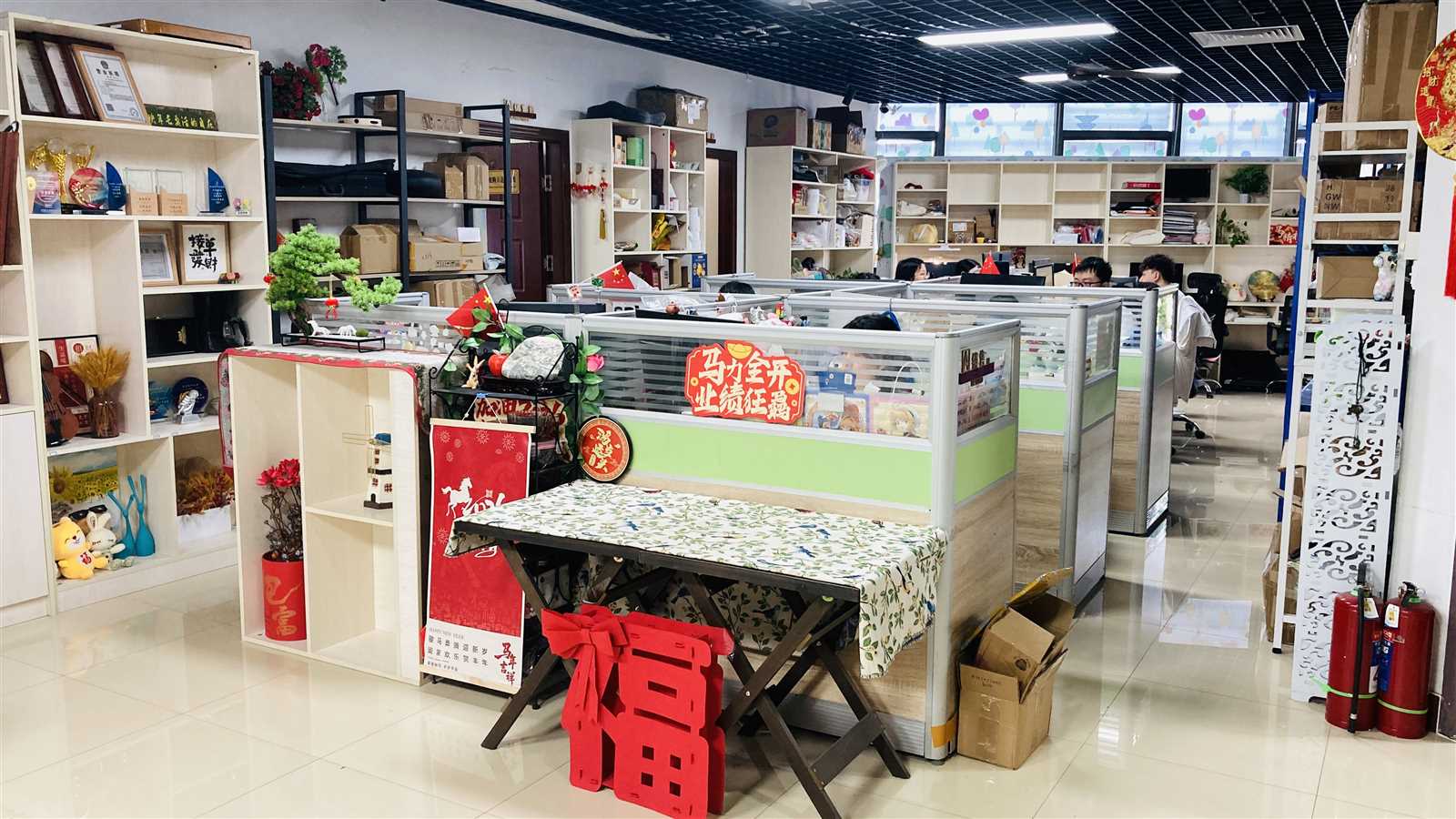
WPI International Trade Co., Ltd. (Huizhou) operates from 2313, Saige Building, Huizhou, Guangdong, China. The company began exporting musical instruments from Hong Kong in June 2010 and established its Huizhou operation in 2014. With 28 team members, including 22 in trading and export roles, WPI supports importers, distributors, retailers and schools with a pragmatic approach: protect the buyer’s market, keep quality consistent and price reasonably so both sides can grow.
Trade history shows 952 orders and over US$370,000 in recent six-month activity, while the supplier has exhibited at Shanghai and Guangzhou music shows every year from 2014 to 2019. This mix of online inquiry handling, trade-show experience and third-party assessment gives buyers more evidence than a simple quotation.
- Intertek onsite assessed supplier with finished-product inspection capability
- Sample-based, minor, design-based and full customization options
- MOQ from 1 piece for sampling on many instruments; 2–10 pieces per model for typical wholesale; 20–600 sets for strings and small accessories
- Main markets: North America, Western Europe, Southeast Asia and South America
- Payment and delivery terms arranged around buyer risk, destination and order size
How a Guitar Parts or Accessory Order Moves from Brief to Delivery
A clean process reduces surprises. Whether you are ordering private-label straps, coated strings, plectrum cases or a mixed program of instruments and parts, the sequence should be transparent.
Brief and specification
Share target market, product type, quantities, materials, logo, packaging and compliance needs. We help match realistic specifications to your price point.
Quotation and sampling
We recommend partner workshops, confirm MOQ and prepare a pre-production sample for approval. Sampling is especially valuable for straps, cases and electronics.
Production and inspection
Mass production is followed by finished-product inspection before packing. Checks cover appearance, hardware, tuning stability where relevant, and packaging protection.
Consolidation and shipping
Orders can be consolidated for FOB, CFR, CIF, EXW, DDP or express delivery, depending on destination, urgency and the buyer’s preferred risk profile.
Guitar Parts Supplier FAQ for Wholesale Buyers
These are the questions that tend to appear late in supplier evaluation. Clear answers shorten the path from inquiry to sample order.
What makes a China guitar parts supplier reliable?
Look for evidence: third-party assessment, a clear inspection process, documented trade terms, responsive communication, realistic MOQs and verifiable feedback. WPI has been Intertek onsite assessed and inspects finished products before delivery.
What is the minimum order quantity?
Many guitars, ukuleles, violins and saxophones can be ordered from 1 piece for sampling. Typical wholesale MOQs are 2–10 pieces per model for instruments and 20–600 sets for strings and small accessories. Mixed-category orders are welcome.
Can I combine guitar parts with finished instruments?
Yes. One-stop consolidation is a core advantage. You can mix accessories, parts and a limited number of instruments in one shipment, which simplifies logistics and improves landed-cost control for smaller buyers.
Which payment and delivery terms do you accept?
Payment options include T/T, L/C, D/P, D/A, MoneyGram, credit card, PayPal, Western Union, cash and escrow. Delivery terms include FOB, CFR, CIF, EXW, FAS, CIP, FCA, CPT, DEQ, DDP, DDU, DAF, DES and express delivery.
How is quality controlled before shipment?
Every order goes through finished-product inspection covering appearance, hardware, tuning stability where applicable and packaging. This is important for small parts because a weak seam or misfit jack can create disproportionate returns.
Do you offer OEM and ODM customization?
Yes. Customization capabilities include sample-based customization, minor customization such as logo, packaging and graphics, design-based customization and full customization, depending on product type and order volume.
Which markets do you mainly export to?
Main markets are North America, Western Europe, Southeast Asia and South America. Trade terms, packaging and documentation can be adapted to the destination market and sales channel.
Which products should a new distributor stock first?
Start with low-risk repeatable items: coated strings, universal padded straps, plectrum cases, tuners and a small digital-gear test. Pair them with one or two hero instruments or cross-category products such as a student violin to evaluate demand.
Build Your Guitar Parts Assortment with a Verified China Supplier
Share your target market, product specifications, packaging requirements and estimated quantities. We will recommend suitable models, confirm realistic MOQs and outline the fastest sampling route for your guitar parts, accessories or OEM program.
Send an InquiryWPI International Trade Co., Ltd. (Huizhou) · Huizhou, Guangdong, China · info@wpimusic.com