Eight Products That Support Guitar-Body Programs and Retail Baskets
Use these sampleable products to test demand, add attach-rate value around guitar and instrument orders, and build a commercial range for schools, studios, online sellers, live-commerce teams and repair shops.

What the Search for China Best Guitar Body Suppliers Actually Means
China remains one of the world's most complete sources for guitar bodies, parts and related musical products. However, the search phrase China best guitar body suppliers & wholesalers hides several different buying intentions. A first-time importer may need a low-MOQ sample to test demand. A growing distributor may care about repeat finish consistency and hardware fit. A private-label brand may need drawings, cavity changes, tonewood alternatives, packaging and documentation. An online retailer may need body-led bundles that include wireless systems, effects processors, gig bags and care products.
The strongest sourcing decision is not simply the lowest quoted unit price. It is the supplier that can validate specifications, protect repeatability, communicate clearly and consolidate related products into one shipment. That is where experience, verifiable credentials and information gain matter. This guide converts those requirements into a practical evaluation framework, using WPI International Trade Co., Ltd. (Huizhou) as a reference model because of its long export history, Intertek-assessed profile and broad musical-instrument ecosystem.
Why Guitar Body Sourcing Is Moving From Catalog Buying to Supplier Validation
A guitar body is not a commodity in the same way as a generic box or basic strap. The body affects neck-pocket fit, bridge placement, pickup routing, control-cavity layout, weight balance, finish durability and the final player experience. For distributors and private-label brands, a small dimensional or finishing inconsistency can become a large return or repair problem. As a result, serious buyers are shifting from catalog browsing to supplier validation, sample auditing and repeat-order planning.
This shift is particularly visible in three buyer segments. Retailers are testing smaller batches across colors and body shapes before ordering deeper. OEM brands are asking for documented samples, packaging-ready photography and change control. Multi-category importers are consolidating guitars, accessories and electronic add-ons with one sourcing partner to reduce communication and logistics friction. In this environment, the best supplier is the one that can behave like a product-development partner, not only a price list.
Information gain for buyers starts with knowing what to ask. Instead of asking only "What is your best price?", ask for material declaration, finish process, hardware compatibility, inspection checklist, packaging specification and the escalation route for batch deviations. A supplier that answers these questions clearly before an order is usually better prepared to solve problems after one.
Six Criteria That Separate Best-Fit Suppliers From Best-Priced Quotations
Verified Operating History
Look for third-party assessment, a real operating address, named export history and a response record. WPI's Intertek-assessed profile and 2010 export origin provide useful evidence of continuity.
Body-Focused Technical Discipline
Ask how the supplier controls neck pockets, bridge alignment, control cavities and finish edges. Clear drawings, sample approval and change records reduce risk before mass production.
Low-MOQ Sampling and Mixed Orders
Sampling protects cash flow. Many instruments can be ordered from one piece for evaluation, with typical wholesale MOQs of 2-10 pieces per model and 20-600 sets for small accessories.
Finish and Hardware Consistency
Review color match, gloss level, orange-peel risk, screw torque, grounding and packing protection. Finished-product inspection before delivery should cover appearance, hardware and playability.
OEM / ODM Private-Label Capability
Assess whether the supplier can support logo work, packaging, graphics, sample-based changes, design-based customization and full customization without losing repeatability.
One-Stop Export Support
Consolidating guitar bodies, bags, care products, wireless gear and effects in one shipment can reduce handling and improve landed-cost visibility across FOB, CIF, DDP and express terms.
Procurement Trends Buyers Should Plan For From 2025 to 2030
Purchasing teams are being asked to reduce risk without slowing assortment growth. The most effective response is a staged sourcing plan: validate with samples, confirm with small orders, then scale only after packaging, quality and reorder intervals are proven.
Small Trial Orders, Faster Reorders
Buyers increasingly test a new body shape, color or bundle with a compact order before committing to deeper stock. Suppliers with low-MOQ sampling and clear repeat-order lead-time planning will win more long-term programs.
Verified Compliance Replaces Price-Only Buying
Third-party assessment, inspection records and transparent trade history are becoming standard filters. A verified supplier reduces the cost of due diligence and makes it easier to defend sourcing decisions internally.
Multi-Category Consolidation
Guitar bodies travel better when combined with bags, care products, wireless systems and effects. Consolidation lowers per-unit logistics effort and gives distributors a more complete retail story from one purchase order.
Digital Sampling and Content-Ready Assets
Online sellers need more than a price sheet. Product photos, short videos, packing images and specification summaries shorten listing time and improve conversion across marketplaces and social commerce.
Regional Customization
North America, Western Europe, Southeast Asia and South America show different preferences in colors, price bands, packaging and instrument sizes. Briefing suppliers by market prevents one-size-fits-all inventory.
After-Sales and Spare-Parts Availability
Buyers are asking how replacement parts, packaging repair and future reorders will be handled. A supplier that can document component sources and keep common parts available protects the resale channel.
Product Development Trends Reshaping Guitar Bodies and Wholesale Instruments
Guitar-body development is being shaped by manufacturing precision, material availability, creator culture and the need for distinctive retail stories. The opportunity for wholesalers is to translate these trends into specifications that are easy to sample, easy to explain and easy to repeat.
Modular Body Platforms
Shared routings and repeatable cavity layouts allow brands to offer multiple colors and hardware configurations without rebuilding tooling for every SKU.
Alternative and Sustainable Materials
Basswood, linden, acacia laminate, ABS and carbon options help buyers balance tone, stability, cost and humidity resistance across different markets.
Finish Systems With Better Storytelling
Matte, open-pore, gloss and color-shift finishes create visual differentiation. Buyers should confirm cure time, scratch resistance and packaging protection before scaling.
Weight Balance and Ergonomics
Player comfort is becoming a selling point. Contoured edges, chambering options and balanced hardware choices can improve perceived quality without unnecessary complexity.
Connected and Hybrid Practice Kits
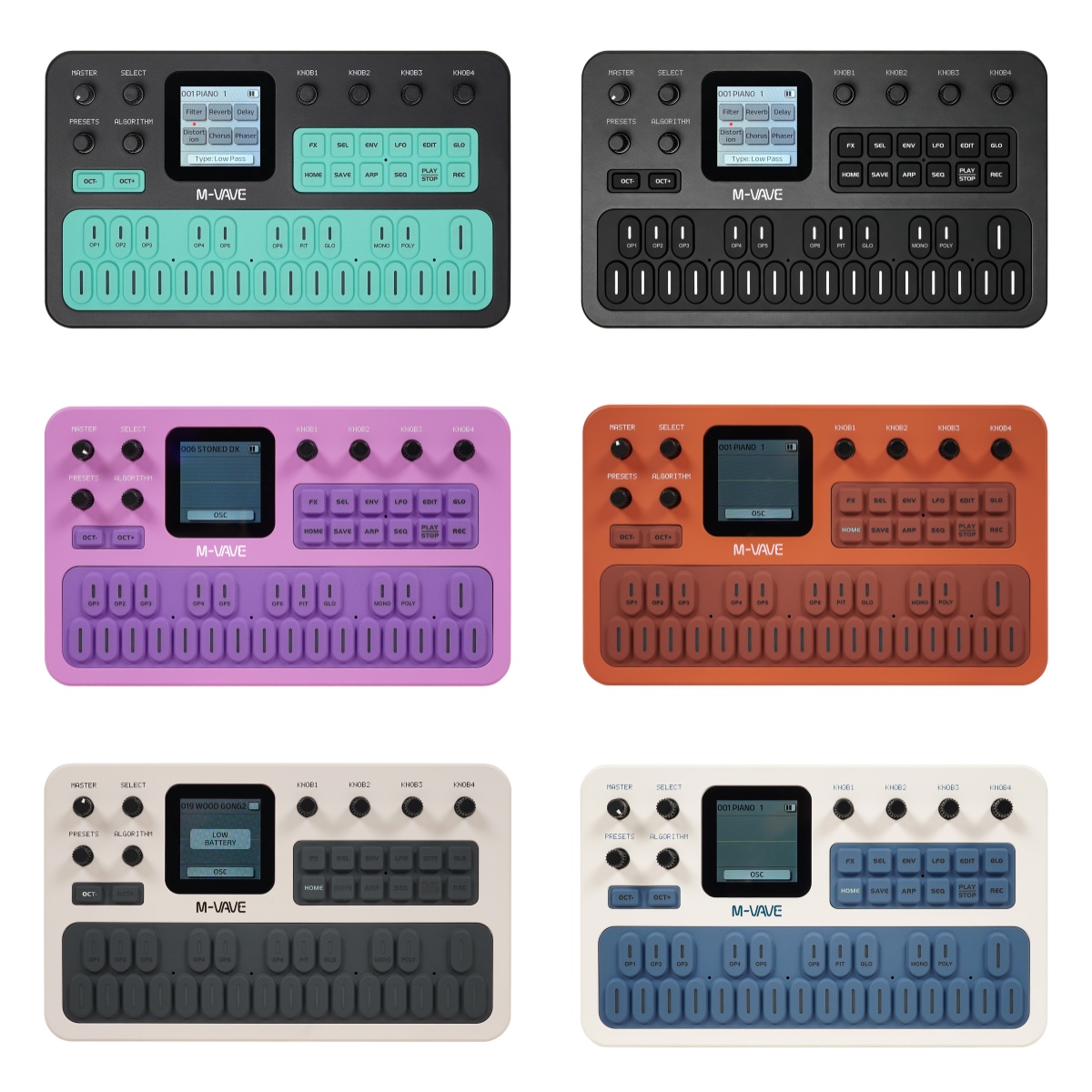
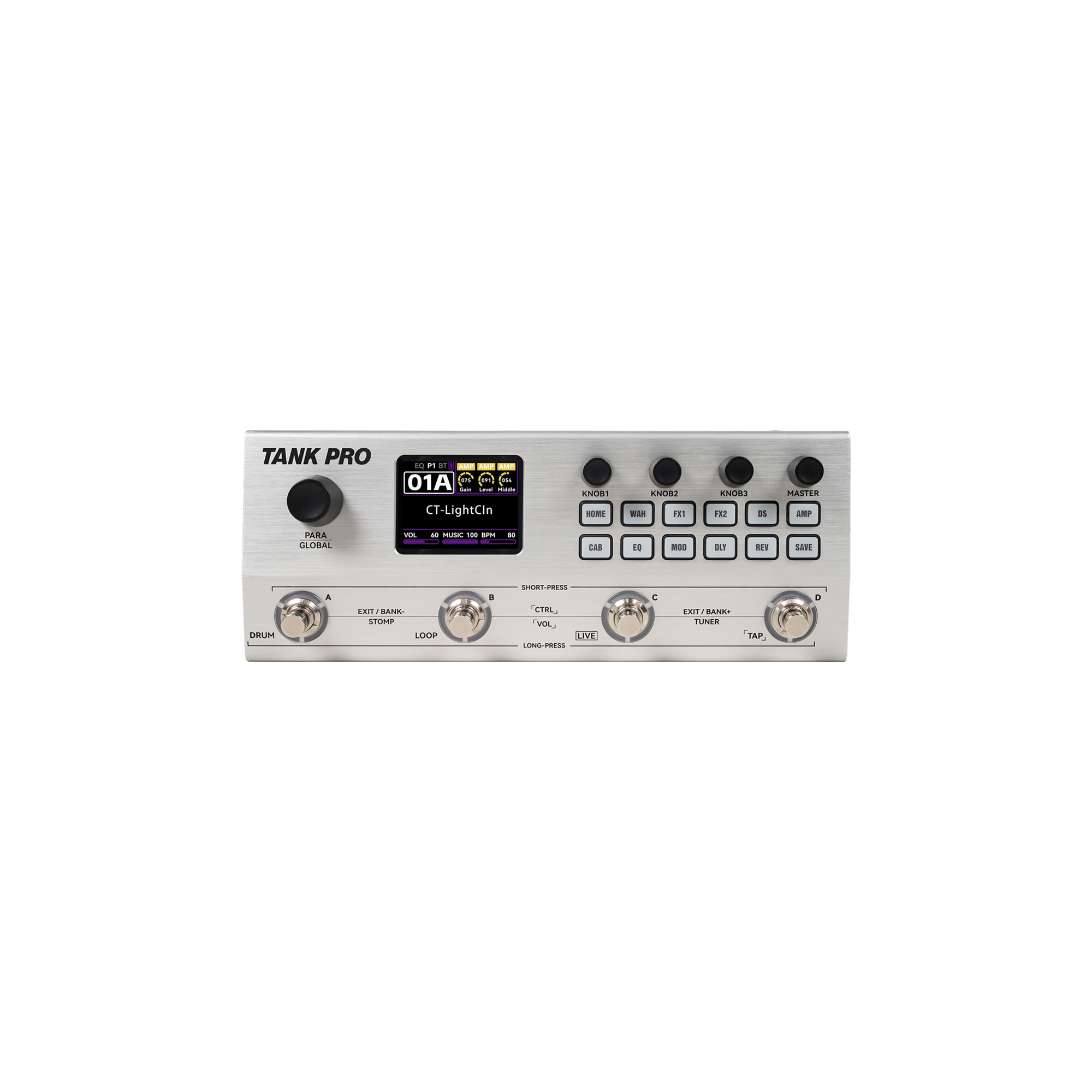
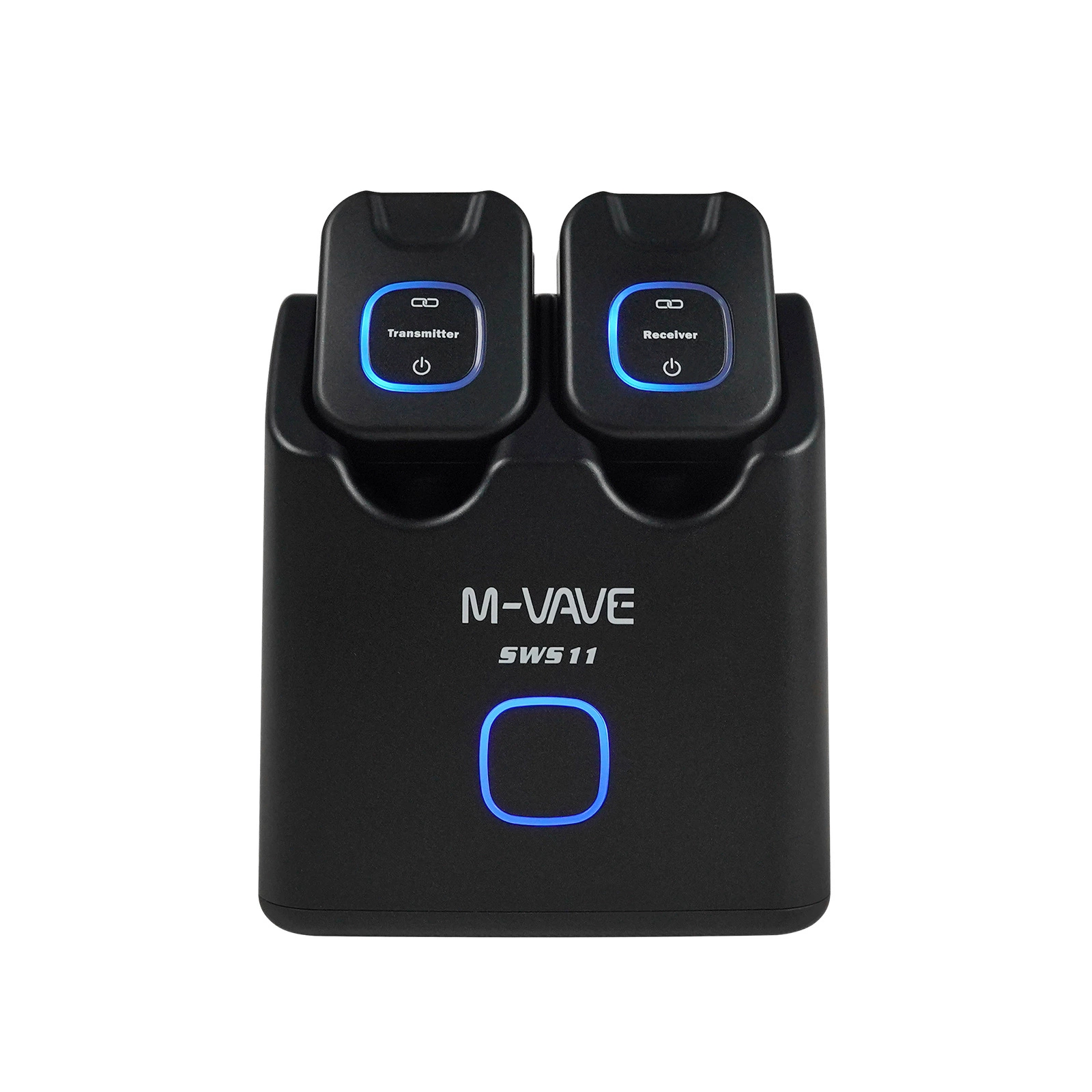
Wireless systems, multi-effects processors, mini synthesizers and recording tools turn a body or guitar sale into a complete content-creation and practice bundle.
Content-Commerce Integration
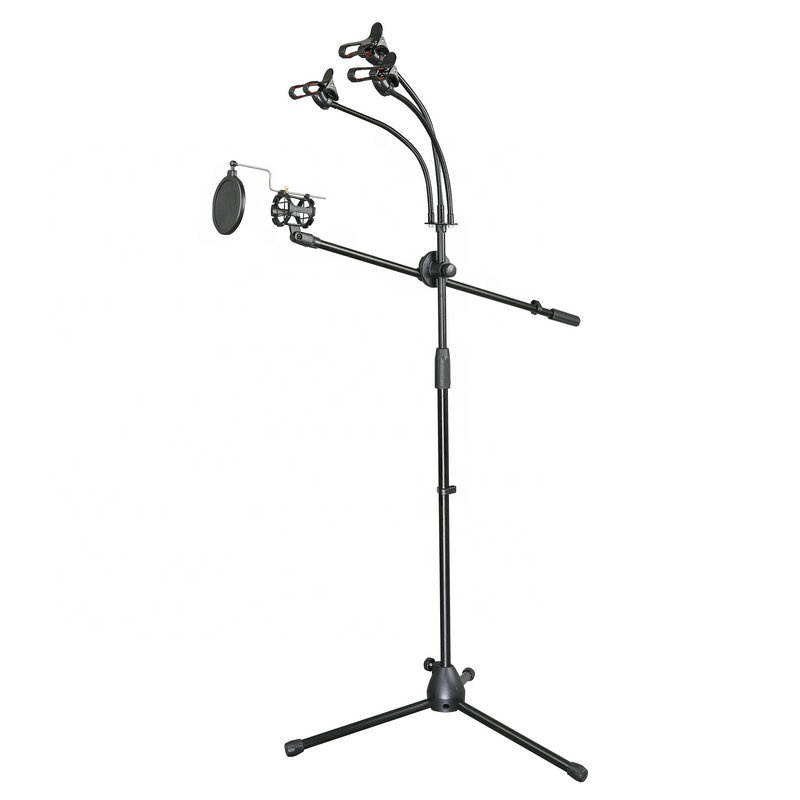
Retailers increasingly need products that demo well on video. Live-streaming stands, wireless gear and effects units help suppliers support dealers beyond the warehouse.
Material and Specification Matrix for a Clearer Buyer Brief
Use this matrix to structure supplier discussions. The goal is not to force every product into one material, but to match material choice with market positioning, climate, retail price and the level of setup service the buyer can offer.
| Material or Platform | Typical Use | Buyer Benefit | Briefing Note |
|---|---|---|---|
| Basswood / linden laminate | Entry-level guitar bodies, student instruments and price-led retail | Warm, balanced tone; lightweight and stable for volume programs | Confirm color consistency, filler process and hardware screw retention |
| Solid spruce top | Step-up acoustic guitars, violins and mid-tier store ranges | Bright, articulate response and a stronger perceived value story | Ask about humidity control, bracing tolerance and finish thickness |
| Acacia laminate | Concert ukuleles, gift products and lifestyle retail | Warm focused mids and attractive grain for display | Set grain-match and color expectations by batch |
| Zebrawood laminate | Display-driven ukuleles, marketplace bestsellers and gift sets | Eye-catching stripe pattern and strong shelf differentiation | Confirm photo-sample approval and carton protection for gloss surfaces |
| ABS plastic | Kids' instruments, classroom tools and promotional ranges | Durable, humidity resistant and available in multiple colors | Check tuning stability, edge finishing and child-safe packaging |
| Carbon fiber or composite options | Travel, outdoor and premium niche products | Weather stability and consistent projection for specialist buyers | Clarify price positioning, repair policy and realistic order volume |
| Electronic add-ons | Wireless guitar systems, multi-effects, portable synths and recording tools | Higher basket value and content-ready demonstration potential | Ask for charging, labeling, accessory and after-sales documentation |
Eight Checks to Run Before Approving a Guitar-Body or Instrument Sample
A sample is not only a visual confirmation. It is the first data point for quality, communication and production readiness. Document each check with photos and written notes so the mass-production order has a shared reference.
Dimensional Fit
Check neck pocket, bridge position, pickup routes and cavity depth against the approved drawing.
Finish Quality
Review color match, gloss level, edge coverage, orange-peel risk and surface cure.
Hardware Compatibility
Confirm screw torque, tuner alignment, grounding, bridge fit and replacement-part availability.
Playability and Setup
For complete instruments, verify action, fret ends, tuning stability and electronics noise.
Weight and Balance
Compare sample weight with the brief and test whether the body feels balanced for the target player.
Packaging Protection
Inspect inner protection, bag fit, carton strength and labeling before approving shipment.
Documentation
Request material notes, inspection record, packing list, model code and change-control process.
Batch Repeatability
Ask how the next production run will be compared with the approved sample and who signs off.
What WPI International Trade Co., Ltd. (Huizhou) Adds to Your Sourcing Plan
WPI is a wholesale and OEM musical-instrument supplier with export origins in Hong Kong in June 2010 and a Huizhou, Guangdong operation established in 2014. The company supports importers, distributors, retailers and schools across North America, Western Europe, Southeast Asia and South America. Its relevance to guitar-body and guitar-led purchasing is not only product breadth, but the operational discipline behind sampling, customization, inspection and consolidated export service.
Verified Company Snapshot
Third-party assessed information and platform data provide useful pre-qualification signals for buyers evaluating China-based musical-instrument suppliers.
- Intertek onsite assessment, with finished-product inspection capability.
- 12+ years in the musical-instrument industry and assessed annual sales of US$9 million.
- 28-person team, including 22 trading and export roles, with 97.73% inquiry response and 4.6/5 average buyer rating.
- Recent trading record of 952 orders and US$370,000+ in a six-month period.
- Broad catalog covering guitars, ukuleles, violins, cellos, saxophones, clarinets, drums, keyboards and accessories.
How the Supplier Reduces Order Risk
Customization and quality-control capabilities are especially important for body-led programs, because small changes can affect fit, finish and retail presentation.
For buyers, the practical advantage is a shorter path from specification to sample, then from approved sample to inspected shipment. That is the operational foundation behind a reliable China guitar body supplier or wholesaler relationship.
Common Procurement Questions From Guitar-Body and Musical-Instrument Buyers
What defines a "best" China guitar body supplier?
The best-fit supplier is not always the lowest-priced one. Look for verifiable operating history, sample discipline, clear dimensional documentation, consistent finishing, an inspection process, responsive communication and the ability to handle repeat orders. A supplier verified by a third party and supported by transaction history is easier to qualify and safer to scale.
What is the minimum order quantity for wholesale musical instruments?
MOQ depends on the model, material and customization. The reference range is one piece for sampling on many instruments, 2-10 pieces per model for typical wholesale orders, and 20-600 sets for strings and small accessories. Always confirm the exact MOQ in writing against your target product and packaging plan.
Can buyers request OEM and ODM customization?
Yes. Supported customization can include sample-based changes, minor customization such as logo, packaging and graphics, design-based customization and full customization. For guitar bodies, prepare clear drawings or reference samples and define which dimensions, colors, hardware and packaging elements are open to change.
How is quality controlled before shipment?
A controlled order should include an approved sample, a written inspection checklist and a final inspection before packing. WPI's assessed capability includes finished-product inspection before delivery, covering appearance, hardware, tuning stability and packaging, supported by an Intertek onsite assessment.
Which payment and delivery terms are accepted?
Payment options include T/T, L/C, D/P, D/A, MoneyGram, credit card, PayPal, Western Union, cash and escrow. Delivery terms include FOB, CFR, CIF, EXW, FAS, CIP, FCA, CPT, DEQ, DDP, DDU, DAF, DES and express delivery. Choose the combination that matches your risk profile and logistics capability.
Which markets does WPI export to?
WPI's main markets are North America, Western Europe, Southeast Asia and South America. Buyers in these regions should brief the supplier on local packaging language, retail price bands and the level of setup support expected by the channel.
How can buyers reduce landed cost on a guitar-body program?
Consolidate related products, such as guitar bags, care items, wireless systems, effects and classroom products, into fewer shipments. Confirm packaging dimensions, carton strength, order quantities and delivery terms early. A one-stop supplier can help align product categories, packing plans and export documentation.
Which products pair well with guitar-body orders for retail attach rate?
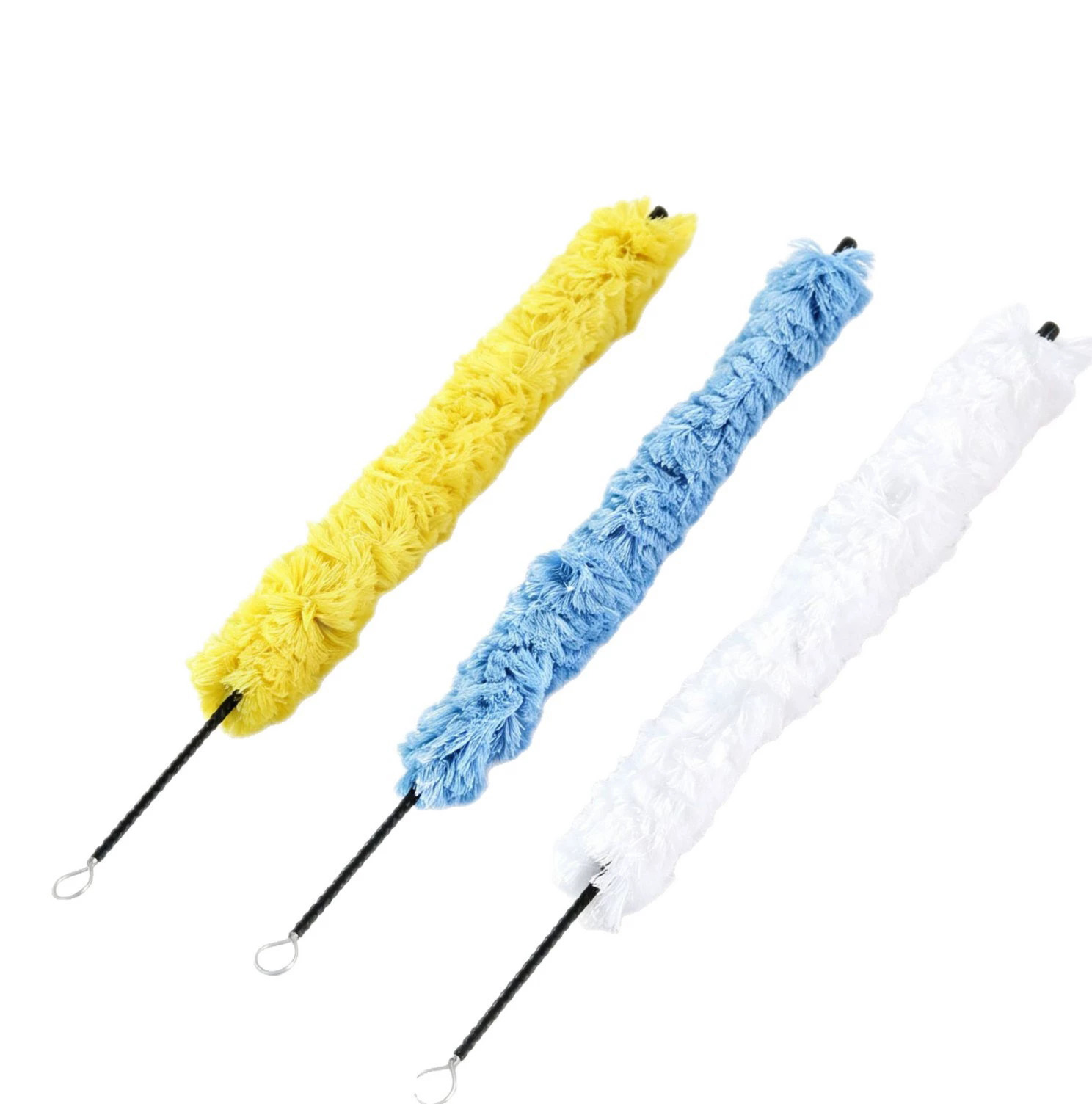
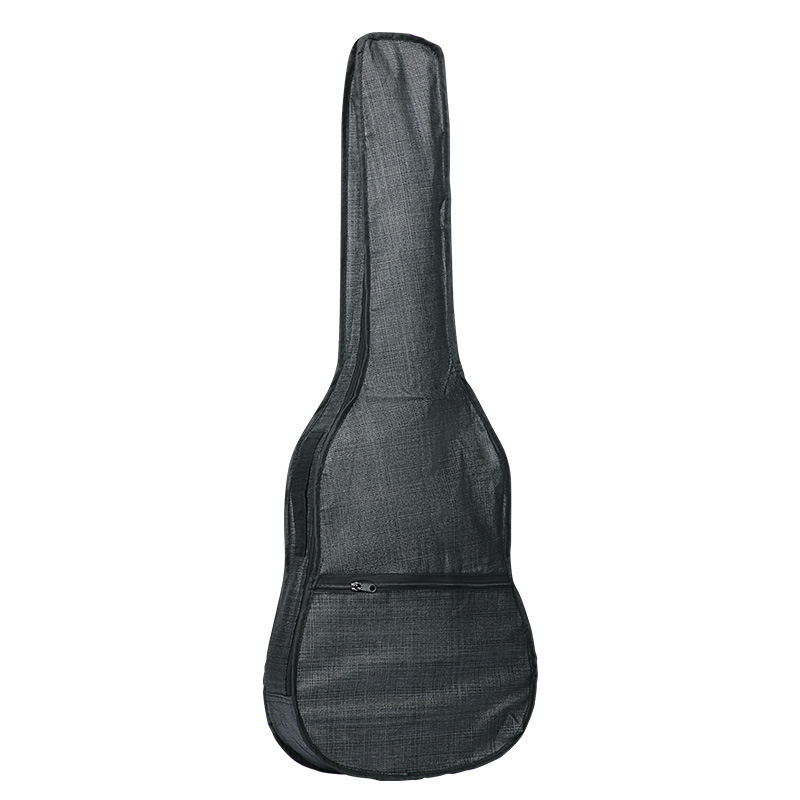
High-value add-ons include acoustic guitar bags, wireless guitar systems, multi-effects processors, cleaning and maintenance products, mini synthesizers and live-streaming stands. These items support complete player solutions, improve average order value and provide content-ready demo opportunities for online sellers.
Send Your Guitar-Body Specifications, Target Market and Order Plan
Share your body style, preferred material, hardware layout, finish, packaging, estimated quantity and destination market. The team can recommend product combinations, sampling steps and a practical quotation path for your wholesale or OEM program.