China Best Clip On Tuner Exporter & Wholesaler
A buyer-focused sourcing guide for importers, distributors, music retailers, school suppliers and private-label brands that need reliable clip-on tuners, musical accessories and mixed-container instrument programs from China.
High-Utility Products Buyers Frequently Add to Wholesale Tuner Programs
Clip-on tuners are small, practical and repeat-purchase friendly, but they perform best in a commercial assortment when they are paired with instruments and accessories that solve related buyer problems. The eight products below are selected from WPI’s musical instrument supply range and can support mixed orders, sampling and OEM discussions.
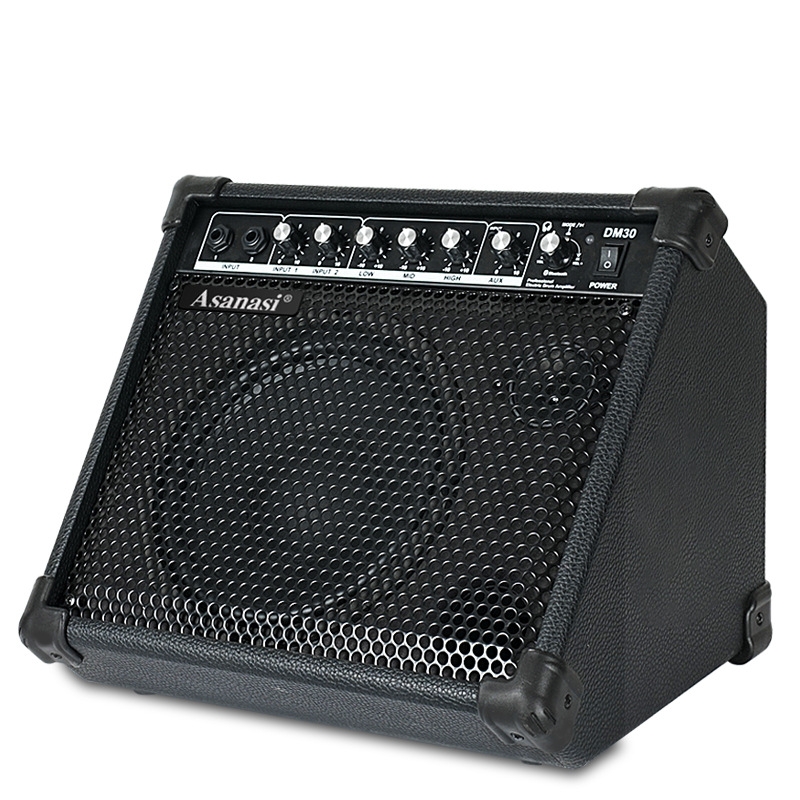
Wholesale Speakers Electronic Drums Rechargeable Portable Outdoor Wireless Stereo Amplifier
Suited to electronic drum, street performance and outdoor practice buyers who also purchase instrument accessories and tuner kits.
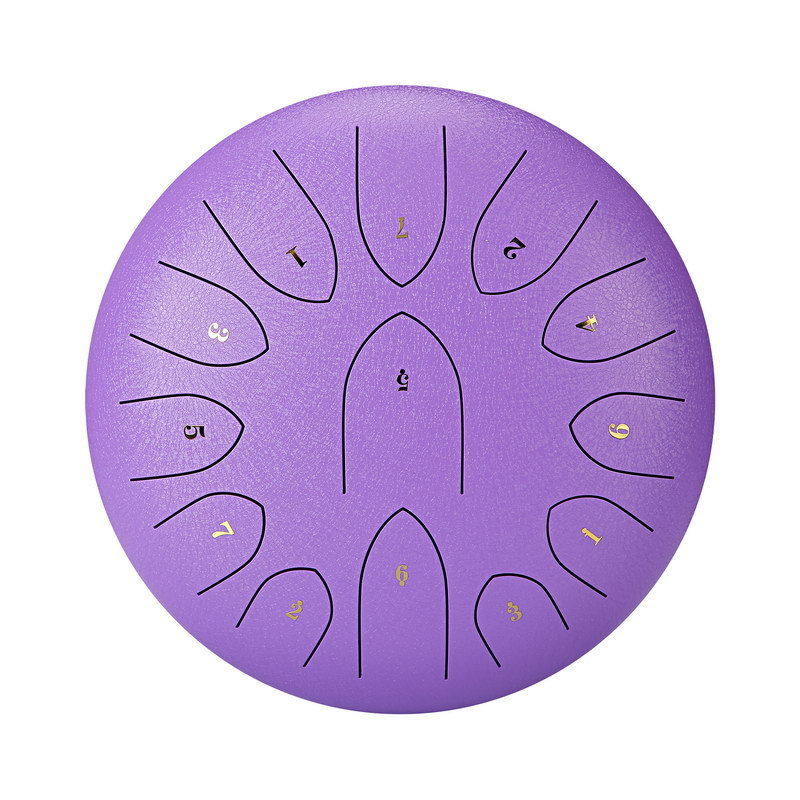
14 Inch Steel Tongue Drum, Handpan Drum, Mini Tank Drum Percussion Instrument, Complete Gift Set Wholesale
A strong add-on for gift, wellness, yoga and beginner percussion channels seeking display-friendly instruments.
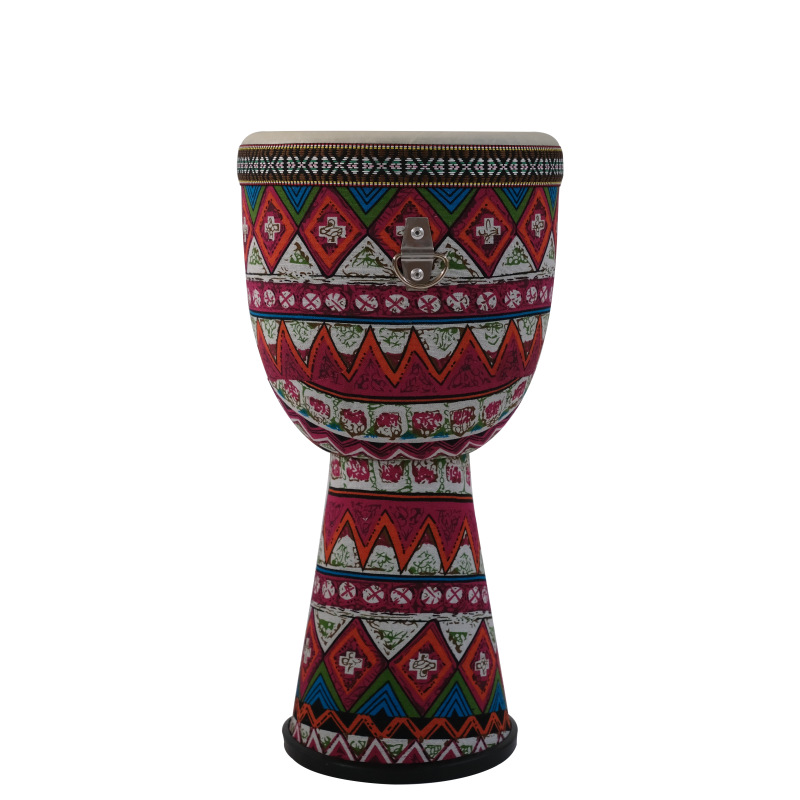
8 Inch African Djembe Drum, Lightweight PVC Fabric Hand Drum for Kids & Adults, Beginner Percussion Hand Beat Drum Wholesale
Lightweight and beginner-friendly for classrooms, music workshops, family retail and rhythm activity programmes.
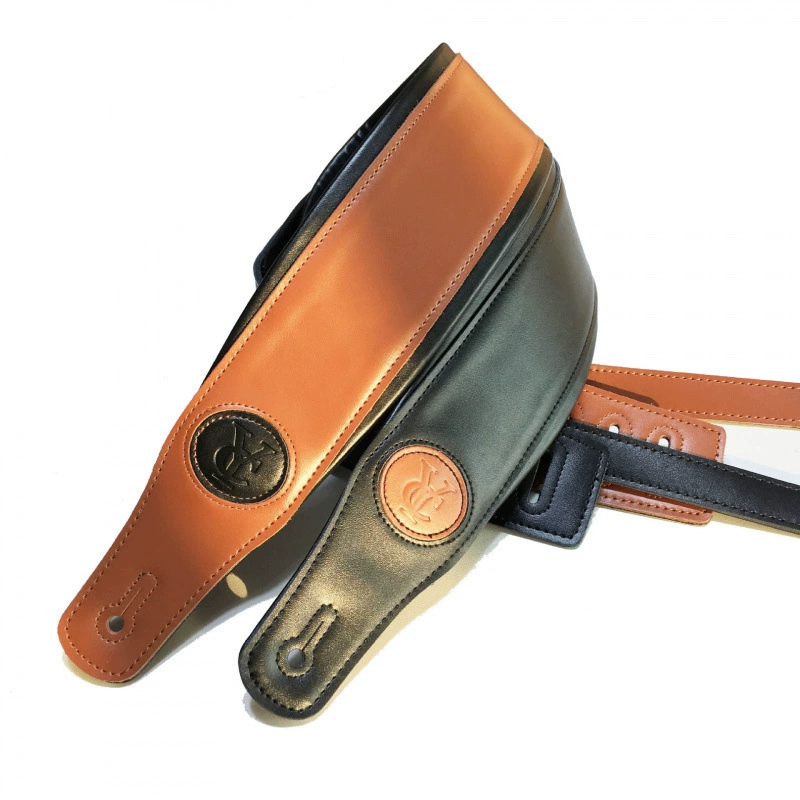
Wholesale Wide Padded Cowhide PU Leather Adjustable Soft Guitar Shoulder Strap for Acoustic Electric Bass Guitar
An easy accessory attachment for guitar, bass and ukulele programs; a natural checkout item when tuners are sold online or in-store.
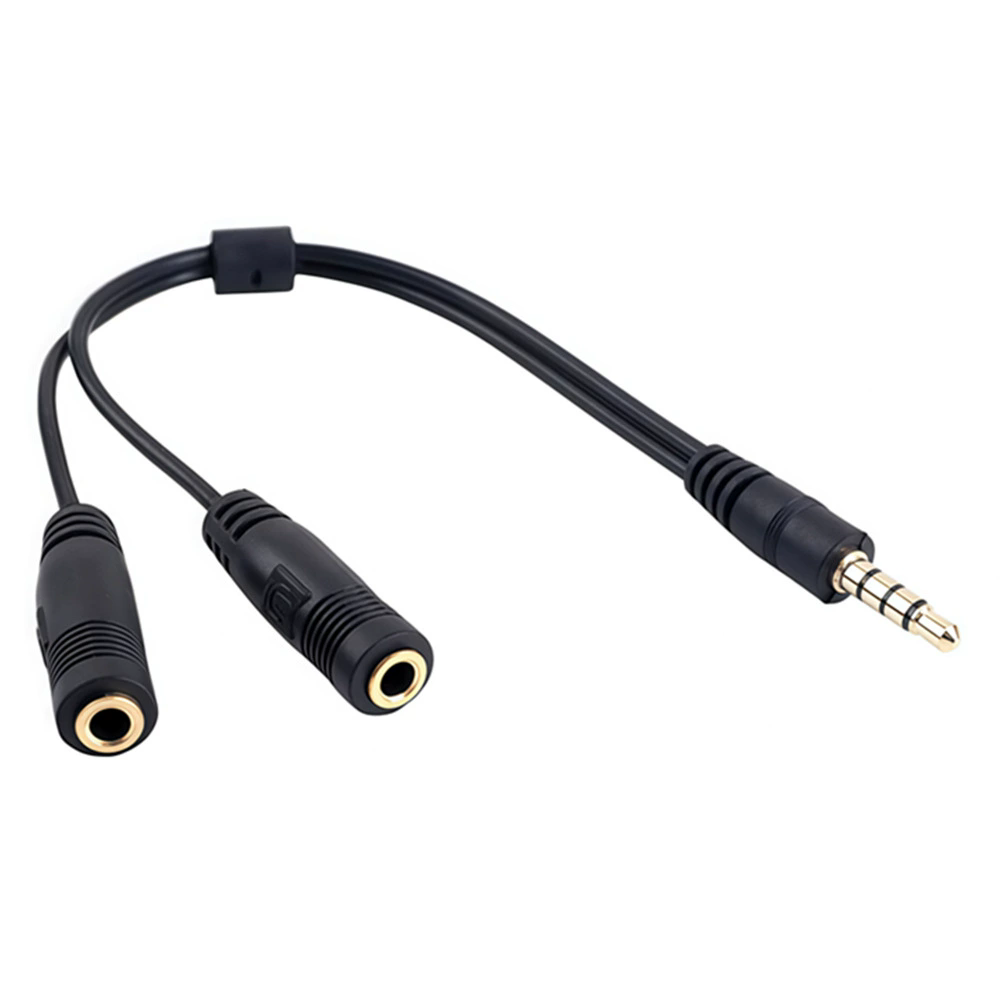
Wholesale 3.5mm 4-Pole Headset Microphone Splitter Adapter Cable for Laptop PC
Useful for online music lessons, recording beginners and education buyers who need practical audio accessories.
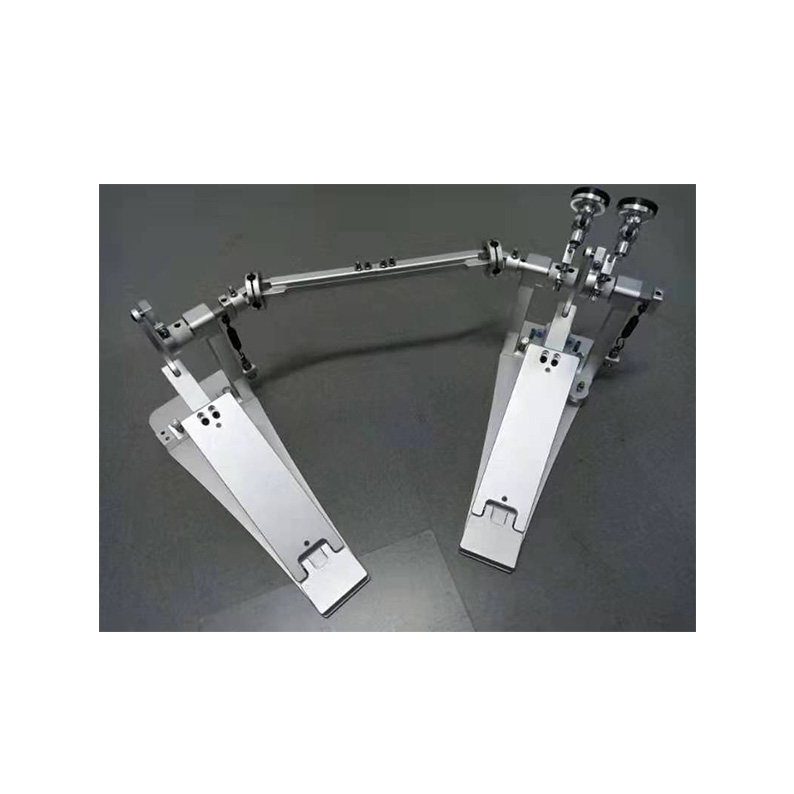
Brushed Silver Double Bass Drum Pedal Direct Drive Drum Kit Accessory
Supports drum-kit accessory buyers who prefer to consolidate tuners, hardware, sticks and practice products with fewer suppliers.
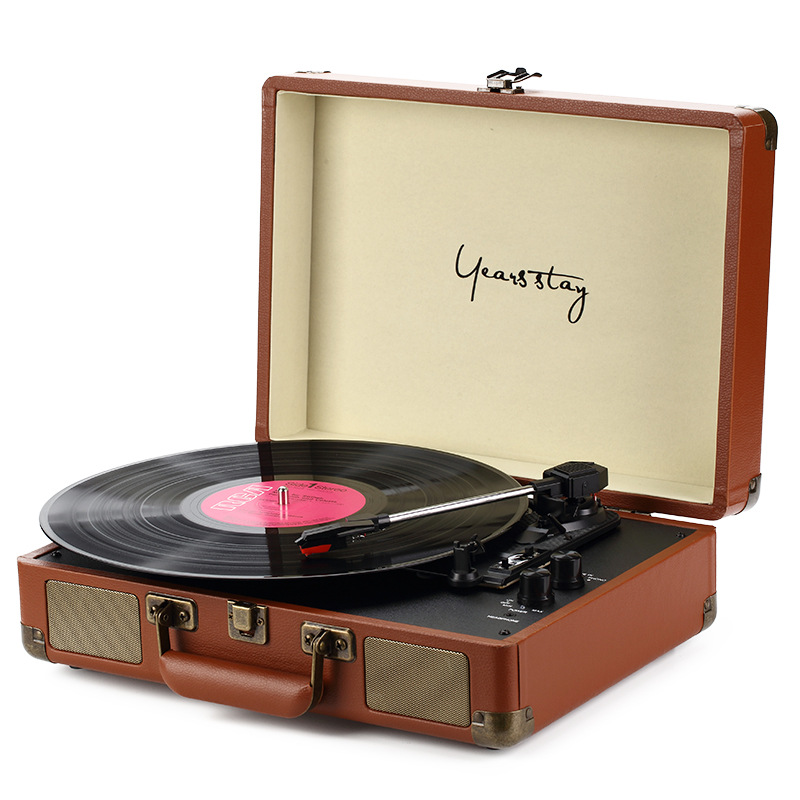
Portable Mini Phonograph Desktop Vinyl Record Player Handheld Wireless for Speaker Turntable
For gift shops, lifestyle electronics buyers and music-themed retail displays that want differentiated products.
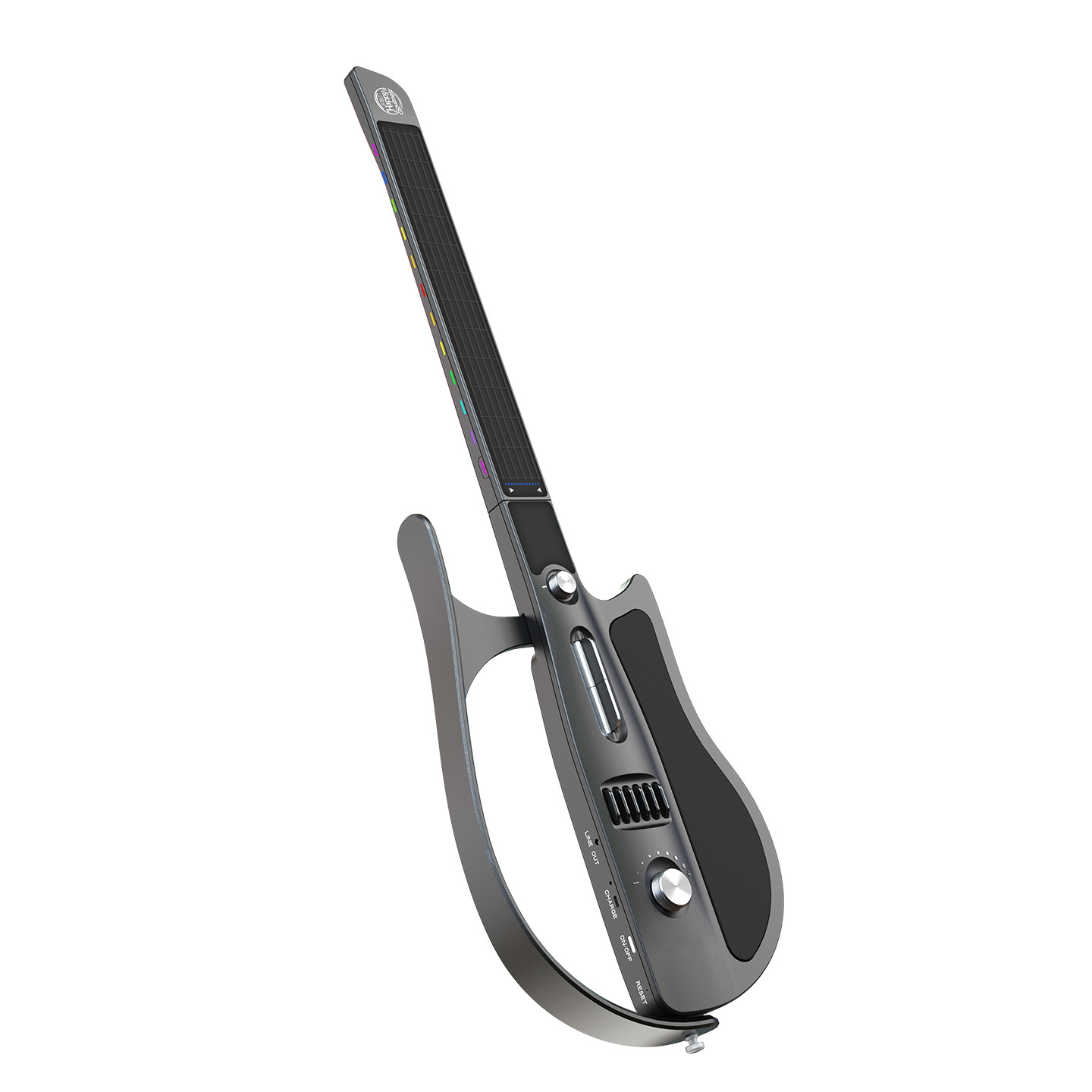
Hot Selling N1 Smart Accompaniment Stringless Guitar Smart Guitar Travel Guitar
A travel-friendly, tech-forward instrument that appeals to lifestyle, gifting and beginner digital-music channels.
How Serious Buyers Evaluate a Clip-On Tuner Wholesaler
The query “China best clip on tuner exporter & wholesaler” usually reflects commercial investigation rather than casual browsing. Buyers want to know whether a supplier can support consistent quality, low initial quantities, private-label packaging, export documentation and repeat replenishment.
A clip-on tuner looks simple, but it is an electronic accessory with several decision-critical details: vibration pickup sensitivity, tuning accuracy, display readability, calibration range, clip durability, battery type, and behaviour under different instrument frequencies. For distributors, the real risk is not only unit price. The larger risk is inconsistent batches, weak packaging, unclear battery documentation or slow after-sales response.
Information gain: a professional tuner sourcing brief should define how accuracy is tested, how units are sampled, what battery or charging system is used, how the display rotates, and how retail packaging is labelled. This is the difference between a low-cost purchase and a repeatable retail program.
WPI’s advantage is not limited to one accessory category. The company operates as a multi-category musical instrument supplier with an assessed export record, low-MOQ sampling and OEM / ODM support. That structure helps buyers consolidate tuners with guitars, ukuleles, percussion, straps, stands and other accessories in one sourcing conversation.
- Ask for a sample that matches the exact retail configuration, not only a generic demo unit.
- Confirm compatibility with guitar, bass, ukulele, violin and chromatic tuning modes.
- Request packaging artwork, manual copy, barcode logic and carton dimensions early.
- Define battery type, charging method and any shipping documentation required by your market.
- Use a repeat-order plan: test a small batch, measure sell-through, then scale the winning colours and modes.
| Buyer Search Intent | What the Buyer Needs | What a Strong Supplier Should Provide |
|---|---|---|
| Bulk clip-on tuner supplier | Low-risk trial order, mixed colours and reliable carton data. | Sample service, clear MOQ, packing list and replenishment lead-time guidance. |
| OEM clip-on tuner manufacturer | Logo, manual, retail box, barcode and private-label presentation. | Artwork proofing, packaging coordination and consistent branding across batches. |
| Tuner for guitar, violin or ukulele | Universal modes, readable display, secure clip and easy operation. | Specification confirmation, instrument compatibility checks and sample validation. |
| Amazon or Shopify tuner supplier | Stable product content, packaging quality, battery documentation and reorder velocity. | Product images, measurements, carton marks and repeat-order consistency. |
| China best tuner exporter | Evidence of export capability, assessment, response speed and trade history. | Intertek onsite assessment, transaction records, clear payment and delivery terms. |
WPI at a Glance: Export Evidence for B2B Buyers
Years in the musical instrument industry
Annual export value, third-party assessed
Orders shipped in the last 6 months
Inquiry response rate
Average buyer rating from verified transactions
Core export regions: North America, Western Europe, Southeast Asia, South America
Why WPI International Trade Co., Ltd. (Huizhou) Fits a Tuner Sourcing Program
WPI combines a broad musical instrument catalog with the practical support that importers need: assessment, low-MOQ sampling, private-label coordination, inspection and consolidated shipping.
Intertek Onsite Assessment
WPI has been assessed onsite by Intertek, with reviewed premises, legal status and supply capabilities. Buyers can request assessment and trade-capacity information before placing an order.
Low-MOQ OEM / ODM
Many instruments and accessories can start from low quantities for sampling, with typical wholesale MOQs of 2–10 pieces per instrument model and 20–600 sets for small accessories. Mixed-category orders are welcome.
One-Stop Consolidation
Source tuners together with guitars, ukuleles, violins, percussion, keyboards, straps, stands and accessories. Consolidation reduces supplier-management load and can improve container utilisation.
Export Terms & Documentation
Payment methods include T/T, L/C, D/P, D/A, MoneyGram, credit card, PayPal, Western Union, cash and escrow. Delivery terms include FOB, CFR, CIF, EXW, DDP, DDU, express delivery and other standard options.
A Huizhou-Based Export Team Built Around Long-Term Cooperation
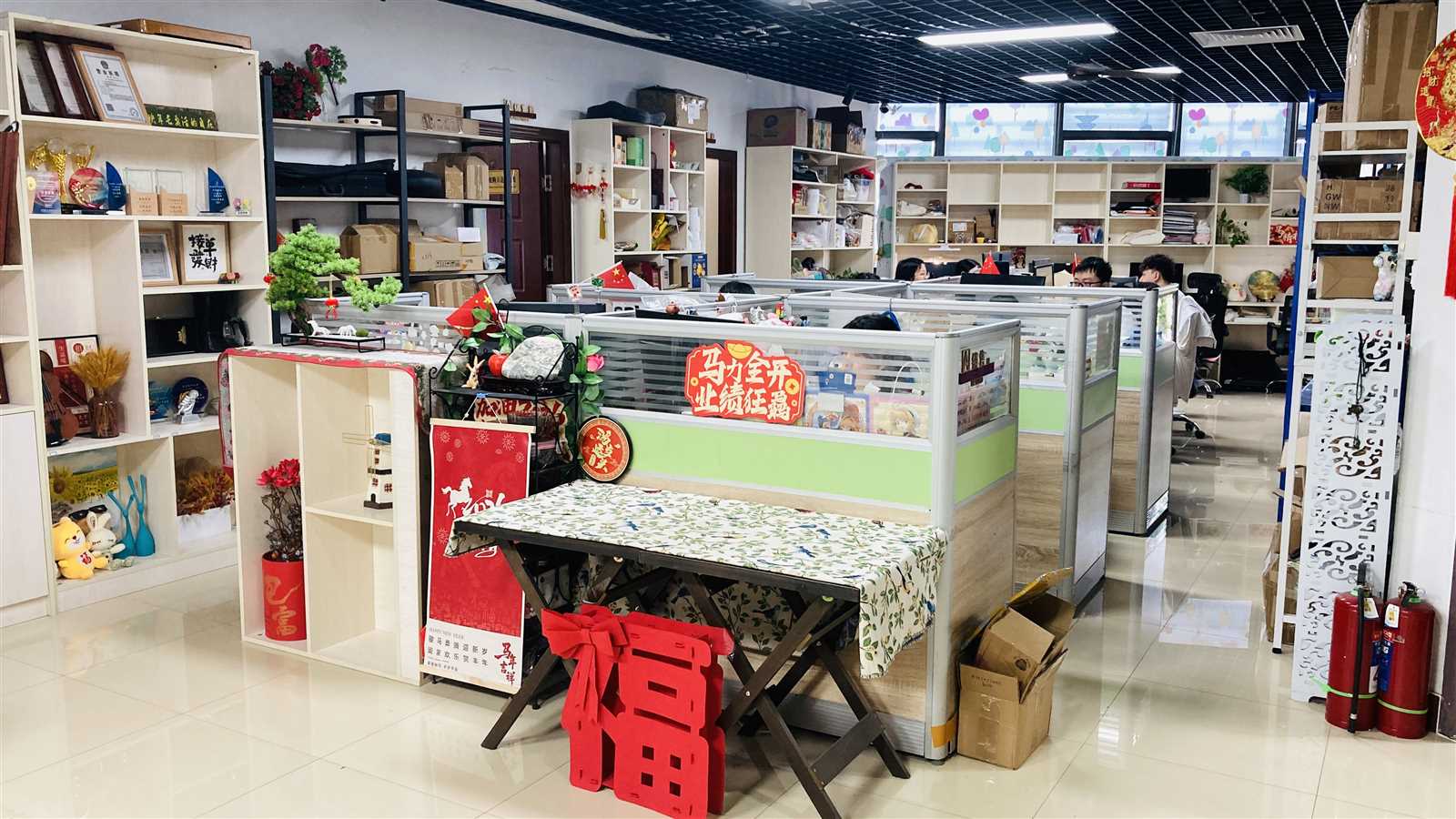
WPI began exporting musical instruments from Hong Kong in June 2010 and established its Huizhou, Guangdong operation in 2014. The team has 28 people, including 22 in trading and export roles, supporting importers, distributors, retailers and schools across North America, Western Europe, Southeast Asia and South America.
The company’s product focus includes ukuleles, acoustic and electric guitars, violins, cellos, saxophones, clarinets, drums, steel tongue drums, keyboards and accessories. For tuner buyers, this means a supplier that understands instrument compatibility, retail assortments and mixed-order realities rather than treating accessories as isolated commodities.
WPI has exhibited at Shanghai and Guangzhou music shows from 2014 to 2019, giving buyers an additional way to verify trade experience and category knowledge. The stated business goal is long-term cooperation: protecting the buyer’s market, maintaining quality consistency and keeping pricing reasonable.
View WPI’s full company profile →



Clip-On Tuner Assortments Worth Testing in 2025–2026
Rather than stocking one generic model, retailers and distributors can build a small but purposeful tuner assortment that covers different instruments, price points and retail channels.
Chromatic 2-in-1 Retail Tuner
A broad-appeal SKU for guitar, bass, ukulele and violin. Specify ±1 cent accuracy, 430–450Hz calibration and clear mode labels.
- Best for music stores and online marketplaces
- Multiple body colours for display variety
- Simple manual and hang-tag packaging
USB-C Rechargeable Metal-Clip Tuner
A higher perceived-value model for buyers who want to reduce coin-cell battery concerns and offer a more durable accessory.
- USB-C charging and auto power-off
- Metal clip for instrument protection
- Good fit for premium retail and gifting
Private-Label Starter Bundle
Combine a tuner with picks, a strap, a pouch or a beginner guide to create a stronger shelf story and a higher average order value.
- Logo, colour and packaging coordination
- Suitable for schools, starter kits and promotions
- Barcode and carton-mark support
Multi-Instrument Display Tuner
A rotating, high-contrast display model for players who switch between violin, ukulele and guitar during lessons or performance.
- 360-degree viewing angle
- Instrument and chromatic modes
- Strong fit for school and lesson channels
How Clip-On Tuner Buying Behaviour Is Changing
The accessory market is moving toward faster replenishment, stronger private-label presentation and more evidence-based sourcing. Suppliers that can support small batches, documentation and packaging discipline will have a clear advantage.
Small-Batch Replenishment
Retailers and marketplace sellers prefer to test a narrower colour and model range before scaling. Low-MOQ sampling and mixed orders reduce inventory risk and speed up market feedback.
Private Label & Shelf-Ready Packaging
Buyers want logo placement, manual copy, retail boxes, hang tags, barcodes and carton marks aligned before production. Packaging quality increasingly influences perceived product value.
Compliance-Led Buying
Electronic accessories require attention to battery type, charging safety, material declarations and market-specific documentation. Buyers are asking for clearer compliance information earlier in the RFQ stage.
Content-Driven Reordering
Product photos, short videos, dimensions, battery details and use-case images now support conversion and repeat purchase. Suppliers that provide clean product data help buyers move faster.
What the Next Generation of Clip-On Tuners Will Compete On
Price alone is no longer enough. Product development is shifting toward accuracy, usability, sustainability and multi-instrument versatility.
Accuracy & Noise Rejection
Better vibration sensing and stable algorithms matter for noisy classrooms, stage environments and lower-frequency instruments. Buyers should validate accuracy with a repeatable test method.
Rechargeable & Replaceable Power
USB-C rechargeable models appeal to repeat-use buyers, while replaceable-battery models remain practical for some markets. The right choice depends on retail channel, shipping rules and after-sales expectations.
Multi-Instrument Modes
Guitar, bass, violin, ukulele and chromatic modes cover more of the retail shelf. Clear icons and a rotating display improve usability for beginners and teachers.
Durability & Retail Design
Metal clips, shock-resistant housings and readable displays increase perceived value. Colour and packaging design also help tuners stand out in crowded accessory displays.
Clip-On Tuner RFQ & Quality Checklist for Wholesale Buyers
Use this specification framework to compare suppliers on the details that affect retail performance, not only unit price.
| Specification Decision | Recommended RFQ Baseline | Why It Matters |
|---|---|---|
| Tuning accuracy | State the claimed tolerance, such as ±1 cent, and ask for the sample test method. | Accuracy claims are only meaningful when they can be reproduced during sample approval and batch inspection. |
| Calibration and modes | Confirm 430–450Hz calibration, chromatic mode and instrument-specific modes. | Mode clarity supports beginners, teachers and multi-instrument retailers. |
| Display and clip | Specify rotation angle, screen contrast, clip material and instrument-protection padding. | These details influence returns, perceived quality and safe use on different instruments. |
| Power system | Choose coin cell, AAA or USB-C rechargeable, and request battery or charging documentation. | Power choice affects shipping requirements, retail positioning and after-sales expectations. |
| Branding and packaging | Approve logo, manual, retail box, hang tag, barcode and carton marks before mass production. | Private-label packaging is part of the product. Weak packaging undermines a good tuner. |
| Quality control | Inspect appearance, clip strength, display function, tuning response, battery performance and packaging. | A defined inspection flow reduces inconsistent batches and protects repeat-order confidence. |
1. Sample Approval
Test tuning response on guitar, violin and ukulele; check clip pressure, button response, display angle and packaging presentation before approving production.
2. Batch Inspection
Review appearance, hardware, tuning stability and packaging before shipment. WPI’s assessed capability includes finished-product inspection before delivery.
3. Packaging & Documents
Confirm retail box strength, barcode placement, manual language, carton marks and any battery or compliance documents required by the destination market.
Common Questions About Clip-On Tuner Wholesale and OEM Supply
These answers reflect typical B2B sourcing questions for tuners and musical accessories. Exact specifications, MOQs and lead times should always be confirmed against the current quotation and sample.
What is the MOQ for wholesale clip-on tuners and accessories?+
Many instruments and accessories can start from low quantities for sampling. Typical wholesale MOQs are 2–10 pieces per instrument model and 20–600 sets for strings and small accessories, depending on the exact item. Mixed-category orders are welcome, so tuners can be discussed together with guitars, straps, picks or other accessories.
Are clip-on tuners suitable for guitar, bass, violin and ukulele?+
A chromatic clip-on tuner can cover multiple instruments through vibration sensing and selectable modes. For retail assortments, confirm the modes, calibration range and clip design with a sample, especially if you are selling to schools, beginners or multi-instrument players.
Can I customize the logo, packaging and manual?+
Yes. WPI’s assessed customization capabilities include sample-based customization, minor customization such as logo, packaging and graphics, design-based customization and full customization. For tuners, buyers typically discuss logo printing, retail box, hang tag, manual copy, barcode and carton marks.
What accuracy should I specify for a private-label tuner?+
For general musical retail, ±1 cent is a common practical baseline, but the test method matters as much as the claim. Ask the supplier how samples are checked, how repeatability is measured, and whether production inspection includes tuning response and display function.
How is quality controlled before shipment?+
Every WPI order goes through finished-product inspection before delivery, covering appearance, hardware, tuning stability and packaging. For electronic accessories, buyers should also confirm battery type, charging function, display behaviour, clip strength and packaging checks in the inspection plan.
Which payment and delivery terms are accepted?+
Payment methods include T/T, L/C, D/P, D/A, MoneyGram, credit card, PayPal, Western Union, cash and escrow. Delivery terms include FOB, CFR, CIF, EXW, FAS, CIP, FCA, CPT, DEQ, DDP, DDU, DAF, DES and express delivery. The best option depends on order size, destination and buyer experience.
Which markets does WPI export to?+
WPI’s main markets are North America, Western Europe, Southeast Asia and South America. The company also supports buyers with mixed-category musical instrument sourcing, OEM / ODM discussions and consolidated shipment planning.
How can I test a tuner assortment before scaling?+
Start with a sample or small trial order covering two to four models, such as a chromatic retail tuner, a rechargeable metal-clip model and a display-focused multi-instrument tuner. Measure sell-through, return reasons and customer feedback, then scale the winning colours, packaging and price points.
Build a Better Tuner & Accessory Program With WPI
Send your target market, instrument categories, estimated quantities and packaging requirements. The team can recommend suitable models, sampling steps and mixed-order options for your market.