What “Best” Really Means in Chromatic Tuner Sourcing
High-intent buyers searching for a China chromatic tuner exporter are usually not shopping for a slogan. They are trying to reduce risk: tuning drift, battery complaints, unstable clips, unreadable displays, late packaging changes, or a supplier that disappears after the first order.
A chromatic tuner is a low-ticket accessory with a high-trust job. If a clip-on tuner hesitates between notes, a pedal tuner mutes unexpectedly, or a metronome-tuner combination is difficult to read on a dim stage, the buyer does not blame the factory alone — the retailer’s brand carries the review. That is why the best chromatic tuner wholesaler is not automatically the one with the lowest FOB quote. The stronger partner combines frequency accuracy, repeatable calibration, stable housing, readable displays, retail packaging, low-MOQ flexibility, export documentation, and responsive communication.
For importers, this category sits inside a wider buying mission. A music retailer may need clip-on chromatic tuners for guitars, ukuleles, violins and basses; a school supplier may need classroom-friendly tuners and metronomes; an online brand may want private-label packaging and USB-C rechargeable models; a distributor may consolidate tuners with strings, stands, hangers, picks, cases and entry-level instruments. Search intent therefore goes beyond “cheap tuner.” It includes OEM chromatic tuner supplier, wholesale clip-on tuner with low MOQ, private-label guitar tuner, and China musical accessory exporter with inspection.
WPI International Trade Co., Ltd. (Huizhou) is a musical instrument trading company and multispecialty supplier, not a single-product workshop. We began exporting musical instruments from Hong Kong in June 2010 and established our Huizhou, Guangdong operation in 2014. The business has 28 team members, including 22 in trading and export roles. This structure matters for tuner buyers because a private-label accessory project often needs mixed-category consolidation: tuners plus strings, picks, instrument hangers, stands, small instruments and packaging — all moving through one communication channel.
Procurement Trends Reshaping Chromatic Tuner Wholesale
The next buying cycle is being shaped less by single-SKU bargain hunting and more by supply-chain resilience, evidence-based supplier selection and retail-ready execution.
Private-label bundles are replacing single-SKU orders
Buyers increasingly combine a chromatic tuner with picks, strings, a case or a beginner instrument to raise average order value. The winning exporter must support logo, packaging, manual, barcode and multilingual retail artwork without treating each item as a separate project.
Low-MOQ replenishment is now a buying requirement
Retailers want to test tuner colors, display styles and price points before committing to a deep buy. Sampling from one piece for many models and flexible mixed-category orders help reduce overstock risk while keeping shelf presence.
Evidence-based sourcing is replacing trust-by-email
Distributors now ask for Intertek assessments, finished-product inspection, sample reports and transaction history. WPI’s onsite assessment, trade capacity and pre-shipment QC process give buyers verifiable checkpoints before the first container.
Landed-cost visibility and omnichannel packaging
FOB is no longer enough. Buyers compare DDP, CIF and express options, then check whether packaging is ready for retail shelves, marketplaces and schools. Clear trade terms, barcode-ready artwork and consolidated shipping reduce hidden cost after arrival.
What the Next Chromatic Tuner Range Should Include
These are the development directions buyers are using to differentiate a commodity accessory without creating unnecessary quality risk.
Accuracy beyond ±1 cent, with flexible calibration
Premium buyers increasingly request chromatic accuracy around ±0.5 cent, A4 calibration across 430–450 Hz, instrument-specific modes for guitar, bass, violin and ukulele, and stable performance under changing temperature and battery level. The commercial lesson is to request repeatability, not only a single lab claim.
Form-factor convergence: clip-on, pedal and practice tools
Retailers are moving toward product families rather than isolated SKUs: a clip-on chromatic tuner for acoustic and orchestral players, a pedal tuner for electric stages, and a metronome-tuner combination for teachers and beginners. USB-C rechargeability, auto power-off, high-contrast color displays and shock-resistant housings are becoming normal discussion points.
Retail-ready durability, sustainability and support
Buyers now ask for drop-resistant clips, non-marring pads, clear button feedback, QR manuals, recycled or reduced packaging, and lithium-battery documentation where applicable. These details improve reviews and reduce after-sales friction, but each model’s final compliance scope should be confirmed for the destination market.
A Practical Chromatic Tuner Sourcing Checklist
Use this checklist in sample evaluation and in the pre-production brief. It helps separate a catalog image from a reorder-ready product.
| Decision factor | Buyer question | Practical benchmark |
|---|---|---|
| Tuning accuracy | Does the tuner repeat the same reading under real instrument vibration? | Test ±0.5 cent targets against repeated plucks; compare open strings, fretted notes and harmonics. A single on-paper claim is not enough. |
| Calibration range | Can it handle different markets, ensembles and teaching standards? | A4 430–450 Hz calibration is a useful baseline; confirm chromatic mode plus guitar, bass, violin and ukulele modes where required. |
| Display and response | Can a player read it outdoors, on stage or in a noisy classroom? | Check contrast, refresh speed, backlight behavior and whether the note display remains stable when the instrument decays. |
| Power system | Will battery complaints damage reviews after the first month? | Test coin-cell or USB-C runtime, charging behavior, auto power-off and low-battery indication. For rechargeable models, confirm battery shipping documentation. |
| Mount and housing | Does the clip grip firmly without marking the headstock? | Check clamp force, pad material, hinge durability, drop resistance and button feedback. Tuner clips fail faster than displays in many value lines. |
| Compliance and paperwork | Are destination-market requirements clear before mass production? | Discuss RoHS, REACH, CE, FCC, UKCA, battery documents and labeling with the supplier; confirm applicability by model and destination. |
| Packaging and MOQ | Is the product ready for retail, marketplaces and mixed orders? | Check barcode placement, multilingual inserts, gift-box quality, master-carton strength and the gap between sample MOQ and repeat-order MOQ. |
Illustrative sourcing priority scorecard
Based on common wholesale buyer questions; use as a discussion model, not a market forecast.
8 Wholesale Products for a Stronger Tuner-Adjacent Assortment
Chromatic tuners rarely travel alone. Buyers often combine tuners with instrument care, display fixtures, strings and entry-level instruments to increase basket value and improve container utilization. These eight items come from our existing export catalog, with original product URLs preserved.
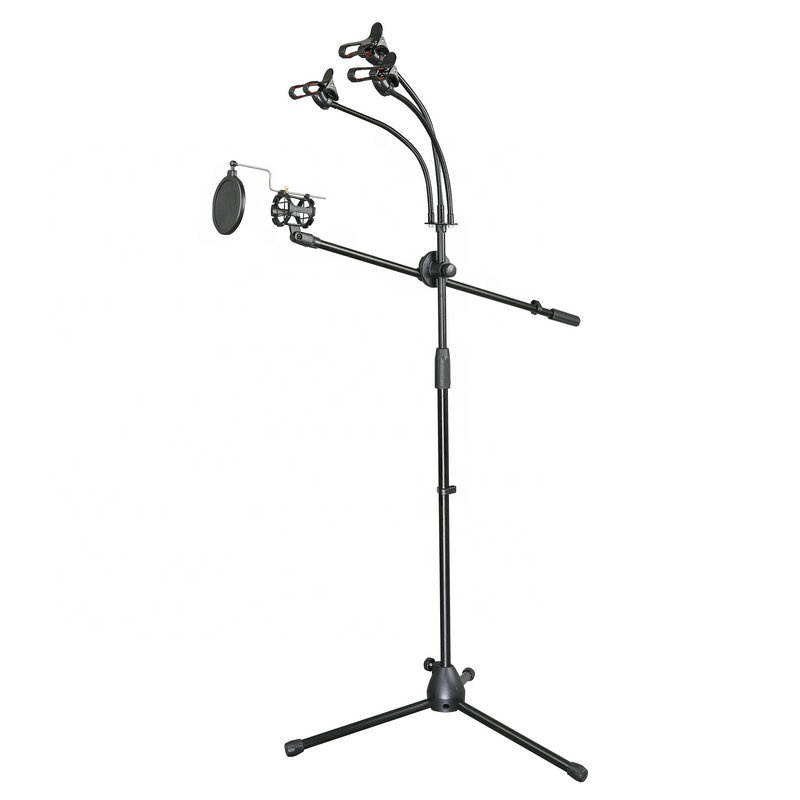
Three Mobile Phones with Horizontal Bars for Live Streaming, Floor Standing Three Legged Microphone Stand
A floor-standing three-leg stand for live commerce and music content teams. Pair with clip-on tuners for on-camera instrument demos, lessons and product reviews.
View product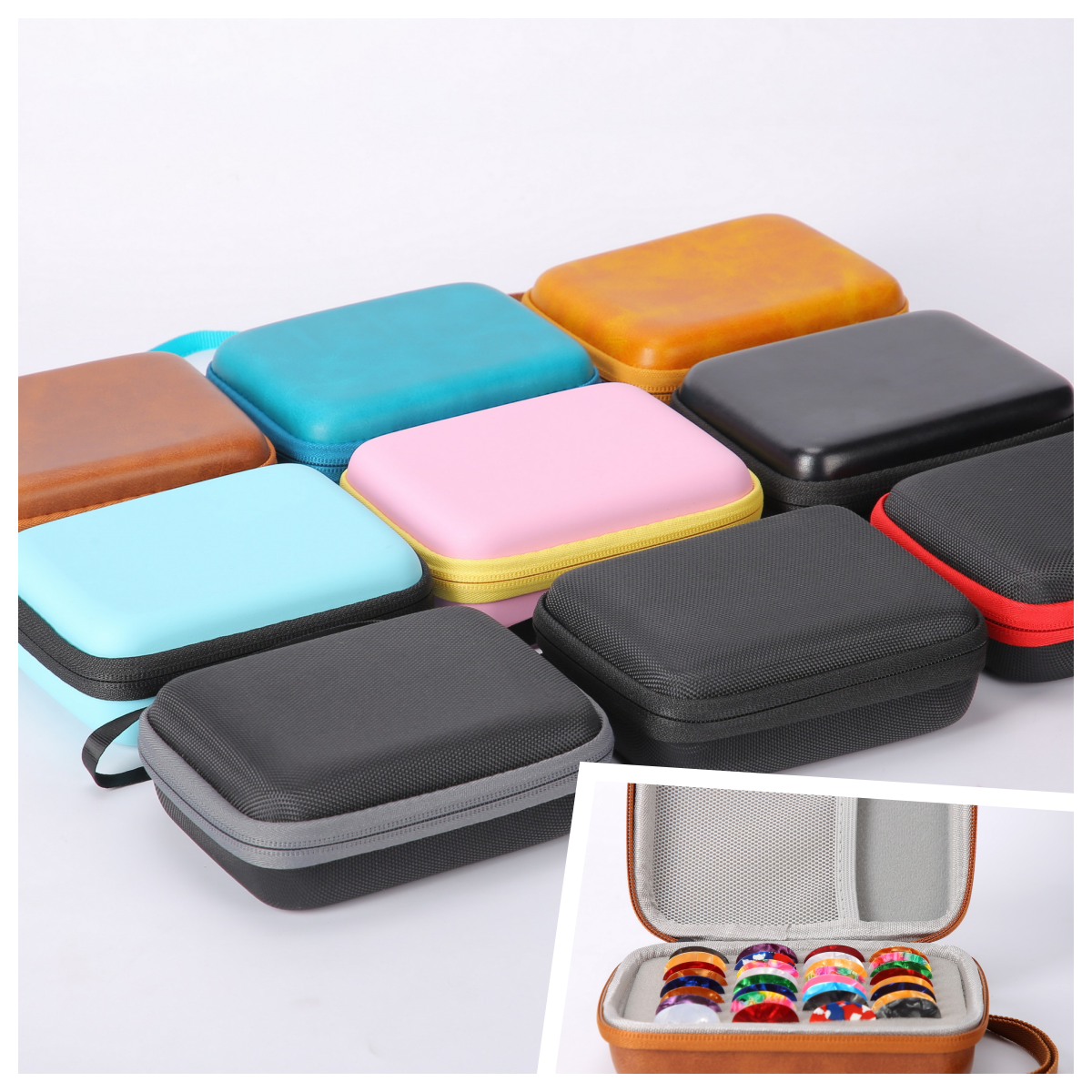
Guitar Folk Plectrum Storage Leather Case Leather PC Plectrum Bag Ukulele Plectrum Pick Case Package
A compact leather pick case that sits naturally beside chromatic tuners, capos and strings in accessory bundles for guitar and ukulele retail.
View product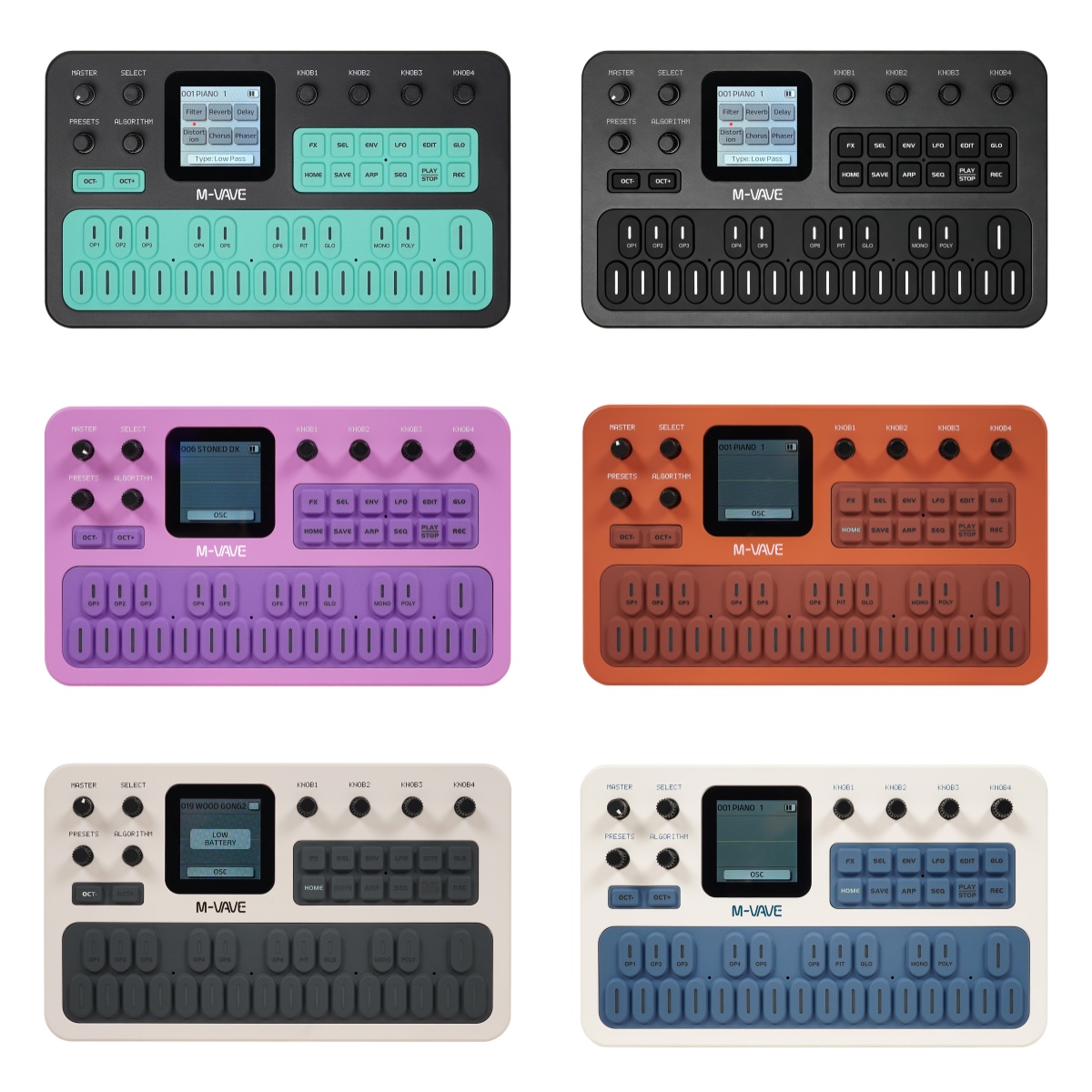
M VAVE Mini FM 1 Synthesizer 27 Keys 3 Channel 12h Battery Built in Speakers for Outdoor Music Production and Pocket Effect
A portable battery-powered synthesizer for outdoor production and content creation. Useful in electronic-music assortments where pitch-reference and practice tools are also demanded.
View product
Wood Base Violin Hanger, Wall Mount Violin & Erhu Display Bracket, Universal Musical Instrument Wall Hanging Rack Wholesale
A wall-mount display bracket for violin and erhu. Ideal for string-instrument walls where chromatic tuners are merchandised as take-home accessories.
View product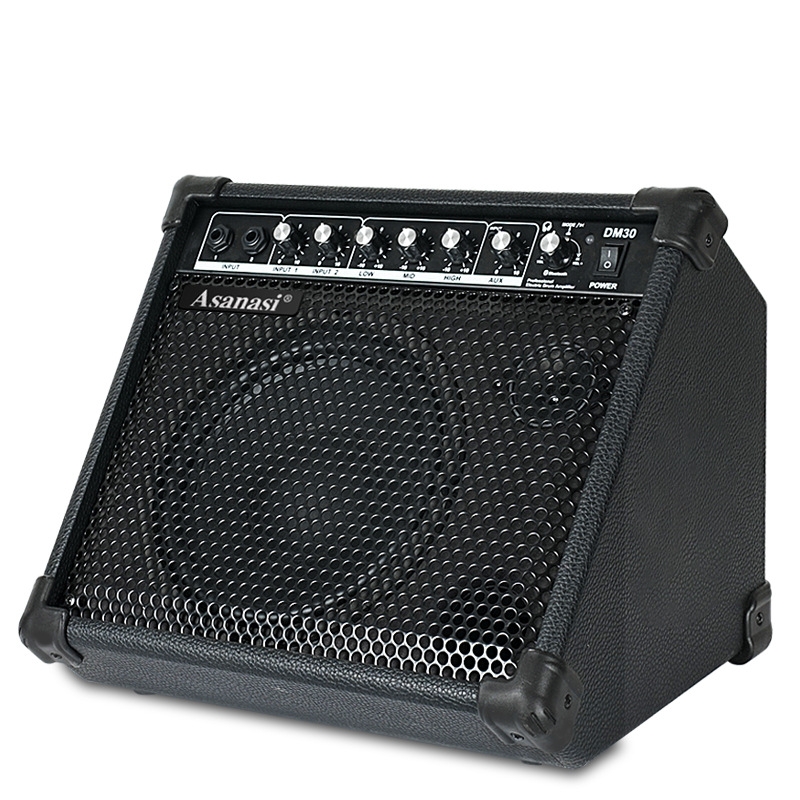
Wholesale Speakers Electronic Drums Rechargeable Portable Outdoor Wireless Stereo Amplifier
A rechargeable portable stereo amplifier for electronic drums and outdoor performance. Bundles well with practice accessories for school and street-performance channels.
View product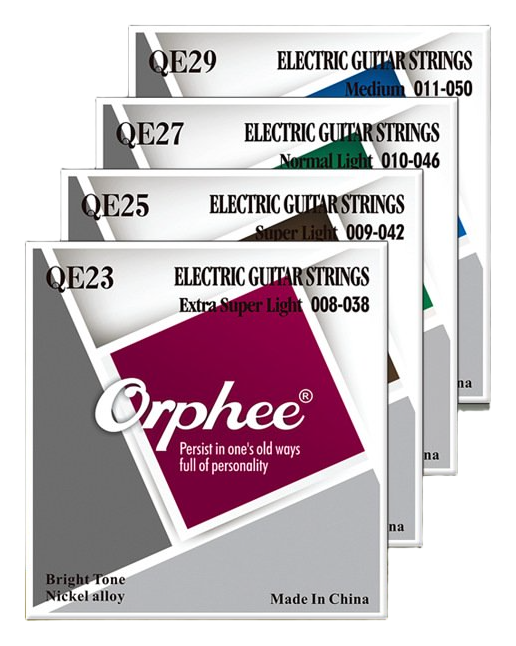
Wholesale Coated Nickel Core Electric Guitar String Set
Coated nickel electric guitar strings are a natural add-on to clip-on tuners, picks and maintenance kits. A practical repeat-purchase item for guitar retailers.
View product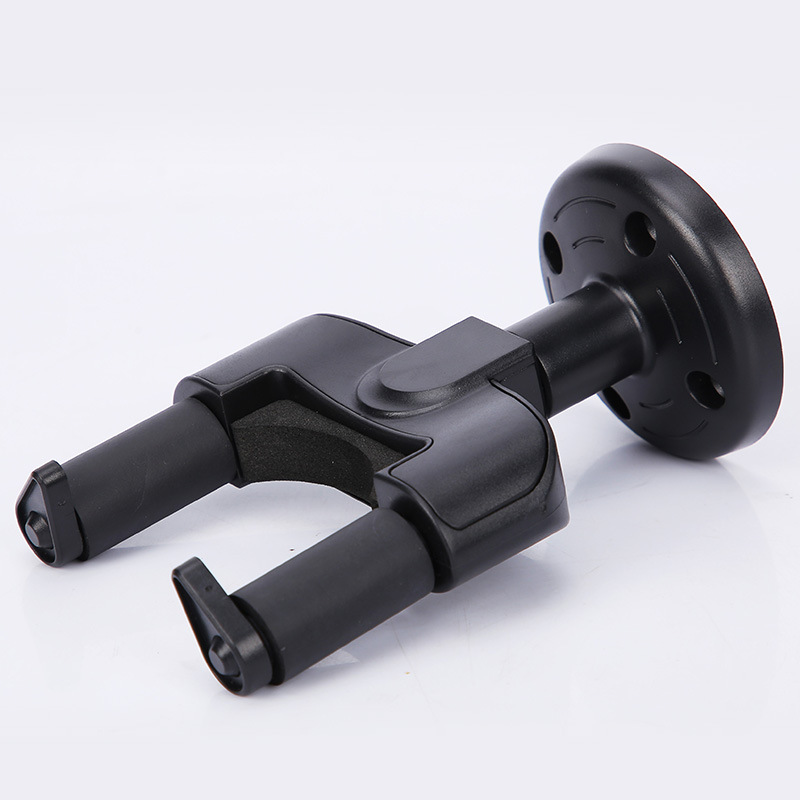
Gravity Auto Lock Guitar Hanger, Wall Mount Guitar Hook, Self-locking Holder for Electric & Acoustic Guitar Wholesale
A self-locking wall hanger for electric and acoustic guitars. Creates a retail display moment and encourages add-on sales of tuners, straps and picks.
View product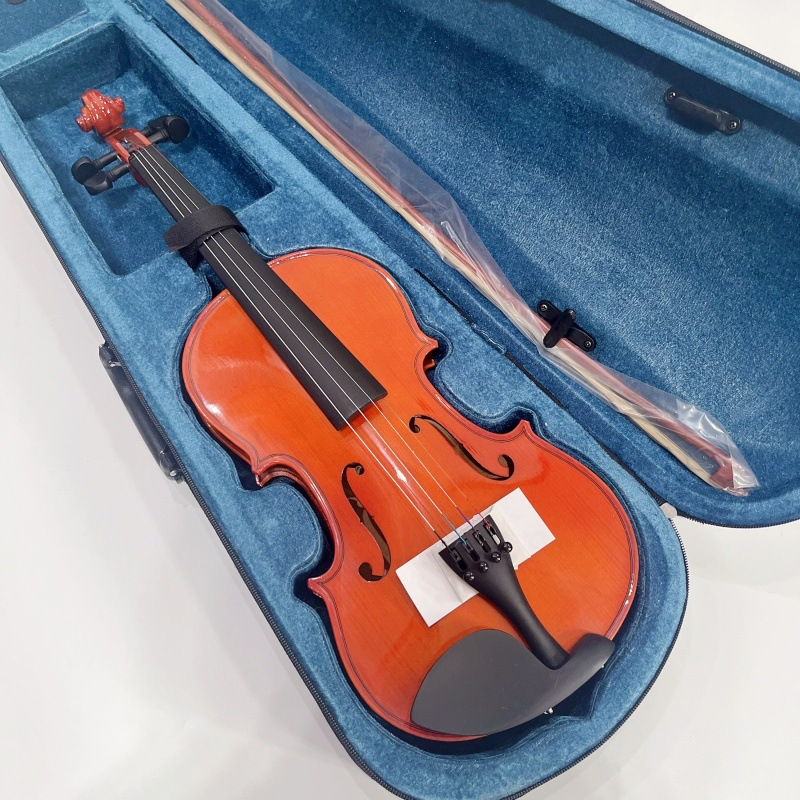
4/4 Full Size Solid Spruce Top Violin, Adult Beginner Violin, Solid Wood Student Violin Musical Instrument Wholesale
An adult beginner violin with a solid spruce top. A strong bundle candidate with a chromatic tuner, rosin and case accessories for school and starter packages.
View productInside the Export Operation: Evidence Behind the Offer
A wholesale chromatic tuner program depends on supplier responsiveness as much as unit price. The following company facts come from our original business profile and third-party assessment content.
WPI International Trade Co., Ltd. (Huizhou) began exporting musical instruments from Hong Kong in June 2010 and established its Huizhou, Guangdong operation in 2014. The team includes 28 people, with 22 in trading and export roles. Our main markets are North America, Western Europe, Southeast Asia and South America. We have exhibited at Shanghai and Guangzhou music shows every year from 2014 to 2019, and our premises have been assessed onsite by Intertek.

Team, showroom and warehouse support for multi-category instrument sourcing and consolidated shipments.

Broad product access across guitars, ukuleles, violins, drums, keyboards and accessories for one-stop orders.

Export sales support, sample coordination and inspection follow-up from brief to shipment.
Why WPI Is a Practical Chromatic Tuner Wholesale Partner
We combine a broad musical-instrument catalog with low-MOQ customization and export processes designed for importers, distributors, retailers and schools.
Intertek-assessed, transparent structure
We are a trading company and multispecialty supplier. Intertek’s onsite assessment covers our premises and capabilities, including finished-product inspection and customization support. Buyers can review our assessment, credit overview, transaction level and trade capacity before ordering.
Low-MOQ OEM / ODM support
Many guitars, ukuleles, violins and saxophones can be ordered from one piece for sampling. Typical wholesale MOQs are 2–10 pieces per instrument model and 20–600 sets for strings and small accessories. Customization options include sample-based, minor, design-based and full customization.
One-stop consolidation
Combine tuners with guitars, ukuleles, violins, cellos, saxophones, clarinets, drums, steel tongue drums, keyboards, strings, stands, hangers and cases. A single communication channel and consolidated shipment help improve container utilization and simplify supplier management.
Export terms and responsive service
Payment methods include T/T, L/C, D/P, D/A, MoneyGram, credit card, PayPal, Western Union, cash and escrow. Delivery terms include FOB, CFR, CIF, EXW, FAS, CIP, FCA, CPT, DEQ, DDP, DDU, DAF, DES and express delivery. Our inquiry response rate is 97.73%, with a 4.6/5 average buyer rating.
How a Private-Label Tuner Order Moves from Brief to Delivery
Brief and specification
Share target market, form factor, accuracy, calibration range, packaging, certification needs and target quantity. We clarify the commercial brief before recommending models.
Sampling and validation
Pre-production samples are prepared for approval. Check note capture, display contrast, clip stability, battery behavior, logo placement and packaging artwork.
Production and inspection
Mass production is followed by finished-product inspection covering appearance, hardware, function, tuning consistency and packaging. Our assessment includes onsite verification by Intertek.
Consolidation and shipping
We consolidate mixed-category orders where required and support FOB, CIF, DDP, express and other agreed delivery terms for your destination.
Chromatic Tuner Procurement Questions Buyers Ask Most
Clear answers reduce back-and-forth before sampling. For model-specific confirmation, use the inquiry button and include your target market, quantity and packaging brief.
What is the minimum order quantity for wholesale chromatic tuners?
Sampling from one piece may be possible for many models. Typical wholesale MOQs vary by tuner style, packaging and branding; small accessories often fall in the 20–600 set range, while private-label programs may require a higher run. Share target quantity, destination market and packaging requirements so WPI can confirm the current MOQ and mixed-order options.
Do you offer OEM and ODM services for private-label tuners?
Yes. Our assessed customization capabilities include sample-based customization, minor customization such as logo, packaging and graphics, design-based customization and full customization. For tuner projects, prepare artwork, color references, manual requirements, barcode details and any certification needs before the sampling stage.
How can buyers verify tuner accuracy before placing a bulk order?
Request a pre-production sample and test it with real instruments. Check A4 calibration at 440 Hz and across the agreed 430–450 Hz range, repeat open-string and fretted-note readings, test response speed and display stability, and compare battery behavior. Keep an approved golden sample for the mass-production inspection reference.
How are chromatic tuners inspected before shipment?
Every order should follow an agreed inspection plan. For tuners, this normally covers appearance, housing and clip condition, button response, display function, calibration consistency, battery/charging behavior and packaging. WPI’s company profile states finished-product inspection before delivery and an onsite assessment by Intertek.
Which certifications and documents can be discussed?
Requirements depend on the model and destination market. Buyers commonly discuss RoHS, REACH, CE, FCC, UKCA, battery documentation and shipping papers for products containing lithium batteries. Confirm the applicable scope for each SKU before production; certification is not automatically transferable from one model to another.
Which payment and delivery terms are supported?
Payment methods include T/T, L/C, D/P, D/A, MoneyGram, credit card, PayPal, Western Union, cash and escrow. Delivery terms include FOB, CFR, CIF, EXW, FAS, CIP, FCA, CPT, DEQ, DDP, DDU, DAF, DES and express delivery. The best term depends on destination, order size and the buyer’s customs arrangements.
Which markets do you export to?
Our main markets are North America, Western Europe, Southeast Asia and South America. Buyers in other regions can still request a quotation, subject to product compliance, shipping route and document requirements for the destination.
How should a retailer choose between clip-on, pedal and multi-function tuners?
Clip-on chromatic tuners suit acoustic players, string instruments, schools and counter displays. Pedal tuners fit electric guitar and bass pedalboards. Multi-function tuners with metronome or practice features serve teachers and beginners. A practical starter range often gives the largest shelf share to stable clip-on models, with pedal and multi-function versions acting as margin builders.
Build a chromatic tuner range that survives the first reorder.
Tell us your target market, quantity, preferred form factor, packaging and branding needs. We will recommend suitable tuner directions and build a consolidated quotation with compatible instruments and accessories.