CE Certified Guitar Pickup Suppliers & Wholesalers
A buyer-focused sourcing guide for distributors, private-label brands, repair groups and music retailers who need CE-aware documentation, stable tone, low-MOQ customisation and dependable export support from a verified musical instrument supply chain.
Eight Wholesale Products to Bundle with a Pickup Programme
The eight lines below are part of the existing WPI musical instrument catalogue. They help pickup-focused importers build mixed-container orders around student instruments, percussion, amplification, stands and accessories. All product URLs are preserved as supplied; each card is an adjacent sourcing option, not a substitute for pickup engineering review.
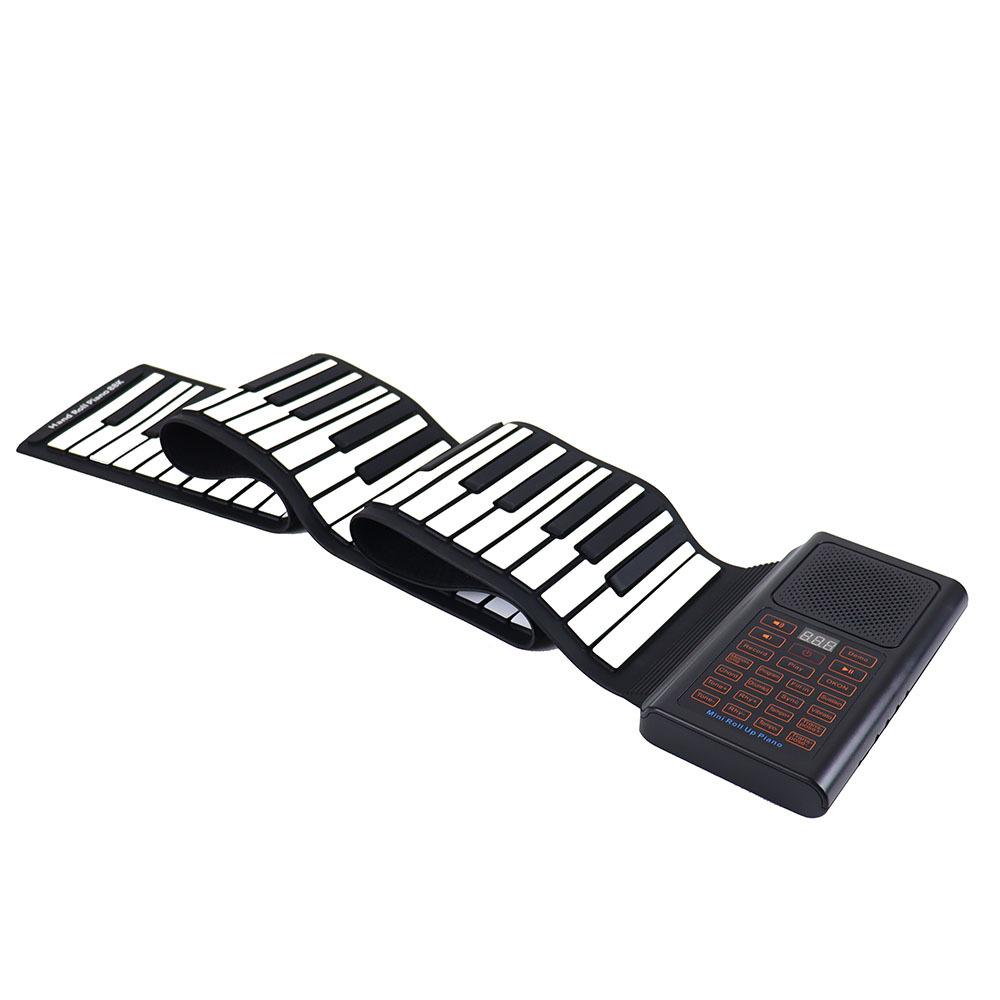
Wholesale 88-Keypad Keyboard Portable Digital Piano Foldable Entry-Level Soft Hand-Rolled Piano
Useful for education and retail bundles that pair amplified instruments, pickups and practice accessories.
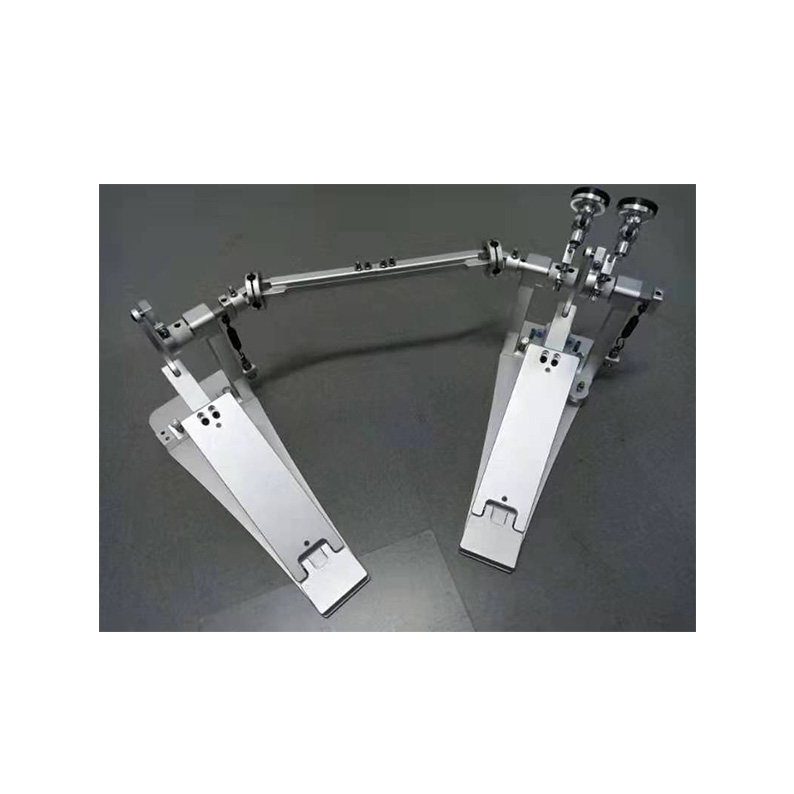
Brushed Silver Double Bass Drum Pedal Direct Drive Drum Kit Accessory
A hardware accessory for drum retailers and school band programmes that want broader order value.
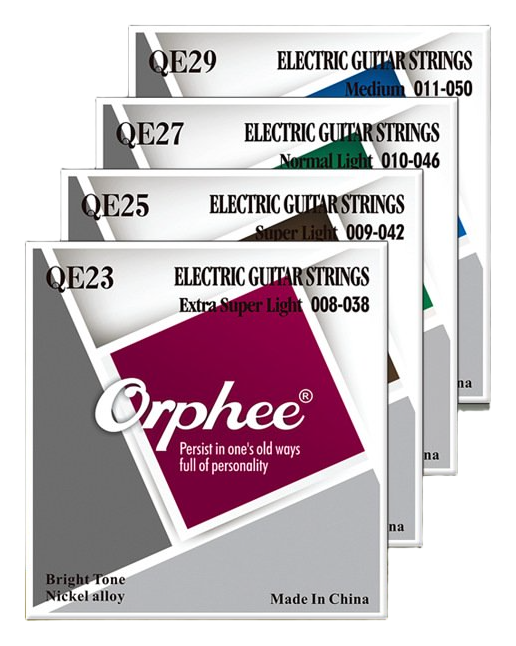
Wholesale Coated Nickel Core Electric Guitar String Set
A natural companion for pickup upgrades, setup packs and retailer accessory walls.
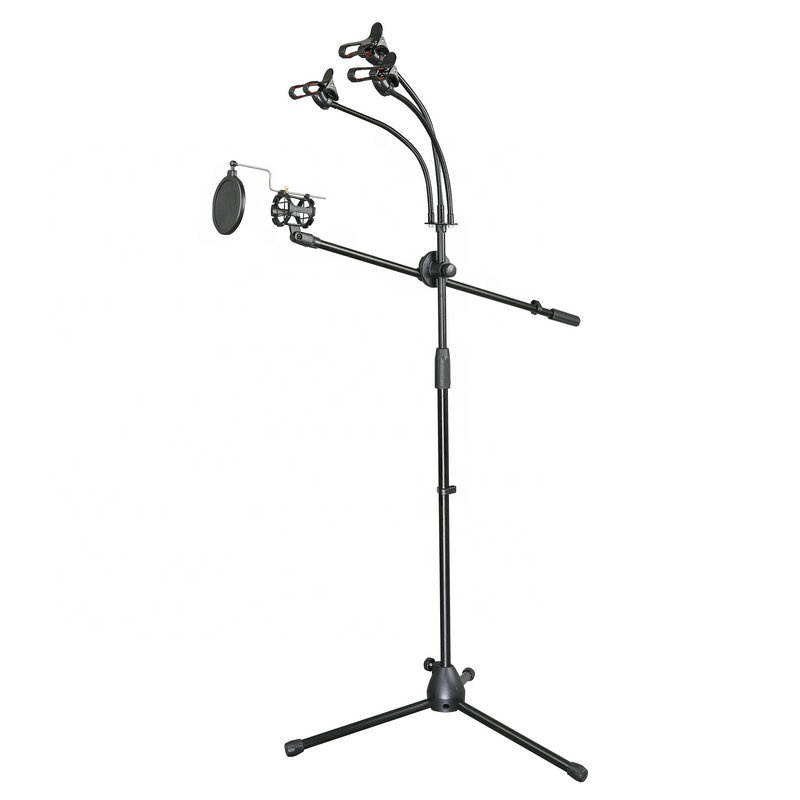
Three Mobile Phones with Horizontal Bars for Live Streaming, Floor Standing Three Legged Microphone Stand
For music retailers serving creators who record demo videos after guitar and pickup upgrades.
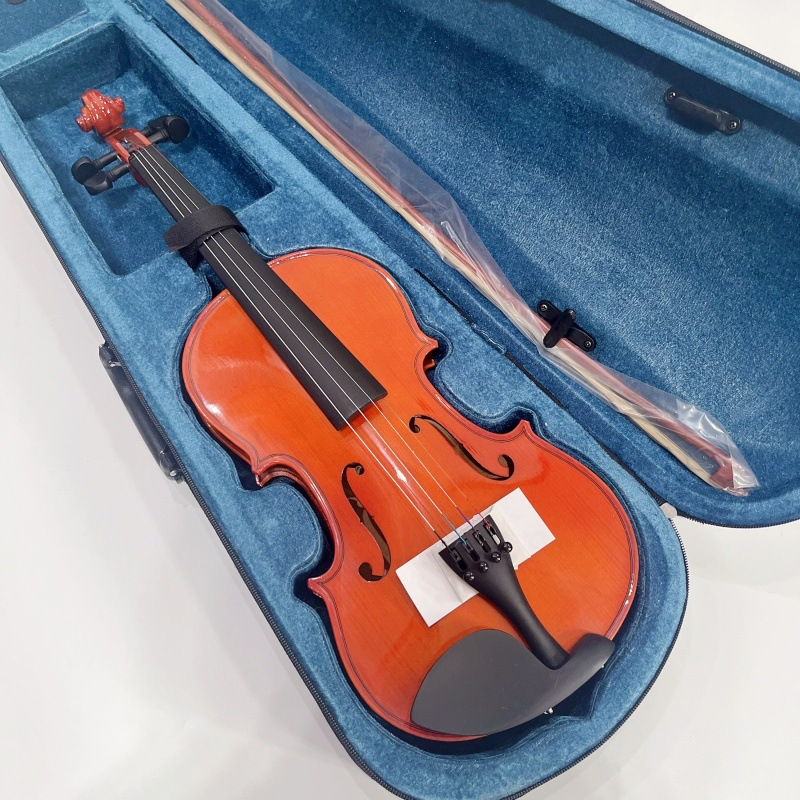
4/4 Full Size Solid Spruce Top Violin, Adult Beginner Violin, Solid Wood Student Violin Musical Instrument Wholesale
Broaden a string-instrument container beyond guitar pickups and electric accessories.
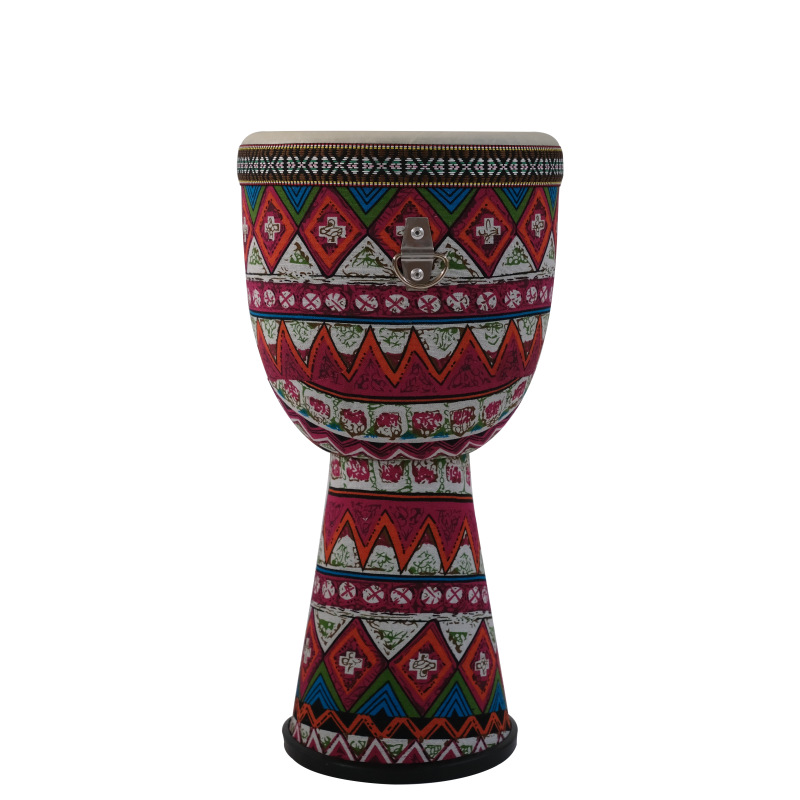
8 Inch African Djembe Drum, Lightweight PVC Fabric Hand Drum for Kids & Adults, Beginner Percussion Hand Beat Drum Wholesale
An easy add-on for music education distributors and gift-oriented retail catalogues.

Orff Percussion Melody Bell 8-Note White Push Bell Colorful Push Chime Kindergarten Early Music Teaching Aid 8 tones bell
School suppliers can combine classroom instruments with guitar accessories and pickup demo kits.
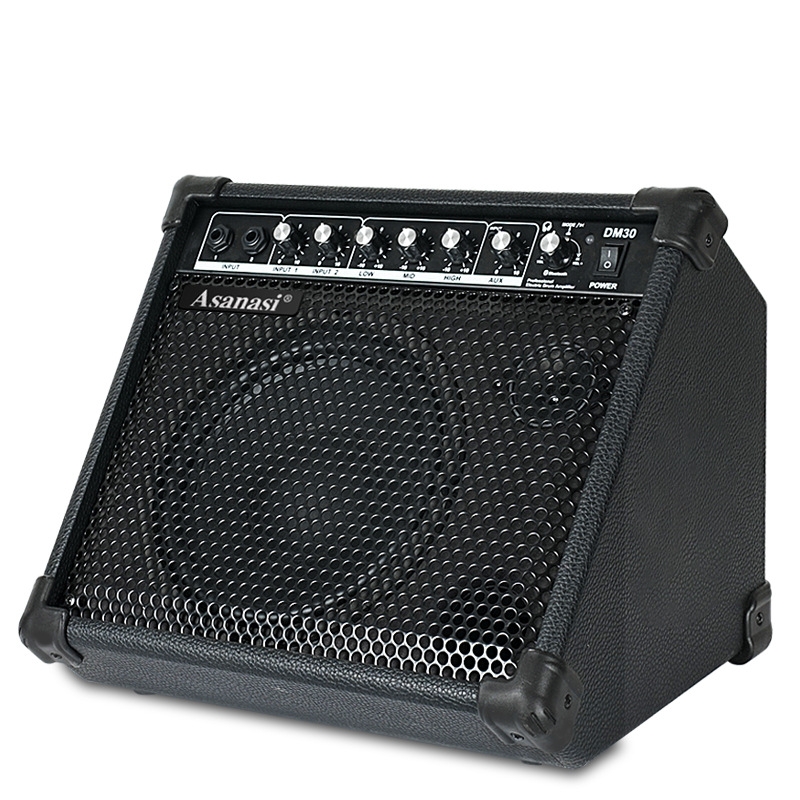
Wholesale Speakers Electronic Drums Rechargeable Portable Outdoor Wireless Stereo Amplifier
Useful for electronic drum, busking and practice bundles sold alongside active pickup systems.
Trust Metrics Buyers Can Review Before an Order
WPI International Trade Co., Ltd. (Huizhou) has been exporting musical instruments since 2010 and has been onsite assessed by Intertek. These figures support due diligence for wholesale and OEM discussions; project-specific pickup MOQs and compliance files should always be confirmed in writing.
Years in the instrument industry
Export operations started in June 2010, with the Huizhou, Guangdong operation established in 2014.
Third-party assessed annual export
A clear scale signal for importers comparing multi-category suppliers.
Orders shipped in six months
Recent trade activity referenced in the company profile and trade history.
Inquiry response rate
Useful for buyers who need fast engineering and quotation feedback.
Average buyer rating
Based on verified transaction feedback covering accuracy, communication and shipping.
Typical MOQ for many instruments
Low-MOQ sampling and mixed-category orders are supported; pickup-specific MOQs vary by specification.
What “CE Certified Guitar Pickups” Should Mean in a Wholesale Context
CE marking is often presented as a simple badge in B2B listings, but for guitar pickups the technical reality is more nuanced. A passive magnetic pickup is a low-voltage component with no internal power source; an active pickup includes a preamp, battery or rechargeable module, and sometimes digital controls. That difference affects the compliance evidence a buyer should request. A responsible supplier does not simply write “CE certified” and stop there. It explains the applicable directives, maintains a technical file, provides material declarations where required, and can identify the EU importer or authorised representative responsible for the final product.
For wholesale buyers, the highest-value question is not “Do you have CE?” but “Which configuration, which directives and which documents support this claim?” Ask for a bill of materials, magnet type, coil wire, potting method, preamp specification, RoHS and REACH declarations, test reports where applicable, packaging labels, and a declaration of conformity for the finished product being imported. If the pickup is sold as part of an electric guitar or an active system, the evaluation should cover the complete assembly rather than an isolated component.
This is where a supplier with real export experience creates information gain. WPI’s assessed capabilities include sample-based customisation, minor customisation such as logo, packaging and graphics, design-based customisation, full customisation and finished-product inspection before delivery. For pickup programmes, that means the supply chain can be organised around a documented specification, not a vague catalogue photo. Buyers should treat compliance as a project file that travels with the SKU from sample approval to mass production.
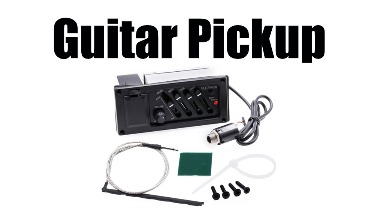
Passive pickups
Usually simpler electrically, but still subject to material restrictions, labelling, traceability and the final product’s compliance pathway.
Active pickups
Onboard preamps, rechargeable batteries and digital controls demand closer attention to EMC, safety, battery transport and user instructions.
Finished instruments
When pickups ship inside guitars, the complete instrument configuration normally drives the CE and importer documentation package.
Pickup Assortments That Sell Through for Wholesalers
Rather than stocking random SKUs, build a pickup range around installation behaviour, tonal expectation, price band and market segment. The following eight assortments are practical starting points for distributors, private-label brands and repair shops.
Vintage Single-Coil Set
Bright attack, glassy top end and familiar Strat-style response. Strong for beginner upgrade packs and classic-rock retailers.
Buyer note: confirm RWRP middle pickup and cavity fit.Alnico V Humbucker
Warm lows, vocal mids and controlled highs. A versatile choice for blues, rock and cover-band players.
Buyer note: request wax potting and 4-conductor wiring options.High-Output Ceramic Humbucker
Tight low end and aggressive output for metal, hard rock and drop-tuning customers.
Buyer note: specify DC resistance target and cover material.P90 Soapbar
Mid-forward grit with more output than a single coil. Popular with indie, punk and vintage-style builds.
Buyer note: distinguish soapbar and dog-ear mounting formats.Active Humbucker System
Consistent output, low-noise performance and onboard EQ for modern metal and studio players.
Buyer note: review battery or USB-C charging, EMC and user instructions.Piezo / Acoustic Pickup
Under-saddle or bridge-plate options for acoustic-electric programmes and folk instrument bundles.
Buyer note: match saddle slot width and preamp ergonomics.Noiseless Stacked Single Coil
Single-coil footprint with hum rejection for studio, home-recording and live players.
Buyer note: compare height clearance and tonal trade-offs.Solderless Harness Kit
Pickup plus potentiometers, switch, jack and pre-wired harness for faster installation and DTC bundles.
Buyer note: define cavity layout, shaft length and wiring colour code.Future Procurement Trends for Guitar Pickups
Buyers are moving from price-only sourcing to resilience, documentation and sell-through support. These six trends are especially relevant for wholesalers planning 2025–2030 assortments.
Compliance-first sourcing
European buyers increasingly request technical files, material declarations and traceable SKU documentation before approving a supplier. The winning suppliers will make compliance data a standard part of the quotation pack.
Low-MOQ, mixed-container orders
Retailers want to test pickup styles without overstocking. Suppliers that support small sampling runs and combine pickups with instruments and accessories in one shipment will reduce buyer risk.
Magnet and wire supply strategy
Alnico, ceramic and neodymium grades affect tone, cost and availability. Procurement teams should qualify alternative specifications without changing the player experience.
DTC-ready private-label kits
Pickup sets are increasingly sold with harnesses, mounting hardware, instructions and branded packaging. Suppliers that offer logo, packaging and graphics customisation help buyers launch faster.
Modular active systems
USB-C charging, onboard EQ and quick-connect wiring are moving from niche to mainstream. Procurement should evaluate battery logistics, user safety and after-sales support.
Supplier consolidation with audits
Instead of managing many small vendors, buyers are consolidating around assessed suppliers that can document quality control, export terms and multi-category consolidation.
Where Guitar Pickup Design Is Moving
Product development is separating into two profitable paths: authentic vintage voicing for traditional players, and modular, low-noise, digitally friendly systems for modern players and content creators.
Scatter-wound and hybrid coils
Uneven winding patterns and hybrid coil pairing create personality and reduce the “generic” tone that buyers often reject in blind tests.
Active onboard preamps
Rechargeable active systems, EQ presets and low-noise buffers are becoming selling points, especially for metal, fusion and recording customers.
Modeler-friendly voicing
Pickups with predictable response and clean signal delivery work better with amp modelers, plugins and direct-recording workflows.
Lower-impact materials
Low-VOC potting, recyclable packaging and documented material choices are becoming part of the product story for sustainability-minded retailers.
Noiseless and shielded designs
Stacked coils, shielded cavities and improved grounding meet the needs of home studios, live-streamers and players using high-gain signal chains.
Smart and modular pickups
Quick-connect harnesses, sensing features and app-controlled tone shaping remain emerging categories, but they create a clear premium tier for early adopters.
How to Verify a CE-Ready Pickup Supply Chain
A supplier’s quality system should be visible in the samples, the documentation and the pre-shipment inspection routine. Use the comparison below to align engineering expectations, then request evidence for the exact SKU you intend to import.
| Specification area | Why it matters | What to request from the supplier |
|---|---|---|
| Magnet type | Alnico, ceramic and neodymium grades influence output, dynamics, weight and cost. | Magnet grade, dimensions, polarity, supplier consistency statement and approved alternatives. |
| Coil wire and winding | Wire gauge, turns and scatter pattern affect DC resistance, inductance and tonal character. | Target winding specification, tolerance range, sample measurement and winding record. |
| Potting and assembly | Poor potting can create microphonic noise; loose parts can fail in transport. | Potting material, temperature process, cure time, handling standard and drop-test evidence. |
| Active electronics | Preamps, rechargeable batteries and digital controls add compliance and after-sales risk. | Circuit diagram, EMC pre-check report where applicable, battery specification, charging instructions and warranty terms. |
| Harness and wiring | Wrong colour codes or shaft lengths create installation returns. | Wiring diagram, potentiometer values, switch type, jack specification and cavity-fit drawing. |
| CE documentation | The importer needs evidence that the final product configuration is supported. | Declaration of conformity, technical file reference, RoHS and REACH declarations, labels, importer details and version control. |
A Six-Point Supplier Scorecard for Guitar Pickup Wholesalers
Use the same scorecard for every quotation so that engineering, compliance and logistics can be compared objectively.
1. Engineering depth
Can the supplier explain magnet grades, winding targets, potting methods, preamp architecture and cavity fit without vague answers?
2. Compliance file
Is there a version-controlled technical file, declaration pathway, RoHS and REACH support, and clear importer responsibility?
3. Sample discipline
Are samples measured, labelled, photographed and approved against a written specification before mass production?
4. MOQ flexibility
Can the supplier support sampling, low-MOQ trial orders and mixed-category consolidation without hiding costs?
5. Quality control
Is there finished-product inspection covering appearance, hardware, tuning stability, electronics, accessories and packaging?
6. Export reliability
Are payment, delivery, labelling, document timing and after-sales responsibilities confirmed in the quotation and contract?
Why WPI Supports Pickup-Focused Wholesale Programmes
WPI International Trade Co., Ltd. (Huizhou) began exporting musical instruments from Hong Kong in June 2010 and established its Huizhou, Guangdong operation in 2014. The team has 28 people, with 22 in trading and export roles, and serves importers, distributors, retailers and schools in North America, Western Europe, Southeast Asia and South America. The company’s assessed annual export value is US$9 million, and its recent trade history references 952 orders and more than US$370,000 in a six-month period.
For pickup-related sourcing, the advantage is not only catalogue breadth. It is the ability to coordinate multi-category sampling, OEM/ODM customisation, pre-shipment inspection and consolidated shipping under one project conversation. Buyers can test a private-label pickup concept, source matching guitar strings or accessories, and bundle adjacent instruments for better container utilisation. WPI’s onsite assessment by Intertek, finished-product inspection routine and documented trade terms give procurement teams a practical starting point for supplier qualification.
Payment methods accepted include T/T, L/C, D/P, D/A, MoneyGram, credit card, PayPal, Western Union, cash and escrow. Delivery terms include FOB, CFR, CIF, EXW, FAS, CIP, FCA, CPT, DEQ, DDP, DDU, DAF, DES and express delivery. Main markets are North America, Western Europe, Southeast Asia and South America. The company is located at 2313, Saige Building, Huizhou, Guangdong, China, and can be reached at info@wpimusic.com.
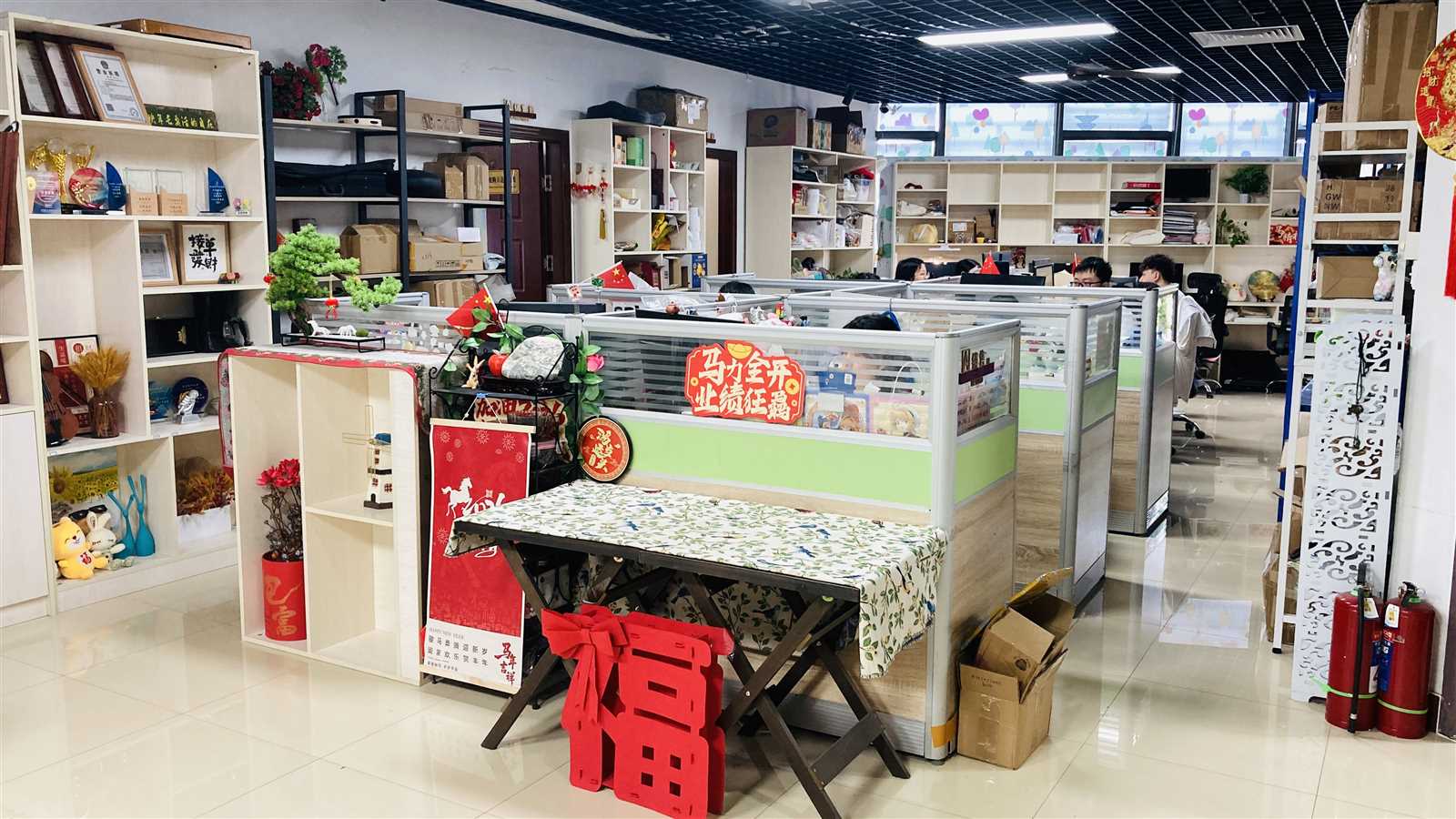
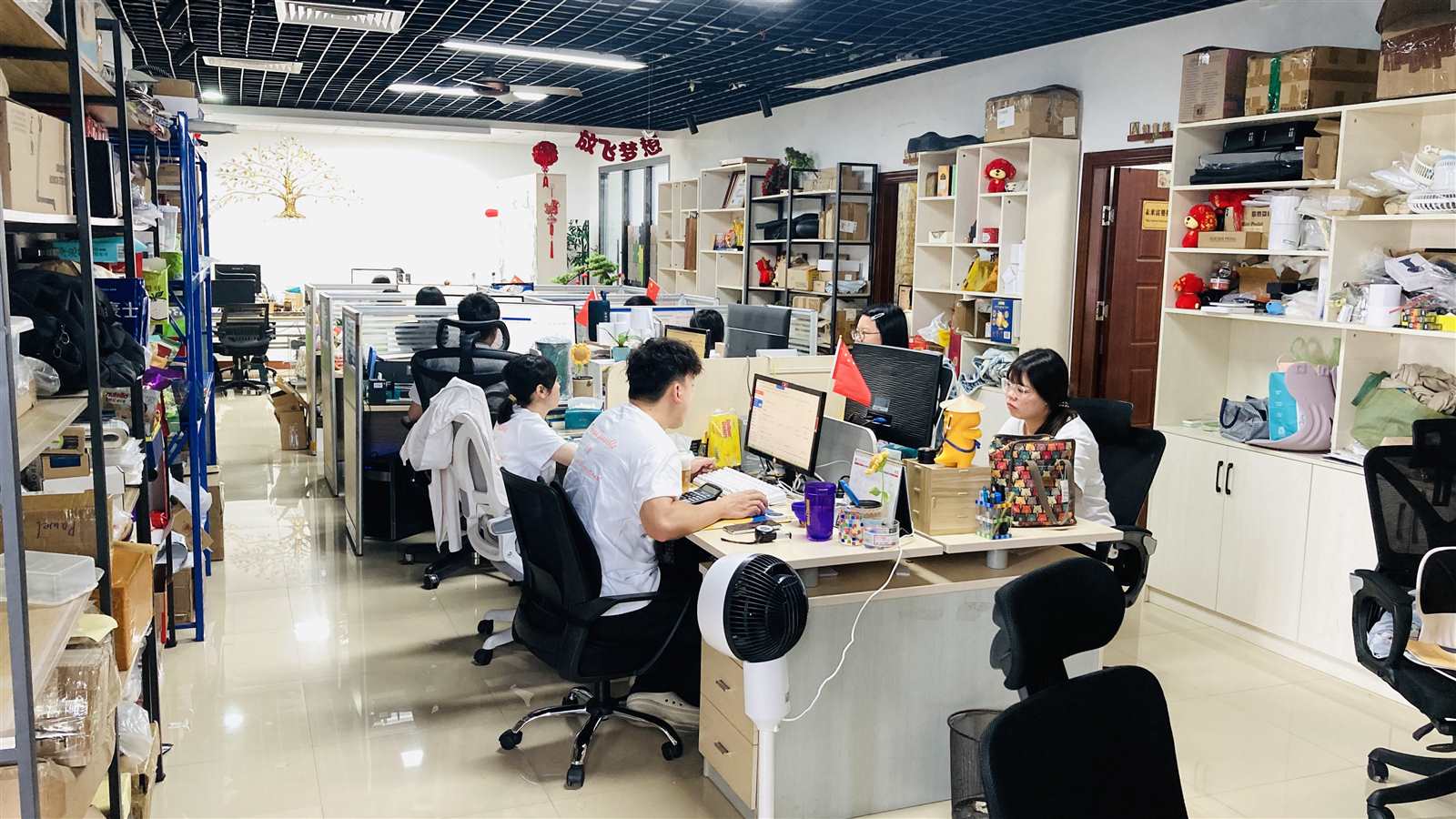
 Watch: team, showroom and warehouse operations
Intertek onsite assessment
Premises, legal status and capabilities have been reviewed through a third-party supplier assessment process.
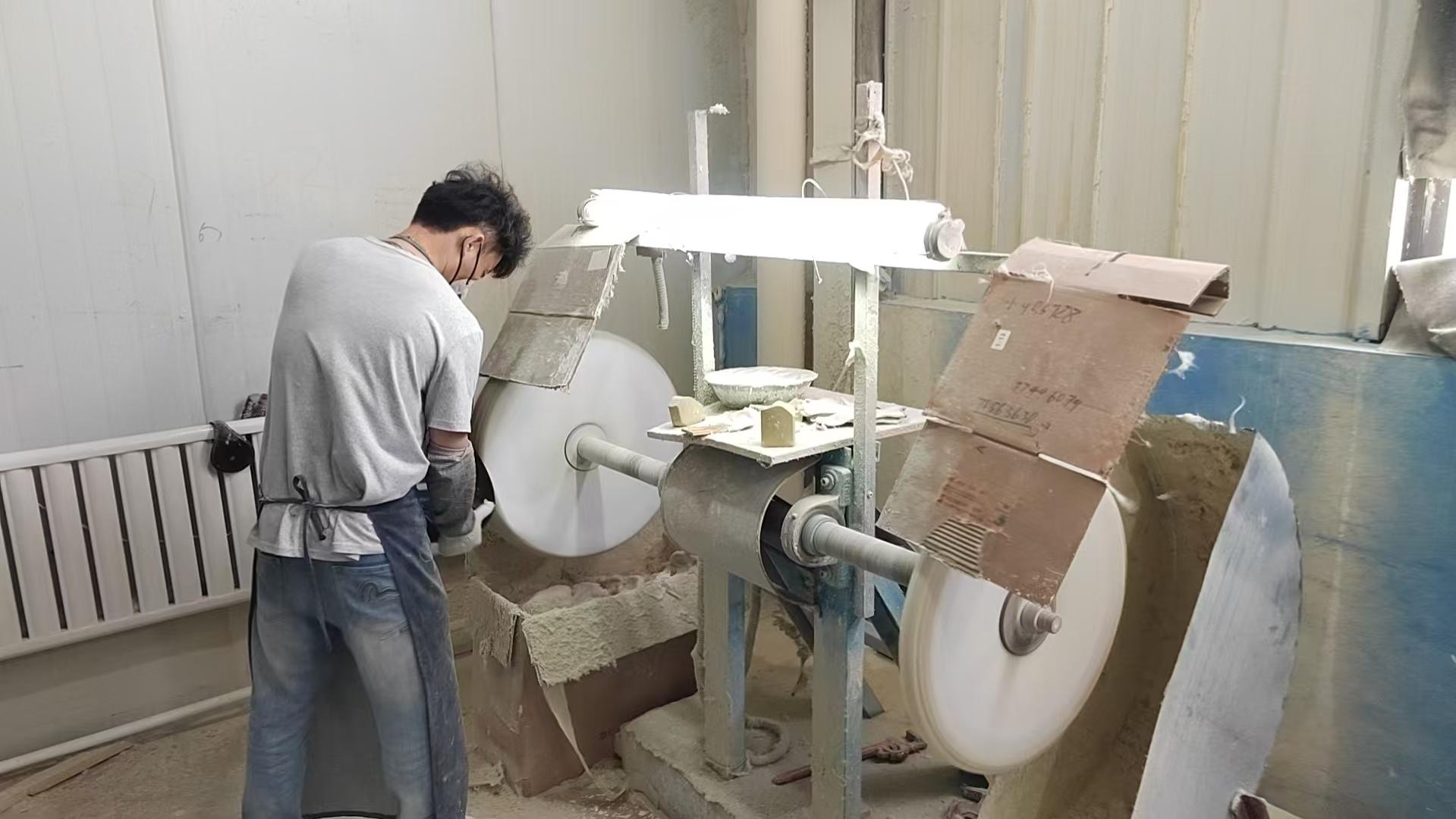
Factory-direct sourcing
Long-term partner workshops in Guangdong support factory pricing, OEM/ODM development and category consolidation.
Wide selection, one conversation
Guitars, ukuleles, violins, saxophones, drums, keyboards and accessories can be discussed through one export team.
Finished-product inspection
QC checks cover appearance, hardware, tuning stability, electronics and packaging before shipment.
Low-MOQ sampling
Many instruments can be sampled from 1 piece, with typical wholesale MOQs of 2–10 pieces per model and mixed orders welcome.
Transparent trade terms
Multiple payment and delivery terms are supported, with quotation details and document timing agreed before production.

Accepted payment methods
T/T, L/C, D/P, D/A, MoneyGram, credit card, PayPal, Western Union, cash and escrow.
Accepted delivery terms
FOB, CFR, CIF, EXW, FAS, CIP, FCA, CPT, DEQ, DDP, DDU, DAF, DES and express delivery.
From Inquiry to Shipment: A Practical Pickup Programme
A clear process reduces sampling delays and prevents “catalogue mismatch” after mass production. The following six steps reflect WPI’s customisation and inspection capabilities.
Brief and target market
Share pickup type, tonal target, magnet preference, cover finish, harness requirements, packaging, target price and destination market.
Engineering review
Match the specification with suitable partner workshops and clarify compliance documentation, test expectations and MOQ.
Sampling
Approve measurements, tone, cavity fit, wiring, logo and packaging before moving to a pilot or mass-production order.
Production planning
Lock materials, artwork, labels, accessories and inspection criteria. Confirm payment and delivery terms in writing.
In-process and final QC
Check winding consistency, assembly, electronics, appearance, accessories and packaging before carton sealing.
Consolidation and shipping
Combine pickup SKUs with instruments or accessories where useful, then ship under the agreed Incoterm and document plan.
CE Guitar Pickup Wholesale FAQ
Direct answers for procurement teams comparing CE-oriented guitar pickup suppliers and wholesalers.
Are all guitar pickups CE marked?
No. CE marking depends on the product configuration and applicable EU legislation. A passive magnetic pickup may be treated differently from an active pickup with a preamp, battery or digital control, and a finished electric guitar has its own compliance pathway. Buyers should ask which directives and documents apply to the exact SKU being imported, rather than accepting a generic “CE certified” statement.
What documents should a supplier provide for CE compliance?
Request a declaration of conformity or a clear declaration pathway, technical file reference, bill of materials, RoHS and REACH declarations, test reports where applicable, user instructions, labelling artwork, importer or authorised representative details, and version control for the approved specification. For active systems, request EMC and battery-related information.
What is the minimum order quantity for custom guitar pickups?
MOQ depends on winding, magnet, cover, harness, packaging and branding requirements. WPI’s general instrument MOQ can start from 1 piece for sampling, with typical wholesale MOQs of 2–10 pieces per model for many instruments and 20–600 sets for strings and small accessories. Pickup-specific MOQs should be confirmed after specification review.
Are passive pickups easier to source than active pickups?
Passive pickups usually simplify the electrical and battery aspects, but they still require material declarations, consistent winding, potting, polarity control and packaging discipline. Active pickups add preamp, switching, charging or battery, EMC and user-instruction considerations. The right choice depends on your market, price band and after-sales capability.
How should I test pickup samples before placing a bulk order?
Measure DC resistance and inductance, check polarity and phase, install the sample in the intended guitar cavity, test clean and high-gain signal chains, inspect potting and handling noise, review wiring colour codes, and compare recorded DI clips against your reference. For active systems, test charging, battery life, switching and noise. Document the approved sample with photos and measurements.
Can WPI customise logo, packaging and pickup specifications?
WPI’s assessed capabilities include sample-based customisation, minor customisation such as logo, packaging and graphics, design-based customisation and full customisation. For pickups, the project brief should define the magnet, winding target, cover, harness, packaging and any compliance documentation before sampling.
Which markets does WPI export to?
Main markets are North America, Western Europe, Southeast Asia and South America. The company has exported musical instruments since 2010 and can discuss destination-specific labelling, packaging and documentation needs during quotation.
What payment and delivery terms are available?
Accepted payment methods include T/T, L/C, D/P, D/A, MoneyGram, credit card, PayPal, Western Union, cash and escrow. Delivery terms include FOB, CFR, CIF, EXW, FAS, CIP, FCA, CPT, DEQ, DDP, DDU, DAF, DES and express delivery. Confirm the exact combination in the quotation.
How does WPI control quality before shipment?
Every order can go through finished-product inspection before delivery, covering appearance, hardware, tuning stability, electronics and packaging. WPI has also been assessed onsite by Intertek. For pickup programmes, agree the inspection checklist, sampling plan and measurement tolerances before production begins.
Can I mix guitar pickups with instruments and accessories in one order?
Mixed-category orders are part of WPI’s one-stop sourcing approach. Buyers can combine guitars, ukuleles, violins, drums, keyboards, accessories and selected pickup projects where specifications and MOQs allow. This can improve container utilisation and reduce the number of suppliers to manage.
Request a Pickup Specification File and Wholesale Quotation
Tell us your target market, pickup style, magnet preference, harness requirements, packaging direction and estimated order quantity. We will help you clarify the specification, sampling route, compliance documentation and mixed-container options.
Useful details to include: passive or active configuration, requested output range, cover finish, logo requirement, destination country, target landed cost and preferred Incoterm.