CE Certified Guitar Hanger Manufacturer & Suppliers
Wholesale wall-mounted guitar hangers, retail display systems, OEM/ODM support and EU-ready compliance documentation from a musical instrument export partner with 12+ years of sourcing experience.
Products Music Retailers Often Source Alongside Guitar Hangers
CE-certified guitar hanger programs rarely ship alone. Distributors, music stores, schools and online sellers frequently consolidate wall hangers with instruments and accessories to improve container utilization, reduce landed cost and build a stronger in-store assortment.
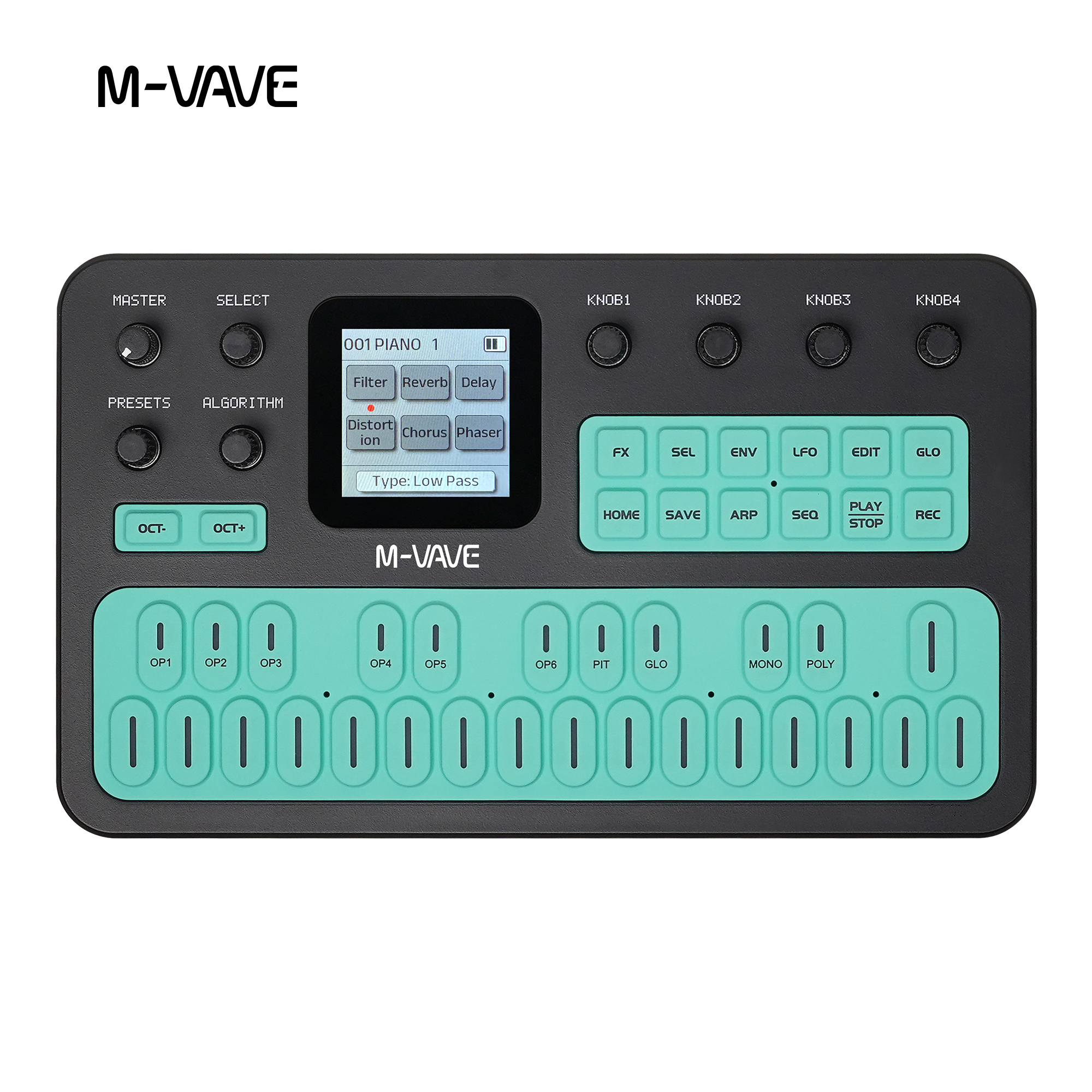
M-VAVE FM-1 Portable Digital FM Synthesizer Keyboard
Screen, sequencer, arpeggiator and built-in presets for content creators and music education.
View product →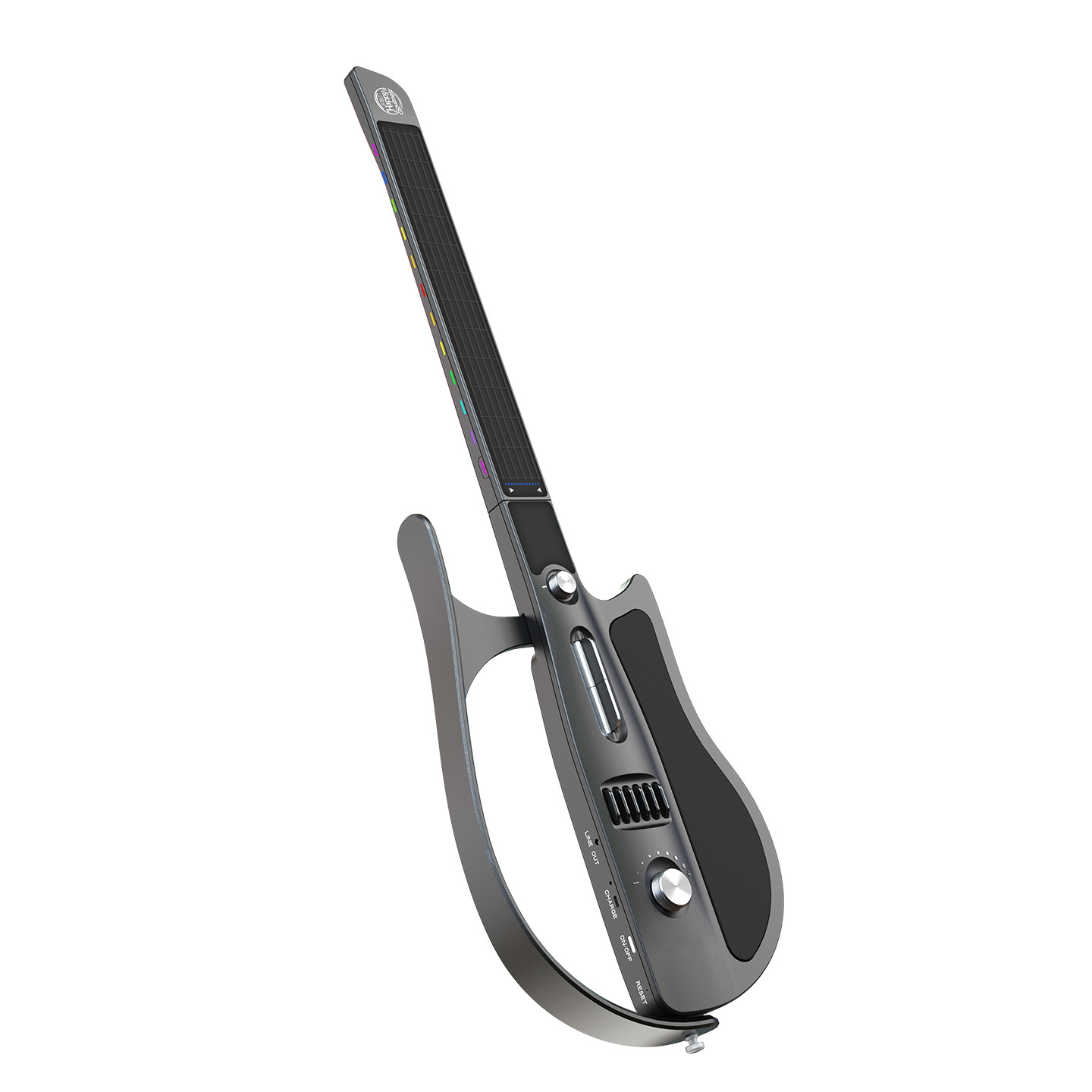
N1 Smart Accompaniment Stringless Travel Guitar
Compact retail display item for travel, gift and lifestyle channels.
View product →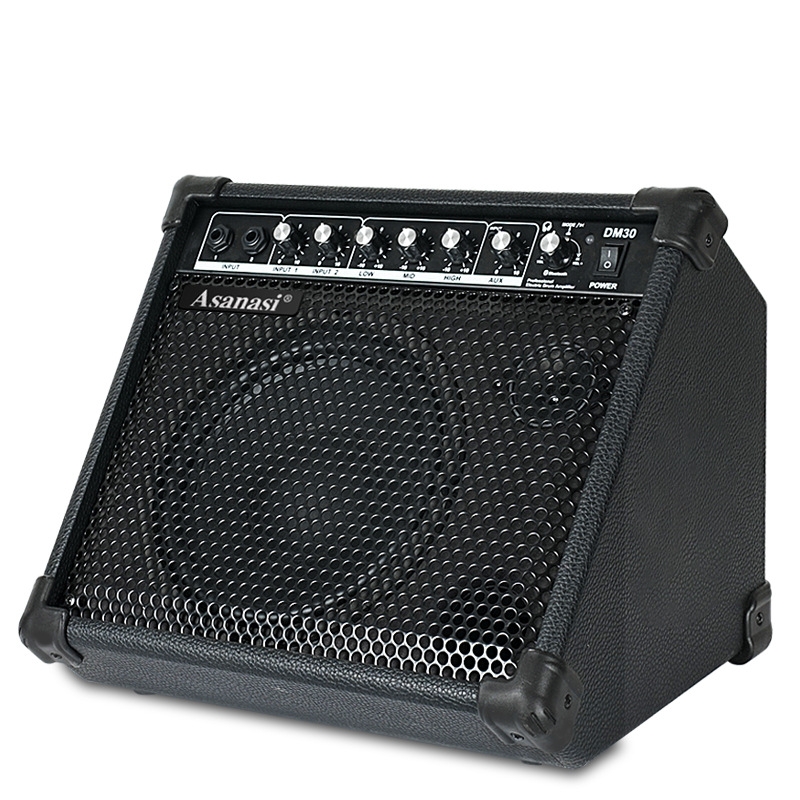
Rechargeable Portable Wireless Electronic Drum Amplifier
Outdoor-ready sound reinforcement for drum, busking and classroom use.
View product →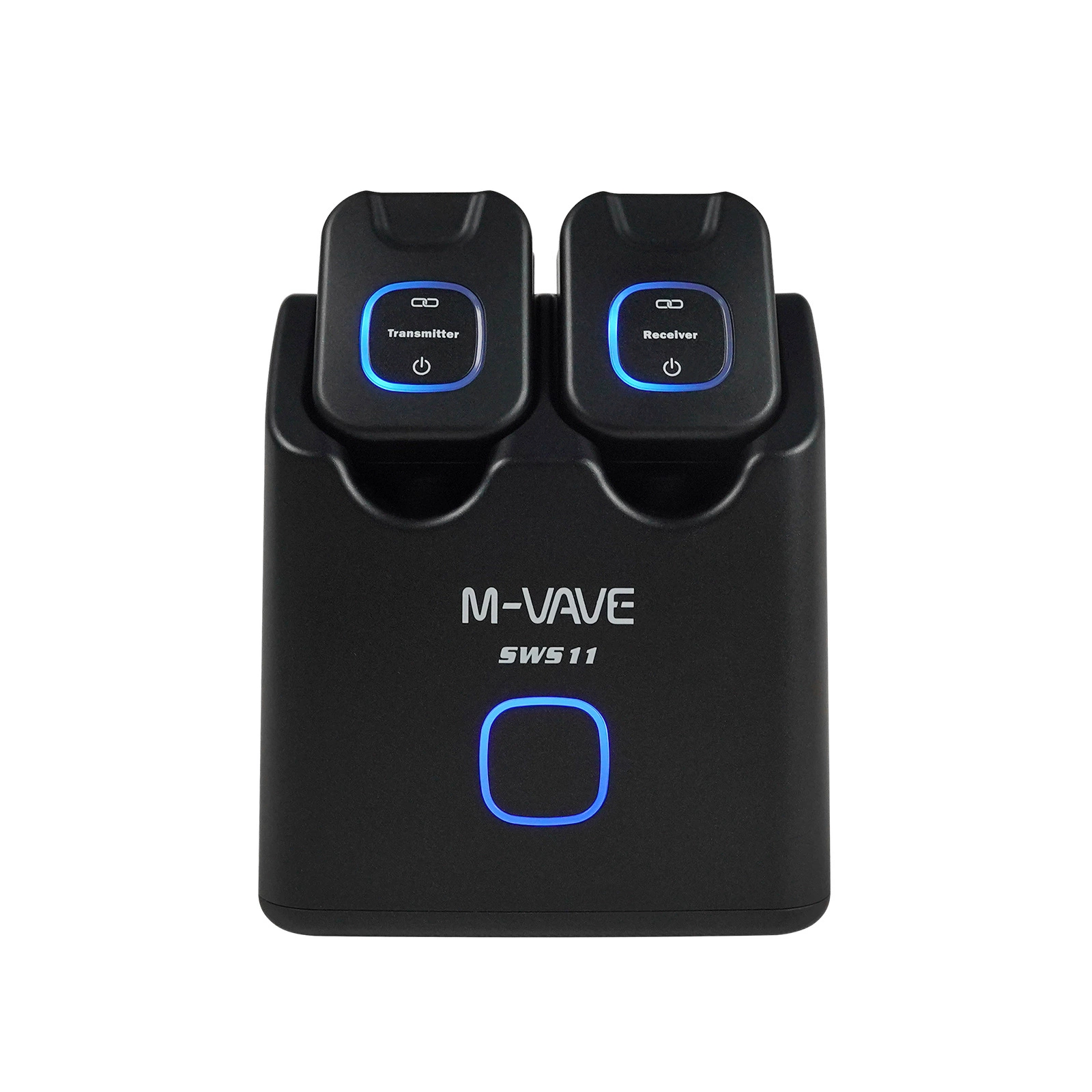
M-VAVE SWS11 2.4GHz Wireless Guitar Audio System
Rechargeable transmitter and receiver with charging base for stage and practice.
View product →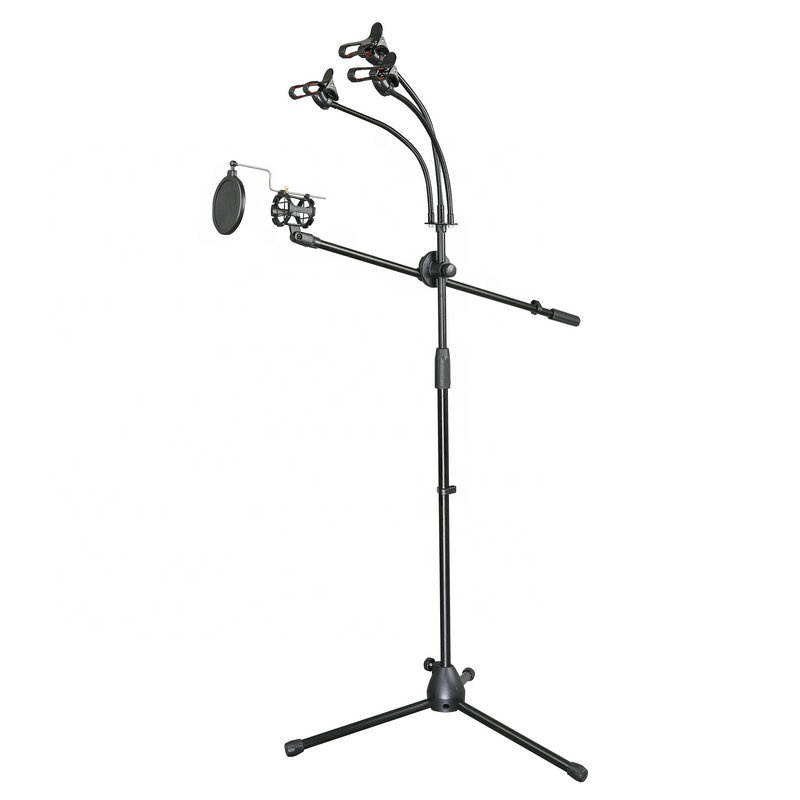
Three-Phone Live Streaming Floor Tripod Stand
Horizontal bar and three-legged microphone stand for creators, stores and studios.
View product →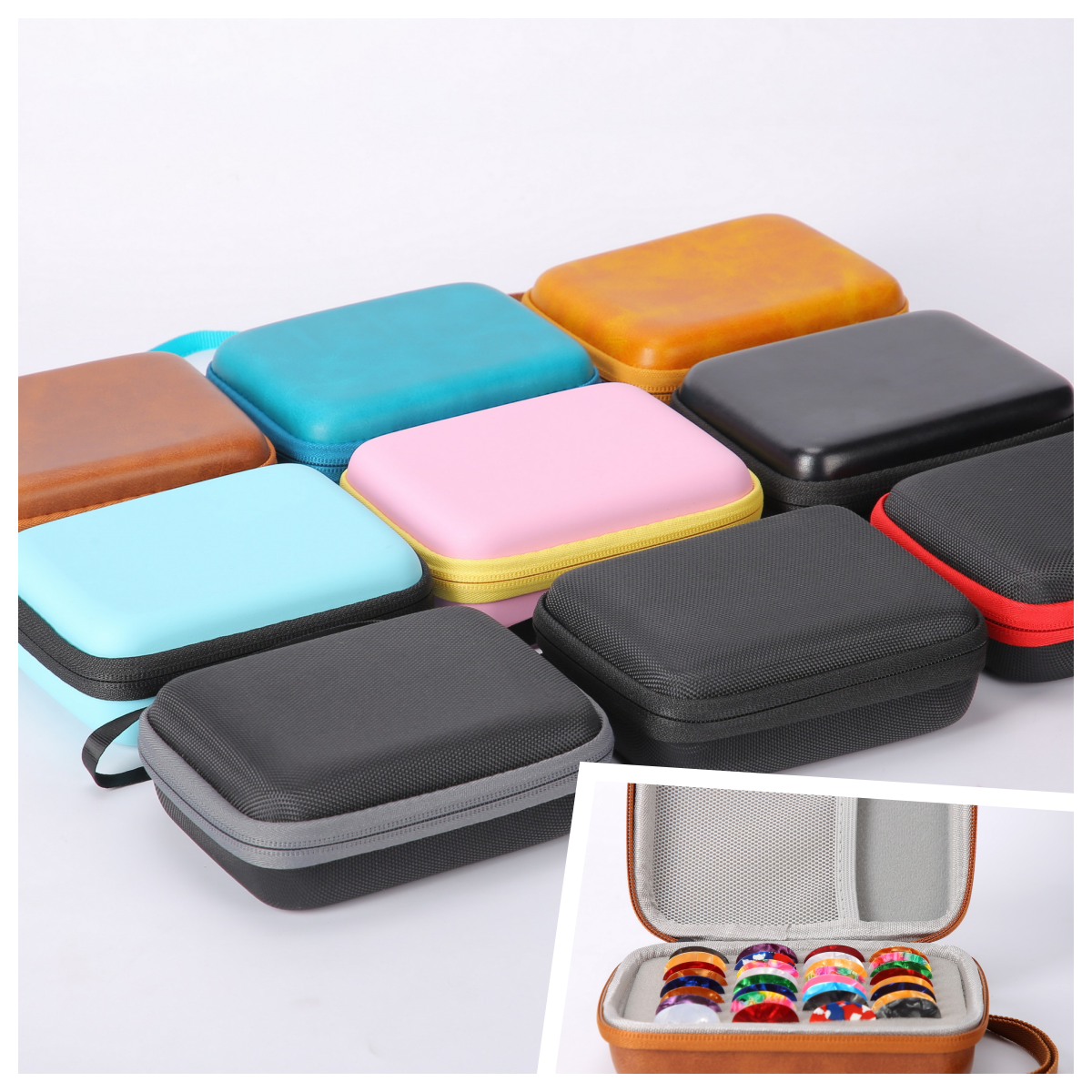
Leather Plectrum Storage Case for Guitar & Ukulele
Small, high-margin accessory for counter displays and checkout add-ons.
View product →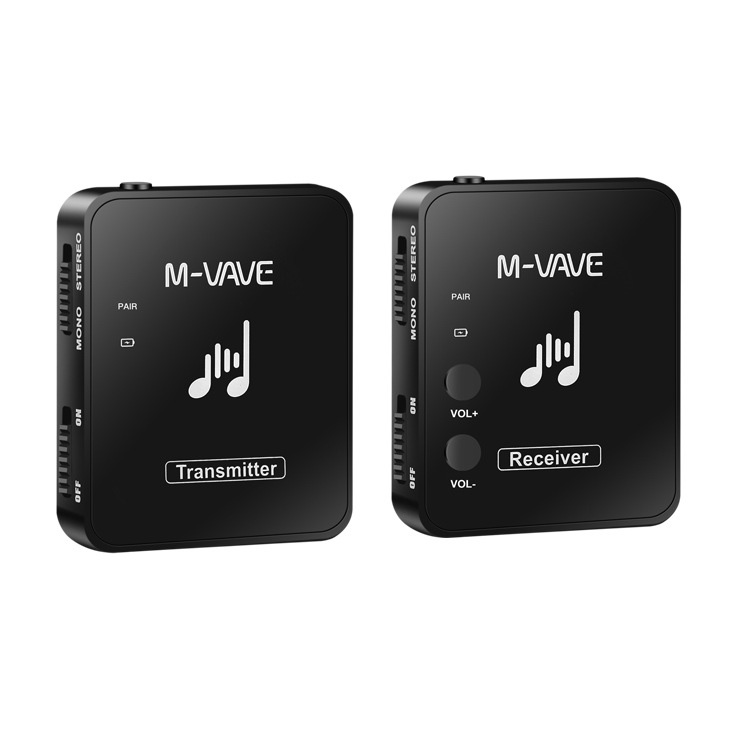
Wireless In-Ear Monitor System Transmitter & Receiver
Mono and stereo earback set for performers and teaching studios.
View product →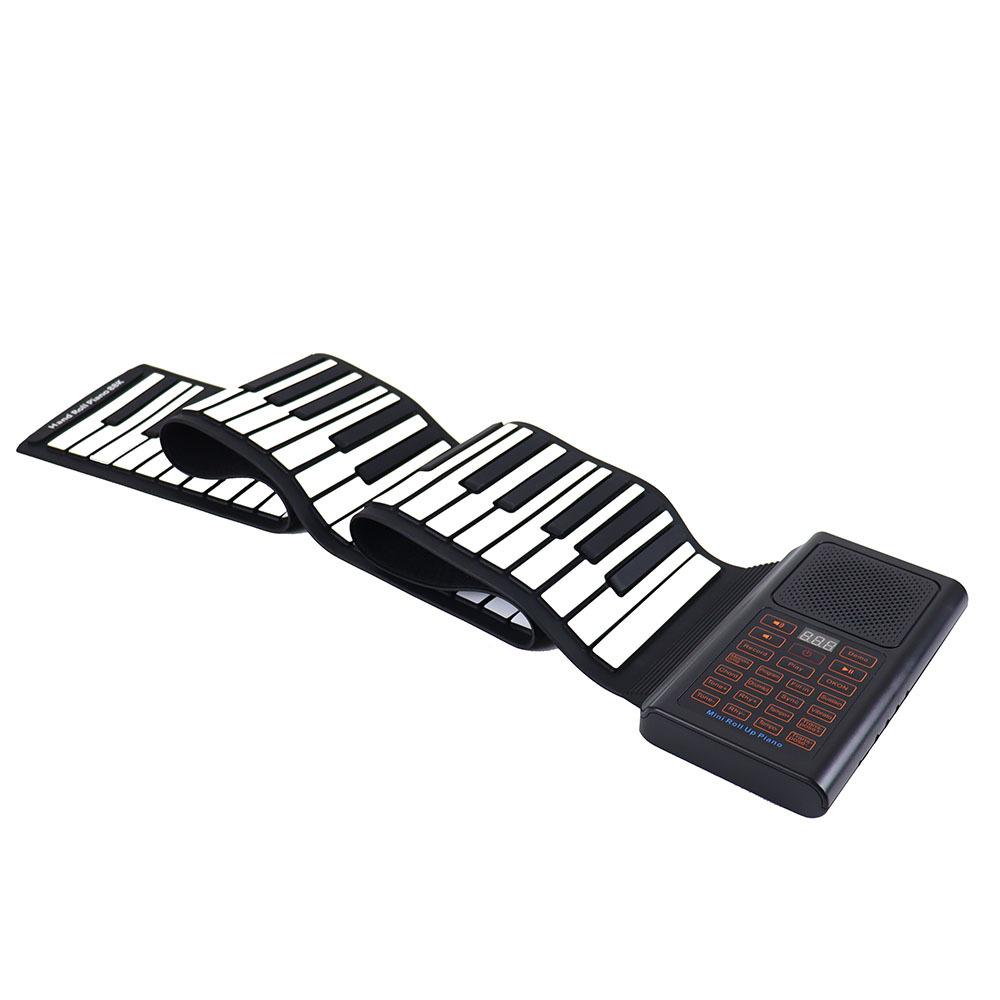
88-Key Foldable Hand-Rolled Portable Digital Piano
Entry-level, space-saving keyboard for travel, gifting and online retail.
View product →Years in the musical instrument industry
Annual export sales, third-party assessed
Orders shipped in the last six months
Recorded inquiry response rate
CE-Certified Guitar Hanger Manufacturer & Suppliers: What Buyers Should Verify
In a mature market, hangers are no longer just bent steel and foam. They are retail fixtures, safety products and brand touchpoints that influence wall integrity, instrument finish, packaging claims and EU market access.
A serious RFQ for CE-certified guitar hanger manufacturing should move beyond the phrase “CE certificate”. CE marking is not one universal document that covers every wall hanger design in the same way. The applicable route depends on the product construction, materials, coatings, electrical components if any, packaging, user instructions and the claims you make in the EU market.
For wholesale buyers, the practical question is: can the supplier show a traceable compliance file that matches the exact model, finish, hardware and packaging being shipped? That file should connect the bill of materials, coating and plating reports, load-test evidence, installation instructions, carton markings and batch records. Without that link, a “CE certified” logo on a catalogue page is not a procurement control.
This is where an experienced musical instrument export partner adds information gain. A guitar hanger is installed near valuable instruments, often in homes, schools and retail displays. Failure modes are not only breaking. They include finish staining from incompatible foam, screw pull-out from unsuitable wall substrates, neck cradle slippage, child-accessible release mechanisms, packaging damage in parcel networks and unclear installation guidance.
Compliance Dossier Checklist
Ask for documents tied to the exact SKU, not only the factory or product family.
- Model-specific declaration and test-report scope
- Coating, plating and soft-pad material declarations
- Load test method, sample size and pass criteria
- Wall-substrate compatibility and fixing guidance
- Packaging drop test and retail barcode traceability
- Instruction manual, safety warnings and language version
Define the Applicable Standard
Confirm whether the hanger is a simple static accessory or part of a combined display system. Review material safety, surface coatings, instructions and any electronic features such as LED lighting or sensors before accepting a compliance claim.
Test the Real Failure Modes
Load capacity should be proven with repeated static and dynamic tests that simulate real guitars, not only a bare metal hook. Check yoke opening, locking force, pad adhesion, screw torque, finish durability and drop resistance after packaging.
Document Traceability
Require batch-level records for metal parts, pads, screws, wall plugs and packaging. A compliance file is only useful when the shipped carton can be traced to the tested specification and inspection result.
Buyer Priority Index for Guitar Hanger RFQs
Procurement Trends Reshaping Guitar Hanger Orders
Buyers are consolidating suppliers, shortening product cycles and asking for retail-ready compliance. The next wave of guitar hanger sourcing will reward suppliers who can support both product engineering and documentation discipline.
Compliance-First RFQs
European importers increasingly request declarations, test scope and material data before price negotiation. Suppliers that prepare model-specific documentation reduce sampling loops and customs delays.
Modular Retail Display Systems
Single hooks are being replaced by slatwall, gridwall and freestanding display systems. Buyers want hangers that share hardware, packaging and visual language across multiple store fixtures.
Sustainable Materials & Packaging
Recycled paper inserts, FSC-certified cartons, plastic-reduction targets and water-based coatings are moving from premium programs to mainstream purchase specifications.
Low-MOQ Private Label Testing
Retailers now test new colours, logo plates and packaging at lower quantities before committing to container volumes. Flexible MOQs help brands validate sell-through without overstocking slow SKUs.
Mixed-Container Consolidation
Instead of buying hangers from one supplier and instruments from another, buyers combine categories in one shipment. This reduces freight cost, inspection overhead and supplier communication time.
Channel-Specific Packaging
E-commerce buyers need drop-tested parcels with clear returns information. Music stores need shelf-ready cartons with barcodes and simple installation graphics. One SKU rarely fits both channels efficiently.
What the Next Guitar Wall Hanger Should Do
Design innovation in guitar hangers is moving toward safer retention, broader neck compatibility, cleaner retail aesthetics and better installation guidance.
Auto-Lock Yoke Mechanisms
Self-closing yokes improve safety in busy stores and schools, but the release force must balance child resistance with adult usability. Buyers should request mechanism cycle tests and clear warnings.
Universal Neck Fit
Acoustic, electric, bass and classical guitars require different cradle depths and clearances. Adjustable arms and soft protective pads help one hanger serve a wider assortment without damaging finishes.
Hidden Hardware & Clean Lines
Premium music stores want display fixtures that disappear behind the instrument. Countersunk screws, concealed mounting plates and colour-matched caps can improve perceived value without increasing freight.
QR Installation Support
Printed instructions remain essential, but a QR code can link to wall-substrate guidance, video installation steps and replacement-part requests. It is a low-cost service upgrade for distributors and stores.
Recommended Wholesale Guitar Hanger Configurations
Use this matrix to align a hanger specification with the sales channel, instrument mix and compliance expectations of your market.
| Target Market | Recommended Hanger | Why It Wins | Buyer Notes |
|---|---|---|---|
| Music retail chains | Locking yoke wall hanger with soft TPU or EVA pads | Reduces accidental drops and protects instrument finishes | Specify pad material, colour, release force and replacement availability |
| School and education tenders | Heavy-duty fixed yoke hanger with tamper-resistant fixing | Simple operation and fewer removable parts | Include wall-substrate guidance and installation labels |
| E-commerce private label | Lightweight adjustable hanger with drop-tested retail carton | Lower parcel damage and easier returns handling | Add barcode, model label, QR instructions and multilingual warnings |
| Premium showrooms | Minimal hidden-hardware hanger with brushed or powder-coated finish | Clean visual presentation and strong brand perception | Match finish to store fixtures; request colour samples before production |
| Distributor mixed orders | Universal-fit hanger available in retail and bulk packs | One SKU covers multiple instrument types and channels | Consolidate with instruments, picks, stands and accessories to fill containers |
Specification Checklist for a Purchase Order
- Neck opening range, cradle depth and guitar-body clearance
- Static and dynamic load rating with a defined test method
- Pad material, hardness, colourfastness and finish compatibility
- Metal finish, plating thickness, salt-spray or corrosion requirement
- Screw, wall plug and mounting hardware specification
- Retail packaging, barcode, manual language and carton drop test
- Batch traceability and pre-shipment inspection criteria
Packaging & Logistics Notes
- Use retail-ready cartons for stores and protective bulk cartons for distributors
- Print model, finish and batch information on both inner and outer packaging
- Separate painted surfaces from hard hardware to prevent transit abrasion
- Include installation screws and wall plugs in a sealed accessory bag
- Confirm FOB, CIF, DDP or express terms before calculating landed cost
- Combine hangers with instruments and accessories to improve container fill
Why WPI International Trade Co., Ltd. (Huizhou) Is a Practical Sourcing Partner
Compliance claims become credible when they sit on top of real export operations, inspection routines and documented trade history.
WPI International Trade Co., Ltd. (Huizhou) began exporting musical instruments from Hong Kong in June 2010 and established its Huizhou, Guangdong operation in 2014. The team now includes 28 people, with 22 in trading and export roles. Annual export sales are assessed at US$9,000,000, with 952 orders shipped in the last six months and a recorded inquiry response rate of 97.73%. Buyer ratings average 4.6 out of 5.
For guitar hanger buyers, that operational base matters because a compliance file is only as reliable as the inspection system behind it. Our assessed capabilities include finished-product inspection, sample-based customization, minor customization such as logo, packaging and graphics, design-based customization and full customization. We support importers, distributors, retailers and schools across North America, Western Europe, Southeast Asia and South America.
- Intertek onsite-assessed supplier
- 12 years in the instrument industry
- Low MOQ for sampling and market tests
- OEM / ODM logo, packaging and design support
- Pre-shipment inspection before delivery
- Mixed-category consolidation available
- Payment terms include T/T, L/C, D/P and more
- Delivery terms include FOB, CIF, DDP and express





Third-Party Assessment
Premises, legal status and capabilities have been assessed onsite. Assessment, credit overview and trade-capacity information can be reviewed before an order is placed.
Trade Terms at a Glance
Accepted payments include T/T, L/C, D/P, D/A, MoneyGram, credit card, PayPal, Western Union, cash and escrow. Delivery terms include FOB, CFR, CIF, EXW, FAS, CIP, FCA, CPT, DEQ, DDP, DDU, DAF, DES and express delivery.
Customization Capability
Support covers sample-based customization, logo and packaging changes, design-based development and full customization. This is useful for private-label guitar hanger programs that need market-specific cartons and instructions.
From Brief to Container: Our Guitar Hanger OEM Workflow
A clear process keeps compliance, sampling, production and logistics aligned.
Brief
Share target market, instrument mix, hanger style, load rating, logo, packaging and documentation needs.
Proposal
We match suitable manufacturing partners, recommend specifications and confirm MOQ, tooling and timelines.
Sampling
Pre-production samples are prepared for fit, finish, load-test review and packaging approval.
Production
Mass production follows the approved specification, with in-process checks on materials and hardware.
Inspection
Finished-product inspection covers appearance, hardware, retention, packaging and carton markings before shipment.
Shipping
Choose FOB, CIF, DDP or express delivery. Hangers can be consolidated with instruments and accessories where suitable.
FAQ: Buying CE-Certified Guitar Hangers
Practical answers for importers, distributors, music retailers and private-label brands evaluating guitar wall hanger suppliers.
Are your guitar hangers CE certified?
We support CE-oriented guitar hanger programs with model-specific documentation where applicable. Before ordering, confirm the exact hanger construction, coating, hardware and packaging. A responsible supplier should be able to explain the applicable compliance route, provide test reports or declarations that match the SKU, and link those documents to the shipped batch. Avoid accepting a generic “CE certificate” that does not identify the model or test scope.
Which documents can buyers request for a CE guitar hanger order?
Depending on the specification, buyers may request a declaration of conformity or supplier declaration, material and coating reports, load-test evidence, installation instructions, packaging drop-test records, carton markings, barcode information and batch traceability. For hangers with electronic components, additional electrical and electromagnetic documentation may be relevant. The exact file set should be agreed before production.
What is the minimum order quantity for wholesale guitar hangers?
MOQ depends on the hanger design, finish, logo method and packaging. Simple stock colours may be available at lower quantities for sampling and market testing. Custom colours, printed logo plates, retail cartons and multilingual manuals usually require higher quantities. Mixed-category orders with instruments and accessories can help improve container utilization, but hanger MOQ is confirmed per SKU.
Can you customize logo, colour, packaging and mounting hardware?
Yes. Typical customization includes logo printing or embossing, powder-coat colour, pad material, retail box artwork, barcode labels, instruction manuals and accessory bags. Mounting hardware can be specified for different wall substrates, but the buyer should confirm local building practices and product liability requirements. Sample approval is recommended before mass production.
How much load should a guitar wall hanger support?
A safe specification should be based on the heaviest instrument in the target assortment plus a safety margin. Acoustic and bass guitars can vary significantly in weight. Buyers should request a defined test method, sample size, pass criteria and installation conditions. The wall anchor is part of the system: a strong hanger on a weak wall substrate can still fail.
How do you protect guitar finishes from hanger pads?
Finish compatibility matters. Some foams, rubbers and plasticizers can stain or react with nitrocellulose, polyurethane or other guitar finishes over time. Specify the pad material, hardness, colourfastness and compatibility test. Soft, non-marring pads and a clean yoke design reduce pressure points. Retailers should also follow the instrument maker’s storage guidance.
What quality checks are performed before shipment?
Typical checks include appearance, finish, weld or joint integrity, yoke alignment, locking function, pad adhesion, screw and accessory completeness, packaging condition and carton markings. For private-label orders, the approved sample and artwork should be used as the reference. WPI’s assessed capabilities include finished-product inspection before delivery.
Can I combine guitar hangers with instruments and accessories in one order?
In many cases, yes. Mixed-category consolidation can include hangers, guitars, ukuleles, stands, picks, straps, small accessories and selected instruments, subject to supplier stock, packaging protection and destination requirements. This approach can reduce freight and inspection costs, but the carton plan should separate hard hardware from instrument finishes and clearly label each SKU.
What lead times and delivery terms are typical?
Lead time depends on stock availability, customization, packaging and inspection requirements. Sampling usually comes first, followed by production and pre-shipment inspection. Delivery terms can include FOB, CFR, CIF, EXW, DDP, DDU and express delivery. Buyers should confirm Incoterms, payment terms, packaging standards and documentation responsibilities in the quotation.
Build a CE-Ready Guitar Hanger Program
Tell us your target market, instrument mix, load requirement, packaging style and documentation needs. We will recommend a practical hanger specification and a consolidated sourcing plan.
info@wpimusic.com