CE Certified Guitar Gig Bag Factory & Suppliers
A buyer’s white-paper guide to CE-ready guitar gig bag manufacturing, documentation, quality control, custom development and low-MOQ wholesale sourcing from WPI International Trade Co., Ltd. (Huizhou).
8 Products Buyers Commonly Bundle with CE-Ready Guitar Gig Bags
Gig bag distributors rarely buy one item in isolation. Retailers, schools and online sellers combine protective bags with instruments and accessories to raise average order value and reduce freight cost. The eight products below are frequently consolidated with guitar gig bags in WPI wholesale orders; each product URL is preserved exactly as supplied.

Wood Base Violin Hanger, Wall Mount Violin & Erhu Display Bracket, Universal Musical Instrument Wall Hanging Rack Wholesale
Retail display accessory for music stores that pair string instruments with protective bags and cases.
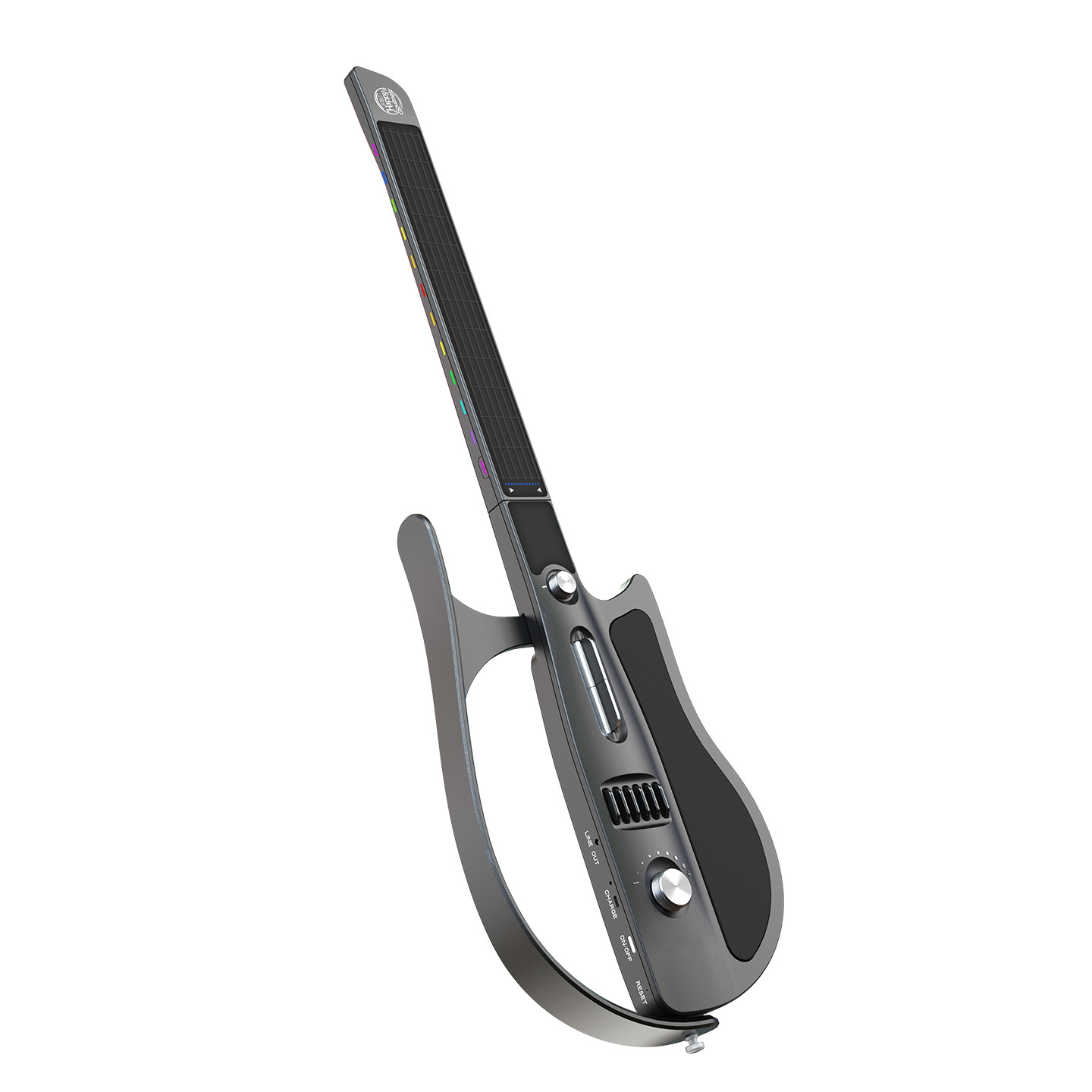
Hot Selling N1 Smart Accompaniment Stringless Guitar Smart Guitar Travel Guitar
A travel-oriented format that benefits from lightweight, protective and custom-fit gig bag development.

8 Inch African Djembe Drum, Lightweight PVC Fabric Hand Drum for Kids & Adults, Beginner Percussion Hand Beat Drum Wholesale
Percussion buyers can combine soft instrument bags with school and beginner drum programmes.
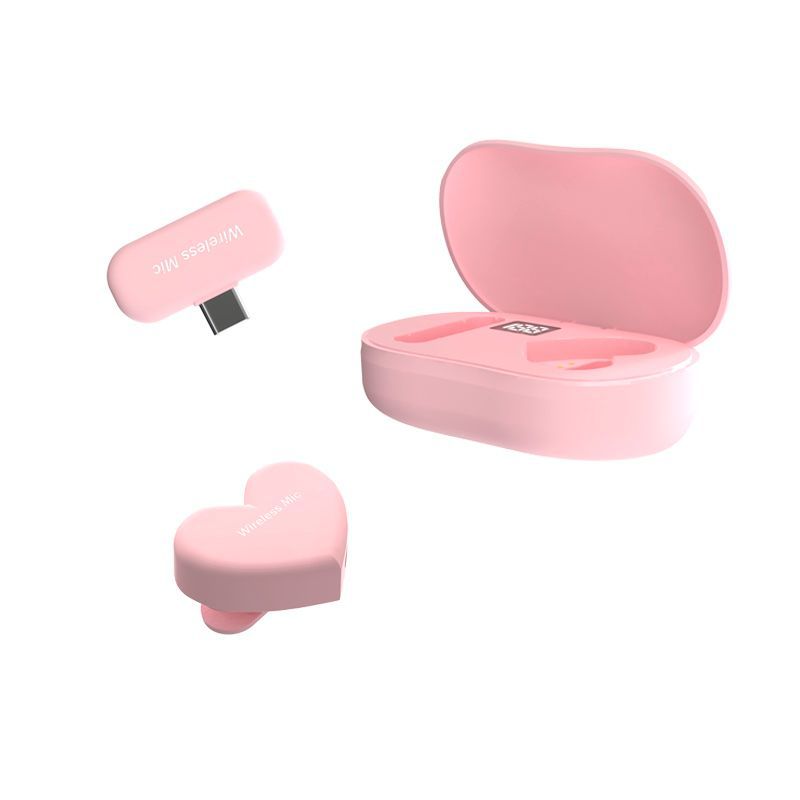
Stylish Pink Heart Wireless Mic with Clip Magnet Excellent for Vlog Recording on Mobile Compact Charging Case Portable Mic
Content-creation accessories complement gig bag assortments for lifestyle, travel and busking retailers.
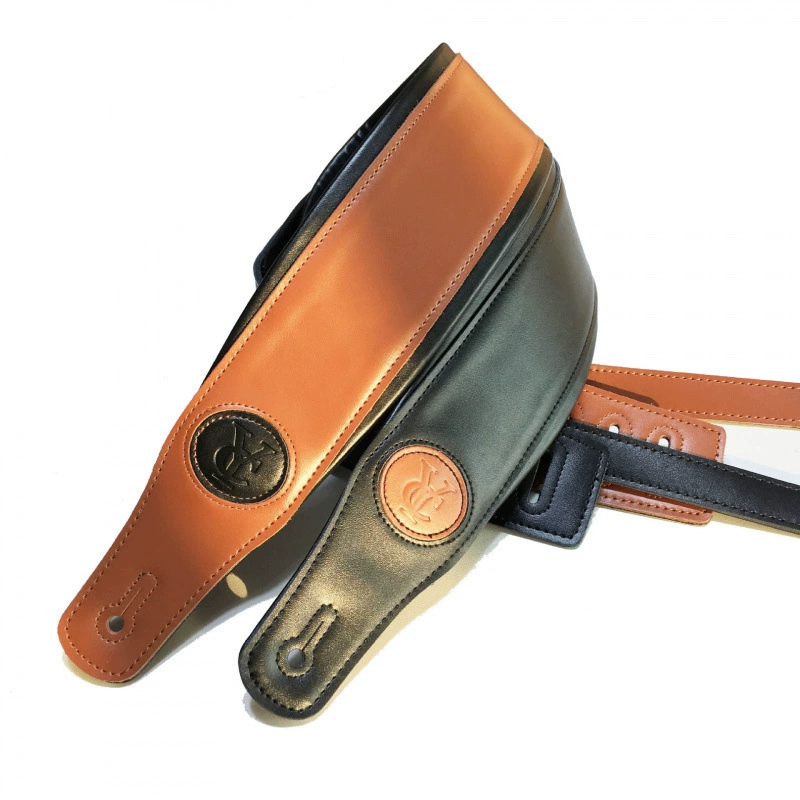
Wholesale Wide Padded Cowhide PU Leather Adjustable Soft Guitar Shoulder Strap for Acoustic Electric Bass Guitar
A natural add-on for gig bag buyers: straps, picks and care accessories lift basket value.
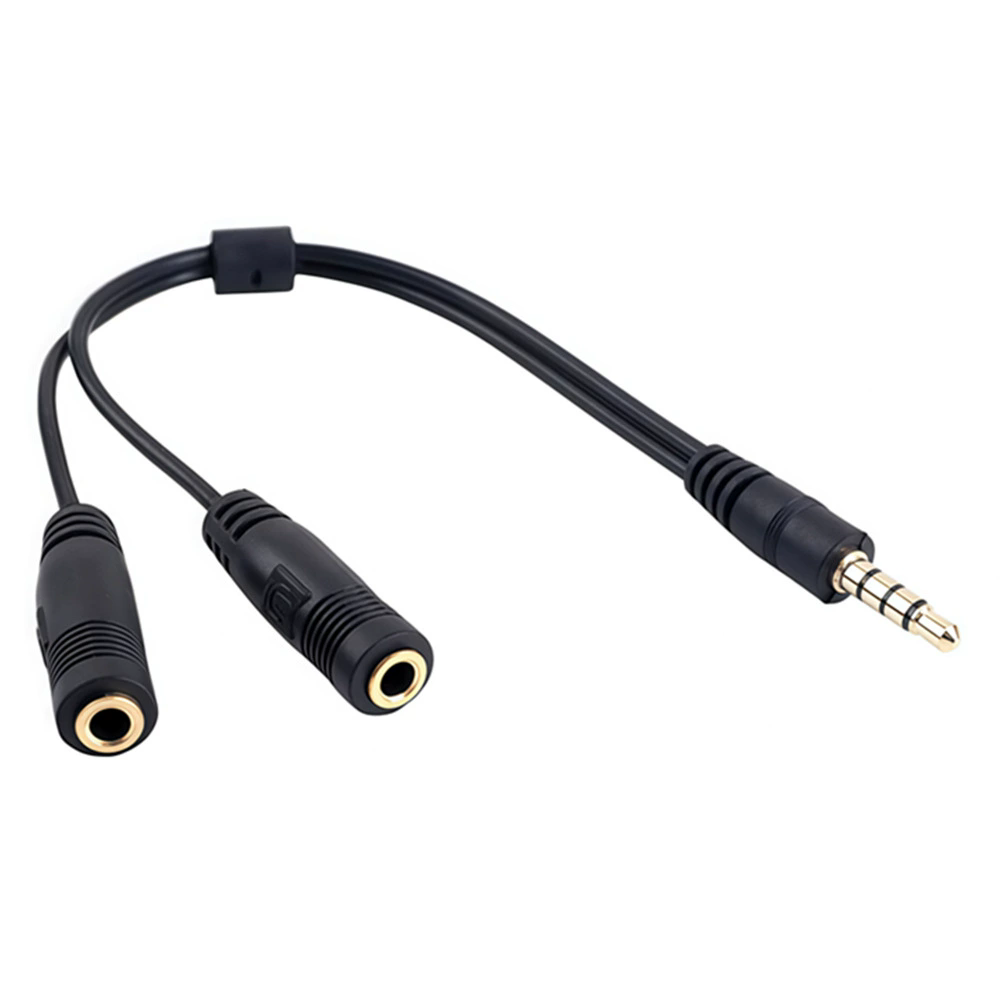
Wholesale 3.5mm 4-Pole Headset Microphone Splitter Adapter Cable for Laptop PC
Small accessories are ideal for mixed orders and can be packed with audio and recording products.
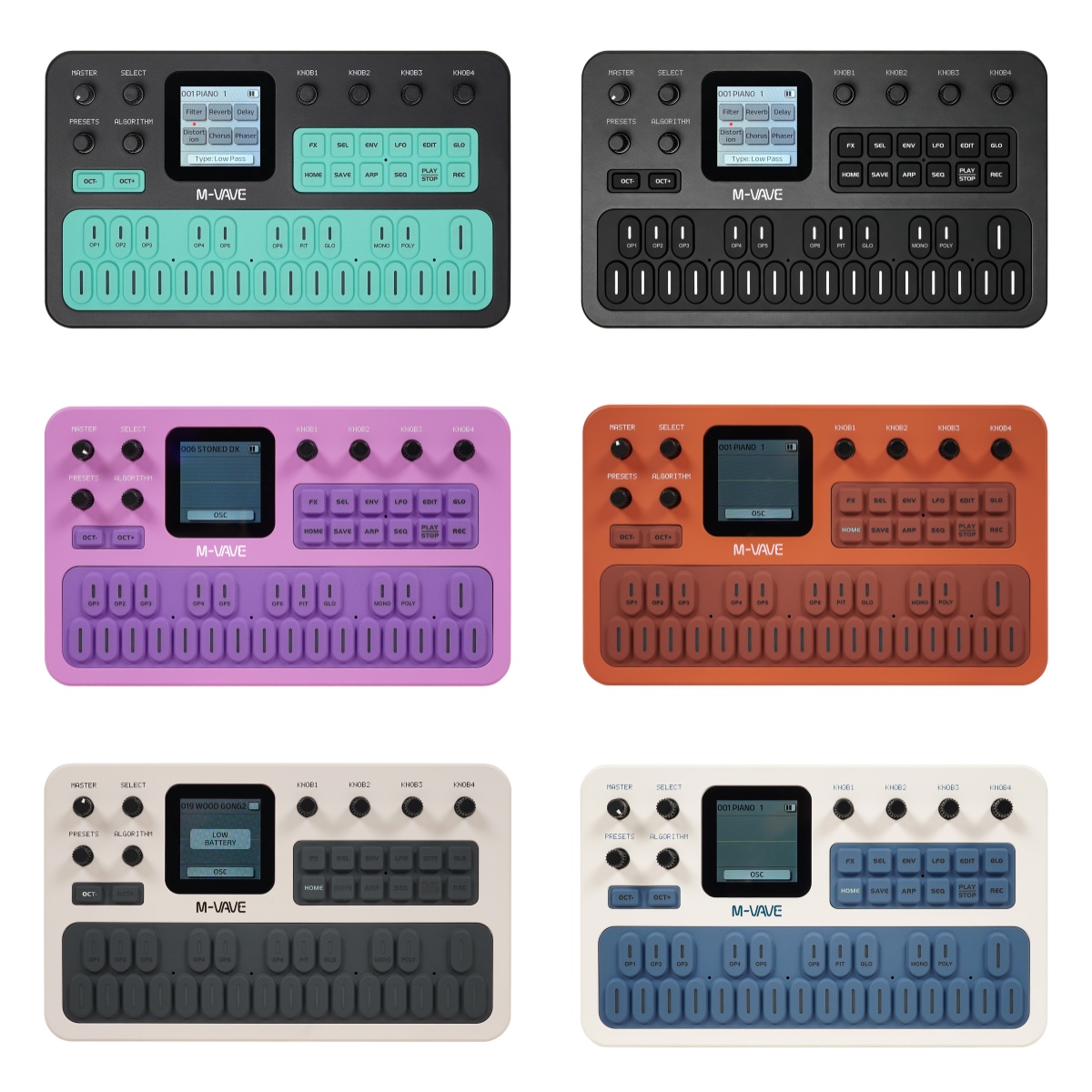
M VAVE Mini FM 1 Synthesizer 27 Keys 3 Channel 12h Battery Built in Speakers for Outdoor Music Production and Pocket Effect
Portable electronic instruments create demand for padded carry solutions and accessory pouches.
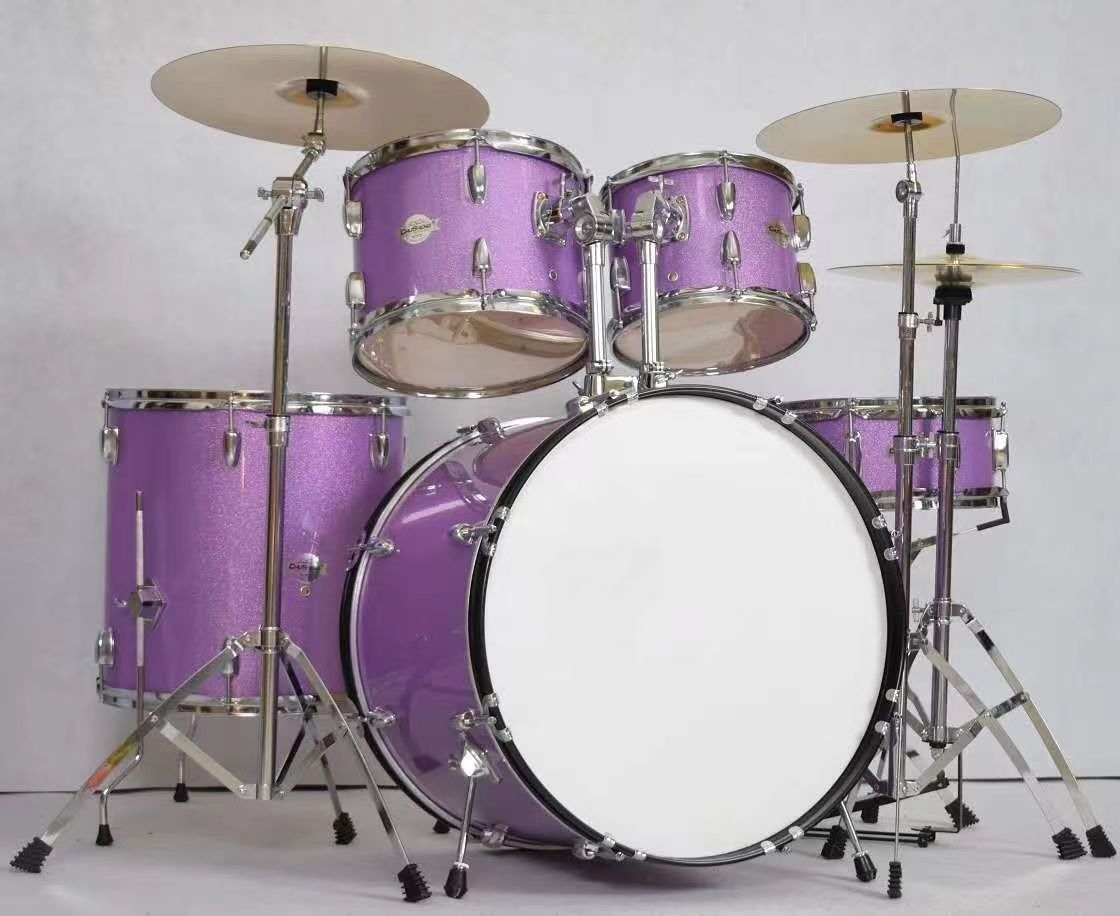
Hot Selling Ordinary 5 Drums 3 Cymbals Adult Drum Set Jazz Drum
Larger instrument orders can be consolidated with bags, straps, stands and school accessories.
What “CE Certified” Should Mean When You Buy Guitar Gig Bags
Buyers searching for a “CE certified guitar gig bag factory” usually want more than a logo printed on a catalog. They want a supplier that understands documentation, material safety, traceability, product fit and repeatable quality. That is the practical information gain this guide provides.
In the musical instrument accessories trade, “CE certified” is often used loosely. A guitar gig bag is not automatically a CE-marked product category under one single directive. CE relevance depends on the exact product composition, materials, coatings, zippers, buckles, straps, packaging, and whether any electronic component is included. For a plain padded guitar bag sold into the EU, buyers normally focus on material declarations, REACH compliance, restricted substances, packaging obligations, and the accuracy of product claims. For a bag sold with an electronic tuner, pickup, wireless transmitter or charging module, the technical file and applicable CE directives require closer review.
A trustworthy CE-certified guitar gig bag supplier should tell you what is being certified, which standard applies, who issued the report, and how the production batch can be traced. A supplier that cannot explain the difference between a material test report, a declaration of conformity, and a certificate is not giving you enough information to protect your brand.
WPI approaches CE-related gig bag sourcing as a documentation-led process. For buyer-specific projects, we can coordinate material specifications, third-party testing, packaging artwork, labeling review and pre-shipment inspection with our manufacturing partners. We do not treat “CE” as a decorative badge. We treat it as a chain of evidence: material source, formulation, production control, labeling, packaging and final inspection. This distinction matters for importers, Amazon sellers, school suppliers, retail chains and private-label brands that need a defensible file rather than a vague promise.
CE-Ready Guitar Gig Bag Documentation Checklist
- Confirm the product scope: textile gig bag, padded bag, molded EVA case, bag with electronics, or instrument bundle.
- Collect material declarations for outer fabric, lining, padding, webbing, zipper tape, buckles, metal hardware, adhesives and printing inks.
- Review REACH restricted substances, azo dyes, phthalates, heavy metals, formaldehyde and packaging material requirements.
- Check whether any electronic accessory requires CE EMC, LVD, RoHS or radio equipment documentation.
- Verify label artwork, importer details, batch code, care instructions and destination-language requirements.
- Keep test reports aligned with the actual production version, not an older sample or a similar model.
For procurement teams, the safest path is to define the intended market first, then build the specification. A gig bag designed for a 41-inch dreadnought acoustic guitar has different stress points from a slim electric guitar bag or a molded travel case. A bag for school rental fleets needs different price-to-durability balance from a premium private-label bag sold through specialist music retailers. The more clearly you define the use case, the more accurate the compliance and quality plan becomes.
Six Buying Checks for CE-Ready Guitar Gig Bag Suppliers
A low quotation is only useful if the bag survives shipping, retail handling, repeat use and destination-market scrutiny. Use these six checks to compare factories and trading suppliers objectively.
Seam & Stitch Integrity
Inspect bar-tacks, stress points, binding tape and stitch density. Guitar bags fail first at handles, shoulder-strap anchors and zipper ends. Ask for pull-strength and drop-test evidence for the exact model.
Padding & Impact Protection
Compare 5 mm, 8 mm, 10 mm and 20 mm foam builds. Thickness is not enough: foam density, recovery, lining and neck support decide whether the bag protects an instrument during transport and retail storage.
Zipper & Hardware Durability
Zipper brand, slider finish, tape strength and corrosion resistance matter. Metal hardware should be salt-spray tested where appropriate, especially for humid coastal markets, marine shipping and long warehouse storage.
Material & Chemical Compliance
Request declarations for fabrics, coatings, inks, padding and packaging. For CE-related projects, confirm the applicable documentation path before mass production rather than adding tests after the order is packed.
Fit and Instrument Compatibility
A 41-inch bag may not fit every lower bout, bridge, headstock or cutaway body. Check internal length, upper bout, lower bout, depth, neck support and accessory-pocket placement using real instrument dimensions.
Traceability & Final Inspection
Ask for batch codes, inspection records, packing photos, carton drop-test reports and a pre-shipment checklist. A supplier with a documented final inspection routine is usually easier to scale than one that relies on verbal confirmation.
Information gain for buyers: compare the total landed cost of a gig bag, not only the FOB price. Freight cube, carton compression, return rate, retail packaging quality and compliance rework can erase the benefit of a cheaper unit price. A bag that compresses well in cartons but arrives with bent zipper pulls is not a low-cost outcome.
Recommended Wholesale Guitar Gig Bag Assortment
The following six formats cover the most common wholesale buying briefs. Product URLs are not supplied for these format recommendations, so each inquiry link uses the required live-chat conversion button.
41-Inch Acoustic Dreadnought Gig Bag
10 mm high-density padding, reinforced bridge and headstock zones, large front pocket, reflective trim and backpack straps. Ideal for acoustic guitar retail, schools and online marketplaces.
Contact Us39-Inch Classical Guitar Bag
Lightweight 8 mm padding with slim body profile, nylon lining, adjustable shoulder straps and music-sheet pocket. Suitable for beginner classical guitar programmes and export carton efficiency.
Contact UsElectric Guitar Gig Bag
Contoured shape, neck cradle, dual zipper opening and cable pouch. Available with 600D polyester, recycled rPET fabric or water-resistant oxford shell for private-label programs.
Contact UsBass Guitar Gig Bag
Extended body fit, 20 mm foam option, reinforced strap anchors and full-length zipper protection. Designed for heavier instruments and frequent transport by gigging musicians.
Contact UsTravel & Smart Guitar Gig Bag
Molded EVA front panel, compact internal geometry, accessory compartments and luggage pass-through. A high-value option for smart guitars, travel instruments and creator-focused bundles.
Contact UsUkulele & Small Instrument Gig Bag
21-inch, 23-inch and 26-inch fits with soft cotton padding, backpack straps and logo-print options. A fast-turning accessory for gift shops, schools and beginner instrument sets.
Contact UsHow Guitar Gig Bag Procurement Is Changing Through 2030
Buyers are shifting from single-price negotiation to supply-chain risk management. The most competitive importers will source gig bags through suppliers that can combine compliance, small-batch flexibility and multi-category consolidation.
Compliance-First Sourcing
EU due diligence, marketplace documentation and packaging rules are making the technical file part of the purchase decision. Suppliers that can organize test reports, declarations and label checks will win repeat orders.
Low MOQ and Mixed Orders
Retailers want to test colours, sizes and private-label designs without committing to a full container of one SKU. Low-MOQ sampling and mixed-category consolidation reduce inventory risk.
Container Consolidation
Gig bags are bulky but relatively light. Combining bags with guitars, ukuleles, straps, stands and school percussion improves container utilization and lowers total landed cost.
DDP and E-Commerce Fulfilment
Online sellers increasingly ask for DDP, carton labeling, barcode compliance and direct-to-warehouse delivery. Suppliers with export documentation experience reduce friction at the destination.
Digital QC Evidence
Photo reports, inspection videos, measurement records and batch traceability are becoming standard expectations. Buyers want proof before shipment, not only a promise after a claim.
Sustainability as a Spec
Recycled fabrics, lower-VOC coatings, reduced packaging and repairable designs are moving from marketing ideas into purchasing specifications, especially for European and North American brands.
Next-Generation Guitar Gig Bag Development Directions
The best-selling gig bag is no longer only a soft bag with padding. It is a lightweight protective system that fits the instrument, supports retail storytelling and survives modern logistics.
Recycled 600D Polyester
Recycled rPET fabrics allow brands to reduce virgin plastic content while keeping a familiar hand feel. Buyers should request yarn source, recycled content evidence and colour consistency.
Water-Resistant Shells
PU backing, water-repellent finishes and seam sealing are becoming common in mid-tier gig bags. The key is to specify realistic performance rather than unverifiable “waterproof” claims.
Molded EVA Hybrids
Soft-side bags with molded EVA front panels provide more structure for travel, smart guitars and premium electric models while keeping weight lower than a hard case.
Modular Accessory Systems
Detachable pouches, cable organizers, pedal pockets and luggage pass-throughs create upsell opportunities and make one platform adaptable to multiple retail price points.
Instrument-Specific Fit
Cutaway bodies, extended-range guitars, headless instruments and travel formats need dedicated patterns. Universal bags are convenient, but precise fit reduces returns and damage claims.
Retail-Ready Branding
Custom linings, woven labels, hangtags, QR care instructions, polybag alternatives and shelf-ready packaging help a gig bag become a complete private-label product.
Guitar Gig Bag Material Comparison for Wholesale Buyers
The material matrix below is a planning tool, not a universal ranking. The right fabric depends on retail price, instrument weight, climate, freight profile and brand positioning.
| Material / Build | Best Use | Relative Protection | Weight & Packing | Marketing Angle |
|---|---|---|---|---|
| 210D polyester | Entry-level ukulele and student guitar bags | Light; high carton efficiency | Budget-friendly school and promotional supply | |
| 600D polyester | General acoustic, electric and bass gig bags | Balanced durability and weight | Reliable retail staple with broad OEM potential | |
| 900D oxford | Heavy-use school, rental and touring bags | Heavier; lower cube efficiency | Rugged, long-life positioning | |
| Recycled rPET 600D | EU/North America eco-focused private label | Similar to standard 600D | Recycled content, brand sustainability story | |
| Cotton canvas | Lifestyle, boutique and vintage-style bags | Medium weight; moisture sensitive | Natural texture, dyeable, artisanal look | |
| Molded EVA shell | Travel guitars, smart guitars, premium electrics | Higher volume; stronger structure | Hybrid protection, premium unboxing |
White-paper insight: A gig bag specification should separate protection requirements from cost requirements. For example, a 20 mm foam bass bag may protect better but consume more freight cube than an 8 mm school bag. Accurate carton dimensions, compression testing and pallet planning often create more savings than negotiating a few cents from the unit price.
Why WPI Is a Practical CE-Focused Guitar Gig Bag Supply Partner
WPI International Trade Co., Ltd. (Huizhou) is a multispecialty musical instrument export supplier. We combine long-term manufacturing relationships with export documentation, low-MOQ sourcing and multi-category consolidation. This is useful for gig bag buyers who want one reliable contact for bags, instruments and accessories.
Low-MOQ OEM / ODM
Sampling can start from small quantities. Many instrument styles can be ordered from 1 piece for sampling, with typical wholesale MOQs of 2–10 pieces per instrument model and 20–600 sets for small accessories. Gig bag-specific MOQs are confirmed by material, printing and pattern.
Final Inspection Before Delivery
Every order can go through finished-product inspection covering appearance, hardware, function, packing and labeling. For gig bags, the checklist can include zipper cycling, strap pull, seam review, measurement, carton drop and barcode verification.
Intertek Onsite Assessed
Our company has been assessed onsite by Intertek, with verified business status, capabilities and product lines. The assessment supports buyers who need a more transparent supplier profile before the first order.
One-Stop Consolidation
Consolidate gig bags, acoustic guitars, ukuleles, violins, saxophones, drums, keyboards and accessories in one shipment. Fewer suppliers and fewer touchpoints can simplify quality follow-up and logistics.
Export Documentation Support
Payment methods include T/T, L/C, D/P, D/A, MoneyGram, credit card, PayPal, Western Union, cash and escrow. Delivery terms include FOB, CFR, CIF, EXW, FAS, CIP, FCA, CPT, DEQ, DDP, DDU, DAF, DES and express delivery.
Named Account Manager
Buyers work with a named export account manager from quotation to after-sales. Our recent inquiry response rate is 97.73%, and our average buyer rating is 4.6/5 from verified transactions.
12+ Years Exporting Musical Instruments
Our team began exporting musical instruments from Hong Kong in June 2010 and established the Huizhou, Guangdong operation in 2014. Today a team of 28 people, including 22 in trading and export roles, supports importers, distributors, retailers and schools worldwide. Our main markets are North America, Western Europe, Southeast Asia and South America.
We specialise in ukuleles, acoustic and electric guitars, and extend into violins, cellos, saxophones, clarinets, drums, keyboards and accessories. This broad range means a gig bag buyer can also source the instruments those bags are designed to protect, reducing sourcing complexity and improving container fill.


Transparent capability claims: Intertek onsite assessment, finished-product inspection, sample-based customization, minor customization for logo and packaging, design-based customization and full customization are part of the verified sourcing profile. Buyers should request current documents for the exact product and destination market.



How a Custom Guitar Gig Bag Order Works
A clear process protects both product quality and delivery timing. The exact steps can be adjusted for stock models, private-label orders and full ODM development.
Brief
Share instrument fit, target market, padding, material, logo, packaging, compliance needs and expected order volume.
Quotation & Spec
We match suitable partner workshops, confirm material options and recommend a cost-effective specification.
Sampling
A pre-production sample is made for fit, appearance, logo and packaging approval before mass production.
Production
Materials, cutting, sewing, hardware assembly and printing are scheduled with in-process checks.
Inspection
Final inspection covers measurements, stitching, zipper function, straps, labels, packing and carton quality.
Shipping
Choose FOB, CIF, DDP, DDU or express delivery. Consolidated shipments can include instruments and accessories.
CE Certified Guitar Gig Bag Factory & Suppliers FAQ
Practical answers for importers comparing guitar gig bag factories, trading suppliers and private-label manufacturers.
Are your guitar gig bags CE certified?
What does “CE-ready” mean for a guitar gig bag buyer?
What is the MOQ for custom guitar gig bags?
Can we customize the logo, lining, zipper pull, packaging and size?
How do you control quality before shipment?
Can you consolidate gig bags with guitars and accessories in one shipment?
Which payment and delivery terms do you accept?
Which markets do you export to?
How should a retailer choose gig bag sizes for the first order?
What information should I send to receive an accurate quotation?
Build a CE-Ready Guitar Gig Bag Line with WPI
Tell us your target market, instrument fit, quantity, logo and packaging requirements. We will recommend suitable gig bag formats, confirm documentation expectations and prepare a practical wholesale quotation.