CE Certified Guitar Effects Factory & Wholesalers
A buyer-focused wholesale guide to guitar effects, musical instruments and accessories — built around verified export experience, low-MOQ OEM/ODM, Intertek-assessed operations, pre-shipment inspection and practical EU compliance support.
8 High-Turnover Products to Bundle with Guitar Effects Wholesale
Use these adjacent musical instrument and accessory lines to build a more complete container, raise average order value and support retailers, schools, studios and online sellers with one consolidated sourcing plan.
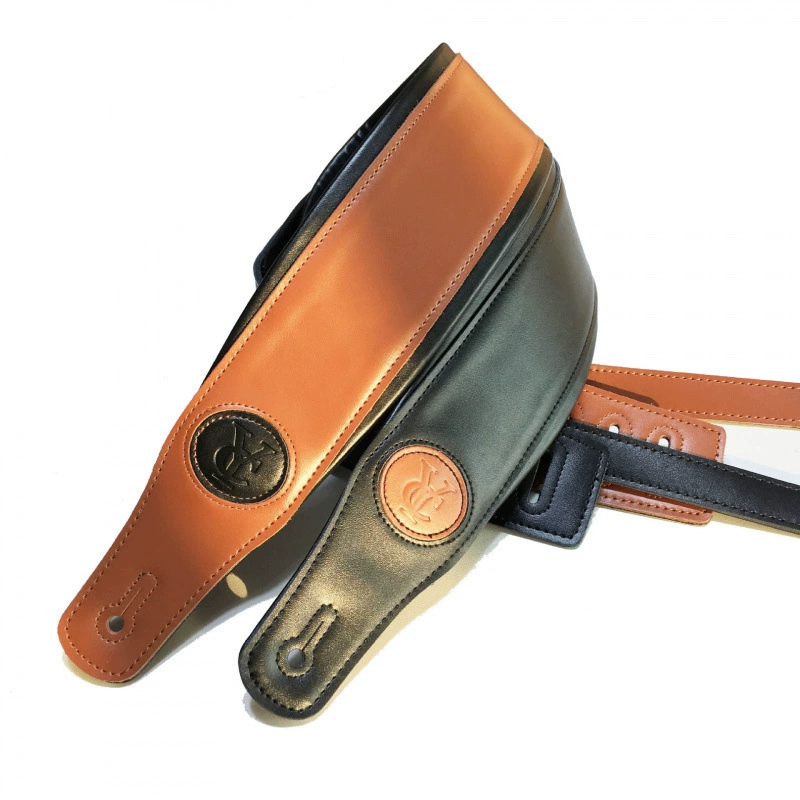
Wholesale Wide Padded Cowhide PU Leather Adjustable Soft Guitar Shoulder Strap for Acoustic Electric Bass Guitar
Comfort-led accessory for pedal-board bundles, starter guitar packs and school instrument programs.
View product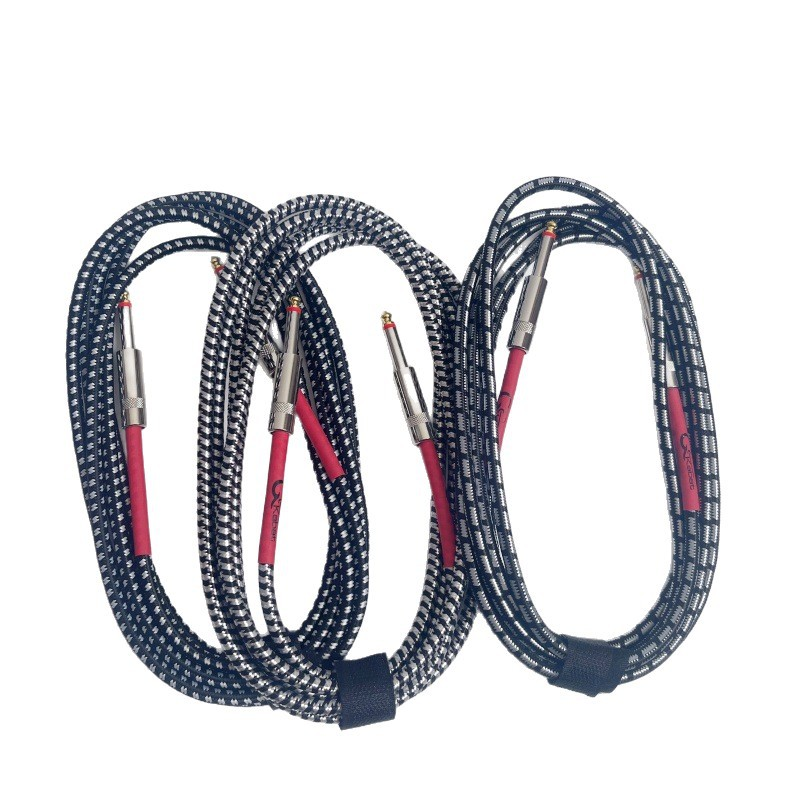
Braided Guitar Cable, 6.35mm Male to Male Noise Reduction Audio Cord for Bass, Instrument Connection Wire Wholesale
A natural attach-rate item for effects pedals, amplifiers, stage setups and home studios.
View product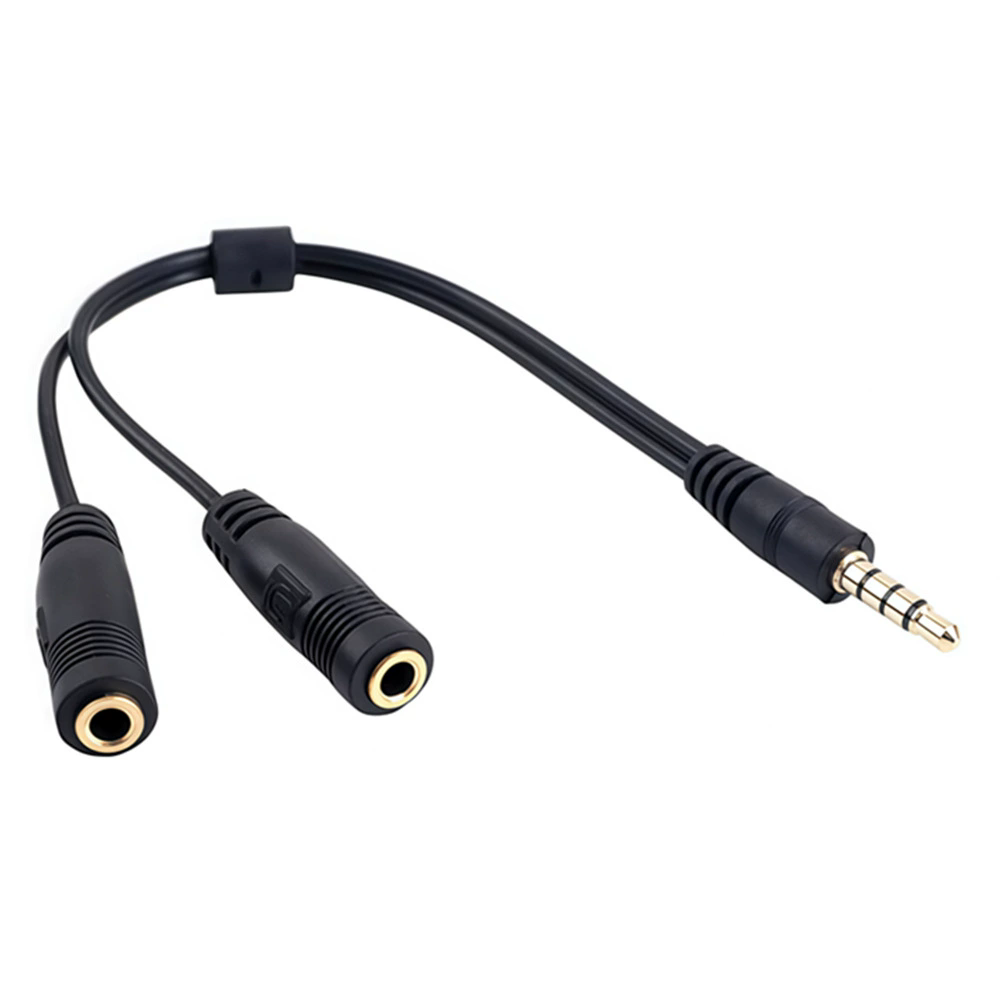
Wholesale 3.5mm 4-Pole Headset Microphone Splitter Adapter Cable for Laptop PC
Useful for content creators, music teaching, podcasting and bundled home-recording kits.
View product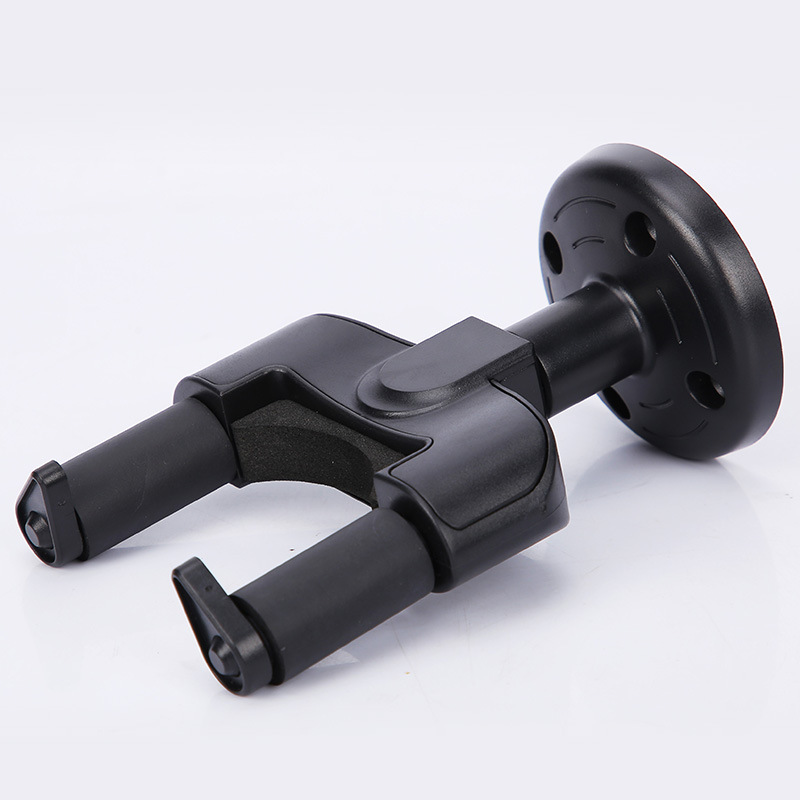
Gravity Auto Lock Guitar Hanger, Wall Mount Guitar Hook, Self-locking Holder for Electric & Acoustic Guitar Wholesale
Strong fit for music shops, studio fit-outs and retail merchandising displays.
View product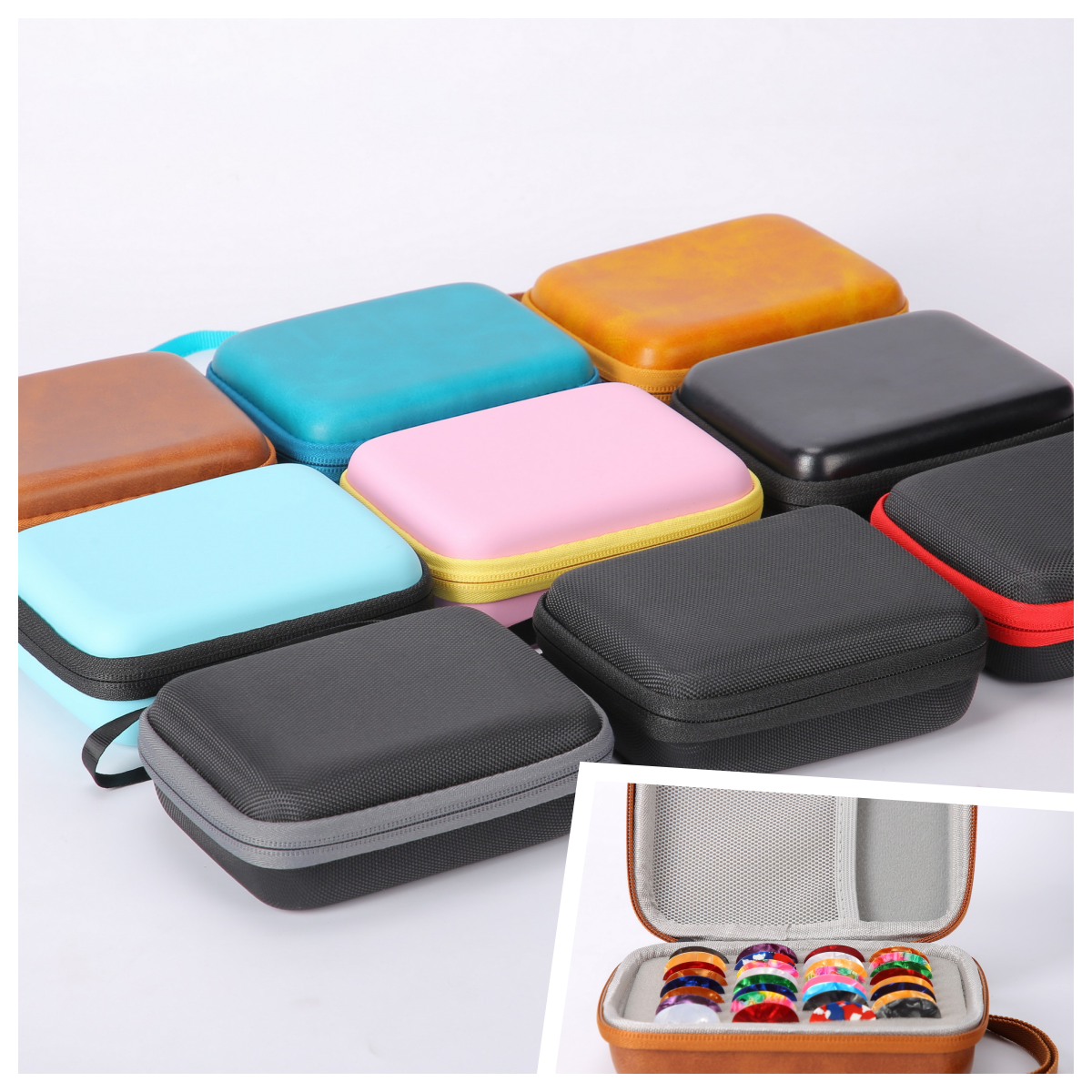
Guitar Folk Plectrum Storage Leather Case Leather PC Plectrum Bag Ukulele Plectrum Pick Case Package
Low-cost gift and accessory item that works well beside pedals, strings and starter instruments.
View product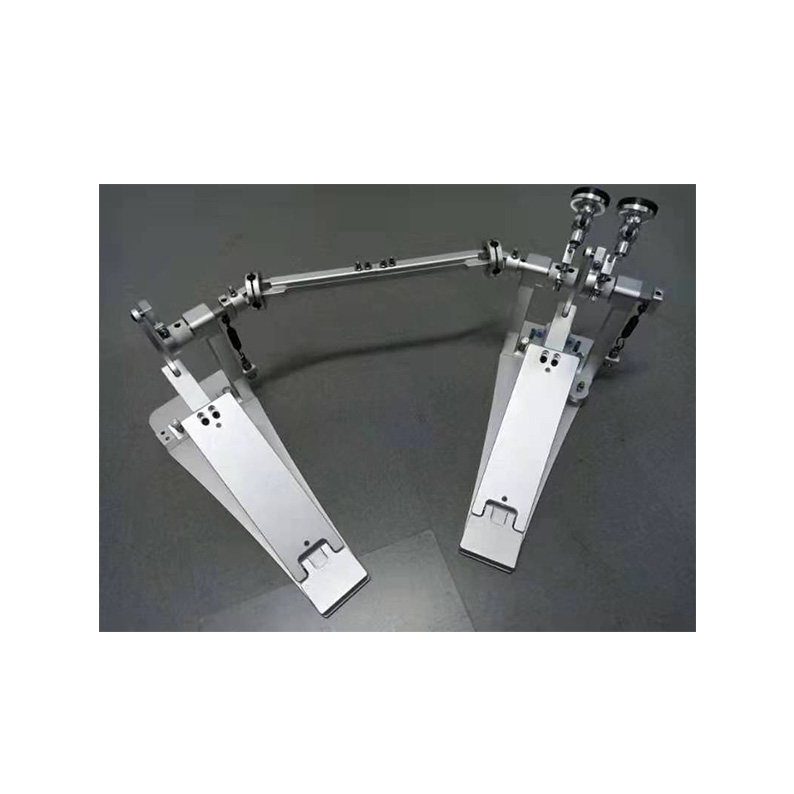
Brushed Silver Double Bass Drum Pedal Direct Drive Drum Kit Accessory
Performance hardware for drum retailers, schools and stage-equipment distributors.
View product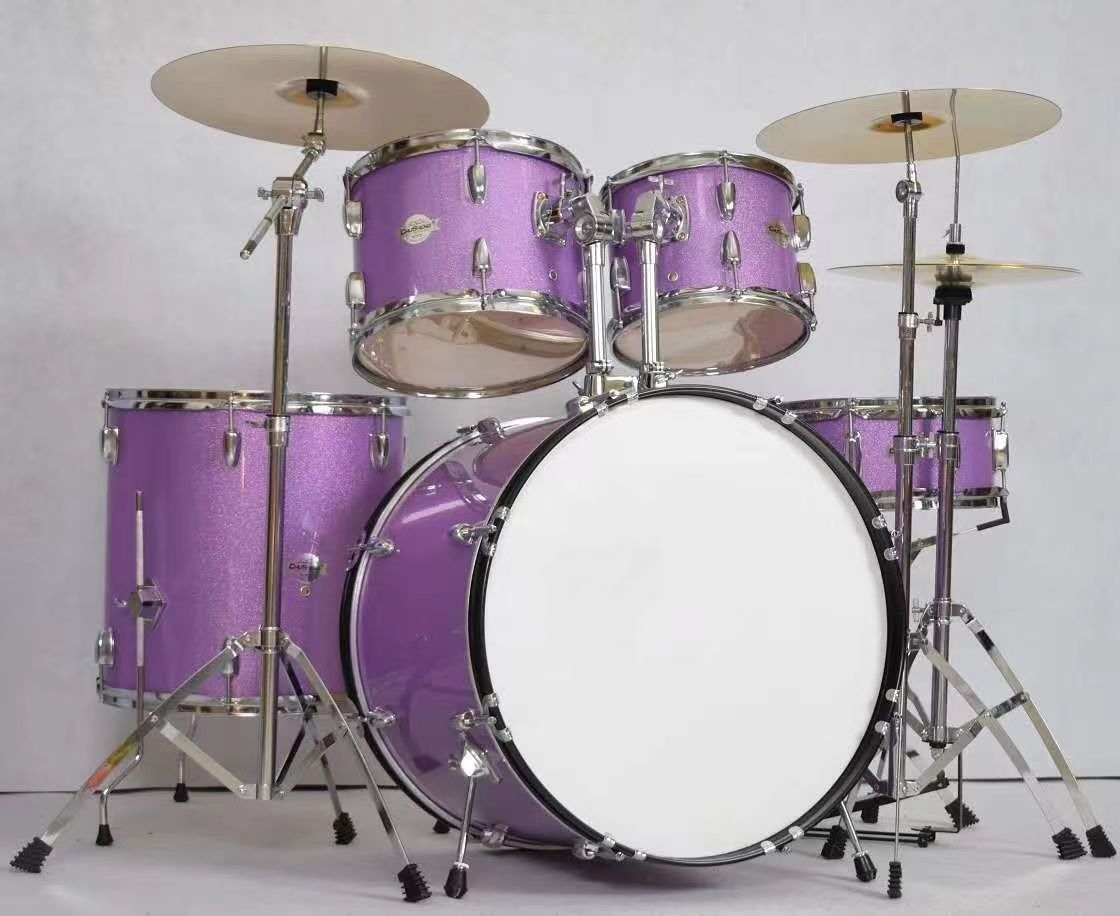
Hot Selling Ordinary 5 Drums 3 Cymbals Adult Drum Set Jazz Drum
Entry-to-mid drum kit for retail catalogues, music schools and online marketplace sellers.
View product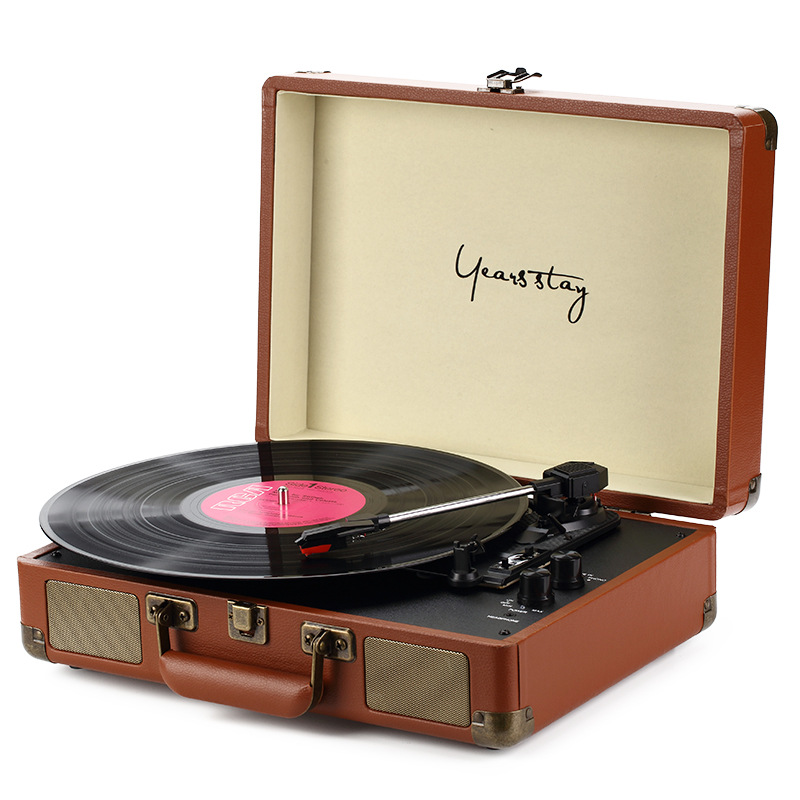
Portable Mini Phonograph Desktop Vinyl Record Player Handheld Wireless for Speaker Turntable
Gift-oriented music lifestyle product for concept stores, e-commerce sellers and audio boutiques.
View productNeed a mixed quotation for guitar effects, cables, straps and instruments?
Get a QuoteWhat “CE Certified” Really Requires in the Guitar Effects Supply Chain
CE marking is not a universal factory badge. It is a product-specific compliance pathway supported by testing, technical documentation, a declaration and traceability. Buyers who understand this distinction reduce customs risk, marketplace suspension risk and after-sales disputes.
Compliance Is a SKU-Level Question, Not a Homepage Claim
A guitar effects factory or wholesaler may support CE documentation for selected product families, but each model, power supply, wireless function, battery and packaging configuration must be checked on its own. A true CE packet normally includes applicable test reports, a bill of materials review, a risk assessment, an EU declaration of conformity, product labelling, importer information and a technical file that can be produced on request.
For a wholesaler, the practical test is whether the supply chain can answer four questions quickly: Which directive or regulation applies? Which laboratory report covers the exact SKU? Who signs the declaration? Can the factory maintain batch consistency after the sample is approved? This is where a trading partner with factory-direct access and documented pre-shipment inspection adds value. WPI’s role is to coordinate qualified partner production, consolidate related instrument and accessory lines, and support buyers with documentation-ready specifications before mass production begins.
The Procurement Impact
Compliance-first sourcing usually changes MOQ planning. Buyers may begin with a small validation order, test marketplace acceptance and then scale the best-selling models. That approach fits WPI’s low-MOQ structure: many instruments and accessories can start from 1 piece for sampling, with typical wholesale MOQs of 2–10 pieces per instrument model and 20–600 sets for strings and small accessories. Mixed-category orders are welcome, which helps distributors combine effects, guitars, ukuleles, drums, keyboards and accessories in one shipment.
Compliance Packet to Request Before Deposit
- EU Declaration of Conformity with model coverage
- EMC and RoHS test reports for the exact SKU
- Power adapter, battery and charger documentation where applicable
- Product label, rating plate and importer information review
- BOM consistency and change-notification process
- Pre-shipment inspection checklist and AQL agreement
- Packaging artwork approval before mass production
EMC & Wireless Readiness
Digital, rechargeable and Bluetooth-enabled effects need the correct EMC and wireless evidence for the target market.
RoHS & Material Control
Parts, solder, plating, knobs and packaging should be reviewed against restricted-substance requirements.
Power Adapter Discipline
Battery, USB-C and 9V adapter configurations must be specified clearly to avoid mismatched documentation.
Batch Traceability
Serial numbers, packaging revisions and inspection records protect both the importer and the retail brand.
Guitar Effects Wholesale Trends Reshaping Buyer Strategy, 2025–2030
Distributors are moving away from single-SKU sourcing decisions. They want a compliant, flexible and consolidated supply chain that can support private label, fast model validation and reliable repeat orders.
Compliance-First Sourcing
Buyers now screen suppliers by documentation quality before price. Model-level evidence is becoming part of the quotation.
Low-MOQ Validation
Retailers test small batches across more models, then scale only proven products. Low-MOQ sampling reduces dead stock.
Hybrid Analog/DSP Demand
Musicians want analog feel plus digital flexibility. Hybrid circuits, IR loading and app-based presets are growing in relevance.
Consolidated Containers
Importers combine effects, cables, guitars, drums and accessories with one supplier to reduce freight and documentation overhead.
Private Label as Default
Logo, packaging, manual and accessory kits are becoming standard buyer requests, especially for marketplace and regional brands.
USB-C & Rechargeable Designs
Pedalboard-friendly power, rechargeable formats and compact enclosures are becoming expected by younger players and travel users.
| Procurement Signal | Impact on Wholesale Buyers | Practical Buyer Action |
|---|---|---|
| CE documentation before price negotiation | Quotes take longer to compare, but after-sales and customs risk fall. | Request a SKU-to-report mapping table with each quotation. |
| Small-batch model testing | Buyers need flexible MOQs across more colors and variants. | Plan a pilot order, then reserve volume for the best 20% of SKUs. |
| Analog + digital product positioning | Product descriptions must explain tone, latency, power and app support clearly. | Ask for realistic demo units and English specification sheets. |
| One-stop consolidation | Freight savings can outweigh a small unit-price difference. | Combine effects with high-turnover accessories and instruments. |
| Private-label packaging | Brand assets and manuals must be approved before production. | Lock artwork, barcode, warning text and importer details early. |
| Rechargeable and compact pedals | Battery and USB-C claims need matching test evidence. | Specify power format, runtime target and charger compliance. |
Guitar Effects Product Development Trends Buyers Should Specify Now
The next wave of wholesale competition is not only about more effects. It is about tone credibility, compact form factors, documentation quality, app ecosystems and retail-ready presentation.
Analog Authenticity
Classic overdrive, distortion, chorus, delay and fuzz circuits remain strong because musicians trust familiar interaction and touch response.
DSP, IR & App Support
Amp simulation, impulse responses, preset sharing and firmware updates are becoming product differentiators for digital effects lines.
Pedalboard-Friendly Enclosures
Mini chassis, top-mounted jacks, relay switching and low-noise operation are practical features that reduce returns and improve reviews.
Compliance-Ready Power
USB-C, rechargeable batteries and isolated power options must match test reports, labelling and user manual claims.
Buyer-Planning Index for Supplier Scorecards
This is a practical planning index for supplier evaluation, not an external market-share statistic. Use it to prioritise questions in your sourcing scorecard.
Why WPI Is a Practical Wholesale Partner for CE-Focused Buyers
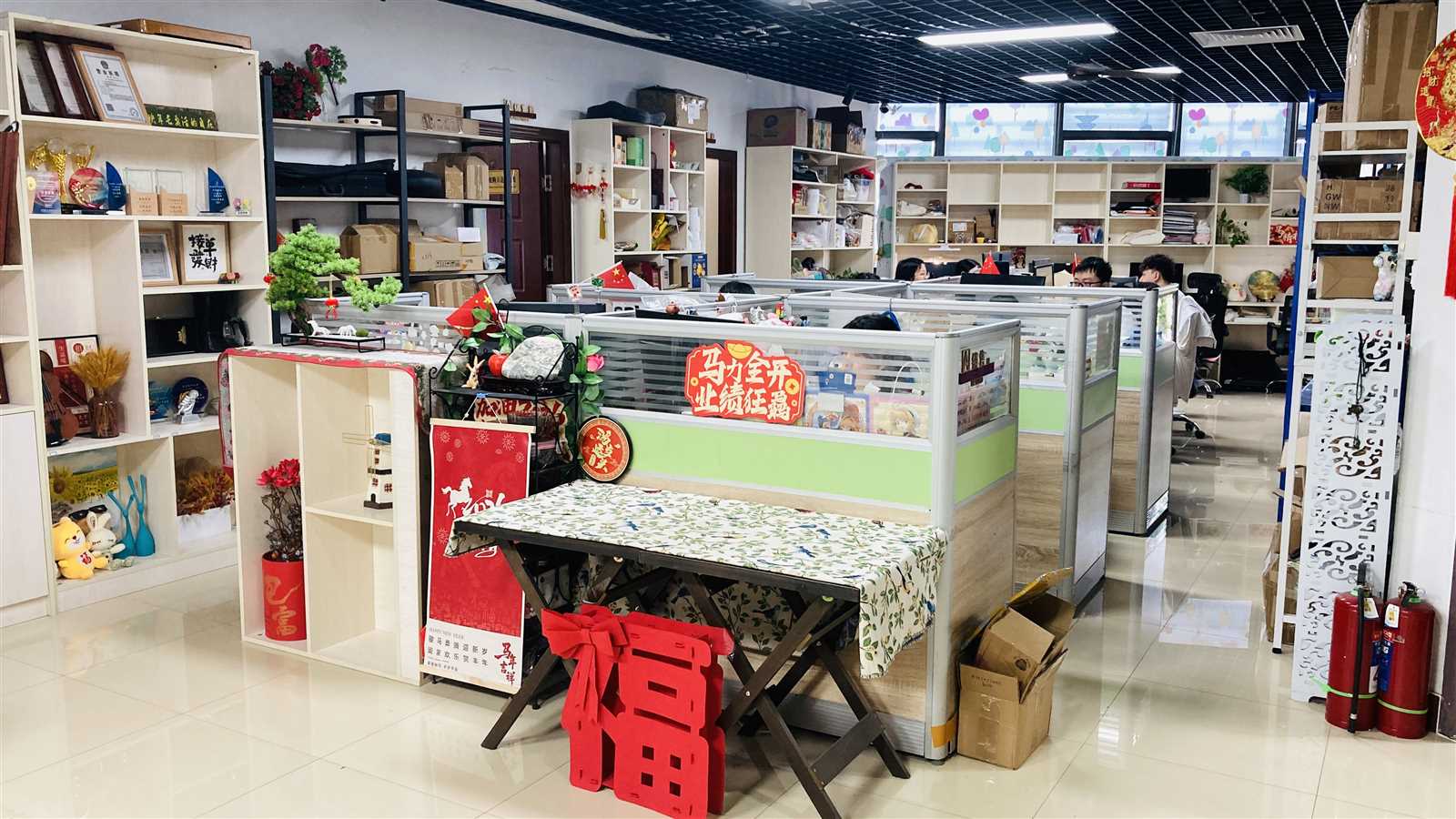
WPI International Trade Co., Ltd. (Huizhou) combines export experience, broad instrument sourcing, factory-direct partner access and inspection discipline — a useful base for buyers building a compliant effects and instrument program.
12+ Years of Export Experience
Active in musical instruments since 2010, with the Huizhou, Guangdong operation established in 2014.
Intertek Onsite Assessment
Supplier capabilities and premises were assessed onsite by Intertek, supporting credible factory verification.
Factory-Direct Sourcing
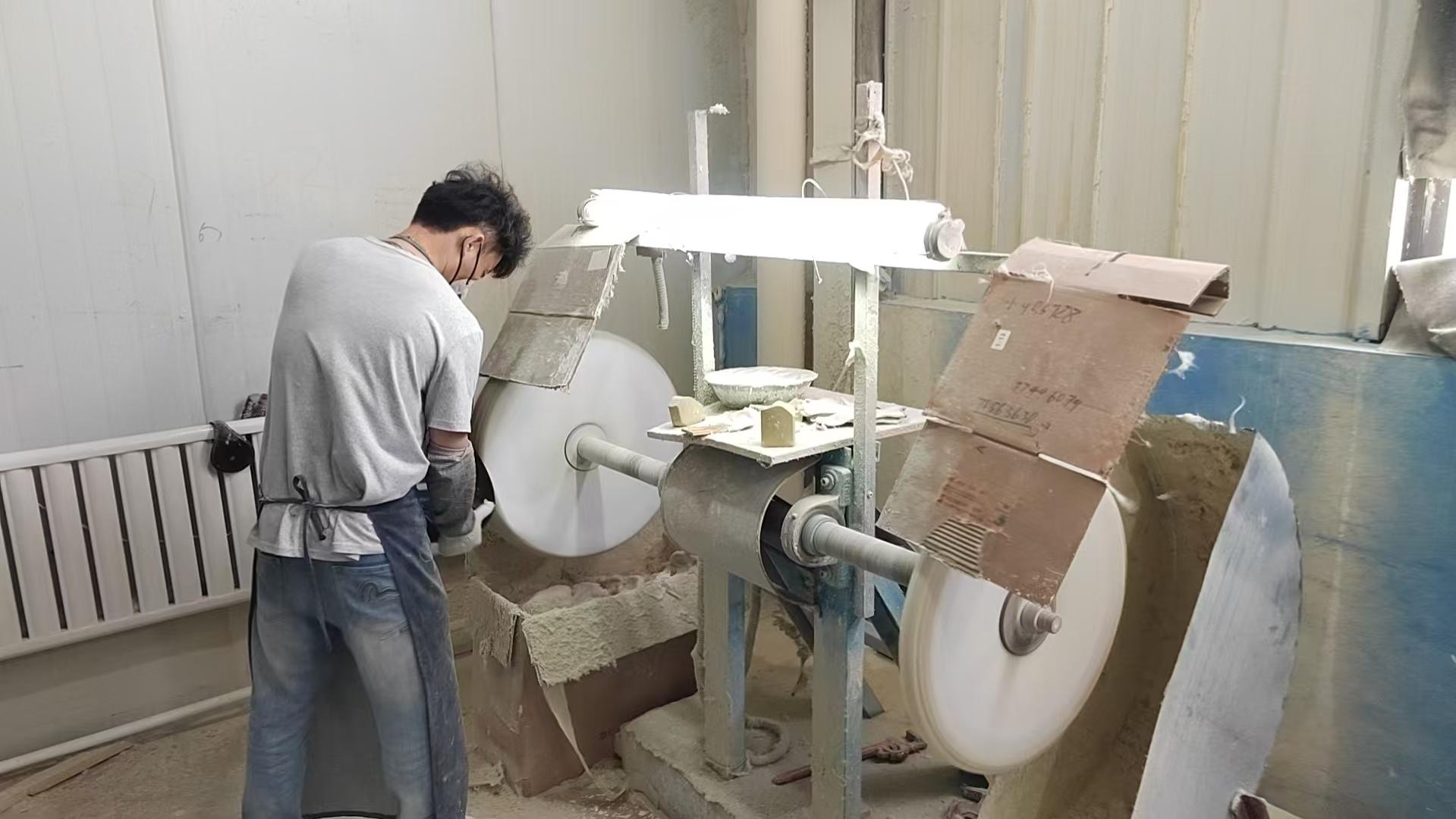
Long-term partner workshops in Guangdong provide factory pricing plus OEM and ODM development support.
Low MOQ & Mixed Orders
Many lines can start from 1 piece for sampling. Mixed-category orders help buyers test without overstocking.
OEM / ODM Customization
Sample-based, minor, design-based and full customization are supported for private-label programs.
One-Stop Consolidation
Guitars, ukuleles, violins, saxophones, drums, keyboards and accessories can be combined with effects sourcing.
Verified Operating Facts Buyers Can Use
WPI International Trade Co., Ltd. (Huizhou) is a trading company and multispecialty supplier with an assessed annual sales value of approximately US$9,000,000. The team includes 28 people, with 22 in trading and export roles. Recent trade activity includes 952 orders and more than US$370,000 in a six-month period.
Main markets are North America, Western Europe, Southeast Asia and South America. Payment terms include T/T, L/C, D/P, D/A, MoneyGram, credit card, PayPal, Western Union, cash and escrow. Delivery terms include FOB, CFR, CIF, EXW, FAS, CIP, FCA, CPT, DEQ, DDP, DDU, DAF, DES and express delivery.
- Finished-product inspection before delivery, covering appearance, hardware, playability and packaging.
- Trade show experience at Shanghai and Guangzhou music fairs from 2014 to 2019.
- Dedicated export sales support with a 97.73% inquiry response rate.
- Buyer rating of 4.6/5 from verified transactions.
- Address: 2313, Saige Building, Huizhou, Guangdong, China.
WPI at a Glance
- Business Type
- Trading Company · Multispecialty Supplier
- Export Experience
- Since 2010 · Huizhou operation since 2014
- Assessment
- Intertek onsite assessed supplier capabilities
- Main Markets
- North America · Western Europe · Southeast Asia · South America
- Typical MOQ
- From 1 pc for sampling; 2–10 pcs per model; 20–600 sets for small parts


Recommended Wholesale Assortments for Guitar Effects Buyers
Use these bundles to turn a narrow effects enquiry into a practical retail program. The aim is not to overstock, but to build a balanced order that supports sell-through across stores, schools, studios and online channels.
Retail Starter Pack
Mini effects, braided guitar cables, padded straps, plectrum cases and wall hangers. A compact first order for music shops testing a new accessories wall.
School & Studio Bundle
Drum sets, direct-drive pedals, headset adapters, guitar cables and instrument stands. Useful for education tenders, rehearsal rooms and recording studios.
Private-Label Launch Pack
Selected effects plus branded packaging, cables, straps and accessory kits. Designed for distributors and marketplace sellers building a house brand.
| Buyer Profile | Recommended Bundle | Why It Works |
|---|---|---|
| Independent music retailer | Effects + cables + straps + plectrum cases + hangers | Low unit cost, strong add-on sales and easy shelf presentation. |
| Online marketplace seller | Effects + braided cables + mini lifestyle audio + private-label packaging | Supports listing variation, bundle offers and brand positioning. |
| School or education supplier | Drum kit + pedal + cables + adapters + instrument accessories | Consolidated delivery and simpler procurement across product categories. |
| Regional distributor | Multi-model effects + instruments + accessories in mixed container | Improves freight efficiency while keeping MOQ risk manageable. |
8 Steps from Inquiry to Repeat Order
A transparent process keeps sampling, compliance documentation, production and shipment aligned. Each step should have an owner, a deadline and an approval record.
Brief
Share target market, effects type, tone reference, logo, packaging and estimated quantity.
Compliance Scope
Confirm directives, power format, wireless features and documentation needs before quoting.
Proposal
WPI matches partner workshops, recommends specifications and builds a mixed-category quotation.
Sampling
Pre-production sample with agreed labels, accessories and packaging for buyer approval.
Production
Mass production begins after deposit and approved artwork, with in-process checks.
Inspection
Finished-product inspection covers appearance, hardware, function, tuning stability and packing.
Consolidation
Effects, instruments and accessories are combined for efficient shipment and document preparation.
Repeat Order
Record approved specifications, packaging versions and inspection results for faster reorders.
Guitar Effects Factory & Wholesalers: Common Sourcing Questions
Clear answers reduce quotation cycles and help buyers prepare the right information before contacting the supplier.
Are all guitar effects from a CE-marked factory automatically CE certified for my market?
No. CE marking is model-specific and must be supported by appropriate testing, technical documentation, a declaration of conformity and correct labelling. A supplier may support CE documentation for selected product families, but each effects model, power supply, battery and wireless configuration should be verified separately. Request a model-to-report mapping table before placing volume orders.
What is the minimum order quantity for wholesale musical instruments and accessories?
Many guitars, ukuleles, violins and saxophones can be ordered from 1 piece for sampling. Typical wholesale MOQs are 2–10 pieces per model for instruments and 20–600 sets for strings and small accessories. Mixed-category orders are welcome, which is useful when testing guitar effects alongside cables, straps, stands and instruments.
Do you offer OEM and ODM customization for private-label buyers?
Yes. Third-party assessed capabilities include sample-based customization, minor customization such as logo, packaging and graphics, design-based customization and full customization. For effects programs, buyers should specify branding, enclosure finish, manual language, packaging, barcode and importer information early in the process.
How do you control product quality before shipment?
Every order goes through finished-product inspection before delivery, covering appearance, hardware, tuning stability, function and packaging. WPI has also been assessed onsite by Intertek for supplier capabilities. For effects and accessories, the inspection checklist should be agreed before mass production and matched to the approved sample.
Which payment and delivery terms do you accept?
Payment methods include T/T, L/C, D/P, D/A, MoneyGram, credit card, PayPal, Western Union, cash and escrow. Delivery terms include FOB, CFR, CIF, EXW, FAS, CIP, FCA, CPT, DEQ, DDP, DDU, DAF, DES and express delivery. The best term depends on the order size, destination market and whether the shipment is consolidated with instruments and accessories.
Which markets do you export to?
Main markets are North America, Western Europe, Southeast Asia and South America. Buyers in the EU should plan extra time for product-specific CE documentation, importer information and marketplace compliance checks.
Can I mix guitar effects, accessories and instruments in one order?
Mixed-category orders are welcome. Consolidating effects with high-turnover items such as braided cables, straps, plectrum cases, guitar hangers, drum pedals, drum sets and portable audio products can improve freight efficiency and support a broader retail assortment.
Why source through a wholesaler instead of only a single effects factory?
A wholesaler with factory-direct partner access can consolidate multiple product categories, coordinate sampling, compare factory options and maintain a single communication channel for inspection and shipping. For buyers building a complete music retail program, that reduces supplier management time while keeping room for product-specific compliance checks.
How should I verify CE documents before approving production?
Check that the product model, electrical rating, power adapter and packaging version match the quotation. Review the test report scope, date, laboratory details and applicable standards. Confirm the declaration signatory and ask how the factory will control changes after approval. Keep the final approved documents with the purchase order and inspection record.
Build a CE-Ready Guitar Effects & Instrument Program with WPI
Send your target market, preferred effects models, quantity, logo requirements, packaging expectations and delivery terms. We will help you build a practical quotation across guitar effects, musical instruments and high-turnover accessories.