8 Product Recommendations for Guitar Cable Wholesalers & Accessory Buyers
The fastest way to build a commercially useful cable-led assortment is to pair instrument leads and patch cables with high-turn accessories. These eight wholesale SKUs from WPI’s existing musical instrument line are practical attach-rate products for distributors, retailers, schools and online sellers assembling mixed orders.
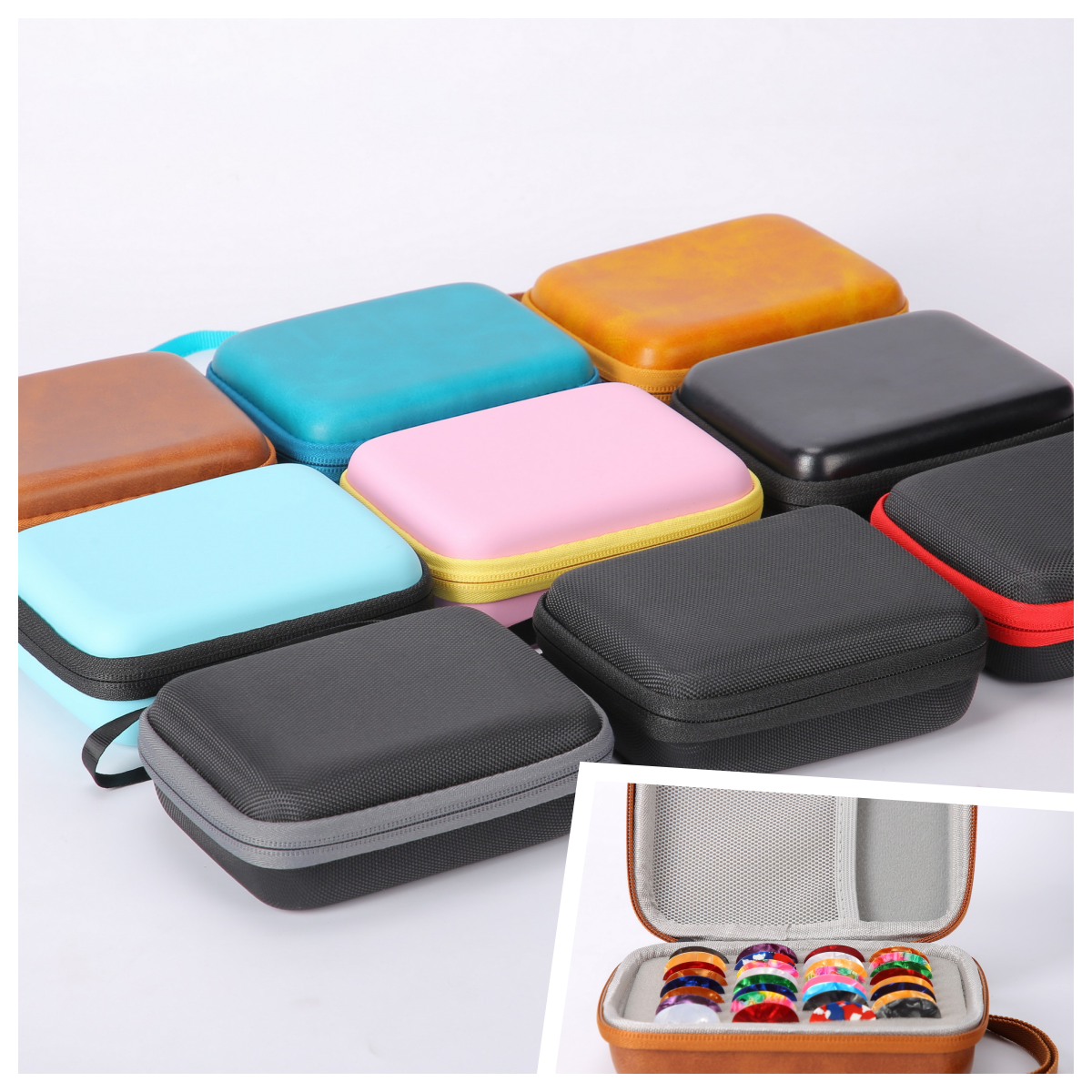
Guitar Folk Plectrum Storage Leather Case Leather PC Plectrum Bag Ukulele Plectrum Pick Case Package
Countertop accessory that lifts basket value alongside picks, strings and cables.
View product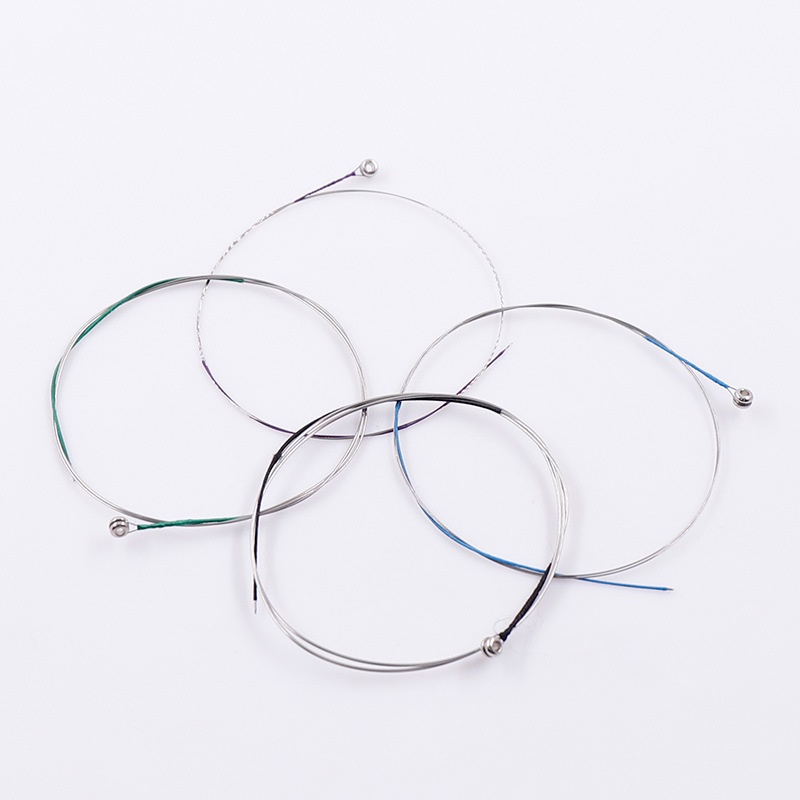
Silver Steel Violin Strings Loose Set for Classical Guitar Wholesale Guitar Parts Accessories
Consumable add-on for accessory walls, starter packs and retail refill programs.
View product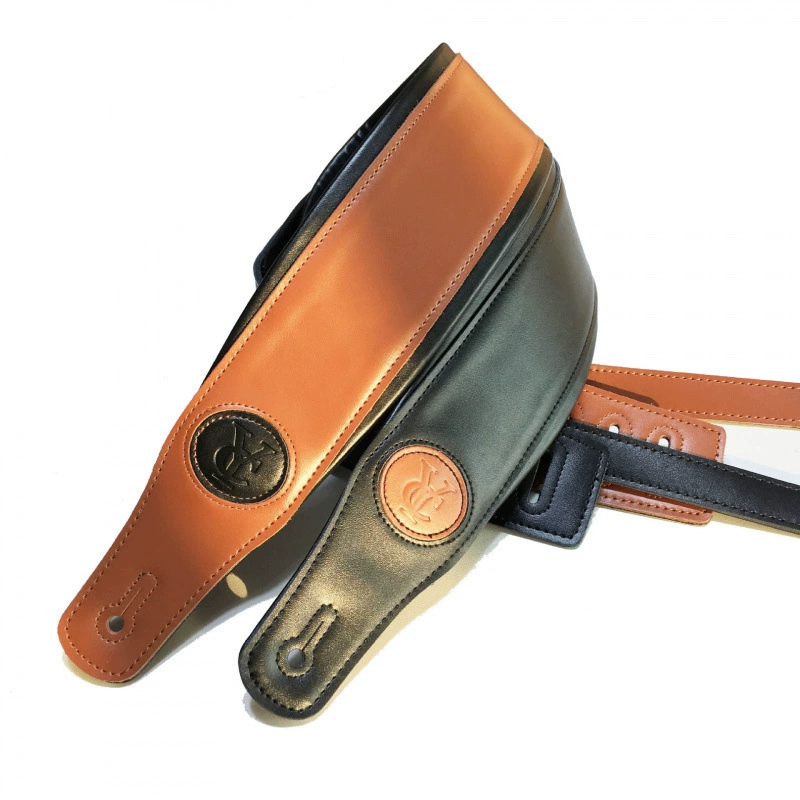
Wholesale Wide Padded Cowhide PU Leather Adjustable Soft Guitar Shoulder Strap for Acoustic Electric Bass Guitar
High-visibility accessory that bundles naturally with cable and strap-lock offers.
View product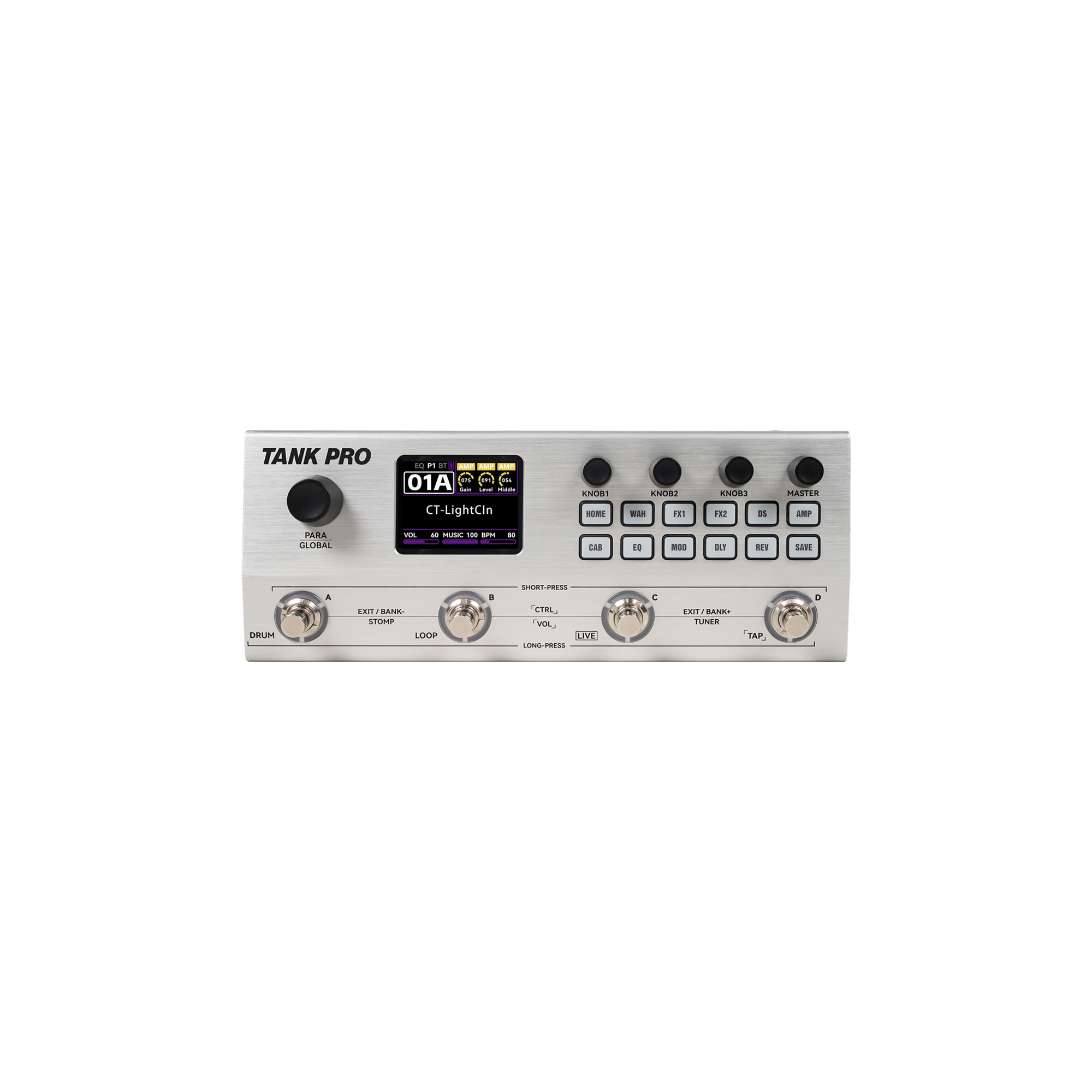
Tank Pro Metal Guitar Multi Effects Processor with ANN Third-Party IR Loading OTG Internal Recording
Digital accessory for musicians building pedalboard and recording bundles.
View product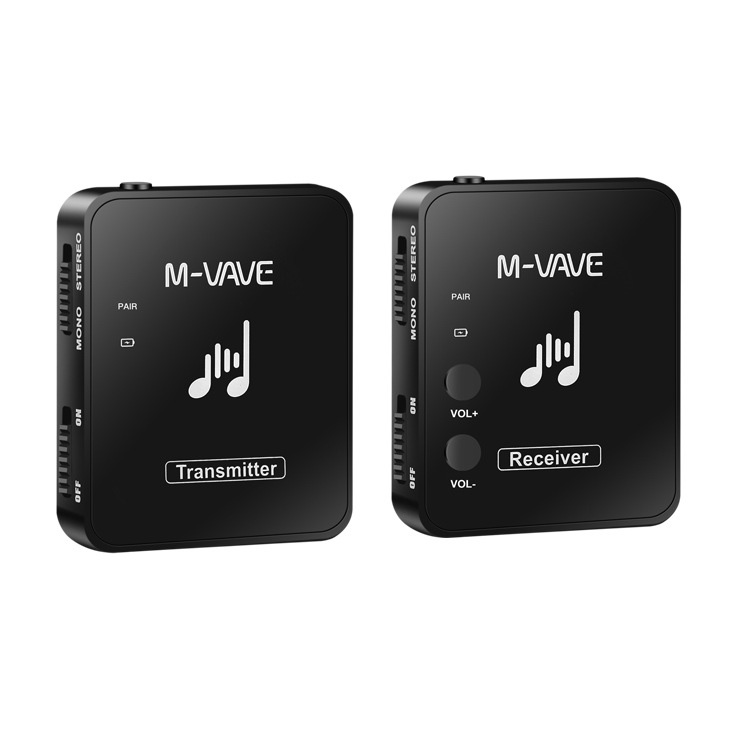
Wireless in Ear Monitor System Transmitter Receiver Mono Stereo Earback Set Guitar System
Stage-focused bundle item for performers upgrading their cable-based setup.
View product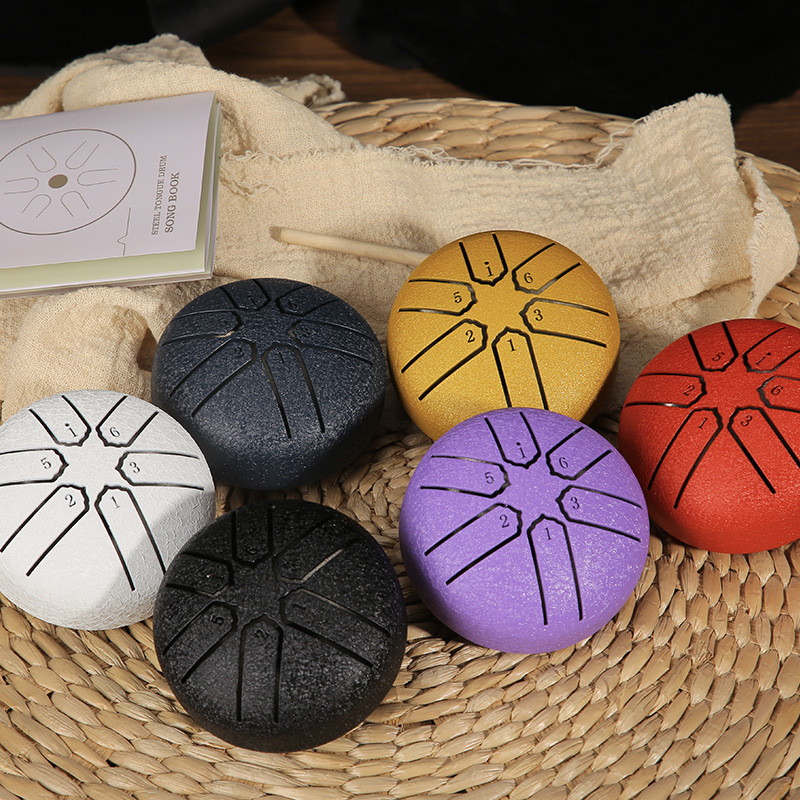
3 Inch 6 Notes Mini Steel Tongue Drum, Easy Learn Percussion Instrument, Kids Hand Drum Toy for Boys Girls Wholesale
Giftable percussion item for seasonal promotions and beginner bundles.
View product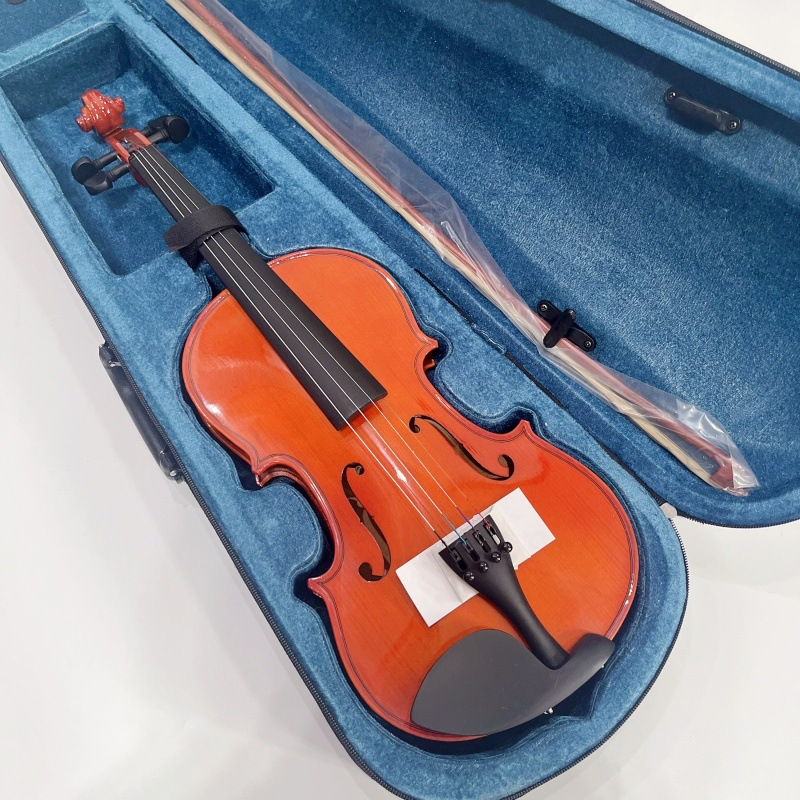
4/4 Full Size Solid Spruce Top Violin, Adult Beginner Violin, Solid Wood Student Violin Musical Instrument Wholesale
Education-channel product that supports school and starter accessory programs.
View product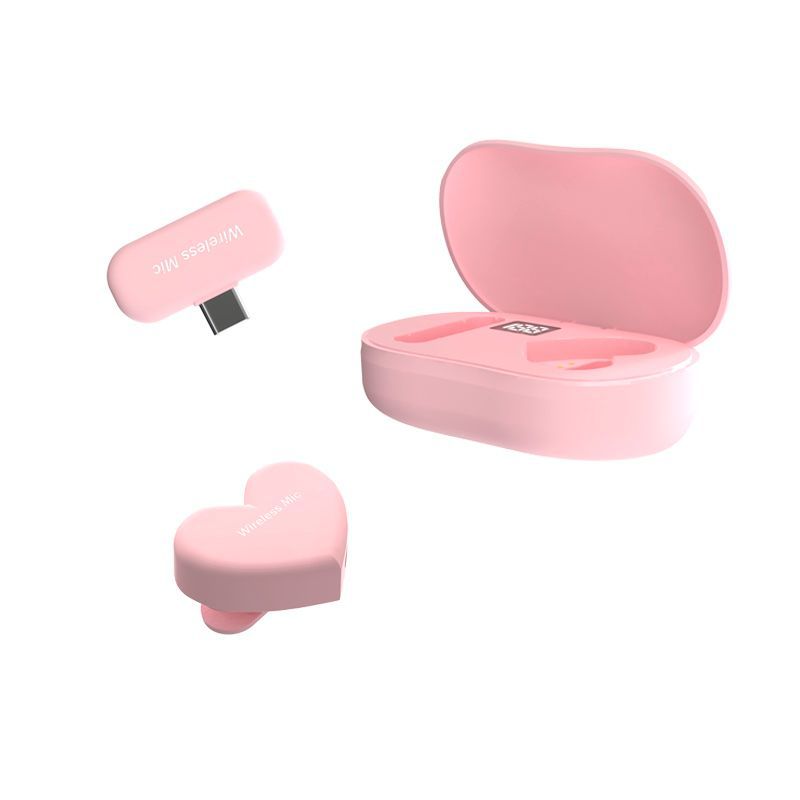
Stylish Pink Heart Wireless Mic with Clip Magnet Excellent for Vlog Recording on Mobile Compact Charging Case Portable Mic
Creator-focused item for retailers expanding into mobile recording bundles.
View productWhat “CE Certified” Really Means for Guitar Cable Buyers
Search demand for CE certified guitar cable manufacturers and wholesalers is rising because European and UK-adjacent buyers are under pressure to document product compliance before listing, importing or tendering. The phrase is useful for discovery, but it should never replace supplier due diligence.
Information gain: “CE certified” is often used loosely in trade copy. For many passive guitar cables, CE marking is tied to a manufacturer’s declaration and technical file rather than a single universal certificate. A credible supplier can explain which EU legislation applies, provide a Declaration of Conformity, and trace materials and production lots. That distinction protects buyers from certificate-only vendors who cannot support a repeat order.
Declaration of Conformity
Check the legal manufacturer, product family, applicable directives, harmonised standards, authorised signatory and date. The document must match the SKU you are buying.
Technical File
Request the bill of materials, conductor and jacket declarations, connector specifications, assembly process controls, labelling and packaging artwork.
RoHS & REACH Evidence
Restricted-substance test reports should cover the materials actually used: conductor plating, solder, PVC or TPE jacket, ink and packaging.
EMC or LVD Review
Passive cable claims should not be conflated with active electronics. If a product includes buffering, wireless or power, assess EMC and safety requirements separately.
Traceability
Lot codes, factory names, production dates and inspection records let you investigate complaints without re-testing an entire container.
Retail Label Review
Confirm language, importer details, recycling symbols, warnings and packaging claims before print runs. Compliance failures often appear on the box, not the cable.
Guitar Cable Construction: 6 Specifications That Decide Returns
Wholesale buyers should compare cables by construction and test method, not by colour alone. The following specification framework is designed for purchase orders, sample approvals and supplier scorecards.
1. Conductor & Gauge
Oxygen-free copper is common, while copper-clad aluminium is lighter and lower cost. Confirm conductor size, strand count and soldering method. For long instrument runs and pedalboards, stable conductor and connector contact matter as much as the metal name.
2. Shielding & Noise
Braided, spiral and foil-plus-drain constructions offer different coverage and flexibility. Braided shields usually resist handling noise well; foil shields can suit fixed installations. Specify coverage and test for microphonic noise.
3. Capacitance
Capacitance per metre affects high-frequency roll-off, especially on long cables. Buyers offering pedalboard patch cables should compare pF/m at the same length and verify with real instruments, not only lab figures.
4. Connector System
Evaluate 1/4-inch TS and TRS plugs, tip tension, nickel or gold plating, solder joints, crimp quality and strain relief. The connector is usually the first failure point in wholesale returns.
5. Jacket & Hand Feel
PVC, TPE and halogen-free options differ in flexibility, cold-weather performance and surface finish. Road-ready cables need abrasion resistance without becoming stiff in winter.
6. Test & Traceability
Continuity, short-circuit, capacitance, pull-strength and bend tests should be documented per lot. Add QR or lot codes if your retail channel demands after-sales traceability.
What the Next Guitar Cable Range Should Include
Retail demand is moving toward cables that solve specific playing problems: silent switching, pedalboard space, stage reliability, visual identity and sustainability documentation. A future-ready range does not need every trend; it needs clear price tiers.
Silent & Clickless Plugs
Silent jack designs reduce pops when swapping instruments. Offer them in premium stage cables and explain the benefit with in-store demonstrations or short video assets.
Low-Capacitance Patch Cables
Flat, low-profile and solderless patch cable systems answer pedalboard density and serviceability needs. Sell them as modular kits rather than loose cables alone.
Recycled & Halogen-Free Jackets
Retail buyers increasingly request material declarations, reduced packaging plastic and recyclable cardboard. Make sustainability claims specific and evidence-backed.
Colour-Coded Retail Packs
Length and colour coding helps stores reduce SKU confusion and helps customers build a visual pedalboard. Add QR-linked specifications for reordering.
Coiled & Braided Premium Styles
Vintage coiled cables and textile-braided jackets carry display appeal. Their construction must still pass continuity, strain and noise tests before premium pricing is justified.
Hybrid Creator Bundles
Cables now sit beside wireless microphones, in-ear monitors, multi-effects processors and mobile recording gear. Bundle recommendations increase average order value without inventing new cable categories.
Wholesale Sourcing Trends Buyers Are Pricing Into 2026–2028
Price per unit remains important, but total landed cost now includes documentation, replacement risk, packaging compliance and the ability to reorder the same construction. The strongest wholesale programs are built around fewer, better-documented suppliers.
Documentation-First Sourcing
Compliance files are moving from afterthought to RFQ requirement. Buyers are scoring suppliers on DoC quality, test-report currency and response speed.
Low-MOQ Mixed Containers
Importers want to test cable lengths, colours and retail packs without overstocking. Mixed-category orders with instruments and accessories improve container utilisation.
Dual Sourcing With Stable Specs
Buyers are qualifying a second source while keeping the same nominal construction. The goal is resilience without confusing customers through inconsistent sound or handling.
Retail-Ready Private Label
Logo, barcode, hangtag, language and packaging customization are becoming standard for distributors serving chains, schools and e-commerce marketplaces.
Supplier Scorecards
On-time delivery, defect rate, response time, document accuracy and corrective-action speed are replacing gut feeling in supplier review meetings.
Digital Product Data
High-quality images, dimensions, capacitance, packing data and compliance summaries reduce marketplace rejects and improve conversion across online channels.
From Sample to Container: A Practical QC Protocol
A cable that passes a bench test once is not automatically a repeatable product. The following six-stage protocol helps wholesale buyers convert sample approval into measurable production control.
Sample Validation
Approve construction, length, connector type, colour, label and packaging. Record the reference sample with photos and measurements.
Material Check
Verify conductor, shield, jacket and connector batches against the approved bill of materials. Keep material certificates on file.
Assembly Control
Monitor stripping, soldering or crimping, shield termination, moulding and strain relief. Document setup checks at shift start.
100% Electrical Test
Continuity, short-circuit and polarity checks should be applied to every cable, with sampling for capacitance and noise.
Final Inspection
Use AQL sampling for appearance, connector alignment, labelling, packing quantity and barcode accuracy before carton sealing.
Shipment Audit
Review carton drop, master-carton marks, container loading and photo evidence. Reserve corrective-action time before the vessel cut-off.
| Control Point | What to Record | Commercial Reason |
|---|---|---|
| Continuity & short test | Pass/fail by lot, tester ID, operator and date | Prevents dead-on-arrival returns |
| Connector pull test | Force range and failure mode | Reduces socket and cable-end complaints |
| Bend & flex check | Cycles, jacket cracking notes and photos | Protects stage and studio users |
| Capacitance sample | pF/m range against approved specification | Maintains tone consistency across reorders |
| Label & packaging audit | Language, importer details, barcode, recycling marks | Avoids retail rejection and relabelling cost |
12 Checks Before You Place a Cable Purchase Order
Use this checklist alongside factory audits and sample testing. It is written for importers comparing CE certified guitar cable manufacturers, trading companies and wholesale distributors.
1. Legal Identity
Confirm business licence, factory address, export history and whether the quotation comes from a manufacturer or trading company. Verify who signs the Declaration of Conformity.
2. Product Scope
Ensure the compliance file covers the exact cable family, lengths, connectors and materials you intend to buy. A generic certificate for another product is not enough.
3. Material Traceability
Ask for conductor, jacket, solder and connector declarations. Match them to the approved sample and require written approval before substitution.
4. Process Controls
Look for incoming inspection, soldering or crimping standards, in-process checks and final electrical testing. Photos and records should be available.
5. Sample Accountability
Keep a sealed reference sample and signed specification. Reorder approval should compare production against the same document, not memory.
6. Commercial Resilience
Review MOQ, lead time, payment terms, packaging cost and corrective-action policy. A low unit price with weak documentation is rarely the lowest total cost.
Why WPI Supports Musical Instrument & Accessory Programs
CE compliance is product- and factory-specific. WPI International Trade Co., Ltd. (Huizhou) is an Intertek-assessed musical instrument supplier that helps wholesale buyers consolidate instruments, cases, straps, strings, stands, processors and small accessories. Cable-specific technical files must still be verified with the cable manufacturer, but the surrounding wholesale program can be simplified.
WPI began exporting musical instruments from Hong Kong in June 2010 and established its Huizhou, Guangdong operation in 2014. The company reports a team of 28 people, including 22 in trading and export roles, serving importers, distributors, retailers and schools. Its stated range covers more than 1,000 instruments and accessories across acoustic and electric guitars, ukuleles, violins, cellos, saxophones, clarinets, drums, keyboards, steel tongue drums and accessories.
For buyers building a cable-led accessory range, this matters commercially. Mixed orders with straps, picks, strings, tuners, stands, effects processors and small instruments can improve container utilisation and reduce the number of suppliers to manage. WPI’s public profile highlights low-MOQ sampling, OEM/ODM customization and finished-product inspection before shipment.
- Intertek onsite-assessed supplier
- Export experience since 2010
- Low MOQ from 1 piece for sampling
- OEM and ODM customization
- Finished-product inspection before delivery
- Main markets: North America, Western Europe, Southeast Asia and South America

Years in the instrument industry
Annual export value, third-party assessed
Orders shipped in the last 6 months
Inquiry response rate
Average buyer rating
Quality First
Finished-product inspection covers appearance, hardware, playability and packaging before shipment. For accessories and instruments, this helps catch visible defects before they reach your market.
Wide Selection
A broad catalogue of instruments and accessories lets buyers test cable-led bundles with related products rather than opening a container from a single narrow category.
Factory-Direct Sourcing
Long-term partner workshops in Guangdong support factory pricing plus OEM and ODM development for importers building private-label ranges.
One-Stop Service
Consolidate guitars, violins, drums, keyboards, straps, stands and small accessories in one shipment with end-to-end logistics support.
Customization Depth
Assessed capabilities include sample-based customization, minor customization such as logo and packaging, design-based customization and full customization.
Flexible Trade Terms
Public terms include T/T, L/C, D/P, D/A, credit card, PayPal, Western Union and escrow, with delivery options such as FOB, CIF, EXW and DDP.
Company information is based on WPI’s public profile. Buyers should independently verify current certification scope, product-specific test reports and commercial terms before placing a purchase order.
CE Certified Guitar Cable Wholesale Questions
Practical answers for buyers comparing manufacturers, trading companies and mixed-category musical instrument suppliers.
What does “CE certified” mean for a guitar cable?
It usually means the manufacturer claims conformity with applicable European legislation and maintains a technical file. For a passive guitar cable, the applicable requirements depend on the product construction and materials; RoHS and REACH evidence are often relevant, while active electronics require separate assessment. Ask for the Declaration of Conformity, product scope, standards, test reports and traceability rather than relying on a logo alone.
What is the minimum order quantity for wholesale musical instruments and accessories?
Many guitars, ukuleles, violins and saxophones can be ordered from 1 piece for sampling. Typical wholesale MOQs are 2–10 pieces per model for instruments and 20–600 sets for strings and small accessories. Mixed-category orders are welcome, which is useful when pairing cable programs with picks, straps, strings and stands.
Can a supplier customize logo, packaging and product specifications?
Yes, for qualified programs. WPI’s assessed capabilities include sample-based customization, minor customization such as logo and packaging, design-based customization and full customization. For cable buyers, define the exact SKU, construction, label language, barcode and compliance documents before approving artwork.
Which documents should I request before paying a deposit?
Request the legal supplier identity, Declaration of Conformity or compliance statement, RoHS and REACH test reports where applicable, bill of materials, connector and conductor specifications, reference sample photos, agreed inspection standard and packaging artwork. For active or wireless products, ask for the relevant safety and EMC evidence separately.
How is quality controlled before shipment?
WPI states that every order goes through finished-product inspection before delivery, covering appearance, hardware, tuning stability and packaging. For cable programs, add continuity, short-circuit, capacitance sampling, connector pull, bend testing and carton drop checks to the purchase order. WPI has also been assessed onsite by Intertek.
Which payment and delivery terms are accepted?
Payment options include T/T, L/C, D/P, D/A, MoneyGram, credit card, PayPal, Western Union, cash and escrow. Delivery terms include FOB, CFR, CIF, EXW, FAS, CIP, FCA, CPT, DEQ, DDP, DDU, DAF, DES and express delivery. Confirm the exact Incoterm, packaging cost and inspection responsibility in the quotation.
Which export markets does WPI mainly serve?
The main markets are North America, Western Europe, Southeast Asia and South America. Buyers exporting further should confirm label language, importer details, plug and packaging requirements for each destination before production begins.
Which cable specification should a retailer stock first?
Start with a balanced commercial range: a 3 m general-purpose instrument cable, a 6 m stage cable and a short patch cable set. Compare conductor gauge, shielding type, capacitance and connector quality. For pedalboards, prioritize low-profile or low-capacitance patch options; for live stages, prioritize strain relief, silent plugs and reliable shielding.
Build a Compliant, High-Margin Guitar Cable & Accessory Range
Share your target market, cable specifications, packaging requirements, compliance documents and order quantities. Use the catalogue request to start a focused sourcing conversation.