8 CE-Relevant Guitar Accessory Products for Wholesale Assortments
These eight products show the commercial and compliance range buyers meet in 2025: passive accessories, leather goods, audio cables, stands, electronic instruments, strings and RF wireless systems. Product URLs and source images are preserved. CE scope must still be confirmed SKU by SKU.
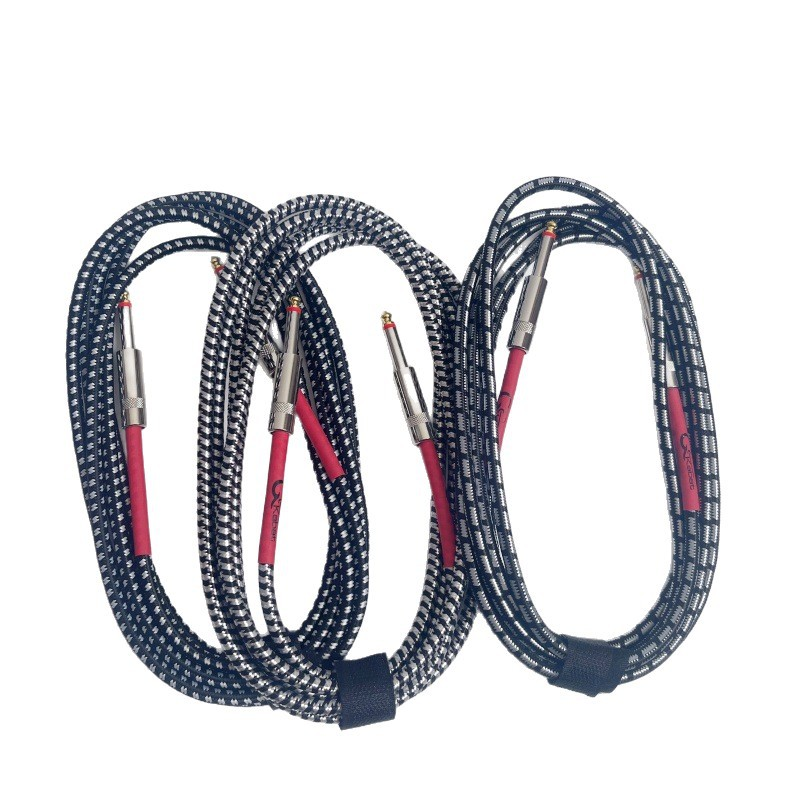
Braided Guitar Cable, 6.35mm Male to Male Noise Reduction Audio Cord for Bass, Instrument Connection Wire Wholesale
Compliance focus: shielded audio cable. Verify EMC/RoHS scope, conductor gauge, shielding continuity and DoC by SKU before retail listing.
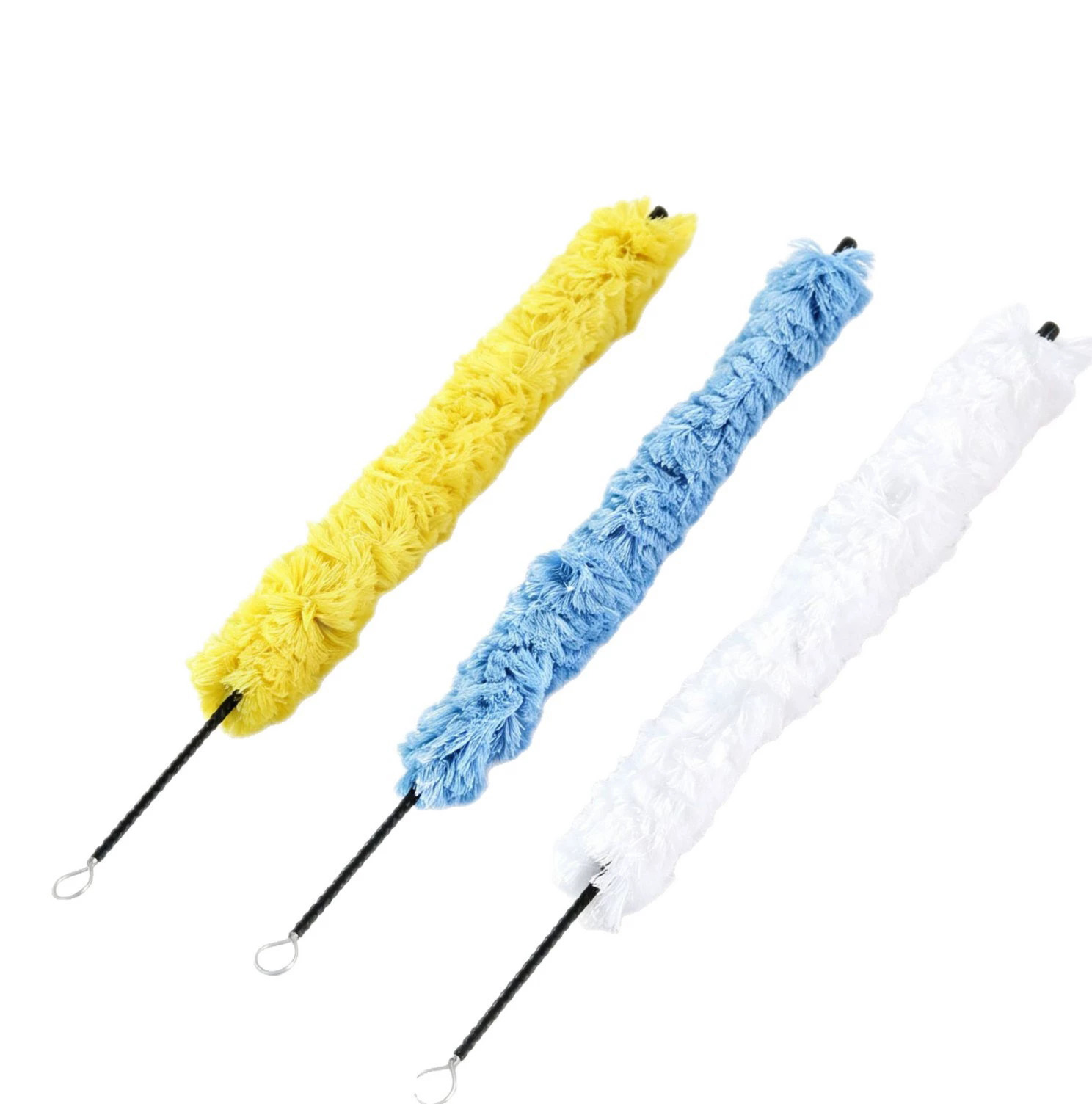
Flute bore cleaning brush flute brush cotton cleaning swab washable cotton thread cleaning stick white /yellow/ blue
Compliance focus: passive cleaning accessory; CE normally not applicable. Request dye migration, fiber shedding and packaging compliance documentation.
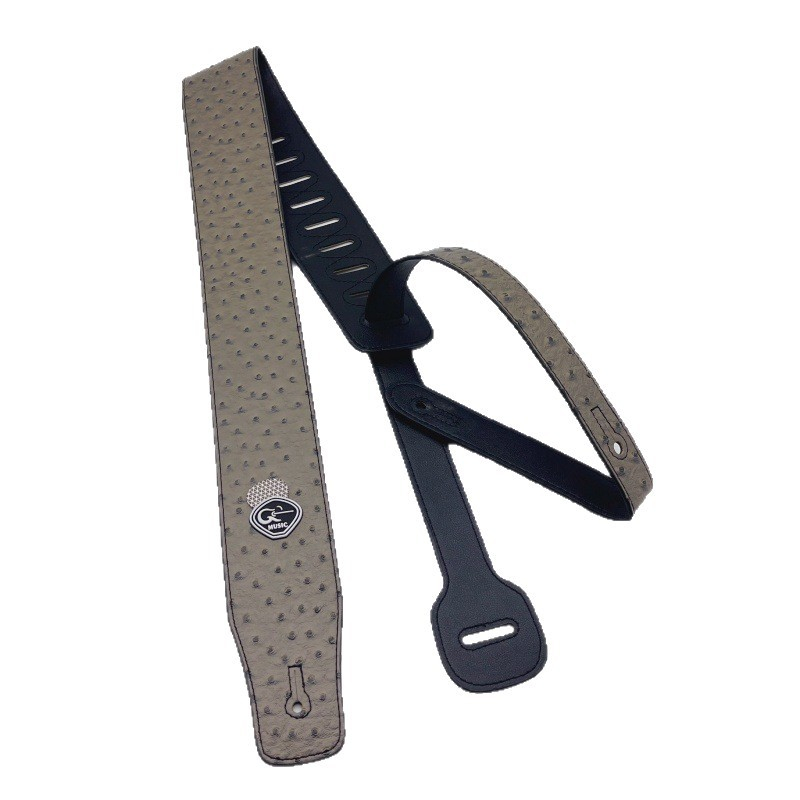
Genuine Leather Guitar Strap, Wide Wear-resistant Shoulder Strap, Dual-use Strap for Acoustic & Electric Guitar Wholesale
Compliance focus: CE usually outside scope. Prioritise REACH, chrome VI, PAHs, azo dyes and nickel release from metal hardware.
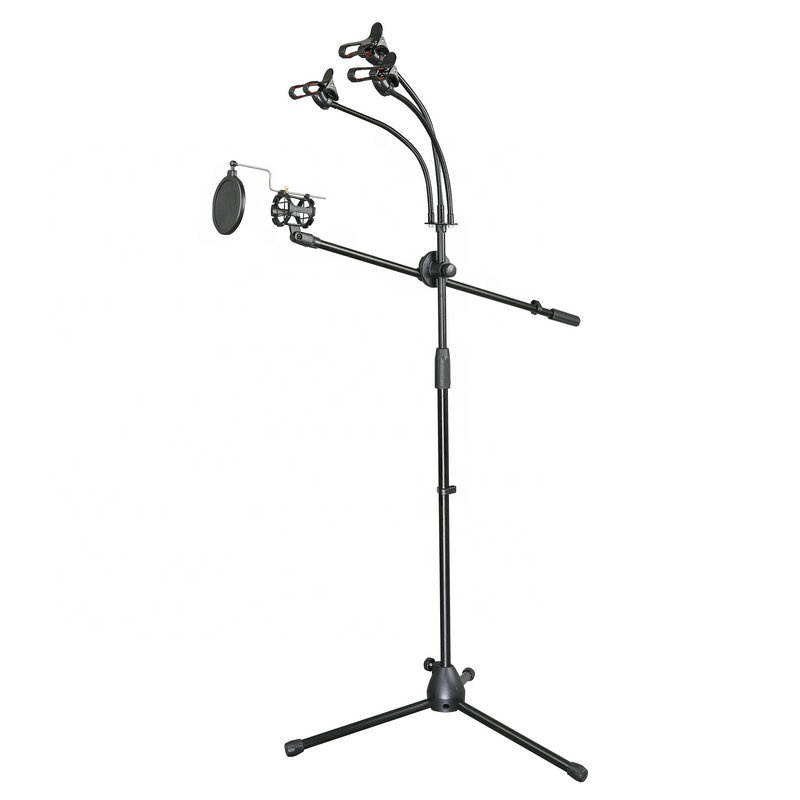
Three Mobile Phones with Horizontal Bars for Live Streaming, Floor Standing Three Legged Microphone Stand
Compliance focus: check load rating, anti-tip stability, finish RoHS where relevant and transit packaging for long-distance e-commerce.
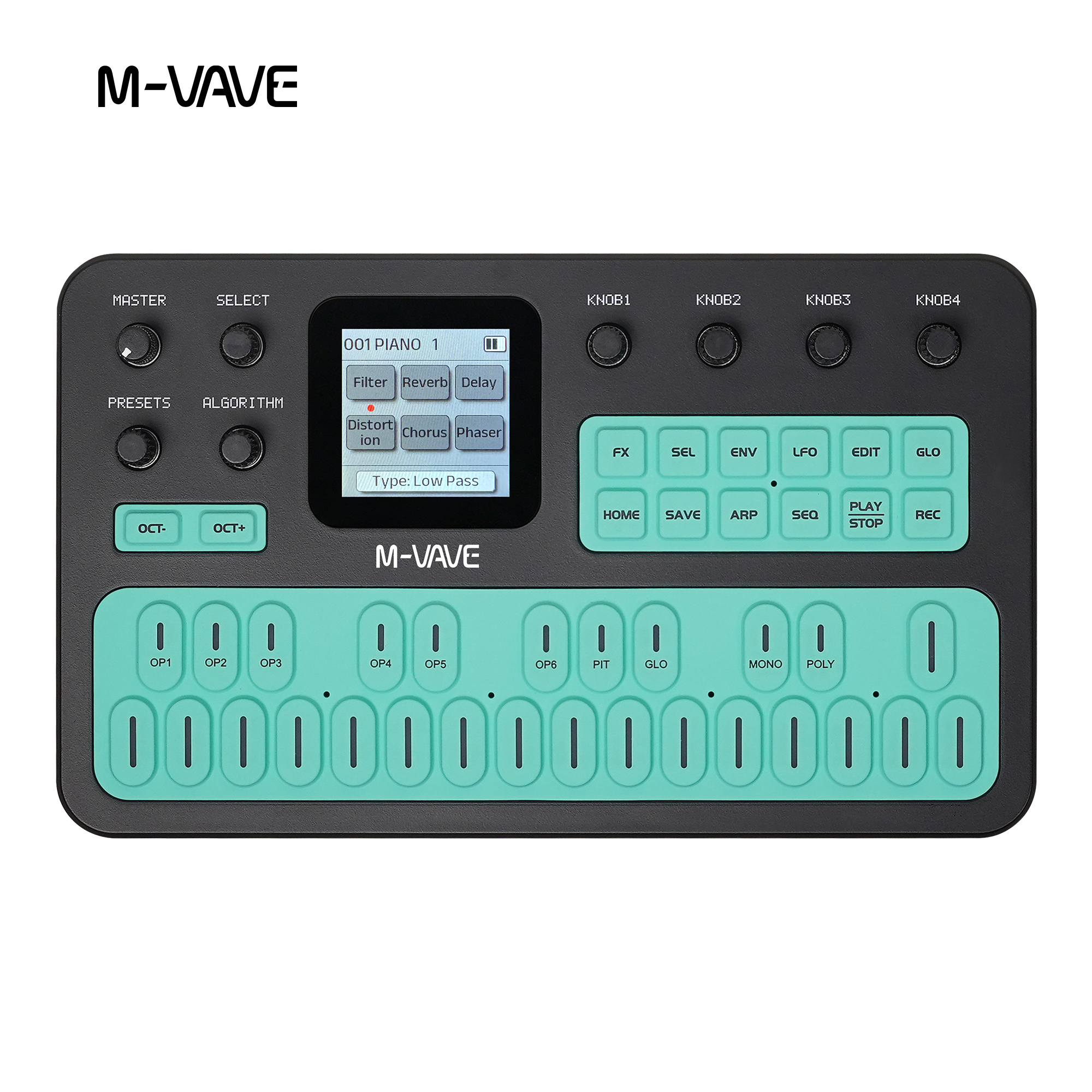
Factory Bestseller Portable M-VAVE FM-1 Synthesizer MIDI Digital FM Keyboard Screen Sequencer Arpeggiator Built-in Presets
Compliance focus: CE-EMC/RoHS and adapter LVD/ERP may apply. Confirm battery transport test, labelling and firmware version control.
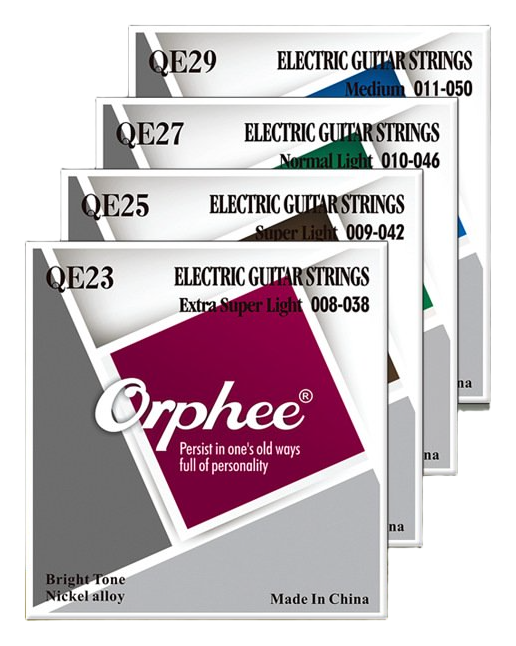
Wholesale Coated Nickel Core Electric Guitar String Set
Compliance focus: strings are not CE-marked. Request nickel release, tensile strength, coating durability and batch consistency data.
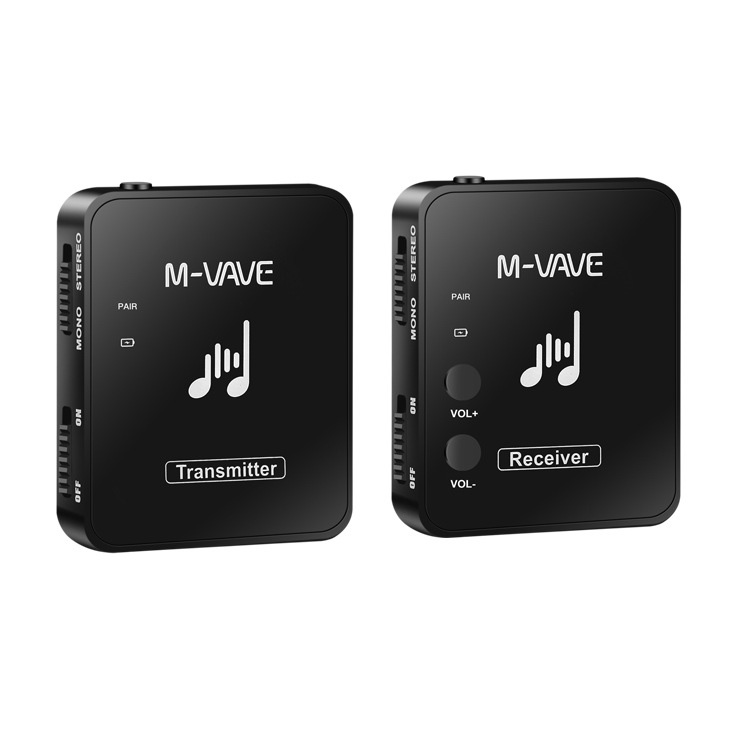
Wireless in Ear Monitor System Transmitter Receiver Mono Stereo Earback Set Guitar System
Compliance focus: CE-RED, EMC, RoHS, RF exposure and UN38.3 battery documentation may apply. Confirm destination frequency band.
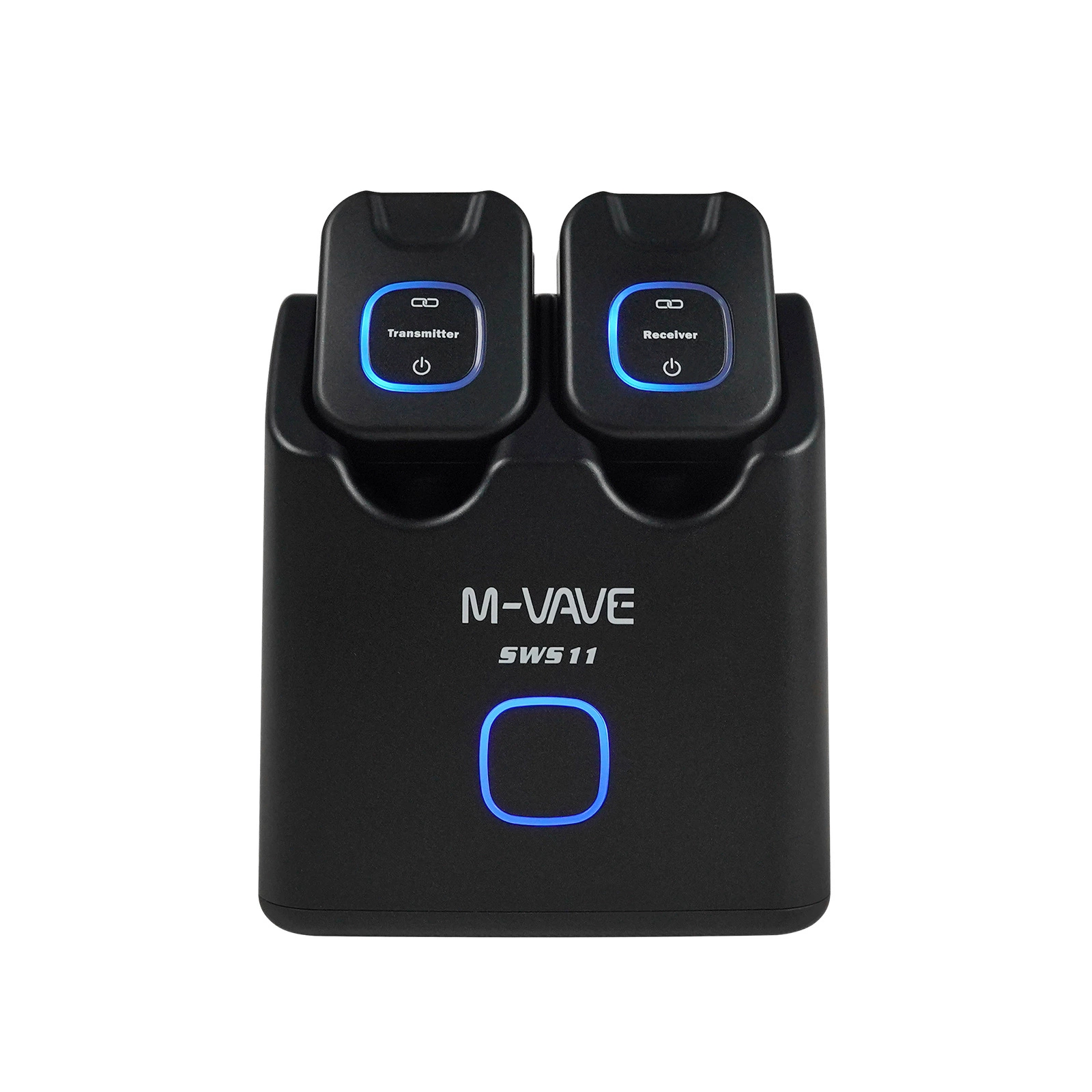
M-VAVE SWS11 2.4Ghz Wireless Guitar Audio System Rechargeable Transmitter Receiver with Charging Base
Compliance focus: CE-RED, EMC/RoHS, charger safety and battery transport tests. Verify latency, pairing stability and RF output.
CE Marking Is a Compliance System, Not a Logo on a Product Photo
The search phrase “CE Certified Guitar Accessories Manufacturers & Manufacturer” carries strong purchase intent, but it also contains a common misunderstanding.
Many buyers search for a “CE certified manufacturer” when they actually need a supplier that can prove the legal conformity route for each model. CE marking is a legal conformity mark for products covered by specific EU directives and regulations. It is not a general quality certificate, and it is not automatically applicable to every strap, brush, string set or passive accessory. A wireless guitar system, in-ear monitor, powered synthesizer, mains adapter, lithium battery or cable assembly may fall under EMC, RED, RoHS, LVD/ERP, battery or packaging requirements. A leather strap or cotton cleaning brush may be outside CE scope but still require REACH, PAHs, nickel release, azo dye or general product safety evidence.
For procurement teams, the practical answer is to move from supplier-level claims to SKU-level compliance evidence. Ask for the Declaration of Conformity, the technical file, test reports, label artwork, bill-of-materials traceability, EU responsible-person data where GPSR applies, and confirmation of which legal entity issues the DoC. If the supplier is a trading company, ask which factory produces the model and which entity holds the conformity documentation. This is not a paperwork exercise; it protects marketplaces, retail chains and distributors from listing suspensions, customs questions and liability exposure.
This is also where the WPI supply model becomes relevant. WPI International Trade Co., Ltd. (Huizhou) has exported musical instruments since 2010, established its Huizhou operation in 2014, and has been onsite assessed by Intertek. The company is transparent about operating as a multispecialty trading supplier with long-term factory partners. For buyers consolidating guitars, ukuleles, violins and guitar accessories, that can mean one commercial contact, mixed-category orders, low-MOQ sampling and finished-product inspection before shipment. However, an Intertek supplier assessment is not the same as a CE product certificate. Reliable sourcing requires both: verified supplier capability and product-specific conformity evidence.
Experience note from the export desk: the most common delays in accessory orders are rarely acoustic or playability failures. They are mismatched model numbers on the DoC, missing EU responsible-person details, packaging claims that cannot be substantiated, changed battery suppliers without new UN38.3 files, and outdated reports for a revised bill of materials.
What to Request by Product Family
Use this matrix as a buyer request list, not as legal advice. Final scope depends on product design, voltage, radio function, battery chemistry, intended user and destination market.
| Product family | CE route to verify | Documents to request | Common procurement risk |
|---|---|---|---|
| Braided instrument / audio cable | EMC / RoHS where applicable; assess connector, shielding and use | DoC, RoHS report, conductor and shielding specification, pull/bend test | “CE certified” claim without directive scope; inconsistent shielding |
| Genuine leather guitar strap | Usually outside CE; chemicals and general product safety matter | REACH SVHC, azo dye, chrome VI, PAHs, nickel release, material declaration | Using CE as a quality badge; no hardware traceability |
| Portable synth / powered keyboard | EMC, RoHS; LVD/ERP for mains adapter; battery rules where relevant | DoC, adapter CE report, battery UN38.3, MSDS, label artwork | Adapter BOM mismatch; old firmware or changed battery pack |
| Wireless guitar system / in-ear monitor | CE-RED, EMC, RoHS, RF exposure and battery compliance | RF test report, frequency-band list, DoC, UN38.3, MSDS, charger test | Wrong frequency band for destination; charging-base safety not covered |
| Live-streaming floor stand / tripod | Usually outside CE; mechanical safety and finish compliance should be checked | Load test, stability report, transit drop test, packaging specification | Unsupported load claims; tipping risk with multiple phones |
| Cotton cleaning brush / swab | Usually outside CE; material safety and packaging compliance apply | Material safety data, dye migration test, fiber-shedding check | Dye transfer; no batch traceability |
| Coated electric guitar strings | Not CE-marked; nickel release and environmental compliance matter | Nickel release test, tensile data, coating durability, REACH statement | Inconsistent coating; premature breakage and returns |
Reliability note: “CE certified” is often used loosely in B2B catalogues. For many products the manufacturer issues a self-declaration. For certain categories, a notified body may be involved. Always verify the exact directive, harmonised standards, test report dates, product photographs and label file before approving a purchase order.
How Guitar Accessory Buying Will Change Through 2030
Procurement is moving from lowest FOB price to verified landed compliance, replacement cost and sell-through stability.
Compliance-first RFQs
Certification documents will be requested with the quotation, not after PO approval. Suppliers that can provide DoC files, test reports, label artwork and EU responsible-person data faster will win preferred-vendor status.
SKU-level approval
Buyers will stop accepting broad “supplier is CE certified” statements. Each SKU will be mapped to directives, radio functions, battery type, adapter model, packaging material and report revision.
Low-MOQ testing plus scale-up
Brands need 1-piece sampling, 2–10 piece model MOQs and 20–600 set MOQs for strings and small accessories. Mixed-category orders let one buyer test accessories alongside guitars and ukuleles.
Digital traceability
Batch codes, factory name, production date, test-report links and packaging data will be linked to cartons. Marketplaces and large retailers increasingly require this during supplier onboarding.
Battery and packaging compliance
Rechargeable wireless accessories require UN38.3, MSDS and charger safety checks. Packaging will face EPR and PPWR reporting, making recycled paperboard and plastic reduction a purchasing criterion.
Total landed cost replaces FOB
Duty, testing, packaging tax, return rate and replacement shipping change the real cost. A slightly higher FOB price with stable quality and complete documentation is often cheaper than a low-price, high-risk order.
Where Guitar Accessories Are Going Next
These product directions are already visible in buyer requests across North America, Western Europe, Southeast Asia and South America.
Wireless ecosystems with charging bases
2.4GHz systems are evolving from simple plug-in transmitters to rechargeable sets with charging docks, USB-C, low-latency chipsets and multi-device pairing. RF, battery and EMC files become part of product differentiation.
Creator and live-stream accessories
Three-phone tripods, floor microphone stands and phone holders are converging with music accessories. Stability, load ratings, cable management and packaging protection are becoming the new quality metrics.
Longer-life consumables
Coated nickel strings and braided noise-reduction cables compete on replacement cycles. Buyers increasingly ask for salt-spray, pull-strength, shielding and coating adhesion data rather than generic “high quality” statements.
Personal monitoring for small venues
Wireless in-ear monitor sets are becoming retail-ready bundles for small venues, schools and content creators. CE-RED, RF exposure, battery transport and charger safety documentation are essential.
Lower-risk materials
Vegan leather, recycled packaging, low-VOC coatings and nickel-free hardware are moving from premium niches to mainstream RFQs. Material declarations and supplier transparency become a sales advantage.
Practice and content-creation tools
Portable synths, MIDI controllers and compact stands support the creator economy. Products with screens, sequencers or firmware require version control, adapter consistency and clear user documentation.
What Buyers Weight When Comparing Guitar Accessory Suppliers
Price still matters, but compliance evidence and low-MOQ flexibility increasingly decide whether a supplier reaches the shortlist.
Procurement priority signals in accessory RFQs
Based on WPI export experience and common buyer requests, these factors are frequently weighted before a trial order is placed.
A practical RFQ checklist
- Destination country, sales channel and target user age.
- Model number, battery type, adapter model and radio frequency.
- Required DoC, EMC, RED, RoHS, REACH, UN38.3 or FCC files.
- Logo, packaging artwork, barcode, warning text and language.
- Sampling quantity, model MOQ and mixed-order confirmation.
- Inspection standard, packaging drop test and shipping terms.
Why WPI International Trade Co., Ltd. (Huizhou) Fits CE-Ready Programs
WPI combines musical instrument category breadth with export experience, low-MOQ customization and an Intertek-assessed supplier profile.
Our team began exporting musical instruments from Hong Kong in June 2010 and established the Huizhou, Guangdong operation in 2014. The company now has 28 people, 22 of them in trading and export roles. Main markets are North America, Western Europe, Southeast Asia and South America. Third-party assessment context includes US$9,000,000 annual export sales, 952 orders shipped in the last six months, a 97.73% inquiry response rate and a 4.6/5 average buyer rating. WPI has also been onsite assessed by Intertek and exhibited at Shanghai and Guangzhou music shows annually from 2014 to 2019.
For guitar accessories, this matters most in the gap between factory production and retail-ready supply. WPI supports sample-based customization, minor customization such as logo and packaging, design-based customization and full customization. Typical MOQs can start from 1 piece for sampling, 2–10 pieces per model for instruments and 20–600 sets for strings and small accessories. Mixed-category orders are welcome, so a buyer can consolidate cables, straps, stands, strings, wireless systems and instruments in one shipment.
- Intertek onsite assessment; finished-product inspection before delivery.
- OEM / ODM support across logo, packaging, design and full customization.
- Payment terms include T/T, L/C, D/P, D/A, credit card, PayPal, Western Union and escrow.
- Delivery terms include FOB, CFR, CIF, EXW, DDP, DDU, express and other options.
Transparency is part of E-E-A-T. Many buyers search for a “manufacturer” when they actually need an export partner coordinating several production sites. WPI identifies as a multispecialty trading company. If your tender requires the legal manufacturer to hold CE documentation, ask WPI to map each SKU to the production site and DoC holder before PO. That exposes the real compliance owner and avoids fake factory claims.
Review the WPI company profile or open the supplier assessment page before requesting quotation.

Verified supplier credibility
Intertek onsite assessment, transparent company details and product-specific documentation requests reduce buyer risk before the first order.
Low-MOQ mixed orders
Test multiple accessory lines without overstocking. Sample from 1 piece, scale model orders and combine categories in one shipment.
Inspection before shipment
Finished-product inspection covers appearance, hardware, tuning stability, function and packaging before goods leave the supply chain.
One-stop export support
Guitars, ukuleles, violins, saxophones, drums, keyboards and accessories can be consolidated with flexible payment and delivery terms.
From Buyer Brief to Inspected Shipment
A typical private-label accessory project follows six practical checkpoints.
Brief
Share target market, model, materials, logo, packaging and required compliance files.
Proposal
WPI matches factory partners, recommends specifications and confirms MOQ and sampling cost.
Sampling
Pre-production samples are made for approval of look, function, labels and packaging.
Production
Mass production proceeds with in-process checks and approved bill-of-materials control.
Inspection
Finished-product inspection checks appearance, function, hardware and packaging before packing.
Shipping
FOB, CIF, DDP or express delivery is arranged according to the buyer’s landed-cost plan.
CE Certified Guitar Accessories Procurement FAQ
Direct answers for importers, distributors, retailers, schools and private-label brands.
Does every guitar accessory require CE marking?
No. CE marking applies only to products covered by specific EU directives or regulations. A passive leather strap, cotton cleaning brush or basic guitar string set is usually outside CE scope. Powered products, wireless transmitters, in-ear monitors, mains adapters and certain cable assemblies need a directive-by-directive review. Buyers should request confirmation of scope rather than accepting a generic “CE certified” statement.
What is the difference between CE marking and a CE certificate?
For many products, CE marking is based on the manufacturer’s own conformity assessment and Declaration of Conformity. A third-party “CE certificate” may be a voluntary test certificate, not proof that the product legally bears CE. For certain higher-risk categories, a notified body may be involved. Always check the directive, harmonised standards, test report scope, DoC and product label together.
What documents should I request from a CE certified guitar accessories manufacturer?
Request the Declaration of Conformity, technical file summary, applicable test reports, RoHS and REACH statements, RF test data for wireless products, battery UN38.3 and MSDS files where relevant, label artwork, EU responsible-person information for GPSR, and traceability from model number to factory and production batch.
Are wireless guitar systems and in-ear monitors CE compliant?
They may fall under CE-RED, EMC, RoHS, RF exposure and battery rules. Confirm the transmitter frequency band, output power and destination country, because a model compliant in one market may be unsuitable in another. For the United States, FCC requirements may also apply. Ask for RF reports, DoC, charger test data and battery transport documents by SKU.
Can WPI supply low-MOQ OEM guitar accessories with custom logo and packaging?
Yes. WPI supports sample orders from 1 piece for many items, typical model MOQs of 2–10 pieces, and 20–600 sets for strings and small accessories. OEM customization can cover logo, packaging and graphics, sample-based customization, design-based customization and full customization. MOQ depends on material, printing method and factory production setup.
How do you control quality before shipment?
Every order goes through finished-product inspection before delivery, covering appearance, hardware, function, tuning or pairing stability where relevant, label accuracy and packaging condition. WPI has also been assessed onsite by Intertek. Product inspection does not replace CE testing, but it reduces commercial risk from visible defects and packing errors.
Which payment and delivery terms are available?
Payment methods include T/T, L/C, D/P, D/A, MoneyGram, credit card, PayPal, Western Union, cash and escrow. Delivery terms include FOB, CFR, CIF, EXW, FAS, CIP, FCA, CPT, DEQ, DDP, DDU, DAF, DES and express delivery. Payment currency and terms are confirmed with the quotation.
Which markets does WPI export to, and how should I start an inquiry?
WPI’s main markets are North America, Western Europe, Southeast Asia and South America. To start, send your target market, product type, model reference, quantity, logo or packaging requirement and the compliance documents you need. The export team can recommend models, confirm MOQ and map the factory and documentation route. Company address: 2313, Saige Building, Huizhou, Guangdong, China. Email: info@wpimusic.com.
Build a CE-Ready Guitar Accessory Range With Fewer Compliance Surprises
Tell WPI your target market, product categories, estimated quantities, packaging requirements and the compliance documents you need. The team will recommend suitable models, confirm MOQ and outline sampling, inspection and shipping steps.