8 Active Products Buyers Can Consolidate With Classical Guitar Orders
Classical guitar orders rarely travel alone. Retailers add teaching aids and accessories; schools combine nylon-string guitars with percussion and keyboards; online sellers test adjacent high-margin items in the same container. The eight live products below are displayed with their original images and exact source URLs, making them suitable for a consolidated RFQ. For a classical-guitar-only enquiry, specify scale length, nut width, top material, neck profile, action at the 12th fret, finish, pickup system, logo method and destination-market documents.

Orff Percussion Melody Bell 8-Note White Push Bell Colorful Push Chime Kindergarten Early Music Teaching Aid 8 tones bell
A low-risk classroom item for school bundles, teacher catalogues and mixed-carton orders.
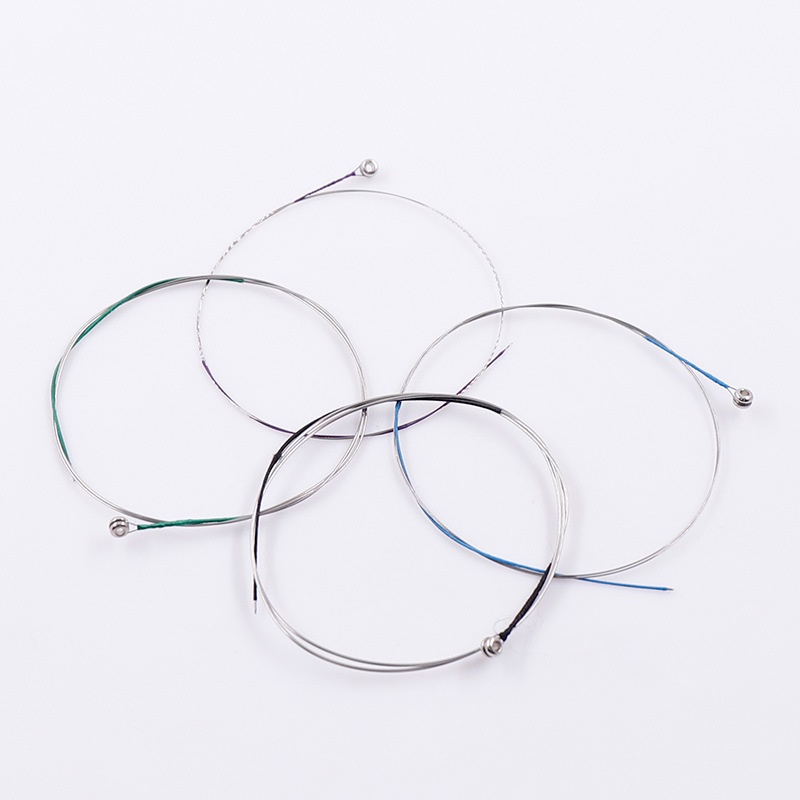
Silver Steel Violin Strings Loose Set for Classical Guitar Wholesale Guitar Parts Accessories
A practical replenishment line for dealers that sell guitars, accessories and student care kits.
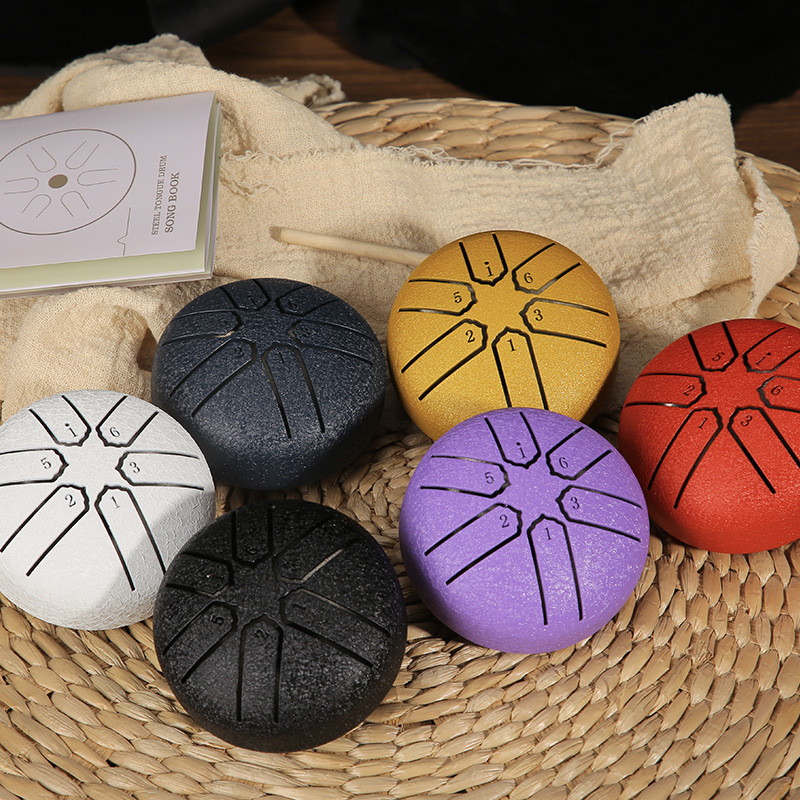
3 Inch 6 Notes Mini Steel Tongue Drum, Easy Learn Percussion Instrument, Kids Hand Drum Toy for Boys Girls Wholesale
Useful for gift shops, toy channels and music discovery bundles alongside entry-level guitars.
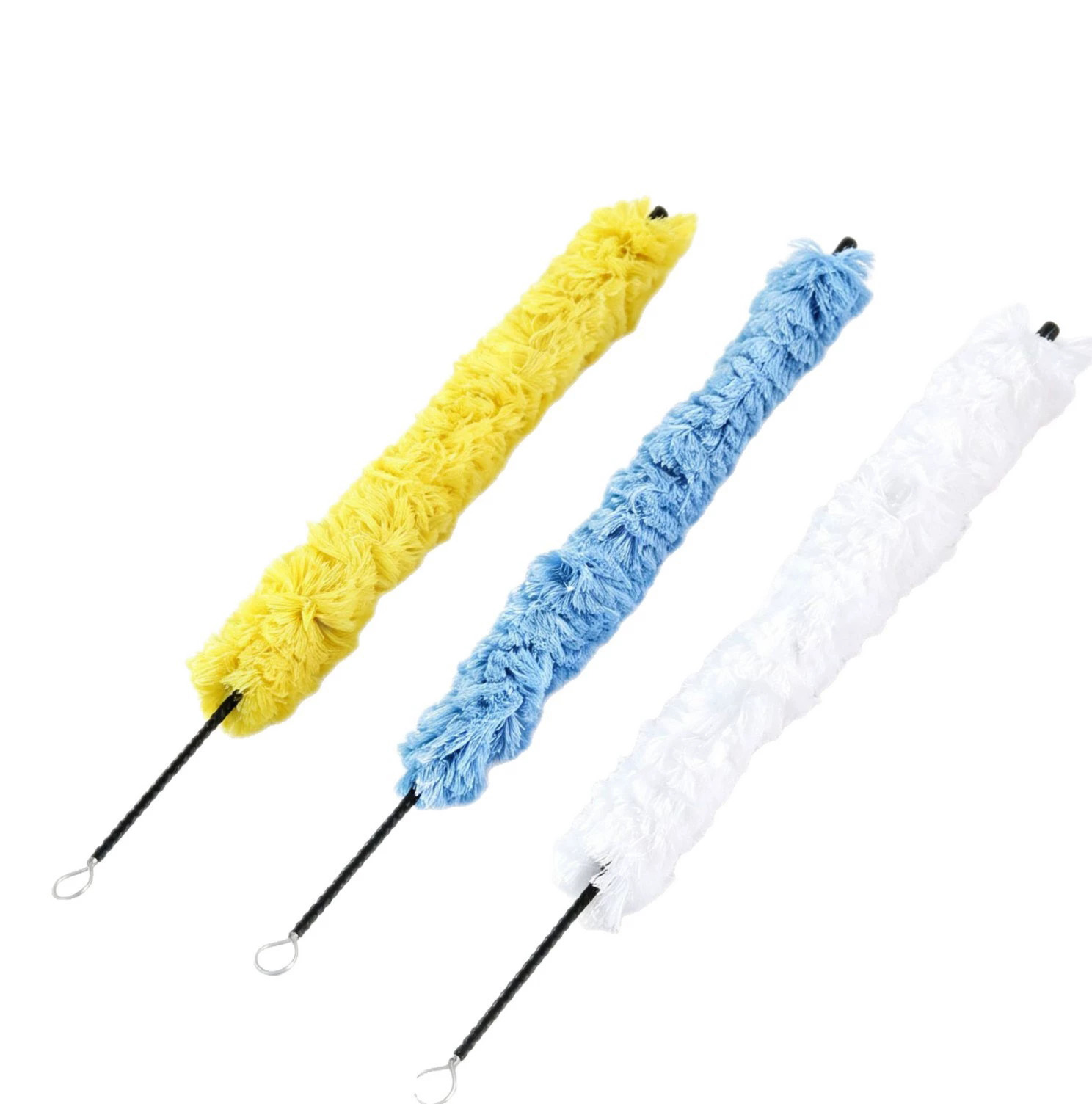
Flute bore cleaning brush flute brush cotton cleaning swab washable cotton thread cleaning stick white /yellow/ blue
A small, light accessory that helps fill cartons and support instrument care merchandising.
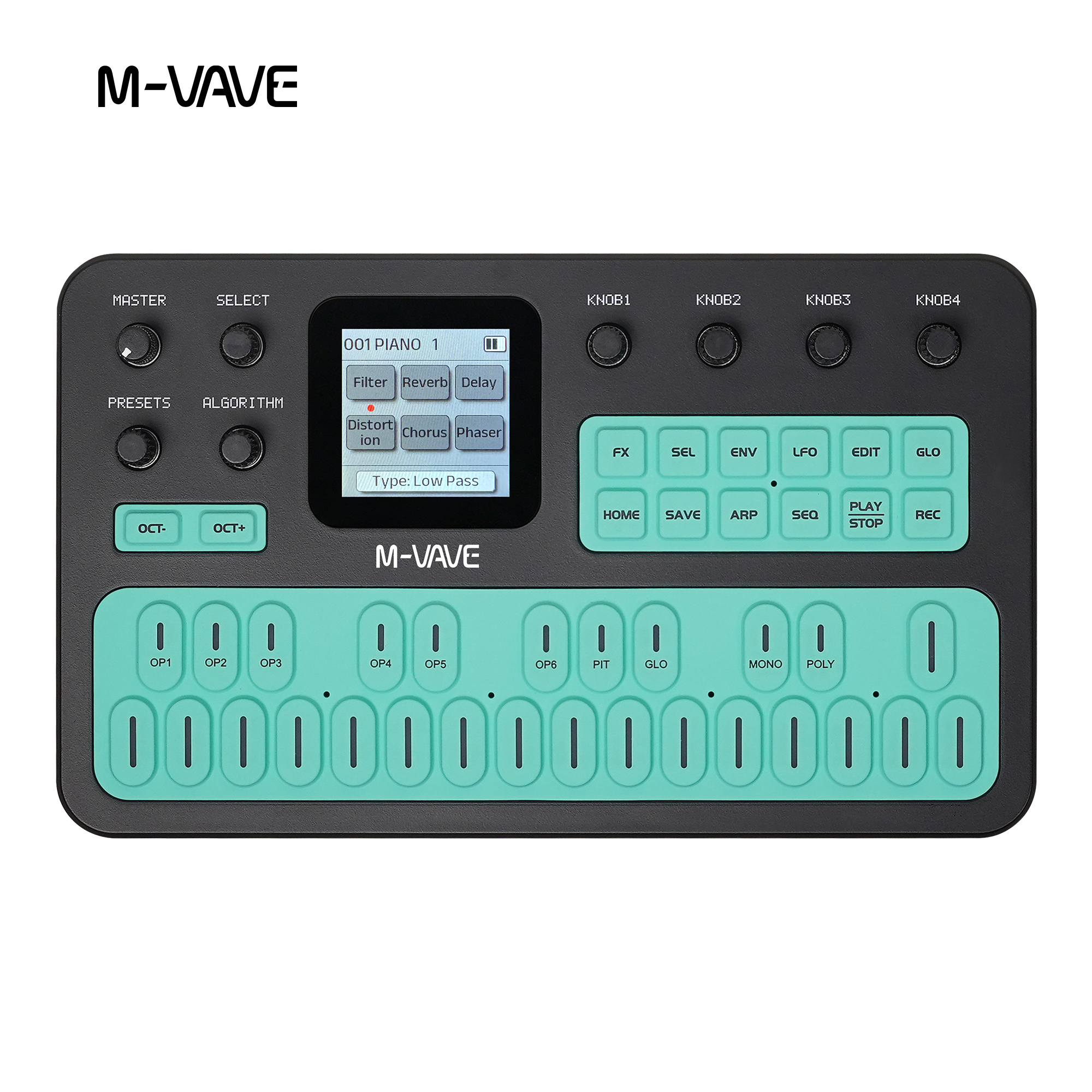
Factory Bestseller Portable M-VAVE FM-1 Synthesizer MIDI Digital FM Keyboard Screen Sequencer Arpeggiator Built-in Presets
A higher-value electronics item for music stores, content creators and modern band programmes.
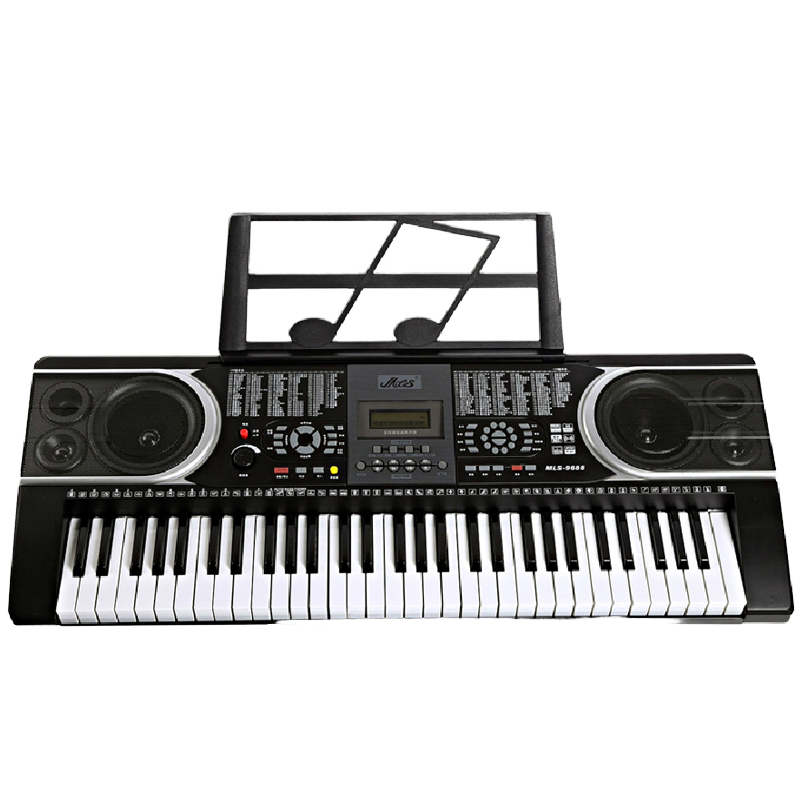
Professional Teaching Electronic Keyboard 61 Standard Keys
A natural cross-sell for education buyers that already stock nylon-string guitars and percussion.
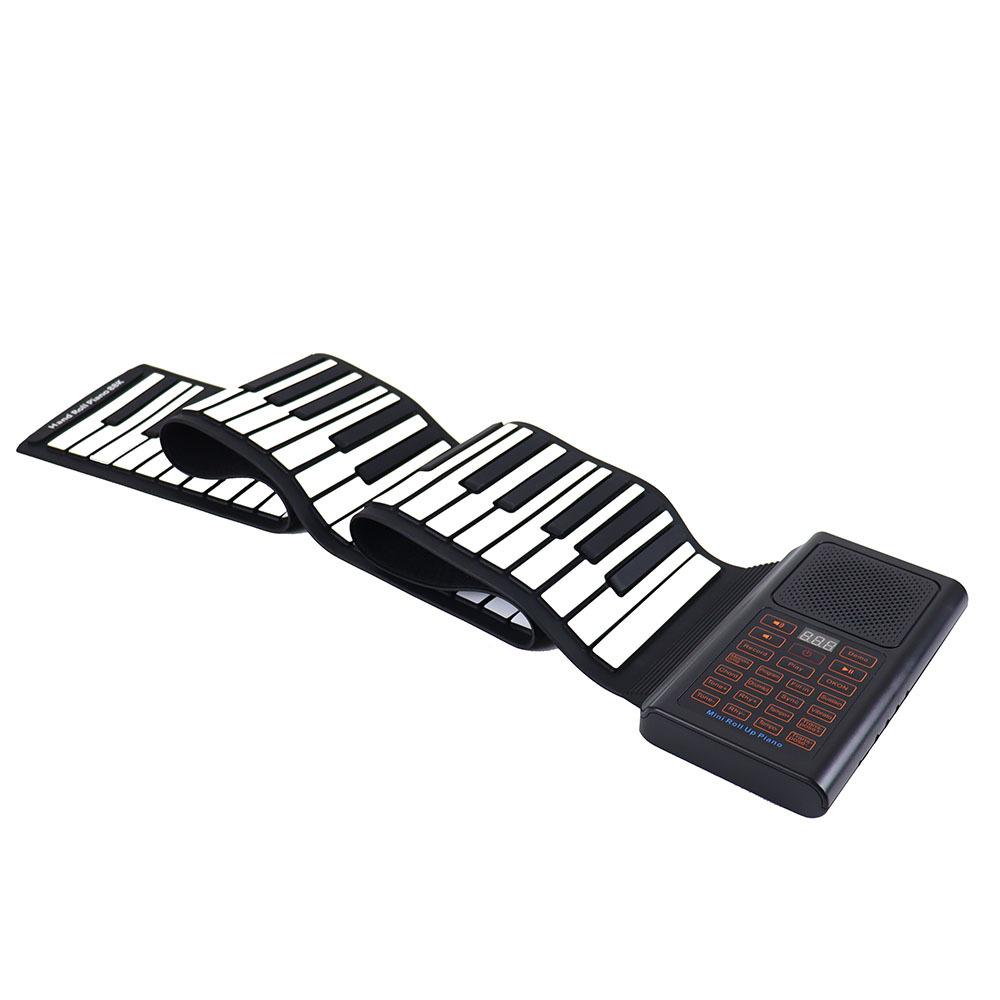
Wholesale 88-Keypad Keyboard Portable Digital Piano Foldable Entry-Level Soft Hand-Rolled Piano
A compact, high-volume online item that can travel in the same shipment as guitar accessories.
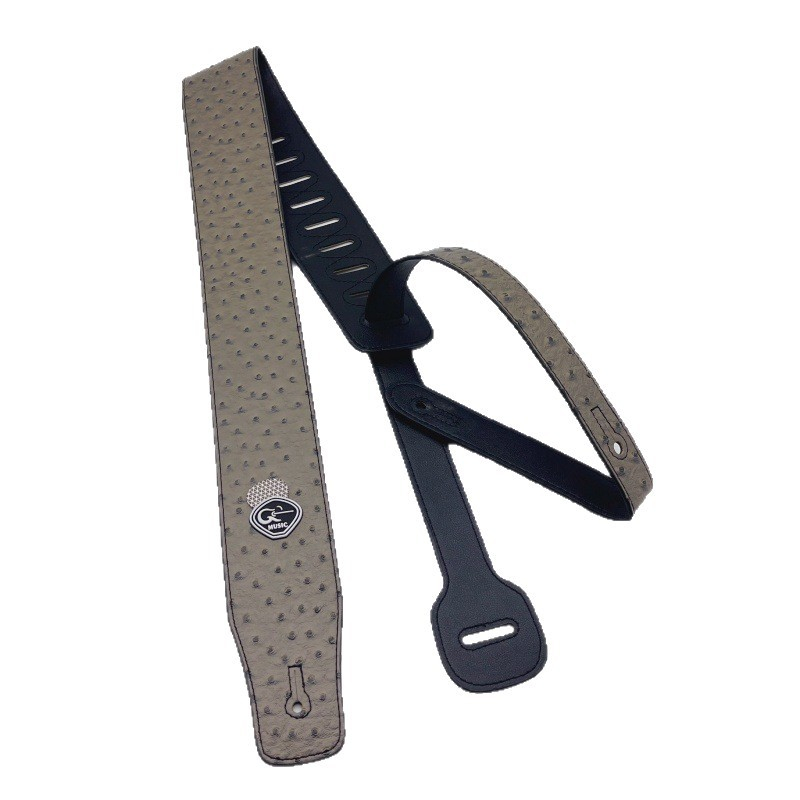
Genuine Leather Guitar Strap, Wide Wear-resistant Shoulder Strap, Dual-use Strap for Acoustic & Electric Guitar Wholesale
A strong accessory attach-rate item for guitar retailers, especially when offered with a student outfit.
All eight links above retain the original product URLs. If a requested classical guitar model has no published URL yet, route the request through the Contact Us button so the team can match a current workshop model and share the relevant CE documentation list.
What “CE Certified Classical Guitar Supplier” Should Mean in 2026
Search demand for CE certified classical guitar suppliers usually hides a more precise buying question: can the exporter provide the right conformity evidence for the exact model I intend to sell? CE marking is not a factory certificate. Under EU market rules, the manufacturer or importer places CE marking on the product after building a technical file, carrying out conformity assessment where required, and issuing an EU Declaration of Conformity.
Model-Specific Declaration of Conformity
A credible CE file names the exact classical guitar model, size, finish, hardware and electronics. It should link to the relevant test reports and be dated for the version you intend to import.
Materials & Restricted Substances
Finishes, plastics, straps, bags and packaging may require REACH, EN 71-3 or packaging documentation. For school and children’s channels, heavy-metal migration and small-parts risk deserve early attention.
Electronics Compliance
Electro-classical models with preamps, tuners or Bluetooth require EMC and RoHS evidence. Battery compartments, shielding, knobs and output jacks should be checked as part of the same technical file.
Packaging & GPSR Readiness
EU buyers increasingly ask for responsible-person details, warnings, language versions, product identifiers and traceability. Retail packaging should be reviewed together with the guitar, not after the purchase order.
Production Traceability
A well-managed order tracks workshop, batch, bill of materials, artwork, packing version and inspection result. That traceability is what allows an exporter to repeat a compliant classical guitar programme across seasons.
Pre-Shipment Evidence
Finished-product inspection should cover appearance, hardware, tuning stability, action, electronics function and packaging. Photographs, measurement records and carton checks reduce disputes before shipment.
Buyer takeaway: ask for the Declaration of Conformity that names the model, the test report reference and the issue date. A generic ISO certificate is not a substitute for product conformity, and a CE logo printed on a catalogue is not evidence that the exact guitar you ordered has been assessed.
Recommended Classical Guitar Assortment by Market
Classical guitar assortments should be built around player progression, not around a single best-selling size. The full-size 39-inch nylon-string guitar covers adult beginners and schools, while 38-inch and smaller instruments reduce reach for younger players. For most importers, a three-tier assortment is more profitable than a flat catalogue: an opening-price laminate guitar, a school-ready outfit, and a step-up solid-top model that supports higher retail margin.
Opening-Price 39-Inch Classical
Laminated linden or basswood, gloss or matte finish, comfortable action and stable tuning. Target marketplaces and first-time buyers with a sample-first MOQ of 1 piece and a production MOQ of 2–10 pieces per model. Compliance focus: finish, plastic parts, packaging, DoC.
School & Education Bundle
39-inch nylon-string guitar with gig bag, spare strings, tuner and cleaning cloth. Schools value consistent action, humidity-tolerant storage and batch consistency more than decorative timber. Offer 38-inch and smaller sizes where available for younger learners.
Step-Up Solid Spruce Top
A solid spruce top, bone nut and saddle, improved fretwork and a controlled matte finish create a visible upgrade for retail. Target players moving from a first guitar to a serious practice instrument; measure action at the 12th fret and approve the sample before production.
Electro-Classical for Stage & Online
38-inch or 39-inch cutaway body with preamp and tuner, low-feedback pickup, tested battery compartment and reliable output jack. For EU buyers, pair the sample with EMC and RoHS evidence, and test packaging for online retail.
| Positioning | Recommended Build | CE / EU Focus | Purchasing Note |
|---|---|---|---|
| Volume entry | 39-inch laminated body, 650 mm scale, 52 mm nut, gloss or matte, nylon strings | DoC, EN 71-3 / REACH where applicable, packaging language and traceability | Test 1–2 colourways; keep MOQ low and request a setup standard. |
| Education | 39-inch and compact sizes, durable bag, spare strings, tuner, neutral branding | Heavy-metal migration, small parts, warnings, batch consistency | Approve action and tuning stability across a 10-piece pre-production sample. |
| Retail step-up | Solid spruce top, improved fretwork, bone nut/saddle, matte finish, upgraded strings | Wood declaration check, CITES review where relevant, model-specific DoC | Use origin and material stories only when documents support them. |
| Stage / online | Cutaway electro-classical, preamp with tuner, controlled feedback, retail box | EMC, RoHS, battery, drop test, GPSR information | Test electronics function and packaging before scaling the SKU. |
Classical Guitar Procurement Trends for 2026–2030
Purchasing behaviour is shifting from price-first to evidence-first. The strongest importers now run parallel tracks: a low-MOQ supplier for market tests, a compliance-ready supplier for scale, and a second source for risk. Classical guitars are labour-intensive, sensitive to humidity and setup, and increasingly sold through content-rich online channels. These realities are reshaping RFQs for the next five years.
Compliance-First RFQs
Buyers are asking for DoC samples, test report scope, packaging artwork and responsible-person data before confirming a PO. Suppliers that treat compliance as a repeatable process will shorten approval cycles.
Low-MOQ & Mixed Containers
Retailers want to test several body sizes, finishes and pickup options without overstocking. Mixed-category consolidation with accessories, keyboards and percussion remains a practical way to hit freight bands.
China-Plus-One, Not China-Away
Classical guitar production depends on woodworking, finishing, fretwork and setup skills that are still concentrated in established instrument clusters. Many buyers are adding a second region for risk while keeping China for model depth and component availability.
Digital Shelf Readiness
Marketplace sellers need clean product images, measured action, weight, scale length, carton dimensions and after-sales content. Suppliers that provide accurate data reduce listing friction and return rates.
White-paper implication: buy compliance as a process, not as a file. The supplier that can repeat the same documentation, setup standard and packaging across models will reduce launch risk more than a supplier offering a one-off lowest quote.
Where Classical Guitar Design Is Moving Next
The classical guitar is a traditional product, but the commercial specification is changing. Buyers want instruments that survive modern logistics, support online content, and offer clear upgrade steps without alienating teachers who care about tone and playability.
Solid Spruce Tops Move Down-Market
More mid-tier classical guitars now use solid spruce tops to create a visible upgrade from laminate entry models. Importers can separate opening price and step-up ranges with clearer tonal and visual stories.
Thinner Matte & UV-Cured Finishes
Finish systems are being tuned for a less sticky feel, faster production and better humidity tolerance. Matte and satin looks also photograph well for online retail.
Electronics as Retail Features
Preamps with tuners, phase control and simple tone shaping are becoming selling points. Every added electronic function increases the need for EMC, RoHS and battery documentation.
Stable Materials & Reinforced Necks
Humidity-stable laminates, controlled wood moisture and reinforced neck constructions help reduce action drift during container shipping and warehouse storage.
Sustainable Wood & CITES Transparency
Retailers and schools increasingly ask about species, origin and restricted materials. Suppliers need to document substitutions and avoid unsupported sustainability claims.
Retail-Ready Packaging & Content
Drop-tested cartons, clear model labels and QR-linked care guides help online sellers reduce damage claims. Packaging is now part of product development, not an afterthought.
How to Verify a CE-Focused Classical Guitar Exporter
Supplier due diligence for classical guitars must check both product conformity and instrument-specific quality. A supplier can be good at export paperwork and still ship guitars with unstable action or poor fretwork. Use a two-part scorecard: compliance evidence and factory execution.
Buyer Verification Checklist
- Legal entity, factory relationship and export history are clear.
- Model-level DoC names the classical guitar, size, finish and version.
- Test reports cover the relevant materials, finishes and packaging.
- Electro-classical models have EMC, RoHS and battery evidence.
- Sample action, neck relief and fretwork are measured and approved.
- Humidity control and packing method are documented.
- Carton drop test, label artwork and traceability are checked.
- MOQ, replenishment lead time and spare-parts support are confirmed.
- Payment, delivery terms and pre-shipment inspection are written into the order.
- After-sales response time is tested before scale production.
WPI Evidence Buyers Can Review
- Company base WPI International Trade Co., Ltd. (Huizhou), with origins in 2010 and Huizhou operations from 2014.
- Team scale 28 people, including 22 in trading and export roles, supporting importers, distributors, retailers and schools.
- Third-party assessment Intertek onsite assessment, finished-product inspection before delivery and reviewed trade capacity.
- Trade snapshot US$9,000,000 annual export sales; 952 orders in the last six months; 4.6/5 average buyer rating.
- Main markets North America, Western Europe, Southeast Asia and South America.
- Customization Sample-based, minor, design-based and full customization capabilities, including logo, packaging and graphics.
- Low-MOQ testing Many instruments can start from 1 piece for sampling; typical model MOQs are 2–10 pieces; accessories commonly range from 20–600 sets.
- Trade terms T/T, L/C, D/P, D/A, credit card, PayPal, Western Union and other methods; FOB, CIF, EXW, DDP and express delivery are available.
Why WPI Is a Practical Partner for Classical Guitar Programmes
WPI is not a single factory; it is a Huizhou-based export partner coordinating a network of long-term Guangdong workshops. That model is useful for classical guitar buyers because it combines multi-category consolidation with low-MOQ testing and named account management. It also means the right first question is not “how many guitars can you make?” but “how will you control the model, the setup and the documents across repeated orders?”
12+ Years of Export Experience
Active in the musical instrument trade since 2010, with Huizhou operations established in 2014. Annual export sales are assessed at US$9 million, and the team has exhibited at Shanghai and Guangzhou music shows.
Intertek-Assessed Quality Control
Onsite assessment covers premises, capabilities and trade profile. Finished-product inspection before delivery checks appearance, hardware, playability and packaging, which is essential for classical guitars that depend on setup quality.
Low-MOQ, Sample-First Sourcing
Many guitars, ukuleles, violins and saxophones can be sampled from 1 piece, with typical model MOQs of 2–10 pieces. This allows importers to test classical guitar sizes, finishes and pickup options without overcommitting.
OEM & ODM Customization
Capabilities include sample-based customization, minor customization such as logo and packaging, design-based customization and full customization. Classical guitar programmes can therefore align headstock branding, soundhole labels, bags, cartons and manuals.
One-Stop Mixed Containers
Guitars, ukuleles, violins, drums, keyboards and accessories can be consolidated with supporting documentation. This reduces supplier management load for distributors serving schools, gift shops and online catalogues.
Named Account Support
A dedicated account team follows the order from quotation through inspection and after-sales. The 97.73% response rate and 4.6/5 buyer rating provide a practical starting point for supplier comparisons.
Brief & Compliance Matrix
Define target market, size mix, top material, pickup requirement, logo method and documents.
Model Match & Quotation
Match workshop capability, MOQ, price band and packaging options to the brief.
Sample & Setup Approval
Measure action, check fretwork, electronics and finish, then approve the golden sample.
Production & In-Process Checks
Control materials, artwork, humidity and assembly before the final batch is packed.
Finished-Product Inspection
Review appearance, playability, hardware, electronics and carton quality.
Documents & Shipping
Prepare export documents and arrange FOB, CIF, DDP or express shipment terms.
Classical Guitar Sourcing FAQ
These are the questions most often raised by importers, distributors, schools and private-label brands when comparing CE-focused classical guitar suppliers.
Are your classical guitars CE certified?
CE marking applies to the product/model and its technical documentation, not to an exporter as a blanket status. For eligible classical guitar models, WPI prepares a model-level documentation package that can include a Declaration of Conformity, test-report references, RoHS/REACH checks for relevant materials, EMC evidence for electro-classical models and packaging information. The exact CE claim is confirmed per model before order.
What is the MOQ for wholesale classical guitars?
Many instruments can start from 1 piece for sampling. Typical wholesale MOQs are 2–10 pieces per classical guitar model, while strings and small accessories often range from 20–600 sets depending on the item. Mixed-category orders are welcome, which helps buyers test a size and finish range without overstocking.
Which sizes should a first classical guitar order include?
Start with a 39-inch full-size nylon-string model for adults and schools, add a 38-inch or compact option for smaller players where available, and include one step-up solid-top model or electro-classical model to test higher retail price points. Four well-chosen SKUs usually teach you more than a large, unfocused order.
Solid spruce top or laminate for my market?
Laminate classical guitars are stable, cost-effective and suitable for entry-level retail, schools and online marketplaces. A solid spruce top supports a step-up story with better tonal development and higher perceived value, but it requires more careful humidity and storage control. Many importers stock both and use clear price tiers.
How is action and humidity controlled before shipment?
The approved sample defines the setup standard, including action at the 12th fret, neck relief and fretwork. Production checks should review these measurements after humidity stabilisation and again before packing. For destination markets with dry winters or humid summers, the supplier should advise on storage and include care guidance in the packaging.
Can you provide OEM logo, headstock and packaging customization?
Yes. Intertek-assessed capabilities include sample-based customization, minor customization such as logo and packaging, design-based customization and full customization. For classical guitars, common options include headstock branding, soundhole labels, bag labels, carton artwork, manual language versions and retail-ready photo support.
What documents can be provided for EU import?
Depending on the model and destination, documents may include a Declaration of Conformity, test-report references, REACH/RoHS evidence, EMC documentation for electronics, packaging and responsible-person information, CITES review where relevant, commercial invoice, packing list and bill of lading. The document list should be agreed before production.
What are the payment, delivery and lead-time terms?
Accepted payment methods include T/T, L/C, D/P, D/A, credit card, PayPal, Western Union, cash and escrow. Delivery terms include FOB, CFR, CIF, EXW, CIP, DDP and express delivery. Lead time depends on model, MOQ, customization and inspection schedule; a sample-first schedule is recommended for new classical guitar programmes.
Request a CE Documentation Checklist & Classical Guitar Quote
Send your target market, 39-inch/38-inch mix, solid or laminate top preference, pickup requirement, logo method and estimated first-order quantity. The team can reply with model options, MOQ, lead time, trade terms and the document list required for your market.