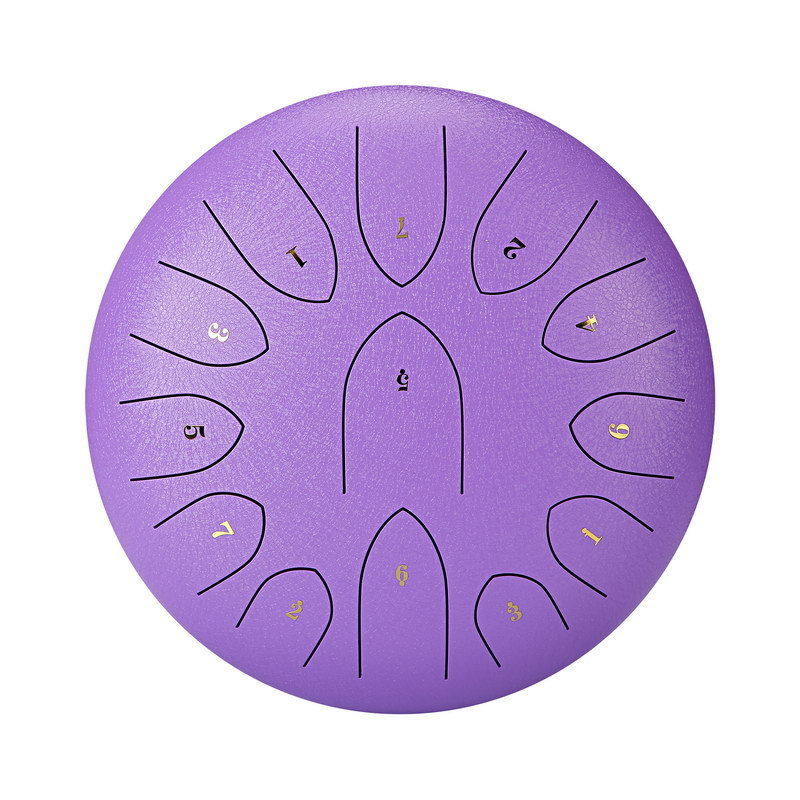
Gift & Wellness Bundle
14 Inch Steel Tongue Drum, Handpan Drum, Mini Tank Drum Percussion Instrument, Complete Gift Set Wholesale
Gift-set percussion item for music therapy, yoga, education, and retail bundles.
Buyers searching for CE certified acoustic guitar strings factories & supplier are usually trying to solve four problems at once: verify that the supplier understands EU documentation, protect string tone and gauge consistency, secure private-label packaging, and avoid committing to a full container before testing the market. The commercial intent is clear — this is not a simple product lookup. It is a supplier-qualification search.
One important technical point is often missed: acoustic guitar strings themselves are not generally CE-marked as a standalone product. CE marking applies to specific product categories such as electrical equipment, toys, PPE, machinery, and certain consumer products. For strings, serious EU buyers normally focus on material declarations, REACH compliance, packaging information, batch traceability, and — where relevant — RoHS documentation for bundled electronic accessories such as tuners, pickups, adapters, or recording interfaces.
That distinction matters because it filters out suppliers who promise “CE certified strings” without explaining the documentation scope. A credible supplier should map the CE scope clearly, separate string compliance from accessory compliance, and provide information gain rather than a vague certificate image. WPI International Trade Co., Ltd. (Huizhou) supports CE-oriented documentation for applicable accessories and packaging, and provides practical compliance support for buyers building private-label acoustic guitar string programs.
This guide reflects WPI’s export experience since 2010, its Intertek-assessed supplier profile, and its work with buyers in North America, Western Europe, Southeast Asia, and South America. It is written for purchasing managers, brand owners, retail buyers, and distributors who need a supplier that can combine strings, instruments, bags, stands, straps, and accessories in one practical sourcing plan.
The eight products below are not acoustic guitar strings. They are proven add-on SKUs that wholesale buyers often combine with repeat-purchase string programs, instrument care items, and accessories. The commercial logic is simple: strings create repeat orders, while instruments, bags, stands, straps, adapters, and gift-set percussion products increase basket size and make the mixed container more efficient. Use these as bundle candidates when planning a private-label string line or a seasonal retail assortment.
Gift-set percussion item for music therapy, yoga, education, and retail bundles.
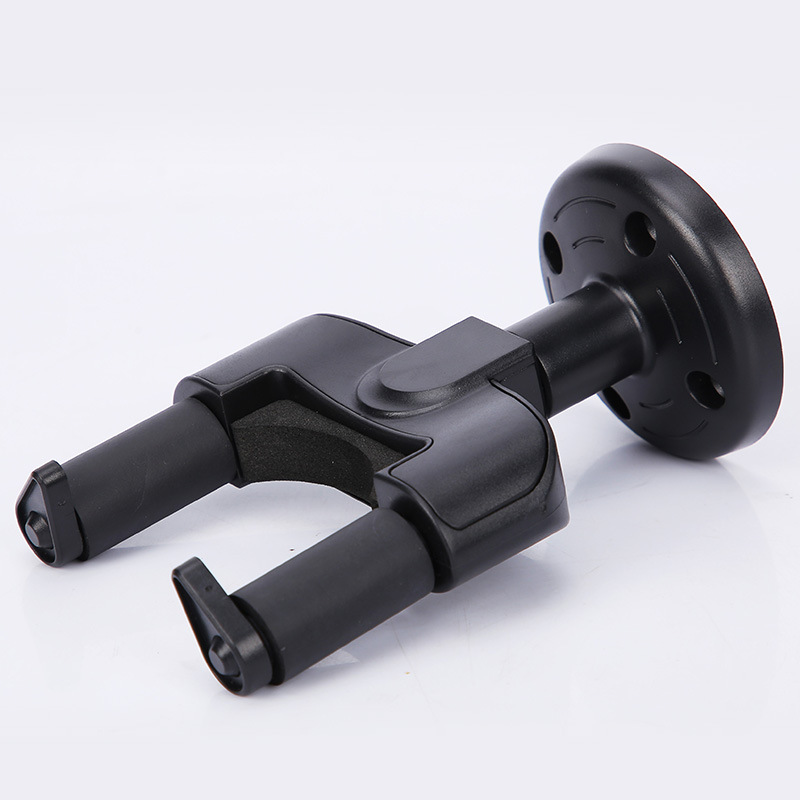
Space-saving display hardware for instrument shops, studios, and home use.
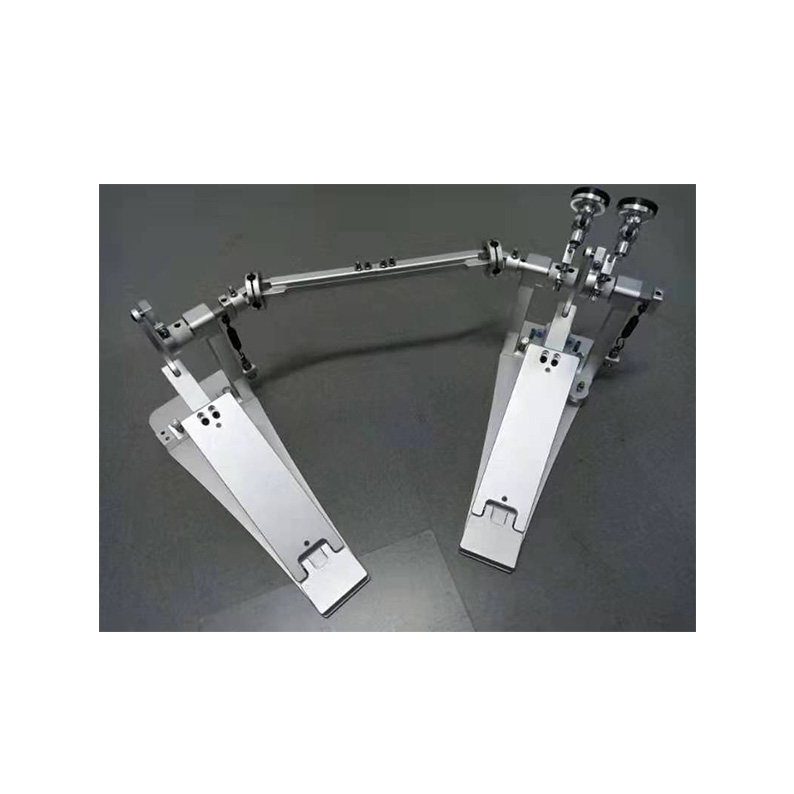
Direct-drive pedal for kit upgrades, replacement demand, and drummer-focused retail.
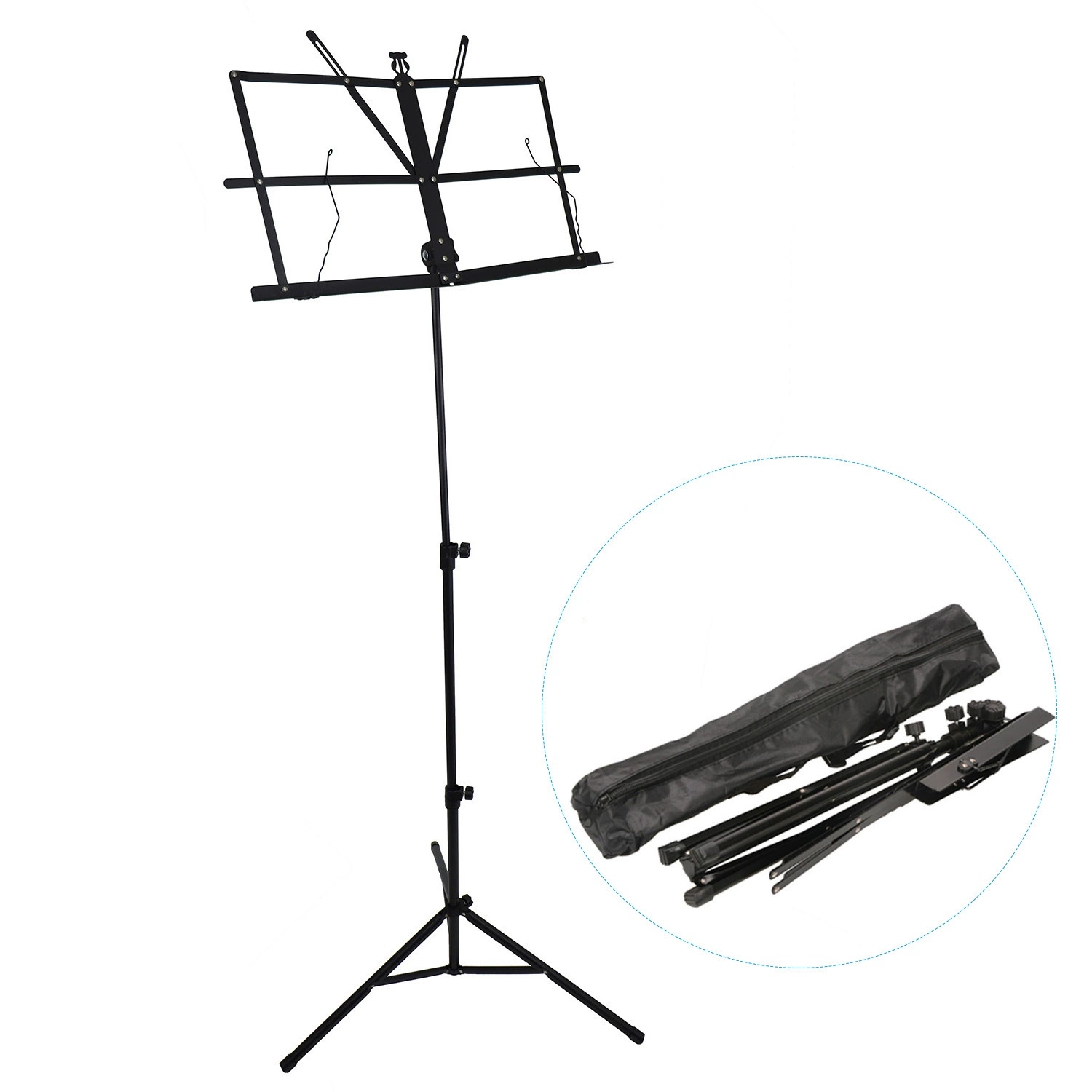
Compact stand for music schools, orchestras, online lessons, and starter kits.
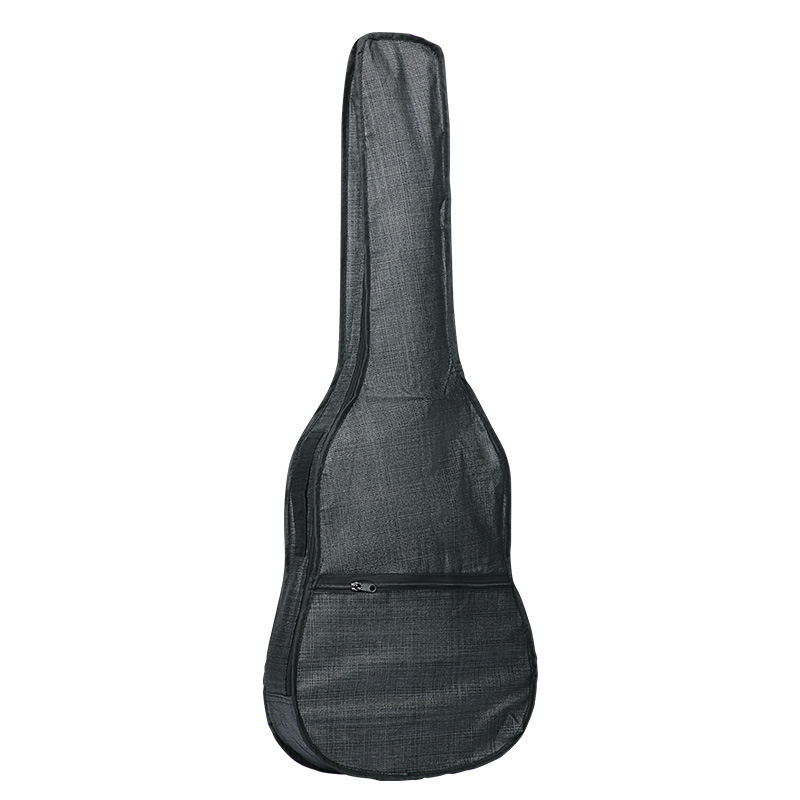
Lightweight bag that naturally bundles with entry-level acoustic guitar orders.
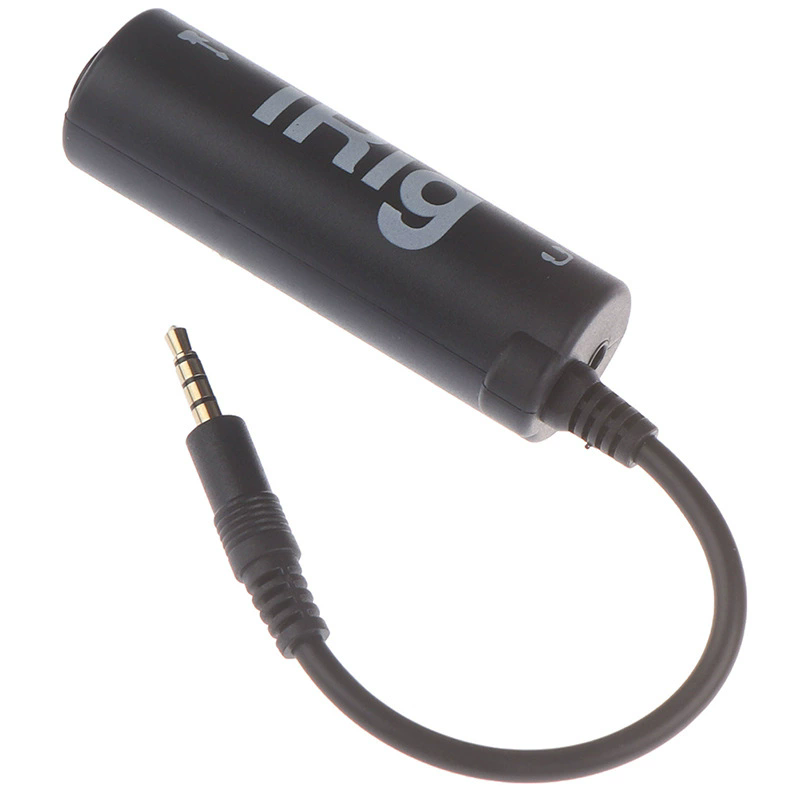
Phone and tablet recording adapter for beginners, creators, and lesson bundles.
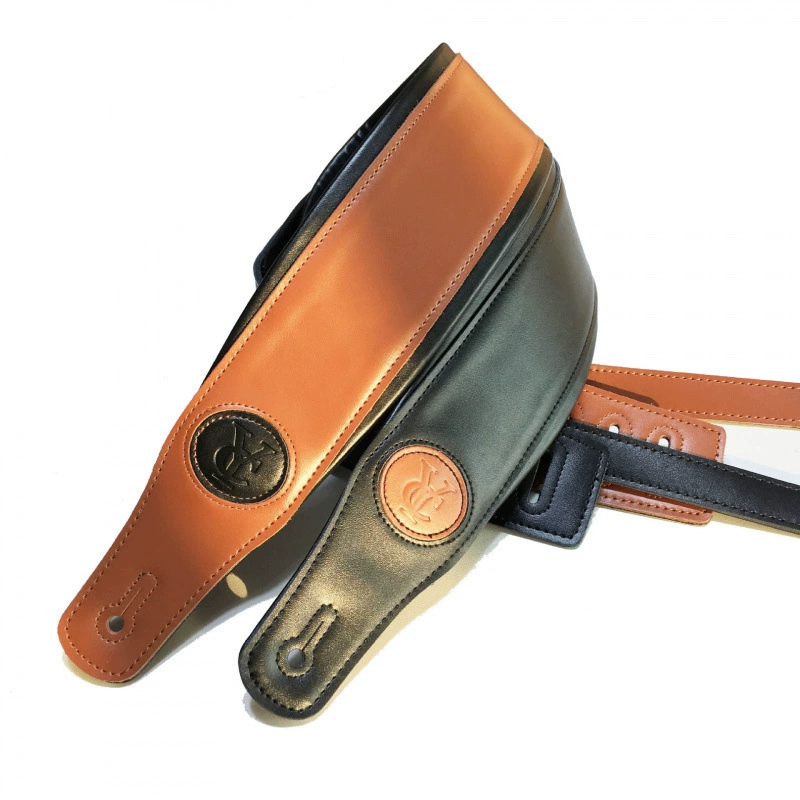
Comfort-focused strap for acoustic, electric, and bass guitar retail programs.
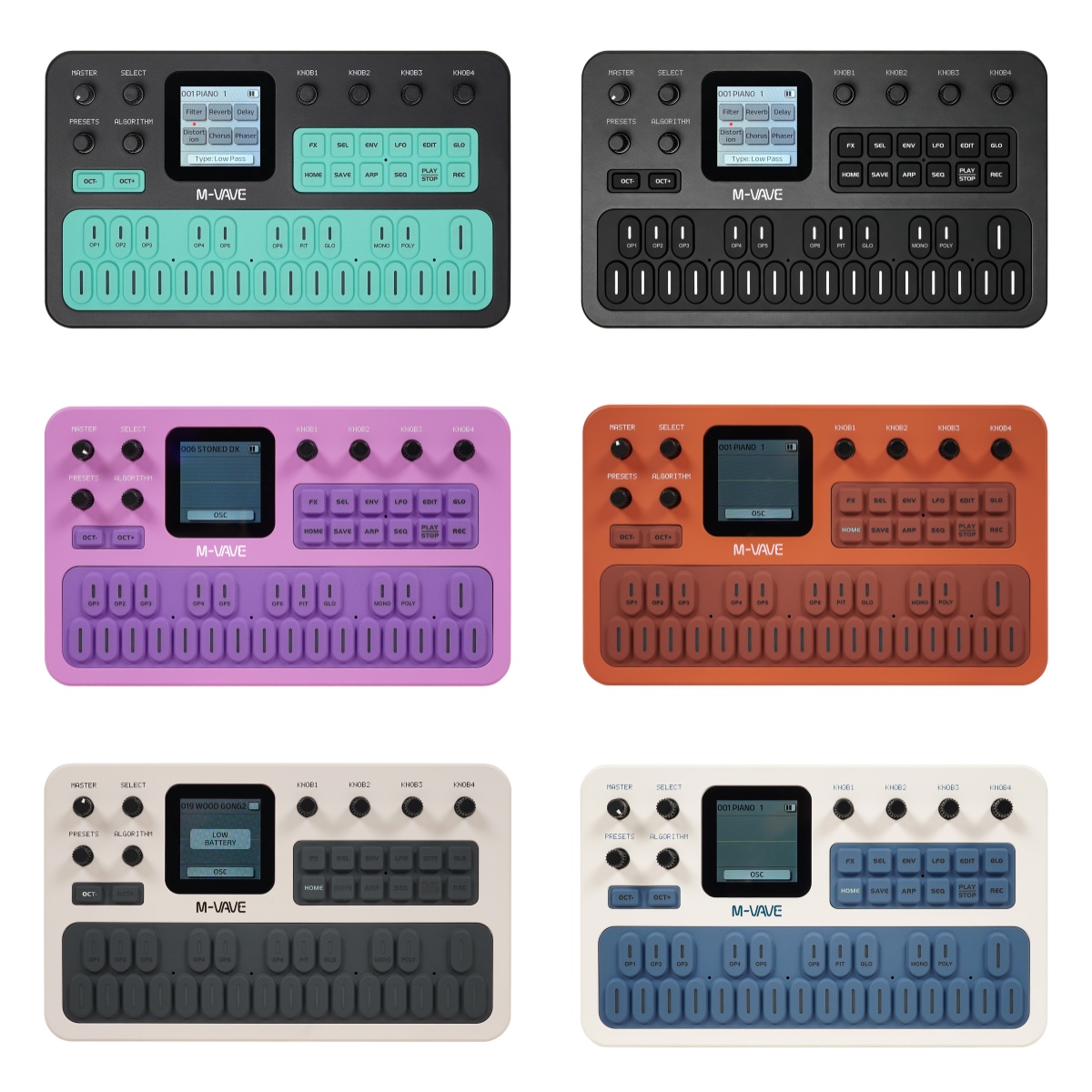
Portable synth for outdoor production, content creators, and pocket-effect users.
Procurement behavior is moving away from one-off price comparisons toward supply-chain risk reduction. For acoustic guitar strings, the change is visible in four areas: documentation readiness, low-MOQ replenishment, mixed-container consolidation, and private-label differentiation. Buyers want fewer surprises, shorter cash cycles, and a supplier who can explain what is and is not in scope.
EU buyers increasingly ask for REACH statements, material declarations, packaging recyclability notes, and batch-level traceability before approving a private-label string line. The winning supplier is not the one that prints “CE” on a box; it is the one that can explain which documents apply to strings, which apply to bundled accessories, and which claims should never be made.
Retailers want to test coated strings, phosphor bronze sets, 12-string sets, and ukulele strings without overstocking. Sampling from 1 piece and mixed-category orders reduce the cash tied up in slow-moving inventory. This is especially important for online sellers testing new gauges and packaging formats.
Freight costs make single-category orders less attractive. Buyers combine strings with guitars, bags, straps, stands, and small accessories. A one-stop supplier reduces supplier audits, inspection points, and container loading delays. It also makes it easier to hit minimum volume targets without over-ordering one SKU.
Regional distributors want their own logo, gauge mix, packaging language, and barcode. Suppliers that support minor customization — logo, packaging, and graphics — plus design-based customization win repeat orders. The string itself may be similar, but the retail presentation and documentation package are not.
String development is no longer only about alloy. Buyers are asking for longer service life, clearer tension systems, better packaging, and SKUs that are easy to merchandise online. The following six trends are especially relevant for private-label programs and wholesale assortment planning.
Polymer-coated and nanoweb-style strings appeal to players who want fewer string changes and stable tone. Buyers should specify coating type, feel, and corrosion-resistance targets rather than simply asking for “coated” strings.
Phosphor bronze is often chosen for warmer tone and longer life; 80/20 bronze is associated with brightness. A reliable supplier should document alloy, winding consistency, and the tonal target for each SKU.
Beginner instruments need lighter gauges and lower tension; 12-string and drop-tuning users need different sets. Retailers benefit from a clear size, gauge, and tension chart that helps staff recommend the right set.
Core geometry affects feel and sustain. Private-label programs can differentiate by core type, wrapping speed, and QC standards. This creates meaningful product stories beyond colour and packaging.
Recyclable paper sleeves, reduced plastic, multilingual packaging, and QR-linked care instructions are becoming purchasing criteria. Packaging is now part of the product experience and the compliance story.
Strings plus picks, capo, tuner, or strap increase average order value and simplify retail merchandising. Bundle SKUs also help smaller buyers reach efficient order values without overstocking individual components.
WPI International Trade Co., Ltd. (Huizhou) began exporting musical instruments from Hong Kong in June 2010 and established its Huizhou, Guangdong operation in 2014. The company has 28 employees, including 22 in trading and export roles, and serves importers, distributors, retailers, and schools worldwide. Its main markets are North America, Western Europe, Southeast Asia, and South America.
For string programs, the advantage is not simply catalogue breadth. It is the ability to combine string sourcing with instruments, bags, stands, straps, and accessories, while keeping documentation, inspection, and communication in one place. WPI’s buyer rating is 4.6/5, its inquiry response rate is 97.73%, and its recent trade record includes 952 orders and US$370,000+ in six months.
WPI has been assessed onsite by Intertek, covering legal status, premises, capabilities, and main product lines. This gives buyers a third-party reference point before placing a first order.
Since 2010, WPI has worked with overseas buyers across multiple instrument categories. That experience helps anticipate packaging, documentation, and mixed-order issues before they become shipment delays.
Many guitars, ukuleles, violins, and saxophones can start from 1 piece for sampling. Typical wholesale MOQs are 2–10 pieces per instrument model and 20–600 sets for strings and small accessories. Mixed-category orders are welcome.
Assessed capabilities include sample-based customization, minor customization such as logo, packaging and graphics, design-based customization, and full customization. This supports private-label string ranges and branded accessory kits.
A dedicated QC team inspects finished products before delivery, covering appearance, hardware, tuning stability, and packaging. For string programs, the agreed inspection criteria can include gauge tolerance, corrosion checks, and artwork approval.
Consolidate guitars, ukuleles, violins, saxophones, drums, steel tongue drums, keyboards, and accessories in one container with end-to-end logistics support. This reduces supplier management time and inspection complexity.



The most reliable sourcing conversations start with a clear documentation checklist. This is especially important for EU buyers who need to separate product compliance from packaging compliance and accessory compliance. The table below outlines the practical documents to request before approving a private-label string order.
Clarify whether the product, packaging, or bundled accessory falls within a CE-marked category. For strings, the correct approach is usually a scope statement and material declaration — not a misleading “CE certified string” claim.
Ask for material declarations covering restricted substances in wire, coating, inks, and packaging. Check the declaration date, product scope, and whether it matches the exact SKU and batch.
Batch codes, production dates, and pre-shipment inspection reports make after-sales handling faster. For strings, verify gauge tolerance, tension consistency, corrosion test method, and packaging artwork approval.
| Document | Why It Matters | What to Verify |
|---|---|---|
| CE scope statement | Clarifies whether the product, packaging, or accessory is in scope. | Model list, accessory list, and applicable directive or regulation. |
| REACH declaration | Covers restricted substances in materials, coatings, inks, and packaging. | Date, batch or lot reference, and signatory details. |
| RoHS documentation | Applies where bundled electronics such as tuners, pickups, or adapters are included. | Test report, model number, and accessory scope. |
| Packaging and labelling proof | Confirms language, barcode, warnings, and recyclability information. | Artwork proof, barcode number, and market-specific wording. |
| Pre-shipment inspection report | Documents appearance, gauge, tension, corrosion checks, and packing. | AQL level, inspection photos, and corrective-action notes if any. |
| Batch traceability record | Links the order to production date and material batch for after-sales support. | Batch code, production date, and packing list reference. |
Acoustic guitar strings are not generally CE-marked as a standalone product. CE marking applies to specific categories such as electrical equipment, toys, PPE, and machinery. For string purchases, EU buyers usually ask for material declarations, REACH compliance, packaging information, and batch traceability. If a supplier says “CE certified strings,” ask for a written scope statement explaining which product or accessory is actually covered.
Typical wholesale MOQs are 20–600 sets for strings and small accessories, depending on the specification, packaging, and customization level. Many instruments can start from 1–10 pieces for sampling. Mixed-category orders are welcome, which allows buyers to combine strings with instruments, bags, straps, stands, and other accessories.
Yes. WPI supports mixed-category sourcing across guitars, ukuleles, violins, cellos, saxophones, clarinets, drums, steel tongue drums, keyboards, and accessories. Consolidating multiple categories in one container can reduce freight pressure, lower inspection complexity, and simplify supplier management. It is a practical option for distributors testing a new string line alongside proven instrument SKUs.
Consistency starts with a written specification: wire source, core type, winding specification, coating type if any, gauge tolerance, and packing method. Pre-shipment inspection can include appearance, gauge checks, tension verification, corrosion testing, and packaging artwork approval. For private-label programs, the approved sample and inspection criteria should be documented before mass production begins.
WPI’s main markets are North America, Western Europe, Southeast Asia, and South America. The company has served importers, distributors, retailers, and schools since 2010, with an Intertek-assessed supplier profile and a 4.6/5 average buyer rating from verified transactions.
Payment methods include T/T, L/C, D/P, D/A, MoneyGram, credit card, PayPal, Western Union, cash, and escrow. Delivery terms include FOB, CFR, CIF, EXW, FAS, CIP, FCA, CPT, DEQ, DDP, DDU, DAF, DES, and express delivery. The right combination depends on the destination, order value, and whether the shipment is a sample order or a mixed container.
Tell us your target market, gauge mix, packaging requirements, and accessory bundle plan. WPI’s export team will recommend a practical specification, confirm MOQ, and help you plan a mixed-container order that fits your cash flow and retail channel.