8 Proven Products to Pair with Acoustic Bass Guitar Orders
Build a practical wholesale assortment around acoustic bass guitar demand. These eight buyer-relevant products support accessory attach rates, bundle building, retail merchandising, and one-container sourcing. Product URLs are preserved exactly as supplied.
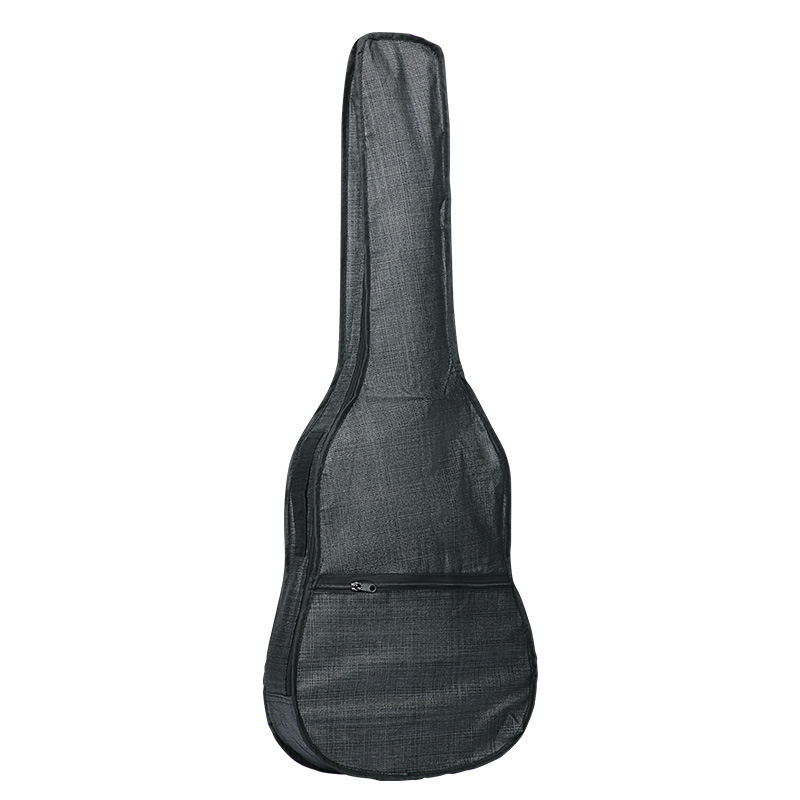
38 Inch New Non-woven Fabric Acoustic Guitar Bag, Single Shoulder Lightweight Single Layer Folk Guitar Backpack Wholesale
Lightweight protection for entry-level guitar and bass programs.
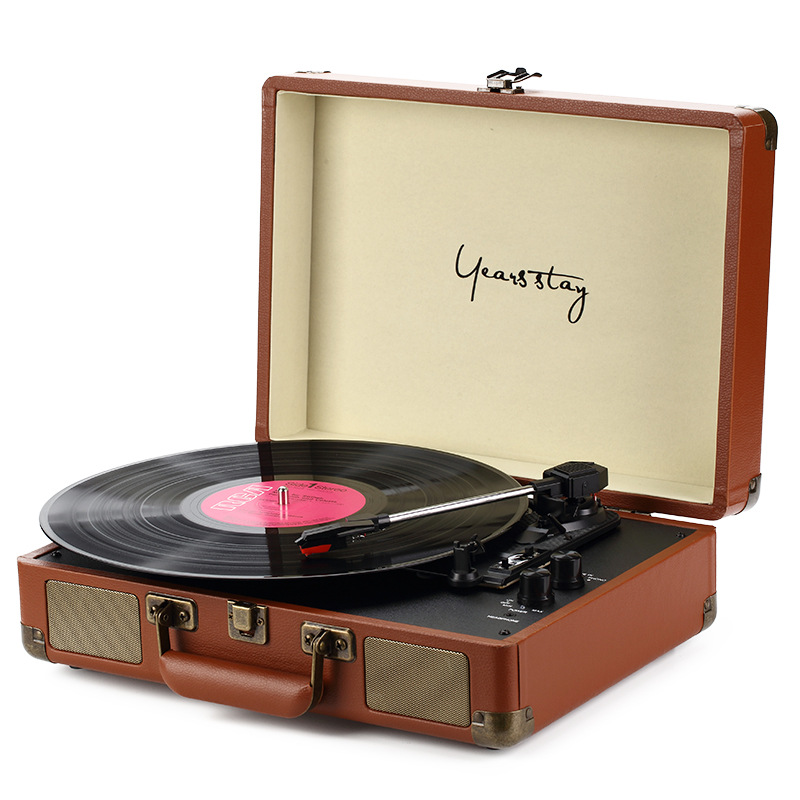
Portable Mini Phonograph Desktop Vinyl Record Player Handheld Wireless for Speaker Turntable
A gift-oriented SKU for music lifestyle retail and online stores.
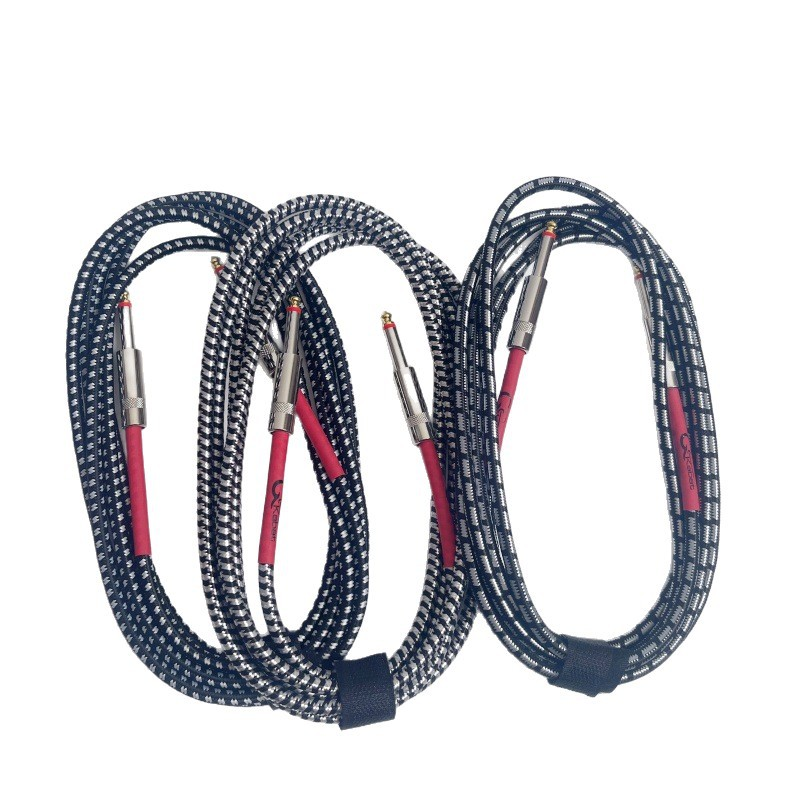
Braided Guitar Cable, 6.35mm Male to Male Noise Reduction Audio Cord for Bass, Instrument Connection Wire Wholesale
Essential attach-rate item for acoustic-electric bass guitar buyers.
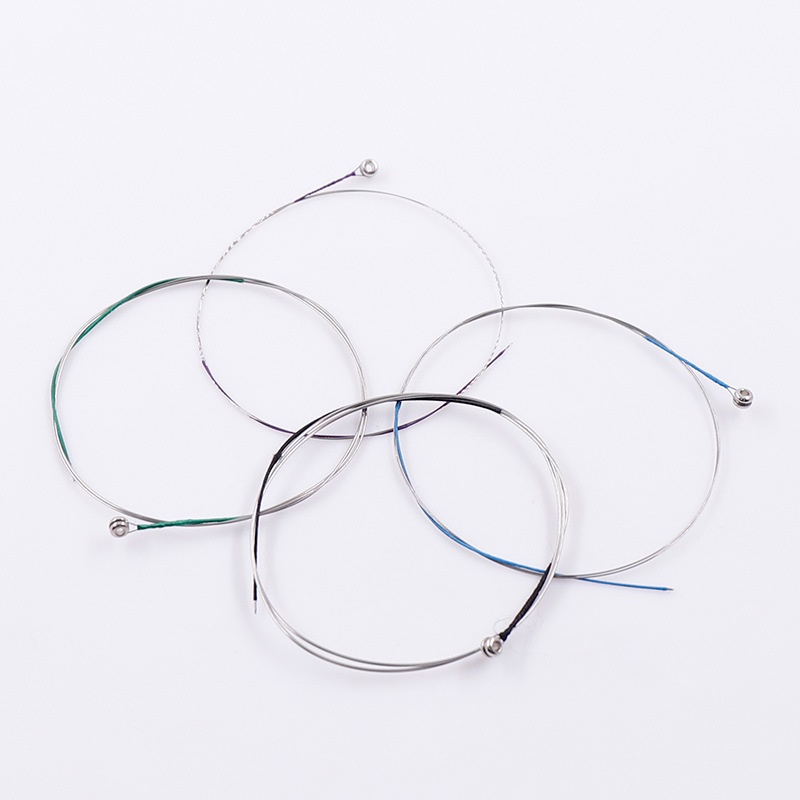
Silver Steel Violin Strings Loose Set for Classical Guitar Wholesale Guitar Parts Accessories
High-turnover wholesale inventory for schools, shops, and service counters.
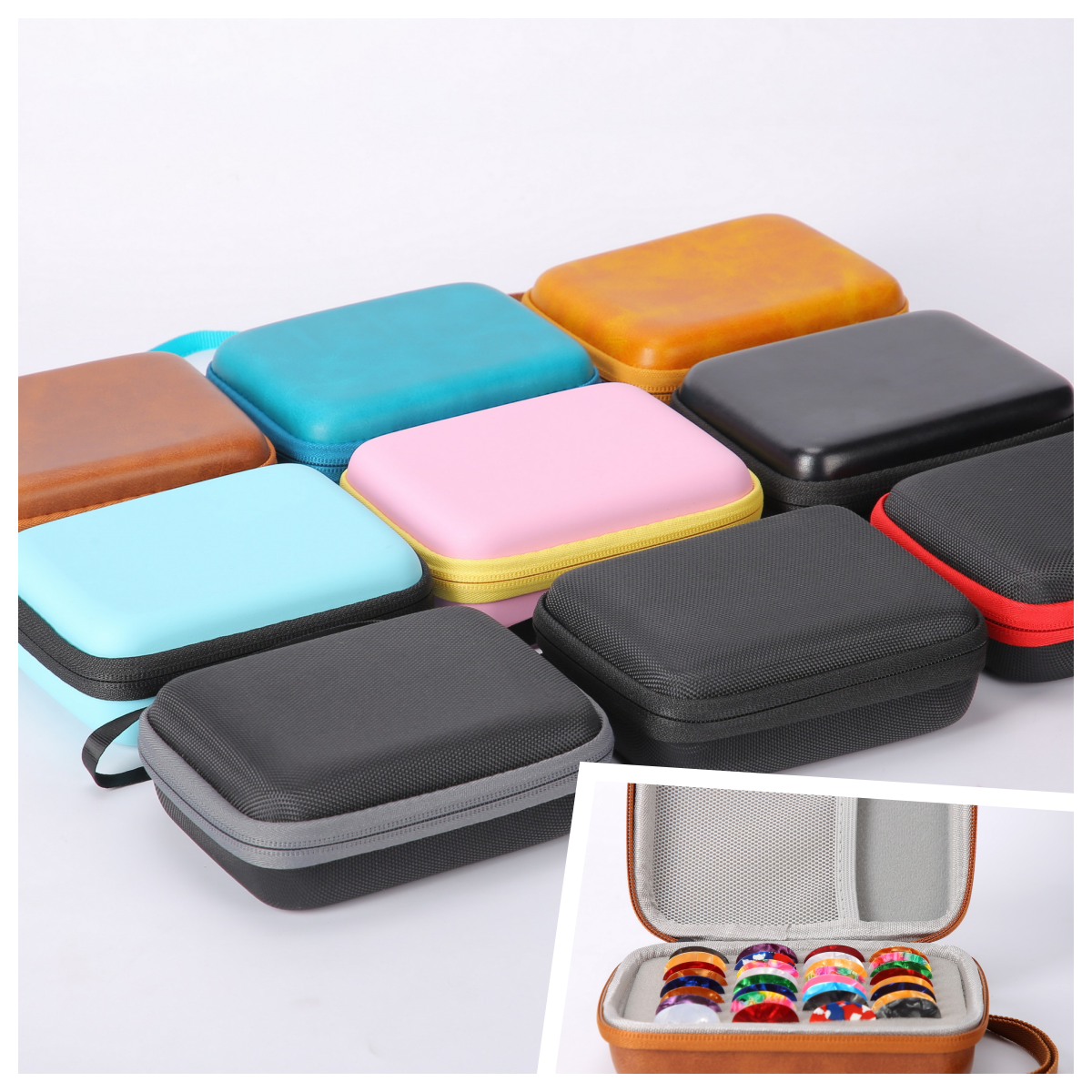
Guitar Folk Plectrum Storage Leather Case Leather PC Plectrum Bag Ukulele Plectrum Pick Case Package
Low-cost, high-perceived-value accessory for starter bundles.
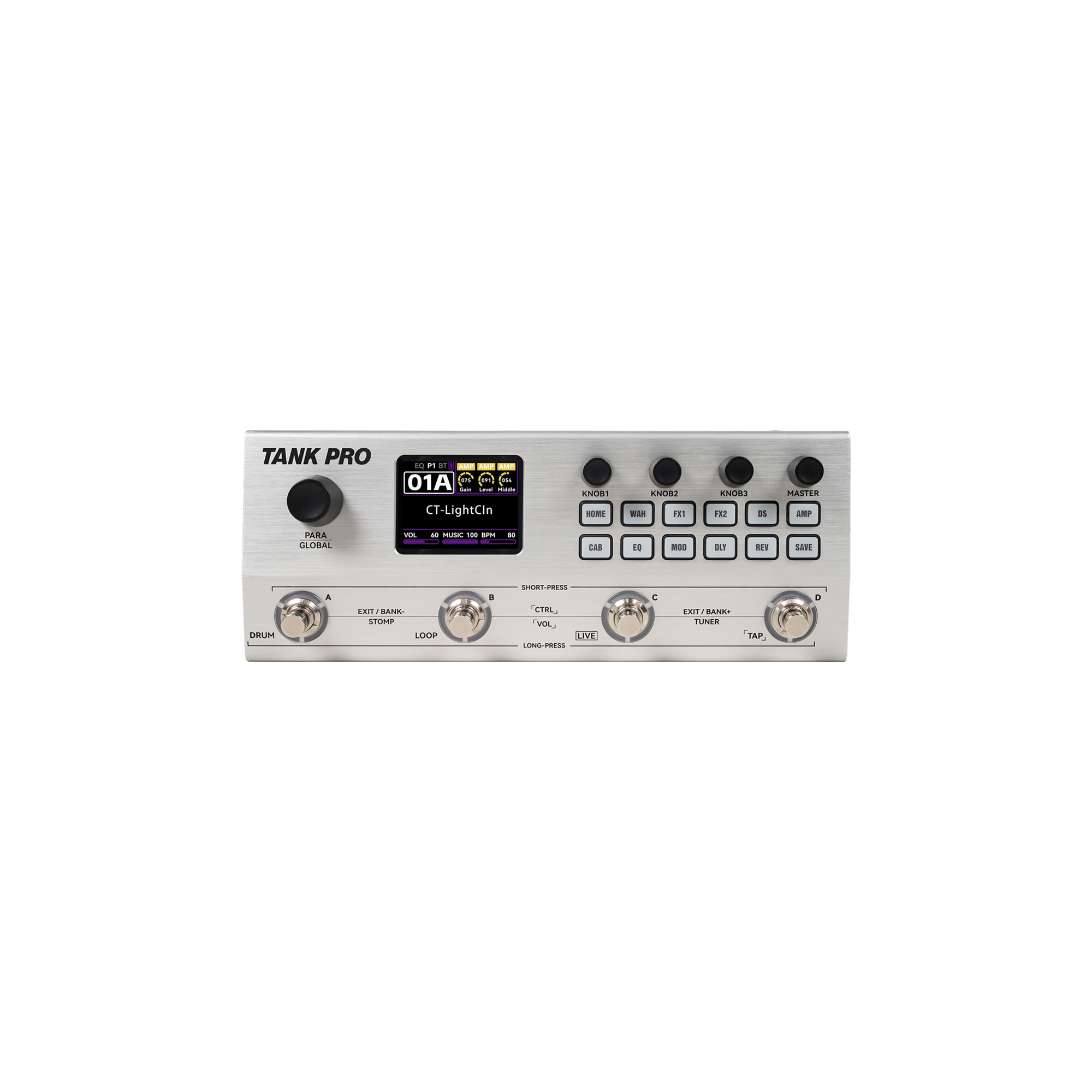
Tank Pro Metal Guitar Multi Effects Processor with ANN Third-Party IR Loading OTG Internal Recording
For specialist retailers serving recording, practice, and stage musicians.
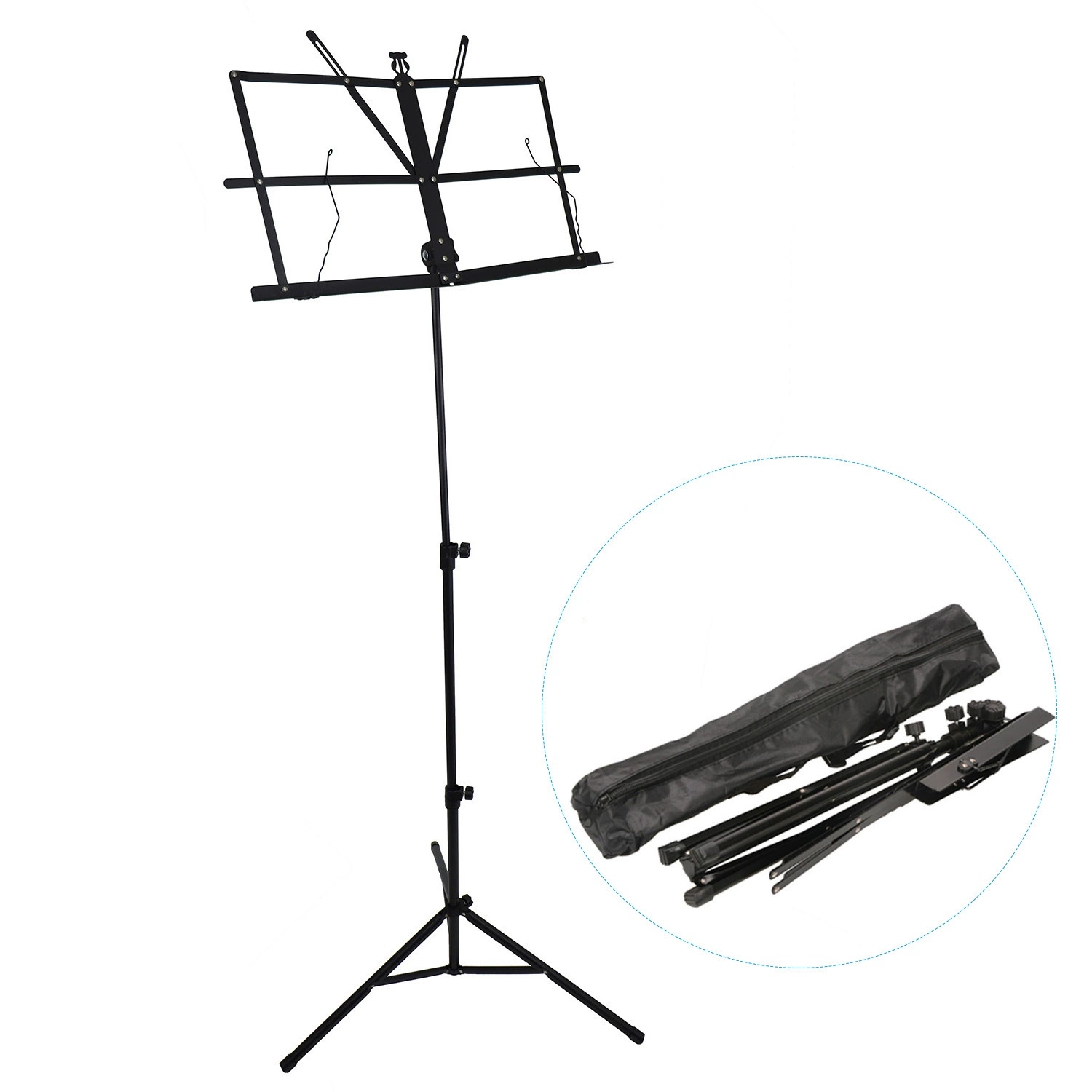
Factory Wholesale Small Size Portable Adjustable Music Stand With Bag
Practical school tender and music-education add-on SKU.

8 Inch African Djembe Drum, Lightweight PVC Fabric Hand Drum for Kids & Adults, Beginner Percussion Hand Beat Drum Wholesale
Broadens the order basket for education and gift distributors.
Supplier Data That Supports Better Buying Decisions
This is not a marketplace listing with unverified claims. WPI combines third-party assessment, export history, buyer feedback, and documented trade terms to support repeat wholesale purchasing.
Years in the musical instrument industry
Assessed annual export value
Orders shipped in the last 6 months
Inquiry response rate
Average buyer rating
CE Certification for Acoustic Bass Guitars: What Wholesale Buyers Should Verify
In Europe, “CE certified” is not a single universal certificate. It is a compliance claim that must be matched to the exact model, electronics package, materials, packaging, and applicable EU directives. Serious buyers now verify the file, not just the logo.
Why CE documentation has become a procurement gate
For acoustic bass guitars, the compliance pathway depends on product configuration. A purely acoustic bass guitar has different obligations from an acoustic-electric bass guitar fitted with an active preamp, pickup system, tuner, Bluetooth module, or USB recording interface. When electronics are present, buyers commonly request EMC and RoHS-related evidence, model-level declarations, bills of materials, and traceability from the factory.
The strongest exporters provide documentation support before the purchase order is issued. That means matching SKU numbers, labels, packaging artwork, and technical files. It also means explaining which declarations apply to the exact export model. At WPI, CE documentation support is handled as a model-specific sourcing task rather than a generic marketing claim, so distributors can make clear, defensible purchasing decisions.
For importers, this reduces customs friction, marketplace compliance risk, and after-sales disputes. For retailers, it protects brand reputation. For schools and institutional buyers, it creates a clearer audit trail. The lesson is simple: ask for the technical file behind the CE claim.
Buyer verification checklist
- Model-level CE declaration, not a company-wide certificate image
- EMC and RoHS reports if the acoustic bass guitar includes active electronics
- Bill of materials matching the quoted pickup, preamp, and hardware
- Product label, rating plate, and packaging artwork review
- Traceability between factory, exporter, and final shipping documents
- Pre-shipment inspection covering appearance, hardware, tuning stability, and packaging
- Written confirmation of which markets and product variants are covered
CE applicability depends on the final product configuration and destination market. Buyers should confirm the exact documentation package for each acoustic bass guitar model before shipment.
Which Acoustic Bass Guitar Profiles Should Retailers Stock First?
A balanced assortment reduces inventory risk while covering the most common buyer intents: beginner entry, school supply, stage-ready performance, and specialist niche demand.
Full-Size 4-String Acoustic Bass
The core retail SKU. Prioritize stable tuning hardware, comfortable scale length, and a balanced body size. Offer natural and sunburst finishes first, then add premium finishes after sell-through data is proven.
Short-Scale and Travel-Friendly Bass
Useful for schools, younger players, and online niches. A shorter scale can reduce reach and make practice more accessible. Pair with a lightweight gig bag and compact accessories to raise average order value.
Acoustic-Electric with Reliable Preamp
The fastest way to serve stage, worship, and recording customers. Focus on clean pickup installation, battery access, output jack durability, and EQ controls that are easy to explain at retail.
Specialist Niche Models
Five-string, fretless, and premium solid-top acoustic bass guitars are not mass-volume SKUs, but they build credibility with serious players. Stock after validating demand through pre-orders or dealer feedback.
Acoustic Bass Guitar Procurement Trends for 2025–2028
Buyers are changing how they source instruments: smaller first orders, stronger compliance checks, and more consolidated containers. Exporters that support these shifts will win repeat purchase orders.
01. Low-MOQ Trial Orders
Distributors increasingly test styles, finishes, and price bands with smaller first orders. Flexible MOQs reduce dead stock and allow faster retail feedback. WPI supports sampling from 1 piece for many models and mixed-category orders.
02. Compliance-First Sourcing
CE-related documentation, RoHS, material declarations, and labeling checks are moving earlier in the buying process. The best supplier is not the one with the biggest logo page, but the one that can match documentation to the quoted SKU.
03. Consolidated Multi-Category Containers
Container costs and inventory complexity encourage one-stop sourcing. Acoustic bass guitars, bags, cables, strings, stands, and percussion can be consolidated with one export partner to reduce supplier management time.
04. Private-Label Retail Readiness
Buyers want logo, hangtag, packaging, barcode, and instruction support before launch. Sample-based customization, minor customization, design-based customization, and full customization are now standard expectations for OEM instrument programs.
05. Acoustic-Electric Share Is Rising
Demand is moving toward instruments that can practice quietly, plug into a PA, and record directly. Retailers should plan a sensible mix of acoustic-only and acoustic-electric bass guitars rather than a single configuration.
06. Faster Replenishment and After-Sales
Buyers evaluate response speed, spare-part availability, and packaging quality as part of total cost. A 97.73% inquiry response rate and named account managers reduce friction from quotation to after-sales follow-up.
Acoustic Bass Guitar Development Trends Buyers Should Watch
Factory roadmaps are shifting toward stability, playability, and retail differentiation. These development directions help importers plan assortments that feel current without sacrificing quality control.
Lighter Bracing and Comfort
Comfort-focused body shapes and lighter bracing help acoustic bass guitars feel more accessible. For factories, this means repeatable build specifications and better quality checks at the neck joint and bridge area.
Solid-Top and Premium Tonewood Options
Buyers are adding step-up models with solid tops and more distinctive grains. These models require stricter humidity control, seasoning, and final setup to protect tone and avoid cracks in transit.
Integrated Pickup and Preamp Systems
Active electronics are becoming more refined. Retailers want simple controls and dependable output. Factories must test battery compartments, jacks, shielding, and EQ behavior before packing.
Durable Finishes for Export
Matte, satin, and open-pore finishes are growing, but they must survive temperature and humidity changes. Packaging, curing time, and inspection standards matter as much as the visual trend itself.
Retail-Ready Hardware Packages
Sealed tuners, adjustable truss rods, strap buttons, and stable bridges are becoming baseline expectations. Buyers increasingly compare total playability rather than cosmetic upgrades alone.
Sustainable and Compliant Materials
Material origin, chemical compliance, and packaging sustainability are becoming part of buyer due diligence. Exporters should be ready to document material substitutions and finish changes without breaking the approved sample.
How to Evaluate CE-Ready Acoustic Bass Guitar Factories
Use this framework to separate marketing language from operational readiness. A good factory can answer technical questions, show inspection records, and match documentation to the exact product being quoted.
| Evaluation Area | What to Verify | Common Red Flag | Practical Buyer Action |
|---|---|---|---|
| CE documentation | Model-level declaration, EMC/RoHS evidence for active electronics, label artwork, and traceability. | A generic certificate image with no model numbers or technical file. | Request a document pack before paying the deposit. |
| Sample approval | Scale length, action, neck profile, finish, hardware, pickup output, and packaging appearance. | Mass-production units differ from the approved sample without written notice. | Sign off a sealed reference sample and agree on tolerances. |
| Quality control | Appearance, hardware, tuning stability, electronics function, packaging drop protection, and barcode checks. | No finished-product inspection or no inspection photos before shipment. | Require pre-shipment inspection and review the report. |
| OEM/ODM capability | Logo method, packaging design, manual translation, barcode, and minor design changes. | Only stock products with no reliable customization workflow. | Confirm sampling lead time and artwork approval steps. |
| Export coordination | Consolidation, Incoterms, payment method, shipping documents, and after-sales contact. | Unclear terms or a different company handling shipment after payment. | Match the quotation, invoice, and shipping documents to the same exporter. |
01. Brief
Share target price, market, body size, electronics, hardware, logo, packaging, and estimated quantity. Include any CE documentation requirements in the first message.
02. Compliance Brief
Define product labels, languages, warnings, barcodes, and the exact destination market. Identify whether the acoustic bass guitar is passive or active.
03. Sampling
Approve a pre-production sample covering tone, setup, finish, hardware, electronics, and packaging. Keep a sealed reference sample for bulk production checks.
04. Production QC
Monitor wood moisture, neck fit, bridge alignment, fretwork, finish curing, pickup installation, and hardware assembly through in-process checks.
05. Pre-Shipment Inspection
Inspect finished units before packing. Check appearance, tuning stability, electronics function, accessories, labels, and carton strength.
06. Export Documentation
Confirm commercial invoice, packing list, shipping terms, payment records, and any compliance documents required by the buyer and destination market.
Why WPI International Trade Co., Ltd. (Huizhou) Is a Practical Acoustic Bass Guitar Export Partner
WPI combines multi-category sourcing, low-MOQ customization, third-party assessed operations, and established export experience — the building blocks for repeatable wholesale programs.
Intertek Onsite Assessed
Our premises, legal status, and capabilities have been assessed onsite by Intertek. This supports buyer due diligence, supplier approval, and risk review before the first order.
Factory-Direct Sourcing
Long-term partner workshops in Guangdong support factory-level pricing, OEM/ODM development, sample-based customization, and stable production follow-up for instrument programs.
One-Stop Export Support
Consolidate guitars, bags, strings, cables, stands, and percussion in one shipment. WPI supports FOB, CIF, DDP, EXW, and express options to suit different buyer structures.
Low-MOQ OEM/ODM
Many models can start from 1 piece for sampling, with typical instrument MOQs of 2–10 pieces and accessory MOQs of 20–600 sets. Mixed-category orders are welcome.
Verified company profile
WPI International Trade Co., Ltd. (Huizhou) began exporting musical instruments from Hong Kong in June 2010 and established its Huizhou operation in 2014. The team includes 28 people, with 22 in trading and export roles. Main markets include North America, Western Europe, Southeast Asia, and South America. The company has exhibited at Shanghai and Guangzhou music shows from 2014 to 2019 and provides named account managers for buyer follow-up.
Common FAQ from Acoustic Bass Guitar Buyers
These are the questions wholesale buyers ask most often when comparing CE-certified acoustic bass guitar factories and exporters.
Are your acoustic bass guitars CE certified?
CE status is model-specific. Passive acoustic instruments and active acoustic-electric models can have different compliance pathways. WPI provides documentation support for applicable models and will confirm the exact declaration, test reports, label artwork, and destination-market requirements for the quoted acoustic bass guitar before the order is placed.
What is the minimum order quantity for acoustic bass guitar and accessory programs?
Many instruments can be ordered from 1 piece for sampling. Typical wholesale MOQs are 2–10 pieces per instrument model and 20–600 sets for small accessories. Mixed-category orders are welcome, which helps buyers test acoustic bass guitars together with bags, cables, strings, stands, and percussion.
Do you offer OEM and ODM customization?
Yes. Assessed capabilities include sample-based customization, minor customization such as logo, packaging, and graphics, design-based customization, and full customization. For acoustic bass guitar programs, buyers can discuss headstock logos, finish colors, hardware selection, pickup systems, packaging, manuals, barcodes, and retail-ready labels.
How do you control quality before shipment?
Every order goes through finished-product inspection before delivery. Checks cover appearance, hardware, tuning stability, electronics function where applicable, accessory completeness, labeling, and packaging. WPI has also been assessed onsite by Intertek, supporting buyer supplier-approval processes.
Which markets do you export to?
Main markets include North America, Western Europe, Southeast Asia, and South America. Because requirements differ by market, buyers should specify the destination country, sales channel, language requirements, and compliance documentation needs at the quotation stage.
What payment and delivery terms do you accept?
Payment methods include T/T, L/C, D/P, D/A, MoneyGram, credit card, PayPal, Western Union, cash, and escrow. Delivery terms include FOB, CFR, CIF, EXW, FAS, CIP, FCA, CPT, DEQ, DDP, DDU, DAF, DES, and express delivery. The final terms depend on order value, destination, and shipping method.
Which acoustic bass guitar size should a retailer stock first?
Start with a full-size 4-string acoustic bass guitar in a natural or sunburst finish for general retail demand. Add a short-scale option for younger players, schools, and travel-focused buyers. If the channel serves stage or worship musicians, include an acoustic-electric model with a reliable preamp and simple controls.
How should acoustic bass guitars be packaged for export?
Packaging should combine instrument protection with retail presentation. Confirm inner protection, carton strength, humidity safeguards, barcode placement, and any marketplace label requirements. For acoustic-electric models, protect control knobs, jacks, and battery compartments. Pre-shipment inspection should include carton and packaging checks before the container is sealed.
Work with a CE Documentation-Ready Acoustic Bass Guitar Exporter
Tell us your market, target price, MOQ, body size, pickup preference, logo, and packaging needs. Our team will recommend suitable acoustic bass guitar configurations and build a wholesale quotation with export-ready documentation support.